
Can Zara speak with their recently departed mother through fungal networks?
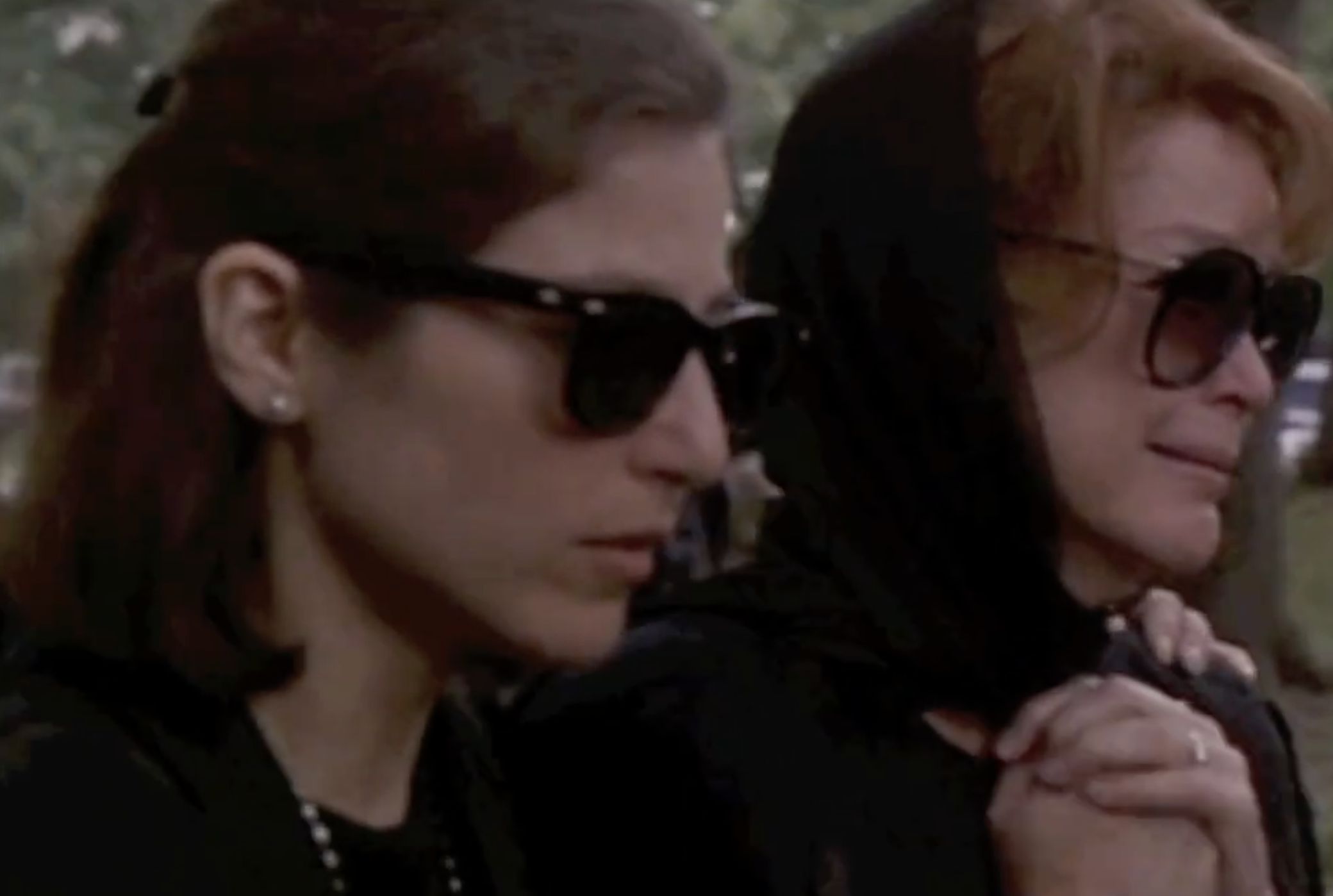
In April my mom passed away and I attended her funeral as a relative outsider in her life. Seeking some distance from her friends, I borrowed the Israeli custom of wearing sunglasses to her funeral despite being in the oft-cloudy Upper Peninsula of Michigan. It felt like I needed a reason to be there, so I brought my phone and videoed her funeral for my as-yet non-existant children who will never meet her. Doubtless her funeral wasn’t something I’d have been invited to while she was living, yet death is both a final estrangement and reunion. Due to our relationship in life, my mom’s passing was more relief and closure for me than it was grief.
Grieving Disconnection
In life my mom’s absence brought peace and a feeling of security, albeit with dread anticipation of her presence. Her presence brought chaos, instability, and unpredictability along an inevitable gradient to emotional abuse. Yet her absence and presence mutually denied me one thing: a parent capable of and committed to being a parent. No one else ever met the version of her that I knew, so totally different was her attitude towards other people.
As I grew up, I grew up without really ever seeing my home as a home. Not only uprooted, also disconnected from everyone and everything, especially my own Jewish family and heritage. Naturally this led to my ignorant lack of understanding and deep resentments that isolated me further. In that isolation I became kept, feeling more like a caged experiment that a mother’s child.
Finding Healing
After some terrible relationships and serious health problems, I took time to heal and grieve my upbringing. Healing is inarguably non-linear lifelong process, something our minds and bodies do, while we can intentionally practice healing deeply. That has been a painfully serious undertaking for me the past two years, though I have been on this path since 2021. And even before then I spent so much time learning embodied arts, to nourish my body, visiting both doctors and therapists. Still, the lasting sense of peace and sure knowledge of security only arrived as my mom passed.
As morbid as that might sound, the way she died was a death I’ve often feared for myself. Confronting that possibility for myself, I am grateful my mom died as she did and grateful for her teaching me something about life through her death. Looking down at her body empty of what was her, I felt an unburdening of that pain and less fear of mortality. Corpses have always haunted my mind and I’ve dreaded mortality since I was little. On some level I’ve always resonated with the idea that there is spiritual contagion in death. In Judaism, contact with dead bodies both human and other-than-human interacts with complex belief which parallel contagion.
Spiritual Contagion
While it’s true that literal disease can reside in corpses, mine was not a fear of some kind of plague. It was a fear beyond the rational in the deep ruminative spiral of my mind. Being released from that fear is the only gift my mom has given me worth carrying and cherishing. No physical gift could match the unburdening from that fear, so utterly crushing has it been.
I am also glad that she chose green burial instead of cremation or an even more ecologically impactful burial. I hope that someday the cemetary here will allow me to plant her grave with the native wild-flowers she loved, for her body to slowly entangle into over time.
Entangled Tales

I am not a physicist, yet I’ve read that heat destroys quantum entanglement, making cremation weirdly scarring, If there is a trace of what lived, even the trace of an echo, green burial grants continuity. Interestingly, another kind of entanglement persists in death, as I’ve been reading in Merlin Sheldrake’s book Entangled Life.
Fungi are often decomposers, built of ubiquituous microstructures called hyphae that combine like microscopic fibers into larger masses. Mushrooms are one such structure, yet hardly a universal strategy for fungi. Commonly hyphae weave themselves into lacy mycelial nets capable of moving nutrients and information. Fungi also love to interweave with plant roots or deeper still into plants’ own cells.
Not just plants, rather all life is within hyphae’s reach of the venerable fungi. In death fungi return our bodies to that mighty web of life, an undeniable connection to life’s cycle. In returning our bodies for our fungal friends to reunite with the Earth we enact a lasting stewardship, restful and redemptive.
Psychedelic Blessings
Judaism may have a place for fungal blessings in addition to curses, a connection I’ll explore more in anticipation of the Jewish month of Elul. As for the spiritual symptom of contagion of tzaraat often written about in the Torah, it’s as painful and destructive as any curse, yet that moldy affliction is not all fungi offer. Though Sheldrake references a folk medicine called “chamka” that is supposedly in the Talmud, psychedelics are the blessing he argues for the healing power of. While confined to being viewed with suspicion for decades, psychedelic mushrooms are now the basis of nearly-mainstream healing processes. Though Sheldrake describes some of his experiences with the eccentric Terrence McKenna, the science is serious and goes far beyond pioneering psychonauts.
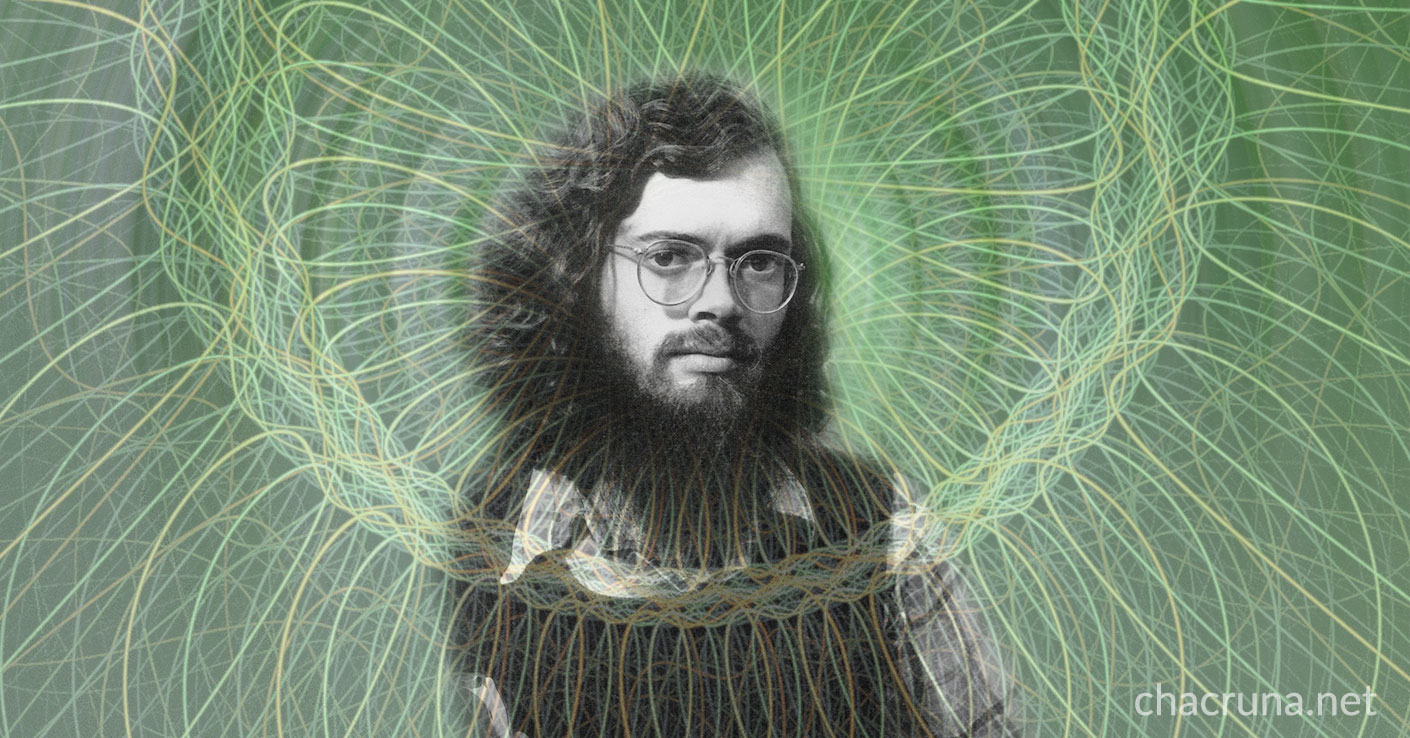
Research has consistently shown that the fruits of these enigmatic lifeforms unharnesses our brains from controlling thought patterns. This in turn allows for a healing experience where one rearranges their mental connections. This rewiring often creates an experience I personally relate to being a single hypha in a vast interconnected mycelial lifeweb. It’s beyond a visceral or intellectual experience, a lasting reconnection to a sense of something universal. That experience is like a lifeline in a desert of despair, a door out of isolation, and peace with mortality.
Healing Eternally

Albeit eccentric, McKenna proposed that fungi could speak through our minds with mushrooms acting as messengers. And why not, given the complex chemical interactions that scientists have found? If hyphae carry information and people experiencing psychedelics journey through a spiritual death and rebirth, what if it’s a story of that endless cycle as witnessed by fungi? What if fungi remember through their entanglements with life and tell that story again and again inside human minds? While Sheldrake doesn’t delve deeply into the science of psychedelic experiences and understandably glosses over the details of how growing these mushrooms has become as easy as culinary oyster mushrooms, he perfectly describes this emerging field of medicine.
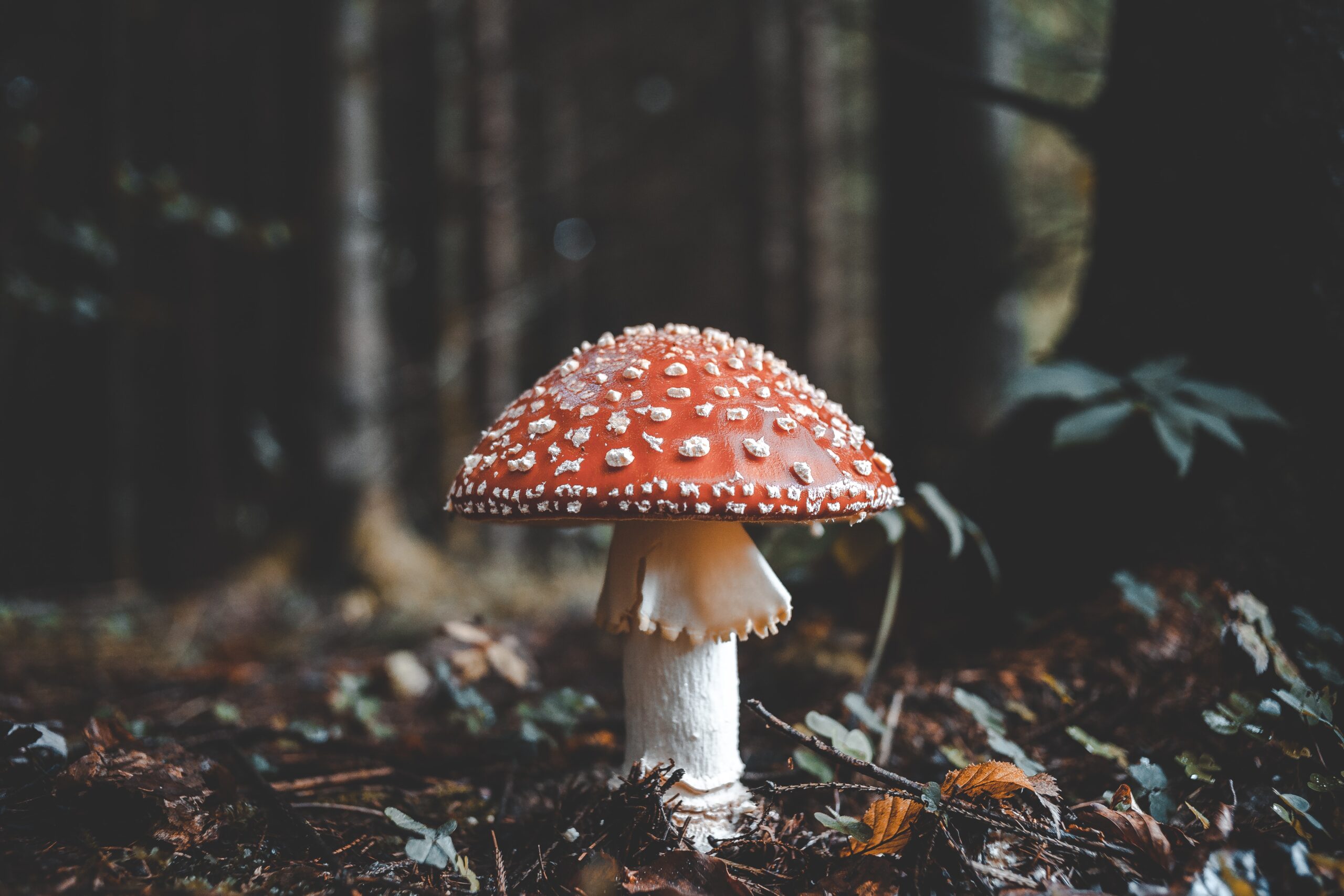
For many, the kind of healing one of my mom’s friends urged on me at her funeral, might be found in that same ancient fungal tale of death and rebirth. In Judaism, there’s a story about the Israelites dropping dead in their tracks and being returned to life, a story that may have a basis in psychedelic experiences more particular to Judaism. While that’s speculative, Sheldrake describes how psychedelic experiences helped McKenna and many other people through the deserts of their fears and the promise of community. That sense of connection breaks down the walls between people and helps them find connections through the substrate of their lives.
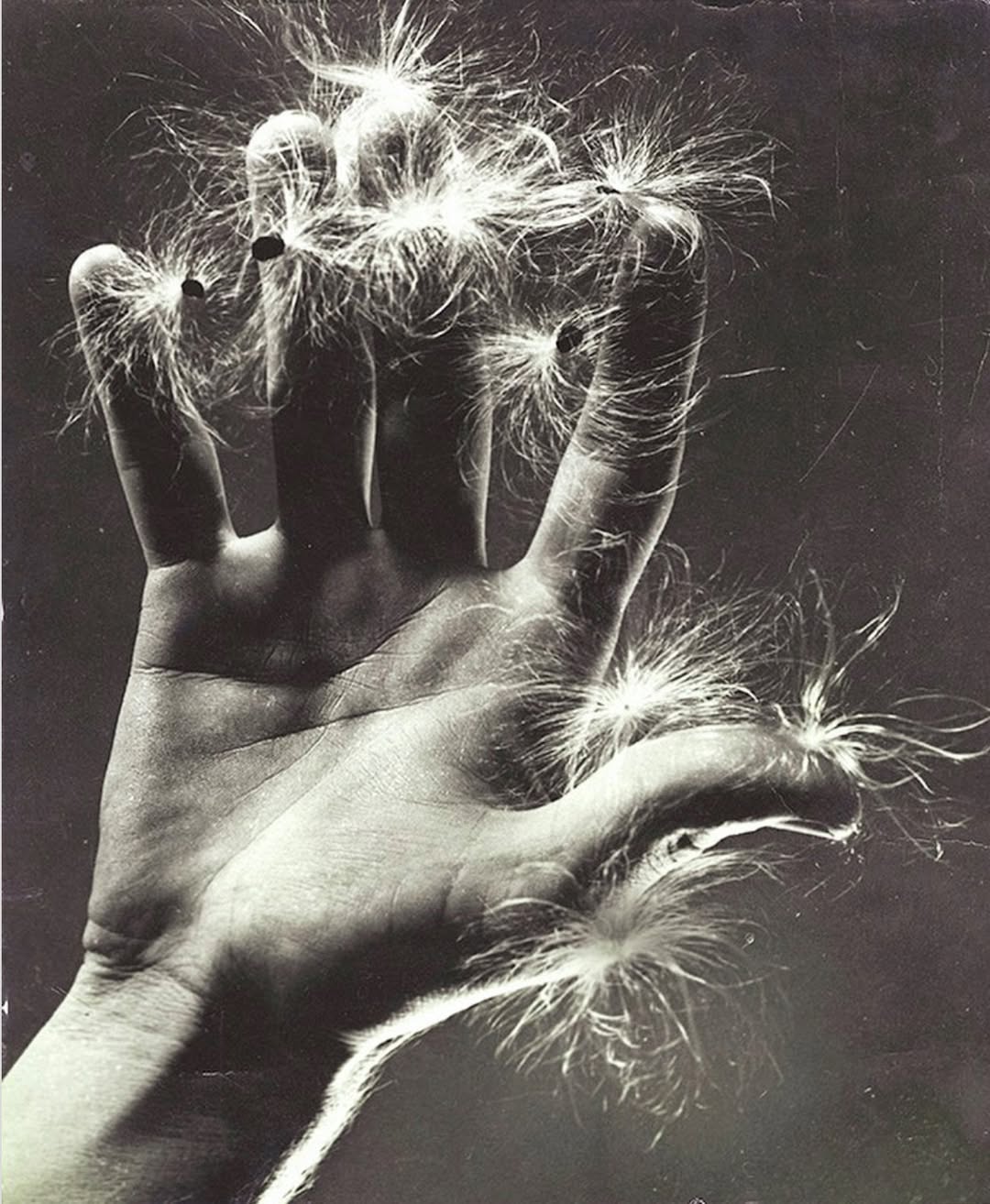
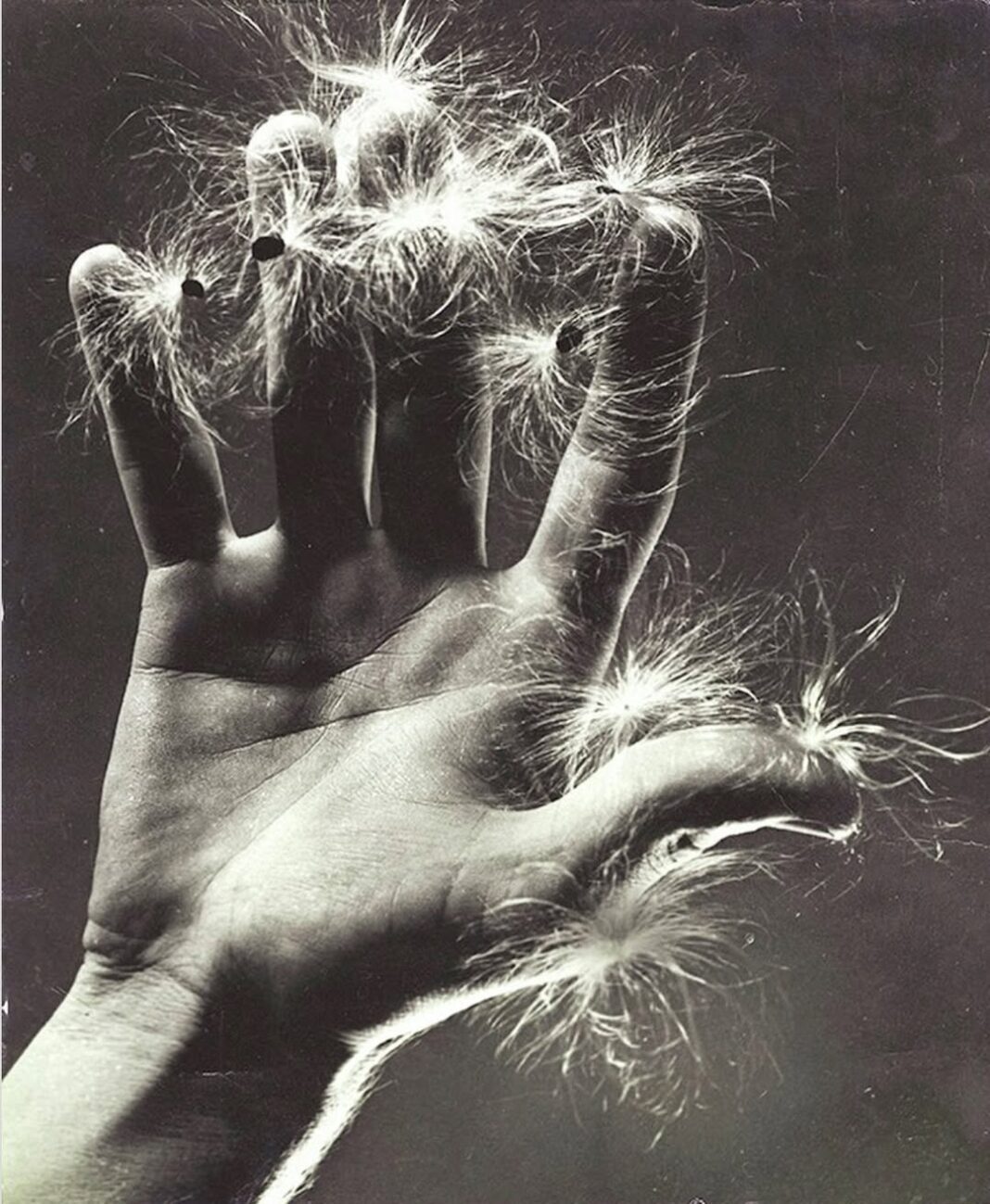
Similarly, my own experiences years ago helped me find the perspective to see my mom’s funeral as continuity, a return to universal existence. Despite wearing sunglasses and filming, I felt gratitude during her funeral instead of simply feeling disconnected. I find beauty that through slow decomposition hyphae record, retell, and remember her body’s story to pass onto roots via mycorrhizae and ever onward. I hope someday that story will ride the wind on the seeds of her beloved milkweeds, embroidered into their own story through those hyphae.