Try a new twist on traditional tabbouleh, with quinoa instead of bulgur.
Tabbouleh or tabouleh is a standard part of mezze – the array of small, piquant dishes set down on the table before a serious meal in the Middle East. Traditionally made with bulgur wheat, tabbouleh is really a cold salad packed with herbs and vegetables. But we’ve found that for a change, or to boost nutrition, quinoa, an “ancient new grain” like freekah, makes a very good substitute for bulgur. Try this modern variation on a traditional Middle-Eastern dish.
Quinoa Tabbouleh
4 generous servings
Ingredients:
1 cup quinoa, rinsed twice and drained
1- 1/2 cups boiling water
1 teaspoon olive oil for cooking the quinoa
1 teaspoon salt
1/4 cup olive oil for the dressing
1/4 cup lemon juice
3 ripe tomatoes, chopped finely
1 cucumber, diced
3 scallions, chopped finely
1 raw carrot, coarsely grated
1 cup parsley, chopped finely
1 /4 cup fresh mint leaves, chopped finely
1/2 cup feta cheese chopped into small cubes
Method:
1. Put the quinoa in a medium-sized saucepan. Add the teaspoon of olive oil, salt, and the boiling water. Stir, then cover.
2. Steam the quinoa over a low flame for 15 minutes. Allow it to rest, covered, another 5. Before removing it from the pan, fluff it up with a fork.
3. Combine the 1/4 cup olive oil, lemon juice, and all the vegetables and herbs in a bowl. Mix the cooled quinoa in. Stir the feta cubes in. Taste the salad and add salt if needed.
4. Cover the tabbouleh and refrigerate it for at least 2 hours to overnight, to allow the flavors to marry.
Drizzle tehina over each serving, and enjoy!
Discover more Middle-Eastern recipes with Green Prophet:

 Better Place taxicab debut in Tokyo. A rollout of exchange spots is planned for Denmark.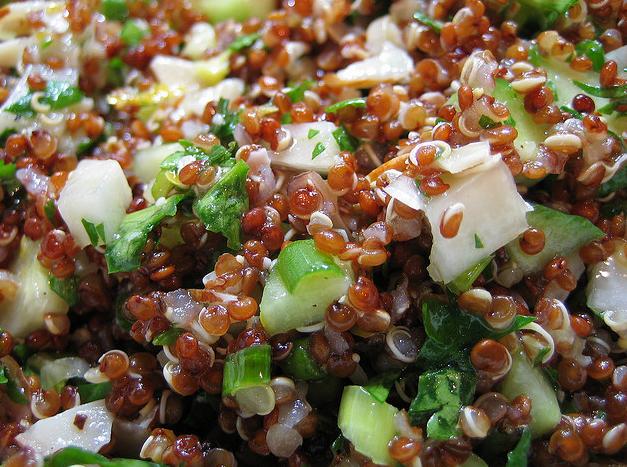


 A “beautiful nuisance” infiltrates Jerusalem’s German colony.


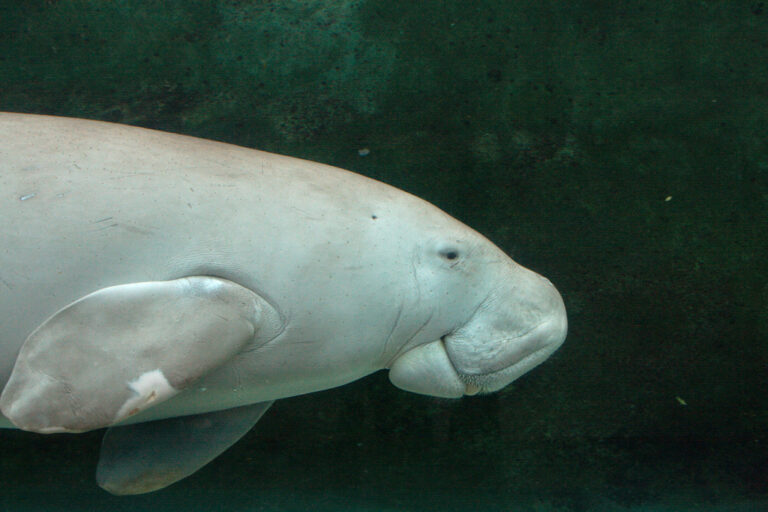
 Little is known about them in the west, but the world’s only vegetarian mammal in marine waters is under serious threat in the Middle East.
 Lacking sufficient water to grow enough wheat for its burgeoning population, Egypt (above pic of Suez Canal farm) looks to other Nile Basin countries for land and water.