Thailand To Help Jordan Make Artificial Rain

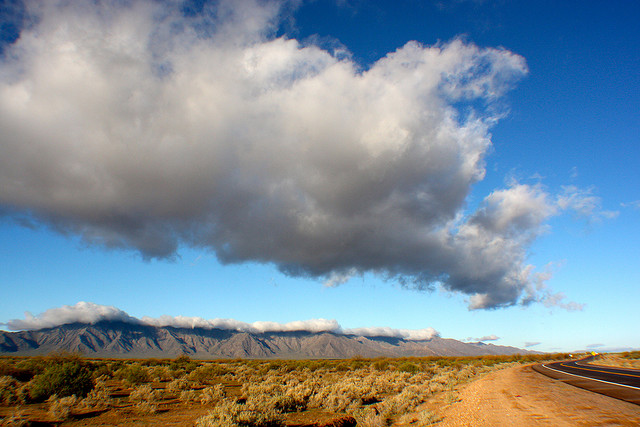
seed-clouds-for-rainIn order to mitigate the country’s devastating water shortages, Jordan seeks help from Thailand to create artificial rain.

Drought and floods are on different sides of the same coin, both equally devastating. Pakistan’s cries for help are being heard throughout the world while the rest of us, particularly in the Middle Eastern desert regions, are simply waiting for our turn. Yemen is close to being waterless. The Jordan River is close to dying altogether, and Jordan the country suffers one of the world’s worst water shortages. In the northern part of the country, the situation is getting serious. In the past, African cultures used to dance in order to open the skies, but Jordanian officials are studying Thai techniques that artificially stimulate clouds and make them produce rain.

Silver lining

Thailand’s King Bhumibol Adulyadej developed the rainmaking technology in 1969: releasing silver iodide chemicals from an aircraft into clouds at various altitudes, stimulates them to produce precipitation. This process is called “seeding.”

In 2005, according to The Independent, 70/76 of Thailand’s provinces suffered a devastating drought. In response, the King sent 17 planes from 22 cloud-seeding bases around the country in order to tickle the skies and dampen the lands.

That same technology is now being incorporated, with permission from the King who holds an International patent, in Australia, New Zealand, Oman, Tanzania, and since 2009, Jordan.

Rainmaker

“A delegation from the Ministry of Water and Irrigation visited Thailand in July to study artificial rainmaking technology with Thailand’s bureau of royal rainmaking and agricultural aviation, and is currently assessing ways to adopt the technology in Jordan,” Thailand’s Ambassador to Jordan, Mr. Isinthorn Sornvai told the Jordan Times.

At present, Jordan citizens consume 150 cubic meters of water per year; the international acceptable average is 1,000 cubic meters. That amounts to an annual deficit of 500 million cubic meters, according to reporter Mohammad Ghazal.

“We are not talking about commercial activity here. We are talking about water, which is the source of life. At some point, food security will be the top priority for all countries and this technique will be important to boosting agriculture,” the Thai embassy’s press officer Jesda Tivayanond told the paper.

:: image kevindooley and story via Jordan Times
Israel Cleantech Intelligence: Israeli Bees and 7 More Headlines

“Titanic” Ship Leads Mediterranean Sea Floor Research Mission From Israel

Your Pee Could Power Ecobot III

Tafline Laylin
Tafline Laylinhttp://www.greenprophet.com
As a tour leader who led “eco-friendly” camping trips throughout North America, Tafline soon realized that she was instead leaving behind a trail of gas fumes, plastic bottles and Pringles. In fact, wherever she traveled – whether it was Viet Nam or South Africa or England – it became clear how inefficiently the mandate to re-think our consumer culture is reaching the general public. Born in Iran, raised in South Africa and the United States, she currently splits her time between Africa and the Middle East. Tafline can be reached at tafline (at) greenprophet (dot) com.

Read More

TRENDING

10 Amazing Facts About the Sidr Tree

Most people in the West have never heard of the Sidr tree. That's strange when you think about it. This tough, thorny desert tree has fed people, bees, birds, and camels for thousands of years. It appears in Islamic tradition. Its honey sells for astonishing prices.

Saving Gourmet Wild Plants For The Future

Think of truffles, a gourmet wild food. The European...

Middle-Eastern spices and natural medicine (A through C)

In the Middle East, aromatic traditional foods are regarded...

What Happens When Hyenas Pee On Bedouins?

According to an anecdote Bedouin people believe that if a hyena urinates on them, it will proceed to drag them to a cave and feast on their body. Because of this, they won't hesitate to kill them on the spot if they come across one.

Lizard tail stew, dhub mansaf, is a favored folk dish in Saudi Arabia

By exploring forgotten folk dishes like lizard stew, Green Prophet continues to connect the dots between culture, ecology, and the future of sustainable living in the Middle East.

Yerukim Forms a New Green Economy Where the Money is Really Green

The Yerukim members who pick up the recyclables get to keep the monetary reward, the public earns "green" bills that can be used in shops, and business owners get to be associated with environmentalism.

Choosing Riyadh over Dubai? What Investors Should Know

Saudi Arabia is deploying capital at unmatched scale to catalyze tourism and advanced industry while rewiring its power-and-water backbone. The investable frontier is widening—especially in renewables, grid storage, water efficiency/desal retrofits, and hospitality operating platforms. Prudent investors will insist on phased delivery, enforceable KPIs (energy, water, biodiversity), and RHQ/zone compliance—while pricing political-economy and reputational risks alongside growth upside.

Sell your cooking oil for biodiesel money

Want to make money on old french fry oil? Sell it.

Qatar Alternative Energy Summit Pairs Investors And Innovators

Alternative energy investors and innovators can meet n' greet in Doha, Qatar March 16 and 17.

Here’s How To Implement The Four Pillars Of Employee Engagement

If you throw a party for your work team and they are vegans, don't make it a barbecue. Know the sustainability values of your team to boost moral and retain good people.

Locals From Rishon Fight IKEA

Big Box stores are a pretty new concept in Israel, and thank God that not every Israeli city wants them in their backyard. A word from someone who has see the beautiful farmland around her hometown Newmarket, Ontario stripped and converted into vulgar strip malls of big box shops: they have no place in a healthy and sustainable town or city.

The Jewish National Fund Meets An Inconvenient Truth

According to the JNF, it has transformed thousands of acres of barren land into green forests in Israel. They state that each person emits about 23 tons of carbon per year, estimating that each tree planted can absorb one ton of carbon in its lifetime. That's a whole lot of trees you'd need to be planting. Could so many fit in Israel?

How to quiet noise from construction in your office

Streets need to be resurfaced in New York but the humming and grinding noise is unsettling. Noise is environmental pollution. 

Popular Categories