This is vernacular architecture from the late 1880s in Northern Ontario. Pioneers built their own homes from a government-supplied blueprint. Is it really vernacular then?
Vernacular architecture refers to structures built using local materials, knowledge, and cultural influences rather than formal architectural styles. It is often associated with deep-rooted traditions, yet in a country like the United States—where many people have historically lived in temporary or nomadic housing—one might ask: Does America even have a vernacular architectural tradition? How can nations like the U.S. and Canada, with their histories of migration and cultural diversity, engage in a meaningful dialogue about vernacular design?
Unlike many older nations with centuries-old villages, America’s architectural landscape has been shaped by movement. From Indigenous structures to frontier settlements, and later, urban and suburban expansion, American vernacular architecture is defined not by a singular aesthetic but by adaptability. Rather than a lack of tradition, the U.S. has a diverse set of regional architectural practices that reflect its people, geography, and history.
Five Examples of Vernacular Architecture in America
1. Indigenous Dwellings: Tipis, Longhouses, and Adobe Structures
Before European colonization, Indigenous peoples built structures suited to their environments. The Lakota and other Plains tribes used tipis—portable dwellings made from buffalo hides and wooden poles—ideal for their nomadic lifestyle. The Iroquois built longhouses, communal wooden structures reflecting their agricultural and social traditions. Meanwhile, Pueblo communities in the Southwest created adobe dwellings, using sun-dried earth bricks that provided insulation against extreme temperatures.
2. Shotgun Houses (Southern United States)
Found primarily in Louisiana and Mississippi, shotgun houses are narrow, single-story homes with rooms arranged in a straight line. They are thought to have origins in West Africa and the Caribbean, brought to the U.S. by enslaved Africans. The design allows for natural ventilation, making them well-suited for the hot Southern climate.
3. Log Cabins (Appalachia and the Frontier)
Log cabins were a staple of early American settlers, particularly in the Appalachian region. Built from readily available timber, they were simple, durable, and easy to construct with basic tools. The log cabin has since become an iconic symbol of American pioneering spirit.
4. Earth-Sheltered Homes (Southwest and Midwest)
Using the landscape for insulation, earth-sheltered homes—like sod houses built by settlers on the Great Plains—were a response to the lack of trees and extreme weather conditions. Indigenous Navajo hogans also utilized earthen materials for thermal efficiency and spiritual alignment with nature.
5. Bungalows (California and the Midwest)
In the early 20th century, the American bungalow became a popular vernacular style, especially in California. Influenced by Indian and British designs, these single-story homes used local materials and were affordable for middle-class families, demonstrating how vernacular architecture adapts to economic and social needs.
How Do We Dialogue Vernacular Architecture in the U.S. and Canada?
Given America’s history of migration and cultural blending, the idea of vernacular architecture must be understood not as a static tradition but as an evolving conversation. Countries like the U.S. and Canada can participate in this dialogue by: Recognizing Indigenous Contributions: Acknowledging that Indigenous structures formed the foundation of North American vernacular architecture and integrating traditional ecological knowledge into modern design. Valuing Regional Differences: Instead of a one-size-fits-all approach, promoting architecture that responds to local climates, materials, and cultural histories.
Embracing Sustainability: Many vernacular traditions were inherently sustainable, using passive design techniques and local resources—principles that can inform contemporary green architecture. Preserving Historic Structures: Supporting the restoration and adaptive reuse of vernacular buildings to maintain cultural continuity.
An operation at King George Medical Hospital, 1915
Dentists and physicians might favor sevoflurane over isoflurane, as sevoflurane is the least environmentally harmful ether
Not all greenhouse gases are created equally. Some, like carbon dioxide, linger in the atmosphere for centuries, while others, such as methane and nitrous oxide, are significantly more potent in their warming effects. Inhaled anesthetic gases, though a small percentage of total emissions, have an outsized impact due to their high global warming potential and direct release into the atmosphere.
Anesthesia gases contribute to greenhouse gas emissions, but solutions are emerging to mitigate their impact. Emissions in healthcare come from various sources, including waste management, single-use plastics, transportation, and food services. In addition, 3% of healthcare’s emissions stem from inhaled agents used during anesthesia.
A study performed at Michigan Medicine reveals that the use of less polluting inhaled anesthetic agents reduced harmful emissions by 50% in one year without impacting patient safety or outcomes.
“Tens of thousands of people undergo general anesthesia at Michigan Medicine every year. Inhaled anesthetics are a natural area to pursue reductions in emissions because, as greenhouse gases, they are so disproportionately bad for the environment,” said Douglas Colquhoun, M.B.Ch.B., assistant professor of anesthesiology at U-M Medical School.
“We’ve shown that small changes in our practice lead to big changes for the environment and, importantly, no changes for the patients.”
The findings culminate from The Green Anesthesia Initiative, launched at Michigan Medicine in March 2022, aimed to reduce the use of nitrous oxide, utilize less environmentally harmful inhaled fluorinated ethers, and increase the use of intravenous anesthetics.
Hospitals and medical professionals such as dentists are taking steps to lower the environmental footprint of anesthesia through:
Lower-GWP anesthetics: The initiative encouraged providers to reduce nitrous oxide (which is 270 times more potent than carbon dioxide at warming the environment) and favor sevoflurane over isoflurane, as sevoflurane is the least environmentally harmful ether. These changes resulted in an average decrease of more than 14 kg per case in CO2 equivalents.
Total Intravenous Anesthesia (TIVA): Using IV-based anesthesia, such as propofol, eliminates the need for inhaled gases and reduces greenhouse gas emissions.
Gas Capture Technologies: Some hospitals are adopting systems to capture and safely dispose of anesthetic gases rather than venting them directly into the atmosphere.
The team compared the output of CO2 equivalents traditionally used to measure the effect of greenhouse gases on the environment, as well as the amount of anesthetic used and patient outcomes such as post-surgery nausea and vomiting, pain scores, and unintended awareness and recall of the surgery. There were no changes in measured depth of anesthesia, pain scores, or postoperative nausea and vomiting.
“I think the important thing that we showed was that it is possible to significantly reduce the environmental impact of anesthesia. Even beyond the study period, we reduced our emissions by a huge amount in under three years.
“We did this while modernizing our care and improving safety for patients. This is a great example of where mindful choices, technology, and education all come together to make care better for our patients – both directly in the OR and in the environment in which we all live,” said David Hovord, M.B. B.Chir, clinical assistant professor of anesthesiology.
“Our individual and team efforts to save the planet are essential. The carbon emissions reduction accomplishments of anesthesiology and support teams are a point of pride at Michigan Medicine, as they are a demonstration of creativity, persistence, and teamwork,” said Tony Denton, Michigan Medicine’s senior vice president and chief environmental, social, and governance officer.
“These impressive results show that we can redesign our long-standing approaches to care without compromising patient safety, quality, and outcomes. This is a great example of what we can do to reduce environmental harm and improve public health across the communities and society we serve,” he said.
“We should all be proud and grateful for this important collaboration which emphasizes Michigan Medicine’s daily commitment to continuous improvement while finding new solutions that can save our planet and lives, simultaneously.”
There is nothing like Japan’s craft, design and industry and where it meets on a bicycle
Souki, a Japanese company dedicated to preserving and promoting traditional craftsmanship, is offering a unique opportunity to experience the art of sock-making through interactive workshops in Koryo Town. Known for its rich history in textile production, Koryo Town serves as the perfect backdrop for this hands-on (well, foot’s on) activity, allowing participants to engage in the intricate process of creating high-quality socks.
At the heart of the workshop is SOUKI’s original system, CHARIX—a fascinating blend of tradition and innovation. This ingenious setup combines an actual knitting machine, once used in the factory, with a bicycle mechanism. By pedaling the bike, participants power the knitting machine, weaving their own socks in real-time.
This interactive approach not only makes learning fun but also offers a deeper appreciation for the craftsmanship involved in sock production. It’s charming for children to see industry in action. When we were in Japan, my son saw a waffle machine, hand run, churn out waffles on the streets of Kyoto.
The workshop on socks provides an immersive experience, guiding participants through the complete process of sock-making. After the knitting phase, SOUKI’s skilled staff steps in to sew the toes and apply a press-finish, ensuring the socks are ready for wear. This firsthand exposure to the meticulous techniques of sock production highlights the precision and dedication required in the craft. Of course you can knit socks at home, but that takes a lot more skill, and experience.
Participants can select their preferred color combinations, crafting a unique pair tailored to their style. The result? A pair of low-gauge, ultra-soft socks that provide both comfort and warmth—perfect for everyday wear.
Shilajit was discovered as a superfood when people observed monkeys eating it in the Himalayas.
Shilajit honey is a powerful natural health product that combines the benefits of raw honey with shilajit, a mineral-rich resin that has been used in traditional medicine for centuries. This unique blend offers a range of health advantages, making it a popular choice among those seeking natural ways to boost energy, stamina, and overall vitality.
The Ancient History of Shilajit
The origins of shilajit trace back thousands of years to the rugged mountain ranges of the Himalayas, Altai, Caucasus, and other high-altitude regions. This rare, tar-like substance was discovered by local inhabitants who noticed that Himalayan monkeys, known for their vitality, would consume it by licking the rock surfaces. Observing the enhanced energy and longevity of these animals, early healers and scholars began experimenting with shilajit as a medicinal remedy.
In Ayurveda, one of the world’s oldest holistic healing systems, shilajit has been revered for its rejuvenating and life-enhancing properties. Ancient Indian texts, including the Charaka Samhita, describe it as a powerful “Rasayana” (rejuvenator) that promotes strength, mental clarity, and longevity. It was also valued in Traditional Tibetan and Russian medicine for its ability to enhance physical endurance and cognitive function.
Shilajit is primarily found in high-altitude regions such as the Himalayas, the Altai Mountains in Russia, the Caucasus Mountains, and parts of Central Asia. It is formed over centuries from the slow decomposition of plant material trapped in rock layers, undergoing a natural fermentation process due to extreme temperature variations. As it oozes out of rock crevices, it hardens into a resin-like substance, which is then harvested and purified for consumption.
The Rise of Shilajit Honey: A Modern Trend
Shilajit honey is made from shilajit resin and raw honey
Recently, shilajit honey has gained mainstream popularity as health-conscious individuals seek natural superfoods to enhance energy, immunity, and overall well-being. With the rise of the biohacking movement, fitness enthusiasts and wellness experts are turning to traditional remedies like shilajit, blending them with honey for a more palatable and accessible supplement.
The appeal of shilajit honey aligns with the global wellness trend favoring ancient, plant-based medicines over synthetic alternatives. Influencers and wellness advocates highlight its use for cognitive enhancement, athletic performance, and anti-aging benefits. It has been particularly embraced by those in the Ayurvedic, holistic health, and longevity-focused communities, further boosting its status as a modern superfood.
How to Buy Shilajit Honey
Due to its increasing demand, shilajit honey is now available in various forms through specialty health stores, online wellness shops, and Ayurvedic suppliers. When purchasing shilajit honey, consider the following:
Purity: Look for products that use genuine Himalayan or Altai mountain shilajit, free from additives or synthetic fillers.
Raw Honey Base: High-quality shilajit honey should use unprocessed, raw honey to retain its natural enzymes and nutrients.
Certifications: Choose brands that test for heavy metals and ensure safe processing methods.
Reputable Sellers: Buy from trusted health and wellness brands that provide transparency about their sourcing and purification process.
The Health Benefits of Shilajit Honey
The combination of honey and shilajit enhances the individual benefits of each component, creating a nutrient-dense superfood. Some of the key benefits include:
Shilajit is renowned for its ability to support mitochondrial function, which is essential for energy production. When combined with the natural sugars in honey, this blend can provide a sustained energy boost without the crash associated with artificial stimulants.
Both honey and shilajit contain antioxidants and antimicrobial properties that may help strengthen the immune system. Honey is well known for its antibacterial effects, while shilajit provides essential minerals that support immune function.
Fulvic acid, a major component of shilajit, is known for its neuroprotective properties. It helps in reducing oxidative stress in the brain, potentially improving focus, memory, and mental clarity. The natural sugars in honey can also offer a quick cognitive boost.
Shilajit is often used by athletes and fitness enthusiasts due to its potential to enhance endurance and muscle recovery. The natural enzymes in honey further support metabolism and digestion, making it a great pre- or post-workout supplement.
Rich in antioxidants, shilajit honey may help combat oxidative stress, which is linked to aging and chronic diseases. The minerals and bioactive compounds in shilajit contribute to cellular regeneration and overall longevity.
How to Use Shilajit Honey
Shilajit honey can be consumed in various ways to maximize its benefits:
Direct Consumption: Take a teaspoon of shilajit honey on an empty stomach for a quick energy boost.
In Beverages: Stir into warm water, tea, or smoothies for a nutritious drink.
With Meals: Drizzle over toast, oatmeal, or yogurt for added nutrients.
According to sources like David Wolfe, health food influencer, Shilijit, is the “perfect survival food.” He says that one 1/2 gram “easily provides enough nutrition for an entire day. Shilajit is a mineral-rich black Jing resinous material.”
While shilajit honey is generally safe for most people, it is important to ensure that the shilajit used is of high quality and free from contaminants. Individuals with certain medical conditions, such as diabetes, should consult their healthcare provider before consuming shilajit honey due to its natural sugar content.
My parents lived contentedly in a high-rise building in central Israel, until twelve women moved into a top floor apartment. Soon afterward, the elevator began working triple time, with men going up and down at all hours of the day and night. The apartment, formerly occupied by a middle-class family, had been rented out as a brothel.
Israel aims to eliminate its sex trade with a law banning the sale of sex. Justice Minister Yariv Levin recently announced that the Criminal Prohibition of Consumption of Prostitution Services and Community Treatment Bill has been voted into law. The law has been functioning since July 2020 under a trial period, pending study of its effects.
“Turning the prohibition on the consumption of prostitution into a permanent law is a significant step in the fight against this harmful phenomenon. The move expresses our commitment to protecting the victims of the prostitution cycle, and it is a social step of the highest importance,” Levin said.
The law is based on The Nordic Model. Its aims are to criminalize “customers,” decriminalize the prostitute, rehabilitate former sex workers, and create public awareness campaigns. Israel is the eighth country in the world to pass such a law.
The law aims to eliminate exploitation of vulnerable women and and move the public’s view of prostitution from indifference to rejection. Theoretically, it’s working. According to a survey conducted by the Myers-JDC-Brookdale Institute, support for the law increased to 72% in 2024, compared to 39% in 2016.
Yet the real picture isn’t all that rosy. Buying sex increased between 2021 and 2024 from 7% to 9% for Jewish men aged 18 to 70, the research found. The researchers attribute this to weak law enforcement. Most “customers” aren’t aware of the law, and while there’s so little enforcement, it’s not likely that they’ll know or pay attention.
As an aside – among the men visiting the upstairs apartment were policemen, my parents said.
There’s little safety in sex work. Better said, there’s no safety at all. Prostitutes risk their physical and mental health many times every day. Often the risk is to their very lives. The average age at death of a prostitute is calculated to be 46 – and that’s generous. Some studies indicate that age 40 is more like it. This is considering violence at the hands of pimps or those buying their services. Illness. Drug addiction. Suicide.
It’s an underground trade and full data is almost impossible to obtain. How many prostitutes are on Israel’s streets today; how many are minors; where they come from; who “handles” them; how many hidden brothels are operating – answers to those, and to other relevant questions, are yet to be fully discovered.
The Task Force on Human Trafficking & Prostitution provides some hard facts. One that stands out is that 14,000 women, men, transgenders, and minors are prostituted every day in Israel. 3,000 of those are minors. According to them, kids as young as 13 begin their working lives as prostitutes.
The law is meant to punish those who pay for sex, not prostitutes. A man’s mere presence in a brothel makes him liable for a fine of NIS 2,000 (about $700 USD), even if he claims that he wasn’t engaging a prostitute. Whether in a brothel or on the street, he’ll pay double the fine if found paying for sex again. Repeat “customers,” pay up to NIS 70,000, about $25,000 USD. However, they’re given the option of attending an educational course whose objective is to change the offender’s thinking about paying for sex. It would be interesting to know how effective those courses are.
Additions to the new anti-prostitution law include support for women leaving the sex industry, via the health, welfare, education and National Insurance systems. Some originally grass-roots programs have been incorporated into those larger bodies. They offer vocational rehabilitation to prostitutes seeking a new life: courses teaching marketable skills in fields like fashion design, cooking, computer skills and cosmetics. Students learn to manage a budget, and receive psychosocial support. Former prostitutes with physical and psychiatric disabilities may claim financial support from The National Insurance Institute.
While the law relates to prostitution on the ground, the next phase is predictably dealing with sex for pay through dating apps. Exploitation of minors through social media connections is another big, dark issue. Let’s see how soon Israel and the world will catch up with that. In the meantime, if the Israeli law reduces the incidence of women forced into sex work, I’m for it.
And if you’re wondering, my parents moved out of the building.
Following months of renewed farmers’ protests across Europe, the EU unveiled its highly anticipated ‘Vision for Agriculture and Food‘ on 19 February. According to its primary architect, European Commissioner for Agriculture, Christophe Hansen, this bold new strategy aims to “give back hope” to Europe’s aging and financially-beleaguered farming sector, with its producers reeling from “dramatic climate events,” weak “prices for their products and… political stress.”
Hansen has set out to strike a new compact with EU farmers, projecting a “farmer-friendly” image in Brussels, emphasising trust-building and working with, rather than against farmers, as was largely the case in the previous Commission’s now-discarded ‘Farm to Fork’ (F2F) agenda. Encouragingly, the EU executive has signaled its intention to abandon needlessly burdensome regulations exacerbating producers’ struggles in favour of tangible support to help foster a competitive and sustainable food system – a major step in the right direction for EU agri-food policy.
Unpacking Brussels’s change of course
Brussels’s new ‘Vision for Agriculture and Food’ is packed with ambitious pledges, from cutting red tape for farmers and rebalancing the food supply chain to curbing unfair trade practices and swapping punitive green rules for incentive-driven solutions. In pushing for fairer trade, the EU is eyeing stricter import rules to prevent hazardous pesticides banned in the EU from re-entering through foreign goods, thus leveling the playing field for European producers. On the domestic front, long-overdue reforms to the Common Agricultural Policy (CAP) seek to redirect subsidies away from large landowners toward small farms, young farmers and those in environmentally-sensitive areas. Simplifying bureaucracy is equally a priority for making EU funding more accessible to the farmers who need it most.
Although environmental ambitions remain – despite the erroneous claims of certain NGOs and MEPs – the approach has shifted. Farmers, the Commission argues, must be treated as partners in decarbonisation, not culprits, while food companies and retailers will be rightly expected to share the environmental burden. Green incentives will replace penalties, with the EU executive at long last realising that the top-down, “one-size-fits-all” approach embodied by the F2F strategy is simply ineffective.
This vision marks a decisive departure from the controversial F2F agenda – which Commissioner Hansen has explicitly disavowed – infamous for setting bureaucratic, out-of-touch targets, like halving pesticide use by 2030, without offering realistic pathways. Commissioner Hansen stresses that the new approach strives to achieve necessary reductions “in a different way,” offering “practical solutions” that steer clear of Farm to Fork’s deeply polarising legacy.
Pesticides regulation, controversial Nutri-Score off the table
In a striking reversal, the EU has officially scrapped the most ambitious—and controversial—F2F component: the overhaul of the EU pesticide regulations. The Sustainable Use of Pesticides Regulation (SUR), first proposed in June 2022, was withdrawn in February 2024 amid fierce farmer protests and mounting right-wing opposition to the European Green Deal. “There is no intention to do anything specific on sustainable pesticides here,” an EU official has bluntly acknowledged, underscoring the policy’s political toxicity.
Equally notable is the quiet abandonment of the EU’s contentious mandatory front-of-pack nutrition label, including France’s Nutri-Score candidate. Making no mention of the label, the new agri-food vision instead prioritises product origin and animal welfare labelling, with the Commission wisely emphasising that consumers need “trustworthy information” amid the recent proliferation of unreliable food package labels like Nutri-Score.
In recent years, Nutri-Score has become a symbol of Farm to Fork’s flaws: arbitrary, misleading, imposed without adequate consultation and harmful to small producers. Among F2F’s most polarising policies, Nutri-Score has generated widespread opposition from EU farmers and governments such as Portugal, Greece, Czechia and Poland, with the system’s slanted algorithm slapping the traditional PDO products – like cured meats, cheeses and other regional stapes that Hansen now intends to protect with product origin labelling – with unfairly negative ratings, misleading consumers and jeopardising farmers’ livelihoods.
Delivering on the ground
By taking the sustainable pesticides regulation and nutrition label off the table, the EU executive has offered the bloc’s farmers an immediate win and a foundation for further progress to make life easier for the industry. Looking ahead, Hansen describes the EU’s new agri-food vision as a 15-year roadmap designed to restore stability to a sector plagued by unpredictability. His message is simple: without certainty, there’s no investment—and Europe’s farmers desperately need both.
More investment in domestic agritech aims to ensure Europe’s farmers can compete globally without sacrificing sustainability. Indeed, future-proofing European agriculture means embracing innovative solutions and providing farmers the funding and technical support to implement them. Brussels wants gene-edited crops and biopesticides to reach the market faster, with scaling up biotechnologies, boosting EU-grown plant proteins and cutting reliance on imported fertilizers equally part of the plan.
Attracting young people to the rapidly-aging farming sector is also critical, with the Commission promising better pay, fewer bureaucratic hurdles and new revenue streams, from carbon farming to bioenergy and circular economy initiatives. Expected later this year, a generational renewal strategy will make land and financing more accessible to young farmers, while food stockpiles are also under consideration to shield Europe from supply chain shocks.
The EU’s new “Vision for Agriculture and Food” offers a much-needed reset for Europe’s agri-food sector, placing trust, competitiveness and sustainability at its core. With the right high-level strategy finally established, the true test now lies in translating ambition into tangible results. Farmers urgently need practical support to recover lost competitiveness while upholding Europe’s demanding sustainability standards. After years of policy missteps, this is the EU’s moment to deliver real change.
Fuse Vectors founders Jordan Turnbull, Henrik Stage and Benjamin Blaha via Fuse
Danish biotech replaces 1980s cell-based methods with revolutionary cell-free technology, making gene therapy more accessible. Innovative approach allows for unprecedented quality in hours rather than weeks.
Gene therapy’s biggest obstacle isn’t science – it’s manufacturing. While the field races forward with breakthrough treatments, production remains stuck in the 1980s, relying on unpredictable cell-based methods that make therapies costly and slow to develop. Today, Fuse Vectors announces $5.2 million in pre-seed financing led by HCVC to revolutionize gene therapy development with its cell-free viral vector technology.
The funding will accelerate the development of Fuse’s technology platform and pipeline of novel gene therapies. With its breakthrough approach, Fuse Vectors aims to be the universal solution for AAV gene therapy development, delivering unmet patient needs and expanding the accessibility of gene therapy to a wider range of indications. The Fuse Vectors story began with two bioprocess scientists who saw firsthand the limitations of current drug development technologies.
Despite the complexity of viral vectors, the industry had been relying on retrofitted manufacturing technologies from the 1980s and 1990s. Benjamin Blaha and Jordan Turnbull watched as these outdated methods produced therapies that were costly, slow to develop, and often low in quality. As the founders describe it, traditional methods are like “tossing LEGO bricks into a tumble dryer and hoping houses emerge.”
Fuse Vectors team
Recognizing this critical gap, they asked a radical question: “What if everything about this process is wrong?” The industry’s major players lacked both the bandwidth and remit to overhaul these outdated methods, so Blaha and Turnbull took the leap – leaving their jobs to rethink viral vector development from the ground up. Their efforts led to a breakthrough: a controlled, cell-free approach that assembles viral vectors with unprecedented precision.
“Fuse Vectors’ cell-free Fuse Technology offers significant improvements, reducing production time and costs while enhancing vector quality to meet patients’ unmet needs,” said Benjamin Blaha, co-founder of Fuse Vectors. “The enzymatic AAV capsid filling process eliminates cell-based AAV production, using efficient technologies storing components in a module library.
This allows on-demand, controlled biocatalytic reactions to fill capsids and works across all serotypes.”Instead of relying on living cells’ unpredictable behavior, Fuse’s technology assembles viral vectors through controlled biochemical reactions.
This innovative approach allows for unprecedented precision, achieving over 99% filled capsids synthesized in hours rather than weeks. Partners simply provide a gene sequence, and Fuse’s streamlined process packages it into an AAV vector – enabling faster, higher-quality development with minimal setup. The platform’s modular nature enables rapid optimization through multi-parallel prototyping, making it significantly more efficient than traditional methods.
“This investment from HCVC is a pivotal step for Fuse Vectors, bringing our pre-seed financing to 5 million EUR,” said Henrik Stage, co-founder and Executive Chair of Fuse Vectors. “We are excited to work towards our vision of making gene therapy more efficient, cost-effective, and accessible, and are grateful for the early support and financing received from BioInnovation Institute, EIFO and Innovation Fund during our ideation and start-up phase.
“Currently in alpha testing, Fuse Vectors is collaborating with over half a dozen partners – from academic research groups to leading pharmaceutical companies. The company plans two commercialization strategies: partnering with pharmaceutical companies, biotech firms, and academic institutions to optimize drug candidates using their Fuse Technology and Optimization Engine, while also developing their own pipeline of therapeutic candidates.
“Fuse Vectors’ approach to gene therapy has the potential to make gene therapy much more interesting for the Industry to develop as well as increase accessibility to patients,” stated Trine Bartholdy, CBO of BioInnovation Institute. “Their start-up development exemplifies BII’s commitment to empowering innovative platform technologies based on world-class scientific research to grow into successful companies capable of making meaningful impact on the future of gene therapy and human health.”
“We are thrilled to support Fuse Vectors in their mission to revolutionize gene therapy,” said Alexis Houssou, Managing Partner of HCVC. “With their unique cell-free viral vector solution, expert founding team and strong business model, Fuse Vectors has the potential to overcome significant challenges in the field, and we believe in their ability to bring transformative treatments to patients.”
The technology comes at a crucial time for gene therapy. With thousands of genetic diseases still lacking treatments, drug developers struggle to create safe, effective, and accessible therapies. By fundamentally reimagining how viral vectors are made, Fuse Vectors aims to unlock the full potential of gene therapy – bringing it closer to the patients who need it most.
Forest bathing can help mental health in stressful times such as job insecurity.
If you are looking for sustainable treatment options, then you might want to consider taking part in holistic recovery techniques.
Whilst there are a wide range of recovery medication and therapy techniques, an increasing number of people are turning to holistic recovery techniques in order to recover.
Unfortunately, many people go on to relapse after they attend rehab and undergo their treatment.
This is because a lot of people’s recovery simply is not sustainable, meaning that whilst it might help them to initially recover, they stand a good chance of going on to relapse later on in life.
Holistic and sustainable recovery techniques include things such as eco-friendly practices, art therapy, music therapy, drama therapy, reiki, equine therapy and mindfulness.
If you attend a rehab centre, then you will likely be offered some of these recovery techniques.
Whilst some people might disregard the benefits of these holistic recovery techniques, their benefits are widely admired amongst addiction recovery professionals.
Some of these benefits are explained below.
Holistic Recovery Techniques
Go for a sauna in nature
Below, we list some common holistic recovery techniques:
1. Eco-friendly practices
Eco-friendly recovery practices have a whole host of benefits. Essentially, eco-friendly and sustainable recovery techniques involve being exposed to nature.
This could include gardening, forest work, planting fruit and vegetables and even sometimes recycling.
Spending time in nature can help to increase your mindfulness significantly, as you enjoy a slow pace of life.
Not only this, but you should never underestimate the power of fresh air.
More and more treatment centres are now incorporating sustainable and eco-friendly recovery techniques to their treatment centre offerings, which is having a positive effect on individuals suffering from addiction issues.
2. Art therapy
Making pottery might help calm the soul
Art therapy is another holistic recovery technique helping people all over the world to recover from mental health and addiction issues.
Sometimes art therapy involves creating art which can take many forms, including painting, collaging and even sometimes simply admiring art.
Art therapy has a proven way of entering you into a ‘flow’ state. This state of flow is used to describe when you feel fully embraced into the process of creating, so much so that you temporarily forget everything else.
Art therapy is also commonly used to help with trauma recovery, as lots of people find that creating art can help individuals to express their trauma in a unique way.
Professionals working in a luxury addiction treatment center insist on integrating art therapy into personalized recovery plans to promote emotional healing. They believe that the creative process allows patients to release suppressed feelings and build healthier ways to communicate their experiences without relying on words alone.
3. Music therapy
The Folk Train in England. Because music cures the soul.
An increasing number of addiction recovery centres are now offering music therapy as a form of recovery.
Similar to art therapy, a lot of people find that listening to music can help them to express themselves and any traumas they might be suffering from.
Music based interventions allow for opportunities for self-expression, the ability to work in a group, harness your imagination and create a synchronised sensory experience.
Similarly to art therapy, a lot of people who engage in music therapy enter a state of flow, allowing you the chance to temporarily forget your worries.
Sometimes, music therapy might simply involve listening to music, although you will get the chance to create some of your own music, too.
This could involve learning a new instrument, or even editing music. By allowing people the opportunity to learn something new, their self-esteem and confidence will both increase.
4. Drama therapy
Dance and drama in NY
Drama therapy is a form of psychotherapy. By acting out certain scenes and taking part in vocalisation and storymaking sessions, individuals are able to express themselves in a way that they might not have been able to before.
By taking part in drama therapy, you might find that your confidence increases, as well as your ability to communicate with others and express your thoughts and emotions clearly.
Sometimes, during drama therapy, you might be asked to act out certain scenes that might trigger certain aspects from your own life to think about, including how your addiction might impact others.
You will never be asked to act out a scene that could trigger any negative or disturbing thoughts.
5. Reiki
Reiki on a tree
Reiki is a Japanese healing technique that uses gentle and relaxing touch to promote well-being.
During a Reiki session, the practitioner will place their hands just above the patient’s body, where the practitioner’s energy will help to guide the patient’s energy.
Reiki is often used to help the body manage and deal with any stress or trauma [4].
Reiki is being used across different treatment centres to help individuals and sufferers deal with the difficult side effects of the medical detox.
Detoxing and withdrawing from any addiction substance can be difficult and will put a huge amount of pressure and strain on your body.
This is why techniques such as Reiki are becoming increasingly more popular.
When it comes to Reiki, there are seven chakras that a practitioner will focus on. Essentially, chakras are energy points on the body.
Different parts of the body will help you to manage different types of stress and sometimes trauma.
The seven chakras are as below:
The throat chakra (throat)
The root chakra (tailbone)
The heart chakra (above the heart)
The sacral chakra (below the belly button)
The third eye chakra (between the eyes)
The crown chakra (top of the head)
The solar plexus chakra (upper abdomen)
Whilst some people might disregard the benefits of sustainable and holistic treatment options such as Reiki, it is becoming increasingly popular across many treatment centres.
However, it is never recommended to solely rely on holistic and sustainable recovery techniques such as Reiki.
This type of treatment should always compliment other treatment options such as a medical detox and therapy techniques.
6. Equine therapy
Equine therapy involves feeding, grooming and generally looking after a horse or a number of horses in an attempt to help you to recover from addiction or mental health issues.
Equine therapy helps you to manage your stress levels whilst giving you something very real to focus on.
Anyone who has ever owned or looked after a horse will be the first to tell you that they require a lot of hard work.
Sometimes, this level of responsibility can be exactly what someone who is recovering from an addiction or mental health illness needs.
By attending equine therapy, you will learn how to care for something and stick to a routine.
You will slowly and over time build trust with the animals and those around you and will also get a chance to talk through your trauma and anxieties with trained therapy professionals.
7. Mindfulness & yoga
Hot yoga has its benefits
Mindfulness and yoga has been used throughout addiction centres for a while now and have been a proven, sustainable way of helping individuals who suffer from addiction and mental health issues recover.
Yoga and mindfulness therapy will help you to manage stress, reduce cravings and anxiety.
Whilst some people in addiction treatment might disregard the thought of mindfulness as a technique to recover from addiction issues, an increasing number of treatment centres are offering this as a treatment option.
Whilst these sustainable and holistic addiction treatments are growing in popularity and use across a speciality addiction rehab treatment centre, they should always compliment other forms of treatment, such as medications, a medical detox and other therapy techniques, such as cognitive behavioural therapy.
An acrobat on the E Line, NYC. (Samira Bouaou/Epoch Times). The Tube, Underground, Metro, Subway, SkyTrain, RER, Train, Rapid transit, Light rail, Urban rail, Commuter train, Transit train, Subterranean railway, Electric train, City train, Métro. Whatever you call, it’s getting more fun!
While most of us just use the train or bus to get from point A to point B, there are times when the public can move and join together in an event or a mission. Train, subway, and underground rides within cities and between them are the perfect way to add in an experience, either planned or spontaneous. They are moving cabins with a captive audience. Put away your phone and think about the best underground experience you have ever had. My favorite city train ride was on the underground train from Midtown to Harlem in New York City, on a subway train which ended up in acrobatics and a spontaneous dance party. It was the best performance and I was part of the show. No one could plan the art on that train.
Once we bought family tickets to ride the train to nowhere in India. It was pretty funny. We had feet in our faces and got to make friends and eat strange treats, even other peoples’ home cooking. At one point my bag was full of scattered and cooked grains sticking all over it and I dumped it out in a garbage bin on a connecting platform. At that moment my husband said: If they were making a movie about Karin, this would be the opening shot. It was a great memory being on that train.
I love the idea of traveling by train as a sustainable way to do tourism and get a sense of place. There is a lover’s train in Norway, and Saudi Arabia is building the world’s most luxurious slow travel trains as it opens to tourism. But we aren’t looking for love or luxury. Just simple fun: so we took the question to the Internet, and readers responded with some great ideas. What are the best train tourism experiences in the world? There is a techno train, a sauna train, an accordion and beer train, a no-pants train, a supper train and a train where you can speak with professors. Or maybe the surprise train that plays live music and drops you off in an unknown village. All aboard?
Techno Train: Germany’s Eco-Friendly Rave on Rails
Techno Train via Instagram
In Germany, trains are no longer just for commuting—they’re rolling nightclubs! The Techno Train offers partygoers a chance to dance the night away on a train traveling between cities. This eco-friendly rave is powered by renewable energy and creates a sustainable, low-carbon alternative to driving to music festivals. Not only does it reduce car traffic, but it also promotes eco-conscious partying. While this may seem unconventional, it’s an electrifying way to get more people to choose public transport. Find out about the next Techno Train here.
Scientists on the Trains: Israel’s Physics Professors on Trains
Science experiments on the train in Taiwan
In Israel, professors from the Hebrew University of Jerusalem have been known to bring their classrooms to the public transport system. Commuters on specific train lines, at certain times of the year, can listen to free lectures about physics, turning otherwise mundane commutes into educational experiences.
Some explore topics like global warming, the creation of Earth and how the brain works. There was one lecture about the love letters between Einstein and his first and then second wife –– a natural choice since Einstein was one of the founders of the Hebrew University in the 1920s. Einstein gave his first lecture in 1923, and upon his death, donated his collection of material to the university in Jerusalem where it is now located in a special museum. Einstein wrote these letters when he was traveling –– by train.
In Taiwan the idea has caught on and in 2020, scientists started doing experiments with school kids on the train. So much you can do with a captive audience. What would you lecture about on a train? Would you want that for your city? A nice add to the educational experience is Mail Rail in London.
Accordions and Beer on a Train, with the Music Winkel Express, Germany
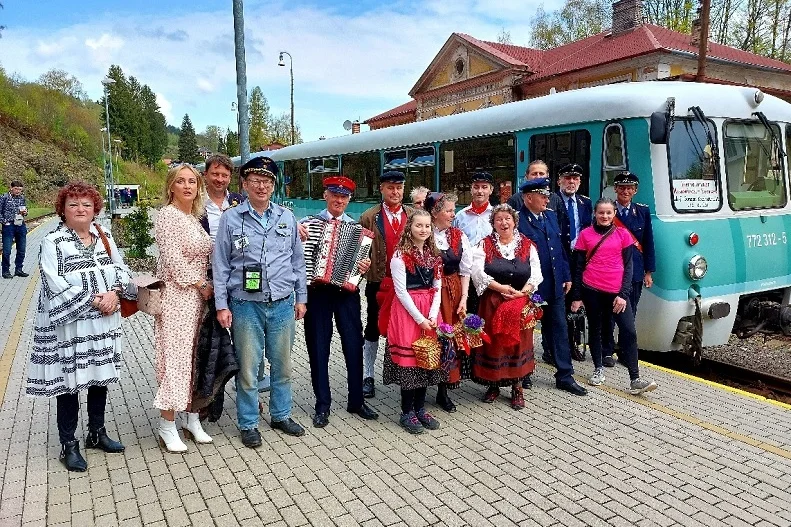
Beer and accordions on an authentic looking diesel train called the MusikWinkel Express. They need more guests, more beer and more accordions on this car.
The Winkel Express offers a nostalgic journey between the Czech Republic and Adorf in Germany, traversing the picturesque Ore Mountains.
Accordions getting ready for the Musikwinkel Express
This unique experience features a vintage German Schienenbus, a diesel railbus reminiscent of mid-20th-century travel. Passengers are treated to live accordion music, enhancing the very convivial atmosphere, while enjoying locally brewed beers served onboard. The journey is particularly enchanting during winter, as snow blankets the landscape, creating a serene and picturesque setting. The combination of musical entertainment, cultural exploration, and scenic beauty makes the Winkel Express a memorable excursion for those seeking a blend of tradition and adventure. Or those just seeking beer and accordions. Get info about getting aboard with German hearty cheer here.
Wabi Sabi gardening on the train, Tokyo and Kyoto Japan
Kyo-train GARAKU, running between Osaka-umeda station and Kyoto-kawaramachi station. A train with a garden on the inside!
In Tokyo, commuters can easily step off the train and be right inside an urban garden. We experienced this in Ueno and Shibuya and some trains have gardens inside them like the Kyoto Garaku train, and others have gardens on the roofs of the trains stations. Tokyo and Kyoto are cities full of secrets that don’t give them up easily.
Some local transit authorities in Japan have partnered with environmental groups to create small green spaces filled with plants and trees at select transit hubs. Not only do these mini gardens serve as beautiful, peaceful places for passengers to relax, but they also promote biodiversity and air purification. The green spaces also help reduce the urban heat island effect, making them a practical solution for sustainable cities.
Japan is just full of surprises. It’s even possible to buy a Suica card and jump on and off the trains in Tokyo, with no plan and choose your next adventure. Of course the bullet train is also an experience in itself. I felt a bit nauseated when on one, but I am told you get used to the speed eventually.
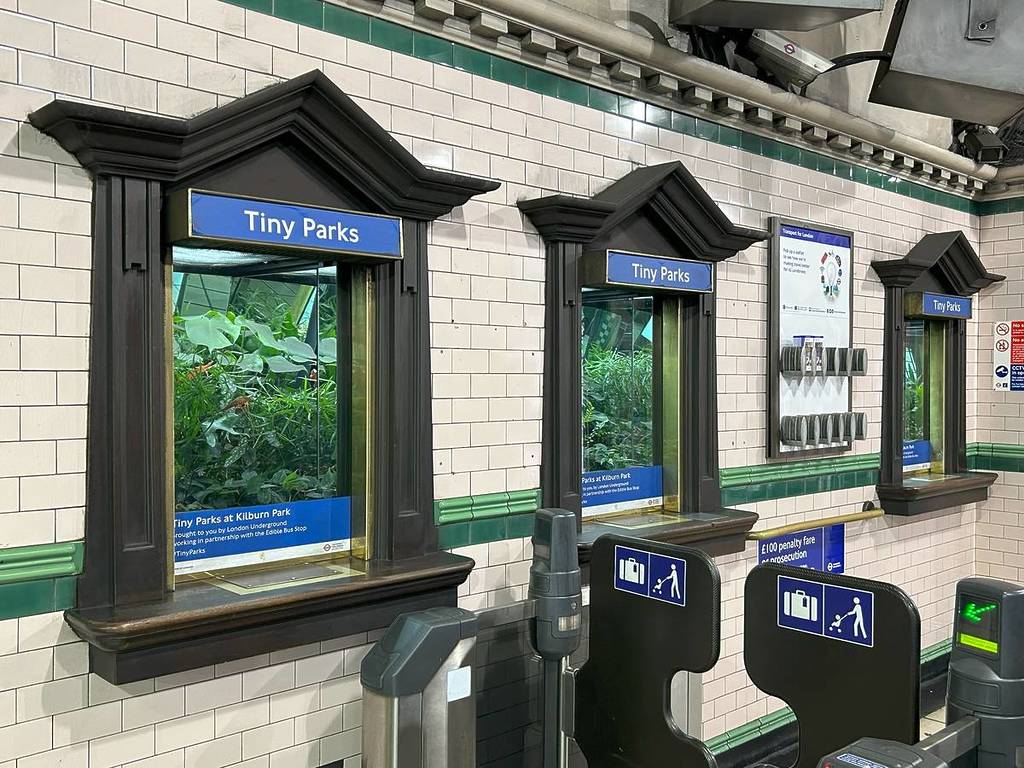
London also took on the idea of Tiny Parks. This page has more about them if you are in London. There are currently 9 Tiny Parks in former London Underground ticket office windows. They can be found at: St James’s Park, Belsize Park, Wood Green, Kilburn Park.
Tiny Parks, London
No Trousers on the Tube Day, London
No Trousers on the Tube Day, in London
London also has the No Trousers on the Tube Day, every year. You might make a note to avoid public transport on London, on that day. The last one was in January so you are probably good until that rolls around again. The annual No Trousers Tube Ride went ahead this year despite the freezing temperatures in London.
Bare-legged passengers could be spotted throughout the London Underground, including in Westminster, Waterloo, and South Kensington. Started in January 2002 by just seven participants in New York, the event has since grown globally, with dozens taking part in this year’s London edition. Charlie Todd, the no-pants founder said: “The goal is simply to create unexpected moments of joy, delight, and confusion.”
No trousers in London on this frigid day in January. Are you confused?
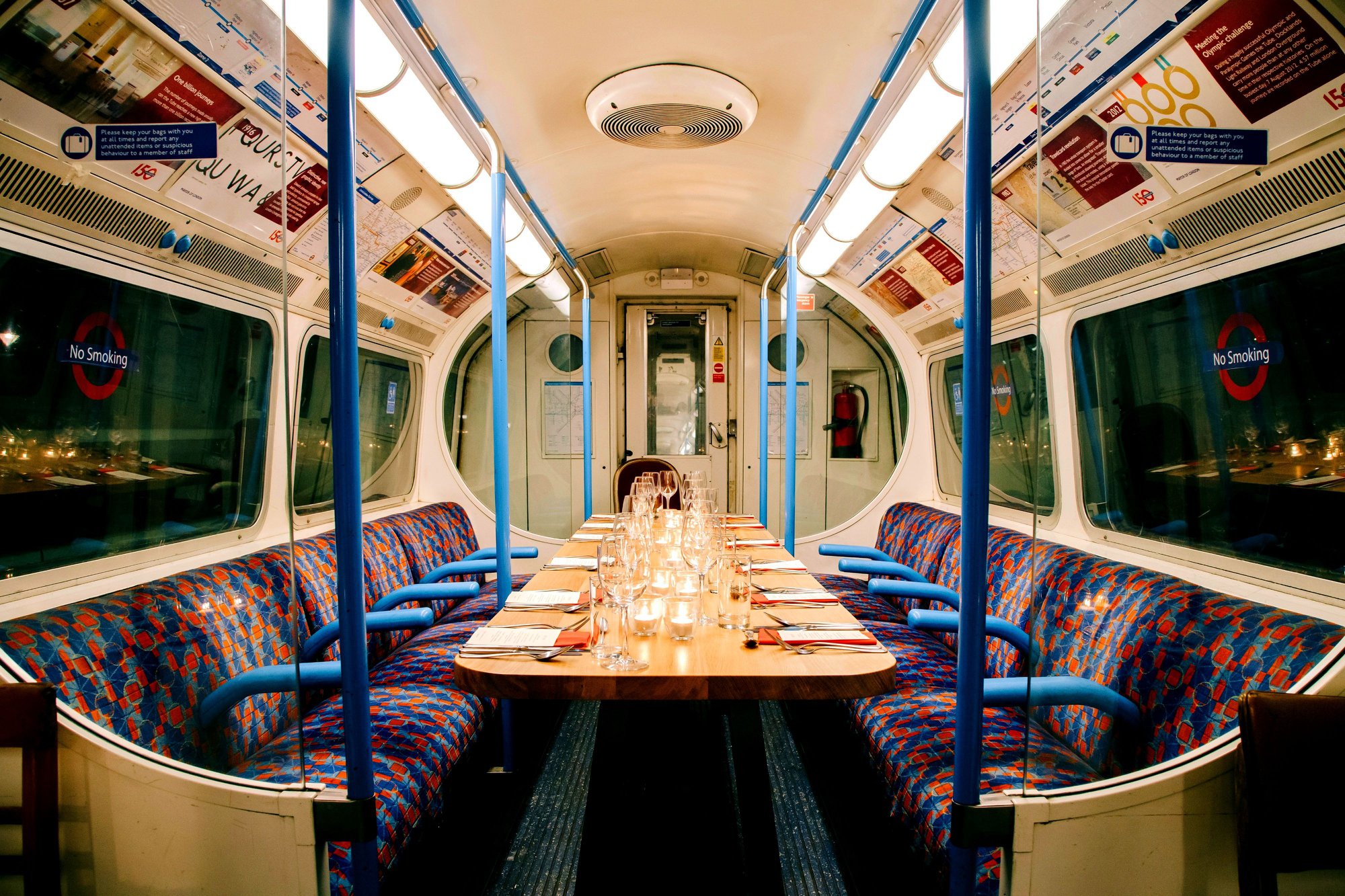
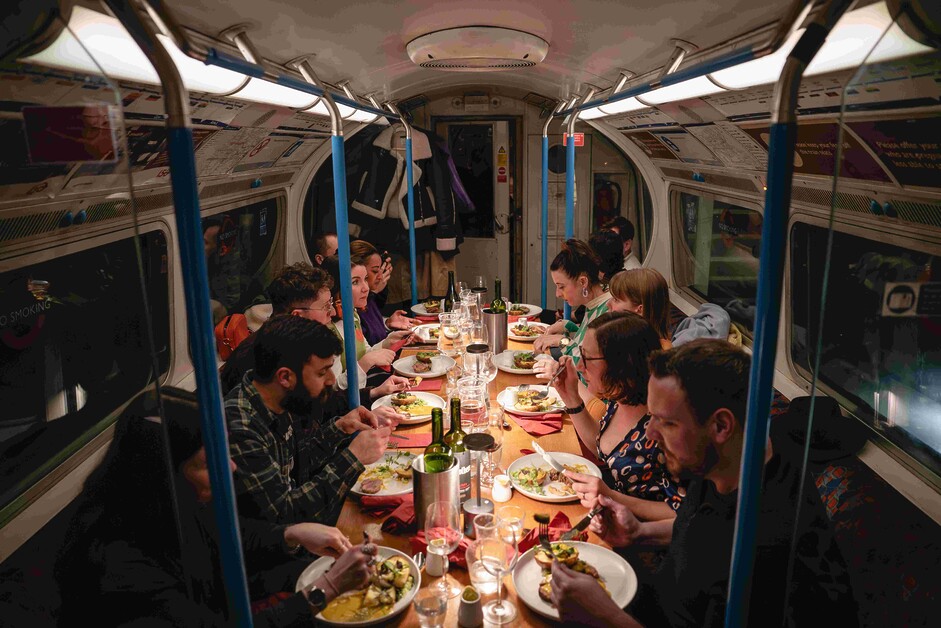
The Supper Club Train in London
Supper Club, on the tube
Where London in lacking in pants, they make up for in food. A unique supper club experience has been gaining popularity in London, offering a dining adventure like no other—on a train. This innovative concept transforms an ordinary train ride into a gourmet experience, where guests are treated to multi-course meals while traveling through the city or scenic countryside.
The supper club on a train is more than just a meal; it’s an immersive experience that combines the thrill of travel with fine dining. Passengers board a vintage-style train, which has been thoughtfully restored to exude charm and sophistication. The journey takes them to various destinations, with the train’s luxurious setting providing the perfect backdrop for an evening of culinary delight.
Chefs prepare the meals on board, offering seasonal and locally sourced ingredients in beautifully crafted dishes. The atmosphere is relaxed yet refined, with tables set for intimate dining, accompanied by wines that perfectly complement the courses. Along with exceptional food, the journey itself becomes part of the experience, offering views of London’s iconic landmarks or the tranquil English countryside. The cost is about $85 USD a person.
The solar panels generate about 17 units of power in a day which enables the lighting system in the coach. Currently Railways will be installing solar panels on non-AC coaches only.
This is less of an experience and more of a sweet idea: In India, solar energy is powering the lighting of certain diesel-powered trains. The Indian Railways have launched solar-powered trains that help reduce their carbon footprint and reliance on fossil fuels. Solar panels are not yet able to power a train journey, but do send a nice message about sustainable travel. These trains run lights and charging stations from solar panels installed on their rooftops, providing a clean, renewable energy source.
Interactive Art Installations in Argentina
Buenos Aires is a vast canvas for urban art as well as being an efficient public transport system. The train system underground and above is also a gallery of urban art with 450 artistic projects from 200 artists at stations across the network.Throughout the metro system, passengers can engage with art pieces that involve everything from light projections to touch-sensitive walls.
These installations don’t just provide entertainment; they connect passengers with the culture and vibrancy of the city. It’s a creative way to use public transport as a platform for local artists while fostering a sense of pride in the community. The city also offers free bikes when you get off the train using Ecobici, the 24-hour bike share scheme. Bikes can be taken for up to one hour Monday – Friday and up to two hours at the weekend (you can go for a second spin after a five-minute wait).
Reset and Detox on this Sauna and Surprise Train, Czechia
VlakFest (Czech Republic) created train sauna car. Work is ongoing also on 2 couchettes and concert car.
VlakFest organizes adventurous train trips throughout Czechia and occasionally to neighboring countries, with the twist of surprise destinations. These trips occur throughout the year, featuring themed rides with live music, cultural experiences, and seasonal events like winter wonderland journeys. The adventure also includes saunas on the train, pioneered in Finland, a country known for its sauna culture.
Vlakfest, getting there is more than half the funAll rights reserved.
Unique activities include onboard workshops, food tastings, and overnight stays at hidden gems. The sauna car and love music means getting there is 90 percent of the journey. Meet new people and relax. For dates, locations, and booking details, visit VlakFest’s website.
A Conference on Trains, On a Train?
This is something only Europeans could think up and I thank my friends in Finland (remember our cleantech press tour Helsinki?); Tampere University is putting on a conference on alternative experiences by train, on a train that crosses through cities and ends in Istanbul. This is a country that has invented saunas on a train, so you know it’s going to be a wild ride. Have a new idea to share for tourism, art, education or the environment? They are looking for submissions and lecturers in areas such as:
The railway journey as a narrative trope in literature and film
Sensory geographies of the railway
Historical phenomenologies of the railway
The railway as a multisensory experience in literature and art
Railways and the aesthetics of speed
Nostalgic or futuristic railway imaginaries
The CfP for the conference ‘Railway Aesthetics: Experiencing Locomotion across Media and Cultures’ (Vienna-Bucharest-Istanbul, 10-13.09.2025) will be taking place between these cities in September, organized by Tampere University, Sapienza University of Rome, and University of Zurich. The deadline for submissions is May 2, 2025.
Get on the Folk Train, in England
The Folk Train in England.
Folk train fun on the Glossop Line: For a fun evening with a special twist, the all year round program of live music folk trains on the Glossop line in the Peak District of Derbyshire is hard to beat. For just the price of your train ticket, music lovers can sit back and admire the views from the carriage window while being entertained by a live folk music band on board the train. Their Facebook page keeps you updated on who’s running the jam for each month. It’s free with a train ticket. The train leaves Manchester Piccadilly in the evening and returns to Manchester later on.
No extra ticket required – Normal train fares apply. A voluntary raffle is held for a bottle of wine or couple of beers. £2 per ticket plus any other contributions you wish to make, all proceeds go to pay the musicians. There are more folk trains in England. While this page is a bit outdated, there are contacts and links for finding out how to catch folk trains running throughout other parts of England. Groups are allowed but be in touch beforehand.
Party on the Rampage Express, Belgium
Rampage Express pre-party train. Look for this guy.
The Rampage Express is a dedicated festival train that takes partygoers from Brussels and Antwerp to the Rampage Open Air festival in Belgium. It’s not just a ride—it’s a pre-party on wheels! The train is filled with excited festival-goers, creating an electrifying atmosphere before you even reach the event. People are decked out in festival gear, music is pumping, and the energy is contagious. It’s a great way to meet fellow fans and get the party rolling. We we
Rampage Open Air is a premier drum & bass and dubstep festival held annually in Lommel, Belgium. The 2025 edition is scheduled for July promising an electrifying experience for bass music enthusiasts. The festival boasts seven stages and over 300 artists, aiming to attract around 60,000 attendees. Book the festival and train here.
The Dutch Sziget Express Party Train from Amsterdam to Budapest
The Sziget Express is a unique party train that transports festival-goers from the Netherlands to the Sziget Festival in Budapest, Hungary. Departing from Amersfoort on August 4, 2025, and arriving in Budapest on August 5, this journey transforms travel into an unforgettable pre-festival celebration. The return trip leaves Budapest on August 12, reaching Amersfoort on August 13.
Onboard, passengers can expect a vibrant atmosphere with DJs, a bar carriage, and ample opportunities to socialize. The train offers comfortable seating, with baggage included in the ticket price. For those traveling with friends, group seating requests are accommodated, provided all have the same ticket type.
Tickets for the Sziget Express start at €299, with package deals available that include festival passes at discounted rates. Given the train’s popularity and limited capacity, early booking is highly recommended to secure a spot on this extraordinary journey to one of Europe’s premier music festivals. Years ago, many years ago when I went to a Rolling Stones concert in Zurich I found myself on a party bus taking us there. Getting the party to a destination festival by rail is so sustainable, leaving out all that space needed for cars that will not be used for days.
Get on the Techno Train in Germany. Do you call it the Tube, Underground, Metro, Subway, SkyTrain, RER, Train, Rapid transit, Light rail, Urban rail, Commuter train, Transit train, Subterranean railway, Electric train, City train, or Métro?
Public transport isn’t just a way to get from point A to point B—it’s a gateway to experiencing a city in its truest, most authentic form. It’s one of the most sustainable and eco-friendly ways to travel, helping reduce congestion, cut down on emissions, and lower your carbon footprint. We have spent many journeys on trains and buses in European cities. And some rides, for the cost of the train ride you can be part of a folk train, a sauna train, or the Techno Train. Let’s see how European cities compare in prices, to each other, with inclusions from the Levante.
Single-Ride City Bus/Train Fare Comparison
City
Single-Ride Bus Fare (USD)
London, UK
$5.19
Zurich, Switzerland
$4.75
Stockholm, Sweden
$4.20
Oslo, Norway
$3.91
Toronto, Canada
$3.25
Amsterdam, Netherlands
$3.20
Copenhagen, Denmark
$3.50
Helsinki, Finland
$3.00
New York City, USA
$2.90
Vienna, Austria
$2.30
Tel Aviv, Israel
$2.23
Paris, France
$2.20
Berlin, Germany
$2.00
Rome, Italy
$1.60
Madrid, Spain
$1.50
Lisbon, Portugal
$1.50
Athens, Greece
$1.40
Budapest, Hungary
$1.30
Moscow, Russia
$0.90
Warsaw, Poland
$0.90
Bucharest, Romania
$0.50
Belgrade, Serbia
$0.65
Zagreb, Croatia
$0.70
Sarajevo, Bosnia and Herzegovina
$0.50
Skopje, North Macedonia
$0.50
Tirana, Albania
$0.50
Chisinau, Moldova
$0.70
Podgorica, Montenegro
$0.50
Pristina, Kosovo
$0.50
Tbilisi, Georgia
$0.50
Yerevan, Armenia
$0.50
Inside cities, trains are more than just transportation; they’re stages for spontaneous experiences and unexpected adventures. From techno parties to educational lectures, trains around the world are transforming the way people travel, making public transport a fun, engaging, and sustainable option.
No pants in London on this frigid day in January. Are you confused?
In Germany, the Techno Train doubles as a nightclub on rails, powered by renewable energy and offering an eco-friendly alternative to car travel. It’s not just about the music—it’s about reducing carbon footprints while dancing the night away. Meanwhile, in Israel, professors turn commuter trains into mobile classrooms, giving passengers a chance to learn about everything from physics to Einstein’s love letters. It’s proof that even a daily commute can be inspiring.
Vlakfest, getting there is more than half the fun
For those who love culture and tradition, Germany’s MusikWinkel Express serves local beer with live accordion music, turning a simple ride into a festive celebration. Japan takes a quieter approach with garden-themed trains that promote relaxation and biodiversity, offering passengers a breath of fresh air even in bustling cities like Tokyo and Kyoto.
The Sziget Express
Other unique experiences include London’s Supper Club Train, combining fine dining with scenic views, and Taiwan’s educational trains where kids can participate in science experiments on the go. For thrill-seekers, Belgium’s Rampage Express pre-party train brings the festival vibes before you even reach the event.
VlakFest (Czech Republic) created train sauna car. Work is ongoing also on 2 couchettes and concert car. https://x.com/sleeping_train/status/1365678398119546880?lang=ar
These examples show that train travel can be an adventure in itself. Whether it’s learning, partying, or just enjoying the ride, taking the train offers endless possibilities to connect with others, explore new ideas, and experience the city in a completely new way. So next time, skip the car and hop on a train—who knows what kind of journey you’ll have?
Data source: public transport sites of cities in Europe. Report an inaccuracy, add a city: [email protected]
Logging truck is transporting large load of freshly cut timber logs through muddy road in forest
Although paper and wood are considered natural, their transportation cannot always be described as such. What logistics solutions should you pay attention to to work toward sustainable transportation?
Green transportation starts with green sourcing
The wood and paper industry around the world may be subject to FSC (Forest Stewardship Council) chain of custody certification. Certification by this organization confirms that a product comes from a certified forest and meets strict environmental requirements. While it is not necessary to have this document to operate in these industries, it can bring many business benefits, especially given the increased environmental awareness of today’s society.
Evaluating products before they are awarded FSC certification covers a variety of areas, including the transportation of raw materials. Offering a sustainable wood and paper transportation service can therefore establish business partnerships with investors who are keen to confirm that the process takes place with minimal environmental impact.
Challenges in transporting paper and wood
It is worth bearing in mind that cargo consisting of paper, wood, and their derivatives is one of the particularly vulnerable groups. The biggest threat here is water, as products in these categories exhibit high hygroscopicity. Contact of wood with water threatens to make it damp and increase pest activity. In the context of paper and cellulose, this primarily means swelling or mold.
From the carrier’s point of view, it comes down to the need to create the right conditions for transportation. In order for the cargo to reach its destination in an undamaged condition, it must be enclosed in packaging that is resistant to temperature fluctuations and moisture. Solutions must also be implemented to control the conditions inside the trailer or container containing the paper or cellulose. This is done with a so-called active shipping system, which allows real-time monitoring of conditions in the transport space.
Contrary to appearances, reeled paper is characterized by a much heavier weight than one might think. From this appearance, the carrier is subject to the obligation to properly secure it for transport. Strong loading straps and paper liner systems with longitudinal rails and wedges that lock the bales in one position prove to be a frequent choice here.
When it comes to transporting timber, the biggest challenge turns out to be the so-called “long timber”, i.e. lumber of an above-standard length. Its transport by road must be carried out using specialized equipment, including, for example, an extended profile trailer with an extended load or a telescopic trailer. Special attention must also be paid to packing the packages safely and loading the cargo space evenly with it. If the cargo qualifies as oversized, it is also necessary to obtain the required permits.
Logistics solutions in the service of sustainable paper and wood transportation
Given the need to maintain controlled conditions during the transportation and storage of paper, pulp, and wood, environmental goals are furthered by planning the transportation accordingly. Any change of means of transportation or temporary holding in a warehouse involves an additional human factor and the powering of systems to maintain moisture and temperature at a certain level.
It is therefore necessary to optimize the route in such a way that the cargo gets from A to B in the shortest possible time, excluding downtime that is not necessary. For this reason, door-to-door transportation by an experienced logistics partner will prove to be the most environmentally friendly here. AsstrA’s road transport should meet the expectations of even the most demanding investor.
It is also worth making sure that eco-friendly solutions are used for packaging and securing cargo. Where stretch film can be dispensed with without harming the products being transported, it should be excluded. In other cases, it is recommended to keep it to a minimum. Modern cargo securing solutions, such as dunnage bags (useful for filling the space between paper bales) or spreader bars and rods, will also prove helpful.
In the context of sustainable transportation, it is also important to remember that vehicles used for transporting wood and paper are exposed to harsh working conditions. As a result, their technical condition should be inspected more frequently than for vehicles handling lighter loads. The more efficiently a fleet operates, the lower the carbon footprint it generates.
Eggplant, as versatile as a potato. Like spuds, it absorbs other ingredients’ flavors but keeps its sturdy personality throughout the cooking. It’s a hearty vegetable that appears often in vegetarian/vegan cuisines to provide that satisfying “meaty” background. As in these bulgur balls in eggplant and tomato sauce. Although here’s an interesting note: botanically, the eggplant is considered a berry.
I’m sure I’d be getting flack from other eggplant fans for having consigned it to the background, so I’ll state up front: eggplant also stars in many main dishes. Like this simple recipe for eggplant slices in tomato sauce. Well, yes, eggplants and tomatoes combine often and deliciously. Maybe their affinity starts with their both being nightshade fruit.
Here we present Kuku Bedamjan, an Iranian egg dish where the filling is eggplant. Any time you come across a recipe with the word “kuku” in it’s name, you’ll know it’s an egg-based dish, very often a big, vegetable-stuffed one similar to the frittata. But unlike Mediterranean omelets and frittatas, this recipe has no cheese or other dairy. The focus is on the eggplant and onion, subtly flavored with an unexpected (to Western cuisine) spice: saffron.
Kukus are most often cooked in a skillet and carefully turned over to finish the top side. In a departure from tradition, this kuku is baked in a casserole or large, preferably cast-iron skillet. Easier, because no hovering over the fragrant, golden creation on the stove top, and no flipping over.
Kuku Bedemjan
Iranian Eggplant Frittata
skillet
casserole
large bowl
4 tablespoons Olive oil
1 Onion (finely chopped)
3-4 Garlic cloves (crushed)
4 Small eggplants (cut into medium cubes)
6 Eggs
3 Saffron threads (soaked in 1 tablespoon boiling water)
1 teaspoon Paprika
1/2 teaspoon Salt
Ground black pepper to taste
To garnish: chopped fresh parsley
Preheat the oven to 350°F – 180°C.
Heat 2 tablespoons of the olive oil in a large skillet.
Fry the onions until golden and soft, but not crisp.
Add the garlic. Stir and cook 2 minutes.
Add the eggplant cubes. Stir and cook 10-12 minutes, until they’re soft and golden brown.
In a large bowl, beat the eggs.
Pour the eggplant mixture into the bowl.
Add the saffron water, paprika and seasoning.
Pour the remaining 2 tablespoons of oil into an ovenproof casserole, or wipe the skillet clean for baking the kuku.
Heat the casserole or skillet a few minutes in the oven.
Pour the egg/vegetable mix into the casserole or skillet.
Bake 30-40 minutes until set. Garnish with parsley and serve.
A Waldorf school in Tel Aviv, Reut. Photo by author, Karin Kloosterman.
Tel Aviv-Yafo Mayor Ron Huldai recently announced a plan to remove smartphones from schools to improve focus and attention. He stated, “I have a dream that together, we will pull ourselves and our city’s education system out of our comfort zone, relearn the art of attention, and be fully present—100% in time and place. That we will dare to say: we are going to manage technology, not be managed by it. How? By removing smartphones from schools.”
Huldai praised several schools in Tel Aviv already implementing this, calling them “digital pioneers” and highlighting their role in leading this shift.
While this sounds positive, it feels ironic to me as a founding parent of Tel Aviv’s first Waldorf School, established 15 years ago (we joined at Year 3). Our school, formerly called Aviv and now Reut, has always prohibited cell phones and embraced Waldorf principles like minimizing technology and promoting arts and crafts. Most families don’t allow their children to have phones until at least age 12, if at all.
When our school transitioned from private to public 1.5 years ago, the city, led by Huldai and Shiri Carmon, forced us to split grades 7 and 8 from the younger students and integrate them into Ironi Zayn, a challenging middle and highschool school in Jaffa that does not align with Waldorf values. Every day, our values are questioned, and we constantly have to defend our approach to education. A quick survey and most families that tried to integrate, are leaving.
The result? The older classes are struggling, and my son’s grade 6 class now in line to join the experimental integration, is now breaking apart, with students from his class scattering to different schools across Tel Aviv without completing their 8-year cycle where they started.
This isn’t Huldai’s first clash with our school. About eight years ago, he took us to the Supreme Court to prevent our recognition as a legitimate school despite us winning the local court in Tel Aviv that he do so. His current smartphone initiative feels like lip service, especially considering how he disregarded the community and disrupted a thriving, tech-free educational model at Reut Waldorf School. Children in the older grades, Grades 7+ now need to use a phone to check schedules, communicate with staff.
Waldorf schools, created by Austria’s Rudolph Steiner, are the fastest-growing school system in Israel because of their focus on arts and crafts and their avoidance of technology in the classroom. As of 2024, the country hosts 25 elementary schools, 6 high schools, and over 150 kindergartens following the Waldorf methodology.
This expansion reflects a doubling of student enrollment over a five-year period, indicating a strong and growing interest in Waldorf education among Israeli families.
A core principle of Waldorf education is the integration of arts and crafts into the curriculum. Students engage in activities such as drawing, painting, sculpture, knitting, and woodworking, which are designed to foster creativity and practical skills. It is a much loved and appreciated method for the kids of hightech CEOs and engineers –– both in Israel as startup nation, and also in Silicon Valley in California.
It’s ironic, and also very sad for 100 families, that Huldai is being praised for pushing a tech-free school environment while his administration shattered a community that has been practicing this philosophy for over a decade.
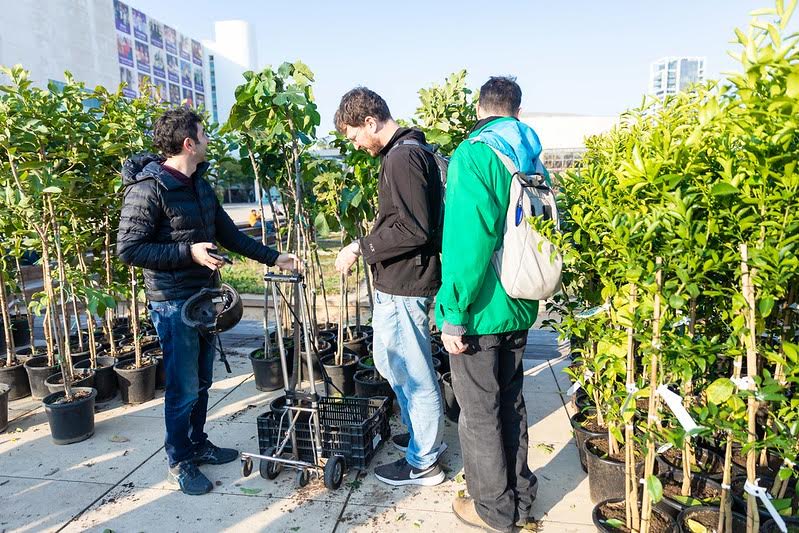
Orange trees are everywhere in Jaffa. So are grapes, loquats, and olives. The city is giving away free fruit trees so the entire city will be an edible urban forest
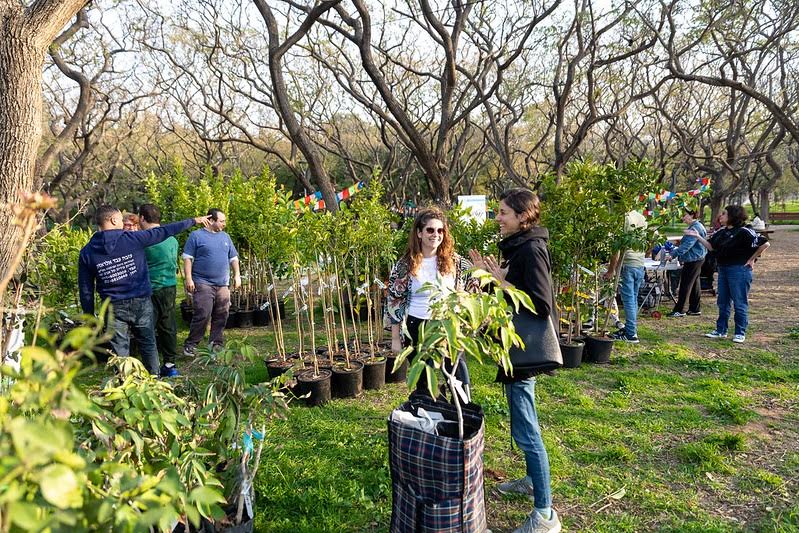
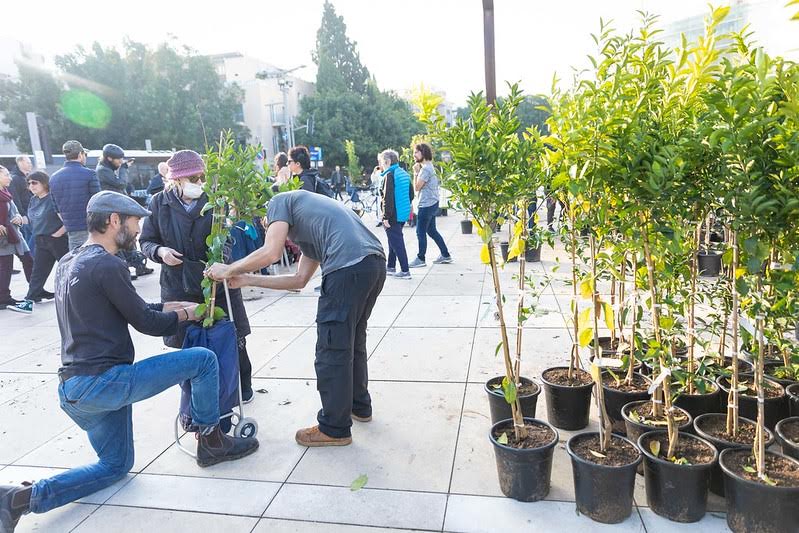
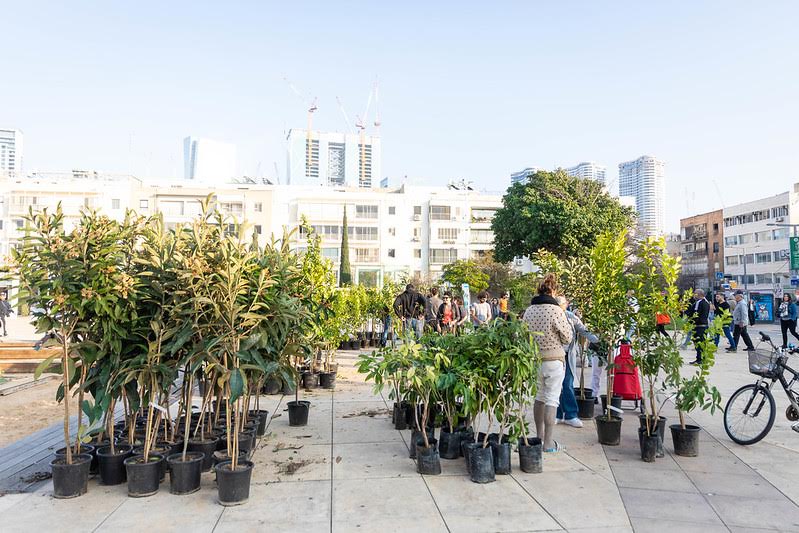
The Tel Aviv-Jaffa Municipality continues to distribute trees – and the most recent call was for Jaffa. “We invite you to join the project and plant a fruit tree in the garden of your residential building,” says the message sent out by the city a few weeks ago. The city of Tel Aviv has decided that its residents will grow an edible forest among the gardens of apartment buildings and shared spaces. There are already Whatsapp groups and apps that share with locals where they can harvest and forage. The joys of urban foraging are now going to expand.
Trees in urban areas play a crucial role – they provide shade, can lower temperatures by about 5 degrees, purify the air, support the ecosystem, and more. The trees we plant today will provide us with delicious fruits in the coming years, offering a source of nutritious and accessible food right outside our homes.
There are already a number of edible trees planted throughout Tel Aviv and Jaffa. It’s not hard to find citrus, loquats, mulberries and olives. Now the city will provide a variety of fruit trees for free: (citrus, loquat, plum, fig, mulberry, guava – subject to availability), compost, and guidance on planting and tree care.
Some trees like olive do not require a lot of watering. Trees like mango, do, and are not part of the program.
“Your part will be to plant the tree near the fence so it provides shade to the nearby sidewalk, send us a photo of the newly planted tree, water it, take care of it, and enjoy a green garden with delicious fruits,” writes the city.
Tree distribution will take place during February. The exact pickup location and date will be provided later. Note, trees will not be distributed under this project for addresses where urban renewal or building permits are planned within the next 5 years. The initiative will be implemented gradually in different neighborhoods across the city.
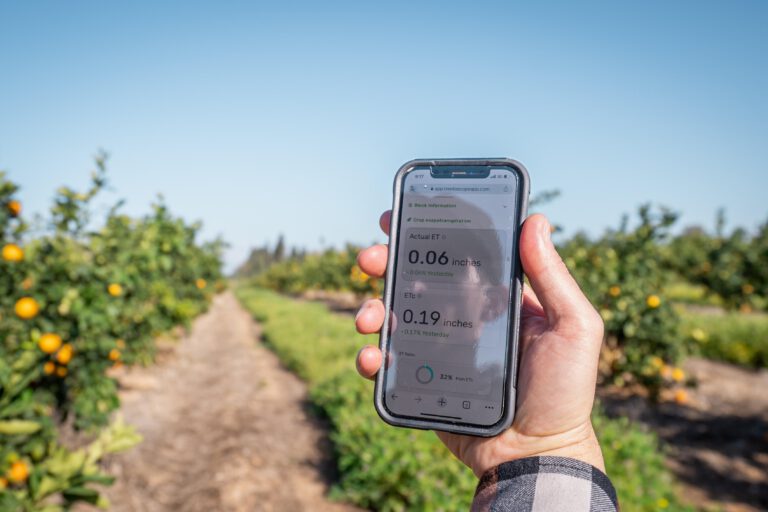
The Treetoscope app helps people understand the complex processes in orchards.
Loughborough University computer scientists have developed AI tools that offer insights into how greenhouse gas emissions associated with UK livestock farming and land use can be reduced.
The tools – which are hosted on an online digital platform and created as part of research funded by UK Research and Innovation (UKRI) and the Engineering and Physical Sciences Research Council (EPSRC) – aim to provide farmers, farming organisations, and government bodies with valuable data on how changes in livestock practices and land use can help the UK achieve its 2050 net zero goal.
Developed by a team led by Professor Baihua Li and Professor Qinggang Meng, key features of the platform include machine learning models designed to estimate methane emissions from livestock farming, predict milk productivity and ammonia emissions from dairy farms, and analyse how land use and environmental factors influence methane emissions across the UK.
“Our mission is to bridge the gap between innovation and practicality, offering a platform that supports data-driven decisions to combat climate change, advance sustainable farming, and achieve global net-zero emissions goals”, said Professor Li.
“By harnessing AI, our platform can offer data-driven insights that can help forecast future emissions based on a diverse range of data, giving stakeholders actionable intelligence to make cost-effective proactive decisions.”
Achieving net zero by 2050 requires balancing greenhouse gas emissions with their removal and storage in ‘carbon sinks’ – natural systems like forests, oceans, plants, and soil that absorb more carbon than they release.
Livestock farming plays a dual role, contributing to greenhouse gas emission – particularly methane and nitrous oxide, two potent heat-trapping gases – while also affecting the land’s ability to function as a carbon sink through grazing, feed production, and pasture management.
Reducing farming’s environmental impact is challenging, as emissions, carbon storage, and farm productivity are shaped by multiple interacting factors, such as animal breed, feed, pasture, and climate. These vary across farms, making a one-size-fits-all approach ineffective.
Beyond livestock farming, land use itself significantly influences emissions. Different types of land – such as agricultural, woodlands, or urban areas – interact with environmental factors to determine how much methane is released or absorbed. Understanding these complex interactions is essential for identifying the best strategies to minimise emissions.
The Loughborough University AI models provide a solution. Trained on diverse livestock and environmental datasets, they analyse how various factors interact to impact emissions, providing farm-level and nation-wide insights that can help shape strategies to support the UK’s net zero goal.
The AI tools developed for livestock farms allow farmers to input details about their specific animals and practices to estimate their current annual greenhouse gas emissions. Farmers can easily explore potential changes to their practices – simply by selecting options from drop-down menus or entering variable values. These adjustments provide immediate insights into their potential impact on both emissions and farm productivity.
One tool is designed specifically for dairy farmers, helping them estimate how their current practices affect individual cow milk yield and ammonia levels in waste. Monitoring ammonia is crucial, as it interacts with soil microbes to produce nitrous oxide and may also indicate dietary imbalances. This development was made possible through the support of the National Bovine Data Centre and the Cattle Information Service.
Another tool, developed for beef farmers, predicts methane emissions for individual cows based on farm-specific data. It also helps farmers understand emissions in context by offering relatable comparisons—such as the number of trees needed to offset a cow’s annual emissions, the equivalent emissions from flights between London and New York, or the months of energy use in an average UK household.
The team has also developed a livestock emissions calculator based on Intergovernmental Panel on Climate Change (IPCC) guidelines, the global standard for climate reporting. Suitable for farmers worldwide, it simplifies complex government formulas and presents them in a user-friendly format, helping farmers compare their emissions to official baselines.
Creating a Digital twin
Digital twins
Beyond farm-level tools, the research team has harnessed artificial intelligence to develop a user-friendly, web-based platform – referred to as a ‘digital twin’ – to provide detailed insights into how different types of land use affect methane emissions across the UK.
The digital twin features heatmaps of ruminant livestock distribution, land cover types (such as agriculture, urban areas, and woodland), and methane emission concentrations across the UK. It integrates real-time satellite methane observations from Sentinel-5P TROPOMI, AI models, datasets, and various intuitive visualisation tools.
Users can adjust parameters such as location, land cover percentages, seasons, and years to track historical changes and model future emission scenarios based on climate and land use projections.
The Loughborough team has analysed the UK’s methane emissions using the digital twin with early findings – intended for future publication in a peer-reviewed journal– indicating that methane emissions have been increasing year after year. Agriculture arable land and improved grassland used for livestock farming have also been identified by the researchers as key contributors, closely linked to methane hotspots.
It is hoped the tool will be used by policymakers, government bodies, and farming organisations to deepen understanding of how environmental factors influence emissions and enable data-backed decisions to be made to reduce emissions.

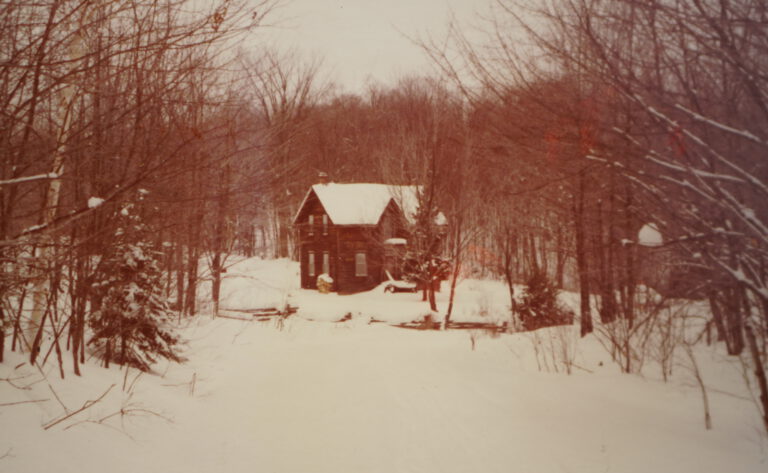

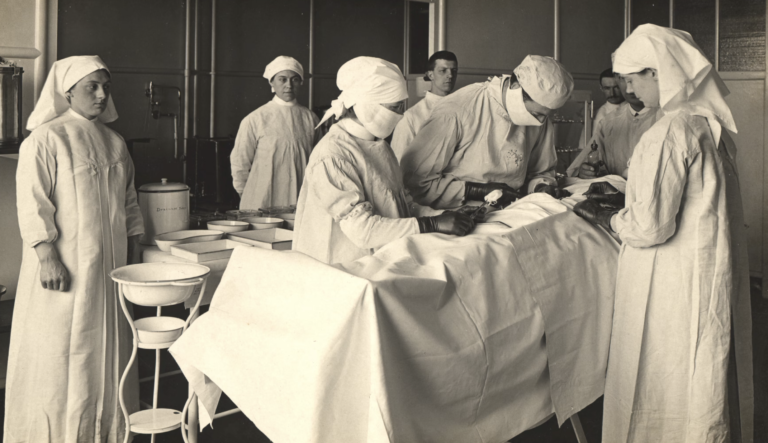
![King George Military Hospital, 3rd floor Theatre Collection: Images from the History of Medicine (IHM) Contributor(s): Zwerdling, Michael, former owner Publication: [England] : [publisher not identified], [1915] Language(s): English Format: Still image Subject(s): Hospitals, Military, Operating Rooms, Surgeons, Nurses, King George Military Hospital Genre(s): Postcards Abstract: Black and white photograph of the 3rd floor operating theatre at King George Military Hospital, London, England. A surgeon is performing an operation with 7 medical personnel in attendance.](https://www.greenprophet.com/wp-content/uploads/vintage-operation-england.png)
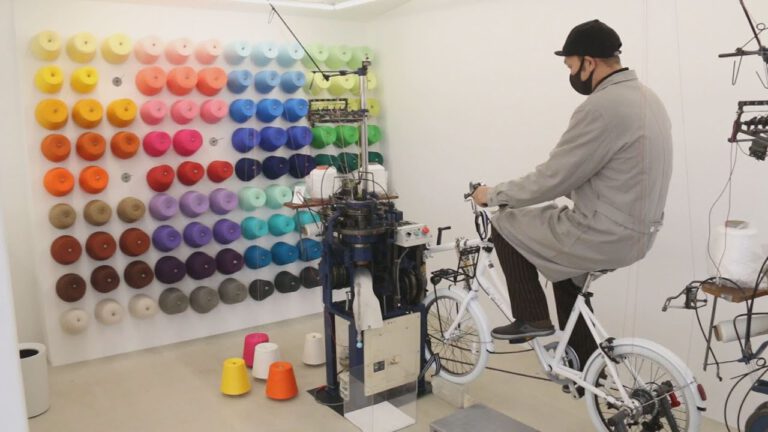



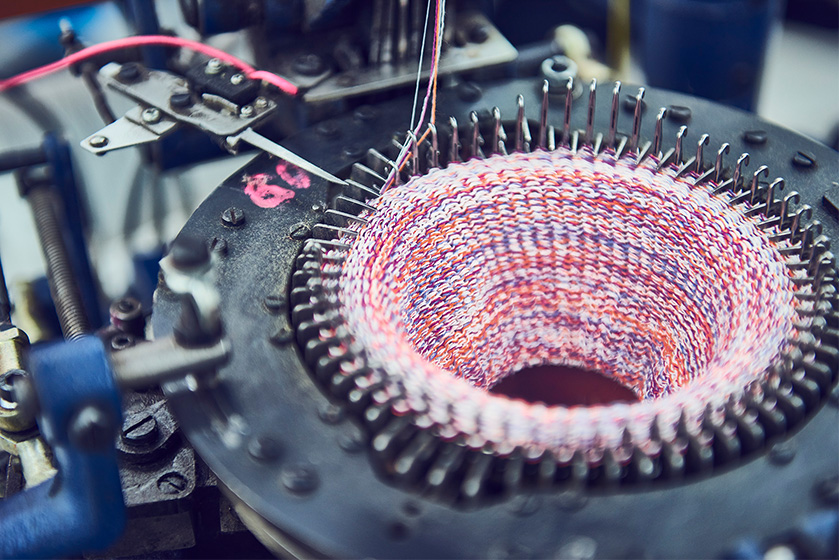










 Fuse Vectors founders Jordan Turnbull, Henrik Stage and Benjamin Blaha via Fuse