Singapore’s Super Tree Grove at Gardens by the Bay. Is this the future of cities?
Artificial Intelligence, or AI, has the power to transform our world, helping farmers plant seeds and water plants at the right time. It can help develop solutions in renewable energy so we can scale climate solutions that help wean the world off oil and plastics. But when it comes to AI, we need some kind of global consensus on a couple of things: what do we define is “good” for the planet, and what do we want the future to look like? Global leaders are coming together these questions and fresh challenges and opportunities in AI.
This event announcement comes off the heels of an AI and the planet UN project that includes 193 UNESCO signatories –– with some of the countries being the most violent on earth. Now is the time to wake up stakeholders to build the foundations of AI so we can truly use it for good.
The Accelerate 2050 conference in Brindisi, Italy, brings together visionaries, innovators, and leaders to address global challenges in AI. One of the key focus areas is AI for Good, leveraging artificial intelligence to solve pressing societal and environmental issues. This initiative is not just about technology but about creating a positive impact on humanity and the planet.
The conferences bring together experts from various sectors—including investors, companies, consultants, non-profits, and government officials—to discuss and promote sustainable practices and innovations.
Key Features of Accelerate 2050 Conferences:
The conferences cover a range of topics such as climate technology, renewable energy, carbon markets, biodiversity, impact investing, and the role of artificial intelligence in promoting sustainability. Events have been held in multiple locations, including New York City and Santa Monica, California. For instance, the New York event took place on May 8-9, 2024, at the New York Society for Ethical Culture Building. The Santa Monica event was held on November 6-7, 2024, at the Expert Dojo.
One of the topics is AI for Good which refers to the ethical and responsible use of artificial intelligence to tackle challenges like climate change, poverty, healthcare accessibility, and more. It emphasizes using AI not just for profit but to improve lives and promote sustainability. This includes:
Environmental Conservation: AI models to monitor biodiversity and carbon emissions.
Social Impact: Enhancing education, healthcare, and community development.
Ethical AI: Ensuring transparency, fairness, and accountability in AI systems.
How Other Generations and Skill Sets Can Contribute
AI for Good isn’t just for the tech-savvy; it requires diverse experiences and interdisciplinary approaches. Here’s how people from different generations and backgrounds can participate:
Mentoring and Leadership:Experienced professionals can mentor young AI enthusiasts, guiding them on ethical considerations and societal impacts.
Policy and Ethics:Those with backgrounds in law, sociology, or public policy can contribute to creating ethical frameworks and guidelines for AI deployment.
Creatives and Communicators: Designers, writers, and educators are needed to make AI solutions accessible and understandable to non-technical audiences. Storytelling and communication strategies can help raise awareness about the impact of AI for Good.
The meeting provides a great chance to network with people in AI who share similar goals. Some of the confirmed speakers include:
Vanessa Adams – Level4International A consultant service that focuses on international development, aiming to drive social impact and sustainability.
Saeed Al Dhaheri – AI UNESCO / AI Ethicist Specializes in AI ethics, ensuring responsible AI deployment globally.
Niclas Andersson – Untap A water from air business.
Fiona Banister – Decarbonized.org Advocates for environmental sustainability through decarbonization initiatives.
Brian Bartholomeusz – Stanford – TomKat Center Leads efforts in energy innovation and tech transfer at Stanford University.
Karl Burkart – One Earth (Invited) Focuses on environmental sustainability, leveraging technology for conservation.
Michael Capponi – GEM Leads global empowerment and humanitarian aid initiatives. Global Empowerment Mission was formed in response to the 2010 Haiti Earthquake to deliver the most amount of aid, to the most amount of people in need, in the shortest amount of time and with the least amount of costs to donors.
Claudia D’Andrea – Tetra Tech Tetra Tech is a global consulting and engineering services firm that provides a wide range of services related to environmental, infrastructure, and energy sectors.
Edivando Vitor do Couto – Alteromani Focuses on renewable energy and sustainable solutions.
Jillian Dyszynski – American Forest Foundation Works on environmental conservation and forestry initiatives.
Gene Eidelman – Azure Printed Homes Pioneers sustainable housing solutions using advanced manufacturing techniques.
Brian Fairhurst – Anthropogenic Utilizes advanced impact intelligence to address environmental challenges.
For more information about upcoming events, speakers, and registration details, you can visit the official Accelerate 2050 website.
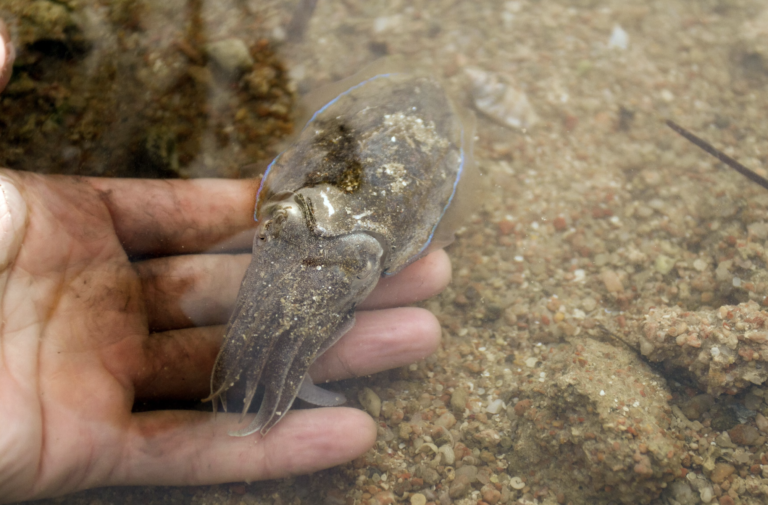
Diving in the crystal-clear waters of the Red Sea or exploring the vibrant reefs of Australia is an unforgettable experience. But sharing the ocean with sharks can be a nerve-wracking thought, even for the most seasoned divers. What if there were a natural, non-lethal way to keep sharks at a safe distance? Recent research suggests that cuttlefish ink might be the answer. It is much needed: a recent tragic dive boat accident in the Red Sea that led to 11 deaths was prevented from being rescued quickly because of sharks in the area, according to witnesses.
Cuttlefish (Sepia officinalis) are known for their impressive camouflage skills and their ability to release a cloud of ink when threatened. This ink isn’t just a visual smokescreen—it also contains chemical compounds that can overwhelm a predator’s sense of smell. Sharks, in particular, rely heavily on their acute olfactory senses to navigate and hunt. The compounds in cuttlefish ink are thought to disorient sharks, making them less likely to approach the source of the scent.
Recent research from University College Dublin indicates that cuttlefish ink, particularly its primary component melanin, may serve as an effective shark deterrent. The study found that melanin can bind to shark olfactory receptors, potentially overwhelming their sense of smell and causing them to avoid areas where the ink is present.
“Understanding how prey species like cuttlefish have evolved to exploit specific vulnerabilities in predators like sharks enriches not only our understanding of marine ecosystems but provides inspiration for conservation tools rooted in natural processes,” said Colleen Lawless, a researcher in the study.
Modelling the three-dimensional structures of shark olfactory receptors by using genetic data from several shark species including the Great White Shark, Colleen and her colleagues Dr Graham Hughes and Dr John Finarelli discovered melanin possesses a molecular structure that lets it latch onto the smell receptors of these ocean predators, disrupting their sensory perception.
And because sharks generally share the same core set of smell receptors despite differences in lifestyle and habitat, the binding effect likely extends to all shark species, making it likely effective across most shark species.
This discovery suggests that deploying cuttlefish ink, or synthetic analogs, could create safe zones for divers by deterring sharks without harming them. Such an approach could enhance diver safety in regions like the Red Sea and Australian waters, known for frequent shark encounters. Additionally, this method offers a non-invasive alternative to traditional shark deterrents, which often pose risks to other marine life.
By releasing cuttlefish ink—or a synthetic version—into the water, it may be possible to create a safe zone that deters sharks. This approach could provide a protective barrier, allowing divers to observe marine life without posing a threat to themselves or the sharks.
Practical Applications and Challenges
For this idea to work in real-world scenarios, several challenges need to be addressed:
Deployment Methods: The ink could be released from wearable devices, such as wristbands or diving suits equipped with small dispensers. Alternatively, underwater “ink bombs” could be deployed around high-risk areas. Or kept on hand during rescue dives. Divers from the Sea Story accident did not want to go on a rescue operation because of the number of sharks circling the floating wreck.
Environmental Impact: It’s crucial to ensure that the ink doesn’t harm other marine species or disrupt the delicate ecosystem.
Scalability and Production: Harvesting enough natural cuttlefish ink isn’t feasible, so researchers are exploring synthetic alternatives that mimic the chemical properties of the original ink.
One of the most exciting aspects of this technology is its potential to protect both humans and sharks. By steering sharks away from popular diving sites, we reduce the chances of negative encounters that could lead to harmful outcomes for the sharks.
While promising, further research is necessary to develop practical applications and assess the environmental impact of widespread use of cuttlefish ink as a shark repellent.
Mooncool electric trike for seniors and people who need the stability of 3 wheels
The mobility scooter market is increasingly focused on addressing carbon emissions and enhancing environmental sustainability. As the demand for mobility solutions grows, especially among the ageing population, the industry is taking steps to minimise its environmental impact. Here we provide a breakdown of how the mobility scooter market is tackling carbon emissions.
Electric Power and Zero Emissions
Electric-Only Operation: Mobility scooters are predominantly electric, meaning they produce zero exhaust emissions during use. This is a major advantage over fossil fuel-powered vehicles, contributing to reduced air pollution in urban areas.
Battery Advancements: The shift from traditional lead-acid batteries to more efficient lithium-ion batteries is underway. Lithium-ion batteries offer better energy density, longer life cycles and faster charging times, which collectively reduce the environmental footprint by enhancing energy efficiency and reducing waste.
Sustainable Manufacturing Practices
Eco-Friendly Materials: Manufacturers are increasingly using sustainable materials in scooter production. This includes recyclable plastics and metals, which help lower the environmental impact associated with raw material extraction and processing.
Energy-Efficient Production: Efforts are being made to adopt energy-efficient manufacturing processes, which can significantly reduce carbon emissions. This includes optimising supply chains, reducing waste and implementing cleaner production technologies.
Lifecycle Emissions and Recycling
Comprehensive Emissions Assessment: To fully understand the carbon footprint of mobility scooters, it is important to consider lifecycle emissions, which include emissions from manufacturing, operation and disposal. The industry is working towards minimising emissions at each stage of the lifecycle.
Battery Recycling Initiatives: Proper recycling and disposal of batteries are crucial for reducing lifecycle emissions. Manufacturers are developing return initiatives and recycling schemes to ensure that batteries and other components are disposed of responsibly and materials are reused where possible.
Renewable Energy Integration
Solar Charging Solutions: Some mobility scooters are being designed with solar charging capabilities, allowing users to harness renewable energy. This reduces reliance on grid electricity and promotes the use of clean energy sources.
Green Energy Partnership: Manufacturers are exploring partnerships with renewable energy providers to offer green charging solutions, further reducing the carbon footprint associated with electricity consumption.
Regulatory and Market Drivers
Government Incentives: The UK government is offering incentives for the development and adoption of low-emission technologies. This includes grants, tax breaks and subsidies for manufacturers and consumers, encouraging the production and purchase of environmentally friendly mobility scooters.
Consumer Demand: As consumers become more environmentally conscious, there is growing demand for sustainable mobility solutions. This market pressure is driving manufacturers to innovate and prioritise carbon reduction in their product offerings.
Urban Infrastructure and Integration
Smart City Initiatives: As part of wider smart city initiatives, the UK is investing in infrastructure that supports electric mobility, including charging stations and dedicated lanes for mobility scooters. This integration helps reduce emissions by promoting the use of electric vehicles over traditional ones.
The mobility scooter market is actively working to reduce carbon emissions through advancements in electric power, sustainable manufacturing practices and renewable energy integration. By focusing on lifecycle emissions and responding to regulatory and market drivers, the industry aims to provide environmentally friendly mobility solutions that meet the needs of users while contributing to a more sustainable future. As these efforts continue, mobility scooters will play an increasingly important role in reducing urban carbon emissions and promoting cleaner, greener transportation options in the UK.
Unveiling the Scents of the Afterlife: Did Ancient Egyptian Mummies Smell Like the Gifts of the Three Wise Men?
Researchers are investigating whether the smell of an Egyptian mummy could enable them to discover what materials were used to preserve the body without disturbing it. They extracted air from the sarcophagi of nine mummies and asked expert smellers to rate the scents for contemporary odour qualities such as woodiness and sweetness. Woodsy and sweet with a hint of pistachio, was the answer.
They then analysed each air sample to identify volatile compounds responsible for certain smells. The team also hope their work can provide curators with a synthetic recreation of how mummies smell to make exhibits more engaging.
Researchers from UCL and the University of Ljubljana conducted the first-ever systematic analysis of the smells associated with mummified bodies. Using advanced technology, including an electronic ‘nose’ and trained human sniffers, they examined nine mummies displayed and stored at Cairo’s Egyptian Museum.
Coffin with a mummified body in the display area of the Egyptian Museum in Cairo.
The findings, published in the Journal of the American Chemical Society, offer a new perspective on ancient embalming practices and how museums preserve these historical artifacts.
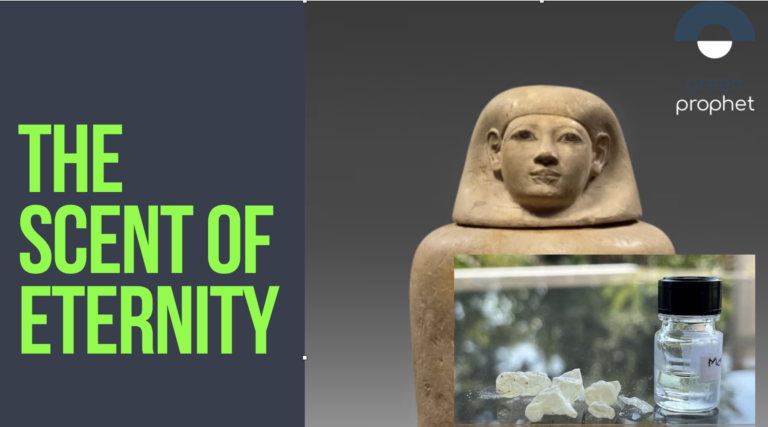
One researcher is developing the scent into a perfume, and is calling it the Scent of Eternity.
“The smell of mummified bodies has for years attracted significant interest from experts and the general public, but no combined chemical and perceptual scientific study has been conducted until now,” said Professor Matija Strlič, lead author of the study. “This ground-breaking research really helps us better plan conservation and understand the ancient embalming materials. It adds another layer of data to enrich the museum exhibition of mummified bodies.”
King Mutt: a dog mummy buried along with a pharaoh. Do they smell good too?
To identify the chemicals released by the mummies, the team used a gas chromatograph and mass spectrometer. A panel of trained sniffers also evaluated the scents’ quality and intensity, allowing researchers to distinguish between odors originating from the original mummification process and those from modern conservation methods.
Dr. Cecilia Bembibre, a member of the research team, highlighted two significant aspects of the study: “First, new information was revealed by the smells, highlighting the importance of using our senses to understand the past. Secondly, while most of the studies on mummified bodies have taken place in European museums so far, here we worked closely with Egyptian colleagues to ensure their expertise and perceptual experience were represented, and we jointly developed an ethical and respectful approach to studying the mummified bodies.”
Barbara Huber, a scientist at the Max Planck Institute of Geoanthropology, examines Scent of Eternity in the lab. (Chris Leipold)
One of the study’s key findings is the ancient Egyptians’ awareness of the link between scent and purity, particularly in the embalming of gods and pharaohs. The process involved oils, resins, and balms such as pine, cedar, myrrh, and frankincense, which still emit pleasant aromas after 5,000 years.
In the Hebrew Bible, the Old Testament, Psalm 45 offers a clue to how the ancients felt about fragrance: “All your robes are fragrant with myrrh and aloes and cassia”).
In Psalm 141, prayers are likened to incense. The sense of smell is one of the oldest in animal evolution. And, even if it is not the prime sense for humans, it remains one of great potency.
Interestingly, the presence of myrrh and frankincense has led some researchers to speculate about a historical connection to the gifts brought by the Three Wise Men to the newborn Jesus, as described in the Christian tradition. These valuable resins, known for their spiritual and preservative properties, were highly prized in the ancient world and were commonly used in religious rituals and burial practices. Is there a link to the materials used in mummification or at the Jewish Temple as offerings?
Looking ahead, the research team aims to create “smellscapes” – recreations of the scents of ancient mummified bodies – to enhance museum exhibitions. This innovative approach could allow visitors to experience history in a new, immersive way, not only enriching our understanding of the past but also transforming how we engage with it.
Exclusive Interview: Pioneer Scientist Moshe Luz Dispels Myths and Reveals How Ivanpah’s Failure Could Stall Bold Investments in Green Tech
California is shutting down its $2.2 Billion CSP solar energy project called Ivanpah. And we wrote last week that investing in things that fail is worthwhile. One of the key scientists behind this technology, Moshe Luz, reached out to Green Prophet to dispel some myths and answer some questions. He argued that claims of bird deaths from CSP are only myths and that Ivanpah’s closure could hinder future renewable energy projects by discouraging investors from taking risks.
Luz emphasized the need for bold investments to advance renewable technology. He suggested that smaller, modular CSP plants could reduce financial risks and attract more investors. Luz also highlighted the importance of balancing innovation with financial sustainability. He noted that government subsidies play a crucial role in supporting renewable energy but warned that dependency on them could jeopardize long-term viability.
The Ivanpah Solar Power Facility, a $2.2 billion concentrated solar plant in California, was once hailed as a breakthrough in renewable energy.
Regarding future energy sources, Luz expressed skepticism about the sole reliance on wind, solar, or hydro, pointing instead to nuclear and fusion energy as more sustainable alternatives. He emphasized the need for technological advancements in miniature turbines and molten salt systems to make CSP more cost-effective. His insights underline the challenges and potential of CSP in the evolving renewable energy landscape.
Moshe Luz
“A very interesting article,” he writes, “I’m not going to argue if the CSP is good or bad, but to reiterate the urban legend, ‘it is known to kill birds that pass by it,’ is absolutely bad because it is not true. All claims about ‘birds evaporating in the air,’ and other nonsense, were rejected scientifically. Whenever a white elephant such as Ivanpah is shutting down – it is bad.
“It means that the bankability of future projects is at risk, and without these daring initiatives the progress is going to be very slow. If investors are deterred from taking risks we will see only very small steps, playing safe. We need brave people and organizations that will be the first to cross the sea. For them it is not encouraging and they will tackle higher barriers,” he tells Green Prophet.
Moshe worked with BrightSource, the company that built the Ivanpah facility but left the company about 5 years ago.
CSP stands for concentrated solar power. It is a technology that uses mirrors or lenses to focus the sun’s energy to a receiver point which heats a fluid to produce steam that drives a turbine to generate electricity. When combined with molten salt, the heated salt stores energy, allowing power generation even when the sun isn’t shining, improving reliability and efficiency. To note, Ivanpah runs steam in its pipes (not molten salt) and it does not have storage (Thermal Energy Storage).
We asked Moshe about the future of CSP and the bankability of new technologies that widen the possibilities for renewable energy.
Questions for Moshe Luz
You seem to suggest that the failure of Ivanpah is a blow to the bankability of future renewable projects. In your opinion, what could have been done differently to ensure its success, and how can future projects avoid similar pitfalls?
Some projects are “doomed” to end up as white elephants. If the technology is not mature enough, the results might fall below expectations, in some cases – while inflicting losses to the investors. This is the nature of the beast… It might be a result of bad design, wild assumptions, ignoring facts and data, very high and unjustified targets or going to the market before the “t”s are crossed and the “i”s are dotted – the designer / manufacturer freezes the design before the job is done because of the pressure to go to the market. There is no proven medicine for these diseases.
What do you think needs to change in the approach to solar power development to make it more cost-effective and viable in the long term?
The present CSP is very expensive and the risks are high. This is why a failure (and there were several) might deter investors from giving money to such plants. Building much smaller plants, where the risk is much smaller as well, will enable more investors to consider the risk as “tolerable”.
So – the solution might be the development of small, modular CSP plants.
You mention that brave organizations should take risks. In your experience, how do you balance the need for innovation with the importance of financial sustainability in such large-scale projects?
There are 2 ways: in the private market the profit from a successful project should be high enough to tempt an investor to take the risk. At the state level, the benefit (not necessarily the profit) should justify the sacrifice of public money in order to promote a project that might lead to better ones. Such was the pilot of “Solar II” that was financed as a test bench for molten salt CSP.
You believe that the future lies in nuclear and fusion energy rather than wind, solar, or hydro. Can you explain why you feel that way, and how do you see these technologies evolving in the coming decades?
The consideration should be balanced between the risks: all power sources affect the environment but the extent and magnitude should be calculated. We learn slowly about the influence of renewable sources on our planet.
For example: if the average efficiency of the PV after some degradation is 20%, it means that 80% is converted into heat. How is it in comparison to bare sand or even a green forest? Do we reduce the heat absorption or increase? What about the influence on fauna and flora? About birds, insects, wildlife etc.?
Remember the turmoil about the birds in Ivanpah – now there are claims that the blades of wind turbines are vibrating and affecting the birds as well. We have experience with nuclear power and it is not so bad although Chernobyl and Fukushima left a trail of devastation.
Imagine the possibility of a collapse of a huge dam, such as Hoover dam or Aswan dam – what will be the result? Can we guarantee that this will never happen? The 2 major advantages of nuclear power is the very small footprint they have and the ability to provide electricity with minimal pollution if maintained properly.
Could you share your thoughts on the role of government policies and subsidies in encouraging or hindering renewable energy advancements? Do you think current incentives are enough?
Please see my reply above about brave organizations. For sure a subsidy of renewable technology might promote their development. LUZ used the subsidy to justify the installation of its CSP plants, which were copied by dozens of other plants, but when the government stopped the money – the justification disappeared.
Yet – the technology survived. Ivanpah also used subsidies and the tower technology evolved from the innovative concept of heliostats field and power tower.
You’ve worked with BrightSource for many years. In hindsight, are there specific lessons learned from your time there that could help future CSP projects succeed?
One very important lesson: if you work on a technology that consumes so much money for each unit – you must work “lean and mean”. BrightSource was a very good place to work, but its burn rate was too high. In some cases it identified changes in the technology too late, which left it behind other competitors.
And above everything: these groundbreaking companies need A LOT OF MONEY!
You mention that climate change has always affected our lives and always will. What is your perspective on how human intervention through renewable energy can address current and future climate challenges?
I don’t hold myself to be an expert in climate changes or renewable energy. Yet, I’m old enough to remember the panic about global cooling in the 70s: it was assumed that the accumulation of ice in the poles will cause the seas to rise and flood the coasts… sounds familiar?
There was a plan to spread coal dust over the ice caps (from C130 airplanes) in order to increase the absorption of heat and thus melt the ice. Today, I’m not convinced that we are responsible for the changes. I read the book “Unsettled” by Steven Koonin and I am convinced that I’m not convinced: do we affect the changes that much, that it is in our hands to change the direction of the change?
I was also impressed by the book “The Famine Was Severe In The Land” by Arie Issar and Mattanya Zohar that claimed many years ago that the fluctuations in the climate in the Middle East caused geo-political changes – without human intervention in the climate. So – I hesitate to declare if we are the cause of the change and if we are a considerable factor in the direction and / or magnitude of the change.
As an expert in the field, what innovations in solar technology or energy storage do you find most promising for the future of CSP?
Without being an expert, I think that there are 2 technologies that might contribute to the CSP industry:
1). a miniature turbine or heat engine, not necessarily a steam turbine, in the size 1-10 MWth (megaWatt thermal). This will enable local small modular CSP plants to be installed where needed and
2). a steady improvement in the equipment for molten salt: pumps, valves, instrumentation. This, together with a reduction in the cost of material (pipes, heat exchangers, solar receivers), will enable the small units to turn into commodities. I’m not aware of any major change that will guarantee the future of CSP.
More about Moshe Luz
Moshe Luz is an accomplished engineering professional specializing in renewable energy, with a particular focus on molten salt thermal energy storage and concentrated solar power (CSP) systems. His last position was as the Molten Salt Director at Luminescent Solar Power Ltd. in Israel, he brings over two decades of leadership and project management experience to the renewable energy sector. He currently works as a freelance consultant.
Previously, Moshe was the Director of Construction for the Northern Sectors at NTA – Metropolitan Mass Transit System Ltd., overseeing infrastructure development for the light train in Israel’s Dan District. His expertise in complex engineering projects was further honed during his tenure at BrightSource Industries Israel (formerly Luz2), where he spent nearly nine years in various strategic roles. These included Project Manager and Product Manager, where he supervised the design, production, and supply of Molten Salt Solar Receivers for the Dubai DEWA solar tower, part of the Noor Energy 1 – 700MW CSP Project.
Moshe also played a pivotal role as Owner’s Engineer for the Ashalim Plot A Solar Plant in Israel, ensuring compliance with contractual obligations and performance standards. His leadership extended to managing the Solar Energy Development Center (SEDC) in Dimona, Israel, a test site for innovative solar receiver and heliostat technologies.
Earlier in his career, Moshe gained extensive project management experience in desalination and energy sectors with prominent companies such as Paz Oil Company, Bateman Litwin, and Oran Safety Glass OSG. His international exposure includes overseeing large-scale infrastructure and utility projects in Nigeria and managing multi-disciplinary engineering teams worldwide.
With a robust background in infrastructure, project management, and renewable energy innovation, Moshe Luz continues to be a driving force in advancing solar thermal technology and sustainable energy solutions.
In Hebrew, “luz” means almond, though in some editions of the Bible, it is translated as hazel.
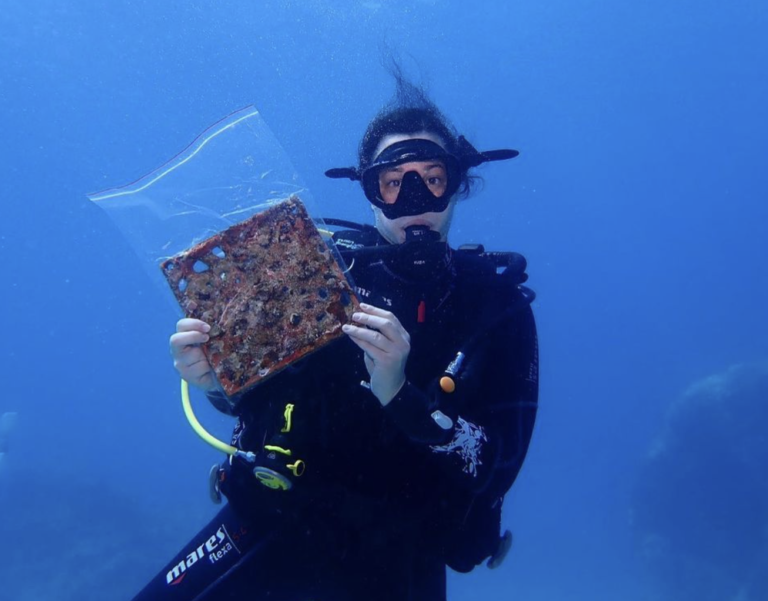
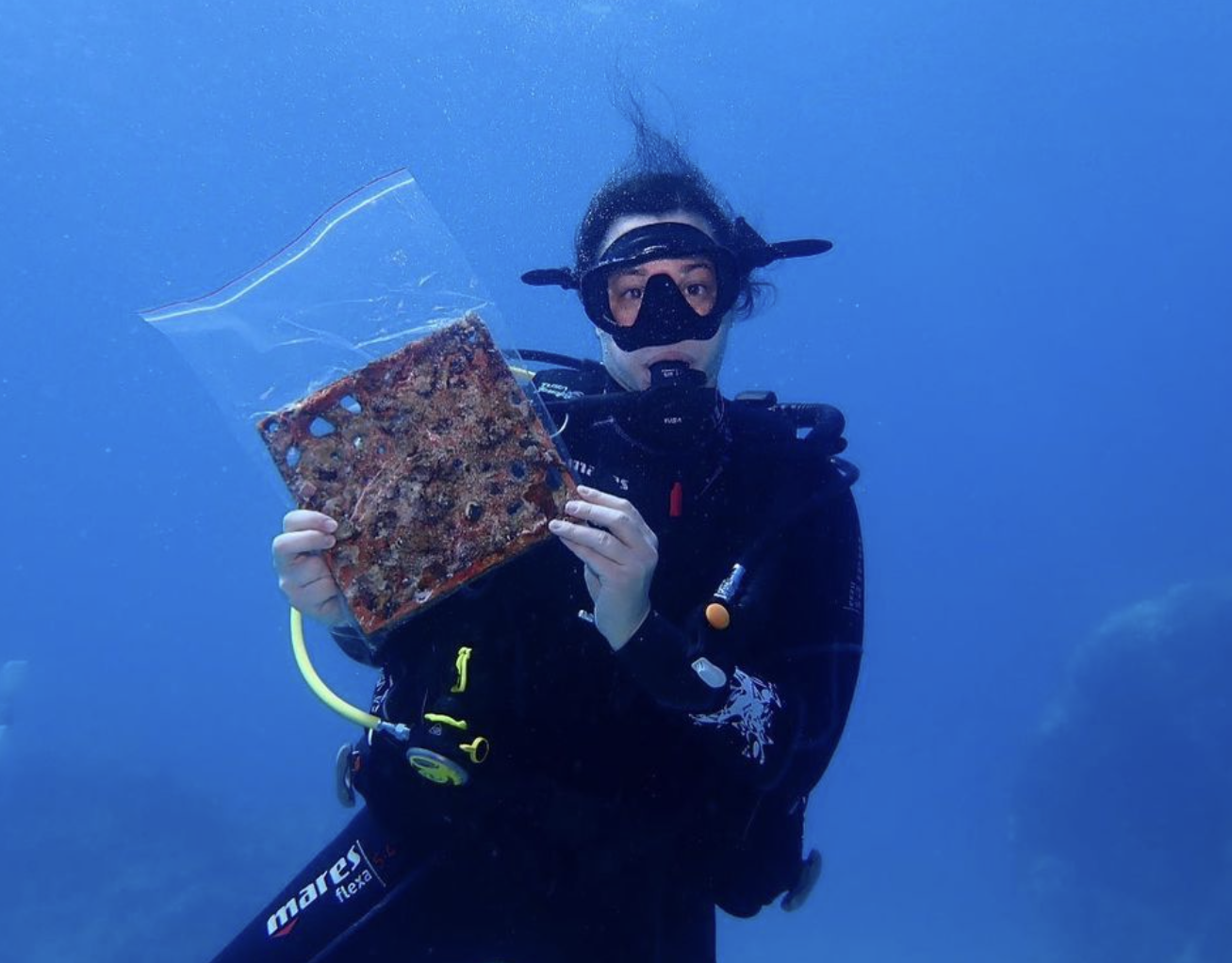
Natalie Levy works with artificial, terracotta reefs to restore life in the Red Sea
Can AI be sustainable?
Over 100 partners, including 37 tech companies, 11 countries and 5 international organizations, have joined forces with the UN under the Coalition for Environmentally Sustainable Artificial Intelligence, aiming to ramp up global momentum to place AI on a more environmentally sustainable path.
Spearheaded by France, the UN Environment Programme (UNEP) and the International Telecommunication Union (ITU), the new AI Coalition brings together “stakeholders across the AI value chain for dialogue and ambitious collaborative initiatives,” according their press material.
193 countries have adopted a series of non-binding recommendations on the ethical use of AI, but a few of these are troubling because among the 193, some of them are considered the “most dangerous countries in the world” by the International Security Journal; they include countries that face severe human rights violations including Afghanistan (run by the Taliban), Syria (run by an ex-Al Qaeda leader), Yemen (controlled by the Houthis). Will they have an equal say in how AI is built or unbuilt with human biases and ambitions that may not be shared as a value across the board?
“We know that AI can be a force for climate action and energy efficiency,” says the UN Secretary-General António Guterres. “But we also know AI power-intensive systems are already placing an unsustainable strain on our planet,” “So it is crucial to design AI algorithms and infrastructures that consume less energy and integrate AI into smart grids to optimize power use.”
The Coalition was announced at the Artificial Intelligence (AI) Action Summit in Paris, where Heads of State and Government, leaders of international organizations, CEOs, academics, artists, and members of civil society gathered to discuss support for AI innovation, adequate regulation, and respect for rights to ensure development of these technologies in the interests of all, including developing countries.
This humanoid e-skin feels pain, University of Glasgow. Maybe this can be applied to pollution in nature? Maybe we can program her to think like Greta
According to their marketing material, the Coalition will encourage AI initiatives for the planet, including its role in decarbonizing economies, reducing pollution, preserving biodiversity, protecting the oceans, and ensuring humanity operates within planetary boundaries.
“It will use a collaborative approach – bringing together governments, academia, civil society, and the private sector – to focus on standardized methods and metrics for measuring AI’s environmental impacts, comprehensive life cycle analysis frameworks for reporting and disclosure, and prioritization of research on sustainable AI.”
What is sustainable AI? What is an environmental impact? Who chooses who enters the pact?
Artificial Intelligence is used in this biodome to grow bio-organic food (Karin Kloosterman).
The new EU coalition argues that the the EU itself has tried and the United States of America have introduced legislation to temper the environmental impact of AI. “However, the policy landscape remains sparse.” The EU group believes that they can “inform investors, development banks and local authorities on the objective elements defining an energy-efficient data centre.”
“The power of AI to solve complex global challenges is becoming ever clearer, but so too are its environmental impacts and the need for environmental guardrails to ensure the field grows sustainably,” said Golestan (Sally) Radwan, Chief Digital Officer for UNEP, from Egypt. “The new Coalition brings together critical stakeholders who have the power to work together and build systems that ensure the net effect of AI on the planet is positive as the technology continues to deploy rapidly.”
In today’s farming, using agrochemicals and fertilizers wisely is essential for cost savings and protecting the environment. Space technology is changing how farmers handle their resources by providing data that helps them use inputs more effectively and save money. With satellite images and remote sensing, agronomists can check soil health, evaluate crop condition, and identify nutrient shortages with great precision.
This up-to-date information allows for precise application of agrochemicals and fertilizers, making sure plants get the right care at the right time and location. Consequently, waste is reduced, crop yields increase, and farming becomes more eco-friendly. Satellite technology is more than just a tool for better efficiency and tracking crop growth; it leads to smarter and more sustainable agri practices. Let’s take a look at a case where a cutting-edge satellite crop monitoring technology company assisted in enhancing fertilizer application efficiency.
Case Study: Optimizing NPK Fertilizer Application with EOSDA’s Satellite Monitoring Technology
In Central and Eastern Europe, traditional crop cultivation practices have long relied on NPK fertilizers to enhance soil productivity and maximize yields. However, conventional application methods often achieve only 40-60% nutrient efficiency, with severe drought conditions further reducing this figure. Overuse of these fertilizers not only strains farmers’ budgets but also imposes heavy environmental costs, including nutrient runoff and water contamination. To address these challenges, innovative practices are emerging that enable growers to achieve higher yields with reduced chemical inputs.
A prime example is the collaboration between Agrinova Group and EOSDA Crop Monitoring. Since 2021, Agrinova Group, a consulting firm established in 2014 with a strong presence across Poland, Slovakia, and Ukraine, has integrated EOSDA’s satellite-based platform into its advisory services. Leveraging high-resolution space imagery, artificial intelligence, and machine learning, EOSDA Crop Monitoring provides near real-time insights into vegetation health and vegetation dynamics. This technology enables the creation of precise VRA maps for variable rate application of fertilizers and seeds, tailored to the specific needs of each field.
A productivity map is useful for applying potassium and phosphorus.
By replacing traditional, labor-intensive soil testing with remote sensing, Agrinova Group has significantly reduced fertilizer inputs — optimizing nitrogen use by 50–130 kg/ha. This shift not only cuts chemical costs but also minimizes ecological impact. Moreover, remote management capabilities have slashed operational travel expenses by 80%, enhancing overall service efficiency. The successful implementation of EOSDA’s platform has reinforced Agrinova Group’s reputation as a leader in sustainable, tech-driven agricultural consultancy, driving both business growth and improved environmental stewardship. Let’s explore how agronomists can make the most of satellite data to improve their crop management strategies.
Using Satellite Data for Better Crop Management with Precision Fertilization
Satellite crop monitoring is revolutionizing fertilizer application by offering farmers a detailed, data-driven understanding of their fields. Utilizing vegetation indices like NDVI and MSAVI, space imagery provides critical insights into plant vigor and health. These indices reveal variations in plant biomass and chlorophyll content, allowing agronomists to identify areas that require more intensive fertilization versus those that need less.
In addition to vegetation indices, satellite data captures soil moisture levels, which play a vital role in nutrient uptake. By understanding moisture distribution, growers can fine-tune fertilizer applications to coincide with optimal soil conditions, thereby increasing the efficiency of nutrient absorption. Furthermore, nutrient distribution maps derived from space imagery highlight spatial variability within fields, enabling the creation of precise prescription maps for fertilizer application.
One of the most impactful innovations arising from this technology is Variable Rate Application (VRA). VRA empowers farm owners to adjust fertilizer doses on a granular level rather than applying even rates across entire fields. This targeted approach not only reduces the overall quantity of fertilizers used but also ensures that each section of a field receives the appropriate amount to maximize crop yield. The resulting efficiency not only cuts costs but also minimizes the environmental impact by reducing chemical runoff and preserving soil health.
In essence, the integration of satellite data into fertilizer management transforms conventional practices. It offers a robust toolset that enhances decision-making, drives cost savings, and sustains high yields. By embracing this technology, modern agriculture moves towards a more precise, sustainable, and economically viable future, demonstrating the powerful synergy between cutting-edge remote sensing and traditional farming techniques. Let’s take a closer look at how satellite-guided fertilization can benefit both the economy and the environment.
The Economic and Environmental Benefits of Satellite-Guided Fertilization
Precision fertilization with satellite crop monitoring” title=”Using satellite data for targeted fertilizer application
Space-guided fertilization and crop monitoring systems are reshaping modern agriculture by offering a dual advantage: boosting farm productivity while reducing ecological harm. By precisely targeting fertilizer applications, farmers can significantly cut input costs. Detailed satellite data — encompassing vegetation indices, soil moisture levels, and nutrient maps — allows for pinpoint accuracy in fertilizer delivery, ensuring that each portion of the field receives just what it needs. This precision minimizes the excessive use of agrochemicals, curtailing unnecessary expenses and reducing the risk of nutrient runoff that can pollute water bodies and harm local ecosystems.
The economic benefits are multifaceted. Reduced fertilizer usage reduces production costs, while optimized nutrient management enhances vegetation vigor and yield. This leads to a healthier bottom line for farm owners and contributes to a more competitive agricultural sector. Moreover, the ecological benefits are equally compelling. Over-fertilization is a primary cause of soil degradation and water contamination. By adopting satellite crop monitoring software, farmers mitigate these issues, preserving soil fertility and promoting biodiversity.
The integration of AI-driven satellite analytics, predictive modeling, and modern farm management tools is revolutionizing agrochemical use by boosting yields, cutting waste, and reducing ecological impact. This innovative approach supports sustainable farming practices, aligning economic growth with environmental stewardship and paving the way for a resilient, eco-friendly future in agriculture.
Forest bathing can help mental health in stressful times such as job insecurity.
At the end of last week, more than 1,000 employees at the U.S. Environmental Protection Agency (EPA) received distressing news: they could be dismissed immediately. Workers with less than one year of service were notified via email that they had been identified as “probationary/trial period” employees and were at risk of immediate termination.
According to the email, “As a probationary/trial period employee, the agency has the right to immediately terminate you.” The unsettling message has left many EPA employees uncertain about their futures and has sparked widespread fear across the agency.
Marie Owens Powell, president of the American Federation of Government Employees Council 238, which represents approximately 8,500 EPA staffers, confirmed that about 1,100 employees received this notification. While no probationary employees have been let go yet, Powell emphasized that the email had caused significant anxiety among staff. “It was scary for people to receive the message, as you can imagine,” she said. “The agency obviously can dismiss probationary employees, but it has to be for cause.”
The decision to send out these termination notices comes as part of a broader push by the Trump administration to downsize the federal government.
In line with President Trump’s “energy dominance” policy agenda, the EPA is undergoing a reorganization aimed at reducing regulations and realigning resources to focus on energy production and deregulation efforts. This includes a reevaluation of agency functions and staffing, with a particular focus on programs that do not align with the administration’s priorities.
In addition to the layoffs, nearly 200 employees involved in environmental justice and diversity, equity, and inclusion initiatives have been placed on administrative leave. These programs, which focus on supporting communities disproportionately impacted by pollution, have been sidelined in the new direction of the EPA, raising concerns about the future of environmental justice within the agency.
EPA Administrator Lee Zeldin, who was confirmed last week, has been tasked with leading the agency’s efforts to roll back regulations enacted under the previous administration, including those aimed at reducing carbon emissions and promoting environmental equity. The restructuring and layoffs are expected to further weaken the EPA’s capacity to address climate change, pollution, and public health issues, particularly for vulnerable populations who rely on the agency’s protective regulations.
The atmosphere within the EPA has become one of fear and uncertainty, as employees are left unsure of their job security and the future of the agency’s work. With critical programs in jeopardy and a shift in focus away from key environmental issues, many are questioning how the agency will continue to fulfill its mission of safeguarding public health and the environment. As these changes unfold, the long-term impact on U.S. environmental policy remains uncertain, and the ripple effects could be felt across the country and beyond.
Discover the innovative palliative care center designed by BIG in Denmark, combining sustainable architecture with nature to create a peaceful and dignified environment for end-of-life care.
Palliative care is more than just medical attention for those with serious or terminal illnesses. It is about offering comfort, respect, and a space that fosters emotional, spiritual, and physical well-being in the final stages of life. The best place for one to die is probably at a safe space at home and in nature with your loved ones around. If the person you love does not feel safe in this configuration, as what happened in my family, the best is when you can find an institution that offers the next best thing.
A recent design unveiled by BIG (Bjarke Ingels Group) for a palliative care center and hospice in Denmark highlights how sustainable architecture can harmonize with nature and spirituality to offer an enriched and dignified end-of-life experience.
Bjarke Ingels Group has won the competition to design the new Sankt Lukas Hospice and Lukashuset, a 8,500 m² palliative care center envisioned as a village nestled within nature. Building on the legacy of the Sankt Lukas Foundation, established in the 1930s, this project will significantly expand Denmark’s palliative care capacity, tripling its current facilities to serve approximately 2,100 patients each year.
The architecture and design of palliative care spaces are crucial to creating an environment that promotes peace, dignity, and connection.
Sustainability in Palliative Care: A Healing Environment
The importance of sustainability in palliative care is not merely about protecting the environment; it’s about creating spaces that promote long-term healing, peace, and connection to the earth. The palliative care center designed by BIG uses natural, reclaimed materials like wood and brick, which not only reduce the environmental footprint of the building but also bring an inherent sense of history and permanence to the space.
Sustainable architecture, in its essence, recognizes that our well-being is intertwined with the health of the planet. For patients nearing the end of their journey, a space built with care for the earth can provide a profound sense of harmony. The use of natural materials, such as reclaimed bricks and sustainably sourced wood, evokes a sense of warmth and familiarity—creating a comforting, homely atmosphere rather than the cold, sterile feel of a traditional hospital.
This simple yet profound connection to nature and sustainability encourages a sense of groundedness for patients as they reflect on their lives and their place in the larger cycle of existence.
Nature as a Source of Healing and Spiritual Connection
There is an undeniable connection between nature and the human spirit. Throughout history, nature has been seen as a source of comfort and renewal, a place where individuals can find peace and clarity.
In palliative care, a place where people essentially go to die, connecting to the natural world can provide immense emotional and spiritual benefits for patients and their families. Nature acts as a mirror, reflecting the ongoing cycle of life and offering solace in times of uncertainty.
The Danish palliative care center is designed to embrace this connection. The space integrates abundant natural light, views of lush green landscapes, and access to gardens that invite patients and their families to spend time outdoors.
For those facing terminal illness, these natural elements offer moments of reflection, serenity, and spiritual renewal. Whether it’s watching the seasons change through a window, sitting in a garden surrounded by the hum of life, or simply breathing in the fresh air, the experience of nature in a palliative care setting can soothe the soul. This is important for the soul of the sick but also the loved ones that need to traverse the world in a new reality without the one that they know the way they once were.
The Red Sea Project, an ambitious tourism initiative in Saudi Arabia, aims to transform a 10,000 square mile area along the Red Sea coast into a luxury destination comprising 50 hotels, over 1,000 residential properties, and various leisure facilities by 2030. Central to this development are five key destinations: Shura Island, Ummahat Islands, Sheybarah (Shebara) Island, Southern Dunes, and Desert Rock.
While the project promises unparalleled luxury and unique experiences, it also emphasizes sustainability, though not without facing criticisms.
Shura Island: The Coral Bloom Initiative
Shura Island by Foster + Partners
Serving as the hub of The Red Sea Project, Shura Island is home to the Coral Bloom concept, designed by Foster + Partners. This development includes 11 hotels from renowned brands such as Hyatt, Fairmont, and InterContinental. A notable feature is Shura Links, Saudi Arabia’s first 18-hole golf course, expected to open in 2025. The island is connected to the mainland by a mile long water bridge, the country’s longest, designed by Archirodon.
Gerard Evenden, Head of Studio at Foster + Partners, said: “Our vision for Shurah Island is inspired by the island’s natural state, with the hotels designed to give the impression that they have washed up on the beaches and nestled among the dunes almost like driftwood. The materials we use are low impact and ensure that the pristine environment is protected, while the additions we make to the island serve to enhance what is already there – hence the name, Coral Bloom.
Biodiversity considerations take centre stage, with the plan designed to avoid disruption of the island’s mangroves and other habitats, a natural defence from erosion while new habitats are created through landscaping to enhance the island’s natural state.
Sustainability is a core focus on Shura Island. The Coral Bloom design aims to harmonize with the natural environment, incorporating landscaping that fosters new habitats to enhance biodiversity. However, the construction of extensive infrastructure, such as the water bridge and multiple hotels, has raised concerns about potential disruptions to local ecosystems and marine life.
Ummahat Islands: Luxury Meets Ecology
The Ummahat Islands host the St. Regis Red Sea Resort and Nujuma, a Ritz-Carlton Reserve. The St. Regis, which began welcoming guests in January 2024, offers 90 villas designed by Kengo Kuma. Nujuma, opened in May 2024, features 63 luxury villas, each with a private pool, and is noted as one of the most expensive hotels in the Middle East.
Both resorts are committed to sustainability, being LEED Platinum-certified and powered entirely by solar energy. Efforts to protect the surrounding ecosystem include installing nets during construction to prevent debris from contaminating the sea, especially during the building of overwater villas. Additionally, Red Sea Global has initiated the planting of over a million mangroves to preserve shorelines, an endeavor guests can participate in. Despite these measures, the introduction of high-end resorts in previously undeveloped areas has sparked debates about the long-term environmental impact and the balance between luxury tourism and ecological preservation.
The Ummahat Islands host two of the most luxurious resorts in the Red Sea Project—the St. Regis Red Sea Resort and Nujuma, a Ritz-Carlton Reserve. While these destinations promise sustainability, their exclusivity and high prices raise questions about accessibility and their true environmental impact.
Sustainability Efforts in Question
The developers of the Ummahat Islands claim a strong commitment to eco-conscious tourism, with several key initiatives in place:
100% Renewable Energy: Both resorts operate entirely on solar power, supported by one of the world’s largest off-grid renewable energy systems.
Water Conservation: Freshwater comes from a solar-powered desalination plant, reducing dependence on fossil-fuel-based water purification.
Eco-Friendly Materials: The St. Regis resort, designed by Japanese architect Kengo Kuma, incorporates locally sourced, sustainable materials.
Coral Reef Protection: Construction was carried out under strict environmental monitoring to prevent damage to the coral ecosystem. Red Sea Global has also committed to planting over one million mangroves to help restore marine biodiversity.
Waste Management: The islands have zero-waste-to-landfill policies, ensuring that waste is either recycled, composted, or repurposed.
Despite these sustainability claims, critics argue that ultra-luxury tourism inherently contradicts ecological preservation efforts. The carbon footprint of wealthy travelers, who arrive via private jets or seaplanes, adds to concerns about the project’s long-term environmental impact.
These resorts are positioned at the high end of the luxury market:
St. Regis Red Sea Resort: Nightly rates start at approximately $1,697 USD for a Dune Villa.
Nujuma, a Ritz-Carlton Reserve: Rates begin around $2,492 USD per night for a Sunset Beach Villa.
Shebara Island: Futuristic Design with Environmental Considerations
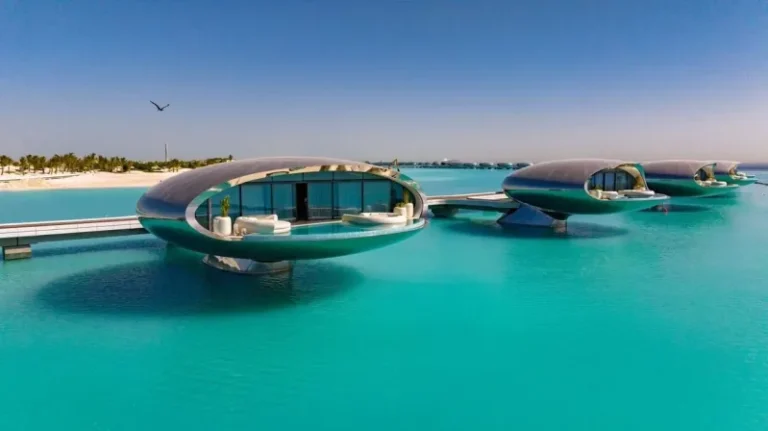
Red Sea pod hotel
Shebara Island features the Shebara Resort, comprising 73 overwater villas with reflective stainless steel orbs designed by Killa Design. These 150-ton villas were prefabricated in Sharjah and installed on-site by Mammoet, with the resort opening in November 2024.
The resort operates entirely on solar power, with freshwater supplied by a solar-powered desalination plant. Waste recycling is conducted on the island to minimize material transport. While these initiatives demonstrate a strong commitment to sustainability, the construction of overwater structures and the associated human activity pose potential risks to the delicate marine ecosystems, including coral reefs and seagrass beds.
Inland Escapes: Southern Dunes and Desert Rock
Southern Dunes, located approximately 100 km northeast of Umluj, is home to the Six Senses Southern Dunes Resort. Opened in November 2023, the resort offers 40 villas and a 36-room hotel complex, all designed by Foster + Partners.
Desert Rock, a 60-key luxury resort built into the granite mountains, began accepting bookings in December 2024. Designed by Oppenheim Architecture, the resort aims to blend seamlessly with the natural landscape, offering guests an immersive experience.
Experience the stunning Desert Rock Resort, a luxury eco-retreat built into the granite mountains of Saudi Arabia’s Red Sea Project. Designed for sustainable tourism, this unique resort blends natural beauty with cutting-edge architecture. Learn more about pricing, amenities, and eco-friendly features.
Both inland resorts emphasize minimal environmental impact by integrating architecture with the natural terrain and utilizing sustainable practices. However, the development in these pristine desert areas has raised questions about the potential disruption of local wildlife habitats and the preservation of the natural landscape.
Balancing Luxury Tourism and Sustainability
The Red Sea Project positions itself as a model for sustainable luxury tourism, implementing renewable energy solutions, habitat restoration, and eco-friendly construction practices. Despite these efforts, the scale of development in previously untouched natural areas has led to criticisms regarding the potential environmental impact. Balancing the demands of high-end tourism with the need to protect and preserve delicate ecosystems remains a complex challenge.
As the project progresses, continuous assessment and adaptation of sustainability strategies will be crucial to ensure that the natural beauty and biodiversity of the Red Sea region are maintained for future generations.
Saudi Arabia sells the projects as regenerative tourism but what are they actually doing in research and rehab? They hire foreign architects to build these so-called eco dreams but how are they being monitored? If you make it to any of these destinations, ask some hard questions.
Saudi Arabia is redefining luxury travel, offering an unparalleled blend of exclusivity, sustainability, and innovation. At the heart of this transformation is Shebara Resort, a futuristic getaway in the Red Sea that rivals destinations like the Maldives—without the long-haul flight. Plus the Maldives jailed their environment minister, accusing her of witchcraft. With cutting-edge design, a commitment to sustainability, and stunning marine biodiversity, Shebara is the perfect luxury escape for eco-conscious travelers.
With 73 overwater and beachfront villas powered by sunlight, this resort is where nature and sustainability come together at The Red Sea
Imagine waking up to panoramic ocean views in a sleek, mirrored pod floating above the turquoise waters of the Red Sea. Each villa at Shebara Resort is designed to reflect the sea and sky, creating a seamless connection between architecture and nature. The futuristic pods are made of stainless steel, blending into the surroundings while offering luxurious interiors, including floor-to-ceiling windows, plush bedding, and private decks with direct water access.
By day, you can relax in your private infinity pool, gaze at the marine life below, or step straight from your villa into the warm, crystal-clear waters of the Red Sea. The resort is completely off-grid, powered by renewable energy, meaning you can enjoy modern luxuries with a clear conscience.
Swimming and Marine Life in the Red Sea
Shebara Report, Saudi Arabia
The Red Sea is one of the world’s most breathtaking underwater paradises, offering exceptional diving and snorkeling opportunities. Unlike the Maldives, which faces rising coral bleaching due to climate change, the Red Sea’s reefs are naturally resilient to higher temperatures, making them some of the most vibrant and well-preserved coral ecosystems in the world.
Schools of tropical fish, from clownfish to angelfish
Graceful sea turtles gliding through the water
Majestic manta rays and dolphins
Are There Sharks in the Red Sea?
Yes, but they’re not a threat to humans. The Red Sea is home to reef sharks, whale sharks, and hammerheads, but attacks on swimmers or divers are extremely rare. Reef sharks are shy and typically avoid humans, while the gentle giant whale shark (the world’s largest fish) is a highlight for divers and snorkelers. Every couple of years there is a shark attack in the Red Sea in Egypt. But attacks are rare.
Why Shebara is Better Than the Maldives
Closer to Europe → Lower Emissions
A shorter flight means less environmental impact compared to the Maldives.
Direct flights to Saudi Arabia are easier and faster from Europe and the Middle East.
Sustainability
100% solar-powered resort
Minimal environmental footprint with floating villas that preserve marine ecosystems
Undiscovered Paradise
Unlike the Maldives, which can feel overcrowded, Shebara offers exclusivity in a relatively untouched environment.
A Key Part of Saudi Vision 2030
A prime example of Saudi Arabia’s commitment to sustainable tourism and economic diversification.
Shebara Resort offers a next-level luxury experience that combines futuristic design, unspoiled nature, and sustainable tourism. For those looking for an exclusive getaway without the long-haul travel to the Maldives, this Red Sea gem is the perfect choice. After your island getaway jump on a slow train around Saudi Arabia.
Would you stay in a futuristic floating pod in Saudi Arabia? ?✨ Scroll down for photos.
Eggplant seems an unlikely soup ingredient. But blended with vegetable stock, herbs, and cream, the shiny purple vegetable makes a creamy soup full of Middle-Eastern flavors.
Now is when eggplant is coming into season in the Middle East. In any market there’s a table piled high with long purple-black eggplants, round eggplants, ridged eggplants, purple and white-striped eggplants, even all-white ones. And they’re cheap.
Plump eggplant baladi
Good cooks in the Middle East and Mediterranean have always known how to make the most of this meaty vegetable, but you don’t often see eggplant soup. Once you’ve tasted this soup, with its robust flavor and creamy texture, you’ll make it again and again.
It’s worth simmering up a quick vegetable stock to use as the base liquid, but in a pinch you can use mushrooms for that added dimension.
Eggplant Soup serves 6
Ingredients
2 medium eggplants
Olive oil
2 medium onions, sliced
4 garlic cloves, chopped
8 cups – 2 liters vegetable stock or 8 cups water plus 1 cup chopped fresh mushrooms
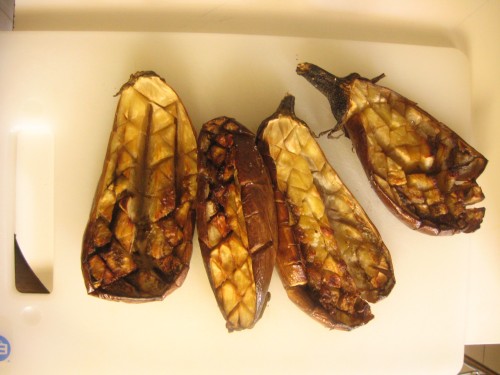
Method: 1. Stand each eggplant on its side and cut it in half. 2. Cut a cross-hatch pattern into the flesh, deeply. 3. Drizzle a little olive oil over the cut eggplant halves. 4. Grill in the oven for 20 minutes or until the eggplant is brown, soft, and separating into cubes.
5. With a spoon, scrape the flesh off the skin. Chop the flesh coarsely and put it aside. 6. Heat 3 Tblsp. olive oil in a large pot, over medium heat. Saute the onions and garlic in it for 8 minutes. (If using fresh mushrooms, add them now too. If you wish, keep 1/4 cup of mushroom slivers to add to the soup about 5 minutes before serving.) 7. When the onions are golden (and the mushrooms, if using) are starting to release juice, add the stock (or water) and eggplant. Bring everything up to a boil. 8. Reduce the heat, cover, and simmer the soup for 10 minutes. 9. Add basil, thyme, salt and pepper. Cook another 2 minutes. 10. With a slotted spoon or mesh spatula, lift the solids out of the pot. Keep the hot soup aside. 11. Blend the solids in a food processor or blender till smooth. 12. Return the puree to the hot liquid and reheat to a simmer. Now the soup is ready. 13. Put 1 Tblsp. sour cream or yogurt into each bowl, or drizzle a little whipping cream in.
Top with 1/2 Tblsp. pesto each.
Serve the soup with cornbread or bruschetta and follow it with a salad.
Ikaria islanders live longer eating wild greens and drinking tea
You might have heard about the so-called “blue zones” — five areas in the world that longevity expert Dan Buettner has identified as having residents who routinely live to be over 100. They are Okinawa, Japan; Sardinia, Italy; Nicoya, Costa Rica; Loma Linda, California, and Ikaria, Greece. A new secret about the Ikaria diet is revealed.
A breathtaking drone view of Ikaria, Greece, showcases its pristine sandy beaches and crystal-clear waters. This picturesque island is one of the world’s five “Blue Zones,” as identified by longevity expert Dan Buettner—places where people live significantly longer, healthier lives.
“[People from] Ikaria, Greece, live about eight years longer than the average American, largely without dementia—no discernible dementia,” Buettner revealed.
In contrast, the US faces a growing dementia crisis. An estimated 6.7 million Americans are living with Alzheimer’s today, a number projected to rise to 13.8 million by 2060, according to the NIH. Meanwhile, in Ikaria, researchers found only three mild cases of dementia among all residents over 65.
The Ikarian Diet: A Mediterranean Marvel
What’s their secret? According to Buettner, diet plays a key role. On his Blue Zones blog, he explained that Ikarians follow the strictest version of the Mediterranean diet, relying on:
Fresh fruits and vegetables
Whole grains, beans, and legumes
Olive oil
Moderate amounts of red wine
However, unlike other Mediterranean regions, Ikarians consume far less fish and meat, instead focusing on an impressive variety of wild and garden greens. “They regularly eat a hundred or so foraged wild greens like mustard, chicory, and fennel—plants we’d weed-whack in the U.S.,” Buettner noted. These greens are packed with antioxidants, boasting 10 times the artery-cleansing power of red wine.
Herbal Teas and Coffee: Longevity in a Cup
Nettles make a great rinse for the hair and are replenishing in tea. Pick them before they flower like this.
Another key to Ikarian longevity? Their love for herbal teas and coffee.
“Ikarians drink herbal teas every day, made from plants grown around their homes and in the wild,” Buettner said. Popular choices include oregano, dandelion, sage, and rosemary—herbs with powerful anti-inflammatory properties. A 2023 study found that drinking tea (both green and black) was linked to a 29% lower risk of dementia.
Ikarians also drink copious amounts of coffee. A 2010 study found that consuming 3 to 5 cups of coffee daily during midlife reduced the risk of dementia and Alzheimer’s by 65%. Another study in 2021 revealed that people who drank a mix of 2 to 3 cups of coffee and tea daily had a 30% lower risk of stroke and dementia.
The Lifestyle Factor: Movement & Social Bonds
Beyond diet, Ikarians benefit from a naturally active lifestyle and strong social ties. Unlike Americans, who often sit for long hours and rely on short, intense gym sessions, Ikarians engage in consistent, low-intensity movement throughout the day. Since the island is mountainous, even a simple trip to the store involves uphill walking.
Additionally, social isolation is rare in Ikaria. “Ikarians are much less likely to suffer loneliness and depression than Americans,” Buettner wrote. “And depression increases dementia risk by 50%.”
Lessons from Ikaria
To embrace the Ikarian way of life:
Eat a plant-heavy, antioxidant-rich diet with plenty of wild greens.
Swap sugary drinks for herbal tea and coffee.
Stay socially connected and engaged.
Move naturally throughout the day, rather than relying solely on structured workouts.
In Ikaria, longevity isn’t just about adding years to life—it’s about adding life to years.
As the world continues its shift toward more sustainable modes of transportation, the electric vehicle (EV) market is growing, with new models for 2025 setting new standards in performance, technology, and eco-friendliness. Whether you’re a seasoned EV enthusiast or a newcomer to the electric car world, 2025 promises to bring exciting options for every driver. Some cars may be sold as 2026 models.
Here’s a look at some of the best electric cars of 2025 that combine cutting-edge tech, impressive range, and stunning design.
1. Tesla Cybertruck
Price: Starting at $79,900 Range: Up to 500 miles Top Speed: 130 mph 0-60 mph: 2.9 seconds
Tesla’s Cybertruck has been eagerly awaited, and it’s finally set to hit the roads in 2025. With its striking, futuristic design, this all-electric pickup promises to revolutionize the utility vehicle market. The Cybertruck’s impressive range, fast acceleration, and rugged build make it ideal for adventurous drivers. Its utility-focused features, like an armored body and spacious cargo, add to its appeal as both a workhorse and a high-performance EV.
2. Chevrolet Equinox EV
Chevrolet Equinox EV
Price: Starting at $34,995 Range: 300 miles Top Speed: 120 mph 0-60 mph: 6.5 seconds
Chevrolet’s Equinox EV will make its official debut in 2025, bringing an affordable, compact SUV option to the electric vehicle market. With a range of 300 miles, it offers practicality for everyday commuting and family trips. Its spacious interior and advanced tech features, including driver-assistance systems, make it a great choice for eco-conscious buyers looking for a well-rounded electric SUV at a reasonable price.
3. Ford F-150 Lightning (2025 update)
Ford F-150 Lightning (2025 update)
Price: Starting at $49,875 Range: 320 miles Top Speed: 110 mph 0-60 mph: 4.5 seconds
While the F-150 Lightning debuted in 2022, Ford has announced significant updates and new trims for the 2025 model year. It’s our favorite truck to drive. The 2025 F-150 Lightning is expected to offer enhanced features, including improved towing capacity, better battery performance, and upgraded tech for a seamless driving experience. It’s a great choice for those who need a versatile and sustainable electric truck for both work and play.
4. BMW i7
Price: Starting at $106,875 Range: 320 miles Top Speed: 155 mph 0-60 mph: 4.5 seconds
BMW’s flagship electric sedan, the i7, will continue to receive updates in 2025, further establishing itself as a luxury EV option. Combining electric performance with a premium interior, the i7 offers a refined experience, boasting impressive range and high-end features like advanced driver-assistance systems, an immersive infotainment suite, and sustainable materials. The 2025 update will see even more tech integrations, positioning the i7 as one of the top luxury EV sedans.
5. Hyundai Ioniq 7
Price: Starting at $62,000 Range: 350 miles Top Speed: 130 mph 0-60 mph: 5.0 seconds
Hyundai’s Ioniq series has quickly become one of the most popular lines of electric vehicles, and the upcoming Ioniq 7 is expected to be a standout in the electric SUV market. With its futuristic design, expansive cabin, and sustainable manufacturing, the Ioniq 7 will cater to families and eco-conscious buyers looking for a versatile, long-range electric vehicle. Expect it to have cutting-edge autonomous driving technology and smart features like augmented reality displays and eco-friendly materials.
6. Mercedes-Benz EQS SUV
Price: Starting at $105,000 Range: 350 miles Top Speed: 130 mph 0-60 mph: 4.1 seconds
The 2025 Mercedes-Benz EQS SUV will combine luxury, sustainability, and technology into one stunning electric vehicle. With a high-tech cabin that incorporates innovative user interfaces, advanced driver-assistance systems, and a long-range battery, the EQS SUV is perfect for those looking for a high-end, environmentally responsible vehicle. The EQS SUV continues the EQ lineup’s emphasis on providing a premium, sustainable experience in a full-size SUV package.
7. Toyota bZ5X
Price: Starting at $50,000 Range: 300 miles Top Speed: 115 mph 0-60 mph: 6.0 seconds
Toyota’s bZ5X, part of their growing bZ (Beyond Zero) series, will launch in 2025 as an affordable, all-electric SUV. The bZ5X will be Toyota’s answer to the electric SUV market, competing with other mid-range electric vehicles. With a focus on sustainability, the bZ5X will incorporate eco-friendly materials, smart tech, and a comfortable driving experience. With Toyota’s reputation for reliability and its commitment to carbon-neutral production, the bZ5X is shaping up to be a solid contender in the EV space.
Cheryl Crow sells her Tesla car to protest Elon Musk and DOGE. Is she going to buy a more polluting non-electric?
How Brake Dust Could Be More Harmful Than Car Exhaust—and Why Electric Cars Could Be the Answer
When we think about car pollution, we often focus on the visible exhaust—clouds of smoke that puff from tailpipes, blackening the air. But what if the real culprit isn’t so easy to see? What if the pollution caused by cars is a quieter, more insidious threat that’s hiding in plain sight? Research from 2015 and picked up again at Yale Environment 360 suggests that brake dust—tiny particles that are kicked up from the wear and tear of brake pads—may actually cause more harm to our lungs than exhaust fumes.
Brake Dust vs. Diesel Exhaust: A Hidden Threat
The 2015 study published in Particle and Fibre Toxicology brings this issue into sharper focus. Researchers exposed human lung cells to two sources of pollution: brake dust and diesel exhaust. To their surprise, the brake dust caused more harm to the cells than the exhaust did. The reason? Brake dust contains harmful chemicals, especially copper, which has been shown to aggravate respiratory issues like asthma and other lung diseases.
What’s even more startling is that newer brake pads—made to replace asbestos-containing pads—were found to be even more toxic. While asbestos is a well-known carcinogen, the copper in modern pads is no less dangerous, especially when it’s released into the air as dust. And while some states like California and Washington have passed laws to reduce the amount of copper in brake pads, this type of pollution remains largely unregulated.
Electric Vehicles: A Cleaner, Healthier Future
Traditional cars create toxic brake dust. EVs do not.
Now, here’s where electric vehicles (EVs) come into play. Unlike their gas-powered counterparts, most electric cars—Teslas included—use regenerative braking. This process allows the car’s motor to harness energy as the vehicle slows, which reduces the need for traditional friction-based brake pads. As a result, EVs generate significantly less brake dust, making them a cleaner option for both the environment and public health.
Beyond the obvious benefits of reducing tailpipe emissions, electric vehicles represent a deeper shift toward sustainability. Regenerative braking not only improves energy efficiency but also helps keep dangerous particles out of the air we breathe. And while the environmental benefits of EVs are often touted for their role in reducing CO2 emissions, it’s important to recognize that they also help mitigate the less visible but equally harmful effects of brake dust.
The Bigger Picture: Why Electric Cars Matter Beyond the CEO of Tesla
In a world that seems increasingly divided, it’s easy to become caught up in personal grievances—whether it’s about corporate leadership of Elon Musk and DOGE, political agendas, or social issues. For some, the decision to buy or keep a Tesla might be influenced by frustration with Elon Musk or other factors. But here’s the thing: our personal feelings about a brand or a CEO shouldn’t overshadow the very real, collective impact electric cars have on the planet.
By choosing an electric car, you’re not just supporting a brand or a CEO. You’re making a statement about the future you want to create. A future with cleaner air, healthier communities, and less pollution. You’re helping reduce harmful brake dust, which poses a hidden health risk to millions of people. And you’re reducing the demand for fossil fuels, contributing to a broader movement toward renewable energy and environmental sustainability.














 The Ivanpah Solar Power Facility, a $2.2 billion concentrated solar plant in California, was once hailed as a breakthrough in renewable energy.