Home Blog Page 42

Can Muslims drink kombucha?

Kombucha is it halal or haram?
Kombucha contains some alcohol. Is it halal or haram?

Kombucha is a probiotic superdrink that you can find in every health store and it’s even available in mainstream Costco and Walmart. While Muslims can’t drink alcohol, it is haram, and not halal or allowed. Is kombucha, with very low amounts of alcohol allowed?

What is that strange brew known as kombucha? 

Is kombucha halal or haram?
The kombucha mother which ferments tea and sugar into booch.

Kombucha is a fermented tea that contains probiotics, making it popular for its health benefits. We have a recipe here for making it at home. However, its halal status is a topic of debate due to the small amounts of alcohol produced during fermentation. While biofuels, a product of alcohol are under debate, the answer among Muslims about kombucha, is maybe. When in doubt, look for a halal certifcation. When making kombucha at home, as your local authorities.

Here’s a breakdown of the key points to ask about kombucha.

Why Kombucha Might Be Considered Halal:

  1. Low Alcohol Content: The alcohol in properly brewed kombucha is typically less than 0.5% ABV (alcohol by volume), and it’s safe for children to drink and similar to non-alcoholic beverages. This amount is not enough to cause intoxication, which is the primary concern in Islamic law regarding alcohol.
  2. Natural Fermentation: The alcohol is a byproduct of the natural fermentation process, not added intentionally. Many Islamic scholars consider this different from beverages where alcohol is the main purpose.

Related: Why Muslims don’t drink alcohol

Why Some Muslim Authorities Might Consider Kombucha Haram:

  1. Potential for Higher Alcohol Levels: If kombucha is over-fermented or homemade without careful control, the alcohol content can exceed 0.5%, potentially reaching up to 3% or more.
  2. Different Scholarly Opinions: Some scholars argue that any amount of alcohol, regardless of its source or concentration, is haram if it exists in a consumable form.

Scholarly Consensus:

  • Many modern Islamic scholars and halal certification bodies consider commercially produced kombucha with controlled fermentation (under 0.5% ABV) to be halal.
  • Homemade kombucha requires more caution because it’s harder to control alcohol levels.

Related: make halal aloe vera juice at home

Conclusion:

For Muslims who want to enjoy kombucha:

  • Check for Halal Certification: Some brands have official halal certification.

  • Mind Homemade Brews: If making it at home, limit fermentation time to keep alcohol levels low.
  • When in Doubt: Follow your personal or local scholar’s guidance, as opinions can vary.
  • Or make your own non-alcoholic drinks.

10 alcohol-free mocktails for summer

https://www.greenprophet.com/2010/07/aloe-vera-recipes/

Trump’s Gaza should use hemp concrete, solar power and smart grids

red sea farms, saudi arabia, hydroponics

For Gaza to move beyond short-term recovery and embrace long-term resilience, sustainable technologies must be at the heart of US President Trump’s reconstruction efforts. If Donald Trump and a US administration were to spearhead rebuildng Gaza into the Riviera of the Middle East, America could set a precedent for eco-friendly development in conflict zones and a dry Middle East.

Here are key technologies that could drive this transformation:

Renewable Energy Solutions

Solar Power: With abundant sunlight year-round, Gaza is an ideal candidate for large-scale solar farms and rooftop solar installations. Trump’s history with energy projects could support public-private partnerships to develop off-grid solar systems, reducing dependence on fragile power infrastructures.

Wind and Wave Energy: Coastal access makes wave and wind energy viable options, creating diversified renewable energy sources to ensure consistent power supply. Eco-Wave Power exists in the port of Jaffa as a pilot. This project could be replicated.

Water Desalination and Recycling

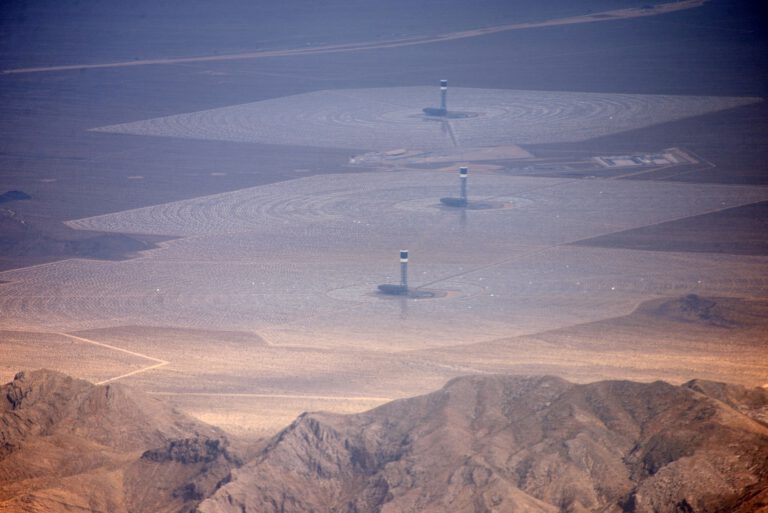
Desalination and power plant powered by the sun
Desalination and power plant powered by the sun. Shebara island, Saudi Arabia. 

Advanced Desalination Plants: Israel is a leader in desalination technology. Utilizing energy-efficient reverse osmosis technologies, Gaza could turn seawater into potable water, addressing its severe water scarcity. Solar-powered desalination could make the process sustainable and cost-effective. Consider the waste ramifications and look to this American solution (OceanWell) of harvesting water from pods deep down under the water. 

Greywater Recycling Systems: Implementing decentralized water treatment facilities would allow communities to reuse household water for agriculture and sanitation, easing pressure on freshwater resources. Israel is a leader in greywater recycling, reusing this water for irrigating plants.

Green Construction Techniques

Modular and Prefabricated Housing: Quick-to-assemble, energy-efficient modular homes could provide immediate shelter while promoting sustainability. These structures minimize construction waste and can be designed for energy efficiency. Homes could be built with local sustainable materials. Or Binishells!

Eco-Friendly Building Materials: Using recycled materials, natural insulation like hempcrete, and energy-efficient glass can reduce the environmental impact of reconstruction.

Smart Infrastructure and Urban Planning

Smart Grids: Implementing smart electrical grids would optimize energy distribution, reduce outages, and integrate renewable energy sources seamlessly.

Sustainable Urban Design: Planning green spaces, walkable neighborhoods, and eco-friendly public transportation systems can enhance quality of life while minimizing carbon emissions.

Agricultural Innovation

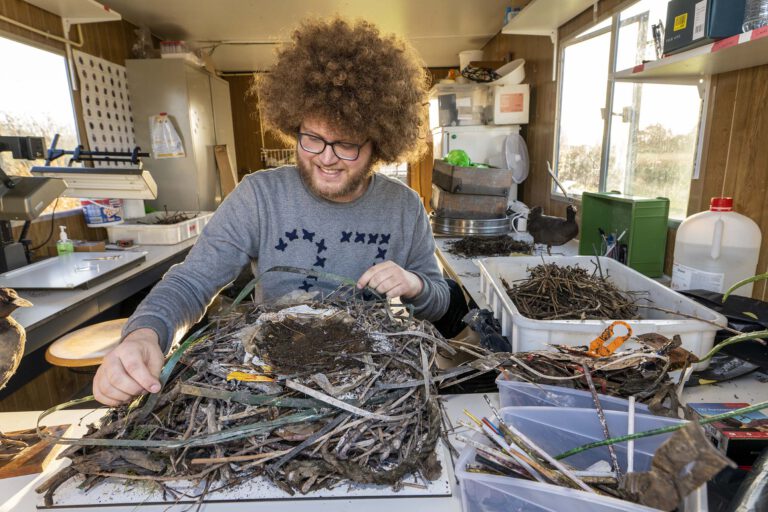
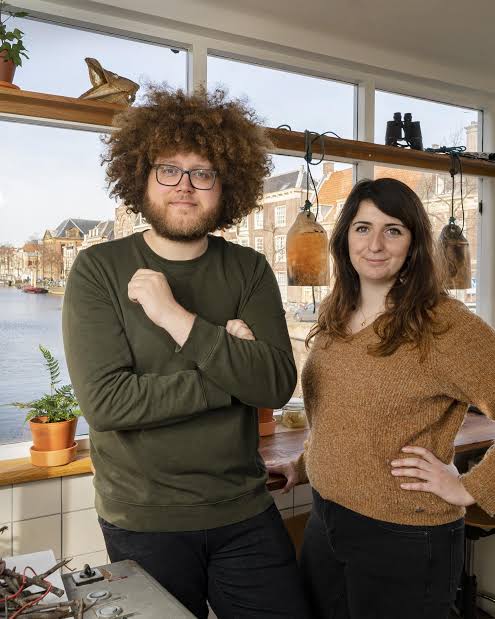
Mark Tester, Ryan
Red Sea Farms Founders Mark Tester, Ryan

Hydroponics and Vertical Farming: These soil-less farming techniques can maximize food production in limited spaces with minimal water use, crucial for Gaza’s food security. See Iryis (Red SeaFarms)

Climate-Resilient Crops: Introducing genetically modified or naturally resilient crop varieties can help withstand extreme weather conditions, ensuring a stable food supply.

Waste-to-Energy Technologies

HomeBioGas

Biogas Production: Converting organic waste into biogas can provide clean energy while reducing landfill waste and methane emissions. See HomeBioGas.

Recycling Facilities: Advanced recycling systems can help manage plastic and electronic waste, creating jobs and promoting environmental health.


Trump aims to make Gaza the new Riviera – can the US do it sustainably?

Gaza beach https://x.com/FatimaMshbair/status/1631686644918001666
Gaza beach via FatimaMshbair

In a jaw-dropping annoucement, US President Trump announced that the US will take over the radicalization of the Gaza Strip and that the current population will need to be displaced as they rebuild and clear out the rubble. War and conflict has disasterous environmental implications and we can imagine that environmental organizations are scrambling to figure out how to deal with the humanitarian crisis and the 37 million tonnes of debris and hazardous material that covers much of the Gaza Strip area. The Gaza Strip is a wasteland.

After meeting with Israeli Prime Minister Benjamin Netanyahu, Trump has declared that the US will “take over” the Gaza Strip envisioning a “long-term” US ownership of the territory after all Palestinians were moved elsewhere.

Gaza, he said, could be transformed into the “Riviera of the Middle East”. Trump did not explain how and under what authority the US could assume control of Gaza. “We will own it and be responsible for dismantling all of the dangerous unexploded bombs and other weapons on the site,” he said, adding that the US would “level” destroyed buildings and “create an economic development that will supply unlimited numbers of jobs and housing for the people of the area.”

Related: Gazans make remote-controlled bombs from UNWRA condoms

Condom bombs set off by Palestinians to set fires in Israel
Condom bombs set off by Palestinians to set fires in Israel. 2018

The Gaza Strip, was most notably in the news over the last year and a half after the violent terror attack against Israelis and foreign workers, where about 1200 people were killed and some 250 people taken hostage. The Strip is 25 miles (45 km) long and at its widest is 6 miles (10 km) wide. Its violent history and ruling of the terror regime called Hamas makes it untenable as a partner for peace. Israel retaliated in order to defend its country. Sadly, thousands of civilians and children have lost their lives in this battle in Gaza.

Australian women on the beach in Gaza, British Mandate Palestine, 1940
Australian women nurses on the beach in Gaza, British Mandate Palestine, 1940

Reconstruction, under what authority, and how long it will take are many of the unanswered questions, but the time might be right for zero energy technologies and building practices envisioned and put into practice in cities like Masdar, might make for some excellent case studies. Hassan Fathy, a well-known vernacular architect who built New Gourna in Egypt offers some reasonable and sound ecological design and building practices for the Middle East.

Related: Trump could use these sustainable technologies to rebuild Gaza

Original photo from the mid-1940s of New Gourna

What this offers is a new promise for a better future: I hope that the future people living there will not live under a brutal, evil regime. I recall a story from about 15 years ago that I was working on after meeting Middle East water leaders at an event in Switzerland. I spoke with the mayor of Ashkelon, Israel who was developing a new wastewater treatment plant for his city and offered the blueprint and outside development grants to the mayor of Gaza City, not far down along the coast. But Hamas would not let the mayor of Gaza City out.

The Ashkelon mayor had also offered to meet at a third location in Europe so that they could discuss cooperation on treating their population’s wastewater. The Gaza City mayor wanted to go but the Hamas regime, not the people of Israel, wouldn’t let him out.

Some Palestinians and left-wing Marxists call working with Israel as “normalization” and any act of peacebuilding even for their mutual good is seen as an act of sabotage against their vision of owning all of Israel. Under this theory, if you work with Israel, Hamas will threaten your livelihood and life and this is why Trump understands that only a reset can bring harmony to the people living there. We’ve seen enough videos to know how Hamas treats people who criticize the regime.

Peaceful, normalization is a train that has left the building. “Normalization” of the United Arab Emirates and Saudi Arabia with the west –– and Israel –– is already happening at a breakneck speed. Saudi Arabia wouldn’t survive without moving in this direction.

By 2030, Saudi Arabia plans to be an open-minded, ecological superhighway of ideas and commerce, that spring forth out of its mega city Neom projects and head out of an oil economy. While early visitors are paid to live in Neom projects (X readers compare it to a penal colony) and stars like Will Smith and Tom Brady come out to endorse island paradise projects like Sindalah, Saudi Arabian’s sudden and moderate politics make us hopeful of the impact, and speed of America’s colonization of Gaza and sustainable development in the region.

Israeli irrigation expert Dr. Daniel Hillel with Palestinian leaders.

Related: how America’s Daniel Hillel pioneered drip irrigation in the Middle East

Establishing an American presence in the Middle East that is not in the corrupt Qatar will give a great chance for developing new clean water, energy and agricultural solutions for the entire Middle East (read how the Taliban killed the Japanese water bring clean water to Afghanistan). New Gazans could train all the Arab nations on these new fruits of success.

Up next: Lebanon. Make it free from the Hezbollah.

Want to work with a network of partners that rebuild Gaza sustainably? Send us a message if you work in sustainable development and land rehab. [email protected]


Using drones to know if whales are pregnant

0
killer whales seen pregnant by drones
Drones detect pregnancy in killer whales

New research published in Scientific Reportsdescribes a first-of-its-kind method of accurately detecting different pregnancy stages in killer whales using drone images. Understanding the reproductive success of whales is an important way of monitoring how vulnerable different populations are to threats such as vessel disturbance and food scarcity.

Prior to the introduction of this new method researchers have not been able to reliably detect early-stage pregnancy (before 11 months in a typical 17-month pregnancy for killer whales) without fecal-based hormonal analysis. This new approach promises to enable researchers to identify whale pregnancy earlier and at a significantly reduced labour cost.

In the northeast Pacific, three populations of killer whales – Bigg’s (or Transients), Southern Residents, and Northern Residents – have vastly different reproductive success rates. The Southern Residents are yet again experiencing the loss of another newborn calf, a total of three calves have perished within weeks of birth since December 2023, whereas the new Bigg’s and Northern Resident calves are thriving. Assessing how well calves are doing is only part of the picture – researchers also need a way of knowing how many pregnancies result in miscarriage.

The most exciting finding of the study is the ability to reliably distinguish non-pregnant whales from those in the early stages of pregnancy.

“Historically, when a late-stage pregnant whale is observed in poor condition is it often too late to take action that will improve the outcome for the calf,” said Dr. Chloe Robinson, study author and Director of the Whales Initiative at Ocean Wise. “With this new method we are able to detect early-stage pregnancy, allowing us to provide the mother with the best chance of carrying that pregnancy to full-term and producing a viable calf.”

The conservation application of this approach is that it allows researchers to understand historic miscarriage rates and inform near real-time management measures in response to detecting pregnant whales. Early-stage miscarriages currently go undetected, meaning government agencies are unaware of the true extent of reproductive failures.

Lack of access to food is one factor that significantly contributes to low reproductive success, and making the connection between a female whale’s nutritional condition and history of miscarriages informs what protections need to be enacted to prevent future miscarriages. This is especially useful for at-risk species experiencing reproductive failures and prey shortages, such as Resident killer whales in the northeast Pacific.

“Our main goal was to create a reliable method to better identify miscarriages in Resident killer whales. We hoped that in the process we would be able to detect pregnancy sooner but were awestruck by the ability to distinguish between non-pregnant and early pregnant individuals. These early detections mean that we will be able to detect miscarriages throughout the entire reproductive cycle as well as recognize vulnerable whales sooner,” said Brittany Visona-Kelly, study author and Senior Manager of the Ocean Wise Whale Health and Monitoring Program.

While the study focused on the Northern Resident killer whale population, a major benefit of the shape-based approach is that it can be applied to other drone image datasets for other killer whale populations. Because the method compares shapes rather than conventional measurements, drone images collected from individual whales can be analyzed so long as the whale is flat underneath the surface and all species-specific identifiers (six for killer whales) are visible.

“We used a shape-based approach as we wanted to create a highly adaptable method for pregnancy detection of free-swimming whales. The method can be applied to other killer whale populations and even other species globally if aerial images and demographic data are available,” said Visona-Kelly.

Building on this study, Ocean Wise hopes to enhance this approach by using artificial intelligence algorithms to reduce the time taken from image collection to pregnancy detection. Ultimately, this approach can be added to the arsenal of other near real-time conservation actions, including Ocean Wise’s Whale Report Alert System (WRAS), to increase protection measures for whales when they need it most.

Fast Facts about killer whales

  • There are an estimated 50,000 killer whales in the world’s ocean with approximately 2,500 living in the eastern North Pacific Ocean.
  • Southern Resident killer whales, who make their home in the eastern Northern Pacific waters, are estimated to have had a historical population of 140 whales. Today the endangered population is just 72 whales.
  • Killer whales do not have specific breeding seasons, typically gestate for 15-18 months and have 2-6 years gaps between young.
  • Female killer whales typically go through menopause in their twilight years (i.e., 50+ years of age)

How to Make Your Rental Properties More Attractive to Eco-Conscious Tenants

0
Stedsans, an eco property offers guests a trip on a floating sauna

Creating eco-friendly rentals may be a trend for some, but it’s also a smart investment that can attract a higher number of qualified applicants. Eco-conscious tenants already make up a significant portion of renters, and you can appeal to them by making sustainable upgrades to your properties.

While you could target any particular demographic, there are plenty of reasons to focus on attracting eco-conscious tenants. For instance, they tend to be more responsible and are driven by core values that align with being a good renter, like desiring a nice living space and valuing relationships. A quarter of this demographic has a net worth of at least $250,000, and since wealthy tenants are more likely to pay rent on time and in full, they present less risk for late or missed rent. Since the number of wealthy renters is increasing, there’s a growing opportunity to attract financially stable tenants by owning eco-friendly property.

 If you’ve been looking for ways to attract great tenants, eco-friendly upgrades are worth pursuing. But before you start overhauling your rentals, here’s what you need to know.

 Work with a professional property manager

Keemalah Thailand

When you’re new to the idea of offering eco-friendly rental properties, a professional property manager will be a huge help. Based on real-world experience with many tenants, they’ll help you choose which upgrades to get and which ones to skip. Not all upgrades will pay off or be a priority for tenants. For example, the absence of a smart refrigerator wouldn’t be a deal-breaker for most people, but 70% of tenants would pay more to rent an apartment with a smart thermostat.

In addition to helping you sort out what upgrades to pursue, a property manager will also help you market your eco-friendly rental property so your ads meet all legal requirements and attract the renters you want.

 Hiring a professional property management company is helpful, even if you don’t need a full-service package. Many companies allow investors to select only the services they need without being forced to pay for more. For example, Green Residential, a well-known apartment property management company in Houston, manages a range of landlord duties for their clients, including marketing vacancies to eco-conscious renters. 

Property managers know exactly how to highlight the benefits of moving into an environmentally-friendly unit.

Eco-conscious renters are more likely to take care of your property

a frame cabin, solar in the woods

One of the best traits you can find in a tenant is the desire to take care of their space, even though they’re just renting. They’re more likely to report problems before they become a nightmare, and they aren’t likely to be intentionally or carelessly destructive.

When you appeal to the growing demographic of environmentally conscious renters, you’ll have an easier time attracting and retaining quality tenants who will take good care of your property.

 Use smart home technology

nest labs google
A smart thermostat by Nest

Home automation is now an essential component in an eco-friendly home. Although the numbers vary based on the source, using smart tech can significantly reduce electricity bills by saving energy. 

For example, smart thermostats make it easy to save money on heating and cooling costs by regulating temperature through an app. This means if you want to leave for vacation in the winter, you don’t have to leave the heater on the whole time. All you need to do is use the app on your phone to turn the heater on at night when temperatures are low. Without a smart thermostat, the heater would run day and night.

Other types of smart home tech that save energy include smart refrigerators and dishwashers, smart washers and dryers, smart lighting systems, and smart electrical plugs. Instead of controlling all of these devices separately, you can wire the entire property using Google Home so that all smart appliances work from one single app.

The initial investment in energy-efficient appliances and technology is high, but your tenants will save money on their energy bills, and that’s a huge draw for good tenants.

Improve insulation, windows, and doors

Improving how well a property is insulated may sound like a basic task, but it will make a huge difference for increasing a property’s eco-friendly credibility. While thin insulation in the walls, floor, or ceiling allow heat to escape, windows and doors are a main source of drafts. When you’ve got cold air pouring in through a window or door, the central heat will run nonstop, increasing energy bills and making the home uncomfortable. 

By sealing gaps, fixing windows that were installed incorrectly and upgrading to triple-paned windows, you can create a space that more easily maintains its temperature. This will keep your tenants cool in summer and warm in winter without drastically raising their energy bills.

 Focus on water flow

 Eco-conscious renters want to save water, and that’s why low-flow showerheads, faucets, and toilets are attractive. These fixtures reduce water usage without compromising performance.

It’s also worth considering installing a rainwater collection system so your tenants can use rainwater for landscaping. Since water bills can get expensive, it’s yet another perk to advertise when you want to attract eco-aware tenants.

 Use sustainable materials for renovations 

Barrel sauna, panoramic window, serene beauty, lush forest, precision-crafted, cylindrical design, nature integration, wellness experience, unobstructed view, tranquil ambiance, rustic charm, modern functionality, charming retreat, contemporary luxury, natural splendor, rejuvenating journey, heart of the forest, sauna escape, forest sanctuary, soothing warmth, panoramic serenity.
A barrel sauna with a panoramic window.

When the time comes to renovate your property, use sustainable materials for the project when possible. For example, you can find beautiful flooring and cabinets made from bamboo, and cork is great for insulation and noise reduction. Recycled materials, like steel and glass, are also great eco-friendly choices for renovation projects.

 Landscape consciously

Some of the most beautiful landscapes require a significant amount of water to maintain. However, you can create an equally stunning landscape with plants that don’t require much water or maintenance, like succulents, echinacea, yarrow, lavender, sage, and other drought-tolerant plants.

Build a green future for your rentals

Making your rental properties more attractive to the eco-conscious crowd is an excellent business decision that will pay off over time. By implementing sustainable upgrades, your rental properties will use less energy and support green living for the growing demographic of environmentally aware renters. Appealing to this market will help you get the high-quality tenants you want while supporting a healthier planet.


She makes Dead Sea Diamonds and farms crystals for ion powers

0
Michal Rothschild, creator of Dead Sea Diamonds

“She sells seashells by the seashore,” is the first thing I want to say when I think of Michal Rothschild. I met her 15 years ago as a painter living and working in the mountains of Jerusalem. I recently met her again and she showed me her latest art project –– an attempt to create crystal wombs so she can grow crystals like the large crystal nuggets she has found buried in mud at the Dead Sea. She calls her wearable art Dead Sea Capsules.

Rothschild started selling bracelets and necklaces featuring Dead Sea diamond crystals at museum shops in Israel –– and also through her website, and the Israel Museum asked if it’s allowed for her to harvest them from the Dead Sea. She wondered if harvesting crystals was sustainable. It put her on an artistic quest.

In looking for the answer, she developed a way with the Israel Geological Survey as a partner, to farm Dead Sea crystals in mini crystal incubators at the Dead Sea: “My quest for getting the answer (if harvesting the salt crystals is sustainable) led me to my on-going artistic research of growing Dead Sea diamonds myself,” she told Green Prophet.

She creates a seed of a crystal inside the “womb” and over time the salty covered chamber sitting in the Dead Sea reveals a mini crystal in the center. You can see the chambers hanging in her studio outside Jerusalem. And below there are photos of the process she invented taking place at the Dead Sea.

Growing baby crystals inside these crystal wombs

Inside each bulb of hanging crystal is a treasure, an embryo of a crystal that is also wearable art: bracelets and necklaces that transmit Dead Sea ions to the body. “It’s kind of a life project and more of an artistic one than a scientific project,” she says.

There is no other salt lake on the planet that has the complete array of ions than what’s found in the Dead Sea, says Rothschild. When you wear her art a tiny part of the jewelry melts into your body. You can wear it and sweat, she notes, and some of the healing ions will be absorbed into your skin.

And wearers take note: you can’t wear this living art in the shower or in the rain. This unique crystal jewelry is an art form in itself carrying, what Rothschild says is an ecological message: “If you don’t take care of it it will disappear like the Dead Sea itself.

“It will last as long as you don’t get it wet. It needs your awareness.”

Dead sea diamond on a bracelet, Dead Sea crystal jewelry, salt crystal jewelry, Dead Sea salt crystals, handmade crystal jewelry, natural salt jewelry, healing crystal jewelry, mineral jewelry, Dead Sea minerals, unique crystal jewelry, artisan salt jewelry, spiritual jewelry, holistic jewelry, Dead Sea gifts, salt gemstone jewelry, eco-friendly jewelry, metaphysical jewelry, raw crystal jewelry, Dead Sea wellness, ethical crystal jewelry, salt energy jewelry

Dead Sea crystal jewelry, salt crystal jewelry, Dead Sea salt crystals, handmade crystal jewelry, natural salt jewelry, healing crystal jewelry, mineral jewelry, Dead Sea minerals, unique crystal jewelry, artisan salt jewelry, spiritual jewelry, holistic jewelry, Dead Sea gifts, salt gemstone jewelry, eco-friendly jewelry, metaphysical jewelry, raw crystal jewelry, Dead Sea wellness, ethical crystal jewelry, salt energy jewelry Dead Sea crystal jewelry, salt crystal jewelry, Dead Sea salt crystals, handmade crystal jewelry, natural salt jewelry, healing crystal jewelry, mineral jewelry, Dead Sea minerals, unique crystal jewelry, artisan salt jewelry, spiritual jewelry, holistic jewelry, Dead Sea gifts, salt gemstone jewelry, eco-friendly jewelry, metaphysical jewelry, raw crystal jewelry, Dead Sea wellness, ethical crystal jewelry, salt energy jewelry

In ancient times, the Dead Sea was a favorite of King Herod and it was Queen Cleopatra’s beauty secret. People from all over the world, especially people with asthma and skin diseases, come to the Dead Sea for its curative salt, and air. It being so low, means that there is more ozone filtering out UV radiation so it’s hard to get a sunburn making it a safer way for people to soak up the sun.

The salt, minerals and the mud baths are not the only amazing thing about the Dead Sea. Its crystals contain magnesium, calcium, potassium, zinc, bromide, sulfur and strontium. Rothschild understood that when you wear her crystal art, the salt crystal transmits its ions right to your body.

Michal Rothschild

And while it will melt away in the shower or in the rain, this unique crystal jewelry is an art form in itself. It will last as long as you don’t get it wet.

“The crystal farming process from the cruise with the Israel Geological Survey to their research float in the middle of the Dead Sea where I deepen the sack 15m under sea level and left it hanging there for about 2 months.”

"The crystal farming process from the cruise with the Israel Geological Survey to their research float in the middle of the Dead Sea where I deepen the sack 15m under sea level and left it hanging there for about 2 months."
“The crystal farming process from the cruise with the Israel Geological Survey to their research float in the middle of the Dead Sea where I deepen the sack 15m under sea level and left it hanging there for about 2 months.”
Dead Sea boat tour, floating on the Dead Sea, Dead Sea travel, Dead Sea experience, boat ride Dead Sea, unique Dead Sea activities, Dead Sea adventure, sailing on the Dead Sea, Dead Sea tourism, Dead Sea nature, Middle East travel, Dead Sea exploration, boat trip Dead Sea, Dead Sea water journey, salty water boat ride, Dead Sea floating experience, Jordan tourism, Israel travel, Dead Sea photography, wellness travel
Working off of vessels on the Dead Sea

Related: Spencer Tunick and the Dead Sea

Rothschild also uses her art to talk about the fact that the Dead Sea is being over-exploited and is dying. Lack of water, and intense industrial sequestration of minerals are the two main reasons why the Dead Sea is shrinking, causing spurious sink holes to pop up overnight.

Picture of the Dead Sea

Being a crystal whisperer is only one of her many talents. Rothschild is a gardener, painter, video art creator and installation artist, and soon to be beekeeper who studied art in New York. Her work can be found on her website, and she is taking custom orders on Dead Sea crystal necklaces (Dead Sea Diamonds) so you can wear a little bit of the Dead Sea mystery year long (they feel a bit witchy) –– just don’t wear them in the rain.

::Michal Rothschild

Can neem and tulsi purify water?

0
Hoopoe Bird chilling on a Neem tree.
Hoopoe Bird chilling on a Neem tree in India

Medicinal plants have wide range of uses for mankind. Like clay jugs can clean water, plants can also be used to purify water in areas where sanitation is poor. Researchers from Kerela, India have found in a scientific study that certain local plant extracts “have the wonderful capacity to purify water and our environment due to the presence of various useful biochemical contents.”

An attempt was made to check the potential of selected medicinal plants to purify water. by researchers in Kerela, India.

Water pollution is a major environmental issue in India. The largest source of water pollution in India is untreated sewage. Other sources of pollution include agricultural runoff and unregulated small-scale industry.

The present study published in the Journal of Chemical Health Risks the researchers looked at the physical, chemical and bacteriological properties of water samples treated with coriander, moringa, azadirachta (neem) and ocimum (holy basil or tulsi), and compare it with properties of well water.

Plant extracts were prepared using the leaves of selected plants and were treated with polluted water. Their physical and chemical properites presence of e.coli bacteria and others were studied after treatment and compared with that of pure water which was taken as control.

Azerbaijan state energy company buys into Israel’s gas fields

0
Tamar gas field
The Tamar gas field installation

SOCAR, an Azerbaijani state owned energy company continues to acquire stakes in strategic assets in foreign countries in line with its strategy to expand production footprint. It has bought a 10% stake in Israel’s natural gas fields in the Mediterranean Sea called Tamar.

Lebanon too could be energy independent if it were to stop the Hezbollah and develop peaceful energy pursuits. Lebanon’s Exclusive Economic Zone is a part of the Levant Basin: according to the USGS estimates, Lebanon could hold 850 bcm of offshore natural gas reserves and 660 million barrels of oil.

The US oil and energy giant Chevron already operates and holds a 25% stake in the Tamar gas field in the Med Sea. Other partners in the Israeli gas reservoir include Isramco, Tamar Investment 2, Tamar Petroleum, and Dor Gas.

Tamar

Since Israel first found natural gas fields off its Mediterranean coast more than a decade ago, and since the country has emerged as a gas exporter. The natural gas operations have put the country on a path to energy independence in a region with few natural resources.

Israel has been exporting gas from the Tamar field to its neighbor Jordan since 2017.

This is not the first attempt by SOCAR to enter the Israeli natural gas market but this is SOCAR’s first major investment in the Mediterranean Sea. The oil firm’s vision moving forward it so continue seeking strategic assets around the world to expand its energy portfolio.

In 2023, SOCAR joined a consortium including British multinational oil and gas firm BP and NewMed Energy to bid for licenses to explore and discover offshore natural gas fields in areas adjacent to Israel’s Leviathan field, one of the world’s largest deep-water gas discoveries.

Within the new framework, on January 31, 2025, an agreement was signed with Union Energy for the acquisition of 10% effective ownership in the Tamar field, located offshore of Israel, one of the largest and most strategically important gas fields in the Mediterranean basin.

“With this step, SOCAR has begun implementing investment in upstream projects in the Mediterranean region. The agreement was signed subject to certain conditions being met, including customary regulatory and other approvals,” announced the Azerbaijani government.

SOCAR will continue its efforts to acquire stakes in strategic assets in foreign countries in the future. It is a major source of income for the authoritarian regime in Azerbaijan.

Green Budgeting: How an Eco-Conscious Lifestyle Can Help You Save More

0
Online banking

In today’s world, sustainability isn’t just a buzzword—it’s a necessity. But living an eco-conscious lifestyle isn’t just good for the planet; it can also be great for your wallet. Many people assume that going green means spending more, but in reality, a well-planned green budget can lead to significant savings over time. Whether it’s reducing energy bills, cutting down on waste, or making mindful purchases, green budgeting is a win-win strategy for both your finances and the environment.

Understanding Green Budgeting

smart office, renovation, loft in New York

Green budgeting is the practice of aligning your financial decisions with environmentally friendly choices. It’s about being mindful of where your money goes and how your lifestyle impacts the planet. Instead of viewing sustainability as an added expense, think of it as a strategic way to save money while making ethical choices.

The Power of Small Changes

You don’t have to overhaul your life overnight to start benefiting from a green budget. Small, consistent changes add up over time. Let’s explore some areas where sustainability and saving money go hand in hand.

1. Energy Efficiency: Lower Bills, Higher Savings

One of the easiest ways to cut costs while living sustainably is by reducing energy consumption. Simple steps like switching to LED bulbs, unplugging electronics when not in use, and using energy-efficient appliances can lower electricity bills.

Example: I once replaced all the incandescent bulbs in my home with LED lights. The upfront cost was slightly higher, but within a few months, my energy bill dropped noticeably. Over time, I saved hundreds of dollars while consuming less power.

2. Sustainable Transportation: Save on Gas and Maintenance

Cycling with the jacaranda trees

Owning and maintaining a car is expensive. Gas prices fluctuate, and maintenance costs can add up quickly. By opting for public transportation, carpooling, biking, or even walking when possible, you can save a substantial amount.

Example: My friend, Sarah, decided to ditch her car in favor of a bicycle for her daily commute. Not only did she save on gas and maintenance, but she also improved her health and reduced her carbon footprint.

3. Mindful Grocery Shopping: Reduce Waste, Save Money

Tel Chubez, a garden share in south Tel Aviv. Residents create coupons for contributing to the garden is areas such as composting and can redeem them for fresh food.
Grow your own food and learn to compost

Food waste is a huge issue, both environmentally and financially. By planning meals, buying in bulk, and choosing locally sourced foods, you can cut down on waste and save money.

Tip: Try meal prepping for the week. It helps you stick to a grocery list, avoids impulse buys, and minimizes food waste.

Example: I once calculated how much I was spending on food waste each month, and it shocked me. By being more intentional about meal planning and storing food properly, I managed to save at least $100 a month, which immediately was redirected into a secure savings account

4. Thrift Shopping and Minimalism: Quality Over Quantity

Fast fashion and impulse buying are not only costly but also harmful to the environment. Choosing second-hand clothing, repairing items instead of replacing them, and embracing minimalism can lead to long-term financial benefits.

Example: A few years ago, I started shopping at thrift stores instead of buying new clothes every season. I found high-quality brands for a fraction of the price, and my wardrobe became more unique and sustainable.

5. DIY and Reuse: Get Creative and Save

vintage furniture lined up, old tv, old tables
Vintage finds will make your office look like a million bucks.

Instead of purchasing new household items or constantly buying disposable products, try DIY solutions and reusable alternatives. From homemade cleaning supplies to repurposing old furniture, there are countless ways to save money and reduce waste.

Example: Instead of buying paper towels, I invested in reusable cloth wipes. Over time, this small change saved me hundreds of dollars and significantly reduced my household waste.

Long-Term Green Investments That Pay Off

While some eco-friendly changes require an initial investment, they often lead to long-term savings.

  • Solar Panels: While costly upfront, they can drastically reduce (or even eliminate) electricity bills.
  • Smart Home Technology: Programmable thermostats and energy-efficient appliances pay for themselves over time.
  • Electric Vehicles (EVs): Although pricier than gas-powered cars, they save money on fuel and maintenance in the long run.

Final Thoughts: Green Living = Smart Financial Planning

Green budgeting is not about making sacrifices; it’s about making smarter choices. When you align your spending with sustainability, you naturally cut down on waste, save money, and contribute to a healthier planet. The key is to start small and build from there—every little effort counts.

By embracing an eco-conscious lifestyle, you’re not just helping the environment; you’re also securing a financially sustainable future. So why not start today? Your wallet—and the planet—will thank you.

Technology saves wind turbines from meltdown by lightning strikes

0

KERI prevents damage to wind turbines vulnerable to winter lightning!
Positive charges distributed in the air are concentrated near the conventional air-termination, so positive polarity lightning of the same polarity avoids the positive charges and possibly strike the side of the wind blade that is relatively negatively charged. Credit: Korea Electrotechnology Research Institute(KERI)

Wind turbines need to be built high to be effective but this makes them a magnet for lightning which can be disastrous –– and nothing a modern lightning rod has been able to solve. While some damaged wind turbines can be upcycled into glorious tiny homes (yes, we’d be happy to review a sample!), investors in turbine projects expect a return on investment.

A turbine can be struck by lightning and turned into a tiny home

Lightning strike on an unprotected wind turbine blade can raise its temperature to as high as 54,000° F (30,000° C), and result in an explosive expansion of the air within the blade. This expansion can cause delamination, damage to the blade surface, melted glue, and cracking on blade.

A team from Korea has developed the world’s first technology to prevent damage caused by “positive lightning,” which frequently occurs in offshore wind farms during winter.

Just as voltage has positive and negative poles, lightning also has positive and negative polarities. When clouds carry a positive charge and the ground carries a negative charge, positive polarity lightning strikes, while the opposite case results in negative polarity lightning.

About 90% of the lightning strikes that occur are negative polarity lightning, while positive polarity lightning occurs with a relatively low probability. However, positive polarity lightning has a much higher current intensity, increasing the likelihood of causing major accidents.

Additionally, positive polarity lightning primarily occurs in winter when the altitude of clouds is lower.

With the recent increase in demand for w, the construction of wind turbines has also been on the rise. In particular, in South Korea, there is a growing trend of large wind turbines specialized for low wind speed environments being moved offshore. However, offshore wind farms are highly vulnerable to lightning strikes from thunderclouds because the turbines are tall and there are few other structures around.

Damage to the blades (rotors) caused by such lightning strikes can lead to the shutdown of wind turbines, resulting in significant losses, including repair costs.

KERI prevents damage to wind turbines vulnerable to winter lightning!
The negative polarity (-) lightning strikes the conventional air-termination (lightning rod), but the positive polarity (+) lightning, which occurs more frequently in winter, avoids it and strikes the relatively negatively charged side of the wind turbine blade. Credit: Korea Electrotechnology Research Institute(KERI)

KERI’s achievement is the development of a new edge receptor to protect wind turbine blades from positive lightning.

Currently, wind turbine blades are equipped with an air-termination system, a type of lightning rod that attracts lightning strikes to minimize damage. However, this system has low protection efficiency against positive lightning. Positive polarity lightning has a highly irregular pattern and a much higher current, requiring more advanced technology for effective protection.

Researcher Woo Jeong-min’s team conducted in-depth research on various polarities and conditions, and thoroughly analyzed the effects of the blade’s rotation angle and material. As a result the team found that, unlike negative polarity lightning, positive polarity lightning strikes the side edges of the blade, bypassing the air-termination at the tip and causing damage.

This happens because the positive charge in the air accumulates near the air-termination, and the positive polarity lightning, having the same charge, avoids it and strikes the middle part of the blade, which carries a negative charge.

The research team created a scaled-down model to thoroughly analyze the blades affected in these specific lightning vulnerability areas, and repeatedly conducted artificial lightning experiments using high-resolution cameras to accumulate data. They also used precision measurement systems and simulation technologies to replicate various blade rotation angles and environmental conditions during the experiments.

Through this, the research team was able to design a new edge receptor that optimally positions the air-termination along the side edges of the blade. They confirmed that this method can control the charge distribution of positive polarity lightning, minimizing the damage.


KERI prevents damage to wind turbines vulnerable to winter lightning!
KERI analyzed wind turbine blades through artificial lightning experiments in the high voltage test facility. Credit: Korea Electrotechnology Research Institute(KERI)
KERI prevents damage to wind turbines vulnerable to winter lightning!
Comparison between conventional air-termination for lightning damage prevention (left) and KERI’s newly designed air-termination with an edge receptor (blue) to prevent positive lightning damage (right). Credit: Korea Electrotechnology Research Institute (KERI)

“With our technology, we will greatly contribute to improving the stability and efficiency of wind turbines, promoting the expansion of renewable energy, and ultimately have a positive impact on reducing electricity bills for consumers,” says Jeong-min

The results of this study are published in Results in Engineering.


How Ron Huldai killed the best school in Tel Aviv

Steiner school kids
Waldorf schools are an alternative school system compatible with protecting the earth. This is my son’s Shemesh class in eurythmia. Photo by Karin Kloosterman.

Tel Aviv has broken a school that it should have celebrated and protected. 

I was sure I’d homeschool my daughter. We lived in Jaffa and I spent time volunteering at a school teaching English at a school there. We lived near schools. They were not places I’d want my kid to ever go: shouting, violence, phones, an aggressive atmosphere, like the streets of Tel Aviv in traffic on a hot summer day. By chance one day out for a walk with my toddler I came across what looked like heaven, a city garden in Jaffa with trees and a pile of kids playing on them. I stepped up to the gate and by chance met the principal, Orna Shem-Tov. She’d created a private Waldorf School in Tel Aviv-Jaffa called Aviv along with high-tech and arts and fashion parents from around the city. They had a dream about a new way of educating kids that is focused on heart not heuristics.

These kids make paper in pre-school. Parents jump in and teach arts and crafts. Karin Kloosterman

Anthroposophic schools, also known as Waldorf or Steiner schools are a school system created by Rudolph Steiner in 1919 Germany, one which puts the creative and spiritual growth of a child over the speed of learning math and to read. It’s the school where Silicon Valley startup founders in California put their kids –– counter-intuitively away from phones, away from technology. It’s where Steve Jobs sent his kids. 

Waldorf kids use chalkboards and pencil crayons instead of learning how to code. They jump rope every morning, each getting a turn to hold the rope. They knit socks, they felt, they use saws and hammers and learn carpentry and how to use sewing machines. They draw fractals, plant gardens, build with clay. They are taught soft skills of imaginative play, craft and trades, and cooperation and respect. 

We joined Aviv when my daughter was 2, and my son at the same age, 12 years ago, effectively helping to build the community up to its goal of grade 8, as is the format in the Waldorf way. Many of us didn’t buy cars or family holidays or rent a bigger apartment so we could pay for the school fees. 

The cost was high but we saw no alternative and paid for this private school. The walls were shabby, the budgets were strained but the parents and the teachers covered for what was lacking: we donated furniture, pitched in an painted, sewed curtains, built accessibility ramps, and planted trees. We adopted refugee children to attend along with our kids. Our agenda was integrating everyone who believed in this gentle way. 

Boys from the Shemesh class, Reut
Boys from the Shemesh class, Reut. Karin Kloosterman

My kids were quiet, satisfied and played their way to grade 1. They started at age 7, instead of 6 to mature just a little more. When the missiles rained on Israel over the years from Gaza, the kids would sing their way to bomb shelters. Us parents didn’t listen to the news in front of the kids. They were protected from adrenaline spikes and the violence and chaos of conflict and terror attacks. We tried our best during Covid to find a hybrid way to teach our kids without screens. 

I had developed a community of friends and so did my kids. We enjoyed shared, simple birthday parties without clowns and plastic, and an overload of sugar. Our kids ate healthy food at school and we went on community hikes and dinners together. We built school plays and festivals together. We agreed to keep phones out of the school, and that video games like Fortnite were not for us. At one point we schooled about 400 children each year. 

We agreed that together we could protect our kids and help them flourish. 

The arts and crafts teacher Noa
A class chalkboard

Covid came and devastated our pre-schools, one of the ways we funded the upper grades. Many parents stopped paying fees in the upper grades they couldn’t afford, and the building we were renting in Mikve Israel wanted to double our rent. 

An enterprising parent started working with the city to find a way to help. Like veganism, Israel has the highest number per capita of Waldorf-educated children in the world. This time, the city of Tel Aviv didn’t kick us away, as Ron Huldai did 10 years ago –– not wanting yet another stream of school in the city. This time they embraced us –– as did the head of Tel Aviv’s education department Shirly Carmon who promised us a way for our school to survive and even thrive in the city now embracing alternative schools. 

We would have to accept some things about the city plan, including splitting from our age 14 year cycle of Grade 1 to 8, and start a middle school from grades 6 to 9. But the promise would be finally a high-school, and resources that rich cities like Tel Aviv can give schools. 

I learned the hard way not to trust the government. Many parents in my school were terrified and did not want to join the public system. I urged them to think differently. We were promised unity in one location in Jaffa, that our classes could stay together as a community, and that we’d have autonomy over our day. 

Mud building at school

What’s happened is Ron Huldai integrated kids who jump rope and knit with the hardest scrabble community in Jaffa at a school called Ironi Zayn which is barely reaching one-third enrolment capacity. This school sees us as a “tract” in their school and does not share the Waldorf spirit. The joke is on us. 

Ron Huldai, the mayor of Tel Aviv who touts Tel Aviv as being a green city, also sued our school a decade ago in the Supreme Court to shut us down. This is after we won a city court ruling in Tel Aviv that we should be recognized as a city school and support from the city about a decade ago. Our school’s parents and grandparents paid the million shekel lawsuit.  

Despite there being a number of large school buildings available in Jaffa right now that could have contained our entire community, the city split our grades 7 and 8 and patched them into what would be a future high-school inside a failing, violent school in Jaffa. 

Learning how an old printing press works

The “integration” of children so different from ours has become a point of contention and where our school is breaking. While the city managed to embrace our Grade 1 to 6 model they are failing in the higher grades.

My son’s Grade 6 class of 30 beautiful children will split in half, with half the kids going to private schools or a specialty arts or science school in Tel Aviv. Some will stay believing in the dream and that in a few years we might finally get what we want. Others don’t want to experiment on their kids and are trying to move over to the city of Givatayim, which has the best two schools in the country: Zomer, a Waldorf School successful high-school and Thelma Yellin, the best art school in Israel. Tel Aviv, startup city central, has ruined a thriving middle school community that held so much promise. 

The city promised us that by 2025 all our classes would move from the run-down building on Pachad Itzhak in Jaffa where there is no gym and facilities and that we’d be together as one community Grades 1 through 9 in the same environment side by side. We recruited our families, friends and loved ones to join our school –– and now?  They promised we’d have our own management, could manage our day –– when in reality they stuck our kids besides troubled special needs children that curses them. Our frame is now locked into a normative school with the regular times to run between classes. 

The parents put on a play for a class birthday party

It’s not all terrible, says one parent who had no choice but to send her kid there because his friends are there and she doesn’t believe in the other options as better, “but it’s not a Waldorf School”. Mothers have told me told me about violent incidents against girls in words and in actions and generally the violent environment the kids need to walk through in the halls every day.

Ron Huldai and Shiri Carmon, who has now completed her mission in education by bringing in more “numbers” has left the building and has gone to politics. She and Huldai hoodwinked families and the most beautiful community in Jaffa. While there is enthusiasm and a growing interest in Tel Aviv’s Waldorf and the beautiful school that we built in the lower grades, when you look to middle school, from grades 7 and 8, the city has sold us out. 

We don’t know if my son will move to Grade 7 at the school we now call Reut at Ironi Zayn. I know he can survive anywhere because that’s what I have taught him. Many parents I have known for 10 years, parents of my son’s best friends who live in Jaffa, say that they cannot continue at such a violent atmosphere so if we stay my son will lose his most gentlest of friends. The city’s education department, now headed by Dana Levin, lied to us. They did not protect our gentle, and precious Waldorf way of life. Teachers are suffering burnout running from one location to the next and kids are leaving to other schools. 

I reached out for a comment from the Tel Aviv Municipality from the new head of education Dana Levin, Ron Huldai, Deputy Mayor Assaf Zamir. My requests were ignored. My previous requests for covering “positive” news stories about Tel Aviv were responded to by their spokesperson. 

Jordan’s leading ecological organizations

Visit Jordan
Petra in Jordan

Water-poor Jordan is home to numerous organizations dedicated to environmental conservation and sustainability. Here are ten prominent eco-organizations making significant contributions. Jordanians are extremely positive and friendly people. It’s worth a visit.

  1. Royal Society for the Conservation of Nature (RSCN): Established in 1966, RSCN is an independent national organization committed to protecting Jordan’s natural resources. It manages several nature reserves and spearheads efforts in wildlife conservation and environmental education.
  2. EcoPeace Middle East: This unique organization brings together Jordanian, Palestinian, and Israeli environmentalists to promote sustainable development and peace in the region. Their initiatives focus on water conservation, ecological rehabilitation, and fostering cross-border cooperation.
  3. Jordan Environmental Union (JEU): Serving as a national advocacy front, JEU comprises nine of Jordan’s most active environmental NGOs. Their collective efforts cover various environmental sectors, promoting stewardship and conservation across the country.
  4. Jordan Green Building Council (JGBC): Dedicated to promoting sustainable building practices, JGBC works to raise awareness and implement green building standards in Jordan’s construction industry.
  5. Jordanian Friends of the Environment (JOFOE): This organization focuses on environmental education and awareness campaigns, encouraging community involvement in conservation efforts.
  6. Energy Conservation and Environment Sustainability Society (ECESS): ECESS advocates for energy efficiency and the adoption of sustainable practices to reduce environmental impact.
  7. Jordanian Society for Desertification Control and Badia Development (JSDCBD): Committed to combating desertification, this society implements projects aimed at land rehabilitation and sustainable development in arid regions.
  8. Climate Action Network (CAN) Jordan: CAN Jordan works to address climate change by fostering partnerships among local communities, businesses, and government bodies, aiming to transition towards a sustainable society.
  9. Jordanian Royal Ecological Diving Society (JREDS): Focusing on marine conservation, JREDS conducts activities related to the protection of marine ecosystems, particularly in the Gulf of Aqaba.
  10. Edama Association: Edama is a business association that seeks innovative solutions in energy, water, and environment sectors, promoting sustainable development in Jordan.

Have an organization to add? Contact us [email protected]

Top 10 Eco-Friendly Parks and Green Spaces in Amman, Jordan

0

Amman Jordan

Amman, Jordan’s bustling capital, is not just a city of ancient ruins and vibrant souks—it’s also home to a growing number of eco-friendly parks and green spaces. These areas offer a refreshing escape from urban life while promoting sustainability and environmental awareness. Here are ten eco-conscious parks and spaces you should explore in Amman:


  1. Al Hussein Public Parks – A sprawling space with beautifully landscaped gardens, cultural exhibits, and recreational areas. It’s designed to promote environmental awareness through its natural features and sustainable landscaping.
  2. King Hussein Park – Known for its wide-open green spaces, walking paths, and eco-friendly design, this park is perfect for families and nature lovers looking to unwind in an urban setting.
  3. Sharhabil Bin Hassneh EcoPark – Located just outside Amman, this eco-park is a haven for biodiversity. It offers hiking trails, bird-watching spots, and environmental education programs focused on sustainability and conservation.
  4. Jordan EcoPark – Nestled in the Jordan Valley, this park is a model for eco-tourism. Visitors can explore its diverse wildlife, scenic trails, and learn about local conservation efforts.
  5. Wild Jordan Center – More than just a park, this eco-tourism hub in downtown Amman promotes sustainable living through eco-friendly workshops, organic products, and breathtaking views of the city.
  6. The Hashemite Plaza – While known for its Roman ruins, the plaza also features green spaces that blend historical charm with sustainable urban design, creating a balance between culture and nature.
  7. Prince Hashem Bird Garden – A peaceful sanctuary for bird lovers, this garden offers a safe habitat for local and migratory birds while educating visitors about avian conservation efforts.
  8. Japanese Park – A serene space inspired by Japanese garden aesthetics, promoting harmony with nature and mindfulness through minimalist landscaping and eco-friendly principles.
  9. King Abdullah Park – A favorite among locals, this park offers ample green space, shaded walking paths, and recreational facilities designed with environmental sustainability in mind.
  10. Zahran Park – A community-focused park known for its lush greenery and commitment to maintaining a clean, eco-friendly environment for residents and visitors alike.

These parks showcase Amman’s dedication to blending green spaces with sustainable living, offering both locals and tourists a chance to connect with nature while supporting eco-friendly initiatives.

The Growing Importance of E-Mobility for Seniors in the City

mooncool electric trike for seniors
Mooncool electric trike for seniors

Electric bikes and scooters has transformed the way pedestrians can zoom around a city and town with ease – especially during the last mile of public transport. City and town life can be a whirlwind of bustling streets, crowded public transportation, and fast-paced changes.

For seniors, navigating this dynamic environment can pose unique challenges, particularly when it comes to maintaining independence and mobility. This is where e-mobility solutions, especially electric tricycles, step in as a game-changer. Mooncool sent us an electric bike to review and we are waiting for our off-grid “pilot” Raven to have enough winter battery and snowmelt for her review.

The Mooncool bike comes 80% assembled in a big box, ready to roll. Easy for older people to put together.

Meanwhile:

Why E-Mobility Matters for Seniors

Mobility isn’t just about getting from point A to point B; it’s about preserving autonomy, staying socially connected, and maintaining mental and physical health. Just like new moms enjoy using the baby stroller for carrying small purchases made at the mall or market, an e-bike can help older people maintain mobility and allow them to do their every day shopping and errands. As people age, traditional modes of transportation may become less accessible. Buses are hard to alight, and can be slow and overwhelming. Driving can be stressful or unsafe due to declining reflexes or vision issues. Some people choose to not keep a car in the town or city for its restrictive cost and upkeep on insurance and repairs.

Enter electric tricycles—a perfect blend of stability, ease, and efficiency. With three wheels, these bikes offer the balance seniors need, eliminating the fear of tipping over. Plus, the electric assist reduces the physical strain, making it easier to travel longer distances without exhaustion. E-bikes are getting their moment in the sun for wheeling kids around the city. Seniors want their turn.

The Advantages of Electric Tricycles

  1. Enhanced Stability and Safety: The three-wheel design offers a solid foundation, reducing the risk of falls. This is where company’s like Mooncool safety design for elder people truly shines, providing extra features tailored to senior needs, like anti-slip pedals, low step-through frames, and ergonomic seating. The grandkids like to jump on the back!
  2. Affordable Transportation: Owning a car comes with hefty expenses—fuel, insurance, maintenance. Electric tricycles, on the other hand, are a one-time investment with minimal upkeep costs. They’re an affordable solution for seniors looking to maintain mobility without breaking the bank.
  3. Eco-Friendly Choice: E-trikes produce zero emissions, making them a green alternative to cars. Seniors who care about leaving a positive environmental legacy will appreciate this eco-conscious option.
  4. Health Benefits: While the electric assist helps on tough terrains, riders can still engage in light physical activity, promoting cardiovascular health, joint mobility, and mental well-being.

Mooncool Safety Design: Built with Seniors in Mind

When it comes to senior mobility, safety isn’t negotiable. Mooncool safety design for elder people prioritizes features that address common concerns:

  • Low Center of Gravity: Reduces the risk of tipping over, even on uneven surfaces.
  • Enhanced Braking Systems: Ensures quick, controlled stops.
  • Comfortable Seating: Ergonomic seats with back support reduce strain during longer rides.
  • Visibility Features: Built-in lights and reflectors improve visibility in low-light conditions.

These thoughtful design elements help seniors feel confident and secure, encouraging more frequent use and greater independence.

Affordable Freedom in the City

For seniors, the cost of mobility options can be a barrier. But electric tricycles are an affordable alternative that offers long-term value. They eliminate the recurring costs associated with cars and provide the freedom to explore the city without relying on public transport or family assistance.

Moreover, many cities are expanding bike lanes and e-mobility infrastructure, making it safer and more convenient than ever to use electric tricycles. Seniors can run errands, visit friends, and enjoy outdoor spaces, all while maintaining control over their schedule.

::Mooncool 

Make Lahmacun, crispy Turkish flatbreads with meat

0

lahmacun Turkish meat-topped flatbread

These open, hand-held breads are really in a class of their own. You bite into a light, flexible crust that holds a spicy lamb filling. It’s so good. Take another bite or two. Before you know it, you’re already reaching for another one.

It’s an easy enough recipe, but it does require time and some exotic ingredients: tahini, pomegranate molasses, and sumac powder. All are available at Mediterranean grocery stores or online, and it’s worth buying and getting to know them. Tahini, or sesame seed paste, is a familiar condiment in Middle Eastern cuisine. (Discover 8 ways to eat tahini) Pomegranate molasses is a syrup of pomegranate juice that lends a slight sweet/sour taste to food. (Try our Almond Torte with Pomegranate Molasses.) I like to add a small amount of it to salad dressings. In meaty dishes such as this, it balances the earthiness of tahini and the bright flavors of the ground spices. Sumac imparts a sourish taste, like lemon, and an attractive red color.

When I first started eating these non-Western foods in Israel, I was startled by the presence of cinnamon in lamb dishes. But I soon realized how right it tastes. It sets off the slight gaminess of the meat and brings all the elements together.

Lahmacun, or lahmajoun are fun to eat folded over and out of hand, as a snack or finger food. If you prefer to make bigger pastries, they also make a satisfying meal.

Serve with a good mixed salad.

How to make Turkish flatbread with meat

How lucky that making this incredibly flavourful Turkish classic at home is so simple.

  • For the dough
  • 2 1/2 cup all-purpose flour
  • 1/2 tablespoon salt
  • 1 1/2 teaspoon active dry yeast
  • 1/2 teaspoon baking powder
  • 1 tablespoon sugar
  • 1 large egg
  • 1/2 cup sunflower or olive oil
  • 1/2 cup water
  • 2 tablespoons olive oil for brushing dough circles
  • For the topping
  • 10 ounces ground lamb
  • 1 large onion
  • 2 medium tomatoes
  • 2 tablespoons tahini (the raw paste, not prepared, ready-to-eat tahini)
  • 1 1/2 teaspoon salt
  • 1/2 teaspoon ground cinnamon
  • 1 teaspoon ground allspice
  • 2 tablespoons parsley (finely chopped)
  • 1 tablespoon fresh lemon juice
  • 1 tablespoon pomegranate molasses
  • 1 tablespoon ground sumac
  • 4 tablespoons tablespoons pine nuts (reserved)
  • A pinch cayenne pepper (or more to taste)
  1. Make the dough.
  2. In a large bowl, blend the flour, salt, yeast, baking powder and sugar.
  3. In a small bowl, beat the egg and add the oil. Mix.
  4. Push a space open in the center of the flour. Pour the egg mixture into the space. Start adding the water, stirring.
  5. Mix to obtain a light dough. Knead a few minutes. The dough will be greasy; that’s fine.
  6. Cover the bowl with plastic. (Or you can recycle a clean grocery bag.) Set in a warm place to rise 1 hour.
  7. Make the topping. Chop the onion finely in the food processor, or by hand.
  8. Chop the tomatoes finely; no need to peel them. This is best done by hand.
  9. Keep the pine nuts separate. Mix onion, tomatoes, and the remaining filling ingredients in a bowl. Use a wooden spoon to mix everything extremely well, or knead the mixture by hand until all the ingredients are integrated.
  10. Preheat the oven to 375° F (180° C).
  11. Line two baking trays with baking parchment.
  12. Divide the dough either into 8 or 16 equal pieces. It won’t have doubled in size. Roll out the pieces into circles 1/16” thick (2 mm.). Brush each circle with olive oil on top and bottom. Set the dough circles to rise, 15 minutes.
  13. Top the dough circles with the lamb mixture. If baking large lachmajoun, use 2 tablespoons each. If baking snack-sized ones, use 1 tablespoon. Spread the topping out to the edges of the dough. Sprinkle some pine nuts over each lachmajoun.
  14. Allow to rise another 15 minutes.
  15. Bake 15 minutes. The dough should be baked through but still flexible, and the lamb cooked through but not dry.
  16. Serve warm.

You may need to adjust the flour quantity to obtain a dough that’s light, but not ropey nor stiff. You won’t need to flour your work surface, as the dough won’t stick.

Lahmajoun pastries re-heat beautifully, so they’re a good make-ahead choice for party fare or as one of those foods you freeze for lazy weekends. Take them straight out of the refrigerator or freezer and pop them into the oven preheated to 350° F (175° C). Heat refrigerated pastries 10 minutes; heat frozen lahmajoun 15 minutes.

Turkish
flatbread

Photo of Lachmacun via Caroline’s Cooking

More fabulous Middle-Eastern dishes featuring lamb:

Lamb Kebabs Marinated in Pomegranate Molasses

Eat The Whole Animal: Lamb’s testicles and hog balls