Home Blog Page 167

Ancient olive oil soap factory unearthed in Bedouin city

0
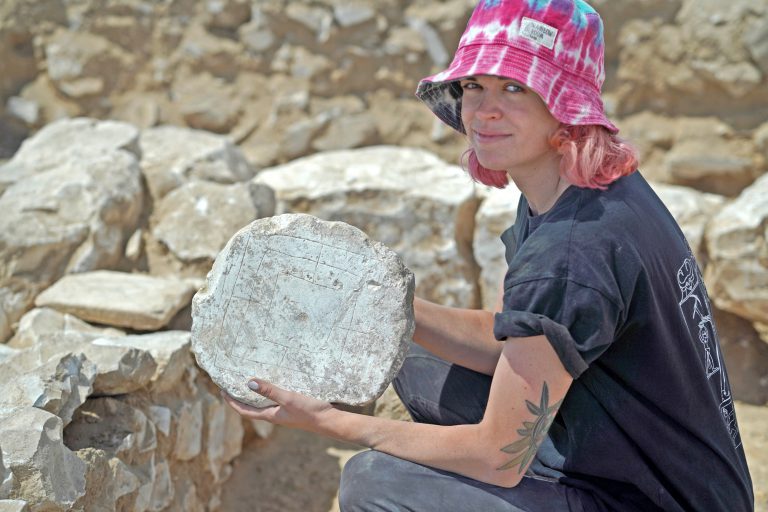
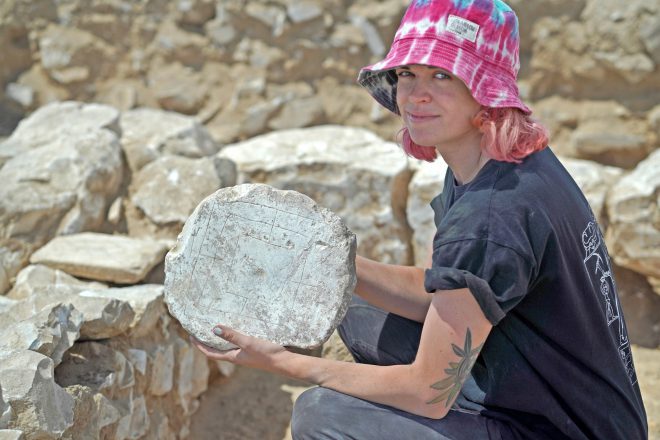
ancient game found in Israel, held by a woman archeologist wearing a pink hate
One of the fascinating games found at the archeology site, the oldest ancient soap factory, a soapery, found in the region.

Israel’s most ancient soap making workshop – a soapery – has been exposed in recent weeks at an excavation site run by the Israel Antiquities Authority and young participants, inside a wealthy home of the Islamic period from approximately 1200 years ago, in the Bedouin city of Rahat. Home to many green and eco activists.

Over the last six months, hundreds of youth and adults have been employed at the large archaeological excavation managed by the Israel Antiquities Authority, including participants from among the local Bedouin residents, university students and students in pre-military preparatory programs.
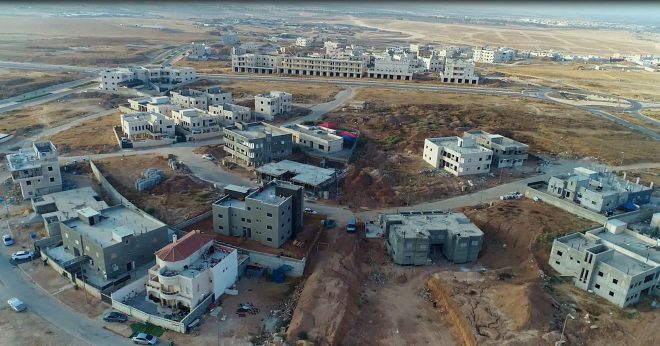
Rahat Bedoin town from above imaged by drone
The workshop was discovered in a 1,200-year-old home

The excavation was supervised by Dr. Elena Kogen-Zehavi, with the help of Dr. Yael Abadi-Rice and Avinoam Lehavi. The purpose was to reestablish the connection between the community and the local history. The excavations were carried out in light of new neighborhood developments in Rahat, initiated by the Authority for Development and Settlement of the Bedouin in the Negev.

The production of olive oil soap is mentioned in writings since the 10th century and it has been a significant industry in the region from the Middle Ages and until the early 20th century. During the soap-making process, olive oil was used as the base material, mixed with ashes produced by burning salsola soda (or saltwort) plants, which contain potash and water.

See Palestinians making it in the West Bank.

The mixture was cooked for about seven days, after which the liquid material was transferred to a shallow pool, where the soap hardened for about ten days until it could be cut into bars. These were piled for additional drying, and the final product was ready after an additional period of two months. The site at Rahat displays facilities associated with this industry.
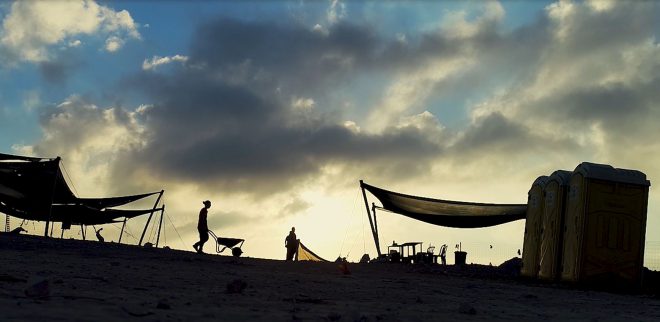
rahat archeology site from the horizon at dusk

“This is the first time that a soap workshop as ancient as this has been discovered, allowing us to recreate the traditional production process of the soap industry,” says Elena Kogen Zehavi, the IAA excavation director.

Olive oil soap is still made like the ancients did in the West Bank. It’s being poured on the floor to cool and solidify. The tradition goes back over a thousand years when the land was inhabited mainly by Jews and Christians, before the Islamic reign began.

This film shows the process of traditional soap production in the old soap factory in central Nablus. Film produced by Eirik Moe, Stavanger, Norway.

The games they played
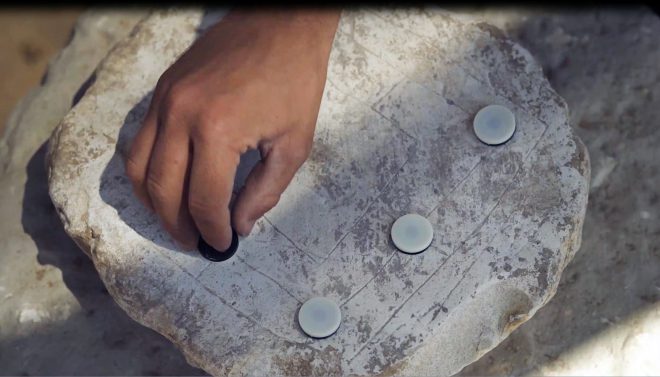
ancient limestone gameboard, The Windmill
An ancient gameboard called the Windmill.

According to on-site archeologist Svetlana Tallis: “One of the underground spaces of the wealthy building contained another exciting finding, shedding light on the daily life of the inhabitants – a round limestone gameboard used for a strategy game called the Windmill.”

This game is known to have existed as early as the 2nd and 3rd centuries CE (the Roman period), and it is still being played to this very day.”

Nearby, a second gameboard known as “Hounds and Jackals”, or “Fifty-eight Holes” was also found. This game was first played in Egypt and it spread to other parts of the Mediterranean basin and to Mesopotamia around 2000 BCE. In Israel, it has been discovered in ancient Megiddo and Tel Beth Shan. It was played by two players throwing dice or sticks that determined the number of places to move with each throw. The goal of the game seems to have been a specific point on the board.

Laundry soaps – is less more green? Jordanians Concentrate for the Environment

We have featured some ancient games on Green Prophet not long ago, like those played in Jordan, across the border. Once borders did not separate Bedouins, nomadic people now living sedentary lives in towns, villages and cities.

See ancient multiplayer game mehen here.

mehen on kickstarter
Ancient multiplayer game from Egypt revived by a kickstarter campaign.

According to the mayor of Rahat, Fahiz Abu Saheeben, “The excavation has revealed the Islamic roots of Rahat. We are proud of the excavation and happy that it took place in cooperation with the local community. We enjoy good relations with the Israel Antiquities Authority and the Authority for Development and Settlement of the Bedouin in the Negev and we hope to construct a visitors’ center that tourists and the local community will be able to enjoy.”
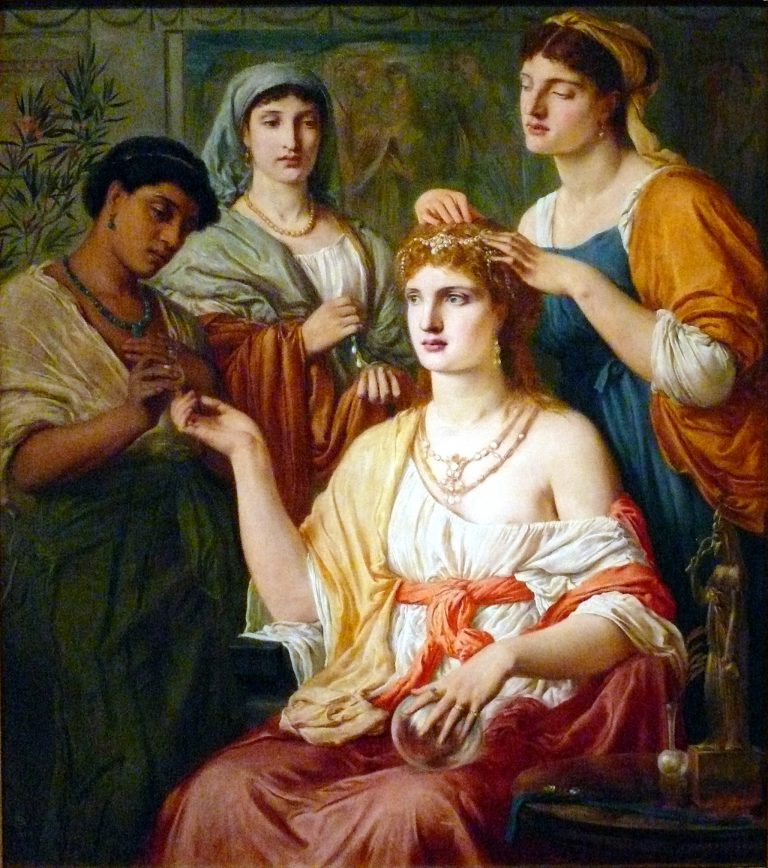
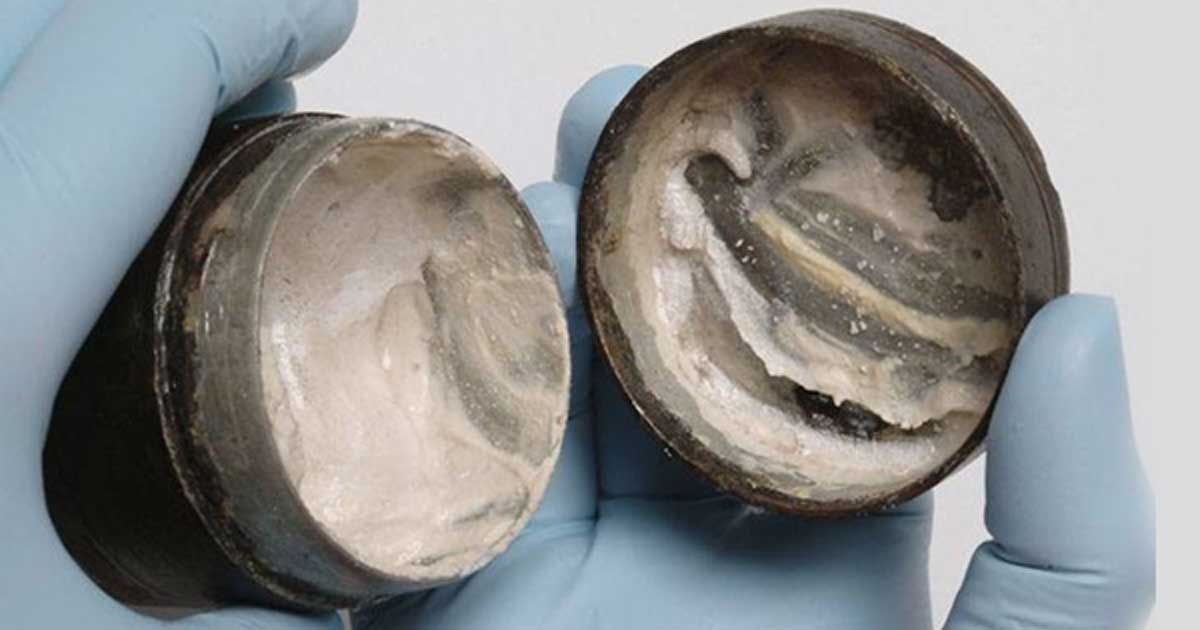
Ancient Roman Facial Cream Found In London Excavation

It was touching to see a picture of the finger imprints in the pot – fingers that scooped facial cream out of it 2000 years ago. You wonder, was the owner a wealthy woman with servants to dress her, and fix her hair? Maybe a high-class prostitute? Or just a woman of the middle classes who’d splurged on a fancy cream for once? 

ancient-roman-face-cream

The pot weathered two millennia with hardly any damage, an incredible find.  It was made of tin, considered a precious metal at the time. It was an expensive item, and the cream inside was likely the finest available. It must be said that when Liz Barham, curator at the Museum of London opened it, a powerful stench arose from the jar.

Hardly surprising. Cosmetic creams have always been formulated from fat, water, and something to blend the two. Today’s moisturizers are blended with fine vegetable oils, but in ancient Rome, it was animal fat, sometimes raw lanolin taken off sheep’s fleeces, and when they required something really fancy, gladiator’s sweat. Nothing likely to stay fragrant through the ages, although when fresh, it may have had rosewater added.

The tightly-sealed tin can was fished out of a ditch in Southwark, a busy London crossroads near the Thames. A Roman complex existed there that  housed two temples,  a hostel, an outdoor area that might have been used for mass worship, plinths for statues and a stone pillar. Given the religious character of the area, it’s easy to imagine  a scenario where a wealthy Roman and his wife or mistress went on pilgrimage, stayed at the guest house, and somehow mislaid the jar of cream. Maybe an envious servant stole it and stashed it in the ditch to come back for it later. The archaeologists who uncovered it say that it appears to have been deliberately hidden.

Federico Nappo, an expert on ancient Roman cosmetics of Pompeii, says, “It is likely that the cream contains animal fats. We know that the Romans used donkey’s milk as a treatment for the skin. However, it should not be very difficult to find out the cream’s composition.”

And indeed, the cream is undergoing scientific analysis today. We shouldn’t be startled if it was made of, among other things, oils of olive or almonds, honey, and perhaps fat taken from animals that had fought in the arena.

The well-brought-up Roman woman used kohl to outline her eyes, applied creams containing powdered lead to give their skin the treasured white hue, and rubbed perfume made from scented flowers macerated in oils. It was a delicate balance between looking good and looking too good to be respectable. Mummy portraits, pictures showing the deceased in life, show dramatically outlined eyes and brows, smooth skin free of freckles, and a demure expression.

ancient-roman-beauty

Philosophers of those times jeered at women who used cosmetics and perfumes, but the writer/poet Ovid wrote a long poem in favor of them, including five formulas for facial creams. Ovid’s moisturizers had innocuous ingredients such as barley, wild legumes, egg, powdered deer horn, spelt, and honey. “Any woman who uses this  on her face will shine smoother than her own mirror,” he wrote.

I’d be willing to try such a formula, if you can guarantee no animal fat, gladiator sweat, or another favorite ingredient – dung.

This Wadi Feynan eco hotel in Jordan is ideal for desert escapism

0

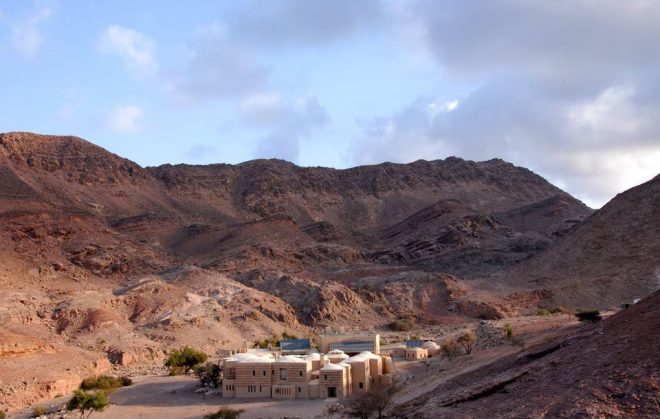
feynan eco hotel

There is a wonderful place to explore in Jordan in the region of Wadi Feynan. 

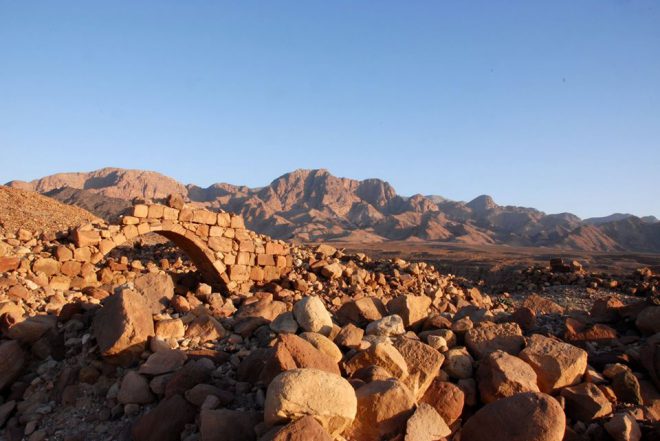
Getting there: Wadi Feynan is located about 200 miles southwest of Amman and represents one of the regional centers of the ancient metallurgy in the Middle East. The industrial-scale copper production started in the Early Bronze Age and continued during the Roman-Byzantine Period while the final exploitation of copper occurred in Mamluk Period.

The copper was transported to other parts of the region but this trade isn’t what we’ll talk about. It’s what you are going to do there.
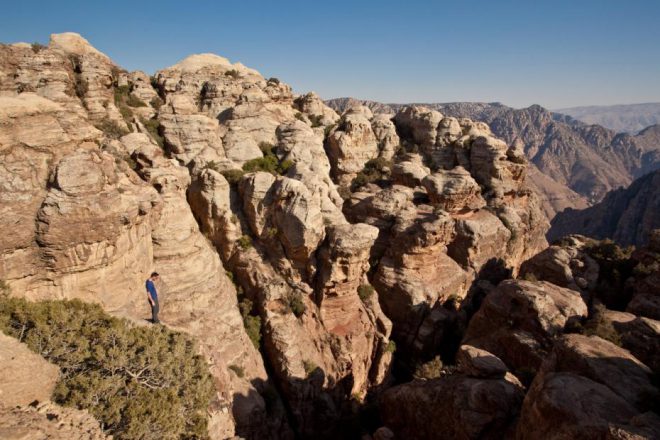
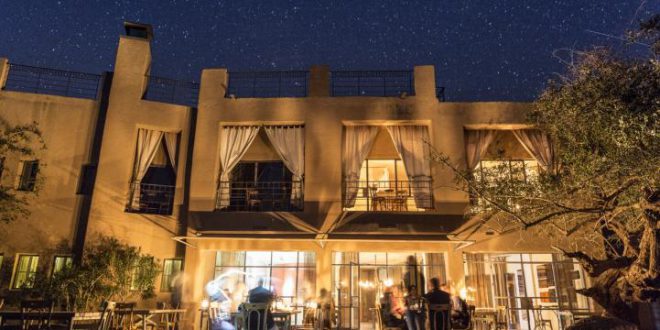
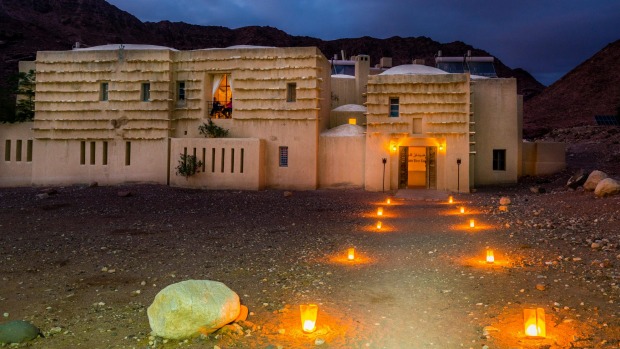
Feynan Ecolodge is one of the most basic and eco-friendly places in Jordan. It is also considered a top 50 eco hotel in the world. There’s no electricity in the hotel except for the kitchen, bathroom and showers. You won’t find plastic bottles, meat and alcohol – though you can bring your own.

The hotel is built in the middle of nowhere between the Dana Reserve on the mountain plateau and the valley where only four-wheel vehicles have access. The nearest road is miles away and the area is tough but good for a rugged hike and stargazing in the evening.

eco hotel jordan lite by candles, stars at night

At night, the hotel is lit by candles produced by the local Bedouin community.

eco hotel lit by candles

Rooms are nice but minimalistic while hefty price tag could be a big turn off for people used to luxurious accommodation or those who would rather choose one of many Bedouin camps in Wadi Musa and Wadi Rum. However, most visitors won’t stay more than a few days due to complete isolation from civilization. On the other hand, tourists who enjoy solitude can get the full board of breakfast, lunch and dinner. For most visitors, breakfast and dinner are included in the offer.

In the wintertime, the lodge can be freezing due to the lack of electricity so the hosts provide very thick blankets and hot water bottles. During the summer, the main issue is the scorching heat as temperatures range between 38 and 45 Celsius for most of the days between June and September.

The best period for hiking is fall and spring.

When it was established in 2005 by Jordan’s Royal Society for the Conservation of Nature, the Feynan Ecolodge was to offer travelers, particularly hikers and young people, the opportunity to learn more about untouched wilderness, the ancient history of Wadi Feynan and local communities.

Built as traditional waystations that are scattered throughout the Middle East and Central Asia, the Feynan Ecolodge uses solar panels while the inner courtyard is designed for stargazing or meteor showers.

In the Dana Biosphere Reserve

At the lodge, hot drinks and non-alcoholic beverages are served while guests can bring their own alcoholic drinks but are advised to use them discreetly because Jordan is primarily Muslim and alcohol is not permitted. Read more here about Muslims and alcohol.

Solar –generated electricity is used to light the bathrooms, kitchen, mobile phones and laptops. One can’t find an electric outlet in the rooms, but cameras, laptops and mobiles can be recharged at the front desk.

The lodge is smoke-free but travelers can go outside the lodge and smoke in a smoke-designated area. Because of the solar system, each room has enough hot water for the whole year.

The main outdoor activities are a sunrise hike, a sunset hike, the Feynan area plants, hiking between ruins of ancient civilizations and exploring famous mines. So hiking. Or doing nothing. Or exploring the area ion mountain bikes as well as interaction with local communities. Normally, hikes last between two and four hours and guests are escorted by a guide.

Spending a day with a local shepherd or cooking Arabic coffee, the weaving of a goat hair tent,preparing eye makeup called kohl and making arbood bread are interactive activities that would help a tourist understand the heritage of locals in Wadi Feynan. Highly recommended.

https://www.instagram.com/p/Bcl4XwEH1hi/

One of shortcomings of the lodge are flies especially in the summer and the lack of access for visitors with disabilities. The terrain around the hotel is very rough and the hotel has no elevator to the first floor.

To summarize, the ecolodge is an excellent place for travelers interested in meditation, extreme sports and physical isolation from modern civilization. Disadvantages are unreasonably high prices for a spartan accommodation, exposure to the elements –  hot summers and freezing winters – and a staff that barely speaks English.

If you are looking for wild travels in the Middle East or North Africa, try this eco hotel in Morocco

Houthis hold oil tanker off the cost off Yemen – it could explode any moment

0

FSO oil tanker from above

The FSO Safer from above. It looks peaceful but it’s a floating time bomb and when it explodes or leaks could be worse than the Exxon Valdez. It is locked inside a conflict zone. Yemen needs international help. Image via Conflict and Environment Observatory 

After witnessing neglect and the dire humanitarian crisis after the explosion in Beirut, Lebanon, Greenpeace and Green Prophet is urging the United Nations to help Yemen as an abandoned oil tanker there threatens to explode or dump more than a million barrels of oil into the pristine Red Sea.

Water recently entered the tanker’s engine room, now increasing the risk several-fold that the vessel would explode or sink. A temporary fix was found, but the United Stations said it could have led to disaster.

The one-time supertanker, built in Japan in 1974, sprung a leak in late May, the UN reports, flooding its engine room with seawater and threatening to destabilize the vessel and spill its cargo.

For now, the international community must come up with a response plan should an oil spill occur. The Safer could release four times more oil than the notorious Exxon Valdez disaster did, off Alaska in 1989.

Neither war-torn Yemen nor its neighbours have the capacity to manage and mitigate the consequences of such a huge spill – and private salvage operators will be reluctant to take on a job inside a conflict zone, the UN has said.

The Yemeni government has asked the United Nations Security Council for more help to prevent the FSO Safer – moored 5 miles off the Yemini coast since 1988 and abandoned in the Red Sea – from ruining the entire Red Sea.

What conflict wins

The ship was taken over by the Houthi militias in March 2015, when they took control of the coast around the port area of Hodeidah. The Houthi movement officially called Ansar Allah and colloquially simply Houthis, is an Islamic political and armed movement that emerged from Sa’dah in northern Yemen in the 1990s.

They are not allowing international groups to move the tanker.

“The growing risk that the Safer oil tanker could rupture or explode causing an environmental, economic and humanitarian catastrophe for Yemen and its neighbours,” the UN Security Council has admitted.

They called on the Houthis to “immediately grant unconditional access for United Nations technical experts to assess the tanker’s condition, conduct any possible urgent repairs, and make recommendations for the safe extraction of the oil”.

There are parallels here with Lebanon and the Hezbollah who are the likely owners of the thousand of tonnes of fertilizers that exploded last week in Beirut.

(Read: Hezbollah flaunts its support for the Houthis)

FSO safer statistics

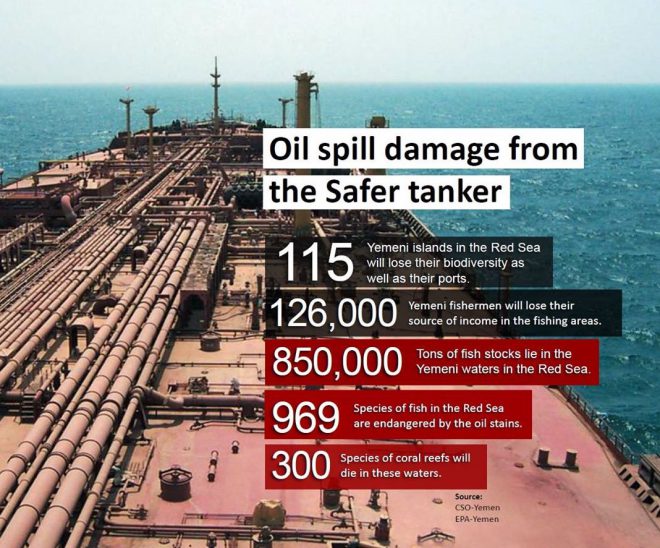
According to HolmAkhdar, CSO-Yemen add the EPA of Yemen, some 115 Yemeni islands will lose their biodiversity if the tanker were to dump its oil. More than 120,000 fisherman will be out of work, almost 1000 fish will be endangered, and some 300 species of coral reef will die.

The environmental group Holm Akhdar warned in June: “Yemen would need a long period of time to tackle the fallouts of marine pollution. The Red Sea ecology would need over 30 years to recover from the ensuing dire consequences of the oil spillage.”

Yemeni Foreign Minister Mohamed al Hadhrami has said that a leak on this ship could lead to “one of the biggest environmental disasters in the region and the world”.

A director at the government oil company in Hodeidah, said the FSO Safer “would be more destructive to the environment than the damage caused by the Exxon Valdez oil tanker in Alaska in 1989. An imminent environmental disaster awaits the Red Sea countries if the Safer oil tanker is destroyed,” he said.

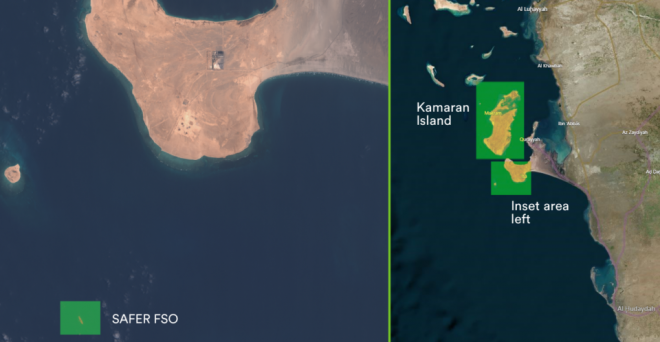
FSO Safer location from above
Location of the SAFER FSO off the port of Ras Isa on the western coast of Yemen, 50 miles north of the port of Hodeidah. Credit ESA Sentinel/Bing

Greenpeace MENA Executive Director Zeina Alhajj wrote to Green Prophet and said:

“Time has run out on doing nothing to avert the looming social and ecological disaster that is the FSO Safer  oil tanker. Inaction is no longer an option. The UN is our last, best hope of averting a catastrophic oil spill in the Red Sea. It has all the influence and expertise to solve the problem and Greenpeace urge the Secretary-General to make repairing the tanker and removing the million barrels of oil on board a priority.

“Unless the UN act we risk sleepwalking into a disaster of international significance that will heap even more misery and suffering on millions of Yemenis.”

Meanwhile, the Houthis and then the Saudis are doing terrible things to Ethiopian migrants in Yemen. Read this Human Rights watch report.

Want to take action in cleaning up the sea? The UN has a new investment guide for bankers. We learned that banks are supporting the burning of the Amazon, whether or not investors at the bank are aware. Be one step ahead and invest in the sea, with this handy toolkit and guide you can download here.

Develop self-healing therapy skills at home this summer, with the environment in mind

0

acid rain forests bounce back, sweet woman in the forest
Forest bathing is a kind of therapy called for in some cultures like Japan.

When I was a kid in suburbia having a therapist meant you had real problems — problems like depression that could not be solved through gardening, a 30-minute job, or date night. A therapist 30 years ago in suburbia meant you were destined to suffer emotional trauma and anxiety for many years and be lucky if you ever came out of it. 

As I grew up and the world lost its stigmas to therapy more and more of my friends took on therapists –- or become one themselves. Especially in cities where life can be full of stress.

Times have changed and having a therapist can be a source of pride if you have found a good one. My friends in New York and Tel Aviv brag over who has the best one. But how can you combine therapy to your passion and interests like ecology or sustainability? I mean, can you find someone who supports your basic values while helping you grow into yourself? 

forest bathing, woman hipster contemplating nature in dark green forest

In a way dealing with yourself and therapy has never been easier. Now that most of us have recovered from Covid anxiety and are mainly learning to live with the risks, like driving, there are plenty of resources you can find online while starting that Victory Garden

One site can help you find the person that fits your style and state of mind is https://www.betterhelp.com/start/. You can explore the option of online therapy on BetterHelp’s website.

If you live in a small town, chances are it will be harder and you might even need to work with a therapist that has known you since high-school. Imagine the dread? But online, your choices become much wider.

Some therapists working in the ecosphere might suggest you forest bathe, rent an AirBnB in the country and get out in fresh air. Others might suggest you work with your hands doing crafts or baking. Sewing, woodworking, pottery are all great. 

A lot has been lost since we urbanized and moved our work online. Sore bodies, sore minds and souls some research shows can really be solved by getting out and about. Some of these activities you can do at home if you are still isolating with Covid. 

Zoom sessions might help you forget yourself and learn some new skills or  attend a friend’s wedding halfway around the world, but a good person to person heart to heart is invaluable if you want to invest in yourself as well as your garden this summer. 

Small guide to self-healing at home

Get a pet. When you need to take care of someone you tend to see your life is more important or useful. If you don’t have a child, find a way to make a furry friend be part of your home. It’s always better to visit shelters before buying a dog or cat that’s been bred. Google a location to find an SPCA or shelter near you.

Start a garden, maybe even just a herb garden in your window. A big summer garden might be too ambitious now that it’s the end of August but buying some pots or making pots in pottery class can be perfect for starting a window or patio herb garden. Getting dirt under your fingernails might even be good for you according to studies we have read that suggest good bacteria can invigorate your immune system.

Start dancing. You don’t need a partner, just a small room and a speaker. 

Numerous studies have pointed to Vitamin D being essential to brace yourself against Covid. The best solution: play with your pet and get that garden going in the late afternoon sun. We’ve heard 20 minutes is a good amount of exposure.

If there is lead in Parisian honey, imagine what’s polluting Beirut?

urban bees crawford hotel Denver
Urban bees carry pollution with them back to the hive. Researchers then test to see what’s inside. Honey in Paris now contains lead after the massive Notre Dame fire.

Years after the Notre Dame fire in Paris Parisians are still feeling the health effects whether they know it or not. According to a recent study reported in the Smithsonian local urban honeybees in Paris were collecting pollen with unhealthy amounts of lead in it. Imagine then how those suffering from the explosion in Beirut might deal with the immediate catastrophe. Greenpeace reached out to us with a guide for Beirut:

Guidelines from Greenpeace MENA 

The explosion that took place at the port in Beirut appeared to happen in a facility storing approximately 2750 tonnes of the chemical ammonium nitrate which is used to manufacture fertilisers and explosives. This is the latest in a number of serious explosions involving ammonium nitrate stretching back to the beginning of the 20th century.

Fires like this emit large quantities of polluting gases, particularly nitrogen oxides (NOx). The orange colour of the smoke plume was due to nitrogen dioxide. This orange colour was also observed in the plume as it dispersed over the city and nearby region.

Other materials involved in the fire and explosion will generate combustion products such as PAHs (Polycyclic Aromatic Hydrocarbons) and soot particles. These chemicals and fine soot particles are also potentially hazardous to health.

It is possible that NOx will react in the atmosphere to form ozone, another harmful gas, while the large quantities of NOx released into the atmosphere may cause deposition of acidic material in downwind areas. It is also likely that the incident will have produced significant amounts of primary and secondary particulate matter pollution. The precise impact will depend on the concentrations of harmful substances produced, together with the amounts that are deposited on surfaces and returned to the air as a result of clean-up operations.

The fires have been extinguished the most severe air pollution episode will
now be over, but, even so, some people may have been exposed to significant air pollution. At this point, the health impacts most likely to be reported in the short-term include breathing difficulties, together with possible eye and skin irritation.

In the case of serious symptoms medical help should be sought. The most vulnerable individuals are likely to be the very young and the elderly, and those with underlying heart or respiratory conditions may be particularly vulnerable.

To protect against inhalation of particulate matter, suitable masks (N95 or, ideally, FFP3 type) or face coverings should be worn outside, or in any dusty environment, to guard against exposure to dust and particulates.

Guidelines to protecting your health in Beirut:

1. Children, the elderly and other vulnerable people should remain in a cleaner, indoor environment when possible. Where damage prevents this (it is clear that many windows of homes have been shattered) vulnerable individuals should be sent to a safer place away from the immediately impacted areas, where they can be sheltered and secure.

2. Where damage allows and where energy is available, homes should be thoroughly cleaned while wearing a mask or face covering:

● Keep hands, face and skin clean and protected
● Once cleaned, the windows and doors should be shut.
● Debris should be removed using thick gloves, avoiding cuts from glass and sharp materials.
● All flat surfaces should be washed with soap and water, and wet cloths should then be dried to remove dust and particles.
● Soft furnishings should be vacuumed clean and where possible, machine-washed.
● Outside areas, such as balconies and courtyards, should be washed down if possible.
● Domestic air-conditioning should be used if operable and undamaged and won’t allow particles in from the outside

3. Continue to observe all possible precautions against COVID-19, including wearing a mask, particularly where people gather or shelter together, as medical facilities are presently overwhelmed and might have reduced ability to treat patients.

4. All fruit and vegetables should be washed thoroughly in clean water before consumption (including vegetables which are normally peeled) to protect against ingestion of deposited contaminants.)

Long term environmental effects will no doubt be realized later.cata

Al Baydha Regenerative farming in Saudi Arabia

2

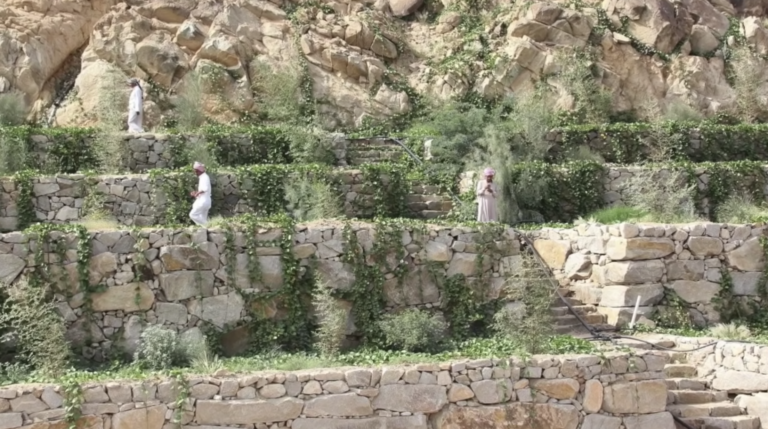
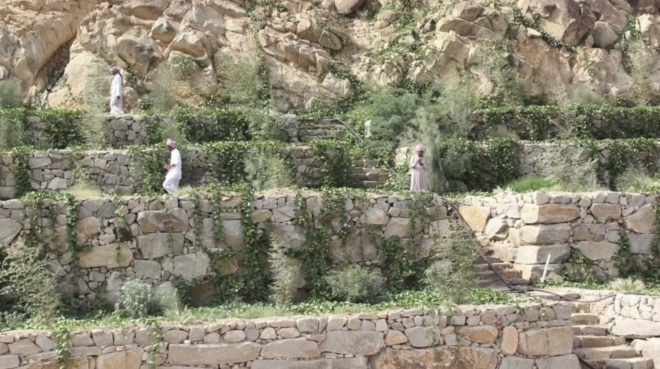
Creating terraces to slow flash floods and rehabilitate desert to savannah

From desert to a thriving, green land. It’s nothing short of a miracle, you might say. But this miracle was born of hard work, and a vision. 

Al Baydha is an area in western Saudi Arabia, about 20 miles south of Mecca.  It comprises nine villages inside of roughly 600 miles, and its inhabitants are Beduin tribes, who in centennial nomadic tradition, used to move across the land with the rainfall.  This, and other traditional land management methods used in the Arabian Peninsula, allowed the land to stay green for pasture; essential for the animals which are the basis for Beduin economy. But in the 1950s, those traditional systems were abolished.

The Beduin were obliged by law to settle in one area, a change that caused overgrazing and the gradual disappearance of native pasture.  The community was obliged to buy barley and hay for feed. To meet expenses, they chopped trees down for sale as charcoal.  Soon, the once-fertile land was nothing but rocky desert.

Wells had to be dug further down to reach water, as the scant seasonal rains, with nothing to contain the water on the land, made flash floods that rolled away to the Red Sea instead of seeping into the soil to replenish reserves. 

In 2019, Saudi Princesses Haifa al Faisal and Nouf bint Fahd visited Al Baydah and witnessed the inhabitant’s poverty-stricken lives. They initiated a development project with the aim of restoring sustainable agriculture to  the area.

A prototype 100-acre area became the Al Baydha project, headed by  Standford University permaculturist Neil Spackman (below) and Harvard University bioethicist and futurist Mona Hamdy. Spackman said in an interview on the Planetary Regeneration Podcast:

Neil Spackman
Neil Spackman

“Across the whole of Middle East, there’s an indigenous management system called EMA, which essentially means ‘protected land.’ This system pre-dates Islam so it’s functioning for at least 2,000 years. It was a tribal management system that may change the fertility of the landscape.

These were largely abolished in the 1950s across the Fertile Crescent and in the Arabian Peninsula. Because of that change in management, the tribal boundaries especially were eradicated. You’ve had a free for all on grazing such that, wherever it rains in the Mecca region for instance, when it rains in Al Bayda we get people from 250, 300 miles away, bringing all of their animals to graze on that land. As soon as the grass is gone, they are out of there. “
Spackman lived among the inhabitants of Al Baydha from 2010 to 2018, gaining their trust and willingness to cooperate in the regeneration project.  Building rock terraces and check dams, and opening swales (wide, shallow ditches) in the land, the project’s first stages succeeded in harvesting rainwater.

Packman and Hamdy used the ancient water-conservation methods of ancient Incans and Nabateans to contain seasonal floods and train the water to flow as useful streams.

swale-al-baydha

In 2012, the project moved to planting drought-resistant trees.  By 2015, Packman and the Beduin planted ten species of trees, 4000 in all. Most ultimately didn’t survive, but enough did to give reasonable hope for a green landscape providing foraging for bees and animals, windbreak, seeds from which to extract oil, charcoal, and soil improvement through fixing of nitrogen. 

tree-al-baydha

Construction of project headquarters, a bat cave (for valuable guano) and a pigeon house taught the residents skills for building a housing complex later. The Beduin are skilled in making cheese, and there are hopes for establishing a commercial dairy in Al Baydha.

The project had its risks. Packman was working on ideas and theories, getting experience on the ground.  And in 2016, funds stopped. To save costs, Packman stopped the drip irrigation that was nurturing the trees. They began to die off. Although the locals begged him to bring water in, he refused, considering that if the project didn’t survive the climate, it had been wrong from the start. Almost two years of drought followed, and it seemed that the project was going to dry up.

But in late 2018 and in 2019, rain fell again, and the landscape sprouted new life. Photographs and YouTube videos show the startling contrast between the arid, desolate land before the project started, and the rich savannah that now covers the flood plain. Mountainside terraces are lush and green.  Drip irrigation was never re-established, for the water shepherded and reserved is sufficient.

terraces-al-baydha

Plants now thriving in Al Baydha include fruit and nut trees, vines, culinary and medicinal herbs, ground cover, grasses, clumping plants such as ginger and turmeric, and tree and shrub cash crops such as frankincense and moringa. The Al Baydha project is a proven success. Now it remains to use this project as a template for regeneration in other desert areas.

The implications of the Al Baydah project are enormous. The low-tech methods used there can regenerate Saudi Arabia’s coastal plane, which shares Al Baydah’s characteristic mountains, wadis under the mountains, and flood areas sloping down to the coast. Instead of losing 90% of winter rainwater to the Red Sea in floods, that water can be used to regenerate life in the desert. Agricultural production can return, creating jobs and improving the economy of any region.  

“In sharing the story of the Al Baydha project,” says Spackman, “I hope that millions of people are inspired and thousands of projects launched to develop regenerative systems.

The Al Baydha project, to date, only encompasses a very small watershed in a forgotten corner of Saudi Arabia. But it is also living proof of what people can do when they work with each and with nature and look to the past practices of terrace farming. It’s a testament to the potential of regenerative agriculture, and a template of reforestation of millions of hectares of desert landscape, in the Arabian Peninsula, and beyond.”

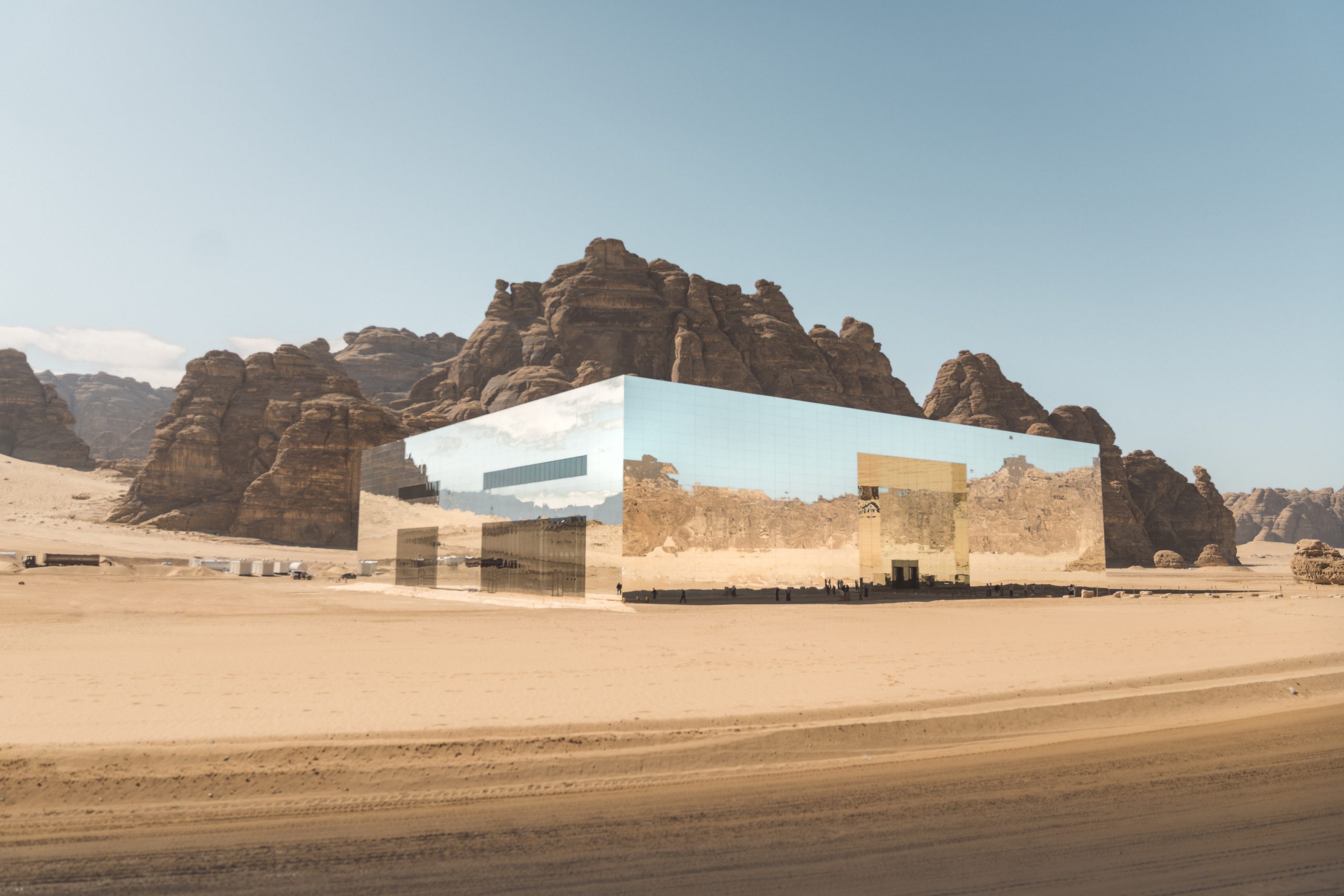
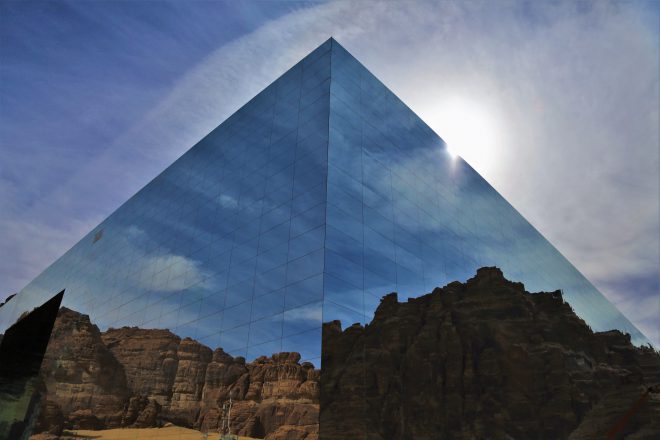
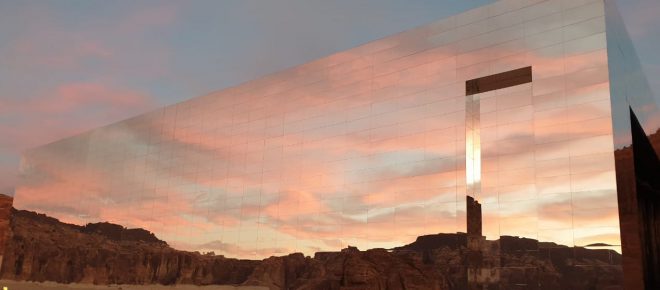
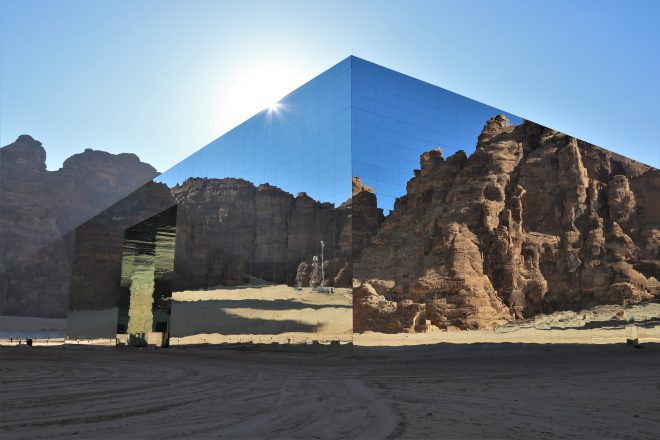
Maraya the biggest mirrored building in the world

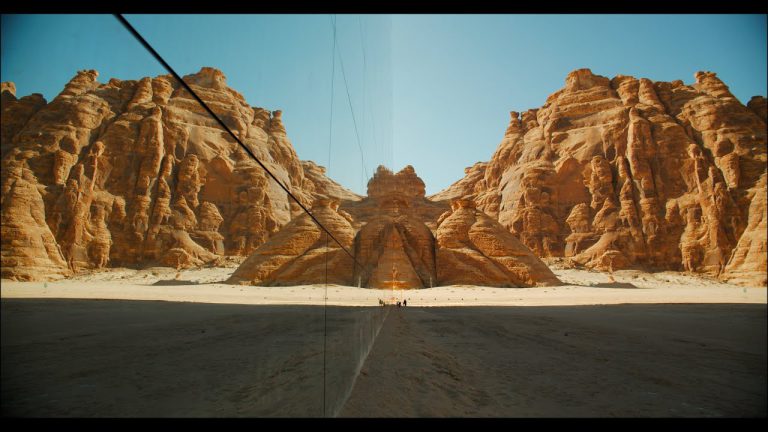
Maraya the biggest mirrored building in the world

Maraya, a multi-purpose concert and entertainment venue in AlUla, North West Saudi Arabia, has been named a winner in one of the world’s biggest architecture awards. AlUla is a destination of global significance with 200,000 years of human history and culture at the crossroads of ancient civilisations.

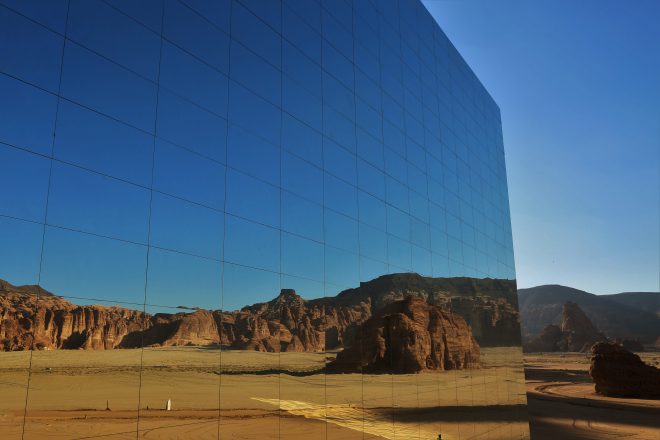
maraya in the desert, saudi arabia

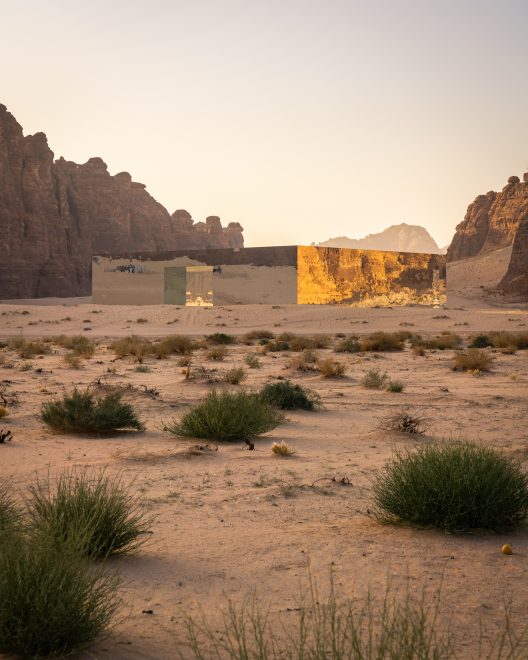
maraya in the desert, saudi arabia

A finalist in the Architecture + Glass category, Maraya was selected by Architizer online magazine and distinguished luminaries from fields as diverse as design, technology, real estate and fashion. Finalists were selected for excellence in architecture with criteria based on form, function and impact. Maraya achieved the most public votes in its category to be named the 2020 popular choice winner.

Phillip Jones, Chief Destination Management and Marketing Officer at Royal Commission for AlUla said the venue will be a key draw factor when AlUla officially re-opens to visitors as a year-round destination in late 2020.

“Visitors are truly mesmerised by Maraya’s impact and by the way it blends in so perfectly and reflects its surroundings,” says Jones.

“Maraya has been conceived and designed as part of the Saudi Vision 2030 and in line with RCU’s core values to develop AlUla using a sensitive and responsible approach. AlUla is a significant, undiscovered archaeological wonder and we look forward to welcoming the world when we re-open the sites,” said Mr Jones.

The planned city Neom is also part of the Saudi Vision 2030.

Maraya the biggest mirrored building in the world

Maraya contains a total of 9740 square metres of mirrors reflecting the vast and stunning desert surroundings of AlUla. The building set a Guinness World Record for being the largest mirrored building in the world in 2019 with its 26-metre-high theatre.

Maraya’s giant retractable window of more than 800 square metres opens to nature for an authentic experience blending nature and entertainment.

In Arabic ‘Maraya’ means mirrors. The building, by designer Florian Boje of Gio Forma, Milan was inspired by the landscape in the same way that the landscape has inspired architecture and art for civilisations from the Nabataeans through to this day. Read here about Nabatean water conservation.

International artists who performed at Maraya in its first year include Andrea Bocelli, Lionel Richie and Yanni.

The Royal Commission for Al-Ula (RCU) was established on July 20th, 2017 to protect and safeguard AlUla, embarking on a long-term plan to develop and deliver a sensitive, sustainable transformation of the region, reaffirming it as one of country’s most important archaeological and cultural destinations and preparing it to welcome visitors from around the world.

AlUla is located in North West Saudi Arabia, one-hour flight from Riyadh. Or about 1,000 km by car. Maraya is located in the historic Ashar Valley, ten-minute drive from Saudi Arabia’s first UNESCO World Heritage Site, Hegra. Visitors will be able to access AlUla’s main heritage sites including Hegra, Dadan, Jabal Ikmah and access cultural touring options and a range of adventure experiences from October 2020. Sounds like a destination venue and something for the bucket list.

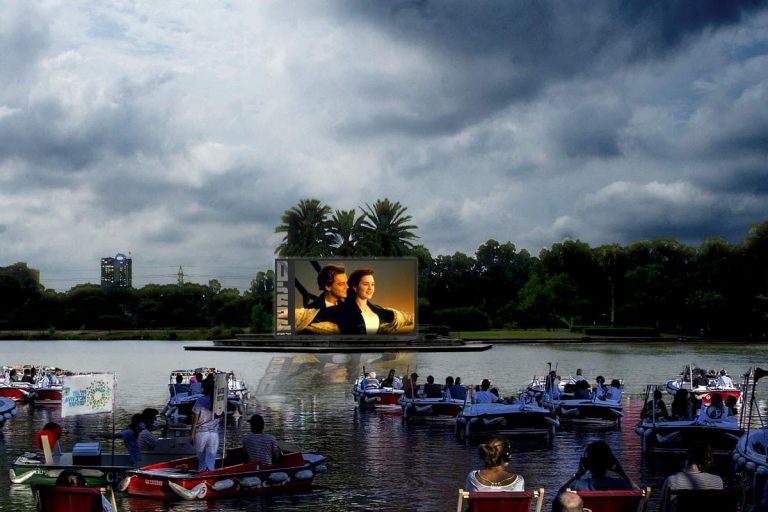
Boat-in theatre makes waves in Tel Aviv, not all welcome

0
Tel Aviv is creating new solutions for missing culture in the city like the “boat in theatre” instead of addressing the centers and culture that exists.

Perfect for Muskoka or Tahoe in the summer: the city of Tel Aviv has started a boat-in theatre this summer. Those with boats or dinghies can sail in within safe distance to other boaters to enjoy movies on the boat lake of Tel Aviv.

The coronavirus outbreak has proved particularly challenging for the cultural sector worldwide, with outdoor initiatives representing almost the sole solution for cultural events.The Tel Aviv-Yafo Municipality will now launch a “sail-in” floating cinema under the clear night sky from August 22 to 28, in partnership with Tel Aviv Cinematheque. 
A total of 70 socially distanced boats will be available to moviegoers seeking to enjoy a night of cinematic entertainment under the stars, the city writes in an announcement it sent Green Prophet. Boats will be distanced two meters apart (or 6 feet) at all times opposite a large screen allowing all ticketholders to float away and unwind from the daily grind for at least a few hours.
“The coronavirus crisis poses new challenges for Tel Aviv-Yafo Municipality, including bringing cultural life to a halt in the city. During recent months, we have been constantly examining ways of providing assistance. The initiative to screen movies at HaYarkon Park’s boating lake is another creative way to spend the hot August days,” says Ron Huldai, Mayor of Tel Aviv-Yafo.

The launch of the floating cinema joins a long list of municipal initiatives launched in recent months to support cultural activity in the city. Meanwhile people who own decades-old cultural centers in the city such as the East West House in Jaffa are drowning in a labyrinth of paperwork, with no one to speak with at the City Hall.

Yisrael Borochov, the founder of the East West House, one of the main cultural centers of Jaffa, runs the non-profit organization which supports local and ethnic music from the Arab and Jewish cultures. Borochov is very confused about the current situation and decisions of Ron Huldai.

East West House
The East West House in Jaffa could easily provide socially distanced shows outdoors. Instead the City Hall is giving money earmarked for it to venues that have no experience in music.

He tells Green Prophet: “I got a letter from the government, from the Ministry of Culture who sees our cultural center as foundational to the city of Jaffa and they said they earmarked money for our organization. We just have to apply to get it. We haven’t been operating normally since March and are used to sold out shows every week. Now we have zero income. The Culture Ministry told us to apply for the money coming to us from the city.

“I filled out the forms and called the City and no one is answering or acknowledging our requests,” Borochov tells Green Prophet. He continues: “The government is telling me to go to the city to start performances, an activity that the government is also forbidding us to do, while on the other hand the city is allowing new venues such as museums and bars to host the same musicians that used to come to my center to perform. Instead of addressing the problem they are creating a new flawed system that will devastate the cultural heritage of the city.

“While I think it’s important to social distance, and we could do this at outdoor performances at the East West House in Jaffa, the city is creating new projects that only put a colorful bandaid on the bigger problem: the collapse of real cultural activities in the city, for the centers, the artists and the supporting teams like the sound crew,” Borochov relates.”

Most of the demonstrations as of late have been related to the collapse of the cultural sectors and those demonstrating are artists and supporting professions who are now without work. Instead of operating like Berlin or London, cities that support existing artists Tel Aviv is operating to the beat of its own drum.

The city has started musical performances on the roof of the Eretz Israel Museum as a new activity while those at existing centers collect dust and foot the bill for their many years of cultural service to the community.

How To Set Up Your Small Business With Sustainability In Mind

0

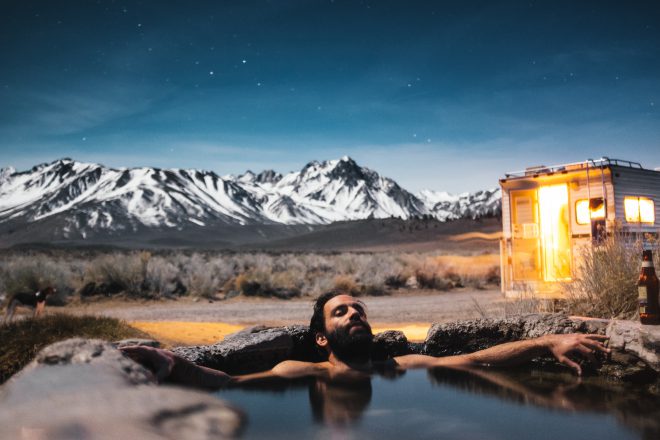
van life eco retreat airbnb rental on vrbo
Covid makes us all push for staycations. How about a week in a #vanlife AirBnb?

If you are starting a small business in the green sphere, sustainability needs to be part of your very ethos. You cannot afford to be wasteful in setting up your business. Wastefulness will diminish what you are trying to achieve as well as tarnishing your brand.

Fortunately, over the past couple of decades, we have learned a lot about sustainability when it comes to small business. One of the few benefits of COVID-19 is that even big corporate businesses have found ways to work with more efficiency, whether or not their focus is on sustainability.

With this in mind, here is some guidance on how to set up a small business on principles of sustainability.

Keep it web-based

Unless you are selling physical products or services, there is likely little reason for you to have physical branches. Instead of renting out office space, or even using a shared space like WeWork, you can do everything from home. With a personalized virtual private network (VPN), you can give staff access to your database and any other data they need while they work from home as well.

The future of customer service is web-based, too, with advancements in AI technology making it possible for clients to get help without having to speak to a human being when not dealing with complex problems.

Keeping everything web based minimizes the natural resources you consume. Staff do not have to travel to an office, and you do not have to buy and use electronics, paper, and office furniture. You also save people the need to buy lunch, giving them the opportunity to use what they have in the fridge to avoid wastage.

Data efficiency

When you do set up your website, there are steps you can take to keep even this seemingly small aspect sustainable. You will need to find web hosting and choose the best server for a small business. Instead of renting out a whole server for your business, consider choosing shared or VPS hosting.

A full server requires a lot more processing power than shared hosting, and you will better maintain your principles of sustainability with the latter.

Provide green benefits

One of the struggles you will face as a small business owner is getting staff on board with your green vision. You may idealistically go into the hiring process believing applicants care as much about the cause as you do. But the reality is that people are generally just looking for jobs. It is somewhat rare that jobseekers end up doing something they actually care about.

However, that does not mean it has to stay this way. Although your employees may not start with the same passion as you, you can help them find it. Perhaps the most effective way to do this is by providing green benefits. Partner with companies to give them discounts on green vacations, solar power, and so on. See what your own business can do for them.

Over time, they will buy into the principles or at least get on board with them in the context of your business.

Keeping your business sustainable is crucial as a green company. Fortunately, in 2020, it is becoming easier than ever.

“We’ll stop cutting trees” part of Tel Aviv’s climate action plan

0

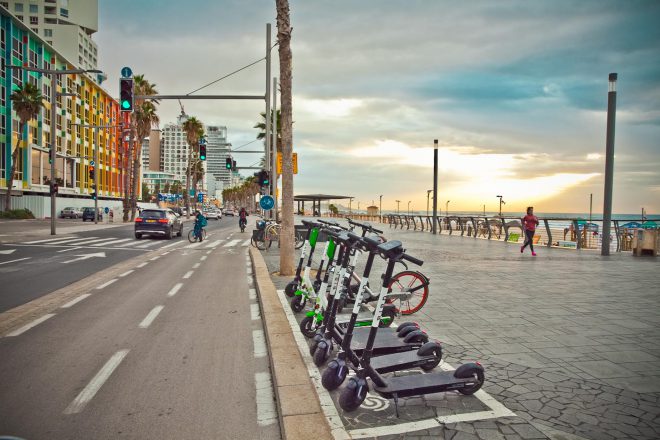
bird scooters in Tel aviv

Spend a few years or a dozen in a coastal city like Tel Aviv or Beirut and you’ll see how in a short time the season’s have changed. Tel Aviv this winter experienced an unprecedented level of flooding (we told you so), which killed two people and left people kayaking down the streets looking for stranded people in cars. The City Hall of Tel Aviv Jaffa says it has a plan, giving that the annual number of super hot days will increase by 30 in the next 10 years.

Tel Aviv has published a detailed climate action plan to cope with the threat of climate change, including the launch of a series of significant, new municipal initiatives. The action plan, we see, presents an in-depth look at the key threats and challenges facing the city, and details required actions to cope with them, with an emphasis on a rapid response for vulnerable population groups.

havie upcycled hipsters
Encouraging more local handmade businesses like Havie will make a city smarter.

The plans were developed within the framework of its membership in the C40 Cities Climate Leadership Group, a global network of cities fighting global warming. As part of its membership, the municipality committed to adopting a program for adapting to climate change, including preparing for rising temperatures and changes to rainfall trends and quantities.

What are the threats to the western east Mediterranean? 

  • An increase of approximately 30 annual hot days (exceeding 33 degrees Celsius) over the next decade.
  • Rising sea levels
  • A decline in natural water sources and an increased risk of flooding
  • An increase in population groups considered to be vulnerable

Plan for making Tel Aviv cool

  • Urban forest management, edible forests, increasing green urban planning, increasing shaded areas, climate-appropriate construction, encouraging sustainable communities.
  • Water management – including enhanced natural drainage, strengthening the resilience of the coastal ecosystem, preparations for coastal flooding and reducing risks, preparations for urban flooding, and saving water in gardening, buildings and infrastructure.

The 3 phase plan

  • Immediate response (2020-2021): Formalizing an action plan for heatwaves and extreme heat; enabling solar energy independence for public buildings during times of crisis; reduced removal of trees; strict implementation of permeation requirements in construction plans and permits; and economic assessments for damages and measures required to cope with climate change.
  • Gradual response (by 2030): A series of wide-scale operations to enhance the city’s ability to cope with climate change, commencing with vulnerable areas of the city and subsequently continuing in all neighborhoods. Operations include planning; infrastructure development; guidelines and regulations; community involvement and education.
  • Fostering urban innovation: Activities to connect municipal preparations for climate change with efforts to reduce greenhouse gases, improve sustainability and enhance quality of life in the city. This will be facilitated by data collection and fostering research; advancing new technologies; the establishment of innovation zones for pilot programs and demonstrations; increasing competition; supporting community-based entrepreneurship; and encouraging businesses to operate in an eco-friendly manner.

Kibbutz in the city

“The climate crisis is not slowing down – even faced with COVID-19 – and if we do not act today, the resilience of our society will be drastically harmed in the generations to come,” says Ron Huldai, the Mayor of Tel Aviv-Yafo.

Read more about Israel’s Boring Company

“Among other trends in the coming years, we will see fewer vehicles and more trees, we will reduce greenhouse gas emissions and promote the use of renewable energies in all public buildings in the city.

“This is not a straightforward process but we have already taken significant steps in the same direction: we are placing pedestrians and cyclists at the top of our priority list in transportation planning; we adopted a ‘kibbutz in the city’ approach for smart and shared use of resources;

“We are implementing the ‘Cool Cities’ approach in various parts of the city; and of course we are active in the C40 – together with leading cities in the world – to ensure that we, our children and our grandchildren, may continue to enjoy life in Tel Aviv-Yafo and all of Israel.”

Greenpeace against Arab world’s first nuclear power plant

0

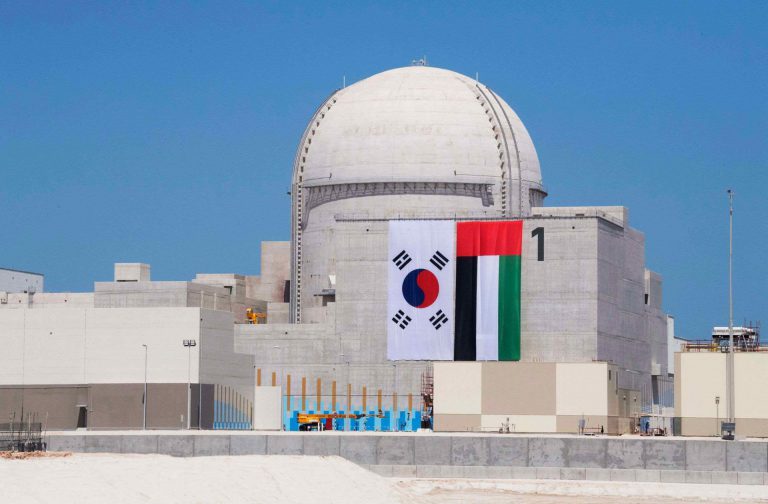
The first nuclear energy plant in the United Arab Emirates goes online on the Gulf Coast east of Qatar.

In a desert region full of oil, and well unlimited sunshine, Abu Dhabi still plans to go ahead and build a nuclear energy site despite the risks. Remember Japan? And Greenpeace, which runs an active unit in the Arab world and Middle East, called Greenpeace MENA, isn’t thrilled about the development. (They weren’t thrilled about Jordan going nuclear as well, in 2011. That seems to be off the table for now.)

After seeing the lack of Middle East oversight of dangerous chemicals in Beirut, some groups like Greenpeace worry about the dangers of a nuclear Arab world. The United Arab Emirates  will become the first Arab country to produce nuclear energy when commercial operations start at the $24.4 Billion USD Barakah nuclear power plant in 2020.

Until 2006, the six oil-producing states of the Gulf Cooperation Council (GCC) had been vocally opposed to nuclear power in the Gulf, however, as Iran’s nuclear ambitions advanced, the position changed.

Once all four of Barakah’s reactors are operational in 2025, the plant will provide the UAE with 5.6GW of power generation capacity – about one quarter of the country’s anticipated energy requirements.

Greenpeace believes that this action will further deplete natural resources such as water, which is very scarce in the United Arab Emirates.

Currently desalination is looked to as a viable option, but creating it is energy intense. Creating a nuclear reactor to run desalination is much like a snake biting its own tail.

The plant in Abu Dhabi was set to open in 2017 but its start-up was delayed for what officials say were “safety requirements” according to the BBC.

The UAE is oil rich but despite that plans for Barakah to meet ts energy needs, as the region of seven emirates adopts more sustainable energy sources.

Two weeks ago the UAE sent a mission to Mars, another scientific first for the Gulf nation.

A threat to peace? 

The UAE also has plans to invest in solar, putting into question the logic of the Barakah nuclear plant. Solar power is cleaner, cheaper, 100% renewable and makes a lot more sense in a region plagued by terrorism and political problems over oil and wealth. See solar energy at Masdar City.

masdar-shams-1-solar-energy
Solar energy farm at Masdar

The BBC reports that “last year Qatar called the Barakah plant a flagrant threat to regional peace and environment. Qatar is a bitter regional rival of the UAE and Saudi Arabia.”

Greenpeace says they “condemn the start-up of unit 1 of the Barakah Nuclear Energy Plant, located in the Al Dhafrah Region of Abu Dhabi, as a wasteful investment in the wrong technology that will only deplete the scarce water resources of the Emirates.

Established in 2016, the Nawah Energy Company plans on running 4 nuclear energy units, the first nuclear energy plant in the United Arab Emirates.

Nawah will generate up to 5,600 megawatts of energy from the 4 units at Barakah, supplying approximately 25% of the UAE’s electricity requirements.

Julien Jreissati, programme manager at Greenpeace Middle East and North Africa, commented: “Nuclear energy is not the energy of the future, and definitely not the solution. With it we are leaving our future generations with nothing but a toxic legacy of radioactive and dangerous nuclear waste”.

He continued: ”The UAE has been a regional leader in developing and investing in cheap, safe and green renewable energy such as solar. This innovative country should keep its focus on capitalising on its abundant and generous sun instead of “betting” on the nuclear race. After the legacy of Fukushima and the high price Japan had to pay for relying on nuclear power, countries around the world – like Germany-  are opting for phasing-out nuclear energy not the other way around.”

Building new nuclear plants is more expensive and takes longer than building renewable energy plants, Greenpeace argues.

Building a nuclear plant in a water scarce country is just a bad and dangerous investment that will compete with the UAE people on accessing much needed water resources, the organization points out. In a region that has been prone to conflicts, the reactor also poses considerable safety risk to the people. 

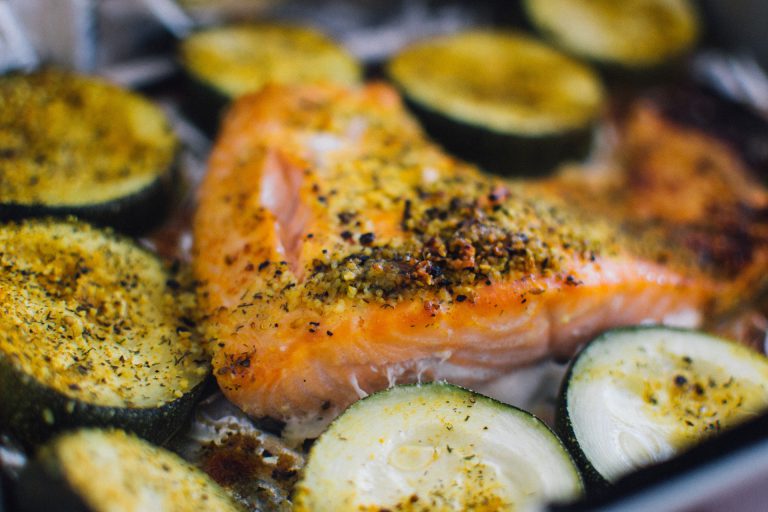
Baked herbed salmon with zucchini recipe

0

Zucchini’s at peak season, and it complements fish beautifully.  For light summer fare, try this herby salmon and zucchini dish. It bakes in one pan, and needs only good bread and a salad (like our Maimonides salad) to round the meal out. And it takes 20 minutes max in the oven.

Herbed Salmon and Zucchini
Yield: 4 servings
Prep time: 15 minutes
Cook time: 16-20 minutes

Ingredients:

4 zucchini, any color, chopped thickly
2 tablespoons olive oil
Salt and freshly ground black pepper, to taste

4 (5-ounce) salmon fillets

To season the salmon:

2 packed tablespoons brown sugar
2 tablespoons freshly squeezed lemon juice
1 tablespoon Dijon mustard
2 cloves garlic, minced
1 teaspoon fresh dill, finely chopped
1 teaspoon fresh oregano or za’atar, finely chopped
1/2 teaspoon fresh thyme, finely chopped
1/2  teaspoon fresh rosemary, finely chopped
Salt and freshly ground black pepper, to taste

Garnish: 2 tablespoons chopped fresh parsley leaves

Note: To use dried herbs instead of fresh, halve the quantities given.

Preheat oven to 400 degrees°F – 200 C°.
Lightly oil a baking sheet, or line it with baking parchment.
Mix the brown sugar, lemon juice, Dijon, garlic, dill, oregano, thyme and rosemary; season with salt and pepper, to taste.

Place the zucchini in a single layer on the prepared baking sheet. Dribble olive oil over the slices and season with salt and pepper.

Place the salmon fillets in the pan, in between the zucchini slices.. Spoon some of the herb mixture over each fillet.
Bake until the fish flakes easily with a fork, between 16-20 minutes. Check for doneness at 16 minutes. If not quite cooked through, give it another 2-4 minutes.

Garnish with the chopped parsley, and serve.

Enjoy!

CBD Oil for Pain and Inflammation: How To Choose The Right One?

0

forest bathing, woman hipster contemplating nature in dark green forest

Inflammation is a sadly common ailment caused by numerous illnesses and injuries. The condition can appear as an aggravated nerve, sprained joint, pulled muscle, or more. Inflammation is when a wound or injury becomes red, warm, and painful, and is essentially your body trying to protect you from an irritant.

It can be worrying – especially when it lasts for a prolonged time – and can prevent you from doing routine tasks. Chronic inflammation is more severe and can be a symptom of autoimmune diseases such as asthma, arthritis, celiac disease, pelvic inflammatory disease (PID), and inflammatory bowel disorder (IBD). A state of ongoing inflammation can cause severe pain and anxiety and is sometimes linked to depression.

Besides pharmaceutical treatment, research has shown CBD to be a potential anti-inflammatory treatment without any side effects. This article will review the best CBD oil for pain and inflammation by bioMDplus if you’ve been looking for a natural treatment with no negative consequences. Here are the top four:

1) Citrus CBG: CBD Oil

Features

  • This is a full-spectrum extract from high-quality hemp plants. The CBD is sourced from a strain of industrial hemp that is rich in cannabinoids but contains little THC.
  • It’s extracted using safe CO2 methods, not harmful solvents.
  • Fully tested to ensure it works without harm to its users.
  • This product is legal in all states in the United States.
  • Enhanced with natural terpenes, including:
  • Limonene is one of the natural plant terpenes, which gives the product a citrus flavor. It helps in overcoming anxiety, stress, chronic pain, and inflammation.
  • Linalool adds the scent of lavender and promotes a good mood, relieves depression, and is thought to have neuroprotective effects.
  • Humulene enhances the CBD oil by giving it an earthy aroma as well as reducing inflammation.
  • Terpinolene, which has the scent of flowers and pine trees. It combats stress and relaxes the body.
  • Free from added flavors, sweeteners, and preservatives. Learn more about CBD

Pros

  • Helps reduce pain in joints and muscles: CBD oil may impact the endocannabinoid receptor activity, reducing pain, and interacting with neurotransmitters.
  • Reduces acne: Based on recent research, CBD oil may help treat acne because of its anti-inflammatory properties as well as reducing the production of sebum, an oily secretion made by the skin.
  • Helps reduce anxiety and depression: CBD oil shows great benefits as a treatment for anxiety and depression because it acts on the brain’s receptors, which regulate mood and social behavior.
  • Reduces pain caused by arthritis and other autoimmune diseases: CBD oil has shown benefits as an immune suppressor, meaning it eliminates inflammatory responses caused by autoimmune disease.

Cons

  • No cons/side effects associated with this product.

Verdict

This is a great anti-inflammatory product with positive responses, especially with reducing chronic pain, anxiety, and depression.

2) Natural CBG: CBD Oil (Full Spectrum)

Features

  • Sourced from GMO-free hemp grown in Colorado
  • The hemp has been grown organically without the use of pesticides.
  • Thoroughly tested and verified by third-party labs.
  • The product is produced using safe and solvent-free extraction
  • Enhanced with a terpene blend. It also includes fractionated coconut oil.

Pros

  • Full-spectrum Unwind CBD oil is effective against muscle pain, pain in joints, and headaches.
  • It helps to reduce anxiety and depression, and has the potential to treat other mental health challenges.

Cons

  • More comprehensive studies need to be done on Full-spectrum CBD oil.

Verdict

Full Spectrum Natural CBG: CBD Oil is an effective treatment for conditions such as depression, anxiety, muscle aches, and headaches.

3) Cold Therapy Menthol & CBD – Pain Relief Cream

Features

  • This BioMDplus pain cream is produced from organic hemp grown in Colorado, without the use of pesticides.
  • The creamy formula acts very fast bringing relief in seconds.
  • It is extracted using solvent-free processes, ensuring that it’s safe for use.
  • The product has been verified by third-party labs to ensure the standard.

Pros

  • This cream gives fast, effective, and long-lasting pain relief.
  • Targeted relief for inflamed areas on the body, such as arthritis in the hands or sore muscles.
  • Promotes relaxation of muscles after a workout, so users can quickly recover.
  • The cream is good for the skin.
  • Quick and easy to apply.

Cons

  • A greasy residue may be left on hands and skin after applying.

Verdict

This cream, which is 500mg in strength, has proved to be effective in providing fast relief to sore muscles and other painful areas. Its effect is also long-lasting, so top-ups aren’t necessary throughout the day.

4) Vegan CBD Gummies (Isolate)

Features

  • Ingredients of the Vegan CBD gummies include CBD extract, lemon-lime natural flavors, strawberry, raspberry, and mango.
  • The gummies are produced using safe methods such as solvent-free CO2 extraction.
  • The safety and quality of the gummies have been confirmed through third-party testing.
  • The hemp used in making the Vegan CBD gummies is organic, GMO-free, and pesticide-free.

Pros

  • A good alternative for people who don’t like the taste of normal CBD oil.
  • Promotes full-body wellness.
  • The hemp from which the oil is extracted is grown organically, so there are no known side effects.
  • Reduces anxiety and depression.

Cons

  • Some users feel that it wasn’t as effective as they thought it would be.

Verdict

These vegan gummies are not only great tasting but also deliver advantageous cannabinoids, amino acids, and terpenes to your body. They are perfect for those trying to replace animal consumption with plant products, especially in their inflammation treatment (sometimes it’s not possible to get vegan medications).

Buyers Guide: What to Look for When Buying CBD Oil for Inflammation

Before buying any product, it’s fundamental to know precisely what you’re about to consume. Here are five things to consider when purchasing CBD oil.

  • Methods of sourcing and manufacturing

You should ensure that the process of growing and harvesting the hemp follows strict agricultural guidelines. Avoid manufacturers that grow their hemp using pesticides, residual solvents, and other harmful chemicals. The manufacturer should also test the oil.

  • Type of CBD oil

There are three main types of CBD available in the market: CBD isolate, full spectrum, and broad spectrum.

CBD isolate has no other compounds of hemp plants such as THC, meaning it is 99% pure.

Full Spectrum contains all the hemp plant extracts and cannabinoids, such as THC, flavonoids, terpenes, fatty acids, and phytocannabinoid compounds. This type is more beneficial if you want a psychoactive effect, though may not be appropriate for everyday use, such as at work.

Broad-spectrum is ideal if you’re looking for purely health benefits and no psychoactive element, because it lacks the effects of THC.

  • THC content

You should check whether the CBD oil you are purchasing has THC in it or not. THC is the compound that gives a psychoactive effect.

  • Third-party testing

Read third-party testing results to ensure that the manufacturer is truthful about their product – this means that you will get an unbiased view of the product.

  • Method of consumption

There are many different ways of consuming CBD, and each one has its strengths. CBD-infused creams can be applied to the skin allowing it to react with the body’s cannabinoid receptors, which helps to relieve pain. You can also ingest CBD in the form of gummies or capsules.

Conclusion

Now that you know what to look for when purchasing CBD oil, you should start looking for the right products.

Purchase bioMDplus CBD products today, such as vegan gummies and cream, and get relief from inflammation and pain.

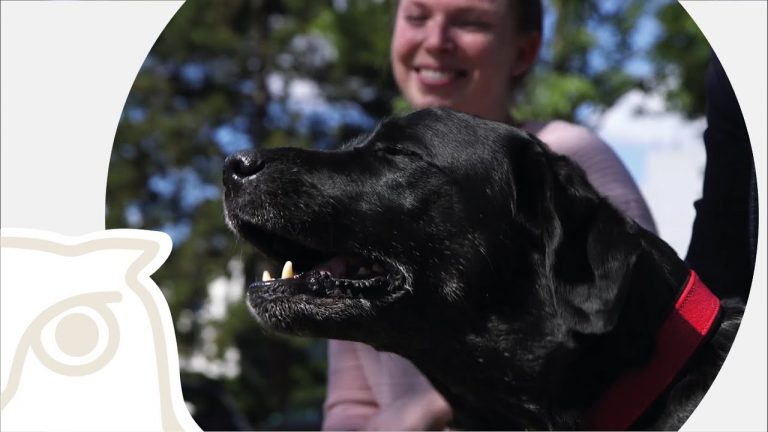
Dogs can smell Covid-19 virus, find German scientists

Scientists in Germany have trained dogs to sniff out people with coronavirus. And they are accurate 94% of the time, reports Bloomberg. The science comes from researchers at the University of Veterinary Medicine in Hannover, Germany.

During tests, they found that eight Germany military dogs could correctly identify the presence of the coronavirus 94 percent of the time after only being trained a week, according to Bloomberg.

“We think that this works because the metabolic processes in the body of a diseased patient is completely changed,” Maren von Koeckritz-Blickwede, a professor at the university, said in a video statement posted by the university on YouTube. “We think that the dogs are able to detect a specific smell produced” by the metabolic process. See the video below.

Despite dogs being used to sniff out explosives, cancer, criminals and drugs, “people have not really realized the potential a dog could have to detect diseased from non-diseased patients,” says Holger Volk, head of the small animal clinic at the University of Veterinary Medicine Hannover, in the video.

The method could be employed in “public areas such as airports, sport events, borders or other mass gatherings.

Since the COVID-19 samples were completely randomized, neither the dog handlers nor the researchers knew which samples were positive and which ones weren’t positive.The researchers therefore guarded against the “Clever Hans” effect, where animals can appear to be solving complex problems, but in fact are taking cues from their master, hard for people to perceive, but easy for animals.

“These preliminary findings indicate that trained detection dogs can identify respiratory secretion samples from hospitalised and clinically diseased SARS-CoV-2 infected individuals by discriminating between samples from SARS-CoV-2 infected patients and negative controls. This data may form the basis for the reliable screening method of SARS-CoV-2 infected people,” the researchers sum up in their online report.