Maggie Baird, best known as the mother of Billie Eilish and Finneas O’Connell, is stepping into a much larger spotlight, this time as a climate storyteller.
Tillage is one of the clearest signals of how a farm treats its soil. Intensive plowing can degrade structure, release carbon, and increase erosion. Conservation practices—no-till, cover cropping, minimal disturbance—do the opposite. They build soil, retain water, and support biodiversity. But until now, measuring these practices at scale has been slow, expensive, and often self-reported.
Hydrophilis, Oliver Isler’s experimental rebreather suit, reimagines diving by reducing drag, eliminating bubbles, and bringing humans closer to the natural movement of marine life.
If you work as a roofer, landscaper, pool builder, or in construction, installing garden slabs or solar panels, building sheds, or working on outdoor home improvement projects, take note of new research that can help you protect your heart.
Maggie Baird, best known as the mother of Billie Eilish and Finneas O’Connell, is stepping into a much larger spotlight, this time as a climate storyteller.
Tillage is one of the clearest signals of how a farm treats its soil. Intensive plowing can degrade structure, release carbon, and increase erosion. Conservation practices—no-till, cover cropping, minimal disturbance—do the opposite. They build soil, retain water, and support biodiversity. But until now, measuring these practices at scale has been slow, expensive, and often self-reported.
Hydrophilis, Oliver Isler’s experimental rebreather suit, reimagines diving by reducing drag, eliminating bubbles, and bringing humans closer to the natural movement of marine life.
If you work as a roofer, landscaper, pool builder, or in construction, installing garden slabs or solar panels, building sheds, or working on outdoor home improvement projects, take note of new research that can help you protect your heart.
Maggie Baird, best known as the mother of Billie Eilish and Finneas O’Connell, is stepping into a much larger spotlight, this time as a climate storyteller.
Tillage is one of the clearest signals of how a farm treats its soil. Intensive plowing can degrade structure, release carbon, and increase erosion. Conservation practices—no-till, cover cropping, minimal disturbance—do the opposite. They build soil, retain water, and support biodiversity. But until now, measuring these practices at scale has been slow, expensive, and often self-reported.
Hydrophilis, Oliver Isler’s experimental rebreather suit, reimagines diving by reducing drag, eliminating bubbles, and bringing humans closer to the natural movement of marine life.
If you work as a roofer, landscaper, pool builder, or in construction, installing garden slabs or solar panels, building sheds, or working on outdoor home improvement projects, take note of new research that can help you protect your heart.
Maggie Baird, best known as the mother of Billie Eilish and Finneas O’Connell, is stepping into a much larger spotlight, this time as a climate storyteller.
Tillage is one of the clearest signals of how a farm treats its soil. Intensive plowing can degrade structure, release carbon, and increase erosion. Conservation practices—no-till, cover cropping, minimal disturbance—do the opposite. They build soil, retain water, and support biodiversity. But until now, measuring these practices at scale has been slow, expensive, and often self-reported.
Hydrophilis, Oliver Isler’s experimental rebreather suit, reimagines diving by reducing drag, eliminating bubbles, and bringing humans closer to the natural movement of marine life.
If you work as a roofer, landscaper, pool builder, or in construction, installing garden slabs or solar panels, building sheds, or working on outdoor home improvement projects, take note of new research that can help you protect your heart.
Maggie Baird, best known as the mother of Billie Eilish and Finneas O’Connell, is stepping into a much larger spotlight, this time as a climate storyteller.
Tillage is one of the clearest signals of how a farm treats its soil. Intensive plowing can degrade structure, release carbon, and increase erosion. Conservation practices—no-till, cover cropping, minimal disturbance—do the opposite. They build soil, retain water, and support biodiversity. But until now, measuring these practices at scale has been slow, expensive, and often self-reported.
Hydrophilis, Oliver Isler’s experimental rebreather suit, reimagines diving by reducing drag, eliminating bubbles, and bringing humans closer to the natural movement of marine life.
If you work as a roofer, landscaper, pool builder, or in construction, installing garden slabs or solar panels, building sheds, or working on outdoor home improvement projects, take note of new research that can help you protect your heart.
Maggie Baird, best known as the mother of Billie Eilish and Finneas O’Connell, is stepping into a much larger spotlight, this time as a climate storyteller.
Tillage is one of the clearest signals of how a farm treats its soil. Intensive plowing can degrade structure, release carbon, and increase erosion. Conservation practices—no-till, cover cropping, minimal disturbance—do the opposite. They build soil, retain water, and support biodiversity. But until now, measuring these practices at scale has been slow, expensive, and often self-reported.
Hydrophilis, Oliver Isler’s experimental rebreather suit, reimagines diving by reducing drag, eliminating bubbles, and bringing humans closer to the natural movement of marine life.
If you work as a roofer, landscaper, pool builder, or in construction, installing garden slabs or solar panels, building sheds, or working on outdoor home improvement projects, take note of new research that can help you protect your heart.
Maggie Baird, best known as the mother of Billie Eilish and Finneas O’Connell, is stepping into a much larger spotlight, this time as a climate storyteller.
Tillage is one of the clearest signals of how a farm treats its soil. Intensive plowing can degrade structure, release carbon, and increase erosion. Conservation practices—no-till, cover cropping, minimal disturbance—do the opposite. They build soil, retain water, and support biodiversity. But until now, measuring these practices at scale has been slow, expensive, and often self-reported.
Hydrophilis, Oliver Isler’s experimental rebreather suit, reimagines diving by reducing drag, eliminating bubbles, and bringing humans closer to the natural movement of marine life.
If you work as a roofer, landscaper, pool builder, or in construction, installing garden slabs or solar panels, building sheds, or working on outdoor home improvement projects, take note of new research that can help you protect your heart.
Maggie Baird, best known as the mother of Billie Eilish and Finneas O’Connell, is stepping into a much larger spotlight, this time as a climate storyteller.
Tillage is one of the clearest signals of how a farm treats its soil. Intensive plowing can degrade structure, release carbon, and increase erosion. Conservation practices—no-till, cover cropping, minimal disturbance—do the opposite. They build soil, retain water, and support biodiversity. But until now, measuring these practices at scale has been slow, expensive, and often self-reported.
Hydrophilis, Oliver Isler’s experimental rebreather suit, reimagines diving by reducing drag, eliminating bubbles, and bringing humans closer to the natural movement of marine life.
If you work as a roofer, landscaper, pool builder, or in construction, installing garden slabs or solar panels, building sheds, or working on outdoor home improvement projects, take note of new research that can help you protect your heart.
Cannabis treatments that include low THC and high CBC can treat children. The first notable case in the US was with the late Charlotte Figi.
Since the 60s Israel became known for its scientific look at cannabis. It was never illegally federally for cannabis to be studied so decades of progress have been in Israel thanks to those early pioneers, most notably chemist Raphael Mechoulam who I got to interview more than a decade ago, before the cowboys rushed in.
While the industry is still rife with a lot of smokescreens and penny stock companies there are veritable potential breakthroughs waiting for business. Some 11 companies now with products from healthcare to pharmacology will take on their own sub-index on the TASE, the Tel Aviv Stock Exchange. The new index will start trading on November 1, according to the TASE.
Stock market investors are betting that Israel will be a medical cannabis powerhouse and have invested about $205 million USD in shares so far. Those that only sell medical cannabis will not be part of the new index TA-Biomed that will focus on research and healthcare.
The exchange said that investors were looking for this kind of index, and it will now also help mutual fund investors invest in cannabis.
About 71,000 Israelis use medical cannabis in Israel, an almost 40% increase from last year. I’d argue the numbers are in the millions as Israelis self-medicate regularly with street cannabis, most of them medicating the effects of PTSD.
Medical cannabis index companies on the TASE
Dr. Alan Shackelford is a well-known Israeli-American physician who is developing products to treat various indications. I met him in 2015 when I was running my own startup in the space. He was treating a young American girl named Charlotte Figi with a high CBD strain of cannabis to quell seizures. She had Dravet syndrome and the cannabidiol oil prevented daily seizures, giving her respite until she succumbed from Covid in April this year. The name of the medical cannabis strain made for her then is now called Charlotte’s Web.
There are also loads of antics locally, as more people want cannabis to be legal recreationally as well like in Canada. Drones have been dropping cannabis packs into crowds in various Israeli cities.
The companies to be listed on the new index include: Tikkun Olam, Cannbit, Intelicanna, Intercure, Univo Pharmaceuticals, Pharmocann, Cannomed and Seah Medical Group.
Some companies already trading include Evogene. They are dual-listed on the TASE and the NASDAQ, which is common for Israeli stocks.
Investors Abdullah Saeed Al Naboodah from the UAE and Jon Medved from Israel are the first to start sharing tech and investment deals between Israel and the United Arab Emirates
Israel’s most active investor along with his counterpart in the United Arab Emirates are banding together to create a new tech investment partnership. The announcement has come hot on the heels of a peace deal between Israel and the United Arab Emirates last month. If you read some of the commentary between the two men you’d imagine it’s the biggest new love story on the planet: but I see it as a chance for individual investors to help grease the wheels of peace and an “in” for cleantech companies from Israel eyeing the Gulf region to explore new business opportunities.
OurCrowd, the world’s largest global venture investing platform, signed a memorandum of understanding this week with UAE businessman Abdullah S Al Naboodah to create Phoenix as part of a 100m investment fund. Veteran investor Sabah Al-Binali will head OurCrowd’s Gulf operations.
This is the first announced partnership between an established UAE corporation and a major Israeli venture investment firm at this level of commitment. Until now bilateral trade and investments have been rare and almost always under the radar with Luxembourg somewhere in the story as a middle man.
Investing for peace
Times have changed for good, I hope: founded by Jonathan Medved, OurCrowd is a global leader in equity crowdfunding and is Israel’s most active venture investor with $1.5B of committed funding.
OurCrowd plans on identifying and supporting UAE-based startups seeking growth and development in Israel, as well as leveraging its diverse portfolio of 220 companies in the UAE.
The model of crowdfunding for equity means that individuals can invest in “peace” with real money, with as little as $50,000 USD. Regular venture firms won’t accept less than $1 million USD to enter a deal.
While individual investors may not have a lot to say about how the investments are used, they can voice their interest in a portfolio that is well balanced and suggest businesses meet sustainability goals, which are mostly absent in Israeli companies.
Phoenix in Dubai, led by Al Naboodah, will serve as an investment platform for individuals and family offices located in the Gulf seeking opportunities to invest in Israeli tech. Phoenix will enable investors to access OurCrowd’s tech investment opportunities in Agriculture, Medtech, AI and robotics.
Abdullah Saeed Al Naboodah
Al Naboodah told the Financial Times: “The commodity-fuelled excess financial capital of the UAE fits well with Israel’s surplus technology and innovation. This will accelerate investing in opportunities both in Israel and the UAE.”
Jon Medved, OurCrowd founder and CEO
Medved said: “The signing of OurCrowd’s first MOU in the UAE less than a month after formal normalization between the UAE and Israel shows our deep commitment to building relationships, and growing business in the UAE and beyond.”
The better known portfolio companies taken on by OurCrowd include the data-protection company BioCatch, the smart irrigation company CropX, and the cyber intelligence company Sixgill.
OurCrowd cleantech companies suited for business in Dubai?
We reached out to Medved and Leah Stern from his team and they suggested these OurCrowd portfolio companies as potential businesses suited for expansion in the UAE:
Enverid cleans a building’s indoor air at the molecular level, enabling the building to use far less outside air ventilation while improving indoor air quality.
Ripple: the reduction of greenhouse gases by replacement of dairy with plant based milk, made from peas. Israel is going wild with food startups right now. This vegan cheesemaker is eyeing an IPO.
Skytran: Urban mobility solution via green flying pods on elevated rails. A little too modern for Israel right now, but perhaps Dubai is a better fit?
Juganu installs proprietary street lights maximizing energy efficiency and lighting stability.
ClimaCell is a hyper-local weather intelligence platform, which uses the Weather-Of-Things to predict the weather. This is combined with air quality data that they collect as well in order to help companies decide if it is better to introduce outside air into the office at a certain time, or circulate the indoor air instead, on a hyper-local level.
What’s the big deal about crowd funding for angels?
A group of people investing increments in as little as $50 to $100K in a new company was always for the realm of angels, but risk-averse investors in the US wanted to get involved in Israeli startups. They didn’t want to buy Israeli bonds from the time of their grandparents.
I saw it starting in the mid-2000s when there was a frantic urge to invest in Israeli cleantech companies, solar and water specifically, with virtually no mechanism to help investors access deals without significant in pocket funds and savvy.
Investors were rushing into Israel coming to Tel Aviv looking for ways to get intel before the next exit. They knew something was brewing in Israel since M Systems and Mirabilis (ICQ) exited and made millionaires from engineering geeks, many with ties to the army.
The world sensed that Israel was brewing something big and they were right: since Israel has had exits in multiples of billions including Mobileye: $15.3 billion (2017), Frutarom (with a terrible environmental track record) $7 billion (2018), NDS $5 billion (2012) and Chromatis $4.7 billion (2000).
Back to the early 2010s and crowdfunding was just starting to make sense. People were sharing office spaces (though local hubs) and then living quarters (Couchsurfing) and the whole idea of social investments was starting to catch on.
We heard about bands turning to the crowd to produce a music video or Kickstarter for a product and not long after, along with passing regulatory hurdles, crowdfunding for investors became a thing. This was a desirable model for American Jews to be able to support Israel without just pouring philanthropic aid into the country carte blanche.
By 2013 the Israeli-American investor Jonathan Medved stepped up to the plate and started a fund called OurCrowd that would allow almost any sized investor to own a piece of the Israeli startup pie. This excited Jews in America and it it gave new wind of support for young entrepreneurs in Israel that they they could go beyond the expensive government-funded incubator model and get funding without giving away more than half of their business in equity.
Medved is a marketing genius who probably knew all this. He is also known as a business ambassador – one who has collected some of the best to join his tribe from the media, tech and investment world.
____
Have something to say? A cleantech company you want to pitch or an idea for improving sustainability goals in the Middle East? Email me: [email protected]
Simran Sethi is a writer and activist who protects food we love, like chocolate and wine. Scientists too are working to protect the food we love safer through more sustainable agricultural practices.
I am an addict. They say it’s good for me if I eat the 90% cacao, fair trade and organic. Chocolate is universally adored. But few know that farming for cacao is complicated business, mostly done by small-scale low-income farmers in Latin America, specifically Ecuador. New evidence suggests that eating too much chocolate might be dangerous because it grows in soils with high amounts of cadmium, which can build up in the body and cause cancer (see ceramic coated cooking pans).
The good news is that there are scientists working to help the farmers lower cadmium from their cacao trees. David Argüello from Belgium along with a team from Ecuador have found ways to reduce cadmium in chocolate trees, using lime. They report about it in the science Journal of Environmental Quality.
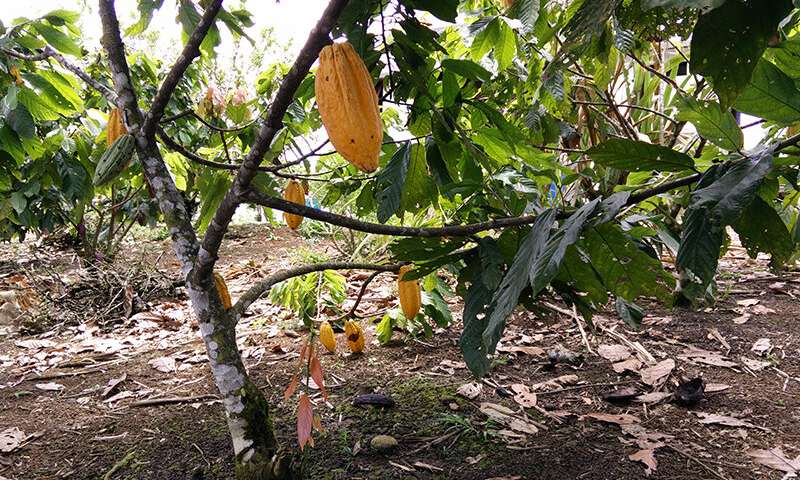
Scientists find that applying lime to the soil and that below the surface into the roots can help reduce cadmium buildup in cacao, or its end-product chocolate
Argüello says: “The cadmium issue threatens the livelihood of farmers because their products may not be suitable for trade and some buyers would prefer not to buy polluted cacao beans. We have to understand how cacao plants takes up the element.”
David Argüello
Traditionally in science, researchers would look at studies of other crops to see what works to prevent cadmium uptake. Something commonly added to the soil to help with this issue is lime, or calcium carbonate, a compound derived from limestone which is cheap and widespread and easy to obtain. This changes the cadmium chemically so that it’s not as likely to be absorbed by the crops, Argüello explains.
However, most crops like corn or sunflowers are replanted each year. This allows the lime to be mixed deep into the soil between crop seasons which is good. Cacao plants for chocolate, on the other hand, are trees that live for many years. It’s not possible to put lime into much of the soil without disturbing the roots of cacao. Farmers can only apply lime to the surface.
“This crop is very different than other conventional plants. The information available for its management is scarce and outdated. Many farmers get the advice that adding lime will solve the issue. But we wanted to investigate this,” Argüello explains.
The research team used an experiment where they planted cacao seedlings in pots in a greenhouse. This allowed them to add lime to the topsoil and subsoil and then test the cacao leaves for cadmium levels.
The solution needs to be deep rooted
Their findings show that adding lime to both layers decreased cadmium in the cacao leaves, which was not surprising. They also found that liming only the top layer also decreased cadmium. However, they discovered that when only the top layer is limed, more cadmium is taken up from roots in the bottom layer. This means that researchers and farmers cannot ignore high cadmium levels deep in soils.
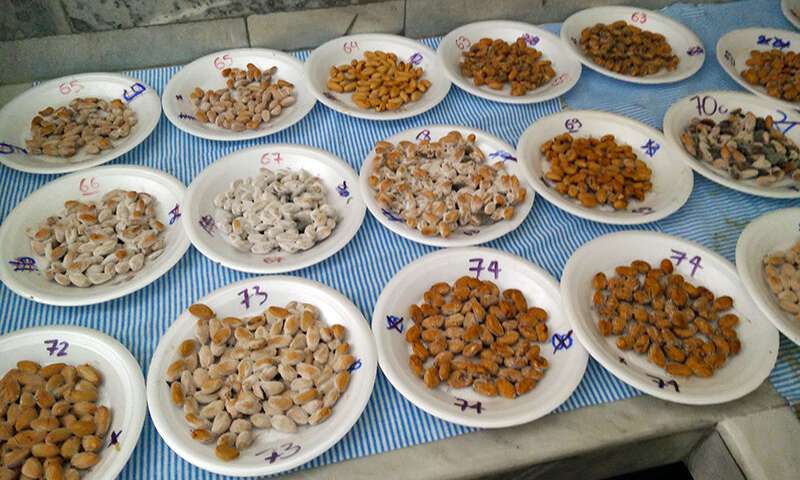
The cacao beans were tested for amounts of cadmium in them. Results on how to apply lime can save the livelihood of smallholder farmers.
“Other nutrients, such as zinc, are chemically similar to cadmium,” Argüello says. “We hypothesize that the reduction of the availability of those nutrients in the top layer due to liming causes the roots in the bottom layer to compensate. During that process, zinc uptake increases but some undesired cadmium is also taken up as a mistake.”
The researchers say their findings have helped scientists understand how cacao plants behave and can possibly chart a path to finding an effective reduction strategy. Argüello hopes their work can help small cacao farmers sell their products. I hope they can find a way to create systems that lead to regenerative agricultural approaches (see the film Kiss the Ground with Woody Harrelson). Maybe there is a biosystem that can be created that can reduce the cadmium more naturally than just dumping lime on the problem.
“I am from Ecuador and cacao is the most traditional export commodity for my country,” says Argüello. “Every time I travel and find a bar of chocolate produced in Ecuador, I feel happy and proud. I like to think that my work will help small cacao farmers sell their products and help my country to continue to be recognized worldwide.”
Looking for a guide to sustainable chocolate? We have to start somewhere, so you can start here.
Every home should feel like an eco oasis, and it can be done by saving energy using devices like Nest. Security systems are just as important for keeping your eco-oasis safe and home sweet home.
Buying or building a home is among the most important investments that people make during their lifetime. What’s more, a home is a castle for most people. This is the castle where you want to feel safe and secure. You also want to be confident that your family and possessions are safe inside your home.
The installation of the Security Systems for Apartments and residential properties has, for a long time been considered the best method for protecting a house, occupants, and the valuable possessions in it. But, how effective is this unit in protecting a household? If that’s the question currently lingering in your mind, here are crucial things to know.
A Nest thermostat
Home Security Systems Deter Burglars
Research has shown that households with less-than-basic security are six times more likely to experience burglaries that those with basic security. Essentially, thieves target residential properties that lack security units more than those with effective security units. This shows that the installation of a residential security unit plays a crucial role in protecting you. We have a Canary system built by the team in NY, but it is enough?
When looking for residential buildings to break into, most burglars target places where it’s hard to be spotted or detected. Most thieves won’t try to break into residential properties that have security units or ptz camera systems. Thus, properly installed home security equipment will deter would-be criminals and thereby keep a family safe.
Numerous Home Security Systems Benefits
A home security unit is not just for keeping criminals away from a residential property or diminishing crime within a neighborhood. It also protects a homeowner and their household in several other ways.
These include:
Alerting you about fires
Alerting your household about carbon monoxide
Informing you about the whereabouts of your kids
Can help with medical emergencies
Surveillance cameras are crucial for monitoring a home’s exterior
A security unit’s installation in residence brings mental peace. It gives you confidence that you’ll be signaled in case of an attempted home break-in or even when a fire breaks out. Thus, a security system installation is an effective technique for protecting a household in different situations.
Reducing Other Crimes
A properly installed security unit will do more than simply prevent thieves from breaking into a residence. When several homeowners install security units, crime rates reduce across their neighborhoods. For instance, assaults, car vandalism, and thefts decrease within the neighborhoods where homeowners install security systems.
Essentially, criminals look for ways of making money in any means possible. A home break-in is an easy method in some cases. However, car break-ins are easier in other cases. The installation of security systems by more homeowners can limit options for criminals. As such, criminals are left with no option but to bypass the neighborhoods that they consider more secure. This makes such neighborhoods more secure and safer for their inhabitants.
Repeat Crime Prevention
Research has shown that residential properties with experienced break-ins are 5 and half times more vulnerable to future break-in attempts. When thieves break into a home, they realize that it can always be an easy target. If burglars do not notice the presence of quality security units during the first break-in, they will be tempted to try to gain unauthorized entry into it again since they know it’s easy to escape unnoticed.
If a home lacks a security system, it gives burglars a chance to survey a home compound and familiarize with its layout. They also know the easiest route for getting into your home without raising suspicion or being noticed. However, installing a reliable home security unit deters would-be criminals from regaining forceful entry into a residential property. A system that features surveillance video cameras provides footage that can be employed to search for and prosecution of the burglars. Additionally, burglars will most likely avoid breaking into your residence if they noticed the security cameras’ presence during the first break-in. That’s because burglars fear being detected, seen, or caught while committing the crime.
Home Protection When You’re Away
Most individuals are not always at home. However, they desire to have their residences and valuable possessions safe when away. Implementing an effective home security unit is a great way to protect residential property while away.
Modern units for protecting homes allow owners to easily monitor and even control some of their aspects while away. For instance, you can monitor different parts of your home using a mobile app. Some security systems allow users to turn lights on and/or off remotely. And, if something turns the alarm on, you can be notified via an SMS or email. This will enable you to decide the action to take based on the received alert.
Contemporary Home Security Units come with more than the Hardware
Having locks, alarms, uniformed guards, and bars is a good way to ensure your home’s security. However, contemporary home security systems feature more than the hardware. They feature wireless cameras, highly-effective motion sensors, and mobile applications, among other advances. These make them more effective and easy to use. The installation of these security units makes it easier for homeowners to monitor their homes and take the right actions in case of break-in attempts.
They give homeowners more freedom and flexibility in terms of how they monitor and secure their homes. What’s more, these units can help in monitoring the elderly and sick persons while away. With some systems, an older person can easily alert their loved one when they need emergency assistance. Thus, they do more than just ensuring that properties are not broken into.
The Bottom Line
Home security units are undoubtedly effective in ensuring your protection and that of your household. Essentially, a home security unit does more than simply protect a homeowner and their valuable possessions. It can also allow an elderly or sick person the freedom to live without depending on the others. That’s because they can be left at home alone, and the security system can be used to alert their loved ones in case they need emergency assistance.
It’s a sign of the times: a vegan cheesemaking company in Israel is considering listing on the TASE – or Tel Aviv Stock Exchange. Two meat or animal product substitute companies already list there and now Vgarden, which makes vegan cheese is looking to raise capital. A report in the local paper Haaretz says the kibbutz-based company plans to list next year at a valuation of $102 million.
Israel has more vegans per capita than anywhere in the world. And the company already has dozens of companies looking to offer a plant-based alternative to meat or animal based products.
Yofix in Israel already sells its soy-free yogurt alternative made from oats, legumes and seeds. The fermented, cultured products contain protein, fiber, calcium and iron, have no added sugar or preservatives, and are pre- and probiotic.
Vgarden produces sliced cheese, cream cheese, ricotta, and feta –– all without milk of any kind. And it’s marketed under the brand Mashu Mashu, which means “wow, that’s something” in Hebrew. I have tried the sliced cheese and it’s a satisfying and convincing alternative. It’s firm and tasty and has a cheesy smell and flavor likely from yeast – which the African Israelites have been using as a seasoning for decades. They are an all-vegan village in Beersheva.
The transition to complete veganism hasn’t been difficult for mainstream Israelis because as part of the Jewish lifestyle and dietary laws it is already known if a food product contains traces of animal products as it’s not allowed to eat meat and milk together, for those who observe the customs and traditions known as kashrut.
Israelis taking bite out of meat substitute markets
MeaTech in Israel 3-D prints meat alternatives and its shares have risen 120% on the TASE over the last year according to the Marker, an Israeli financial paper. SavorEat is developing a plant-based meat alternative using 3D printing and plant cellulose.
Impossible Burgers have been on the Israeli grocery shelves for a couple of years already. But they cost about $8 a piece, which is more than double the price of a burger bought at a butcher. McDonalds in some locations in Israel is selling vegan burgers and for those observing dietary laws can for the first time order a cheeseburger from the famed fast-food chain.
Redefine Meat from Israel says it is making the world’s first plant-based steak created using 3D printing technology. The Rehovot-based company said it will start testing the beef, which it calls Alt-Steak, at select high-end restaurants in Israel later this year.
Israelis are thrilled with the rollout of Beyond Meat and are clearly trying to take a bite out of this enviable market. Global Opportunity Analysis and Industry Forecast, 2019-2026, “the global meat substitute market size was valued at $4.1 billion in 2017, and is expected to reach $8.1 billion by 2026.”
RilBite is ambitiously positioning itself as the basis for “The burger that saves the world.”
Founded by Barak Melamed and incubated in The Kitchen FoodTech Hub of the Strauss Group in Ashdod, RilBite is developing a “minced plant” product using only six ingredients: onions, tomatoes, textured vegetable protein (TVP) from soy, lentils, rice and spices.
There is Kinoko Tech developing a vegan protein with a meat-like texture and slight umami flavor. The secret ingredient is an edible mushroom tissue called mycelium.
FFW is creating a yeast-based meat alternative. Founder Leonardo Marcovitz says that yeast contains 50% protein and has all the essential amino acids. It’s cheap and easily available. But until now, no one has been able to create a textured product out of yeast or temper its strong umami flavor.
“For the past year, our food technologists have been working on solving those two challenges,” he says. “We’re deciding whether our first product will be in the form of pulled chicken, chicken nuggets or Bolognese.”
Taking on the humble chickpea, a staple of the Middle East diet: InnovoPro and ChickP have developed proprietary technologies for extracting neutral-tasting protein from chickpeas for use in the food industry. Although hummus everywhere unless it’s organic contains high amounts of cancer-causing Roundup.
Sometimes, unless it’s my daughter begging to try a vegan bacon one day, I just have to hope: maybe we should just stop trying to create substitutes? The next generation of vegans won’t hunger for milk, cheese or anything that resembles meat if we educate them properly. Food grown simply from a garden and made into a homemade spread without a printer or complicated enzymes in a lab is really the healthiest and more sustainable way we can consumer our food. These foodtech companies may both help and hinder a meat-free transition. What do you think?
Kando sends sensors into a sewer find Covid-19 hotspots in your towns and cities. Should we bring one into the White House?
Is there a Covid-19 hotspot growing in numbers on Fifth Avenue near the Empire State Building or is it happening now in Brooklyn? Look to your sewer and it will tell you endless information about the health or problems of a local population.
Human waste carries knowledge and disease, and it also carries the pharmaceuticals we use to keep our problems at bay. Now a wastewater data company called Kando is being hired in Israel to confirm Covid-19 outbreaks in the country. Kando can also predict where an outbreak will occur.
Covid-19 can be detected in sewer systems, and knowing where it is being flushed – means health services can get a better handle on local Covid-19 hotspots and outbreaks.
“Monitoring our sewers is like taking the ‘blood test’ of a city,” said Ari Goldfarb, the CEO of Kando.
Kando is the Israeli cleantech company that was hired for the task. In good days the company provides data to wastewater management companies so they can understand how to use their resources for treating pollution optimally. The company started a pilot this summer with Israeli universities and announced recently it will continue its sampling throughout Israeli cities. Some $220,000 USD was put into to support the pilot until the end of this year.
The company takes samples from sewers which are brought back to a lab to undergo polymerase chain reaction – or PCR – testing. We assume that in the future some better “real time” and online data assessment tool will be put in place to make sense of the data, because anyone anywhere can pull a sample of sewage out of a manhole and test it. The questions will be – what are we looking for and what does it mean in comparison to the density and population.
“Shit” down streets, not nations
Contract tracing has become impossible with dense communities and neighborhoods in poorer demographics in Israel where up to 12 people can live in one small apartment, or more if extended families are brought in. But it’s been impossible to segregate these areas in red or green zones: they predominantly poor ultra-Orthodox Jewish neighborhoods and poor Muslim enclaves.
“The successful initial results of this pilot study demonstrate that our sophisticated wastewater monitoring systems can help detect new outbreaks and determine exactly where and how serious they are,” Goldfarb says.
The company partnered with local universities Ben Gurion University and the Technion “to offer actionable insights to authorities, alarming them to outbreaks even before residents are symptomatic. Our hope is to help cities around the world prevent wholesale shutdowns and mitigate future outbreaks.”
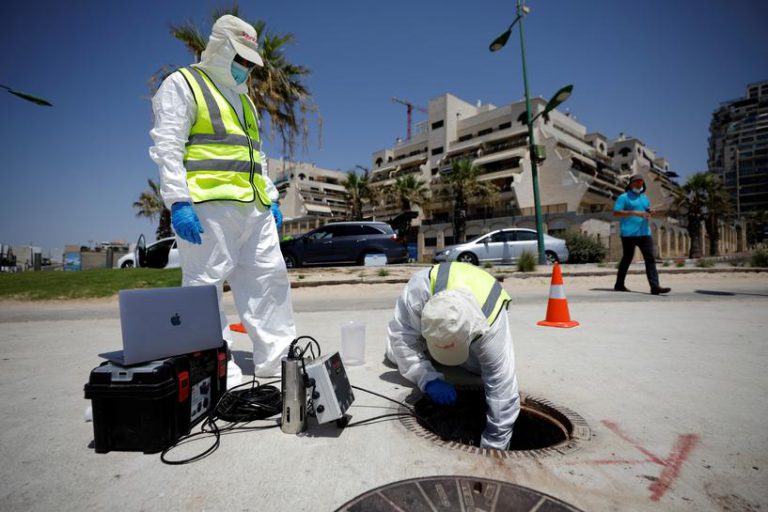
Kando puts its sensors into manholes and say they are able to quantify and delineate this environmental and epidemiological data, allowing them to narrow down measurements to neighborhoods, and potentially streets.
The coastal city of Ashkelon in Israel was chosen as the pilot site for the project as it was believed to have a low number of case. But what researchers discovered was something entirely different: significant remnants of the coronavirus in municipal wastewater, indicating early detection of outbreaks in local neighborhoods.
The results suggest that tracking coronavirus remnants in the sewer network is a timelier and more efficient gauge of the extent of outbreaks than testing individuals – especially given the asymptomatic nature or delay in symptoms of those suffering from COVID-19.
The results of the pilot study will offer authorities capabilities for early detection of new outbreaks and can help avoid total lockdowns by pinpointing affected areas, the company believes. Israel is in the third week of a 3-week lockdown, its second nation-wide lockdown since the middle of March, 2020.
Helping identify hubs of contagion can allow a much more localized response – avoiding the need for more sweeping lockdown measures. And that is something we all want.
“Identifying traces of the coronavirus in city wastewater is extremely challenging due to the various types of substances found in sewage systems, including industrial wastewater, which can dilute or destroy remnants of the virus,” said Professor Nadav Davidovitch, Director, School of Public Health at Ben Gurion University, and who is part of the project:
“Our unique methodology enables us to detect and trace the presence of the virus and calculate its concentration with these substances factored into the equation, and to integrate epidemiological evidence in order to pinpoint emerging COVID-19 hotspots. This will allow authorities to take actions to contain future outbreaks. This type of interdisciplinary science will continue to help disease containment methods – for coronavirus, and beyond.”
Artificial Intelligence going down the drain?
Kando provides Internet of Things data for for wastewater management with operations in North America, Europe, Australia, Asia and Israel. The company was founded in 2011 and is headquartered in Israel. They can detect blockages in real time before extensive damage is done to sewer systems.
It is no coincidence that Israel produces a disproportionate number of wastewater data companies for its size: Israel has been a global leader for greywater recycling. It reuses about 97% of its water as grey water, but it comes with challenges as these lines can not contaminate drinking water for domestic use. Greywater contains a high amount of bacteria and toxins, even pharmaceuticals, so much to the point that organic vegetable growers in Israel don’t want to use the subsidized water offered to them for fear of a chemical load in their produce.
When I studied biology in university the professors always told us that there is gold in animal excrement –– how well an animals is doing, its habitat, its link in the web of life. I spent a year studying the waste of small amphibians to understand how populations of indicator species bounce back after forest fires or clearcut logging.
In times like these we need to put ourselves back into the circle of life and look for answers even in the lowliest places – the toilet bowl.
The case of an environmental fallacy?
Alon Tal founded a number of NGOs, including the Arava Institute in Israel
Alon Tal, environment leader and lawyer from Israel cautions against this “looking for a needle in a haystack approach”. He has experience looking to wastewater for pollutants, including pharmaceuticals. He isn’t convinced this is a great method for detecting Covid-19 cases in the city:
“When you look at things at the neighborhood level, you just have to be careful you don’t commit, the “ecological fallacy”.
“Here’s a good explanation on you tube:
“So yes – it is good to know if there appears to be some residual corona in the sewage system of a city,” Tal tells Green Prophet. “But it can’t tell me a whole lot. It might be from a single family. It might be from an old age home which is in danger – or from an asymptomatic yeshiva student.
“I imagine that in the peak incidence days, Bnei Brak’s sewage [in Tel Aviv] might have been slightly higher than other communities. But you’d have to be very lucky to get samples to prove this. Concentrations are de minimis.
“In short — I know they used sewage to try to identify illegal use of narcotics and such. But, it’s not entirely clear to me why this makes more sense than simply random testing several hundred people directly. That might tell me much more about where morbidity is happening and how to intervene,” he concludes.
Israeli offshore gas fields are now under control of one of the world’s biggest energy companies, Chevron. It irks activists, but might spark a pan-European pipeline, one analyst suggests.
Israel started finding natural gas in offshore gas deposits more than a decade ago. They started in the 1920s under the British Mandate over Palestine with no success. Some estimate that what lies out under the shore-bed off the Israeli coast in the Mediterranean Sea could equal as much as one-fifth as all the natural gas owned by the United States.
Israel’s offshore gas deposits are known as Leviathan and Tamar deposits and they are considered one of the world’s biggest offshore gas discoveries in the last 10 years. Owners in the company exploring Leviathan were Texas-based Noble Energy, Israeli owned Ratio Petroleum, and Israeli-owned Delek Drilling.
Noble Energy held 39.66% of Leviathan, and it is also the company that operates the gas drilling platform in the reservoir. Noble Energy has two Israeli partners in the ownership of the Leviathan rights: Delek Drilling (45.24%) and Ratio Petroleum (15%).
Noble Energy had a controlling share in the Israeli gas fields but its assets officially transferred to the oil company Chevron this past Friday.
While the gas deposits are an energy game changer for Israel which had been burning coal and oil to fire its power plants, environmentalists believe that public interests and health are at stake in the business and operations of the natural gas facility. Analysts at research institutes might argue the deal is a positive game changer for Israel in politics.
“It is not by chance that Kazakhstan is considered to be the jewel in the crown of Chevron, as the country’s oil helps the company flourish,” says Sergey Solyanik, consultant to Crude Accountability.
He continues: “For Chevron and other foreign investors, Kazakhstan has long been turned into a kind of field camp, where people come to pump out natural wealth and make money, leaving behind large-scale environmental pollution, poverty and lawlessness.”
Israel’s gas went online earlier this year amid fears and protests of people worried for their health as the gas lines purged polluting water into the sea. Israel now supplies natural gas domestically as well as to Egypt and Jordan.
The addition of Noble will boost Chevron’s natural gas holdings. It also adds nearly 1 billion cubic feet of natural gas reserves close to growing markets.
The deal values Noble Energy at around $4.2 billion, excluding $8 billion in debt. This is the first big energy deal since the coronavirus crushed global fuel demand.
Natural gas has made Canada, Qatar and now Israel energy-rich, in theory. But Israelis are left scratching their heads, wondering who is benefiting from their natural resource.
While natural gas burns cleaner than oil or coal, it is not a renewable energy. Fossil fuels contribute to global warming and while Israel has been very vocal in the last 15 years about its advances in clean technology, including solar energy, it supplies solar for only a meagre 3% of its total energy use. This small number still makes it a world leader. Germany in comparison produces about 8.2% of its energy from solar, mainly via photovoltaic or PV panels.
Several people had wanted to stop the Chevron-Noble deal: US billionaire Paul Singer who invested in a stake in Noble under his firm Elliot in NY told Bloomberg that that Noble agreed to the deal [with Chevron] at the wrong time for the wrong reasons and that the company is better positioned to benefit from a recovery in oil prices if it remains independent. When the recovery happens, Noble should consider selling its Mediterranean assets, Singer advised.
He and his co-author Maya Jacobs, the CEO of Zalul, an NGO to protect Israel’s sea, wrote:
“Reject the Chevron acquisition offer; they are short-changing you, and only giving you shares in a sinking business. Are you fully aware of Chevron’s environmental record and their $9.5b judgement in Ecuador for the Chernobyl of the Amazon?
“Traditional oil companies are overburdened with what will be stranded assets, as the world continues to battle Corona, adopt more Green Recovery deals, and impose carbon taxes. While Chevron is valued today at a whopping $155 billion – down $10 billion just this week — their valuation is subject to wild fluctuations, like when in March, due to Corona, it lost nearly half its value.”
In the Jerusalem Post (the competing newspaper to Times of Israel) he said: “Chevron has one of the worst environmental track records on the planet when it comes to oil safety, oil cleanup, respecting local lives and paying judgments against it.
Abramowitz also expressed concern that “it looks like the energy minister gave an assurance to Noble and Chevron [that it could] keep a significant monopoly on Israel’s energy market,” saying this was “wrong economically and wrong environmentally.”
Israelis currently pay 3 times the price for energy than others in developed nations. The promise was that when Israel invested in natural gas the citizens would earn the dividends by lower prices on their energy bills. This promise never materialised.
If you look to the INSS, the Chevron deal is good for political manoeuvring. The think tank’s analyst Oded Eran based at Tel Aviv University writes in a policy piece:
“Without a doubt, the move brings the American presence in the energy sector of the Eastern Mediterranean to a new level, which until recently was limited to the relatively minor involvement of energy giant Exxon in Cyprus and Noble Energy, which is a small American company in Israel.
Beginnings for the Eastern Mediterranean natural gas pipeline?
“Israel wants to be part of a natural gas pipeline that travels undersea to Cyprus and then Europe,” Eran writes, “it is not without a huge cost and risks shaking the boat with Turkey:
“Although the Israeli government is promoting the Eastern Mediterranean natural gas pipeline project, considerable doubt still exists regarding its technical, economic, and political feasibility.
“At a length of 1,900 kilometers, 1,300 of which are at sea, the pipeline, if and when it is completed, will transport approximately 10 billion cubic meters of natural gas from Israel and Cyprus to Europe each year.
“The cost of the pipeline has been estimated at 6 billion euros. In early January 2020, Greece, Cyprus, and Israel signed the framework agreement for the construction of the pipeline, and in July of this year the Israeli cabinet ratified the agreement.
“Turkey has already expressed its firm opposition to the project, and its dispatch of a drilling ship to Cypriot waters and its agreement with the Libyan Government of National Accord regarding the demarcation of economic waters (November 2019) should be seen as part of Ankara’s response to the alliance between Israel, Greece, and Cyprus in the natural gas sector,” Eran adds.
Chevron’s CEO Michael Wirth said in a release: “With an industry-leading balance sheet and a track record of capital discipline, we believe we’re in a different place than others and can protect the dividend while driving long-term value.”
When I was a kid my parents decided us 3 would go to the World Fair Expo ’84 in Vancouver. I loved travelling with my parents, but I felt the Expo was like a giant marketing event with each country trying to out-impress the other. The event didn’t really move me on the inside: Moving sidewalks, Egyptian relics imported. Video displays selling shiny images for each country, as they stand alone looking to the future. It felt something like pain and boredom together.
Despite Covid-19, Expo 2020 set for Dubai this year will be postponed to October 2021, the most popular city to travel to in the United Arab Emirates. The theme will be “Connecting Minds, Creating the Future” and will be based on mobility, sustainability and opportunity, with pavilions for each subject designed by starchitect firms Foster + Partners, Grimshaw Architects and AGi Architects. The UAE National Pavilion was designed by Spanish architect Santiago Calatrava.
The emirate has high hopes for the Expo next year as it shows itself off a center for innovation and leading “progress” in the Arab world. Its decision to host IRENA, the international energy consortia for renewable energy a decade ago, and last month announcing formal peace ties with the cleantech superpower Israel means plenty of new opportunities in solar energy, desalination and desert agriculture are in store for the UAE and region.
The Sustainability pavilion will show off technology and stories of the way we understand nature today.
Dubai was awarded the Expo in 2013, and since then billions of dollars have been spent to develop it. After the Expo is over the 1,000 acre site will be repurposed with 80% of its infrastructure expected for reuse as a mixed commercial and residential development called District 2020.
We do hope it’s not all talk and a show show though like the Zero Carbon megacity Masdar not far from Abu Dhabi that was built more than a decade ago and which never lived up to its promise.
The Sustainability Pavilion, one of 3 pavilions, is designed by Grimshaw Architects in the UK, features “energy trees” that rotate with the sun to capture solar energy. We’ve seen versions of this kind of design in quite a few places to be honest, including in Dubai (2015) itself and also by Israeli designers (2014) who made a much less design-savvy-version of the trees.
Grimshaw promo video for the pavilion:
Who will make the journey to the Dubai sustainability pavilion next year is anyone’s guess. We expect there to be surprises from the countries that want to show off how they see the future. But how about looking back?
While it’s not clear how many people will be able to make the journey to the Expo next year, Dubai and United Arab Emirates are open for tourists.
“We hope that people will join us to achieve our objectives to bring the world together and put humanity and the planet on the right path towards dignity for all,” said director general of Expo 2020 Dubai and UAE Minister of State for International Cooperation, Reem Al Hashimy, who added more details about the Expo would be shared in the coming weeks.
Every home should feel like an eco oasis, and it can be done by saving energy. Here’s how it can be done.
All businesses require energy to perform their daily functions. It is an unavoidable expense, which can be a bit costly. However, when it comes to improving your bottom line, minimizing your costs is a top priority. Finding the right energy deal can transform your business while helping you achieve your goals in the best way possible. It’s one of the best ways of making the most out of your finances. While many people are finding the idea of working with a business energy provider as a little off-putting, it’s one of the best ways of taking control of your energy expenses. If you are not sure hiring a business energy provider is the best decision, the following are some of the reasons why you should;
To save money
Every business’s goal is to save money, and it’s one of the main reasons for thinking about changing an existing energy plan. No one wants to waste their money on an unnecessary pricey energy tariff. Working with a business energy provider is one of the best ways of ensuring you get the best deal possible. Business energy provider Powerful Allies help broker energy deals thanks to their ties with several gas and electricity providers and keep a close eye on the energy market. A reliable energy provider will tell you the most affordable plan and help you save on unnecessary costs.
They do the hard work on your behalf.
It’s possible to spend a lot of time scrolling through various energy retailers within your locality as you request their pricing then compare electricity later on. Still, it can be a long process that might not necessarily pay off. You could even miss the top deals that would suit your business. Instead of wasting time that can be spent on other activities that need your attention, why not use a business energy provider? They can check out the best deal available within your area, give you all the necessary information, and set up. If you want a company that can deal with direct credit or is environmentally conscious, a business energy broker got you covered.
You can go greener with an eco-friendly provider.
Green energy is being recommended worldwide to save the planet. Various businesses have established environmental commitments as they try to take responsibility for making the world a better place. Some energy providers offer more renewable energy resources than others. Using an eco-friendly provider can help enable your business to adopt a greener attitude.
Saving time
If you switch to a new energy tariff or plan, there are various forms, terms, and conditions and signing a contract that needs your attention. They are time-consuming, but an energy provider can manage the whole process for you to make it as seamless as possible. You get to focus on running your business and delivering excellent service to your customers.
It’s in your best interest to save both money and time within your business because that’s the only way you will be productive and remain competitive. It doesn’t just happen, and you need to work with a reliable energy provider and get the best service to sort out your electricity needs. You will never run your business successfully if you are on the wrong plan or overpaying for your energy.
I have been on a few alternative cruises in my life. In Turkey, Costa Rica, Canada, Thailand. There are some destinations where a river cruise is about the only way you can get to see the true nature of the place. The River Kwai in Thailand or a Chao Phraya cruise from Bangkok which takes you north to temples and hidden villages. There can only be a Nile felucca cruise to help you feel Cairo. Or a mangrove forest cruise in Costa Rica.
Environmentalists agree: The mother of all cruises would never be a Princess Cruise to Venice or the Caribbean: it’s a cruise through one of the still wild places in the world – through the Amazon.
I am already writing my post-Covid bucket list. Travel will no doubt be even better, but probably more soulful once the risks lift. Some companies are already readying intimate and private style charter yachts for cruises to the Amazon River. These kinds of travels like those run by Rainforest Cruises lift the veil on party time and how westerners used to travel. ‘Woke’ stewards of the earth and their children can hire private riverboats with viewing decks to get close to the nature of the Amazon Rainforest.
Open and airy and like a private cruise
Years ago, people could only fantasize about taking a boat through the Amazon rainforest, home to millions of wildlife species and plants, about one-third of all species on the planet, and even unidentified tribes. Now, a number of ecotourism operations can help give you the wild and educational experience you crave, while giving back to the locals and raising awareness of rainforest conservation. Banks are exploiting the Amazon but by getting close to the needs and problems of the region via sustainable tourism, you can help be part of the solution and experience its majestic beauty.
For those travellers looking for greater insight into conservation efforts in the region and even the chance to actively participate in research, there are special conservation-themed cruises out there. There are opportunities to help world-renowned biologists do pink river dolphin research deploying acoustic seapods to collect and record the sounds of dolphins and record water temperatures where dolphins are spotted, and several cruises with special guest speakers on board highlighting the deeper problems that face endangered species, such as the Amazonian manatee.
You can get this kind of education as a traveller with an open heart and mind, and lots of time on your hands, like Krista in Indonesia with her slow travel, or if you are a journalist like me and get to interview Alexandra Cousteau. But if your time is limited, and you aren’t a member of the press, a cruise along the upper Amazon in Peru might be the best way to go. Chartering a whole boat for you and your extended family or a group of friends could offer a new idea for a destination wedding or memorable family reunion – hard to come by these days.
No better setting to be with those you love and whose values you share: “Such unique conservation cruises allow guests to directly participate in conservation action and research while on vacation, and hopefully raise awareness to others when they get home of the importance of preserving the Amazon and its species,” Jeremy Clubb, the owner of Rainforest Cruises tells Green Prophet.
“As you travel deep into some of the Amazon’s largest protected reserves, you’ll get the chance to experience different ecosystems and wildlife as you slowly drift on its tranquil tributaries and idyllic lakes, sleeping in different locations each night, under a different spectacular sunset,” Clubb adds.
Founded in 2011, Rainforest Cruises are experts in expedition coastal and river cruises in South America and Southeast Asia, pioneering experiential travel on the world’s most iconic waterways, from the Amazon to the Mekong, aboard their curated collection of unique cruise vessels. The company is Conservation Circle Partners of the Rainforest Trust and members of Sustainable Travel International and the International Ecotourism Society, and are advocates for responsible cruising, sustainable tourism and rainforest conservation.
Feel you are reaching out to a forest of abyss? Even greentech companies like solar energy need good sales skills. Here’s how.
There are over 3.9 billion email users worldwide. And that means you can connect with pretty much any commercial solar lead through cold email.
But do you know that 25% of cold emails aren’t actually seen? Even more so, 47% of these emails are discarded. Now imagine gathering several quality solar leads and sending hundreds of emails each day, only for your response rate to be around the 2% mark. Not encouraging, right?
But don’t beat yourself up. Cold email campaigns are tricky and tough to break through. If you’re having a hard time driving sales or higher response rates, it’s about time you stopped spinning your wheels and reviewed your strategy.
For starters, how good are your CTA requests? Not so good, I presume? Many marketers pay more attention to the subject lines, the introduction, and the tone of their emails than the call to action requests. And this where they go off-script.
No matter how good your email looks or how well it is worded, if your call to action (CTA) doesn’t induce the action you desire, it has failed.
The call to action is the key to increasing reply rates. Think of CTAs as the trigger that induces a particular action that helps you achieve your pre-defined objective. For a call to action to bring the proposed result, you need to know how to form a persuasive request.
So, before you swear off cold emailing, take a look at these types of cold email requests. It might just be one of the ways you can be more successful with cold email outreach.
Not Specific Requests
This type of request is cliché, common, and generic. When it comes to cold emailing requests, most salespersons send their emails with non-specific requests.
Want to know what these requests look like? Here are a few examples.
“Let me know when you’re interested.”
“Contact me if you want this service.”
“What time is great for you to meet with me?”
“Please let me know when you would be ready to discuss this idea.”
The examples above aren’t specific. And aside from this, they sound lazy. It is just as though you can’t muster up the will to create a connection and want the recipient to do it.
Second, they also sound very unserious. If you want to drive sales, you’ll have to be a lot more specific than this.
Now, why do many marketers send emails with non-specific requests? Some do so because they think that specific requests come across as highly presumptuous, knowing that you are sending an unsolicited email request. So they choose to go the non-specific route.
On the contrary, non-specific requests elicit a much different response, and it isn’t a positive one. When you end a cold email with a non-specific request, you’re allowing the prospect to send your email to the spam folder. It strips the control of the narrative from you and gives it to the prospect.
Using the example above, a non-specific request would get the following responses.
Disinterest
When you send cold emails, you already run the risk of eliciting a negative response. However, the chances of that happening increase with non-specific requests. If they don’t sound exciting, interesting, or action-inducing, the reader will become uninterested.
Annoyance
Some prospects get annoyed by non-specific cold email requests. Here is someone emailing me out of the blue to get my patronage but doesn’t care enough to be specific about timing? No, I’ll pass. The bottom line is this; non-specific requests won’t get you the replies you want.
When it comes to commercial solar lead generation, the aim is to set up a meeting with a solar company to discuss business requirements and your services. In this instance, a CTA could look like this:
Can you talk on the phone for 20 minutes next week on Tuesday or Thursday afternoon?
Slightly Specific Requests
This type of request is a lot better than a non-specific request. It gives precise times and dates for follow-ups while also giving room for changes to the reader’s schedule.
With a slightly specific request, you’ll probably come off as someone who is invested in what you’re offering. This impression is influenced simply by giving a date and time.
Slightly specific requests also make the salesperson sound considerate. It is one thing to be confident, and it is another to be an arrogant, inconsiderate fellow. You don’t want the prospect to see you as the latter in any way.
Some examples of slightly specific responses include the following:
“Can we meet at the coffee house next to your office to discuss, or would you prefer to meet in your office?”
“Would 12noon work for a business call to further discuss this idea, or would you prefer to discuss it over dinner?
“Is it okay if we have an in-depth discussion at the gulf club on Saturday, or would you prefer to discuss it over drinks?
Why is a slightly specific request effective?
It ensures a response. With the option you give in your request, most prospects would feel obliged to answer you.
If you get a NO, that’s not a knock on you. It is still a great cause because you can go on to pursue other leads. If they aren’t okay with any of the options above, you can negotiate another time. Either way, you get a response, which is very important.
Very Specific Requests
Unlike slightly specific requests, very specific requests give the lead only one choice for a follow-up. It might seem inconsiderate and ballsy, but it is very effective.
In fact, it is more effective than all the other types of requests.
Here is what a very specific request sounds like:
“I’m free to discuss any questions you have about this product at 3 pm on Monday. Is this fine by you?”
“I’ll free up 20 minutes for a call on Tuesday by 11 am. Let me know if this works for you.”
In all examples, the marketer sounds confident, serious, and professional. These attributes often convince the lead to take the desired action.
Remember, don’t sound salesy and pushy. A commercial solar cold email is never intended to sell a product or service. It is meant to start a conversation and develop a background for interaction, which may result in your lead using your product or service.
Conclusion
No more than 25% of commercial solar cold emails are opened. And only a few of these prospects will respond. If you want to increase your response rate and ROI, eventually, you need to rethink how you conduct your CTA request.
Spend some time on subsequent commercial solar lead generation cold email campaigns to perfect your CTA. Although it may take more time to master, the outcome will be worth it.
Climate change can seem depressing. Does it help if you take it to heart?
People are starting to wake up to the fact that climate change is here and it’s having a huge impact on the planet. Of course, many have known about this issue for decades and have been trying to get those in power to take it seriously. The lack of action when it comes to climate change measures is very concerning and it even makes many people feel very depressed. If you’re dealing with climate change depression right now, then you might even be having a hard time figuring out how to move forward when things look so dire.
One of the best ways that you can deal with climate change depression is to seek out professional help from a therapist. Your therapist will understand your concerns and will want to do a good job to help you to cope with what is happening in the world. If you know that you need help to get your feelings under control, then you should certainly consider contacting a professional soon.
You Can Live with Depression
Depression isn’t something that has to keep you from living your life. Many people do struggle with depression and it makes it tough to find the energy to do things. You could even feel like you’re unable to function if your depression is severe enough, but all is not lost. It’s possible to get help for depression and this will allow you to learn how to live with it effectively.
It isn’t necessarily always about eliminating depression entirely. Many people struggle with depression for years and it doesn’t always completely disappear. They do get very good at coping with what is happening and this allows them to be as positive as possible while living their lives. If you’d like to get to this point yourself, then contacting a therapist is a great choice.
You can learn to cope with the climate change that you’re seeing in the world. There are quite a few ideas and methods that can help with this, too. The first step is going to be acknowledging your depression and committing to working on it with a dedicated therapist. If you can do that, then you’re going to be able to make things better over time.
Try to Realize That Things Aren’t Hopeless
You might feel hopeless right now due to the state of the world, but that doesn’t mean that there isn’t hope. There is still time to make a difference in the world and many nations are trying to do just that. You’ll find that many countries are taking climate change seriously and that they’re taking steps to reduce carbon emissions. Even if it isn’t completely possible to avoid the impact of climate change at this point, the world can still change and try to make things better.
You can also take solace in the fact that there are many other people out there like yourself who care deeply about this topic. If you wish to make a difference, then you can try to make good choices in your everyday life that will help the planet out. Even simple things such as being conscious of how much energy you’re using and choosing to recycle will help. Every contribution to environmental efforts has significance and you should never give up hope completely.
Try to Focus On Other Things
It’s certainly important to be an environmentally-conscious individual, but you shouldn’t torture yourself by worrying about it all the time. Feeling anxious or depressed over climate change issues won’t change what is already happening. For the sake of your mental health, it’s good to try to focus on other things so that you can feel better. For example, you might want to spend some time on a hobby that you enjoy or you might like to spend time with a friend.
Little things like this can help you to alleviate depression symptoms more than you might realize. If you combine actions like this with talking to a therapist then you’ll be in much better shape. You aren’t alone in feeling like things are depressing right now, but that doesn’t mean that you can’t feel positive. A therapist can help you to find your sense of happiness again and you can address the issues that have been causing you to feel depressed as well.
Whether you’re just looking for someone to talk to, or if you need help with significant depression issues, you will be able to get what you need. It’s possible to get great therapy without even having to leave home and you’ll be able to cope with climate change-related depression much better.
This is what an electric road looks like. It means fewer charges for your EV.
Tel Aviv is about to ride down Electric Avenue. The city which has ironically doubled its taxes to local businesses during a Covid-19 shutdown, aims to take some progressive measures to make its city smart at least in the transportation sense.
Skytrans didn’t quite take off. But an electric road?
Also years ago there were talks about an electric hover-rail Skytrans which didn’t come to pass and Electroad in 2016. But that idea didn’t come to pass either. Its website is down. And there is the billion dollar failure of Better Place. We test drove one of their electric cars years ago. While the city chugs along building its light rail train by laying down tracks it announces its plan to pilot an e-road or electric road system to power vehicles travelling on it.
Planting the electric road infrastructure to conduct power wirelessly.
Like streetcars in Toronto or San Francisco, common implementations are overhead power lines above the road. But ground-level power supply through conductive rails or inductive coils embedded in the road could be more forward thinking as we pave the way to zero emissions in cities everywhere.
The Tel Aviv-Jaffa Municipality, in partnership with the company ElectReon and Dan Bus Company, plans to install wireless electric roads for charging public transportation in the city.
ElectReon develops wireless electrification systems to charge electric vehicles in full motion on smart roads. Founded in 2013 the EV company aims to reduce the need for charging stations (see some abandoned ones in the the video below), and to reduce the need for large car batteries.
The system uses copper coils developed in-house that are placed under the middle lane of the road, which are then covered in asphalt, and powered by an underground system. Charging is performed via a receiver, or multiple receivers depending on the size of the vehicle, which are installed under the car.
The pilot, the first of its kind in Israel, will be carried out between Tel Aviv University Railway Station and a station at the suburb of Ramat Aviv: all in all it will be a 1.5 mile route including half a mile of electric road.
Paved over electric road
The pilot project if it proves to work will make it easier for specially-equipped electric buses to be charged directly from under the road. If the tests work well, the Dan Bus Company’s electric bus will start regular journeys on the route going to Tel Aviv University.
Tel Aviv wants to support all sorts of forward-thinking ideas such as culture, and electric vehicles to reduce pollution. Electric roads might be the solution along with EV charging stations in public spaces; and adopting innovative initiatives and technologies in various fields, including transportation.
The commercial partners is the Israeli company ElectReon, which develops and installs electric road systems for charging electric vehicles while traveling. The company has also started projects in Germany.
If it works, Tel Aviv and its brother city Jaffa will be the first city worldwide to roll out the technology for charging buses on a wide scale. Private cars and delivery trucks which run in the system could be in the mix as well.
Tel Aviv gets its first electric road
Not that long ago Better Place had a huge plan to electrify the country using quick swap battery stations and they blew about a billion USD making a plan that failed. The plan included home and business charge stations and my kids investigate one at their dentist office in the Green Village just outside Tel Aviv.
The lights are still on but the dusty contraption doesn’t look like it’s given a charge in months, or years.
W-Cycle’s packaging is made from sugarcane and is perfect for a one-time use serving dish.
Plastics are the bane of our existence. We all want to use less without changing much about the convenience or ordering Chinese take-away. from the same country that brought us Waze to help us get around cities, is W-Cycle, a company that tackles plastic one-time use products by turning them into sugar.
Another company from Israel in the same space, but handling mainly dry goods is Melodea and TIPA, handling wet and dry plastic alternatives. TIPA, a woman formed plastics-alternative venture, was the first company of its kind in Israel back in 2011.
Harvesting sugarcane in India
W-Cycle’s solution called SupraPulp is a plastic-free packaging product made of sugarcane waste that is fully compostable, safe, yet durable enough to be used for greasy, wet, or hot food. Packaged food with SupraPulp can be frozen and heated with either an oven, convection oven, steam cooker or microwave, the company tells Green Prophet.
“Dispose SupraPulp packages the same way as you would your salad,” says Lior Itai, CEO and co-founder of W-Cycle. “This food-grade, compostable packaging is a one-to-one replacement for its plastic counterpart. There are other compostable solutions on the market, but SupraPulp has game-changing functionality consumers need when they want to heat, freeze, or microwave convenience food products.
Founders Jospeh Siani and Lior Itai take on the plastic industry by creating SupraPulp, a sugarcane based packaging alternative to plastics.
“Plus, SupraPulp trays have a luxury look and feel compared to plastic, aluminum, or bioplastic containers.”
It could replace plastic, aluminium, or foam containers and is made from 100% sugarcane fibers, called bagasse, which are the dry, pulpy fibrous matter that remains after sugarcane or sorghum stalks are crushed to extract their juice.
The end product is compostable, non-coated, toxin and metal free. The containers have unique characteristics compared to standard bagasse containers that make them the ideal alternative to plastic trays for food products, especially fresh, frozen, or prepared consumer packaged meals.
While standard pulp products cannot sustain liquids and oils, SupraPulp containers are oil- and water-resistant and avoid any absorption or leakage. CPET plastic trays are typically used in for ready-meal packaging.
Fresh meat, poultry & sea food are also commonly packed in plastic (PE, PET, Styrofoam) due to their juice runoff. SupraPulp is a great replacement as it will not absorb them, leak or soften. It can be frozen to -40°F and reheated to 518°F, inviting a comprehensive range of food applications. After use, the package can be disposed of as organic waste.
Other green solutions such as bioplastic made from the whole plant need to be specially grown, harvested, and processed. SupraPulp is made from the waste upcycled from sugarcane, or similar crops such as wheat or bananas.
“Covid19 is drawing consumers’ attention to how we treat our planet and the future of the environment,” stresses Joseph Siani, CTO and co-founder of W-Cycle.
“There is greater demand — and pressure — on brands to offer environmentally responsible products. Providing a compostable solution for ready meals, and meat products allows us to help food manufactures as well as consumers ditch plastic containers and create a cleaner environment.”
These days, there are more eco-friendly ways to move around, thanks to the launched eco-friendly initiatives. The world is turning to eco-friendly ways of doing things, and traveling is part of these initiatives. Whatever you are using to roam around the city, make sure it’s eco-friendly. What are these ways? This article will discuss some of the eco-friendly ways you can use within the town. Here is the list.
Bicycles
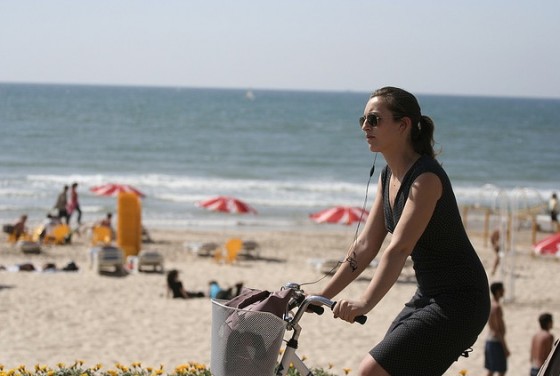
Other than not emitting carbon monoxide, cycling is one of the best methods for exercising. When was the last time you were on a bike? The good thing about any type of bicycles is that they don’t use fuel and are low in maintenance. They can also move in narrow places and lousy terrain, where vehicles can’t maneuver. Also, some states have constructed cycling paths within the main road to accommodate cyclists. Other than keeping you healthy, riding a bike is fun. Get one today and use it within your city.
Scooters
Very few people own scooters but believe me, they are the best when it comes to moving in town. Scooters give zero emissions and can be used daily, especially when exercising and moving from one point to another over short distances and flat surfaces. The good thing about electric scooters is that they are easy to learn, assemble, and maintain. You can check out the best electric scooter for adults and make your choice. Other than adults, you can get scooters for your kids and enjoy the fun together.
Hoverboards
Not everyone can ride hoverboards, but they are the best eco-friendly modes of movement within the town. You only need to stand on them, balance yourself, and off you go. For starters, you might need some training. They don’t use costly gas nor give out fumes, making them the best in towns where greener regulations are in place. Hoverboards come in handy in areas where there is so much traffic, especially during rush hours.
Walking
Walking is the cheapest mode of movement and eco-friendly because it doesn’t use any device or equipment. It’s just your legs. Besides moving from one place to another, walking is also the best way of exercising your body and keeping fit. Besides caring for the environment, you are also managing yourself and have better benefits than vehicles since you get to enjoy vast scenery while walking.
Trains
Do you live in an urban settlement? If so, you have come across commuter trains. These are the best eco-friendly modes of movement that carry masses. Nowadays, trains are becoming greener, since there is an introduction of electric trains that are swift and do not emit carbon monoxide. One added advantage of a train is that it’s safe and doesn’t get caught in traffic jams.
Skates
Skates have been used over time as modes of movement in flat terrains. They can pass in areas where cars and motorcycles can’t pass and do not use any fuel, thus producing no gases. With skates, you get to exercise while having fun at the same time.
Other means you can check out include using buses, taxis, and also conducting carpooling with your neighbors. With the effects of climate change, we need to be swift in coming up with eco-friendly living ways. Get the best mode of travel above and help keep our environment green.