

The winter months are the perfect time to travel to Thailand, especially when you get a cold snap or lots of snow. Warm tropical temperatures hovering around 86F, paired with a pineapple strip, a mango shake, and a beach anywhere south of Bangkok can cure anyone’s winter blues.
While Bangkok is fast (we enjoyed ebikes on our last trip with teens), it is furious and sometimes smoggy, and it’s definitely a place to shop. But instead of lingering in Bangkok we decided to take a slow boat up the Chao Phraya River to the Ayutthaya province to see ancient ruins and the spirit of ancient Siam.
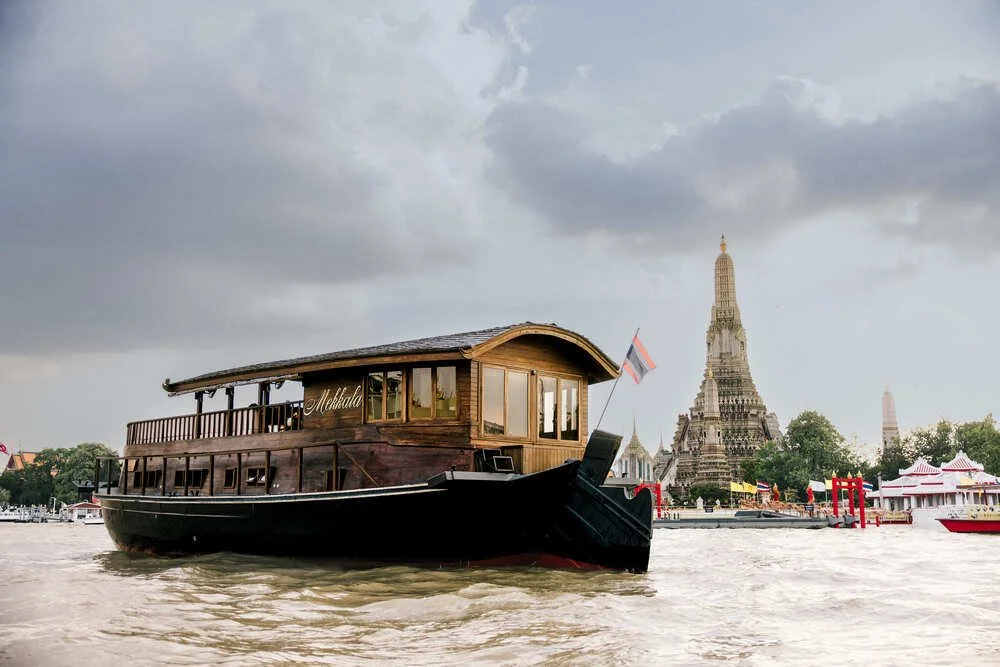
And on this slow boat, The Mekkala Cruise (with an overnight luxury cabin) you can learn about good environmental stewardship by being among Thai people, and people of the river.
We boarded the boat at 1PM and met with Teerapole who we’d been coordinating with via email. We met at a well-traveled temple and on a small pier where the fish are protected from fishing.
He tells Green Prophet: “I think the river culture in Thailand is becoming something of the past. Not many tourists have an opportunity to see a simple way of lives of Thais since boat travel is less popular than other means of transportation. It’s also amazing to know how local people have learned to live with nature for centuries.”
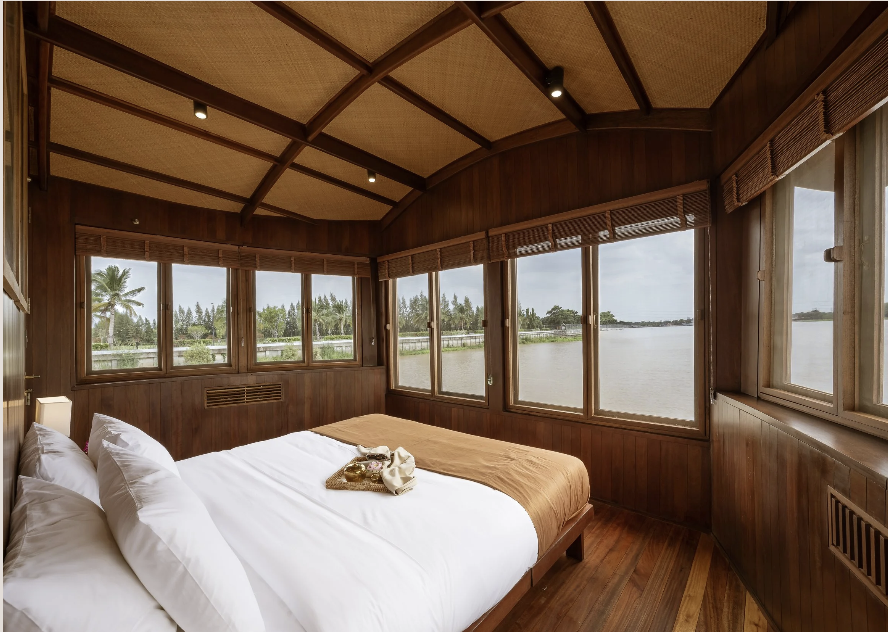
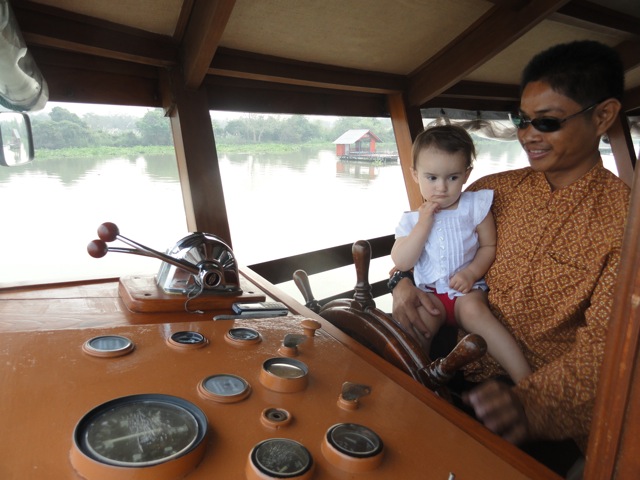
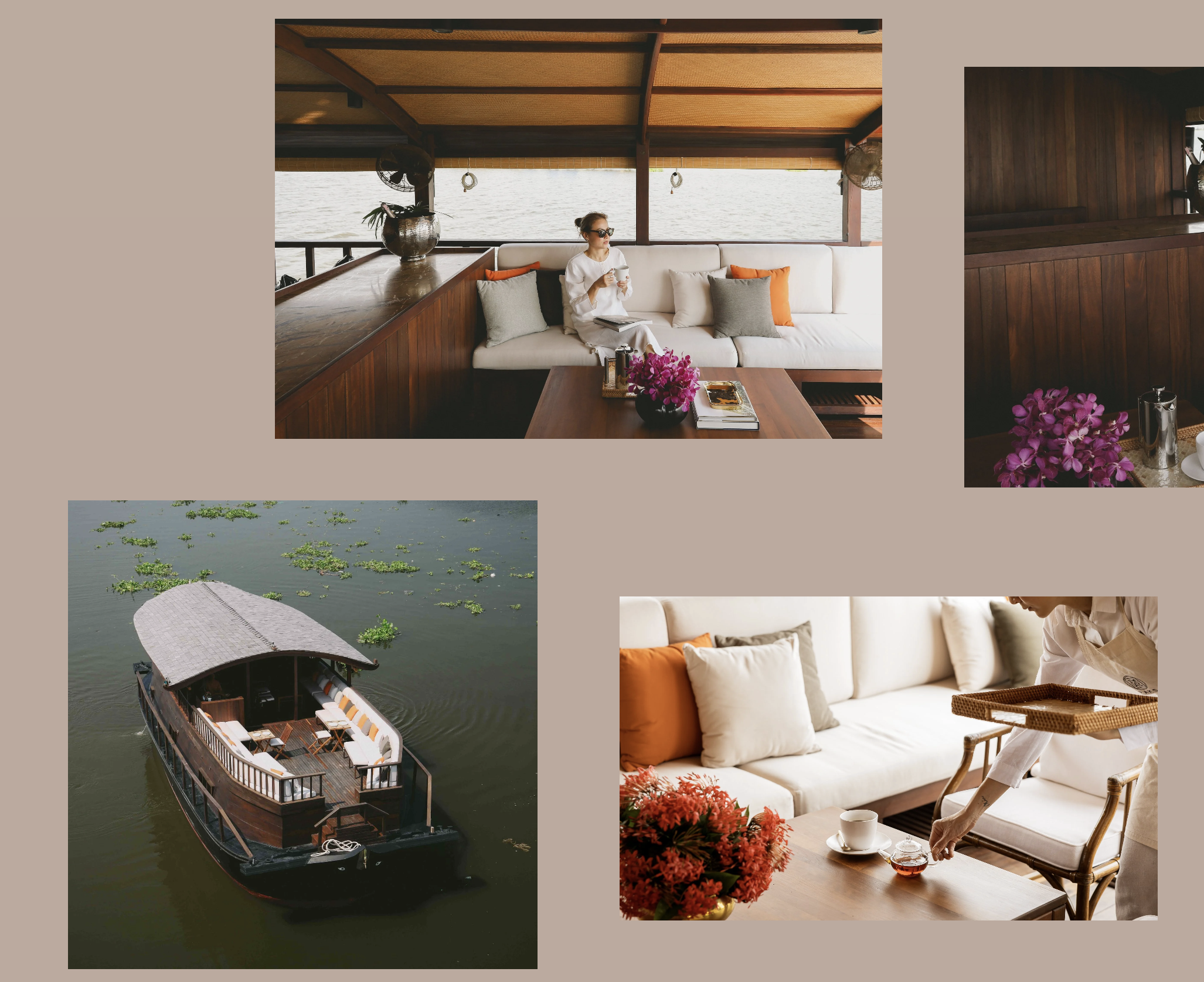
Over on the boat, the group was small, in total about 15 of us, and we had ample space and privacy on the renovated rice barge which is more than a 100 years old. A covered deck protected us from the sun, and the occasional hot rain. Around 1:30PM we pulled off the pier and headed up Chao Phraya River, passing endless barges trucking goods like freight trains or Mac trucks to and from Bangkok. At one point a passing barge hit a bridge and that was scary. We also had a toddler at the time and made sure she was wearing a life jacket the entire time because you never know.
Don’t expect the excitement of the turquoise water you’ll find down in the south on this river trip. This is a well-traveled river, giving credence to Bangkok being the Venice of the East. The journey takes you to the banks of the King’s Summer Palace (the one from the movie The King and I) gave us ample time to think and imagine a different way of life so connected to the water, and so far from the thirsty Middle East from which we arrived. The water is most murky and brown, without smell but don’t expect to jump in to cool off.
Factories that line river, including the Singha Beer factory are contributors to industrial pollution in the river as well. There are over 30,000 industrial facilities that line the river, and many of these are in clear view as we chug along.
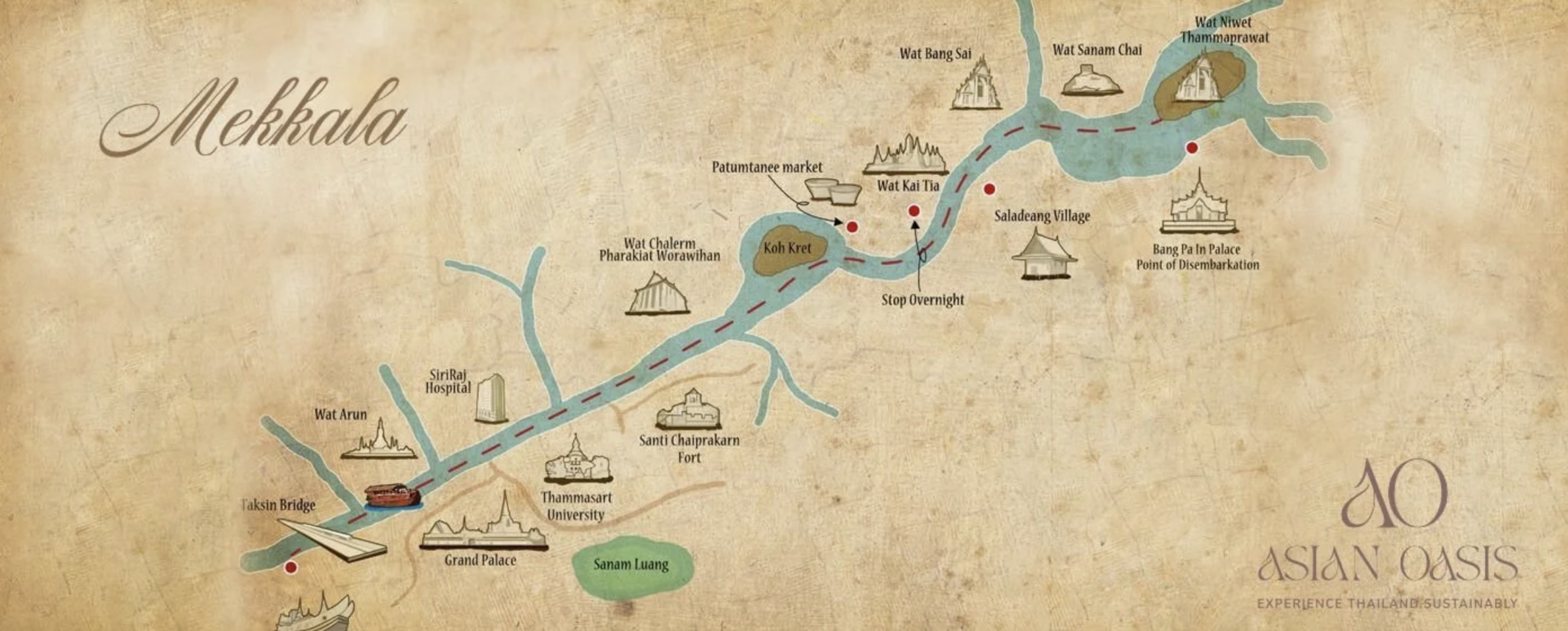
The drive to Ayutthaya from where we were in Bangkok takes about an hour and a half by car. The Mekkala Cruise we took lasted about about five hours at night, and a couple more in the morning. We enjoy the slowness of going up river. It was a one night trip.
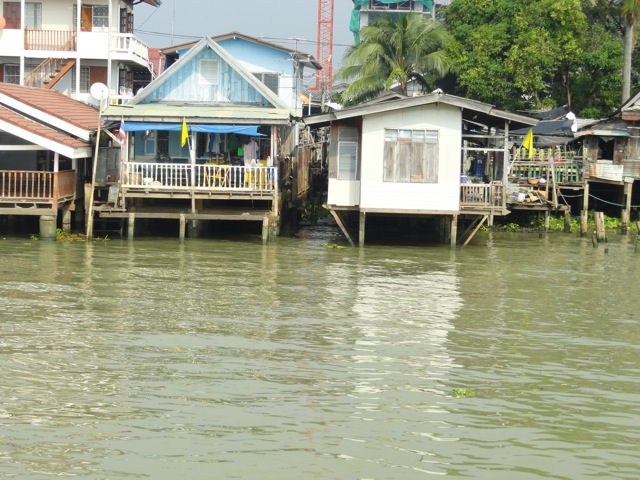
Along the way we couldn’t help but notice the sandbags, the general disorder and the waterline marked by paint or sand shadows, showing where the floodwaters had risen only three months ago. Even ancient river people attuned to the currents are not immune to the chaos of climate change.
But river people live simply, many of them parking their boats under their homes.
After a half day on board we get off to visit a fresh food market. Being a little late for the day, the pickings were slim. We returned home to find a wonderful candlelit dinner waiting for us. The food was the best so far that we’ve had in Thailand and the staff of four were very careful to make sure they prepared food to suit our dietary habits. I was eating lacto-ovo vegetarian and they got it without any explanation.

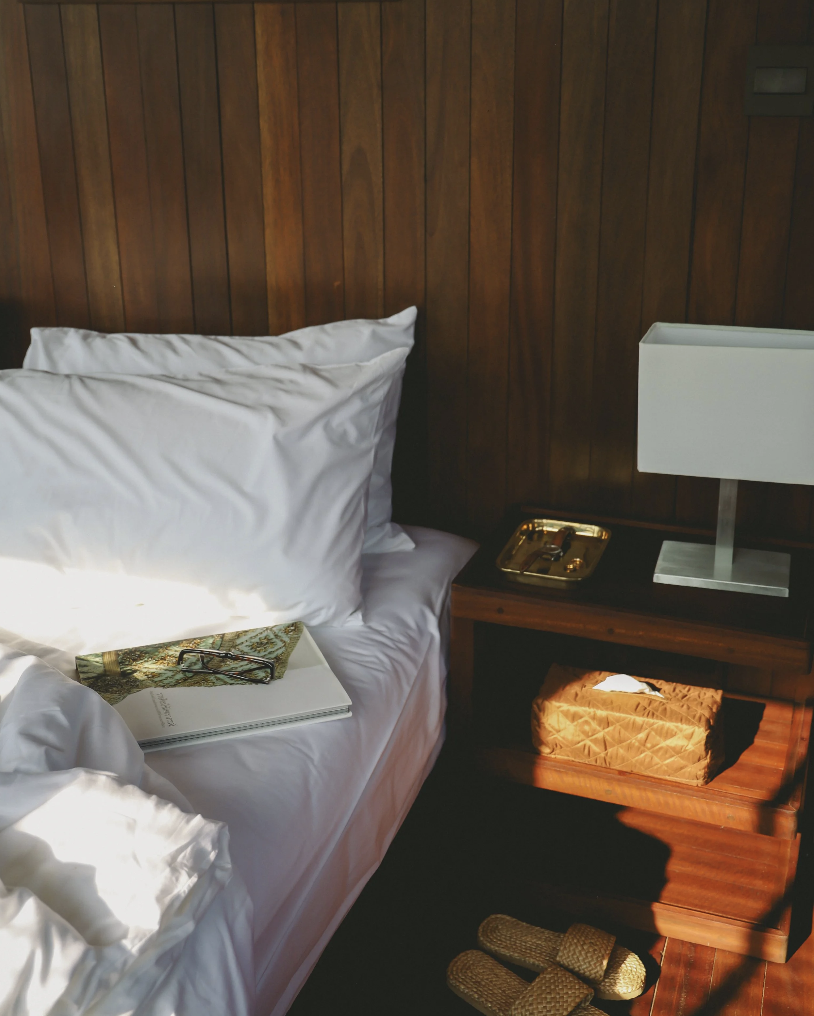
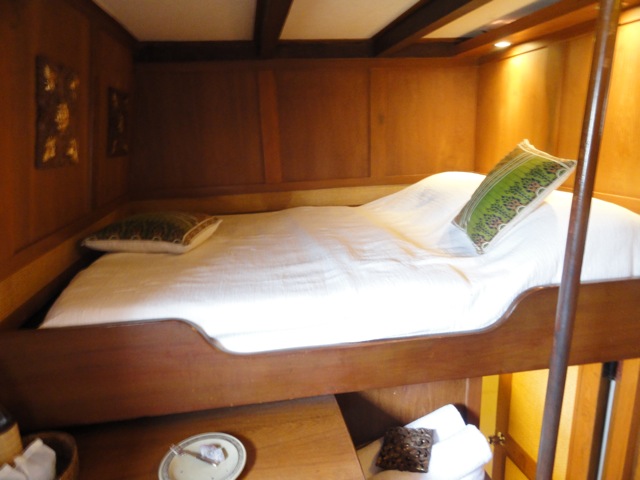
As for facilities you couldn’t be happier: The gorgeously renovated rice boat and cabins were spotless and well equipped with private toilets and showers.
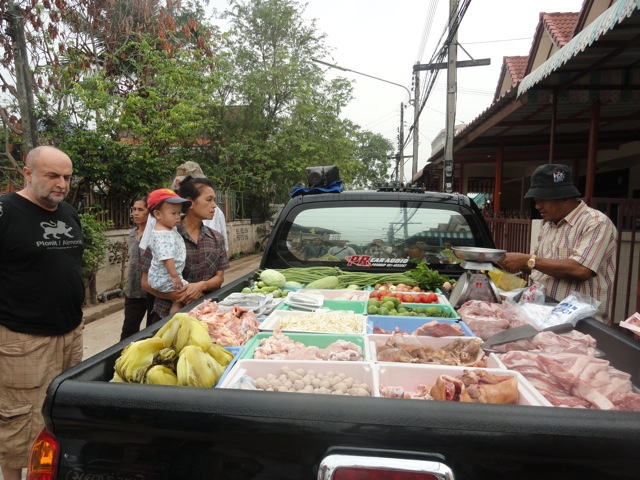
After docking for the night, the next day early in the morning the boat started on its journey without us knowing it. Then we docked for a nice treat: we stopped at a Mon village (see the local food truck below), an ecological village that clearly was affected by the flood. Red flood lines were painted on all the electricity poles throughout the village. See how they shop for fresh food below.
Back on the boat we ate breakfast and continued along our way to the King’s Palace.
Run by the company Asian Oasis, the same outfit that runs a couple of eco-lodges in northern Thailand, the Mekkala Cruise was an overnight cruise that starts in Bangkok and ends in the old capital of Siam.
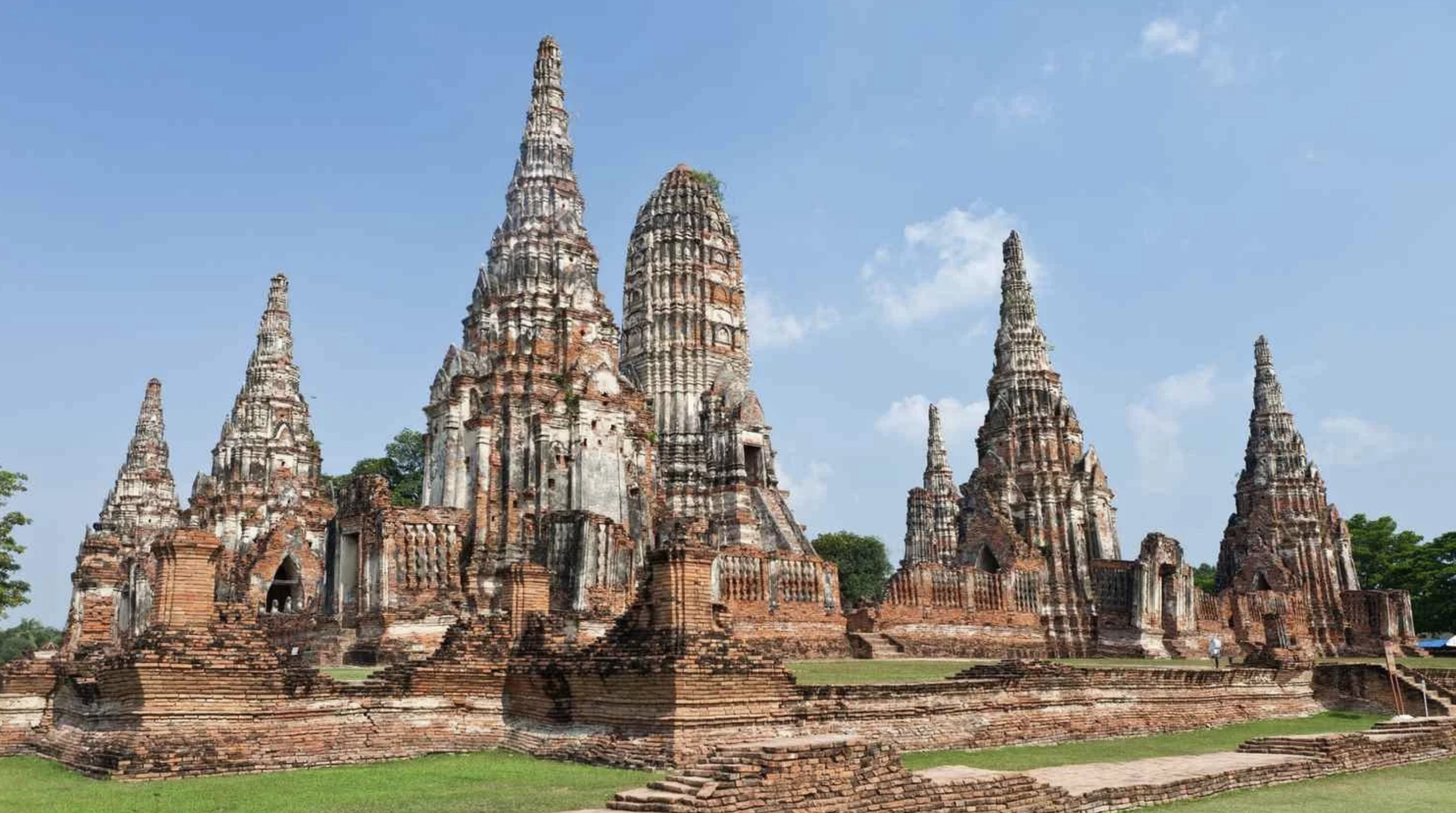
As revelers race towards the islands looking for parties and sunshine, an honest retreat is the Mekkala’s slow boat cruise bringing you closer to the every day people that inhabit the suburbs of Bangkok. The drop off destination is a perfect launch pad for another day of must-see tourism sites: the King’s Palace, and all the 4,000 year old ruins in the Ayutthaya region. These are the ruins that will give you a bit of scope and scale of the Thai culture.
In the spirit of protecting and celebrating the river culture of the Bangkok area, we learned from our own intuition and the staff on board how important the rivers are for the way of life in Thailand. I give this boat cruise a big thumbs up as a gentle way to ease into Bangkok and the time of your life in Thailand. It’s easy to find a hotel and get glued to the beach life in Thailand or settle for default shopping trips in Bangkok. Taking a slow boat river cruise is a fun and easy way to feel authentic travel without missing your creature comforts.
We have also travelled to Chiang Mai/Chiang Rai as a family on an unforgettable trip, but we stayed in huts and homes that had mud floors and we ate from campfires. If that’s for you and your family, read all about Chiang Mai hill tribes tourism and homestays here.
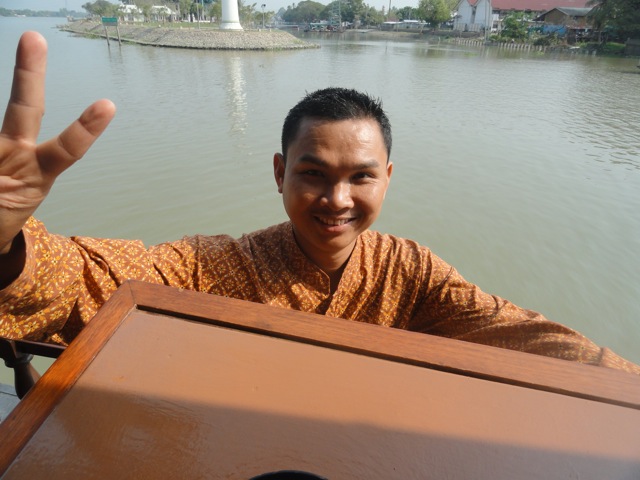 If you are only taking the Mekkala for one day (they offer longer trips), extend the river cruise experience by taking a long tail boat another hour up the river from the King’s Palace pier for about 200 baht per person. It will bring you smack dab in the middle of all the ruins, with the help of a motorbike taxi.
Thai people have an extraordinary grace, charm and sense of humor that you can really only experience in person, in their own country.
What are Thai people best known for I asked Teerapole when we were docked in Bangkok. What can they give the ecological movement? Tolerance, he told me. Thai people are open-minded and are easy to embrace change. I told him that the Thai people also have a lot to teach the world. Their family values, communal eating habits, their simple way of life should be embraced by all of us.
Want to know more about eco and sustainable travelling Thailand?
This is the best vegan restaurant in Thailand – Street Vegan
Rent ebikes or electric bicycles in Bangkok
This $900 a night luxury eco hotel in Phuket, Thailand is great for families





Just reading your story made me relax – can’t imagine what magic the actual trip can do!
Fabulous post. Delicious little babies! Eye-opener about wasteful use of water; really a pity.
Kef L’Chem!