
A small bag of apple chips. A dry granola bar. Some nuts. A bag of coffee beans. A small baggie of medical cannabis. Even if you’re a conscientious consumer, it’s hard, almost impossible to not indulge in single-use plastics. Even if the outer side is paper, the inside will almost always be a non-biodegradable aluminum and plastic coating to keep moisture out and the oil in. So what’s the point if it’s not sustainable all the way?
A company from Israel called Melodea has started working in the US to produce a sustainable barrier coatings for packaging. Israeli super-entrepreneur Oded Shoseyov is on the board. Melodea joins plastic packaging alternatives from Israel already in the market: TIPA, the first plastics alternative from Israel on the market in 2011 and which handles wet products, and W-Cycle.
One of the greatest strains on the ecology of our sweet planet is plastic waste. It’s choking the sea and microplastics are turning up in human breast milk and in the air we breathe. Of the millions of tons of plastic waste generated each year, single-use plastic packaging is the worst culprit. Melodea hopes to help solve the problem.
It produces barrier coating material sourced from wood pulp, a sidestream of the paper-making industry. Its solution is helping food, beverage, and consumer goods packagers sever unwanted ties with plastic.
Plastic has long been necessary to maintain food freshness, acting as a barrier to prevent unwanted transmission of oxygen, water, oil, or grease into the products.
How to make plastic from wood

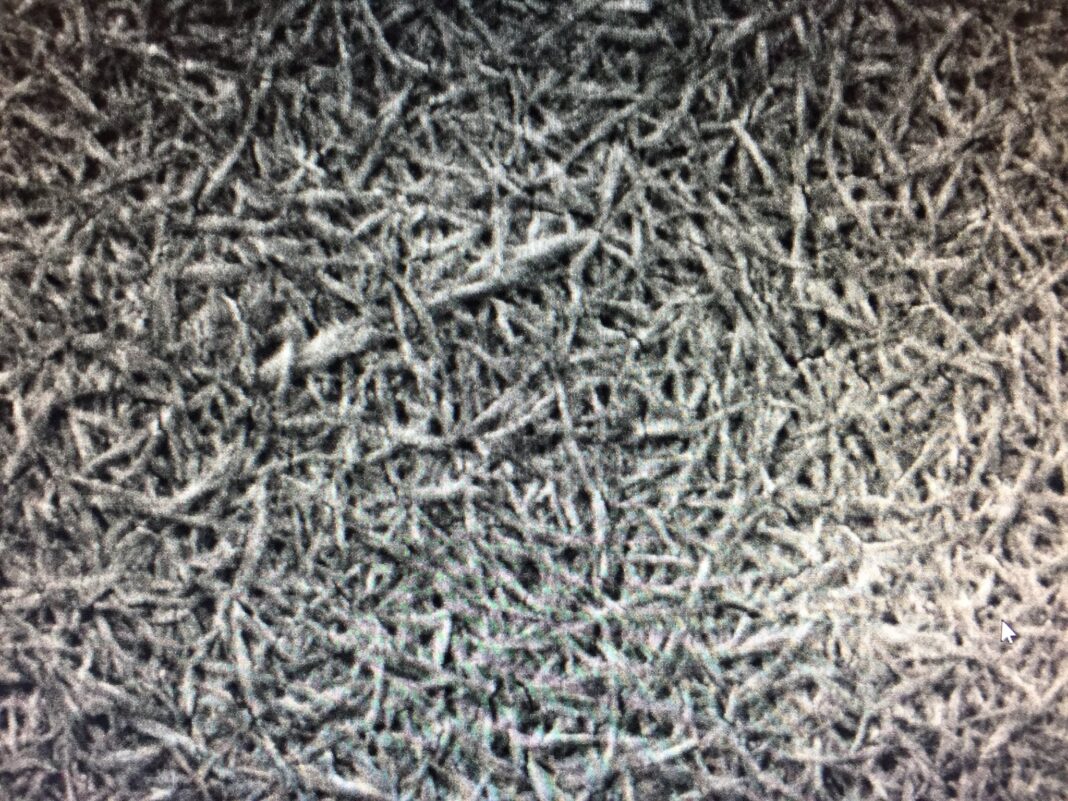
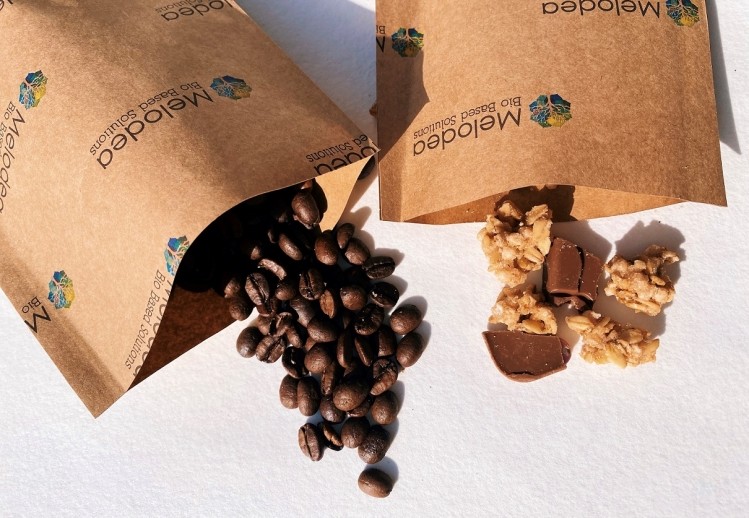
Melodea developed a unique formula derived from cellulose (called CNC, or nanocellulose) that can withstand high humidity and protects packed products from oxygen, water, oil, and grease. This sturdy but lightweight plant material offers an alternative to plastic and aluminum for maintaining the quality and integrity of packaged foods. As a forestry by-product, it also is biodegradable, fully recyclable, and non-toxic to people or the environment. The material currently is being used in paper-based pouches, lids, and molded pulp trays.
All of Melodea’s barrier coatings are in compliance with FDA regulations for food packaging and will now be manufactured in the United States.
“CNC from naturally abundant and renewable cellulose is emerging as one of the most promising green solutions to help replace environmentally harmful materials,” says Shaul Lapidot, CEO of Melodea. “The new plant, combined with our newly established ties in the US, can potentially triple our manufacturing capacity to meet amplified demands. It also will shorten the travel and subsequent carbon footprint by bringing production closer to our main markets in South America and the US.”
Melodea recently forged a new commercial deal with a major manufacturer of plant-based fiber solutions in its mission to eliminate single-use plastics. The company will produce and market various packaging products infused with Melodea’s VBcoat moisture barrier. The first product to be rolled out is an eco-friendly, high-performing molded pulp tray for leafy greens designed to replace existing plastic-based formats.
Melodea estimates it will be ready to start shipping locally from the US site within the next 3 to 6 months as it initiates production of its novel barrier coatings with a local US partner.
About the nanocellulose market
The global nanocellulose market is currently worth approximately US$346M and is projected to grow to US$963M by 2026. Driven by consumers’ demands for eco-supportive packaging solutions, nanocellulose is gaining traction among retailers differentiating themselves by decreasing the impact of their products on the environment.
North America boasts the highest market share of the global flexible packaging market, with some of the largest international market players in the field of paper-based packaging headquartered there.
Melodea has so far raised a total of US$20M in capital. The company wasy founded as a spin-off project initiated at the Hebrew university of Jerusalem in 2010 in Israel by Shaul Lapidot together with Tord Andres – an expert from the composites world, and Oded Shoseyov, a serial super-entrepreneur and expert in Nano materials and plant biotechnology. He is on Melodea’s advisory board. And has founded 18 companies to date.
Other nanotech companies Shoseyov has helped found are SP Nano, Valentis Nanotech (nano-bio-based transparent films for food packaging and agriculture), Paulee CleanTec (transforming pet and human waste into sterile powdered fertilizer), GemmaCert (fast cannabis plant analysis), Biobetter (producing therapeutic antibodies on tobacco plants), Second Skin, Cannabi-Tech (standardization tools for medical cannabis products) and BondX (environmentally friendly bio-additives for the paper industry).
“Our CNC is sustainably produced, recycling about 95% of the materials in the process, and its superior performance has been verified by academic research. CNC has great potential to turn the tide on the cascade of negative impacts from plastic pollution that have been a pressing environmental issue for too long,” says Zvika Weiss, CFO of Melodea.