Tests for corona will be part of the boot kit for surviving this

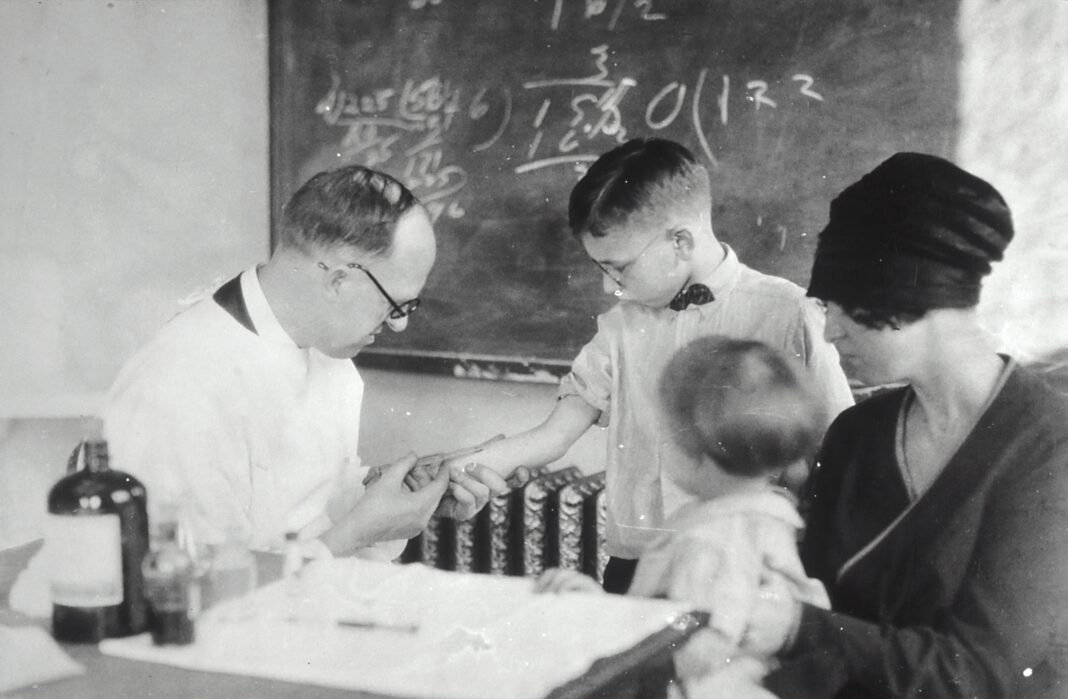
cancer institute vintage photo
We’ve learned over the years that knowing if we have it or not is the best prevention.

Okay so the skies are clear, and dolphins have returned to the water of Venice. We are at home with our kids and when we are not on Zoom trying on the next seminar (how about learning how to be a solar energy engineer?) –– some parts of the world are working day and night to solve covid-19. It can be solved and it can be done in record time compared to other pandemics. Meanwhile we wait it out. 

One of the most terrible factors with this pandemic is the fear factor and facing the unknown. Will I have toilet paper, will I run out of yeast? There are solvable problems for all of these questions. Consider the water bidet that half the world already uses, that yeast can be culled for free in the air, and hey –– it’s Victory Garden and seed planting time. Worried about food? Grow your own. Our grandparents and parents did it. 

People in the prime of their lives, or essential care workers in hospitals are being quarantined if they came in contact with a covid-19 patient unknowingly. A lot of harm to the healthcare system and to the economy could be put at ease if there were easier and more rapid tests the population could take. 

There are companies –– and even amateur scientists who see how it’s done –– who have been working on quick tests to see if you have been exposed to covid-19. One biohacker in Sydney put together the materials to make 500 test kits. But the challenge is scaling up production fast with so much of China offline, while setting distribution targets that will get the test out there. In the United States the FDA needs to check the validity of tests before they go to consumers or hospitals, and they are one of the most rigorous testing bodies in the world. What America does everyone follows. 

The New Scientist and other news outlets claim that a home blood test could be available at Boots, a UK pharmacy chain, and on Amazon by as early as today. While this is a quick and temporary option, nothing compares to robust lab equipment, used by laboratories and by companies that are working to find a vaccine or an antidote to corona. Quick home test kits are much less than shrunk down and less robust versions of the lab equipment called a PCR machine which is made by companies like Stilla Technologies. PCR machines amplify DNA found in blood or mucous to determine if it’s been altered by the virus. 

Now if we thought the fight for toilet paper was bad…Fact: a single prick blood test, like that used by people with diabetes, has been developed. In many places around the world. Also fact, we don’t know when we will all get one, or two or three. We will need multiples if we want all clear for resuming a fraction of our normal lives until herd immunity or a vaccine is made. 

Tests are good but are not a solution: The tests are expected to reveal if you have been exposed to the virus already but what it won’t do is spare you from reinfection. Scientists still haven’t figured out what reinfection rates are, and if immunity will protect you from covid-19’s tragic outcomes.

Bhok Thompson
Bhok Thompsonhttp://www.greenprophet.com
Bhok Thompson is an “eco-tinkerer” who thrives at the intersection of sustainability, business, and cutting-edge technology. With a background in mechanical engineering and a deep fascination with renewable energy, Bhok has dedicated his career to developing innovative solutions that bridge environmental consciousness with profitability. A frequent contributor to Green Prophet, Bhok writes about futuristic green tech, urban sustainability, and the latest trends in eco-friendly startups. His passion for engineering meets his love for business as he mentors young entrepreneurs looking to create scalable, impact-driven companies. Beyond his work, Bhok is an avid collector of vintage mechanical watches, believing they represent an era of precision and craftsmanship that modern technology often overlooks. Reach out: [email protected]

Read More

TRENDING

The Hidden Components Powering the Renewable Energy Revolution

A rooftop solar system looks simple: panels, an inverter, a battery and a few cables. But beneath that simplicity lies a bill of materials thousands of lines long, where tiny current sensors, magnetic cores, gate drivers, capacitors and connectors quietly determine efficiency, safety and lifespan. These overlooked components—not the solar panels themselves—are why today's residential solar systems are smaller, smarter and far more reliable than those of a decade ago.

Teen Farmerettes were Canada’s answer to Victory Gardens during wartime food shortages

It is a wake-up call to teen girls on TikTok planning their next Coachella outfit or trip to Sephora: During the Second World War, thousands of young men left family farms to enlist, but the crops still needed planting and harvesting. Ontario's government answered by recruiting high school girls, from ages 16 to 18, to spend parts of spring, summer and fall to fill in for the labor shortage. 

The Early Believers: Investors Who Backed SpaceX Long Before Its Record IPO

SpaceX’s 2026 IPO didn’t just mint billionaires—it revealed the many forms of conviction behind one of the most doubted bets in venture history.

From eco city experiment to global clean energy giant: How Masdar became the UAE’s renewable energy powerhouse

Masdar began as an ambitious eco city in the Abu Dhabi desert. Two decades later, it has become one of the world's largest renewable energy developers, financing billions of dollars in solar, wind and battery storage projects across the globe.

Is the manosphere selling a testosterone crisis? Pentagon’s new “Low T” policy sparks debate

The Pentagon's decision to introduce annual testosterone testing for U.S. military personnel over 30 has sparked debate among doctors and public health experts. Researchers warn that social media influencers are turning normal signs of ageing into a "Low T" crisis, encouraging unnecessary hormone testing and supplementation while blurring the line between evidence-based medicine and marketing.

The Essential Guide To Sustainability in Project Management

Sustainability is an approach where businesses and individuals balance the environmental, social, and economic aspects of a project such that current and future stakeholders are not overburdened with the impacts of the project in future.

Yerukim Forms a New Green Economy Where the Money is Really Green

The Yerukim members who pick up the recyclables get to keep the monetary reward, the public earns "green" bills that can be used in shops, and business owners get to be associated with environmentalism.

Choosing Riyadh over Dubai? What Investors Should Know

Saudi Arabia is deploying capital at unmatched scale to catalyze tourism and advanced industry while rewiring its power-and-water backbone. The investable frontier is widening—especially in renewables, grid storage, water efficiency/desal retrofits, and hospitality operating platforms. Prudent investors will insist on phased delivery, enforceable KPIs (energy, water, biodiversity), and RHQ/zone compliance—while pricing political-economy and reputational risks alongside growth upside.

Sell your cooking oil for biodiesel money

Want to make money on old french fry oil? Sell it.

Qatar Alternative Energy Summit Pairs Investors And Innovators

Alternative energy investors and innovators can meet n' greet in Doha, Qatar March 16 and 17.

Here’s How To Implement The Four Pillars Of Employee Engagement

If you throw a party for your work team and they are vegans, don't make it a barbecue. Know the sustainability values of your team to boost moral and retain good people.

Locals From Rishon Fight IKEA

Big Box stores are a pretty new concept in Israel, and thank God that not every Israeli city wants them in their backyard. A word from someone who has see the beautiful farmland around her hometown Newmarket, Ontario stripped and converted into vulgar strip malls of big box shops: they have no place in a healthy and sustainable town or city.

The Jewish National Fund Meets An Inconvenient Truth

According to the JNF, it has transformed thousands of acres of barren land into green forests in Israel. They state that each person emits about 23 tons of carbon per year, estimating that each tree planted can absorb one ton of carbon in its lifetime. That's a whole lot of trees you'd need to be planting. Could so many fit in Israel?

Popular Categories