A vast and largely untapped lithium reserve may be hiding beneath one of North America’s oldest landscapes, the Appalachian Mountains, offering a surprising twist in the global race for clean energy materials. According to new findings from the U.S. Geological Survey (USGS), as much as 2.5 million tons of lithium could be buried across the region, stretching from the Carolinas up through New England.
Energy equities are responding unevenly to the evolving landscape. Companies with direct exposure to UAE production growth and infrastructure are benefiting from increased activity expectations, while global oil majors face a more mixed outlook.
All air conditioners release water. That's Physics. Cities like Los Angeles pour billions of water down the drain every year. And while home owners who are savvy to water reuse are finding ways to use AC water in the garden (here are 5 ways to use air con water at home), or in art studios (it's basically free distilled water), cities could save water in meaningful ways by using creative ideas. These are solutions you can send to urban planners and those running smart city accelerator programs. Pick one of them and you might win the grant!
As tensions rise in one of the world’s most critical maritime chokepoints, the ripple effects go far beyond oil—touching food systems, climate pressures, and regional stability
Current goals are to treat neurological disease like Parkinson’s and restore autonomy to people with severe physical limitations by controlling exoskeletons and prosthetics. There’s also huge potential to improve cognitive abilities such as memory, attention, and languages.
A vast and largely untapped lithium reserve may be hiding beneath one of North America’s oldest landscapes, the Appalachian Mountains, offering a surprising twist in the global race for clean energy materials. According to new findings from the U.S. Geological Survey (USGS), as much as 2.5 million tons of lithium could be buried across the region, stretching from the Carolinas up through New England.
Energy equities are responding unevenly to the evolving landscape. Companies with direct exposure to UAE production growth and infrastructure are benefiting from increased activity expectations, while global oil majors face a more mixed outlook.
All air conditioners release water. That's Physics. Cities like Los Angeles pour billions of water down the drain every year. And while home owners who are savvy to water reuse are finding ways to use AC water in the garden (here are 5 ways to use air con water at home), or in art studios (it's basically free distilled water), cities could save water in meaningful ways by using creative ideas. These are solutions you can send to urban planners and those running smart city accelerator programs. Pick one of them and you might win the grant!
As tensions rise in one of the world’s most critical maritime chokepoints, the ripple effects go far beyond oil—touching food systems, climate pressures, and regional stability
Current goals are to treat neurological disease like Parkinson’s and restore autonomy to people with severe physical limitations by controlling exoskeletons and prosthetics. There’s also huge potential to improve cognitive abilities such as memory, attention, and languages.
A vast and largely untapped lithium reserve may be hiding beneath one of North America’s oldest landscapes, the Appalachian Mountains, offering a surprising twist in the global race for clean energy materials. According to new findings from the U.S. Geological Survey (USGS), as much as 2.5 million tons of lithium could be buried across the region, stretching from the Carolinas up through New England.
Energy equities are responding unevenly to the evolving landscape. Companies with direct exposure to UAE production growth and infrastructure are benefiting from increased activity expectations, while global oil majors face a more mixed outlook.
All air conditioners release water. That's Physics. Cities like Los Angeles pour billions of water down the drain every year. And while home owners who are savvy to water reuse are finding ways to use AC water in the garden (here are 5 ways to use air con water at home), or in art studios (it's basically free distilled water), cities could save water in meaningful ways by using creative ideas. These are solutions you can send to urban planners and those running smart city accelerator programs. Pick one of them and you might win the grant!
As tensions rise in one of the world’s most critical maritime chokepoints, the ripple effects go far beyond oil—touching food systems, climate pressures, and regional stability
Current goals are to treat neurological disease like Parkinson’s and restore autonomy to people with severe physical limitations by controlling exoskeletons and prosthetics. There’s also huge potential to improve cognitive abilities such as memory, attention, and languages.
A vast and largely untapped lithium reserve may be hiding beneath one of North America’s oldest landscapes, the Appalachian Mountains, offering a surprising twist in the global race for clean energy materials. According to new findings from the U.S. Geological Survey (USGS), as much as 2.5 million tons of lithium could be buried across the region, stretching from the Carolinas up through New England.
Energy equities are responding unevenly to the evolving landscape. Companies with direct exposure to UAE production growth and infrastructure are benefiting from increased activity expectations, while global oil majors face a more mixed outlook.
All air conditioners release water. That's Physics. Cities like Los Angeles pour billions of water down the drain every year. And while home owners who are savvy to water reuse are finding ways to use AC water in the garden (here are 5 ways to use air con water at home), or in art studios (it's basically free distilled water), cities could save water in meaningful ways by using creative ideas. These are solutions you can send to urban planners and those running smart city accelerator programs. Pick one of them and you might win the grant!
As tensions rise in one of the world’s most critical maritime chokepoints, the ripple effects go far beyond oil—touching food systems, climate pressures, and regional stability
Current goals are to treat neurological disease like Parkinson’s and restore autonomy to people with severe physical limitations by controlling exoskeletons and prosthetics. There’s also huge potential to improve cognitive abilities such as memory, attention, and languages.
A vast and largely untapped lithium reserve may be hiding beneath one of North America’s oldest landscapes, the Appalachian Mountains, offering a surprising twist in the global race for clean energy materials. According to new findings from the U.S. Geological Survey (USGS), as much as 2.5 million tons of lithium could be buried across the region, stretching from the Carolinas up through New England.
Energy equities are responding unevenly to the evolving landscape. Companies with direct exposure to UAE production growth and infrastructure are benefiting from increased activity expectations, while global oil majors face a more mixed outlook.
All air conditioners release water. That's Physics. Cities like Los Angeles pour billions of water down the drain every year. And while home owners who are savvy to water reuse are finding ways to use AC water in the garden (here are 5 ways to use air con water at home), or in art studios (it's basically free distilled water), cities could save water in meaningful ways by using creative ideas. These are solutions you can send to urban planners and those running smart city accelerator programs. Pick one of them and you might win the grant!
As tensions rise in one of the world’s most critical maritime chokepoints, the ripple effects go far beyond oil—touching food systems, climate pressures, and regional stability
Current goals are to treat neurological disease like Parkinson’s and restore autonomy to people with severe physical limitations by controlling exoskeletons and prosthetics. There’s also huge potential to improve cognitive abilities such as memory, attention, and languages.
A vast and largely untapped lithium reserve may be hiding beneath one of North America’s oldest landscapes, the Appalachian Mountains, offering a surprising twist in the global race for clean energy materials. According to new findings from the U.S. Geological Survey (USGS), as much as 2.5 million tons of lithium could be buried across the region, stretching from the Carolinas up through New England.
Energy equities are responding unevenly to the evolving landscape. Companies with direct exposure to UAE production growth and infrastructure are benefiting from increased activity expectations, while global oil majors face a more mixed outlook.
All air conditioners release water. That's Physics. Cities like Los Angeles pour billions of water down the drain every year. And while home owners who are savvy to water reuse are finding ways to use AC water in the garden (here are 5 ways to use air con water at home), or in art studios (it's basically free distilled water), cities could save water in meaningful ways by using creative ideas. These are solutions you can send to urban planners and those running smart city accelerator programs. Pick one of them and you might win the grant!
As tensions rise in one of the world’s most critical maritime chokepoints, the ripple effects go far beyond oil—touching food systems, climate pressures, and regional stability
Current goals are to treat neurological disease like Parkinson’s and restore autonomy to people with severe physical limitations by controlling exoskeletons and prosthetics. There’s also huge potential to improve cognitive abilities such as memory, attention, and languages.
A vast and largely untapped lithium reserve may be hiding beneath one of North America’s oldest landscapes, the Appalachian Mountains, offering a surprising twist in the global race for clean energy materials. According to new findings from the U.S. Geological Survey (USGS), as much as 2.5 million tons of lithium could be buried across the region, stretching from the Carolinas up through New England.
Energy equities are responding unevenly to the evolving landscape. Companies with direct exposure to UAE production growth and infrastructure are benefiting from increased activity expectations, while global oil majors face a more mixed outlook.
All air conditioners release water. That's Physics. Cities like Los Angeles pour billions of water down the drain every year. And while home owners who are savvy to water reuse are finding ways to use AC water in the garden (here are 5 ways to use air con water at home), or in art studios (it's basically free distilled water), cities could save water in meaningful ways by using creative ideas. These are solutions you can send to urban planners and those running smart city accelerator programs. Pick one of them and you might win the grant!
As tensions rise in one of the world’s most critical maritime chokepoints, the ripple effects go far beyond oil—touching food systems, climate pressures, and regional stability
Current goals are to treat neurological disease like Parkinson’s and restore autonomy to people with severe physical limitations by controlling exoskeletons and prosthetics. There’s also huge potential to improve cognitive abilities such as memory, attention, and languages.
A vast and largely untapped lithium reserve may be hiding beneath one of North America’s oldest landscapes, the Appalachian Mountains, offering a surprising twist in the global race for clean energy materials. According to new findings from the U.S. Geological Survey (USGS), as much as 2.5 million tons of lithium could be buried across the region, stretching from the Carolinas up through New England.
Energy equities are responding unevenly to the evolving landscape. Companies with direct exposure to UAE production growth and infrastructure are benefiting from increased activity expectations, while global oil majors face a more mixed outlook.
All air conditioners release water. That's Physics. Cities like Los Angeles pour billions of water down the drain every year. And while home owners who are savvy to water reuse are finding ways to use AC water in the garden (here are 5 ways to use air con water at home), or in art studios (it's basically free distilled water), cities could save water in meaningful ways by using creative ideas. These are solutions you can send to urban planners and those running smart city accelerator programs. Pick one of them and you might win the grant!
As tensions rise in one of the world’s most critical maritime chokepoints, the ripple effects go far beyond oil—touching food systems, climate pressures, and regional stability
Current goals are to treat neurological disease like Parkinson’s and restore autonomy to people with severe physical limitations by controlling exoskeletons and prosthetics. There’s also huge potential to improve cognitive abilities such as memory, attention, and languages.
Dubai’s sustainability pavillion = more man-made mass.
Concrete, steel, pavement. A new study finds we are doubling the mass of the human-made, “anthropogenic” part of the world every twenty years and the curve is not flattening. We now have as much human-made mass as earth’s biomass.
The mass of all human-produced materials – concrete, steel, asphalt, etc. – has grown to equal the mass of all life on the planet, its biomass. According to a new study at the Weizmann Institute of Science, we are right at this tipping point, and humans are currently adding new buildings, roads, vehicles and products at a rate that is doubling every 20 years, leading to a “concrete jungle” that is predicted to reach over two teratonnes (i.e. two million million) – or more than double the mass of living things, by 2040.
We have reached a new tipping point.
The study, published today in Nature and conducted in the group of Prof. Ron Milo of the Plant and Environmental Sciences Department by Emily Elhacham and Liad Ben Uri, shows that at the outset of the 20th century, human-produced “anthropogenic mass” equaled just around 3 % of the total biomass.
How did we get from 3% to an equivalent mass in just over a century? Not only have we humans quadrupled our numbers in the intervening years, the things we produce have far outpaced population growth: Today, on average, for each person on the globe, a quantity of anthropogenic mass greater than their body weight is produced every week.
The upswing is seen markedly from the 1950s on, when building materials like concrete and aggregates became widely available. In the “great acceleration” following World War II, spacious single-family homes, roads and multi-story office buildings sprang up around the US, Europe and other countries. That acceleration has been ongoing for over six decades, and those two materials, in particular, make up a major component of the growth in anthropogenic mass.
“The study provides a sort of ‘big picture’ snapshot of the planet in 2020. This overview can provide a crucial understanding of our major role in shaping the face of the Earth in the current age of the Anthropocene. The message to both the policy makers and the general public is that we cannot dismiss our role as a tiny one in comparison to the huge Earth. We are already a major player and I think with that comes a shared responsibility.” says Milo.
Referring to the dynamics of the human-made materials in our world as a “socio-economic metabolism,” the study invites further comparison with the way that natural materials flow through the planet’s living and geologic cycles. “By contrasting human-made mass and biomass over the last century, we bring into focus an additional dimension of the growing impact of human activity on our planet,” says Elhacham.
Milo: “This study demonstrates just how far our global footprint has expanded beyond our ‘shoe size.’ We hope that once we all have these somewhat shocking figures before our eyes, we can, as a species, take responsibility.”
Milo and Elhacham teamed with graphic designer Itai Raveh to create the website, anthropogenicmass, to help explain these figures in clear, simple terms.
Steven Jacobs urban farmer. We met when he was helping farm food for Microsoft employees
Some urban farmers like Steven Jacobs are hoping for a radically rebuilt future. I met Jacobs when he was an Urban Farming Specialist working for Compass Eurest supporting the Redmond Microsoft Campus.
Jacobs writes to me: “If we can ever develop the tools (biological or otherwise) to recycle all this stuff it wouldn’t be an issue.
“Every other dominant organism over earths history seems to have done something similar. Trees are the best and easiest example I can think of. Lignocellulose was just sitting in piles, indigestible, for tens of millions of years. Some genes come along to allow fungi the ability to recycle it and now we see them as keystone species in the ecosystem.
“Imagine if the build environment could follow a similar trend. I really see only 2 roads for us. One road we follow that trend. The other road we follow the other side of that trend, which is organisms who cannot change their environment in a way which other organisms can then use to reduce/reuse/recycle, they die in a fairly abrupt and massive way.”
It’s time to start creating biodegradable cities, maybe?
There are a host of water-borne diseases that can harm you and your family if your water is not properly sanitized. Just because you don’t drink it, it doesn’t mean you don’t have to make sure your water is safe since there are a lot of bacteria that can irritate your skin or worse – go through them. Since water is a basic requirement for homes, it’s worth it to check if your tap is clear for usage, not to mention drinking it.
Purification
The process of purification removes 4 of the most common contaminants in the water. It is defined by the Safe Drinking Water Act (SDWA), a federal law that ensures the public of safe drinking water supply, as anything found in the water other than the molecules that compose water. Since we know that minerals such as magnesium and calcium are considered contaminants but reasonable levels may be acceptable for a number of uses, including drinking. So that leaves us with the question, which contaminants make the supply unsafe for usage? And when we are drinking tap water, how do we eliminate the bad smell? Some answers for you are below.
Physical Contaminants
Sediment particles from rock and soil are considered physical contaminants. They are generally harmless when ingested, but if they are significantly bigger or in large amounts, they can cause harm to the body.
Chemical Contaminants
These contaminants can be natural or synthetic, which include: pesticides, toxins, nitrogen, bleach, mercury, and pharmaceutical or industrial byproducts. They are usually considered harmful even in minute amounts.
Biological Contaminants
These are microbes that dwell in the water, such as bacteria, protozoa, and viruses. Many of these contaminants are harmful when ingested or even when it comes in contact with the skin.
It’s important that you’re able to identify what contaminants are present in your water and what purification method is used to treat it. If you’re unsure of what’s in your water, it would be better to purify them just as well. Here are some proven methods to purify your water:
Filtration
This is a common method for purifying personal or household water supply. The system comes in many sizes, and because of its versatility, some have even developed portable filtration, which makes it convenient for those who spend time outdoors. It is effectively used at home by integrating them as an under sink water filter and refrigerators, which purifies the water supply by connecting the line through the system. It’s able to remove a number of physical contaminants, bacteria, parasites, and some heavy metals. They can also improve the taste of the water.
The system has various filter media often or devices that have pores measured in microns. This determines the amount of filtration it does on the water. There are also those that incorporate carbon filters that easily absorb particles in the water, such as chemicals like pesticides and herbicides, which significantly improves the taste of the water. Combining with other purification systems enables it to be effective against viruses. It’s important to remember that you should regularly replace your filter media depending on the size and usage. Waterdrop under sink water filter would be a great choice.
Chlorine
Chlorine is an effective purifier when used in moderate amounts. It can eliminate numerous types of bacteria and viruses and is an inexpensive method of purification. A lot of communities or small municipalities use it to make their water safe for drinking.
Household-grade chlorine typically has a 4% to 6% chlorine concentration, which you can use at home for your personal use. You can put two drops for every liter or around eight drops for every gallon. You need to allow 30 minutes or more before you can drink it. This is great if your water comes from a natural underground reservoir. It’s also useful to put this in your water bottle when you’re out camping and will be using natural sources.
Although chlorine is effective against any number of bacteria and most viruses, there are still those that are more resistant. Norovirus that causes diarrhea is pretty resistant, as well as other parasites like Giardia that has a protective coating that can withstand chlorine under 45 minutes, so you may need to let your water sit for more than an hour before you drink it.
For chlorine tablets, you can drop it into your container and let it sit for 45 minutes to allow the chemicals to destroy the bacteria and viruses. Purification tablets are convenient for those who travel a lot abroad. They are lightweight, and you don’t have to measure the liquid every time you use it. Humanitarian aids recognize its efficacy and convenience that they provide them to places where water is notoriously known to be unstable.
Reverse Osmosis
A similar set-up to filtration but an added element by forcing water through a semipermeable membrane to purify the water. It’s effective against most bacteria, viruses, particulates, and heavy metals. It can also improve water’s taste and is usually used in commercial or industrial purification facilities. Reverse osmosis (RO) works by applying external pressure to force the water to move from a concentrated solution to a less concentrated solution. The semipermeable between each sector allows only for the smaller particles to pass through it, resulting in a higher level of purification. Because of this highly technical process, RO systems are often expensive and require a lot of maintenance.
UV Purification
This uses ultraviolet rays to destroy most microorganisms in the water quickly. It is also an added process to purify water in municipalities but has now been made available for home use. This process is effective against pathogens such as bacteria, viruses, molds, and parasites. The system concentrates the UV light, which makes it more powerful than naturally letting it get exposed to the sun. It also takes a lot less time to disinfect the water compared to chlorination; however, it doesn’t filter out heavy metals.
Boiling
This is the oldest known method of water purification used by our ancestors when they’ve discovered that most of the diseases in their village are caused by their water source. It applies the laws of pasteurization wherein the milk, in this case, water is heated beyond 70 degrees Celsius to eliminate bacteria. If a thermometer is not readily available, the formation of bubbles is a useful indicator that it’s properly heated. Just let it sit there for a minute or two before you take the container from the fire and let it cool down. It eliminates a host of pathogens and bacteria, but it can’t take out heavy metals, and it’s a little inconvenient than the other methods.
Clean water is a right of every human being as it’s been one of the major endeavors of human civilization to provide potable water to families. Some of the methods above can be used as a stand-alone method, or you can combine some of them to make sure that you have safe water for use.
Take a deep breath before you take that selfie. About one in 7 products contain asbestos if they are made with talc.
If you or a girlfriend is using cosmetics there is a significant chance they are being exposed to a deadly carcinogen –– asbestos –– according to laboratory tests of talc-based cosmetics products, commissioned by the Environmental Working Group (EWG) in Washington. About one in 7 products they tested contained asbestos. Talc is present in many make-up products as a filler, even in eyeliner. This is a new worry on top of all the other potential toxins in our makeup.
The consumer watchdog group commissioned a series of laboratory tests of talc-based cosmetics by the Scientific Analysis Institute in Greensboro, NC.
EWG uses science to bust myths or invalidate safety claims and found asbestos – a deadly human carcinogen for which there is no safe level of exposure – in almost 15 percent of samples of cosmetics they tested. Do you use face powder, eye shadow, eyeliner, bronzer, or a dry lipstick? If yes, check your brands. Read below for a link to where you can check.
The danger from asbestos exposure is by inhalation of these talc-based products which pick up the asbestos when the talc is being mined. The methods used by the cosmetics industry to screen talc supplies are inadequate, says
The analysis, published in the science journal Environmental Health Insights, calls attention to the outdated methods used for screening this potential hazard in talc-based cosmetics.
Nneka Leiba
“Many well-known brands use talc in body and facial powders that can be inhaled,” said Nneka Leiba, a vice president for at the Environmental Working Group. The organization’s database lists more than 2,000 personal care products that contain talc, including liquid soaps and over 1,000 loose or pressed powders that could pose an inhalation risk: “It’s troubling to think how many Americans have been using talc-based cosmetics products potentially contaminated with asbestos,” says Leiba.
Cosmetics companies have known since the 1950s that talc could be contaminated with asbestos, and the public was alerted in the early 1970s. But the cosmetics industry persuaded the Food and Drug Administration that it could be trusted to regulate its own products – and that cosmetics companies should be allowed to rely on an asbestos detection method that could see some but not all asbestos fibers.
In May, Johnson & Johnson announced it would end the sale of its talc-based baby powder in the United States and Canada. Thousands of people, mostly women, filed lawsuits against the company, claiming the product caused cancer.
“Inhaling even the tiniest amount of asbestos in talc can cause mesothelioma and other deadly diseases, many years after exposure,” said Tasha Stoiber, Ph.D., a senior scientist at EWG. “How much talc is inhaled – and how much is contaminated with asbestos – is hard to know, but it only takes one asbestos fiber, lodged in the lungs, to cause mesothelioma decades later.”
Exposure to asbestos is linked to asbestosis, mesothelioma, and lung and ovarian cancer. Even exposures as short as a few days can cause mesothelioma, an incurable cancer, many years later. Studies have found more than 60 percent of mesothelioma cases in women are likely attributable to non-occupational exposure to asbestos. Does that mean in their cosmetics? Likely.
Remember when parents would put talc on babies’ bottoms to stop diaper rashes?
Despite asbestos’ declining use in the US, mesothelioma deaths remain substantial, especially among younger people. From an analysis of federal mortality data, EWG Action Fund estimated that up to 15,000 Americans die each year from asbestos-triggered diseases.
Geologically, talc and asbestos can be formed from the same parent rock, which is mined for both cosmetics use and industrial use. Talc is often used to improve the texture and feel of cosmetics, to absorb moisture or as an inexpensive filler.
The Scientific Analytical Institute, of Greensboro, N.C., conducted the tests.The institute is one of the world’s leading laboratories testing consumer products for the presence of asbestos. Samples were analyzed using electron microscopy, following test procedures described by the Environmental Protection Agency.
The FDA does not require mandatory testing of talc supplies. The cosmetic industry’s voluntary method is not sensitive enough to screen for asbestos when compared to electron microscopy.
Children, make-up artists at risk
“It is critical that the FDA develop a rigorous screening method for talc used in personal care products,” said Sean Fitzgerald, the head of Scientific Analytical Institute. “The lab repeatedly finds asbestos in products made with talc, including cosmetics marketed to children. It’s outrageous that a precise method for testing personal care products for the presence of asbestos exists, but the cosmetics industry isn’t required to use it.”
Fitzgerald is a nationally recognized expert who has conducted tests for asbestos in numerous consumer products. His lab tested 21 samples of cosmetics, in powder, liquid and cream forms, including eye shadow, foundation, blush, face and body powders.
“While consumers should be alarmed and outraged, it’s hardly a surprise, considering the federal law regulating the cosmetics industry has not been updated since 1938,” said Scott Faber, EWG’s senior vice president for government affairs.
“It’s long past time for Congress to pass legislation mandating that all talc-based personal care products be rigorously tested and the cosmetics industry be required to put the public’s safety first. The current system, which has allowed the cosmetics industry to operate beyond the reach of FDA’s authority, must end.”
The federal government agrees there is no safe level of asbestos exposure, yet it does not require that cosmetics be tested for safety before they go on the market. Instead the FDA encourages companies to select talc mines carefully to avoid asbestos contamination, but it does not have the power to regulate products that contain talc.
Alternatives to talc?
Snapchat and Instagram all have fake makeup filters. So does the Chinese makeup app Meitu. Use them without limits. No asbestos applied, even on Putin who has very dewy skin in the image below augmented by Meitu.
Putin and the Chinese make-up app Meitu, via NY Mag
Or this advice … for decades women have been told we need makeup to be beautiful. We like to encourage women to go au naturel. And I don’t mean the “no makeup” makeup look. I personally do not use makeup and just a touch of organic face cream once a week or less.
There are alternatives to talc such as cornstarch or arrowroot-based powders. EWG’s Skin Deep database rates more than 80,000 products based on the hazards associated with their ingredients, and every product category that has talc-containing products, also has non-talc-containing options.
I checked out the database and it’s hard to use if you are looking in general but it does give you insight on what to look out for on the ingredients list. And it does have warnings on very specific products.
Avalon Organics Intense Defense is a Vitamin C renewal green which is vegan, biodegradable and with no GMOs. And it’s talc-free. I can find it a local pharmacy and it’s useful just after a shower. But the Skin Deep database rates it a “4” for some immunotoxicity issues. 10 is the worst, 1 is the best.
Another product I use is one my cousin gave me: a gift of handmade Radiance face cream by Sweet Song Herbals in Ontario. The cold cream must be kept in the fridge and I add it to my face every couple of weeks or so when I am looking for the hot sauce.
The company can’t be found in the database but the products list things I know: *Rose Water, *Apricot Kernel Oil, *Rose Hip Oil, *Pumpkin Seed Oil, *Jojoba, *Coconut Oil, *Sea Buckthorn Oil, Emulsifying Wax (plant based vegan), Certified Organic Essential Oils with * being organic and food quality.
Miriam showed me some beauty hacks from the Bedouin
Sweet Song also has a Deodorant Cream I use. It’s infused with herbs and secrets that the artisnal company grows in their garden in Lakefield, Ontario. I like that. Probably a safer bet than Avalon.
There are plenty of talc alternatives out there after you stop reaching for the powder, and the industrial creams and face products that may be organic or not tested on animals.
DIY skincare and sugaring
The talc- and preservative-free alternatives might even be in your kitchen cupboard: olive oil is known as a basic beauty secret for Mediterranean women. And one that Cleopatra used. Buy a light oil if you don’t want to smell like a salad. And blot off the extra with a towel just after application. The Bedouin also have some beauty hacks. Find some here.
Learning how to make sugar wax the hard way
And we’ve got you covered if you want a rehydrating facecream. Our resident herbalist Miriam has cooked up a facecream recipe for you here. If you are on a roll, you might as well make some sugar wax for your legs. It’s an ancient Persian secret.
When you think of who inhabits the sea, don’t think of people, you think of fishes. Turtles, dolphins, jellyfish, whales. In Dubai and Oman they have built cities into the sea on fake islands and jetties. But the people at the Seasteading Institute argue that the ocean can become home to sustainable new societies in cities that float.
Autonomous cities that are free from political ties to existing governments. They can welcome anyone from anywhere. If you are looking for an Iranian floating city, check here.
Seasteaders, funded by Bitcoin profits claim that society is on the brink of collapse, and that existing governments no longer serve their citizens. But since all the planet’s habitable land is claimed by governing countries, and humans are still far from colonizing outer space, the problem is finding a place on Earth for this movement.
The answer is, the ocean. Homesteading on the sea, free of nationality and government rule. Utopia on the water.
In 2008, Google software engineer Patri Friedman persuaded PayPal billionaire Peter Thiel to co-found the Seasteading Institute, a visionary project whose blueprints sketch self-sustaining societies free of dysfunctional government and bureaucracy. The new societies’ resources would erase world hunger; eliminate air and ocean pollution; cure illness through independent research, and stop war.
András Gyõrfi for The Seasteading Institute
Stop taxes, too.
In this libertarian utopia, tethered artificial islands would be self-sufficient homes, growing produce hydroponically, making their own electricity and handling their own wastewater. Needs such as taking out the trash and recycling would be served by drones, as would deliveries of food, mail, and medical supplies.
Each island would be its own society, governed by its own rules. If you don’t like your present neighbors, you can move your home to where it suits you better.
While these things are pleasant to think of, questions remain. How could the average Joe or Josephine afford to build a home sustained on a platform in the ocean? It would cost millions of dollars.
Family homes supported by spars in the sea.
Where would wastewater go? It can hardly be shipped back to land. Although the institute’s plans include aquaculture and nurturing marine life, how can the waste of hundreds, if not the visionary thousands of seasteaders, not pollute the sea? Consideration must be given to eliminating Covid-19 from wastewater; does the seasteading movement have a plan for that?
The original plan was for seasteads to exist on the high seas, out of national boundaries. That is, 200 nautical miles, or 370 km from shore. At that distance from land, ships aren’t subject to the laws of any sovereign state unless they are sailing under a country’s flag. Pirate radio stations have done that off the coast of Israel.
A seastead on the high seas could feasibly establish free new governance according to the ideals of its founding members.
But seasteaders could never be totally independent of land resources. At least, people would simply want to leave the sea once in a while, not to mention dealing with special needs and medical emergencies. And it would cost thousands of dollars in fuel simply to fly from 200 miles from the sea to land and back again.
Unregulated innovation?
There have already been seasteading experiments. Bitcoin tycoon Chad Elwartowski and his partner, Supranee Thepdet, built a maritime cabin inside the territorial waters of Thailand, and filmed themselves drinking champagne to celebrate their seasteading home. “To all those out there who want to control people’s lives through force, here’s my big finger to you,” Elwartowski boasted.
The couple were forced to flee and went into hiding when the Thai government charged them with violating national sovereignty, the penalty for which in Thailand is death. Escaping the Thai naval police by minutes, the couple are said to be working on a new plan with the government of Panama.
It became evident that a floating city must have formal agreements with the governments whose waters it inhabits. But countries have been wary of partnering with the institute.
The government of French Polynesia initially agreed to allow a pilot seasteading project in Tahiti in 2017, but Tahitian public concerns about pollution and social disruption brought the project to an end in 2018.
The original founders of the Seaside Institute have stepped back to some degree. Friedman, whose reputation rests heavily on the fact that Nobel Prize-winning economist Milton Friedman was his grandfather, remains chairman, but has turned his attention to new land-based cities. Thiel hasn’t donated funds since 2014.
YouTube videos narrated by Seasteading Institute president Joe Quirk urge viewers to participate in the great dream, and naturally, to donate.
As promoters of sustainable living and solar energy, we get this question all the time. Should I go solar? And if you look around solar panels are everywhere today. You can even find them at Costco along with a riding lawnmower and a she-cave.
Solar panels mean light or darkness to a family living in Africa or a family living off-grid in Texas or California. But since Covid-19, we’ve all started thinking a little bit about contingency plans. There is definitely new momentum for being self-reliant and sustainable and we all come to the question of solar panels for our own reasons –– even if we are not treehuggers. Some of us want to save the planet by using endless clean power from the sun, some want to save a lot of money on monthly power bills and earn attractive 30% federal tax rebates. Some just want reliable electricity for living off the grid.
Solar panels sound like an amazing idea for a home or cottage. And it can increase the resale value. But Can I install the solar panels myself? The easy answer is, yes you can in the United States, but no if you live in Australia. The bigger question you need to ask yourself is Am I willing to take the risks? And — are you planning on feeding into your local energy grid? Will you live in your home all year long –– and how much electricity do you estimate you will need?
Along with academic experts from a research paper writing service, we created a DIY solar panel guide pros and cons to help you through the early decision-making process. Once you read this, it will be worth going to a company that offers a solar calculator to help you assess your power needs and how much a system will cost with and without installation costs.
Go solar, start a farm, make everything?
So if you’ve come looking for a bit of solar advice without all the talk of kilowatt hours that make your head spin, we’ve put together some of the basic pros and cons of DIY –– or doing it yourself solar panel installation. We are going to use 2 case studies of friends we have in Canada who installed solar panels on their own homes and tried to maintain these solar systems on their own, and what can happen if you do it alone.
Before you jump on the wagon of installing a single solar panel on your home consider speaking with a local professional to understand all the legal issues and zoning laws before you build, plug and connect.
Will you live in your home all year long –– and how much electricity do you estimate you will need? Solar panels can be easily scaled up by adding more panels, versus something like a gas generator which is limited by the average gas tank size.
Not every home-owner has the same needs and family situation. Some home owners will want enough power to power a few lights and charge cellphone batteries at night. Other homes might have more power needs that run dishwashers, televisions and refrigerators. Some homes will be occupied year round which helps cycle through the battery, while other solar panel systems will need to be maintained in a special way if the home isn’t being used continually. Will you want to rent out your property with VRBO or AirBNB? Would that work if you are the only person who can run the solar system?
7 steps to DIY solar panels
Design your system based on your energy needs
Buy your solar system equipment: solar panels, inverters, racks
Install a physical mount for your solar panels on a roof or in your garden
Connect the solar panels
Install and connect the solar inverter and battery
Connect to your main electrical board
Notify the local utility and request for PTO (Permission to Turn-On and connect to the grid – if applicable)
DIY solar PV panel installation – Pros
Buy a kit online and solarize your home like a true Solarpunk!
A case study: my friend R. runs a small solar panel system to power lights, her cellphone and a laptop battery in Ontario, Canada. Her fresh spring water is brought to the home and she uses compost toilets, so no need for power to run pumps. When her partner died she was worried about maintaining the DIY solar system her partner had built and maintained over the years.
Some days she was running around the property looking for the energy hog (an unplugged light draining the battery?) and she needed some battery education from some local friends. In the end she was really pleased that she could maintain the system herself and be self-reliant, all on her own.
Maybe you want a little power for your off-centered A frame cabin in the woods? This is Stedsans in Sweden. We can send you a blueprint. Email us and we will send the PDF – [email protected]
Saving money:
The do it yourself (DIY) solar PV (photovoltaic) panel kits can potentially save you a meaningful amount of money as panel installations cost between $2,000 to $5,000 in the United States, or even more like $10,000 when you are working with large solar panel installations. This number can vary widely depending on where you live.
Less time investment:
The DIY solar kit solution you might find at a local hardware store or online is ideal for people who have a seasonal property as you can buy a less complex system and battery and have it running quickly. Just make sure it has a warrantee.
You become self-sufficient:
Installing a solar system can give you a great amount of pride and when something goes wrong you can learn about what works and how to fix it. Your skills can be traded or donated to other people in your community and when you have children you can pass this important life skill to them as well.
Put solar panels on your outhouse!
Want a sun powered toilet? Some power in an old barn or toolshed? If you are installing the panels yourself you have more freedom to choose unusual locations. Maybe on an RV roof? Your boat? Solarpunk up your chicken coop?
DIY solar panel installation – Cons
A case study: My friend Finn bought a DIY solar energy system for $20,000 to power his off-grid old lodge that he purchased in a forest in Canada. There was no other source of power and he wanted power for water pumps, lights, small appliances. Finn decided that he could install, run and maintain the solar system himself. That worked for the first summer he and his wife was at the lodge. After a winter away Finn realized that he had not cycled through the batteries correctly before the winter and his entire system was fried needed replaced. That was a painful lesson. And it happened twice.
Risks of electrocution, damaging home, falling from heights:
Solar panels produce electricity and for that reason can put you and your property at risk from faulty circuits. Most systems need to be installed as a roof mount or ground mount and installing them at certain heights needed to collect the sun can be dangerous if you fall or if something falls on you. In some countries, installing your own system is illegal.
Knowing where to install:
Every mount needs to be directed to collect the most sun, most of the year. Unless your mount can rotate you better make sure you know how a sundial works before you choose the location of your roof and backyard. You want to collect most of the solar rays during most of the year.
Poorer quality PV panels:
If you buy one of the systems on Amazon or your local Costco, chances are the consumer brands aren’t as robust as the systems purchased by solar panel installation companies who can buy better, in bulk. If you want your system to last for a decade or a bit more this solution is probably fine. The more robust systems are expected to last up to 30 years.
Need to know some engineering:
If you think an AC/DC current is a rock band from the 70s you might want to ask for professional help.
You have high energy needs:
If you have high or erratic energy needs such as washing machines, refrigerators, or televisions, consider that increased energy needs – especially in winter – calls for a more complex electrical system. Consider hiring a professional who can help you manage storage needs and cycle your battery properly when your energy needs vary.
Limits on tax credits, feed-in tariffs:
If you buy the DIY solar panel solution, you will limit your ability to connect to the electricity grid company near you. This means you won’t benefit from tax credits or earn passive income by selling your unused power back to the power company. If that’s not an option for you anyway, then you are good to go.
Vacation properties:
We rented a house that was running on solar power and the instructions for using it were complicated and uncertain because it was a home-built system. There were some knobs behind the coffee machine on the wall and we were never sure if they were at the right settings. Professional builds might give unfamiliar end-users more confidence that they are in a safe and well-run AirBNB or VRBO home rental and that they will be able to enjoy the creature comforts that they expect, minus the air conditioning –– because, solar! On that note your solar powered home might be a great filter for the kind of eco-clients you want to come and stay in it.
Paperwork:
Unless you are operating a small system in a cozy cabin in the woods (well in the open area of the forest to catch the sun!), you will need to file some paperwork for the local authorities. Solar panel companies who do this daily can file paperwork when they are sleeping. You, probably not. Look into what this means for you and the state where you plan on installing the solar panels.
Paying inflated prices for labor:
If you look at a residential solar installation teams are sent in on build days. Look online and do the math. While solar installation companies say they only charge 10% for labor, in many instances the labor is priced on par with the cost of the equipment. Do your due diligence. Then again, it’s not a bad thing to create some local jobs.
Takeaways on DIY solar pros and cons –– should I install the panels myself?
A DIY system is possible and it will come at a much lower price than a professional solar panel installation
Going the DIY route means you will need to learn a lot and file some paperwork, likely
If you are a handy kind of person or fancy yourself as someone who wants to be and you have the time and energy, go the DIY solar panel route
If you are looking for a good solution for a residential home, we suggest you contact a local solar panel company for a quote. You will earn feed-in tariffs and get tax credits which will pay for your system in about 10 to 15 years
If kids don’t grow tall enough, should we give them a foodtech grow drink? Pictured here are Syrian refugees growing a garden in Jordan.
Americans are shrinking in height after becoming a giant of a population, thanks to cheap meat, lots of dairy and access to fresh vegetables. Current shrinkage in their size is now due to poor diets over the last couple of decades. Food deserts in cities where a bodega chocolate bar is easier to access than fresh fruit is partly to blame. So is access to cheaper fast food and supersize me.
A health supplement marketed to parents with small kids in America is now now being marketed to Asians who want taller kids, because height is still a first world sign for health and fecundity. The growth of vegan protein for adults, kids, pets, is part of the “Veganification” meta trend. Other examples of this meta trend include pea milk, vegan jerky, vegan collagen and vegan ramen.
If your kid can’t eat because they are sick, okay. Then market to physicians and hospitals. Because this height drink is starting to sound like Soylent for kids.
Soylent is created for programmers in Silicon Valley so they don’t need to eat real food.
The Israeli-made drink is a protein shake for kids made to help them reach their full height, according to a company release. Most picky kids often eat pasta or white bread only because parents allow them to. Now a health shake can fill in the gaps.
Unless your kid is undergoing a health procedure and can’t keep food down, I highly recommend giving your kids real, whole foods. Allowing picky eaters from the range of 3 to 9-years-old, the target range for this health shake, to drink a sweet shake instead is only putting salve on the wound.
Good gut bacteria, immune system health, and so many important things a kid needs are tied to real food. .
Healthy Height says their drink was developed and tested by paediatricians to give a holistic solution to nourish kids especially those with health problems. But it’s also for picky eaters who stress their parents out.
Protein shake for kids?
Healthy Height is made with whey protein and the amino acid arginine. The company says it can be mixed with ice cream, pancakes or smoothies –– often the foods that picky eater parents return to when nothing else works. The chocolate and vanilla flavors however contain sugar (labelled as organic cane sugar, which is simply sugar), unless you go for the plain variety which does not contain sugar.
Healthy Height nutritional supplement with ingredients label. Sugar in 2 of the flavors
The company claims that top medical professionals in paediatric endocrinology, gastroenterology, and nutrition were behind the research and development of the Healthy Height formulation:
“There is no doubt that genetics plays the most significant role in an individual’s height, with studies showing this accounts for up to 80 percent of final height,” a company rep said.
“There is a window of opportunity where we can influence the potential height of an individual. Parents are seeking natural solutions to help their kids grow, and Healthy Height certainly fills this gap.”
Unlike other nutritional products, Healthy Height is not a meal replacement, as the protein drink takes a more supplemental role, therefore still leaving room for a focus on developing healthier eating habits, the company notes.
Children who included it in their diet for a one-year period added 13.8 to 34% to their annual growth in height. The randomized, double-blind, placebo-controlled study was published in the prestigious Journal of Pediatrics.
But what about the remaining percentage? Researchers believe that environmental factors fill that gap, with nutrition being the most dominant factor.
Some of the countries showing the most significant gains from nutritional knowledge are in Asia. According to NPR, women in South Korea gained an average of eight inches in height in the past century — a bigger jump than any other population, globally. In Japan, the average increase has been 6.31 inches. Yet, Americans on the other hand are shrinking. The data are clear: Nutritional value plays a key role in growth.
Healthy Height could be a solution for medical challenges.
Ivo Bisignano’s ancient cave art, Israel. Projected on the grotto.
The Beit Guvrin caves in southern Israel in the Negev Desert have sheltered human activity since ancient times. Byzantines, Jews, Romans, Moslems, and other peoples passing through left remains of ancient industries and homes there. The Nabateans connected to Petra are part of that story. There’s ancient art, too: the walls of Phoenician burial caves bear impressively preserved paintings. Recently, some of the caves came alive to art again, with an extraordinary 21st-century art installation created by sculptor Ivo Bisignano.
What feelings and thoughts do these human forms suggest to you? Ivo Bisignano asks.
The caves, an intricate underground labyrinth, are part of Israel’s Nature and Parks Authority and a UNESCO World Heritage Site. They had been closed to the public for 25 years, except sometimes to mountain climbers and rappellers.
But visiting multi-media artist Ivo Bisignano immediately grasped the visual and emotional impact his humanoid sculptures would have if placed in the cavernous spaces where light and shadow sweep in and out throughout the day. He persuaded the park authorities to host the large wooden sculptures in several of the southern caves.
Video projection and wooden sculptures in ancient Beit Guvrin caves.
The exhibit, “Human Forms,” comprises five videos projected on the cave walls and seven standing humanoid figures. You recognize human poses of sadness, contemplation, hubris, conventionality and desire for connection. Placed against the infinitely old cave walls, they at once contrasted and conciliated ephemeral humanity with eternal nature.
“I want these human forms to be completely comfortable in these caves,” Bisignano said. “Art was first created in caves.”
Bisignano created the exhibit in his Tel Aviv studio. He had been given permission to place the bulky wooden figures in a specific cave area, but plans were derailed when the cave’s ceiling collapsed, and then again when Covid-19 brought everything to a standstill.
In August 2020, Bisignano was at last able to move the exhibit into a cave even larger than the original one. In an interview with The Observer, he said, “If the other cave was like a church, this was like a cathedral. It’s 120 feet high and double the space.”
And indeed, the photographs show something of the echoey feeling of a cathedral as visitors stepped from space to space inside the caves. “Human Forms” was professionally illuminated by light designer Felice Ross.
Each Ivo Bisignano sculpture captures a different aspect of human being.
Bisignano hopes that going through the exhibit, visitors will waken to a new appreciation nature itself.
“The cave has been transformed into a natural museum and this means that we need to feed our vision perhaps by going outside the box, outside the social networks and many other traps that block our points of view.”
The figure may be dancing, or simply moving towards the future.
For a while, the caves hosted a museum where air moves freely through the grounds and people could appreciate the art while staying socially distant. The exhibit in Beit Guvrin closed at the beginning of November, but Bisignano hopes to take his solo show around the world from one UNESCO World Heritage site to another.
“In each site, I wish to show through my work the possibilities of human forms in nature. I want that my work will erase the borders between humans and nature,” he concludes.
One thing that most of us women will agree to is that it is genuinely hard to shop for husbands! They say they have everything, and that leaves us stuck.
With the holiday season already here, we know that you will surely want to gift your dearest husband with something really smart and useful. So here are 7 of the most splendid gift ideas curated keeping in mind a wide range of preferences.
Cannabis Vaporizer
Does your man consider himself as a cannabis connoisseur love to vape? Then the trendy DaVinci IQ2 Premium Vaporizer will be your best bet! It is portable and comes with dual vaporizers and can be used two ways – for dry herb and extracts. The best part of this premium quality vape product is it used Clean First™ Technology. DaVinci Vaporizers are made of medical-grade material giving the user a flavor choice optimal flavor and complete control over his vaping abilities for his desired cannabis experience. And with temperature precision and airflow adjustment, it is one of the smoothest and easiest most advanced vaporizers in the market to use to date. One thing that helps this product stand out is that it comes with useful tools such as On-device Dosage and In-App tracking that gives the end-user the ability to craft and control his cannabis intake to track and report per draw and session dosages. Your man will surely be left impressed!
Highlights:
Clean First™ TechnologyPortable
Dual-use vaporizer – Dry Herb and Extracts
Flavor choice Air Dial™ for Adjustable Air Flow
Complete Control
Precision Temperature Control precision
Airflow adjustments
In-app and On-device Dosage Tracking
App to track and report dosing details
Smart Beard Trimmer
Keeping a chic beard can make any man look more dapper. A wet/dry beard trimmer is therefore a great choice! This device is not only efficient but also very quick and handy. Besides, it comes with different personalized settings that help in sculpting the beard just to your liking! (Yes, he secretly seeks validity from you) A beard trimmer that he can use on both dry and wet beard ensures a quick and smooth trimming experience anytime and anywhere. He can use it in the room for touch-ups or in the bathroom without the cord. And it even fits snugly into his travel bag and is very easy to clean.
Don’t you love it when your man applies a lovely cologne and smells irresistible? Well, then you might want to gift him a rich cologne fragrance. If you are confused, then the easiest way out here is to go for a sampler set that comes with various samples of wonderful men’s cologne that your husband would surely love. He can choose his favorite fragrance from the lot, take the sample to any store like Sephora, and redeem a full-sized product at no additional cost.
Highlights:
Different sample sets
Comes with a handy travel bag
A full product can be redeemed without any additional cost
Weighted Training Vest
Is your husband in love with his fitness regime? Well, then with a weighted training vest, he can amp up his fitness game to the next level. It is ideal for wearing during strength and cardio exercises, increasing body weight, and improving body endurance. He can ideally use it during weighted pull-ups, sit-ups, planks, lunges, and wear it comfortably using the adjustable strap. It is comfortable, durable, and with proper usage, can last for many years. A branded weighted training vest helps in distributing weight throughout, thereby preventing problems like a particular body part getting more strained while working out.
Highlights:
Distributes weight efficiently
Ideal for wearing during strength and cardio exercises
Adjustable strap for better comfort
Durable
Earbuds
Earbuds are one of the most trending and useful gifts this season. Whether your man loves listening to music while working out, or if he has an urgent ZOOM call, earbuds can help him with it all. These earbuds are comfortable, lightweight, and offer an uninterrupted music hearing experience for several hours. Choose a pair that can be connected via Bluetooth to any smartphone and filter out unwanted background noises. Tech-savvy or not, this smart gifting option is sure to impress your dear hubby!
Highlights:
Great for calls and music
Comfortable to wear
Great designs
Compatible to both Android and iOS
Several hours of uninterrupted music
Micro personal vaporizer
Again a chic vaporizer Another premium vaporizer from the house of DaVinci, the DaVinci MIQRO Personal Vaporizer is bound to be a trendy gift for vaping enthusiasts. It looks very sleek and stylish, which would add to the vaping experience. If your husband prefers loose-leaf vaporizers, then you cannot give this one a miss. It is sophisticated and perfect for your lifestyle. This vaporizer is equipped with everything you would ever need- flavor, quality, and precision. It is a premium product which is small yet effective, and this makes this wonderful equipment one of the most popular products in the market. If your husband is a light cannabis user and wants to micro-dose, then no other vaporizer can beat this wonderful creation.
Highlights:
Perfect for light vaporization
Sleek and stylish
Great for loose-leaf vaping
Sleek and small design
Good quality premium vaporizer
GoPro Camera
If your man loves making videos about his experiences, then he is going to love the GoPro camera! A GoPro camera is a dream for anyone who loves capturing memories on-the-go, no matter what the situation is. Choose a model that comes with a powerful camera for producing good quality videos, and can be connected to Wi-Fi. Make sure the one you choose is waterproof and can easily be mounted on a tripod. This way, your man can capture incredible videos using the action camera, and also take advantage of night recording, should you happen to go on a night camping or barbecue party. Here’s to making loads of fun memories and capturing them on videos!
Highlights:
High resolution camera
Wi-Fi-enabled
Waterproof
Powerful battery
LCD touch screen
Conclusion
With these amazing gift ideas, you surely won’t get a chance to complain about buying something splendid for your dearest man. And the best thing is, you can watch him glow with happiness at your choice of gift for him!
Covid has created a lot of loss, pain, depression and anxiety. Some people have turned to safer self-medicating using CBD, others need help with harder problems.
Addiction to drugs or alcohol is a common problem nowadays. People often started doing drugs and alcohol as a means of fun and relaxation and later feel health, mind, and many more issues. This is a very serious problem that more than fifty percent of the population around the world faces. Dealing with such a problem is crucial, but it is costly.
Several rehabs are present out there that take in patients who feel addiction problems and treat them properly. These rehabs are costly, but the services they provide make that cost justifiable. There are also several insurance policies for such addicted patients. Such policies can take to cover up their rehab expenditure and also health care treatment with sand plans.
The Tricare drug rehab coverage is a huge benefit for such patients. Now, in this article, we shall see in detail about this plan and what it covers.
What areas does the plan cover?
In the following areas of the article, we shall discuss all the things that the plan covers.
Briefly stated, the Tricare drug rehab coverage includes the following areas:
Inpatient and Outpatient Treatment
Drug and Alcohol Detox
Medication-assisted treatment along with partial hospitalization
Residential treatment
Impatient Treatment Coverage:
TRICARE patients must face a mental or physical health-related emergency linked or caused due to addiction requiring immediate hospitalization for the Tricare rehab plan to cover up the expense.
Patients facing addiction problems requiring emergency hospitalization in any nearest inpatient treatment centres. From there they get overall expenses covered by the Tricare drug rehab coverage.
Whether it’s managing intense symptoms during Cocaine withdrawal or stabilizing physical health through medical supervision, the plan ensures necessary support is in place. Consistent monitoring and professional care make the detox process safer and more effective for patients.
This plan also covers non-emergency care only if the patients opt for care from one of the qualified treatment centres.
Outpatient Treatment Coverage:
For the Tricare rehab plan to cover up this type of expense, the patient must face active addiction problems. But, it does not need immediate hospitalization and all the time care in a hospitalized setting. In such scenarios, the patients do not require prior authorization before seeking out Tricare drug rehab coverage expenses.
People suffering from substance abuse and those transferring from inpatient treatment centre are also eligible for the plan’s availing. This plan also covers the treatment of several co-occurring disorders like mental health disorders and so on.
Detoxication of drug and alcohol:
Has your occasional wind in the evening turned into a morning shot to wake you up? You might have a problem with alcoholism.
Several or rather, most of the Tricare rehab plans cover drugs and alcohol detoxication as well. These detoxication treatments are only covered if done from a qualified medical centre. Medical care, along with the rest of the medications used for controlling the withdrawal symptoms, falls under the Tricare drug rehab coverage.
After a patient enrols in an inpatient or outpatient care program, the drugs and alcohol detox coverage start in the Tricare plan.
Medication-Assisted Treatment Coverage:
Several patients require continued medications and medical therapies and help after the care program ends. For such cases, the Tricare rehab plan covers all such expenses.
These include mental health therapies, medications for prevention against withdrawal and discourage relapse, etc.
Since this part of the plan does not fall under emergency health issues. So the plan requires you to get prior authorization before activating this.
Sober Living House Coverage:
This part of the plan falls under the partial hospitalization course of the plan. This program helps the patients to achieve recovery along with receiving medical support services.
This plan is for 24 hours a day but for helping the patients time to time to receive sober housing environment a develop relapse prevention skills.
Patients who show or exhibit an inability to achieve and maintain recovery with outpatient services can avail of this plan. This intensity of impairment that is brought forth by addiction can interfere with the person’s everyday life and functions. That is why this plan allows the patients to active partial hospitalization and cover up their sober living houses.
Drug and alcohol addiction is a severe problem. Many people face this problem and need proper help against such issues. The Tricare drug rehab is a plan that helps these patients face these problems head-on and get rid of them without having to worry about the charge.
Imagine the islands of garbage floating in the seas, the plastic bags filling the landfills. Shahar Livne, named Emerging Designer of the Year at the Deezeen Virtual Design Festival in May 2020, imagined all that plastic as a future material resource. Then she created the imagined new material. She calls it lithoplast. She follows in the footsteps of these 10 sustainable designers from Israel we featured all the way back in 2008.
Shahar Livne. by Charlotte Kin
Livne’s 2017 graduate project at the Design Academy Eindhoven was creating from plastic a sustainable material that can be adapted to multiple applications. This is not recycling, she emphasizes, but re-forming the texture and shape of plastic itself. Upcycling?
Lithoplast formed into a vessel
Livne used two industrial by-products, minestone and marble dust, in combination with plastic she garnered from beaches in Israel and Holland. Imitating the geological process called metamorphism, she applied pressure and heat to the layered materials. The result is a pliable material she calls Lithoplast.
“I call it Lithoplast from the Greek words for rock and moldable,” Livne said in an interview as part of the Dezeen Virtual Design Festival.
Livne quotes geologists she’s spoken to, who expect that if plastic continues to accumulate on the earth’s surface, it will hybridize with nature and start occurring naturally. In the future, she envisions, people will mine old plastic deposits as we mine for minerals today, in order to make materials from them.
Repurposing animal byproducts too
Now imagine, if you will, the garbage of slaughterhouses – blood, bones, fat. Livne takes this animal waste and re-creates it as a new kind of leather, as yarn, and as pigments for dyes. She calls it the Meat Factory Project.
Bioleather displayed on butcher’s hooks to emphasize its origin as blood.
Vegetarian herself, Livne takes a carefully neutral stance towards the relative good or evil of eating meat, hoping that her works raise questions in people’s minds which they will seek to answer themselves.
Her philosophy includes respecting animals in using every part of them. However, she confesses to a personal moral conflict in using slaughterhouse waste.
“Research was very hard, hauling buckets full of fresh blood still warm from the slaughter,” she says. “But as long as waste is here, it needs to be dealt with.”
She acknowledges that slaughter isn’t going to go away and adds, “This is something that happens anyway. Most of those materials get incinerated or reach waterways. For me, it’s a way to avoid further pollution. I don’t want to encourage them to kill more animals, but we have those resources, and I think they should be used. ”
Slaughterhouse waste leather
As part of the Meat Factory project, and in collaboration with sustainable luxury footwear brand Nat-2, Livne has designed sneakers with inserts resembling leather which is made of slaughterhouse waste. She calls it bioleather. The sneakers are made from rubber and cork, with the dark-red bioleather insert.
The formula for bioleather is secret, but Livne goes so far as to say she hopes to make the material waterproof in the future, and that Nat-2 will be able to make an entire shoe from it. She has also produced pigments in shades of orange and red from blood.
Sneakers bearing an insert of bioleather made from blood.
Bioleather can also be spun into yarn. Now imagine a sweater woven out of slaughterhouse waste. Does it creep you out? But such products are meant to raise consciousness.
“The Meat Factory project investigates the dissonance people have with the food on their plates and the living animal, and the psychological dissonance between raw materials and processed materials,” Livne says.
“It explores the emotional connection with nature that has changed since food and materials became industrialised, and consumers have been alienated from the source, content and use of animal-based materials,” she adds.
One of our long-time readers Pablo Solomon, an environmental artist, comments:
“While Shahar Livne is beautiful, creative and intelligent, I must just say that I have trouble when well meaning people want to go to these incredibly complicated methods to replace tried and true, environmentally friendly, sustainable products like—leather. Almost all meat scraps from slaughterhouses go into pet food.”
3D printing means fast, rabid prototyping with less waste. There are all kinds of eco printing, 3D and on paper. Like this printer that builds homes.
Being sustainable has never been more important. There has been a push to be more eco-friendly with business taking big leaps to make a positive impact on the environment. Etsy, for example, offsets carbon from deliveries made, meaning every time an item is purchased on the site, the company balances out the carbon emissions by investing in projects which reduce them.
One industry which can make more of a positive impact is printing. If you’re a business that regularly prints, there are some small changes you can make to be more eco-friendly.
Use recycled paper
If you need to print something off, using recycled paper is the greenest solution. Compared to using plain paper made from scratch, it uses far less water, energy produces fewer carbon emissions – did you know that every ton of new paper requires 19,000 gallons of water? Not only does recycled paper help reduce this, but it reduces the amount of paper heading to a landfill. According to research, today 91% of all printed paper is made from non-recycled materials.
Print double-sided
Another way to make sustainable choices is to promote printing double-sided. Not only will it save paper, but it will also save you money. It is estimated that a standard pine tree – which most paper is made from – will produce around 10,000 sheets of paper. In fact, an average-sized office will use the equivalent of one tree every year. But if you default to printing double-sided your office could use less of a tree (if you choose to use recycled paper, that will be even less).
Recycle your cartridges
Where do you dispose of your printer cartridges? Ink cartridges are toxic if they go to landfill. They’re plastic and take years to decompose – but up to 97% of materials used to create ink cartridges can be recycled and reused. Tonergiant.co.uk explains that over 350 million empty cartridges are thrown away each year and they can help direct you to getting your empty cartridges where they need to be and out of the landfill.
Some facts on why it’s important to dispose of your cartridges from TonerGiant.co.uk:
The UK is responsible for disposing of 55 million cartridges.
Cartridges which are disposed of in the bin can cover Old Trafford 119 times.
On average, the components of a cartridge can take 1,000 years to naturally decompose.
Eight cartridges are thrown away every minute. If only four of these were recycled it could produce 20 more cartridges for 80% less energy.
Switch to eco-mode
Another way to be more sustainable when it comes to printing is to invest in a printer with eco mode. It can reduce power consumption, save on ink or toner, and reduce paper usage. You can set this a default setting so you know your printer is being sustainable for every print.
Being more eco-friendly with your printing can have positive impacts all around. Not only does it have a huge benefit on the environment, over time, making greener choices can save you money too.
Black Friday: make a conscious decision to buy nothing.
Retailers and marketers everywhere can thank the Canadians for this killjoy idea that fights for the environment: instead of buying more than you can afford on Black Friday, you get Buy Nothing Day instead. We started writing about Buy Nothing Day in 2008.
The slogan goes like this:
“Every November, for 24 hours, we remember that no one was born to shop – we make a small choice to participate by not participating.”
This year any way you slice it, has posed unprecedented challenges to humanity: from COVID-19 related infections and restrictions to elevated stress levels and an increase in plastic waste.
Consider that Wuhan, the original COVID-19 epicenter, experienced a massive rise in medical waste, from 40 to 50 tons a day before the outbreak to about 247 tons on March 1st. Other urban centers all over the world, from Kuala Lumpur to London, have experienced the same increase.
The effects of this pandemic have already been referenced as a “major setback” in terms of environmental progress of recent years. The exponential use of disposable medical masks is another type of waste, actively adding up to the overall planet pollution.
Many retailers and coffee shops stopped permitting users to bring their reusable cups. Restaurants had to switch to takeout delivery (more plastic!) and supermarkets doubled down on plastic packaging to make products look more “safe.”
The year 2020 is asking us for resilience. On top of that, it is important to be conscientious and cut down on unnecessary spending to not add more waste to an already enormous pile of waste that is poisoning our planet. We already love second and
Did you have those feelings during lockdown that the way we were living was spinning out of control? I remember the freedom of buying nothing, having nowhere to go, nothing I had to become.
Canadian artist Ted Dave started Buy Nothing Day in Vancouver in September but it’s now celebrated on the Friday or Saturday after Thanksgiving and is considered a day for society to assess our overconsumption problem.
Today, over 65 countries have already joined the celebration, calling for consumers to contemplate Black Friday madness and consider creating a more sustainable lifestyle of buying less and producing less waste.
It doesn’t take much to celebrate Buy Nothing Day. You basically don’t buy any more junk you don’t need. Abstaining from shopping is a significant contribution. Spreading awareness through personal channels like social media or microblogs is also a great idea so that more people learn about this initiative and consider participating themselves. Donating a share of the money that you were going to spend on Black Friday sales to an environmental organization will directly help our planet and surely make you feel good too.
Even consumer-facing companies can stand up to the idea of buying nothing, or buying less but buying better.
Made with Respect, a sustainable not-for-profit online, believes that this year it is more important than ever to be conscious of purchases of new clothing, choosing sustainable materials, and being mindful of waste and recycling.
Abu Dhabi-headquartered International Fund for Houbara Conservation (IFHC) has entered a ground-breaking partnership with the Israel Nature & Heritage Foundation (INHF) to collaborate on conservation on threatened birds.
The breakthrough MoU will see both organisations collaborate over the next five years on the conservation of the Houbara bustard and other rare and threatened bird species in Israel.
The MoU was signed on behalf of IFHC by His Excellency Majid Ali Al Mansouri, and on behalf of INHF by Major General Matan Vilnai.
It follows the normalisation of relations between the UAE and Israel with the signing of the Abraham Accords Agreement back in August 2020. All sorts of areas in sustainability are opening up between the nations since. Read our primer here.
“Under this landmark agreement, INHF will benefit from IFHC’s substantial knowledge on the biology, behaviour and population dynamics of the Houbara bustard and other vulnerable species and its expertise in the restoration and preservation of habitats and ecosystems,” said Vilnai.
“Working in coordination with the Israel Nature and Parks Authority, we will now together prepare and implement programmes for effective Houbara conservation within our country.”
“This is a momentous accord for IFHC, allowing us to cooperate with experts in a country that is an intercontinental bird migration junction and where great conservation efforts are being undertaken,” said H.E. Al Mansouri from the Abu Dhabi side.
“In our drive to foster greater global dialogue and cooperation on conservation we are honoured to share IFHC’s years of scientific research and excellence in the field with our fellow committed conservationists in Israel.
“Our organisations will immediately begin working together to identify, assess, document, and present potential projects. We anticipate our collaboration delivering a significant boost to the conservation of rare and threatened bird species within Israel and to the international bank of scientific conservation knowledge.”
Israel is home to resident Asian Houbara mainly observed in the Negev desert. The agreement will involve field studies and research aimed at preserving the Houbara population and its habitat in the region.
Such studies will include monitoring wild populations to assess survival, dispersal, and breeding success.
IFHC will continue leading efforts to rebalance wild Houbara populations across the range countries through its successful breeding and release programme that has so far bred more than 553,119 Houbara and released 375,383 plus birds into the wild since inception.
Palestinian farmers have learned to love, not fear, barn owls
Israel has done enormous things for bird conservation as well. Start with Prof. Yossi Leshem to read about his work conserving owls, kestrels and migratory birds. Some Muslim groups consider owls to be cursed and are often killed in countries like Jordan. A lack of conservation efforts and overwintering ponds in Israel and the region mean migrating birds from Africa to Europe won’t make their journey safely.
Let’s hope the Emirates and Israel bird loving team can also help Cyprus. Locals there kill millions of migrating birds to pickle them in a dish. It’s called ambelopoulia.
A new girlfriend, once interning for O., Oprah’s magazine, lent me an old review copy of Life in Code, by Ellen Ullman. It’s a series of essays by Silicon Valley programmer and author Ullman, one of the rare women who helped build the early days of computer programming, that which our future world of artificial intelligence will be built on. I know from my work founding a tech startup (read Mountain Thinking) that the coders who build algorithms today, are creating the foundations of tomorrow.
In her book Ullman explores the personality that engineers transmit to their code. She explores the racism, sexism, classism that pervaded and still pervades Silicon Valley. She tells us how programs built 40 years ago by the world’s first coders are inexorably intwined with the foundations of every new line of code written today.
Knowing the implications of having a 27-year-old guy who drinks Soylent and who can barely speak to real people –– building the foundations of machine learning and artificial intelligence –– is frightening.
While I don’t wish the life of a coder on anyone – it can be isolating, disconnected from reality, anxiety-inducing –– I do wish that those who go for it come with a set of values that embrace whole planet thinking. How? We need equal opportunities in teaching people how to code. (Read our past story on anglers in A.I.) And we need that code to consider religion, gender, age, opinions, fake news, real news, the language of plants…animals, minerals.
And that is why I like to hear about cities that stand up and teach code to anyone who is not like them.
Asylum seekers to Israel from violent countries like Sudan and Eritrea have had a challenging time integrating into Israel. They’ve crossed deserts, evaded live fire at the Egyptian border –- yet have never really felt at home in the Promised Land.
Social projects in Neve Shaanan
A new project by the City of Tel Aviv-Jaffa is offering a coding course to selected refugees, giving them a jumpstart to a new career path. And in my eyes a chance to influence the machine.
The program is launched by The Platform, a municipal entrepreneurship center located in Tel Aviv’s Neve Shaanan neighborhood, and PresenTense, a social entrepreneurship program in Israel.
Refugees from Sudan learn how to be modern farmers
The coding program is organized in close partnership with the African Refugee Development Center, a non-profit founded in 2004 by asylum seekers and Israeli citizens to empower African refugees, asylum seekers and migrant workers.
The 10-week coding course provides basic coding in Python and entrepreneurial skills to asylum seekers who wish to pursue future studies in the field.
A pilot welcomed a total of 10 students, who were selected from a pool of over 50 applicants following a basic computer and logic skills test, and an interview. All 10 students completed the course successfully and expressed interest in pursuing advanced-level coding programs in future.
Fisseha Tsegai Tesfamichael, an asylum seeker from Eritrea and graduate of the course said, “My hope for the future is to teach young people from my community and share with them what I know and have experienced. The journey of life is short, so let’s make the world better together.”
Shana Krakowski, director of The Platform said: “The dedication of the students in the course exceeded our expectations, with students never missing a class and improving their skills in such a short time. We hope this will be the first of many.”
The course was guided by Ismail Kharoub, a self-taught coder and successful entrepreneur from Jaffa who was able to teach participants in Arabic, Hebrew and English.
Ismail Kharoub
While some students hope that the course will represent their first step toward a tech career, others ultimately hope to start their own businesses building websites or their own applications.
Others aim to transfer their newly acquired knowledge to their respective communities, narrowing digital divides and expanding sought-after opportunities to enter a hi-tech industry that has remained resilient during the COVID-19 pandemic.
Refugee students studying online in one of the computer labs at Arrupe Learning Center, Kakuma Refugee Camp in Kenya. Via Abdul Patient
You can now find coding workshops all over the world. One of the best workshops I have been exposed to is General Assembly in New York. But you can find classes and mentors at community colleges and online everywhere. Founded by an Israeli, there is also a tuition-free degree and diploma program at University of the People.
Aleph Farms creates non-GMO, slaughter-free steak by cultivating and replicating bovine cells in the lab. The company has started building its BioFarm and blueprints for a farm on Mars.
Aleph Farms, a company that really has nothing to do with farms, is heading towards selling thin steaks made in a lab. The company based in Israel has started to build facilities called the BioFarm to mass produce steak made from cow cells. The idea is to create meat that is exactly like cow flesh, without causing additional animal suffering. And greenhouse gases.
Not sure how vegans will react to this development of meat in the lab and on space when we have so much to deal with at home on Earth but one vegan dog- and chicken-sitter we had agreed to eat our chickens eggs because of how they were raised. Freely and in the sunshine. So there are exceptions and concessions to be made among vegans.
According to Aleph the steaks are grown from non-GMO cells of a living cow, and they taste, look and smell like meat. The company wants to create a terroir experience, eventually.
The prototype of its commercial product was shown in Singapore this weekend as part of a virtual cooking demonstration. The company “beefed-up” its proof-of-concept from 2018, increased the size of its slaughter-free product, and adapted it to fit controlled, automated machines to fit large scale production and economics.
“One of the big challenges of cultivated meat is the ability to produce large quantities efficiently at a cost that can compete with conventional meat industry pricing, without compromising on quality,” says Didier Toubia, Co-Founder and CEO of Aleph Farms.
Didier Toubia grows meat in a lab at Aleph Farms
How to do meat cultivation in the lab?
Aleph Farms mirrors the natural process of tissue regeneration processes that occur in the cow’s body, but outside of it and under controlled conditions. The process is designed to use a fraction of the resources required for raising an entire animal for meat, and without antibiotics.
To successfully grow whole pieces of meat, compared to minced meat, Aleph mimics the extra-cellular matrix found in animals with a plant-based matrix that enables the cells to grow and form structured tissues of meat.
These ‘cell-banks’ as they call them yield an unlimited source of pluripotent, non-GMO cow cells’ for growing large quantities of meat without the dependency on living animals.
Aleph Farms has designed comfy lab conditions to simulate the biological process occurring in vivo (in the body of a cow), providing the warmth and basic animal-free elements needed to build tissue in nature.
Photo by Kobi Gideon / GPO
This includes water, proteins, carbohydrates, fats, vitamins, and minerals.
“It’s delicious and guilt-free, I can’t taste the difference,” declares Benjamin Netanyahu, Prime Minister of Israel at a recent tasting. “I have directed the State Secretary Tzahi Braverman to appoint a body to serve these industries in order to connect and oversee all the stakeholders operating in this field. Israel will become a powerhouse for alternative meat and alternative protein.”
The next step seems to be recreating the terroir of single cows, and I think the Jewish grandmother I never had would say oy ve: “Meat can be cultivated from cells isolated from different animal breeds, have different cuts, and it elicits different emotions.
“We see Aleph Farms as crafters of experiences.” Toubia notes in a company press release.
But we need real animals
When it comes to lab-grown meat, plant-grown meat like Impossible Foods, or just any old lab meat (meat glue?) environmentalists will raise eyebrows. The general feeling is that if you want meat, eat organic, or responsibly, hunt your own meat if you live in Canada (and have tags to do so), and eat simply. Eat whole foods. The less a product is processed or manipulated it’s likely better off for you. And for the planet.
We got to a bad place fast because of fast food. Slow Food and fresh food can help us rewind. Growing meat in a lab is much like growing food using hydroponics (see Infarm). It’s a good solution for the interim (as we flail and people starve in some parts of the world) but where we need to go fast is to regenerative agriculture, biodynamic agriculture where all the parts feed into the whole. Mars is a nice story but I will stay on Earth, thank you.
Also adherents to regenerative agriculture like Woody Harrelson and Kiss the Ground are pretty certain about the importance of farm animals in the food chain for helping steward sensibly-sized farms into being sustainable and successful. Grazing animals fertilize the land faster and better than a plant-based compost. Because no one wants to use Miracle Gro, sourced from the chemical industry, on the garden unless they have no choice.
I saw pictures of his farm and he didn’t look like a typical farmer, so I asked about any ideas he might have worth sharing about the process, the mission.
Consider the constant wildfires in California, he said.
“Help California bring back the grazing animals. Those plants evolved to be eaten not just burned!” he wrote to me.
I’d heard that message before. That wildfires are more frequent and intense because land stewardship has changed radically in the last 100 years. Read this block of “why” information from University of California if it interests you.
Livestock grazing reduces fire fuels more effectively than most mechanical methods. Grassland not grazed creates high levels of fine fire fuels which can pose fire hazards. In addition, the invasion of ungrazed lands by shrubs also creates long-term fire fuel issues.
Increased shrub cover from removal of grazing has caused “a general increase in fire hazard within the open spaces of the San Francisco Bay Area” and in the context of the landscape matrix as a whole, this increased hazard indicates a greater possibility of fire being spread into adjacent forested areas and residential communities.
Using livestock to treat fuels has significant potential for managing combustible vegetation.
Anderson tells me to take a look at pictures of his pigs in California and how they live for more insight into my questions.
Tim Anderson’s farm and its animal friends
“Most of what humans do is ridiculous to everyone but them,” Anderson writes. “Tunnel vision makes many odd thoughts and behaviors possible. Presumably on Mars there would be nutrient cycling just like on Earth, but much more obvious.
“We Turn Sewage into Meat in a Lab” would be an exciting slogan for many people, but many more would find it disturbing. There would be a compost pile on Mars. Maybe with worms and bugs in it. Mice and rats would get there of course, maybe on the first ships. So the vegan factory would be full of mouse traps and a compost tumbler that kill mice and worms as part of making meat that doesn’t kill cows,” Anderson offers as strange, but 100% sensible food for thought.
Our great “elder” commenter, Pablo Solomon, environmental activist and artist always weighs in with a dose of much needed sensibility. From his ranch in Texas, Solomon writes:
Environmental artist and designer Pablo Solomon
“Okay, I admit I love beef. My mother’s side of the family have been ranchers for over 170 years here in Texas. I own a ranch now and once owned another. A well managed ranch is great for protein production, fibers for cloth, milk, cheeses, leathers and numerous other natural, sustainable products,” Solomon explains.
(We’ve been enjoying a weekly exchange where he picks a story from my newsletter and then provides some nuggets of wisdom on the story.)
He continues: “In my part of Texas, ranchers rotate cattle, sheep and goats in the pastures as each animal group tends to enjoy different plants. So we are keeping the pastures cleaner and less susceptible to wildfires. The animals naturally fertilize the soil. And the green plants absorb the CO2 released by the animals and use it in photosynthesis.
“The alleged dangers to the atmosphere from methane are so overblown as to be comical. In fact, were vegans and vegetarians so concerned about animal produced methane they would kill fluffy and fido and all other non productive feel good pets before killing off wonderfully productive livestock. And, the vegans eating so much vegetable matter to get enough nourishment creates relatively more human methane. Many ranch operators collect methane and use it to generate electricity. Many prominent vegans only use electricity.
“And of course, I have preached for decades about the “sin” of wasting our research minds and money on nerd toy crap like trips to Mars and driverless cars when immediate problems like providing clean water for humans and fresh water for agriculture remain unsolved.
“As far as “terrified” cows being killed, what a joke. Cows are killed so fast they literally do not know what hit them–yes hit them. Goats and sheep do die terrifying and painful deaths from being killed by coyotes, wolves and other predators which are often protected by insanely broad laws. We use sheep dogs and burros to protect the animals, but the coyotes can often elude them. ( A few years ago, before we could eliminate one particularly vicious pack of coyotes they killed over 50 young lambs in less than a week.)
“The terror these meat haters should care about is that of human parents watching their children die slow horrible deaths from diseases carried in dirty water and/or starving to death due to lack of water for agriculture.
“If you wish to avoid meat in your diet that is your choice. Do not try to forbid the rest of us from enjoying what we want to eat.( what is that mantra?–my body my choice ). I could give a list of things some of the most prominent anti meat people should give up in their lives before meat.”








 Take a deep breath before you take that selfie. About one in 7 products contain asbestos if they are made with talc.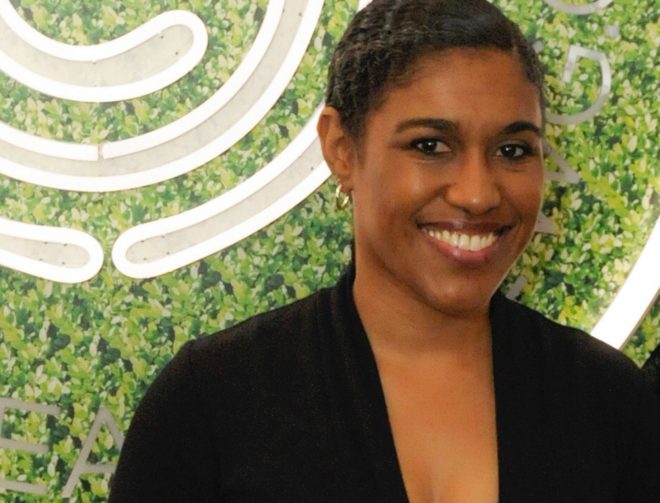
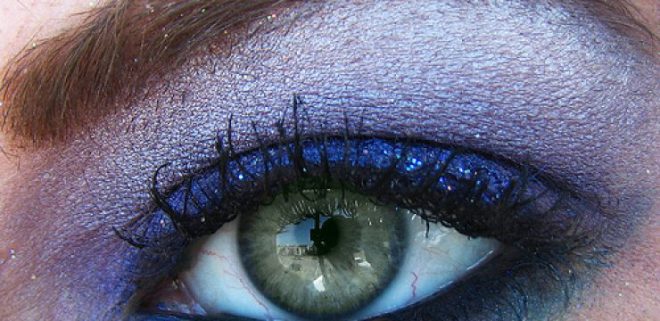





 When you think of who inhabits the sea, don’t think of people, you think of fishes. Turtles, dolphins, jellyfish, whales. In Dubai and Oman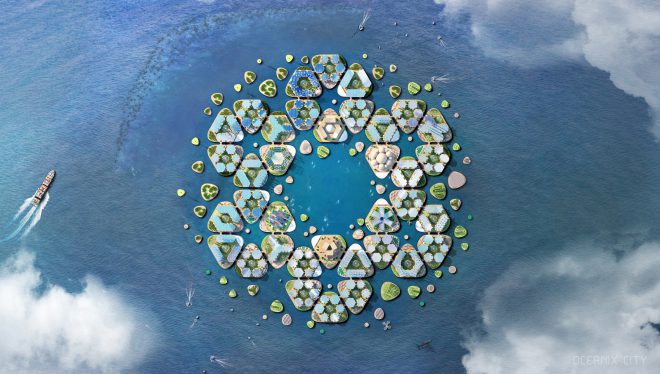









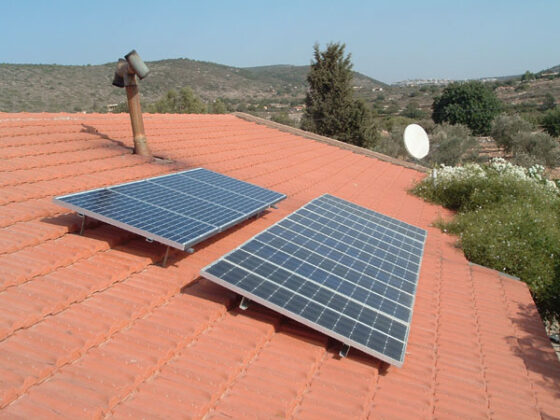





















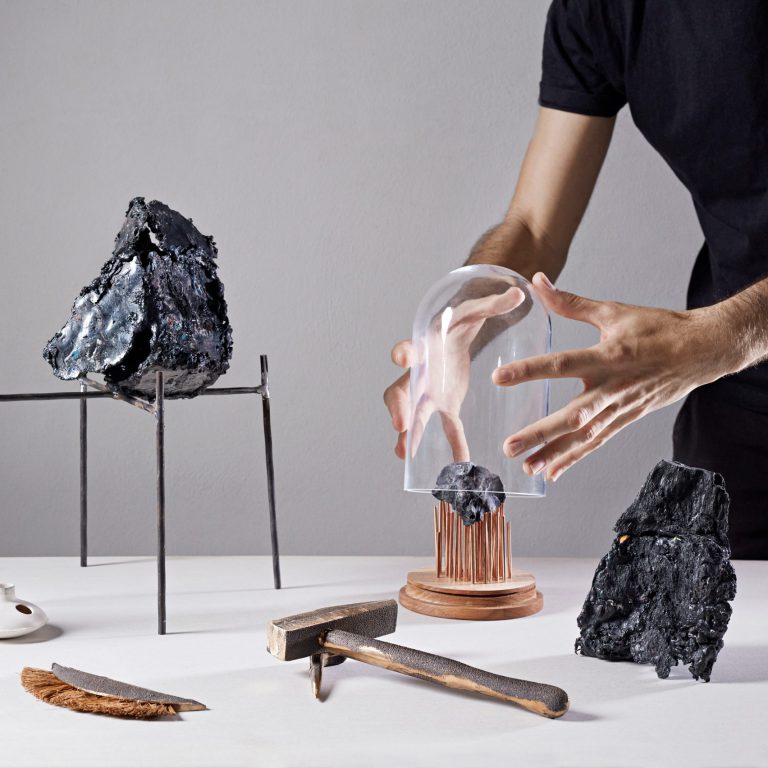


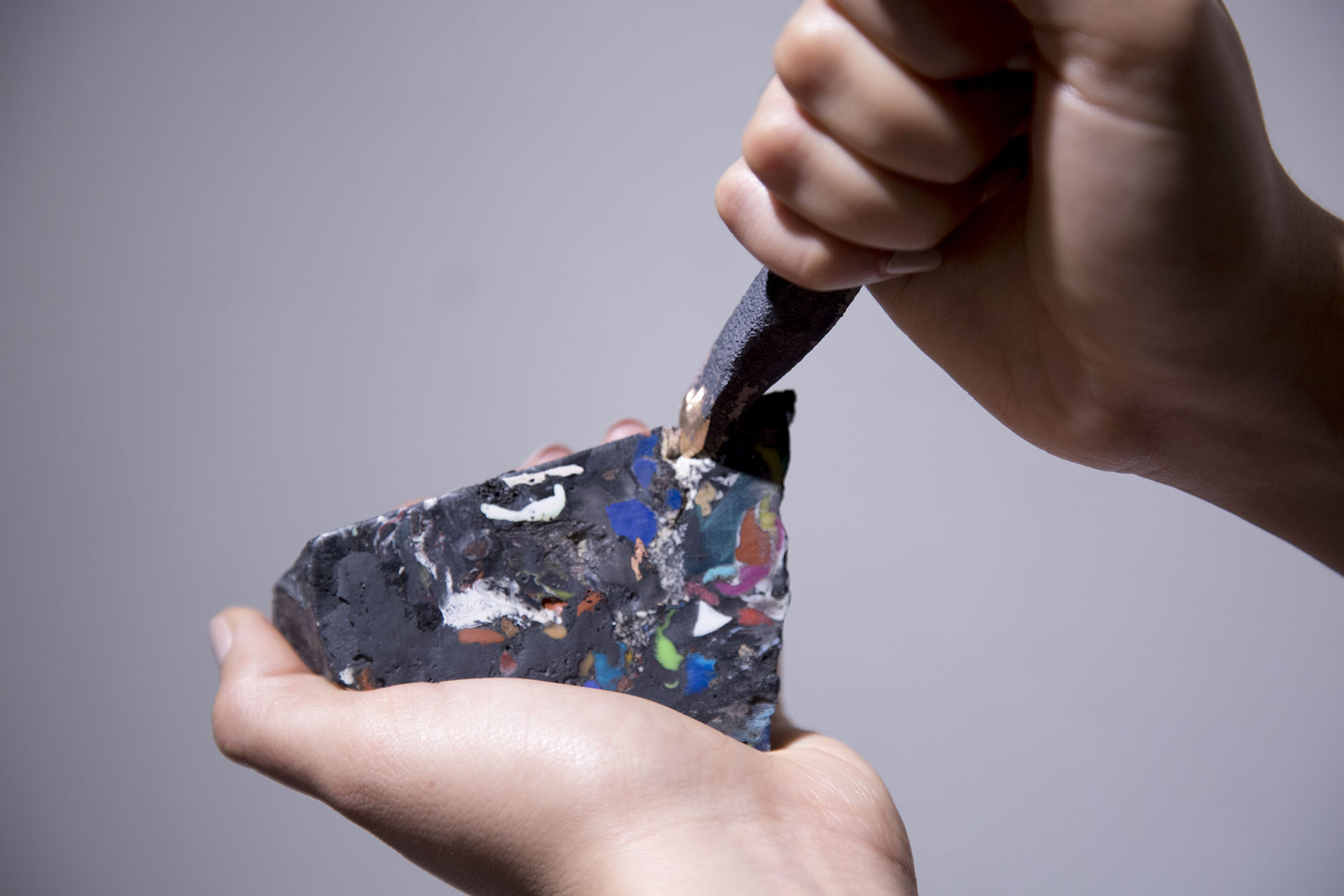


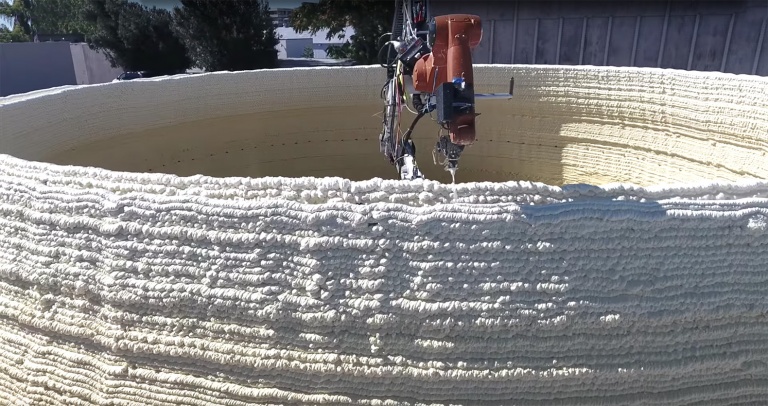
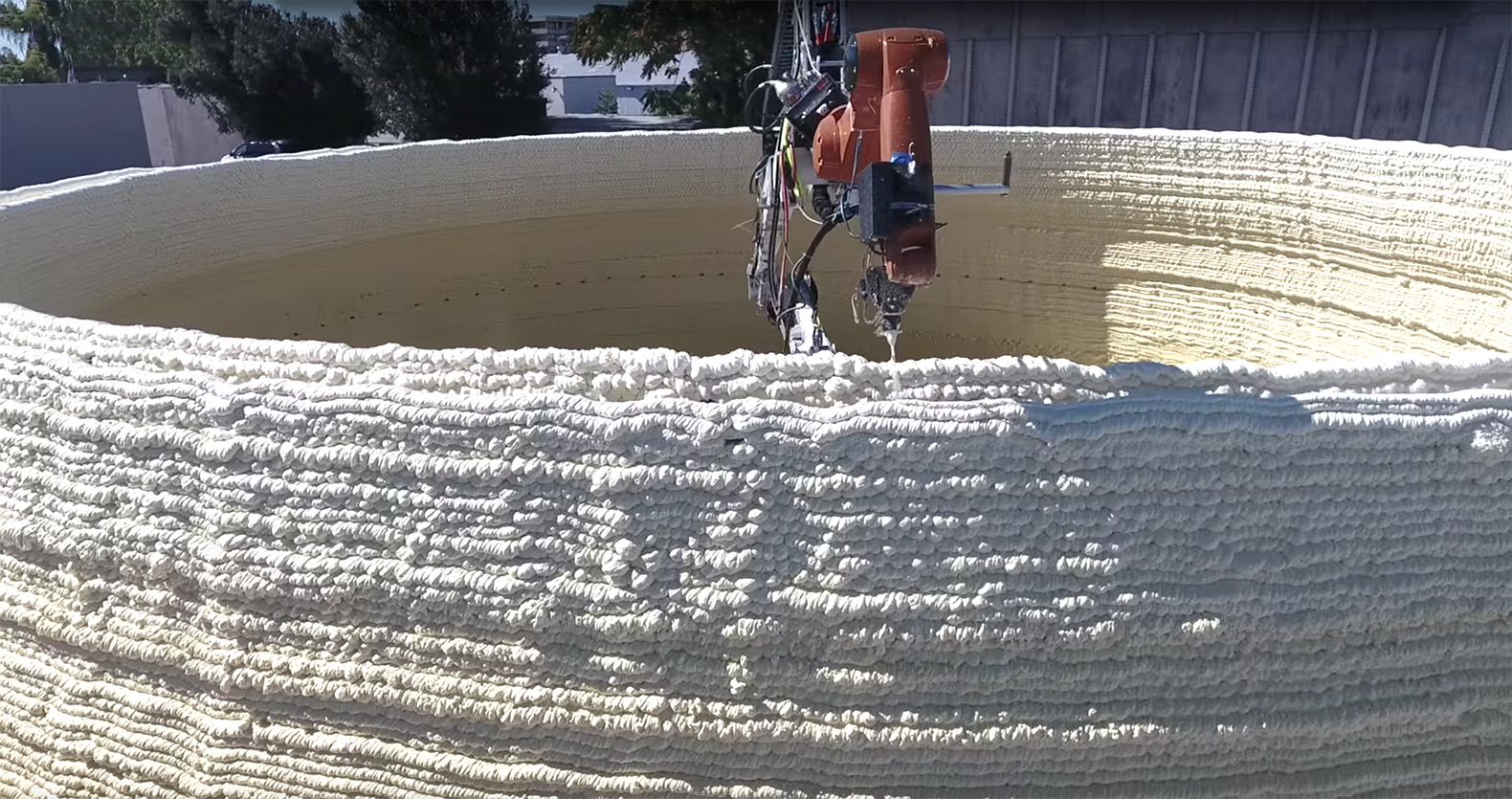
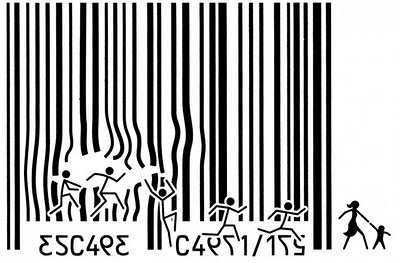




 An Asian Houbara, via