Traditionally, poorer or developing Asian countries imported plastic waste from developed and wealthy countries. Until this year, China was the world’s biggest plastic importer, accounting for more than 45% of the total yearly plastic import, worldwide.
2018 was the year of change for China, apparently, as it refused to buy any more plastic, due to local environmental concerns. The news came as a surprise for all rich countries, who used China to discard of their own plastic waste. This threw the recycling industry in turmoil and nations struggle today to find other countries to dispose of their waste. It looks like the plastic buying era has come to an end. But all ends have new beginnings and viable solutions for this burning issue have to be urgently found. Otherwise, all the plastic waste will end up in local landfills, local waters and ultimately, oceans, as this wasn’t a problem too big already.
The recycling maps have to be redrawn, calling for nations to develop and implement local plastic recycling strategies to diminish the plastic waste that will end up in nature. But, difficult times are waiting for nations before everything will come to a clear path of action, as the matter is challenging numerous industries and politics, is challenging stakeholders and policymakers, equally.
Challenging logistics, economics and policies
Some debate that plastic recycling is unviable from costs’ perspective. Plastic recycling is considered to be unsustainable, because of the large volumes of plastic generated by each nation, separately. And before, implementing a domestic system that works and is mature enough to deal with plastic waste is necessary. More than this, there has to be present a domestic market for the plastic mass generated by the recycling industry. To the plastic waste that reaches recycling bins, there is a staggering amount of 6.3 billion tons of waste that ends up in landfills or in nature, as of the year of 2017.
Plastic recycling was always seen as an unattractive matter for most civilized and rich countries. The process is a difficult one and markets for materials generated by recycling are difficult to find. Since the plastic manufacturing industry took over and began to be widely used globally, in the ‘50s, plastic imports to China spiked by 800%. And this accounted only for the 9% of plastic waste that is yearly recycled globally. The rest ends up in rivers, landfills, and ultimately, in earth’s biggest sink, the Ocean. The leading plastic exporter to China, the USA, is also the one with the less developed domestic recycling industry. It’s expensive, difficult, and unattractive to implement such policies. And still, until this year, the USA was the biggest importer of single-use food packaging, manufactured of PVC.

As China won’t be importing plastic anymore due to local environmental concerns, countries such as the USA will have to push for local manufacturers to use in their processes more recycled plastic. In the future, nations will have to find more inventive and efficient methods to dispose of their plastic. More thought has to be given to solid plastic waste management systems, such as balers for recycling, in this context. But also, many environmental advocates push for a more effective use of alternate manufacturing materials, to replace plastic. But this is challenging on several levels, from economic aspects to policies and logistics. To replace the use of plastic in a manufacturing process, you have to first find a suitable material, then rethink the entire manufacturing process, invest in new equipment and methods, train your employees in using those and creating new policies to protect and promote the new given coordinates.
New opportunities are open
If we want the world’s nations to find a solution in this regard, we have to take a closer look at China’s case and the reasons that turned it into the world’s biggest plastic importer. Back in the ‘90s, China managed to become the world’s biggest manufacturer. This generated an increased demand for materials, which, led to immense imports of plastic from richer countries, which were already using plastic at a very large scale. New processes and methods to turn all waste plastic bought from rich countries were invented and China’s capacity to process those, just as well.
As China announced that it will stop importing a variety of goods and materials, due to environmental concerns – including recycled plastic – this opens new opportunities for the leading economies of the world to develop better, more effective plastic recycling methods and technologies.
But let’s take the USA current plastic recycling methods, as an example. Currently, across the USA, are present numerous “single-stream” recycling facilities. In terms of quality, single-stream recycling lacks it almost completely. In this case, various materials are compacted together and new, less pure and less qualitative materials emerge in the process. It’s also one of the lest economically viable recycling options out there.
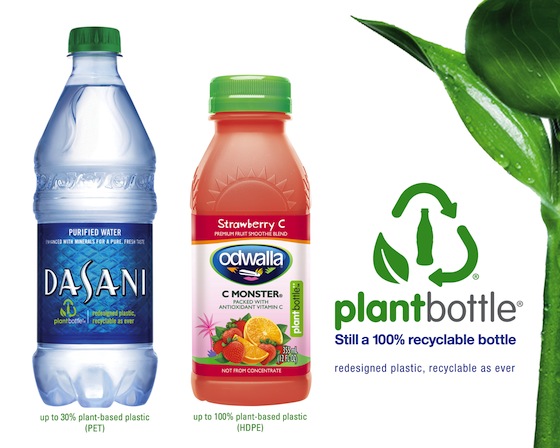
A decrease when it comes to the use of plastic is expected to appear. As viable and profitable recycling options are currently unavailable or costly to implement if they exist, manufacturers are expected to turn their attention to other materials. Biodegradables, bioplastics, these are all new opportunities in industries using plastic at a large scale. They have a shorter decomposition period and break down in easy to assimilate compounds. So, even when they end up in landfills, these are unlikely to damage it in the long run, like traditional plastic does.
New opportunities appear when it comes to regulations and policies. Some voices claim that the Basel Convention could be extended to regulate plastic waste as well. Importers could also implement new regulations and apply high taxes to plastic import.
What really happens after China put a ban on plastic import? We really don’t know for sure, but as the need to recycle larger volumes of plastic arises, maybe the world’s nations will become increasingly aware and willing to invest in cutting-edge recycling technologies and maybe even completely replace the use of plastic in manufacturing processes.