
Appalachian lithium could supply America with EV batteries for 300 years

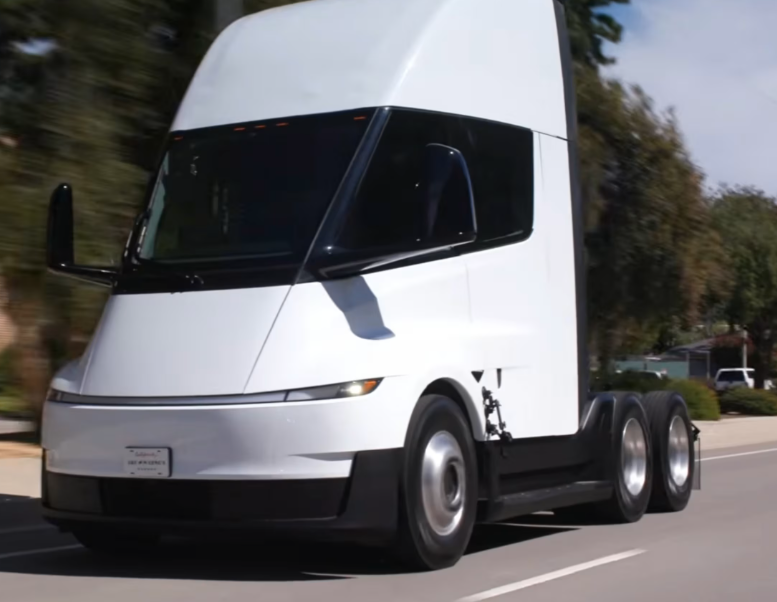
A Tesla Semi. The new lithium discovery might erase China from the lithium/energy landscape

A vast and largely untapped lithium reserve may be hiding beneath one of North America’s oldest landscapes, the Appalachian Mountains, offering a surprising twist in the global race for clean energy materials. According to new findings from the U.S. Geological Survey (USGS), as much as 2.5 million tons of lithium could be buried across the region, stretching from the Carolinas up through New England.

For a world scrambling to electrify everything from cars to power grids, that number is staggering. At current consumption levels, this reserve could replace more than 300 years of US lithium imports, which is used in the energy sector for rechargeable lithium-ion batteries in electric cars, future Tesla freight trucks, in battery storage systems and in laptops.

Scientists estimate it could supply enough material for millions of grid-scale batteries or tens of millions of electric vehicles; these are technologies essential for transitioning away from fossil fuels.
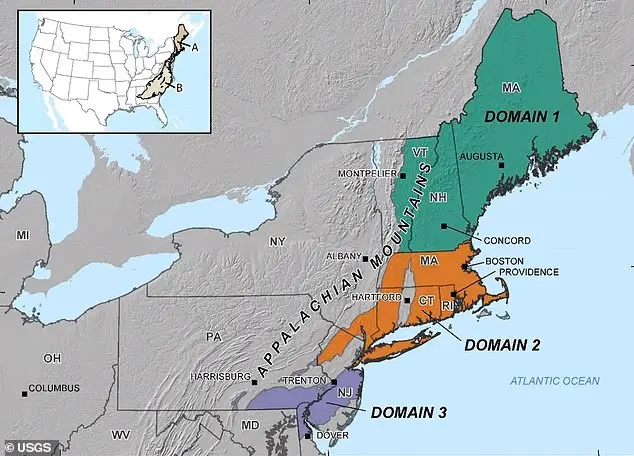
USGS Lithium Map
USGS Lithium Map

What makes this discovery particularly compelling is its origin story. The Appalachian Mountains formed roughly 480 million years ago during ancient continental collisions that created intense heat and pressure deep underground. These conditions gave rise to pegmatites which are coarse-grained rocks known to host lithium-rich minerals such as spodumene and lepidolite, widely used in modern battery production.

Researchers have identified up to 18 lithium-rich districts along the mountain chain. Some areas are already known, like the Carolina tin-spodumene belt, while others such as deposits in Maine, contain massive crystals and show strong potential for future extraction. The study also divided the region into three “domains,” with one standing out as especially promising due to its high likelihood of undiscovered deposits.
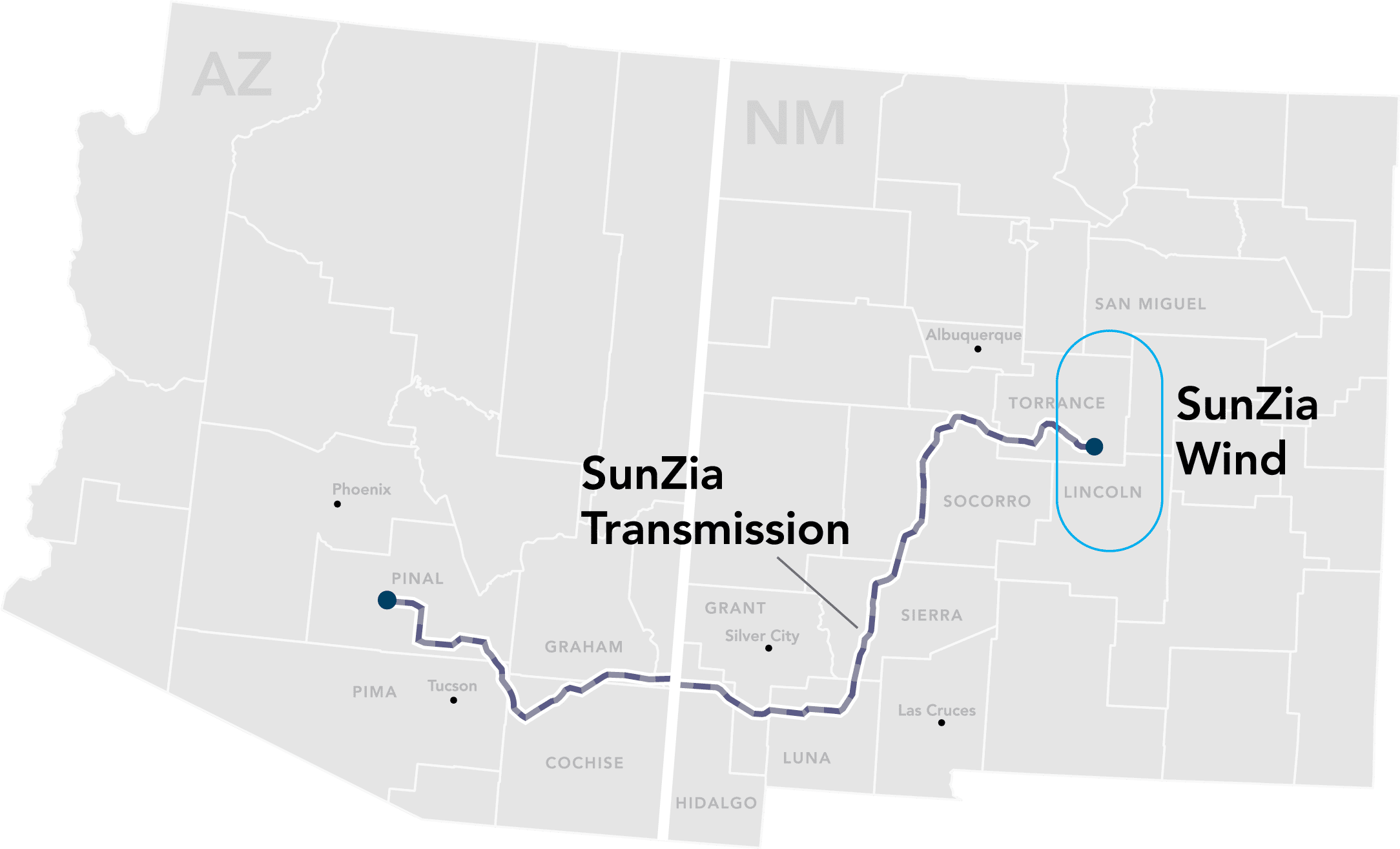
SunZia energy transmission map
SunZia energy transmission map, via Pattern Energy

But while the scale of the resource is exciting, the path forward we know will not be simple. It took Sunzia years to get approvals for their wind turbines mapped out. Indiginous tribes, animal rights organisations, ecologists.  Mining lithium, especially in ecologically sensitive and densely populated regions like the Appalachians, raises serious environmental questions. No one wants mining in their backyard or running close to their streams or groundwater. Water use, land disruption, and the impact on local communities will all need to be weighed carefully against the benefits of domestic supply.

Lithium is entering our food chain with untold future consequences. Lithium batteries are a growing source of pollution in the US.

There’s also a broader geopolitical angle. Today, China dominates much of the global lithium processing and battery supply chain. A significant US discovery could shift that balance once and for all, strengthening domestic energy security and reducing reliance on foreign sources.

Up until now this is just a promise and a bargaining card the US can wager in future car manufacturing and energy negotiations. For now, the Appalachian Mountains, the ones John Denver sang about, and known for coal and timber, may be quietly holding the keys to a cleaner energy future.

Meanwhile Afghanistan is holding a large reserve of lithium.
Afghanistan's Ghazni Province may hold world’s largest deposits of lithium
Afghanistan’s Ghazni Province may hold world’s largest deposits of lithium
Karin Kloosterman
Karin Kloostermanhttp://www.greenprophet.com
Karin Kloosterman is an award-winning journalist, innovation strategist, and founder of Green Prophet, one of the Middle East’s pioneering sustainability platforms. She has ranked in the Top 10 of Verizon innovation competitions, participated in NASA-linked challenges, and spoken worldwide on climate, food security, and future resilience. With an IoT technology patent, features in Canada’s National Post, and leadership inside teams building next-generation agricultural and planetary systems — including Mars-farming concepts — Karin operates at the intersection of storytelling, science, and systems change. She doesn’t report on the future – she helps design it. Reach out directly to [email protected]

Read More

LEAVE A REPLY

Please enter your comment!
Please enter your name here

TRENDING

Korean researchers create battery from greenhouse gases

Professor Ji-Soo Jang, in collaboration with Professor Taekwang Yoon of Ajou University and Professor Hansel Kim of Chungbuk National University, has developed a novel energy device that generates electricity during the process of capturing greenhouse gases.

Electric and hydrogen long-haul trucks are finally leaving the prototype era

When wars in Iran threaten oil routes, and Saudi...

Batteries from salt? New grid projects suggest the idea is becoming real

Peak Energy makes storage batteries from salt making us one step closer to cleaner, endless energy from the wind and the sun

M2PV Capital Targets the American Southwest as Its Launchpad for Off-Grid EV Growth

In the American Southwest, electric vehicles face extreme heat, long travel distances, and limited grid access that expose the real infrastructure gaps behind the EV transition. M2PV Capital is building off-grid charging and power systems designed to operate independently in the region’s most demanding conditions.

Hybrid Solar + Storage: How AI and Smart Modeling Tools Are Helping Solar Installers Scale

Batteries only sell well when their value is clearly explained. This is where solar design software, energy-yield calculators, and proposal platforms become essential tools for installers. AI is leading the way.

Mining Afghanistan’s Mineral Discoveries Similar to Avatar

Now that American forces in Afghanistan are commemorating the longest period of any war that America has been involved in, including the 1965-73 Vietnam War, the recent discoveries of large and extremely valuable mineral and metal deposits may finally bring to light a reason to continue the presence of US fighting forces in this war torn and backward country.

From Pilot Plant to Global Stage: How Aduro Clean Technologies’ 2026 Expansion Signals a Turning Point for Chemical Recycling Investors Like Yazan Al Homsi

The company's Next Generation Process (NGP) Pilot Plant in London, Ontario, has officially moved into initial operating campaigns, generating the kind of structured, repeatable data that separates laboratory promise from commercial viability.

Nobul’s Regan McGee on Shareholder Value: “Complacency Is the Silent Killer” 

Why the governance framework designed to protect shareholders so...

Should You Invest in the Private Market?

startustartup Unlike public stock exchanges, which offer daily trading, strict...

How to build a 100-year-company

Kongō Gumi is a Japanese construction company, purportedly founded in 578 A.D., making it the world's oldest documented company. What can we learn about building sustainable businesses from them?

How AI Helps SaaS Companies Reduce Repetitive Customer Support Work

SaaS products are designed for large numbers of users with different levels of experience, and also in renewable energy.

Pulling Water from the Air

Faced with water shortage in Amman, Laurie digs up...

Turning Your Energy Consultancy into an LLC: 4 Legal Steps for Founders in Texas

If you are starting a renewable energy business in Texas, learn how to start an LLC by the books.

Popular Categories