


All air conditioners release water. That’s Physics. Cities like Los Angeles pour billions of water down the drain every year. And while home owners who are savvy to water reuse are finding ways to use AC water in the garden (here are 5 ways to use air con water at home), or in art studios (it’s basically free distilled water), cities could save water in meaningful ways by using creative ideas. These are solutions you can send to urban planners and those running smart city accelerator programs. Pick one of them and you might win the grant!
AC condensate for public urinals and washrooms

In high-traffic areas of parks, beaches, and transit hubs, air con condensate can feed overhead tanks for continuous urinal flushing. Or imagine a new kind of urinal that connects to condensate and greywater ponds? It’s a perfect non-potable use for air con water and pairs naturally with greywater systems. In hot climates, the flow is steady enough to make a real dent in municipal water use.
AC water for street cleaning crews

Why are we washing sidewalks with drinking water? I see street cleaners in my town connecting to fire hoses to fill up the tanks they are using for street washing. Condensate can be captured at the building level and fed into local tanks for street cleaning and sanitation. It’s low-cost, decentralized, and immediately deployable in dense neighborhoods. I bet it’s healthier to add to machines than tap water full of calcium carbonate.
AC-powered street cooling in heat zones
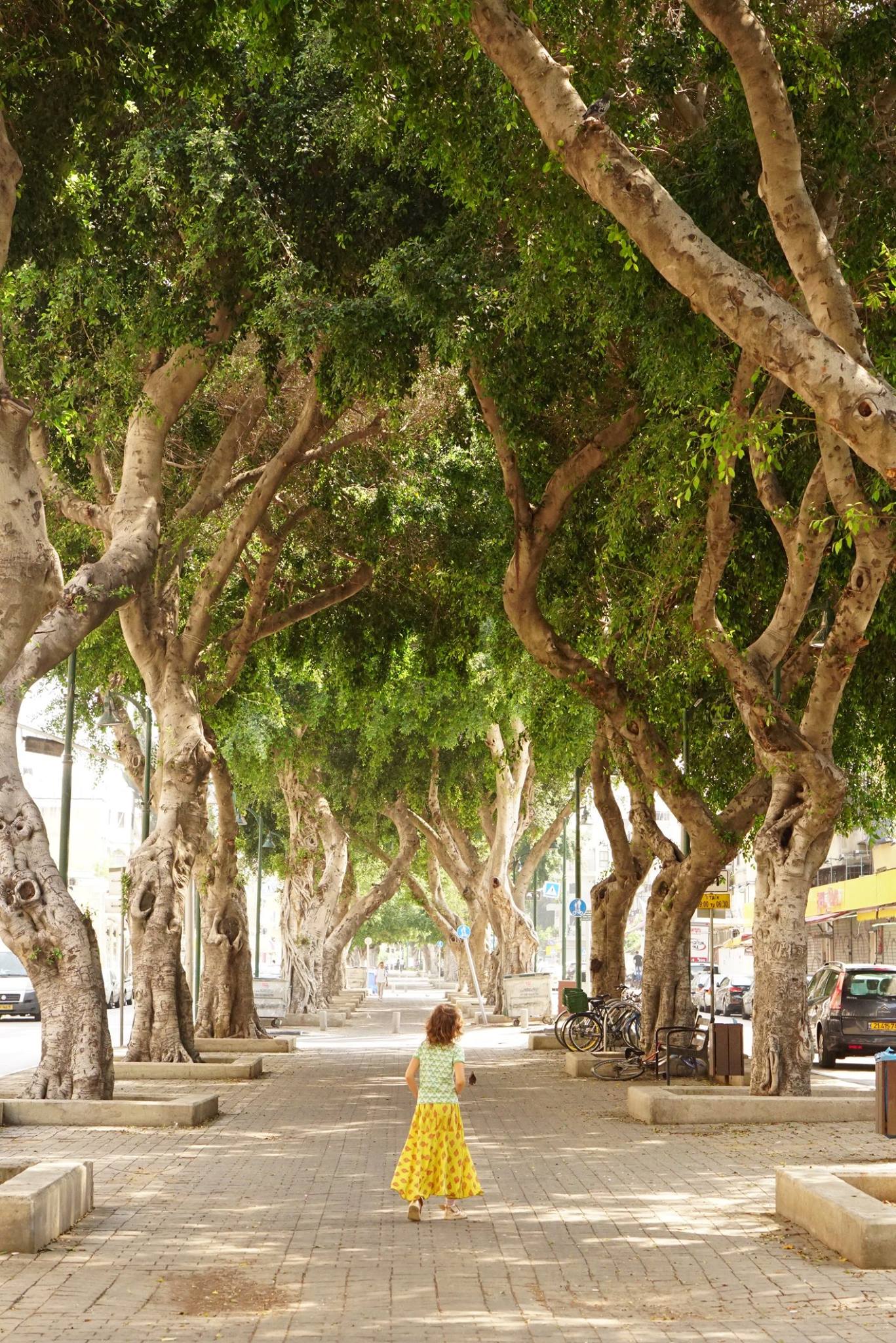
This is my idea and you can credit Green Prophet on pitch day: On extreme heat days, cities could release stored condensate onto pavement or through cooling strips along sidewalks. As it evaporates, it drops surface temperatures and makes streets more livable. Think of it as micro-climate management, not just water reuse.
Public misting systems using AC water
You see this in Paris on hot summer days: the city sprays a fine mist, cooling people in public squares. Condensate can power these systems without touching potable supply. In a heatwave, this becomes a public health tool, not a luxury. We bet it could also be used in splash pads, which anyway are full of chlorine.
AC condensate in urban irrigation networks
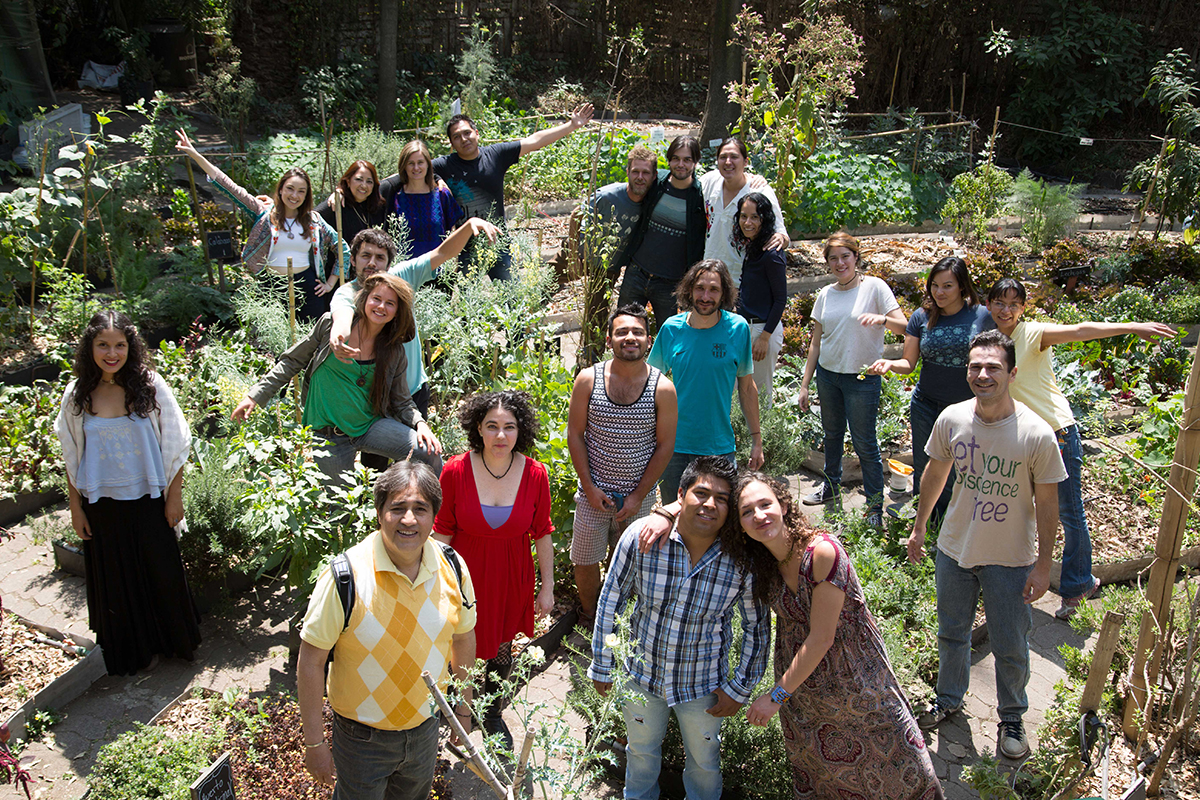 Trees, medians, and rooftop gardens really don’t need drinking water. Just imagine in dry cities like Amman where people get their household water delivered by truck every week. Condensate can be integrated into drip irrigation systems, especially in commercial zones where AC output is highest. It’s a quiet way to green cities without increasing water demand at all. And more green makes cities cooler.
Building-scale greywater integration
Condensate should be treated as part of a broader greywater mix. Combined with shower and sink runoff, it can supply flushing, irrigation, and cooling systems in cities and regions where these kinds of water may be seperated. Smart buildings can manage this automatically with minimal retrofitting. Can AC water generate energy as it’s running down the pipes of huge apartment buildings? We bet it can.
Cooling towers topped up with AC water
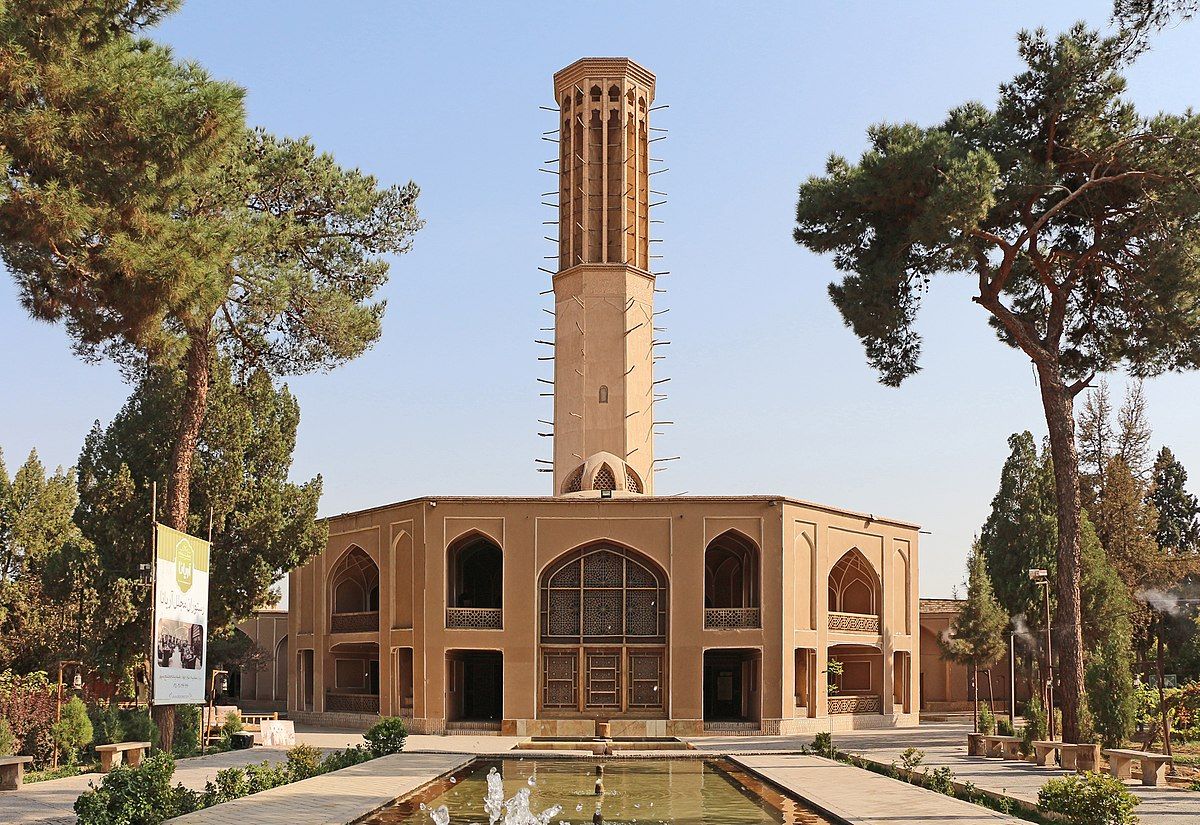
Think Desert Coolers meet the Wind Catchers of Yadz. Large buildings already use water for cooling towers. Feeding them with condensate closes the loop within the HVAC system itself. It’s one of the easiest wins for commercial properties.
Free distilled water for municipal maintenance
Condensate is low in minerals, which makes it ideal for cleaning glass, equipment, and vehicles without leaving residue. Cities could use it for maintenance fleets or public infrastructure cleaning. It’s a small shift with instant efficiency gains.
Wildlife hydration in urban heat zones
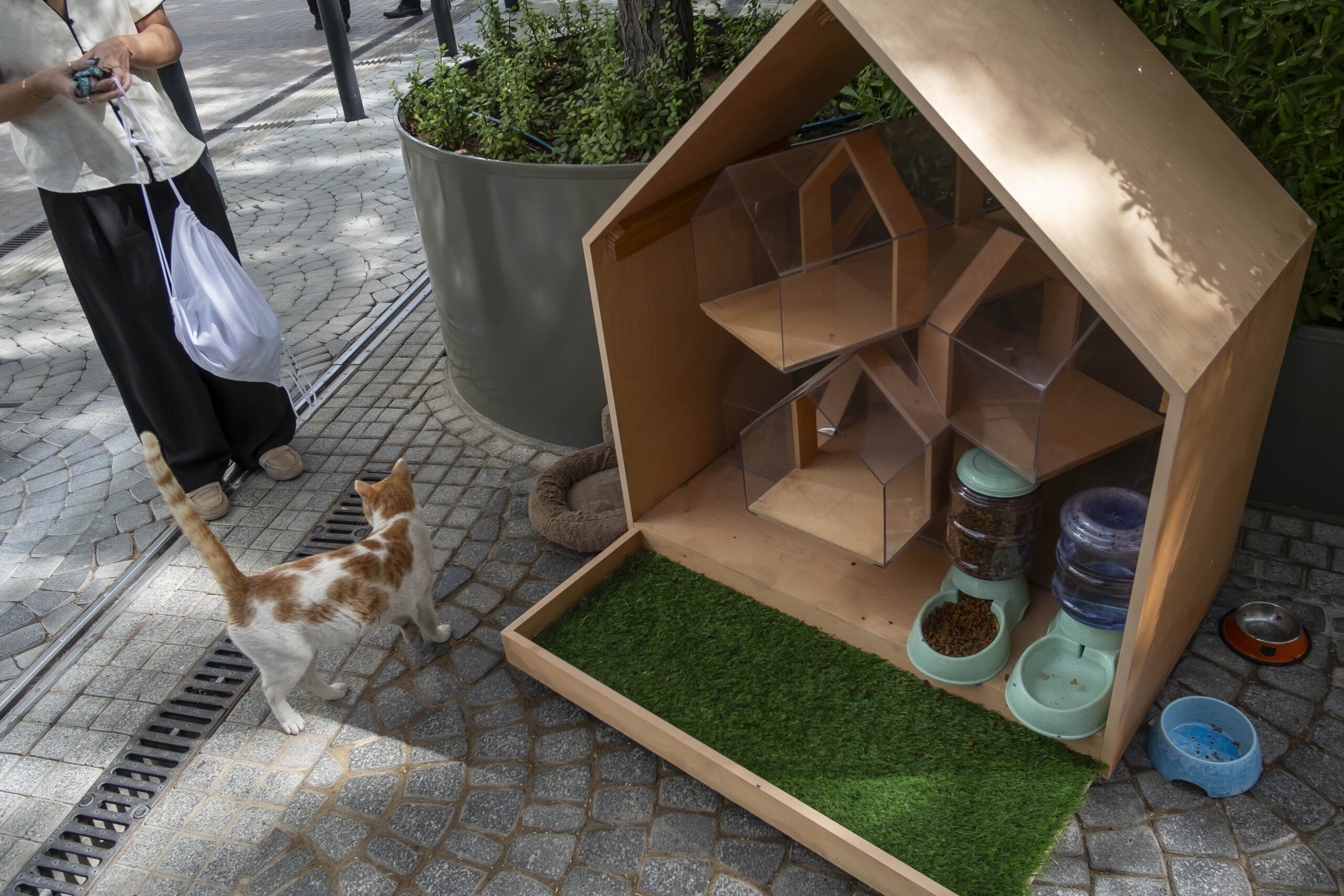
Cities get brutally dry during heat waves. Redirecting condensate into small basins or green corridors can support birds, street cats, pollinators such as bees, and urban wildlife. It’s a low-cost biodiversity intervention that fits naturally into park design.
AC water for eco-materials and circular construction
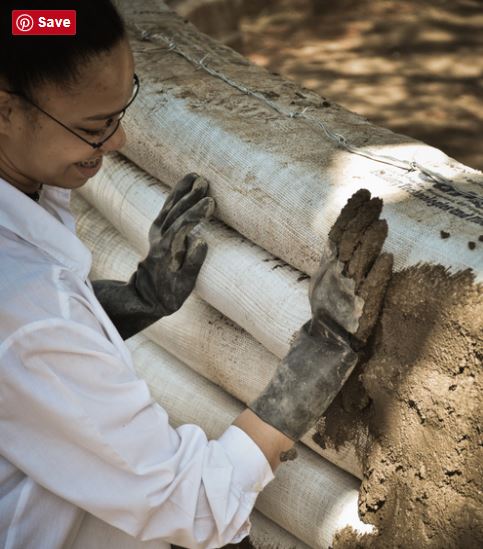
Condensate can be used in mixing lime plasters, clay, and other low-impact materials. Any potter knows that glazes and terra sigalattas are best made with distilled water. Using it, connects modern buildings with older, more sustainable construction methods. In large projects, even this small substitution adds up to quality and results.


, or in art studios (it's basically free distilled water), cities could save water in meaningful ways by using creative ideas. These are solutions you can send to urban planners and those running smart city accelerator programs. Pick one of them and you might win the grant! )