
Where Should You Buy Seeds for Planting?

Early in my gardening years, I bought a bag of “mixed wildflower” seeds from a bargain bin. I sowed it along my fence and waited. A few thin patches came up, mostly grass and clover. That same year, a packet of “cherry tomatoes” from a market stall grew into huge beefsteaks. Tasty, but not what I’d planned.

Since then, I’ve been far more careful about where my seeds come from. The best place to buy seeds is a reputable seed company that tests germination, lists packing dates, and clearly describes each variety, like KVITER Seeds. Local nurseries and seed swaps are also good options.

What to Look for When Buying Seeds

Grow a city garden
Grow a city garden

Wherever I shop, I run through the same checklist:

  • Proof of testing. A germination rate shows the company actually checks its seeds.
  • A “packed for” or harvest date. Fresh seeds germinate better.
  • A clear variety name. “Tomato” isn’t enough. Look for something like “Cherokee Purple.”
  • Days to maturity and growing instructions. These help you plan your season.
  • Varieties suited to your zone. A 90-day tomato won’t do much in a short northern summer.
  • Honest photos that show what the plant really looks like.

Red Flags to Avoid

I walk away when I see any of these:

  • Edited or unreal photos
  • No company name or contact details
  • Prices that are too good to be true, such as a thousand rare orchid seeds for a dollar
  • Missing variety names or growing details
  • A pattern of reviews about poor germination or the wrong plants

Heirloom, Hybrid, and Organic Seeds Explained
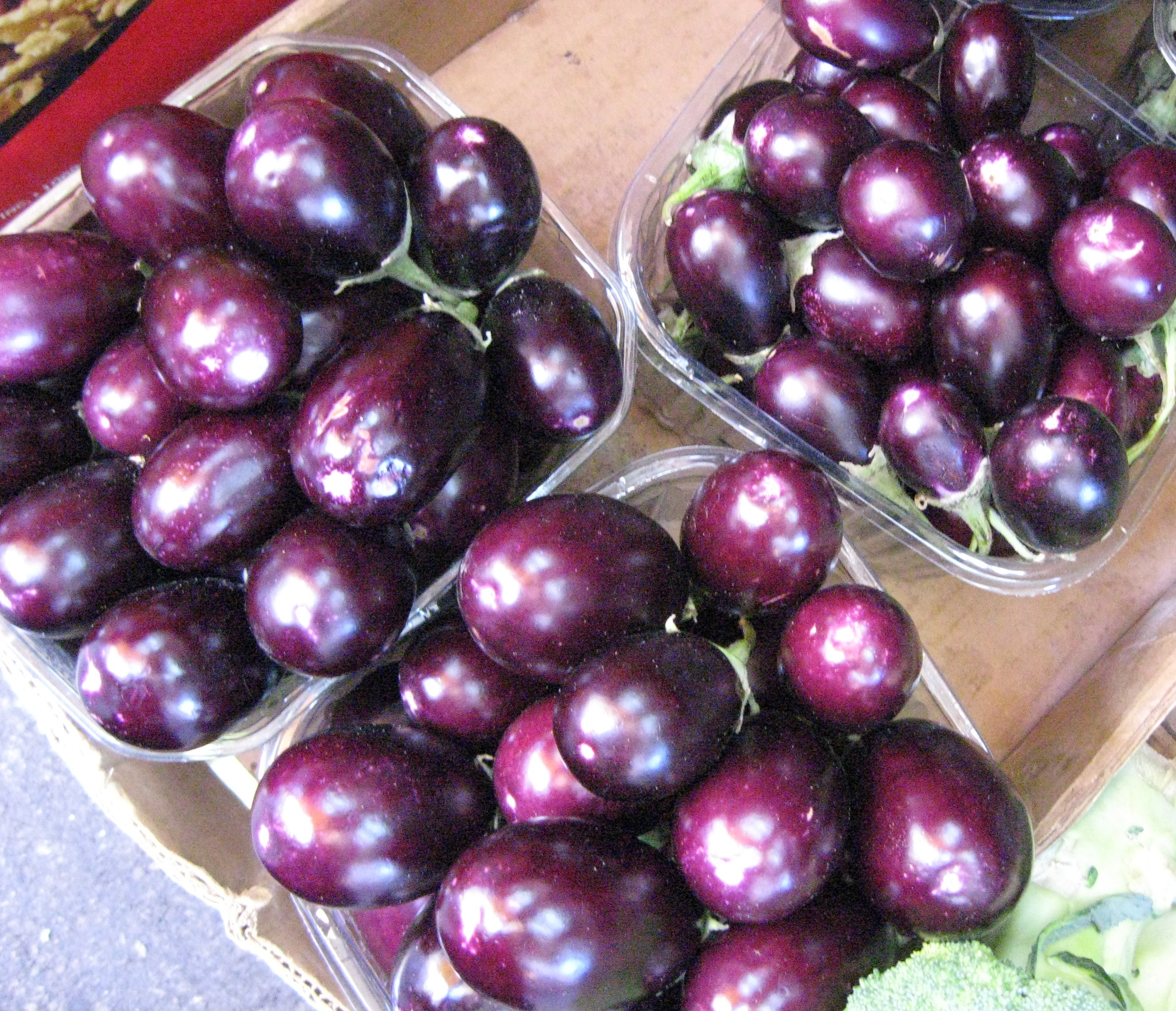
Baby eggplant
Baby eggplant

Heirloom Seeds

Heirlooms are open-pollinated varieties passed down for generations. They grow true from seed, so you can save seed from your best plants and grow the same variety next year.

Hybrid (F1) Seeds

Hybrids come from crossing two parent plants to get traits like vigor or disease resistance. They can be very productive, but saved seed won’t grow true, so you’ll need to buy fresh seed each year.

Organic Seeds

Organic seeds come from plants grown under certified organic standards. An organic seed can be an heirloom or a hybrid. The label describes how it was produced, not the type of variety.

Why I Buy From Specialized Seed Companies

After enough disappointing packets, I started buying from companies that focus only on seeds. One I trust is KVITER. They test every batch for germination and carry rare heirloom varieties you won’t find on a supermarket rack. Their approach is rooted in harmony with nature and Ukrainian gardening traditions, which I appreciate as someone who grew up around people who saved their own seeds.

The range covers flower, vegetable, herb, fruit, tree, and grass seeds, so I can order most of what I need in one go. For my cutting beds and pollinator borders, I usually start with KVITER flower seeds.

I also like the packaging. It’s biodegradable and reusable, and each packet has a QR code that opens a quick planting guide. That’s handy on a busy sowing day. For beginners, their themed seed kits take the guesswork out of choosing varieties.

When to Buy Seeds

Best Time to Order

I order between December and February. Popular and rare varieties often sell out by early spring, and ordering early gives you time to plan.

How Long Seeds Last

Onion and parsnip seeds are best used within a year. Peppers last 2 to 3 years, lettuce around 3 to 5, and tomatoes 4 to 6 years if stored well.

How to Store Leftover Seeds

Keep seeds cool, dry, and dark. I store mine in airtight jars with a small silica gel packet and label each one with the variety and year.

How to Test Old Seeds Before Planting

Not sure if old seeds are still good? Try a quick paper towel test:

  1. Count out 10 seeds.
  2. Dampen a paper towel so it’s moist but not dripping.
  3. Spread the seeds on the towel and fold it over.
  4. Place it in a plastic bag and seal it loosely.
  5. Keep it somewhere warm, like the top of the fridge.
  6. Check after 5 to 10 days. Peppers may need up to 3 weeks.
  7. Count the sprouts. Eight out of ten means an 80% germination rate.

If fewer than half sprout, sow more thickly or replace the packet.

Choose Seeds You Can Trust

Good gardens start before sowing day. Buy from sources that test their seeds, give honest information, and offer varieties suited to your region. Be wary of bargains that look too good to be true, and store leftovers properly.

When you’re ready to plan your next season, explore the flower, vegetable, herb, fruit, tree, and grass seed collections at KVITER. You’ll find tested seeds, rare heirlooms, and packaging that’s kind to the planet.


Bhok Thompson
Bhok Thompsonhttp://www.greenprophet.com
Bhok Thompson is an “eco-tinkerer” who thrives at the intersection of sustainability, business, and cutting-edge technology. With a background in mechanical engineering and a deep fascination with renewable energy, Bhok has dedicated his career to developing innovative solutions that bridge environmental consciousness with profitability. A frequent contributor to Green Prophet, Bhok writes about futuristic green tech, urban sustainability, and the latest trends in eco-friendly startups. His passion for engineering meets his love for business as he mentors young entrepreneurs looking to create scalable, impact-driven companies. Beyond his work, Bhok is an avid collector of vintage mechanical watches, believing they represent an era of precision and craftsmanship that modern technology often overlooks. Reach out: [email protected]

Read More

TRENDING

5 Reasons Why You Should Save Seeds (and plant them)

Saving seeds from tomatoes, peppers, herbs and flowers helps preserve biodiversity, strengthen food security, and keep heirloom varieties alive. Even a small balcony garden can make a difference.

10 Proven Israeli Technologies to Help Somaliland Build Food, Water, and Energy Security

Israel’s water and agricultural technologies didn’t emerge from ideal conditions. They were developed under pressure: low rainfall, saline water, political isolation, lack of energy resources, and the constant need to feed a growing population with limited land. Over the years, I’ve written about many of these companies not as miracle-makers, but as problem-solvers. That’s what makes them relevant to places like Somaliland. Israel was the first country in the world to recognize Somaliland as an independent state although Ethiopia has been treating the nation as such for decades.

Make moss graffiti

Express your green views for all to see - right on the walls of your house, restaurant or office. Moss grafitti is the hottest trend in urban agriculture, after hydroponics and vertical farming.

Can neem and tulsi purify water?

All four medicinal plants used in the study demonstrated a notable transformation in turning contaminated water into drinkable water. More than any other plant, neem has proven to be effective at cleaning contaminated wate, the researchers note. Along with a value closer to that of neem, tulsi also possesses the ability to filter contaminated water.

Saudi Arabia initiates a wild plant survey

Saudi Arabia until recently was hermetically sealed to the...

Scientists make lead-free perovskite solar cells that can weather the elements

Scientists have developed a “raincoat” for lead-free tin perovskite solar cells, helping them withstand air, moisture and heat while maintaining high efficiency.

The Essential Guide To Sustainability in Project Management

Sustainability is an approach where businesses and individuals balance the environmental, social, and economic aspects of a project such that current and future stakeholders are not overburdened with the impacts of the project in future.

Yerukim Forms a New Green Economy Where the Money is Really Green

The Yerukim members who pick up the recyclables get to keep the monetary reward, the public earns "green" bills that can be used in shops, and business owners get to be associated with environmentalism.

Choosing Riyadh over Dubai? What Investors Should Know

Saudi Arabia is deploying capital at unmatched scale to catalyze tourism and advanced industry while rewiring its power-and-water backbone. The investable frontier is widening—especially in renewables, grid storage, water efficiency/desal retrofits, and hospitality operating platforms. Prudent investors will insist on phased delivery, enforceable KPIs (energy, water, biodiversity), and RHQ/zone compliance—while pricing political-economy and reputational risks alongside growth upside.

Sell your cooking oil for biodiesel money

Want to make money on old french fry oil? Sell it.

Qatar Alternative Energy Summit Pairs Investors And Innovators

Alternative energy investors and innovators can meet n' greet in Doha, Qatar March 16 and 17.

Here’s How To Implement The Four Pillars Of Employee Engagement

If you throw a party for your work team and they are vegans, don't make it a barbecue. Know the sustainability values of your team to boost moral and retain good people.

Locals From Rishon Fight IKEA

Big Box stores are a pretty new concept in Israel, and thank God that not every Israeli city wants them in their backyard. A word from someone who has see the beautiful farmland around her hometown Newmarket, Ontario stripped and converted into vulgar strip malls of big box shops: they have no place in a healthy and sustainable town or city.

Popular Categories