How To Reduce the Carbon Footprint of Your Supply Chain?

shipping container cargotecture
Shipping container

Every business has a carbon footprint. An organization, in its full operation, is bound to leave behind a carbon footprint. This, in fact, is an inevitable reality. But there are certainly a few ways to reduce an organization’s carbon footprint to some extent.

Reducing the carbon footprint is good for the environment and requires adhering to complaints issued by various organizations. One way you can reduce your organization’s carbon footprint is by selecting sustainable freight shipping. But this is just one of several ways. Let’s get into an in-depth discussion of how businesses can reduce their carbon footprint. 

Choosing a Sustainable Freight Shipping Process

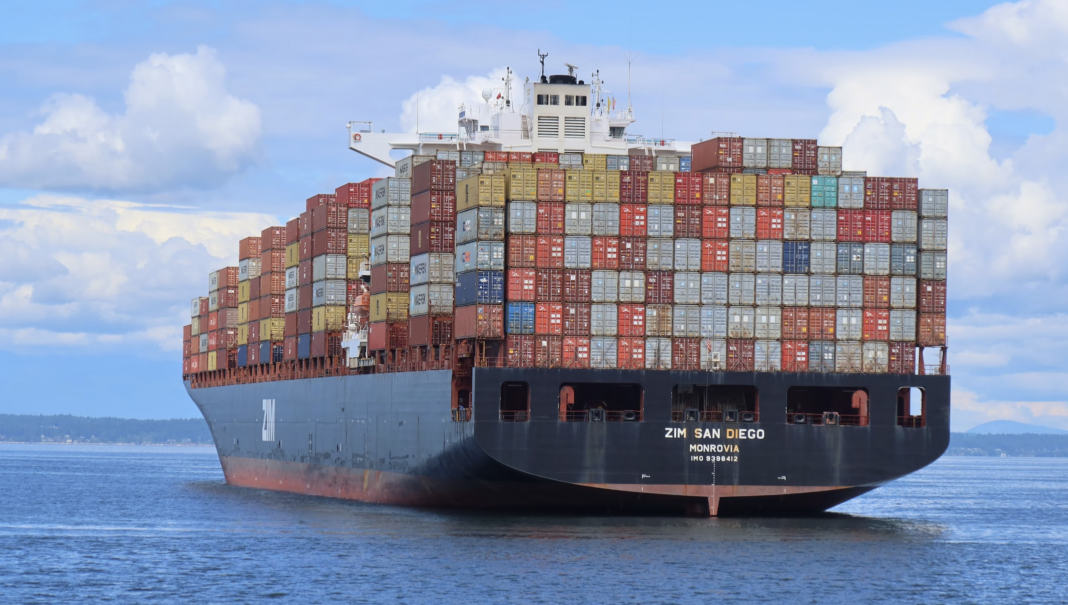
According to a study, transportation and logistics contribute to one-fifth of the world’s total carbon emissions. This trend doesn’t stop here. Almost 30% of this number is contributed by road freight transportation. This is why it is important for businesses to choose a freight shipping structure that is sustainable and reduces the carbon footprint. For instance, one can opt for a shared truckload model, which is designed to reduce 40% of carbon emissions. In STL, the shipper only pays for the space they need. This is different from a full truckload, in which you need to hire the entire truck. This means various shippers consolidate their goods into one truck, reducing carbon emissions.

Implement a Circular Economy

Gift giving better than a late night support chat

Before discussing how to implement a circular economy model in your supply chain, let’s define the term. A circular economy is a production and consumption approach that aims to reduce waste, utilize fewer resources in the supply chain, and use materials, tools, and machines for a longer duration of time.

Let us understand the circular economy with an example. The food industry is one of the top supply chains and is responsible for 50% of the total carbon emissions. One way the industry can reduce its carbon footprint is by reducing packaging usage and waste. Organizations working in the food industry can design their food packages so that they are easy to reuse. 

Choosing Electric and Hybrid Vehicles for Logistics

When electric vehicles were first tested in the 1930s, who thought they would play such an important role in curbing the carbon footprint of the supply chain? The freight industry is also among the top eight supply chains that contribute to 50% of carbon emissions. To reduce the environmental impact of operations, many shipping providers are opting for electric and hybrid vehicles for logistics. 

Choosing a Sustainably Structured Logistics System

Road train, truckers in California

In addition to using electric and hybrid vehicles for logistics, there are numerous other ways to reduce carbon footprint. One of them is choosing a sustainable logistics system. How? Here are some ways: 

  • Optimizing the utilization of truck space: If you are shipping your products by road, make sure you are maximizing the utilization of truck space. This way, you will be able to ship a larger volume of goods in one single consignment. 
  • Optimizing the route: Optimizing the route to reduce the need for terminals reduces the cost and duration of transit. 

Implementing Proper Waste Management Strategies

Efficient waste management strategies in your supply chain distinguish you from your competitors. Organizations that aim to make a profit while also working for a noble cause are always appreciated by their peers and partners. 

Proper waste management includes encouraging your customers to recycle the final products. In other cases, it also means being able to recycle the raw materials that were used in the production process. 

Conclusion

Managing your organization’s carbon footprint has many environmental benefits. This approach also makes your operation cost-effective. 

By determining the route that leads to fewer carbon emissions, you reduce the cost of fuel and freight transportation. By opting for proper waste management, you ensure that not a single byproduct of your supply chain goes to waste. 

Moreover, when you choose these approaches, you establish yourself as a leader in your niche and get recognition as a business that gives importance to environmental well-being. This helps open up new partnership opportunities that you have never thought of. 


Karin Kloosterman
Karin Kloostermanhttp://www.greenprophet.com
Karin Kloosterman is an award-winning journalist, innovation strategist, and founder of Green Prophet, one of the Middle East’s pioneering sustainability platforms. She has ranked in the Top 10 of Verizon innovation competitions, participated in NASA-linked challenges, and spoken worldwide on climate, food security, and future resilience. With an IoT technology patent, features in Canada’s National Post, and leadership inside teams building next-generation agricultural and planetary systems — including Mars-farming concepts — Karin operates at the intersection of storytelling, science, and systems change. She doesn’t report on the future – she helps design it. Reach out directly to [email protected]

Read More

TRENDING

Anthropic, Google and Stripe put nearly $1 Billion on carbon removal

A coalition led by Frontier, backed by Stripe, Google, Salesforce and newly joined AI company Anthropic, has committed an additional $915 million to remove carbon dioxide from the atmosphere. The pledge adds to a previous $1 billion commitment and brings Frontier's total buying power to nearly $2 billion.

Tesla Semi, electric road trains and the safer freight future after the Iran war

When the US-Israel-Iran war rattles oil routes and sends...

How you create green steel on a blockchain

The thing about raw materials is that once they are melted down, you can't prove the source of the material. Same is true with gold, cucumbers and even forged products that look the same as the real thing. When it comes to steel, and how we produce it, it has a massive carbon problem. What's happening in Japan right now could change how we think about heavy industry and climate action.

EPA May Repeal Key Climate Health Ruling — But Scientists Warn of Dire Consequences

The endangerment finding has been the scientific and legal backbone of US climate policy for more than a decade. Without it, the EPA loses its authority to regulate carbon emissions under the Clean Air Act.

Sustainable Banking: Dame Alison Rose’s Approach to Climate Change and Corporate Responsibility

When Dame Alison Rose assumed leadership of NatWest Group in 2019, she recognised that climate change represented not just an environmental challenge but "probably the biggest existential threat that we will face as a society." Her response was to position the bank at the forefront of sustainable finance, implementing what she describes as "a very clear strategy on climate" that would fundamentally reshape how NatWest operates and lends.

Yerukim Forms a New Green Economy Where the Money is Really Green

The Yerukim members who pick up the recyclables get to keep the monetary reward, the public earns "green" bills that can be used in shops, and business owners get to be associated with environmentalism.

Choosing Riyadh over Dubai? What Investors Should Know

Saudi Arabia is deploying capital at unmatched scale to catalyze tourism and advanced industry while rewiring its power-and-water backbone. The investable frontier is widening—especially in renewables, grid storage, water efficiency/desal retrofits, and hospitality operating platforms. Prudent investors will insist on phased delivery, enforceable KPIs (energy, water, biodiversity), and RHQ/zone compliance—while pricing political-economy and reputational risks alongside growth upside.

Sell your cooking oil for biodiesel money

Want to make money on old french fry oil? Sell it.

Qatar Alternative Energy Summit Pairs Investors And Innovators

Alternative energy investors and innovators can meet n' greet in Doha, Qatar March 16 and 17.

Here’s How To Implement The Four Pillars Of Employee Engagement

If you throw a party for your work team and they are vegans, don't make it a barbecue. Know the sustainability values of your team to boost moral and retain good people.

Locals From Rishon Fight IKEA

Big Box stores are a pretty new concept in Israel, and thank God that not every Israeli city wants them in their backyard. A word from someone who has see the beautiful farmland around her hometown Newmarket, Ontario stripped and converted into vulgar strip malls of big box shops: they have no place in a healthy and sustainable town or city.

The Jewish National Fund Meets An Inconvenient Truth

According to the JNF, it has transformed thousands of acres of barren land into green forests in Israel. They state that each person emits about 23 tons of carbon per year, estimating that each tree planted can absorb one ton of carbon in its lifetime. That's a whole lot of trees you'd need to be planting. Could so many fit in Israel?

How to quiet noise from construction in your office

Streets need to be resurfaced in New York but the humming and grinding noise is unsettling. Noise is environmental pollution. 

Popular Categories