 As part of the 1979 peace treaty with Israel, the Sinai Peninsula was restored to Egyptian control – an event that the country celebrated with some fanfare on April 25th, 2012. On that same day, the Egyptian Prime Minister Kamal Ganzouri witnessed two separate development plans that were signed between the Social Development Fund (SFD) and governors of both the Northern and Southern Sinai governorates.
The main goal of these agreements is to extend water networks and create jobs – a welcome move for a largely neglected area of the country. But Sinai development has also become a hot pitching point for presidential candidates, and environmentalists are worried.
Under Hosni Mubarak’s regime, Sinai was the country’s forgotten corridor and limited development occurred. While this has deprived the local Bedouin population access to decent infrastructure, it has also fostered a healthy stream of tourists attracted by the Red Sea’s marine bounty and the slow pace of life.
Since Mubarak was ousted, a certain amount of informal development has taken place. Tireless conservation groups such as Hurghada Environmental Protection and Conservation Agency (HEPCA) have taken strides to monitor opportunists and protect the environment, but they are easily overpowered.
SFD’s Chief Ghada Wali signed an agreement with North Sinia’s Governor Major General E-Sayed Abdul-Wahab to contribute 1.5 million Egyptian pounds towards developing 21 km of water networks that will be distributed to 6 different parts of the governorate. This project is expected to create 6,804 jobs.
The agreement signed with South Sinai’s governor Major General Khaled Fouda will result in an 18km legwork that will create 6,854 jobs. While these seem like development projects that will actually benefit the local population, environmentalists are concerned about some of the promises made by presidential candidates.
The Muslim Brotherhood espoused the most elaborate plan for the peninsula, according to Al-Akhbar news. This is what it entails:
It envisaged dividing Sinai into five economic zones, and focusing development efforts on specific sectors in each (agriculture, commerce, manufacturing, and livestock herding in the northern zone around the provincial capital at al-Arish; mining and small industry in the central zone; agriculture, commerce, and livestock in the west; tourism in the southeast; and tourism along with mining and petroleum extraction in the southwest). Railways would also be built linking Sinai to Suez and Ismailia under the plan, which Mursi estimated would cost Egyptian Pounds (LE) 20 billion (US$3,300,000,000) over a period of five years.
Meanwhile Nature Conservation Egypt (NCE), one of the most outspoken voices for nature in the country, expressed concerns that these plans will proceed without due process, resulting in potential environmental catastrophes. Of greatest concern in Lake Bardawil, an important wetland near the Mediterranean Sea.
On the NCE Facebook page, Mindy el Bin wrote the following in response recently unveiled development plans in Sinai:
NCE supports Sinai Development…but sound and sustainable development that promotes utilization at the same time protection of the natural resource base. There are questions about the development plans…potential impacts? Where is the water coming from? Other alternatives for development i.e. tourism? Of course what is being described is intensive development with major environmental impacts…no talk about potential prevention or mitigation measures…this is the same type of development we had in the past…where is the change and progress?
After Mubarak and his cronies were ousted, we had hoped that Egypt would enter into a new era of responsible development. It’s still too soon to know whether programs will proceed without environmental impact assessments, but we’re definitely on the alert.
:: Bikya Masr
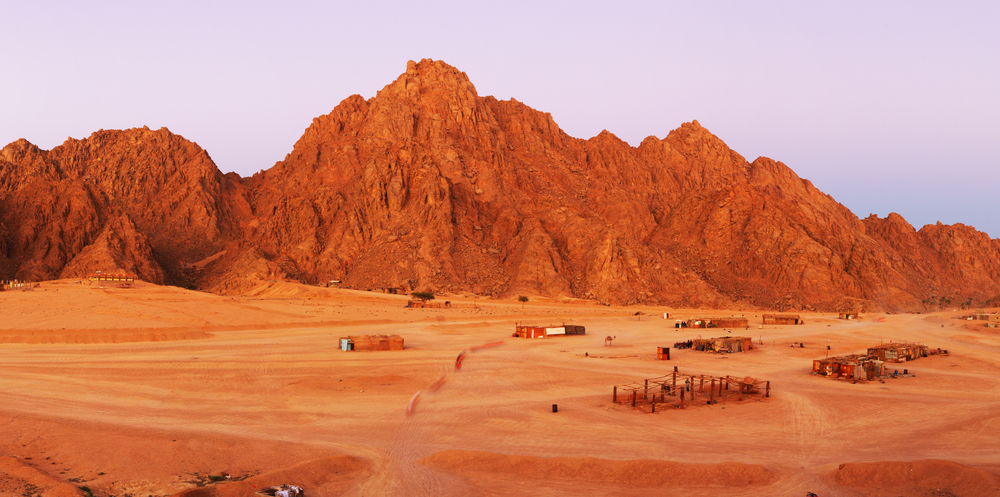
Image credit: Sinai, Shutterstock
More From Egypt, the Muslim Brotherhood and Sinai:
Egypt Slashes Longstanding Gas Deal with Israel
Post-Revolution Development Destroys Popular Red Sea Dive Spot