
Repair Your Eating Habits in Time for Yom Kippur

Fasting, while probably better for the environment, is unfortunately unsustainable for us humans.  What other ways can you make your eating eco-friendly?

Yom Kippur, the Jewish Day of Atonement, is one of the holiest days of the year for Jews and is a time of reflection, atonement, fasting and prayer.  It is a day when people look back upon the past year and think forward towards the future.  With the fasting that will be going on (and the resulting grumbling tummies), though, you may also want to think about how the ways you satisfy one of your most basic needs – eating – can be improved.  Our eating habits have a huge effect on the environment, and making a few alterations can make a big difference.

So this year, in addition to reflecting on the other aspects of your life, how about thinking about what you put in your body? Here are some ways to get you started:

Eat less meat. You don’t have to go full-out vegetarian, but it’s easy to be more “vegawarian” (aware of the benefits of eating more vegetarian meals on the planet, your body, and your wallet).  You can start by reading some of our tips for switching to a vegetable-based diet and searching Green Prophet’s archives for some great recipes.  Not convinced that vegetarian is the way to go?  Read some debunked vegetarian myths.

Waste not, want not. Don’t buy more food than you need so that it doesn’t end up rotting in your fridge, and eat those leftovers.  Also, how about generating leftovers on purpose so that you can bring a homemade, healthy lunch to work the next day instead of eating fast food junk that’s bad for both you and the environment?

Put less junk in your body. These days, unfortunately, chemicals and coloring agents are found in almost every type of food.  And if it’s not one thing it’s another – even if your food doesn’t have chemicals in it, it’s probably packed with a ton of sugar (or high fructose corn syrup).  Your body (and, of course, the earth) simply don’t need that.  Detoxify.  Go as natural as you can.  Put your body through food (aka drug) rehab.

Eat as locally as possible. Eating locally isn’t just about calculating your food’s carbon footprint.  It’s also about doing what’s good for you.  The more local your food is, the fresher (and more packed with nutrients) it is.  Try finding a local farmer’s market near you.

Eat as many organic products as possible. Rid your body (and the earth) of unnecessary pesticides and additives by replacing as many mainstream products as you can with organic ones.

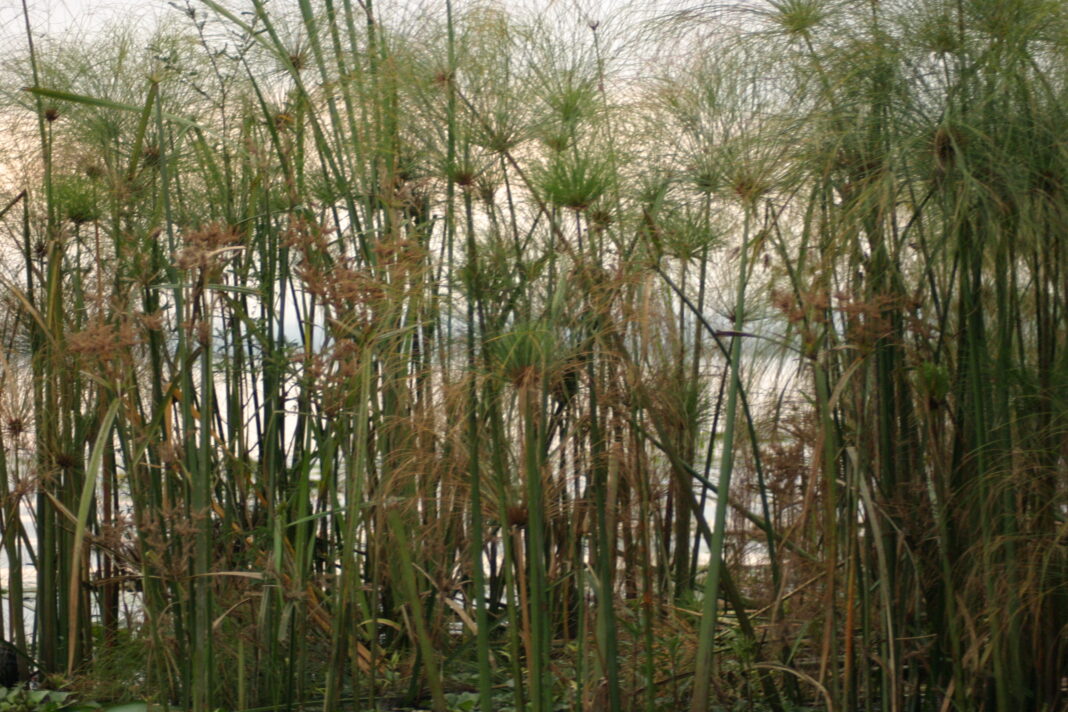
Image via: David Minton

Read about Yom Kippur and its significance for other aspects of your life::
Atoning for Environmental Sins in the Kitchen this Yom Kippur
Are Your Wires Crossed? Go Offline for Yom Kippur

Karen Chernick
Karen Chernickhttps://www.greenprophet.com/
Much to the disappointment of her Moroccan grandmother, Karen became a vegetarian at the age of seven because of a heartfelt respect for other forms of life. She also began her journey to understand her surroundings and her impact on the environment. She even starting an elementary school Ecology Club and an environmental newsletter in the 3rd grade. (The proceeds of the newsletter went to non-profit environmental organizations, of course.) She now studies in New York. Karen can be reached at karen (at) greenprophet (dot) com.

Read More

TRENDING

A Quantum Kaddish? What fungal networks teach us about grief, God and death

Can Zar speak with her recently departed mother into...

Baby teeth read like tree rings paint a picture of toxins in early life

A new study from the Icahn School of Medicine at Mount Sinai in New York offers a striking insight into how the environments we are born into can quietly shape our brains years later. By analyzing naturally shed baby teeth, the ones tucked under pillows for the tooth fairy, researchers have reconstructed a detailed timeline of exposure to environmental metals during pregnancy and early infancy.

Poop in the East River shows the city’s rat problem and what people like to eat

New York ecology and health can be monitored by a jug of water a week.

Saving Gourmet Wild Plants For The Future

Think of truffles, a gourmet wild food. The European...

Fresh Fava Bean Soup, A Vegan Springtime Recipe

Somehow vegetables with short seasons excite the imagination and appetite more sharply than produce that’s available all year around. Good Middle Eastern cooks have many recipes for delicate fava beans, and this turmeric-fragrant soup is one.

How to quiet noise from construction in your office

Streets need to be resurfaced in New York but the humming and grinding noise is unsettling. Noise is environmental pollution. 

EarthX and a blueprint for sustainable investing

Trammell S. Crow, a Dallas-based businessman and father of four, is focusing his efforts on impact investing, and media that focuses on saving the planet through EarthX.

Mining Afghanistan’s Mineral Discoveries Similar to Avatar

Now that American forces in Afghanistan are commemorating the longest period of any war that America has been involved in, including the 1965-73 Vietnam War, the recent discoveries of large and extremely valuable mineral and metal deposits may finally bring to light a reason to continue the presence of US fighting forces in this war torn and backward country.

From Pilot Plant to Global Stage: How Aduro Clean Technologies’ 2026 Expansion Signals a Turning Point for Chemical Recycling Investors Like Yazan Al Homsi

The company's Next Generation Process (NGP) Pilot Plant in London, Ontario, has officially moved into initial operating campaigns, generating the kind of structured, repeatable data that separates laboratory promise from commercial viability.

Nobul’s Regan McGee on Shareholder Value: “Complacency Is the Silent Killer” 

Why the governance framework designed to protect shareholders so...

Should You Invest in the Private Market?

startustartup Unlike public stock exchanges, which offer daily trading, strict...

How to build a 100-year-company

Kongō Gumi is a Japanese construction company, purportedly founded in 578 A.D., making it the world's oldest documented company. What can we learn about building sustainable businesses from them?

How AI Helps SaaS Companies Reduce Repetitive Customer Support Work

SaaS products are designed for large numbers of users with different levels of experience, and also in renewable energy.

Popular Categories