Home Blog Page 24

Define Solar Based in NJ Explains Why Your Home Might Be Using More Energy Than It Should (And What to Do About It)

0

solar home energy in New Jersey


If your energy bills have been creeping up—or skyrocketing—you’re not alone. Many homeowners feel the weight of high power costs, but the root cause often goes undiagnosed. There are several common culprits that could negatively impact your energy bill, from aging HVAC systems to outdated insulation and inefficient appliances.

Understanding what’s behind your home’s high energy use is the first step toward making smarter and more cost-effective choices. And if you’re thinking solar could be part of the answer, you’re on the right track. Define Solar in NJ explains what to look out for to help you uncover real savings.

Hidden Energy Wasters in Your Home

  1. Old HVAC Systems

Your heating and cooling system is likely the biggest energy draw in your home. If your HVAC unit is more than 10–15 years old, it may be working overtime just to maintain a consistent temperature. Older units lose efficiency, and even with regular maintenance, they can’t keep up with today’s energy standards. A poorly performing HVAC system can account for 40-50% of a home’s total energy use.

  1. Poor Insulation

Insufficient attic or wall insulation can cause temperature fluctuations, forcing your HVAC system to work harder. Air leaks around doors, windows, or ductwork are also a common (and fixable) source of energy waste. If your home feels drafty in the winter or too hot in the summer, insulation may be to blame.

  1. Outdated Appliances

Appliances that are more than a decade old can consume significantly more power than newer ENERGY STAR-rated models. Refrigerators, water heaters, washers, and dryers are often responsible for quietly draining energy, especially if they’re used regularly or operate inefficiently.

  1. Phantom Load

Even when turned off, electronics like TVs, computers, and gaming systems can draw small amounts of power—known as “phantom load.” It may not seem like much, but across dozens of devices, it adds up.

Pinpoint the Problem

If you’ve noticed your energy bills climbing, it might be time for a home energy assessment. A professional can evaluate your HVAC system, appliances, insulation, and other factors to determine what’s using the most energy.

From there, you can consider whether you want to make any significant improvements or consider alternative solutions. Solar can work in tandem with any upgrades made or help close the gap of inefficiencies to ultimately reduce household energy costs.

Solar Power: The Missing Piece of the Puzzle

Switching to solar power is both an environmentally friendly decision and a smart financial move as well. You can dramatically reduce or even eliminate your monthly utility bills by generating your own electricity. When paired with energy efficiency upgrades, the benefits of solar become even better. Rather than spending money on ever-rising energy costs, you can invest in your home’s long-term value.

Take the Next Step Toward Efficiency

If you’re serious about cutting energy costs, it’s essential to examine your home’s energy profile holistically. Start with an energy assessment or consultation from a reputable solar energy services provider. Once that is completed and any current inefficiencies are identified, you can consider how solar power fits into the broader solution.

About Define Solar

Define Solar, serving NJ and PA, specializes in professional solar installations with an unmatched commitment to communication, quality, and detail. With years of experience and a track record of helping numerous families, the company delivers reliable, world-class service. Every project is tailored to meet individual client needs, ensuring exceptional results.
 

CIE Transport Pledges Solar Rollout Across All Buildings – Is It Time Your Business Went Solar Too?

0

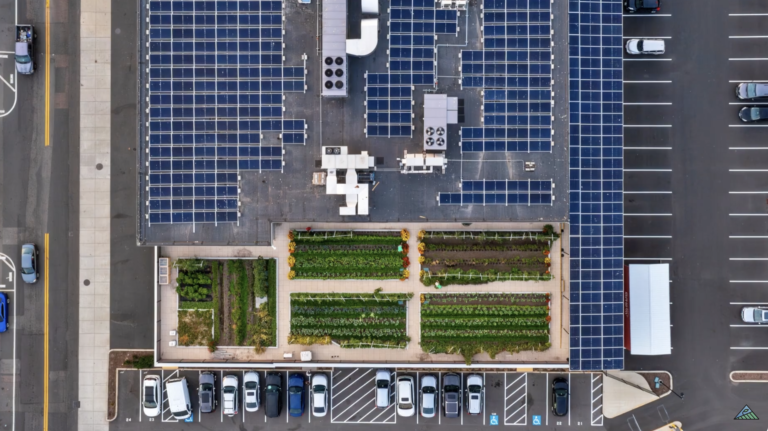
Green roof, Boston Medical Center

In a bold move toward sustainability, CIÉ, Ireland’s national public transport provider, has pledged to install solar panels on the rooftops of all its buildings. From bus depots to rail stations and offices, CIÉ’s nationwide infrastructure will soon be tapping into clean, renewable solar energy.

The initiative marks a major milestone for public sector climate action and sets a powerful example for Irish businesses. As Ireland works to meet its 2030 climate targets, the shift to solar isn’t just a smart environmental decision—it’s becoming a savvy financial one too.

Why Solar, and Why Now?

Solar panels convert sunlight into electricity using photovoltaic (PV) cells. Even in cloudy Ireland, solar works surprisingly well, thanks to advancements in panel technology and the consistent levels of daylight we receive year-round.

As energy prices continue to fluctuate and pressure mounts to cut carbon emissions, solar power offers an increasingly attractive alternative. It allows homes and businesses to generate their own electricity, reduce dependence on the grid, and significantly lower their carbon footprint.

The Basics of Solar Energy: What You Need to Know

If you’re new to solar panels in Ireland, here are a few essentials:

  • PV Panels: These are the standard solar panels you see on rooftops, converting sunlight into direct current (DC) electricity.

  • Inverter: Converts DC electricity into alternating current (AC), which your business or home can use.

  • Battery Storage (Optional): Stores excess electricity for use when the sun isn’t shining.

  • Grid Connection: Most systems remain connected to the national grid so you can sell surplus electricity back or draw power as needed.

Solar systems are generally low-maintenance, have a lifespan of 25+ years, and their efficiency continues to improve year on year.

Solar Benefits for Businesses

CIÉ’s decision to install solar is as practical as it is environmental. Here’s why it makes sense for Irish businesses to follow suit:

  1. Reduced Energy Costs: Electricity bills can drop significantly—especially valuable for high-consumption businesses.

  2. Energy Independence: Less reliance on fluctuating energy markets and grid supply.

  3. Positive Brand Image: Show customers and stakeholders your commitment to sustainability.

  4. Future-Proofing: As Ireland tightens climate regulations, early adopters will benefit from lower compliance costs.

  5. Increased Property Value: Solar installations are an asset, not an expense.

  6. Long-Term ROI: While the upfront cost can seem high, most systems pay for themselves within 5–10 years and keep delivering savings long after.

Grants and Incentives Available in Ireland

Thankfully, the Irish government recognises the importance of solar adoption and offers financial support:

  • SEAI Non-Domestic Microgen Grant: Offers grants of up to €162,600 for businesses, farms, schools, and community groups looking to install solar PV systems. The grant amount depends on the size of the system (kWp).


  • Accelerated Capital Allowance (ACA): Businesses can claim capital allowances of 100% of the cost of qualifying energy-efficient equipment, including solar PV, in the year of purchase.

  • Export Payment Tariff: Under the Clean Export Guarantee (CEG), businesses can now receive payment for excess electricity they export back to the grid.

Solar: A Smart Move for the Planet and Your Bottom Line

CIÉ’s announcement sends a clear message: solar is no longer a futuristic idea, it’s today’s solution. As a business owner, investing in solar now isn’t just about keeping up—it’s about stepping up.

By choosing solar, you’re not only cutting costs but contributing to Ireland’s greener future. Every panel installed brings us closer to energy independence, lower emissions, and a healthier planet for all.


Thinking of Going Solar?

If you’re considering solar for your business, now is the perfect time to act. Speak with a certified solar installer, check your roof’s suitability, and explore the grants available.

CIÉ is leading the charge—why not follow suit and power your business with the sun?

Iran’s water mafia and thirst for war leaves the country on brink of being dry

0
ake urmia, iran water crisis, drying lake urmia, iran climate change, iran environmental disaster, salt lake iran, lake urmia protests, iran drought, middle east water crisis, iran ecology
Lake Urmia

Iran is gasping. Its veins—once flowing across aquifers, rivers, dams, and Lake Urmia—have run nearly dry. Across sprawling provinces, water has become an afterthought as billions flowed instead to foreign battlefields, in support of proxies like Hamas and Hezbollah. Meanwhile, the public suffers—and those who speak out are silenced.

Once the Middle East’s largest saltwater lake, Lake Urmia has collapsed under a triple assault: climate change, mismanagement, and politically driven infrastructure. Since the 1970s, it has shrunk by roughly 90 percent due to damming, agricultural overuse, and drought. Though partial recovery efforts began in 2014, the lake remains perilously low—now with barely 5% of its original water volume. Dust storms carry salt and toxins across farmland, damaging crops and fueling respiratory and birth-defect clusters.


Despite this, in August 2025, civil activists detained in Tehran’s Greater Tehran Penitentiary launched a hunger strike, declaring the drying of Lake Urmia “deliberate” according to Iran Focus.

Protests stretch back over a decade: in 2011, protests in Tabriz and Urmia saw security forces attack peaceful environmental activists chanting, “Lake Urmia is thirsty”—dozens were arrested. In 2022, similar cries fueled demonstrations where protesters shouted “Lake Urmia is dying”—again met with force.

Silencing the Voices of Water

This is not idle climate conversation—it’s a pitched battle over survival. Water scientists and environmentalists who seek solutions are often branded agitators. Human rights organizations flagged arrests of scientists attempting to address water shortages, particularly in Khuzestan, during the widespread water protests of 2018. Since Amnesty International has stopped being a reputable source of information, we rely on locals reporting in Farsi to explain the situation. The NCR Iran provides an invaluable backgrounder on why Iran has become so dry.

Behind Iran’s water crisis lies a well‑entrenched “water mafia”—an entrenched nexus of officials, contractors, and entities like the IRGC’s Khatam al‑Anbiya. Critics accuse them of pushing oversized dams and water‑diversion schemes not for the public good, but for profiteering and patronage. The dams overpump and leave behind mud. Experts describe Iran as suffering “water bankruptcy”—demand far exceeding sustainable supply.

Tehran’s reservoirs have plunged: by early 2025, Tehran’s Lar Dam held just 1 percent of capacity; in Isfahan and Khorasan, dam levels are critically low; across the country, reservoir inflow in 2025 dropped 28 percent year‑on‑year

Groundwater has likewise collapsed—Tehran sinks by up to 25 cm annually, a stark sign that aquifers are being emptied.

Proxy Spending on Terror While the Home Front Perishes

As local water systems crumble, Iran continues to channel resources into foreign conflict. Since the early 1990s Iran has provided Hamas with military, financial, and training support; according to US data, its funding rose from around $100 million annually to an estimated $350 million by 2023.

Iran likewise backs Hezbollah in Lebanon, supporting its military and political functions. Without this funding men in countries like Syria and Lebanon would look for work elsewhere.

Amir Kabir dam (Persian: سد امیرکبیر), also known as Karaj dam (سد کرج), is a dam on the Karaj River in the Central Alborz mountain range of northern Iran. Via Wikipedia.

Every dollar diverted to these proxies is a dollar not invested in rebuilding aquifers, repairing aged irrigation, or empowering local water researchers. It is a stark choice: fund regional confrontation—or fix plumbing, banks of wells, and restore a dying lake.

The link between drought and unrest is not theoretical. The Syrian civil war was accelerated, in part, by agricultural collapse and water deprivation; in Iraq, tensions over the Euphrates—the container of life in Mesopotamia—fueled simmering social fractures. In Iran itself, unresolved water shortages inflamed protests in Khuzestan and Isfahan in 2021, sometimes with lethal force deployed.

Environmental mismanagement has unified disparate communities—scientists like Kaveh Madani argue that the water crisis symbolizes governmental failure, capable of mobilizing urban and rural dissent alike

Iran’s Researchers Raise the Alarm—But Are They Heard?

A handful of water experts continue to sound the alarm despite constraints. In mid‑2025, Dr Banafsheh Zehraei, a water‑resources professor at the University of Tehran, warned of an “apocalyptic” drinking‑water disaster, saying Iran had only “two to three weeks” to stave off collapse. Another piece, titled Iran’s water crisis and social consequences, argues that decades of regime inaction have created social unrest that will only intensify.

Independent researchers like Madani have documented how misallocation, poor infrastructure, and disregard for groundwater recharge are at the heart of Iran’s water collapse.

As regional conflict enters a new phase, there’s a brief window for Iran to reframe internal priorities. If Tehran were to pivot: arrest the water mafia’s corruption; restructure water policy around recharge, cloud seeding, and equitable distribution; invest in efficient irrigation and desalination; and protect researchers and right‑to‑water activists—it could reemerge with renewed domestic legitimacy.

Lake Urmia, for all its desiccation, is not beyond redemption. Past projects in the 2010s—planting salt-tolerant scrub to curb dust, allocating over $500 million to watershed restoration—show what might be done if political will follows.

Imagine a program of aquifer replenishment in drought-prone zones, a transparent water-rights system, and public involvement. The results: restored agriculture, fewer climate migrants, reduced risk of water-fuelled uprisings, and a calm society.

Iran’s current posture is unsustainable. Starving citizens of water while funding foreign conflict weakens Iran, not strengthens it. But the priorities can flip.

Water is not merely a domestic issue—it is the soil in which national strength grows. Let this moment—the collapse of Lake Urmia, the protests, the crack of civil anger—be Iran’s turning point. Refocus on water, or watch the state itself leak away.

Foreign journalists are jailed in Iran so it is difficult to get a clear picture on how the day to day water shortages affect everyday people.

Further Reading — Green Prophet

Other References


Frozen juice ice pops recipe – for low-sugar summer treats

1
Make your own ice pops, popsicles or ice lollies
Make your own ice pops, popsicles or ice lollies. Homemade fruit or veggie pops on a stick, inspired by SolPops.

Portland, Oregon is not known for its hot, humid weather, unlike the sticky heat we get over here in the Middle East, yet it is home to a new summer treat – the SolPop.

This is one of the healthiest alternatives to ice-cream and sugar-packed Popsicles since it is made mainly from fruit and natural juices. Finally something you can give your children without feeling guilty about sugar content and chemical coloring. Read on for recipes.

solpops-popsicles-recipe

The idea of SolPop began in May 2008 when Aaron Harmon, his wife Danielle Koppel and their friend Noah Cable started testing out different flavors and combinations of fruits to see what worked best. They now have almost 40 different flavors including sweet and tart, savory, coconut-based and “wellness pops” to counteract the rainy weather.

Made from different fruit, vegetables and herbs, all of which are organic, these pops take the name SOL meaning Sustainable, Organic and Local. “Sol” is also the Spanish word for sun, referring to the brightness of the Latin-American sun. These SolPops bring some of that brightness to Portland with their great natural flavours.

The principle is a light refreshing summer treat, where there is only a limited amount of sugar added in the form of cane sugar, agave and fruit cider making this dessert essentially fruit on a stick. If you are not in the Portland area, however, you should try making your own healthy fruit Popsicle.

Recipe 1 – Frozen Strawberry Pops
Ingredients:

½ cup sugar
½ cup water
2 strips lemon zest
1 cup orange or apple juice
2 cups strawberries

Method:

1. Put the sugar, water and lemon strips in a saucepan and bring to a boil, waiting until the sugar dissolves
2. Remove the lemon strips and allow the syrup to cool
3. Puree the strawberries
4. Combine the pureed fruit with the syrup and fruit juice
5. Pour this mixture into moulds and put it in the freezer.

fruit-in-blender Experiment with the fruit: all you have to do it put your choice into a blender and freeze

Recipe 2 – Simple Fruit Popsicles
Ingredients:

450g crushed pineapple undrained
3 firm bananas
450g strawberries

Method:

1. Puree the pineapple, bananas and strawberries
2. Pour into moulds

So here you have a treat you can make for yourself based on anything you have around, from watermelon (which is packed with nutrients), to mint and other herbs which have their own benefits. Play around with the ingredients and find your favorite flavor for summer.

Read more on healthy fruit treats:
4 New Ways to Have Fun with Watermelon
Indulgence Locavore Style: Homemade Strawberry Jam

What Cabinet Materials Work Best in Miami’s Coastal Climate?

0
vintage kitchen
Want to upgrade a vintage kitchen but make it eco?

Miami’s coastal climate presents unique challenges for kitchen and bathroom cabinets due to high humidity, salt air, and intense sunlight. Some materials are better suited than others for homes near the ocean, and making the right choice can help reduce long-term maintenance.

Choosing suitable cabinet materials keeps surfaces looking new and helps prevent damage from moisture and weather. Local homeowners need options that stand up to Florida’s environment while still offering style and functionality. This article explores which cabinet materials work best for Miami’s coastal conditions.

Marine-grade plywood

Marine-grade plywood stands out as a strong choice for cabinets in Miami’s humid, coastal climate. This plywood uses layers of hardwood glued together with waterproof adhesive. As a result, it resists water damage far better than standard plywood.

People living near the coast often deal with excess humidity and salty air. Regular cabinet materials may swell or warp, but marine-grade plywood holds its shape. Its durability makes it attractive for both kitchens and bathrooms.

Contractors also like how easy it is to cut and finish. This lets homeowners match the look of their space while still choosing a sturdy material. In addition, those searching for reliable RTA cabinets in Miami can find suitable options that use this material.

Many Miami homeowners want cabinets that last through storms and sun. Marine-grade plywood offers a practical solution that stands up to local weather. For those ready to upgrade, high-quality kitchen cabinets in Miami usually feature marine-grade plywood at their core.

High-pressure laminated (HPL) MDF

High-pressure laminated (HPL) MDF brings a durable surface to cabinets in humid environments like Miami. This material presses several layers of paper and resin together under high heat and pressure. As a result, it forms a strong, scratch-resistant outer layer.

HPL MDF stands up well to daily wear and general moisture. Its tough surface prevents dents, chips, and stains better than many other cabinet materials. In coastal climates, this can help kitchens and bathrooms look clean and fresh for longer periods.

A wide range of colors and finishes makes HPL MDF a flexible choice for different design styles. People who want a wood look can still use HPL because of its realistic grain textures. Maintenance is simple; regular cleaning usually keeps cabinets in good condition.

Price often falls in the mid-range, which suits many budgets. While it may not handle very high temperatures, it holds up to everyday use and the humidity typical of coastal areas.

Polymer cabinet doors

Polymer cabinet doors have grown popular in Miami because they handle moisture well. The material does not absorb water, so it does not swell or warp in humid air. As a result, polymer doors keep their shape even near the ocean or after heavy storms.

Sunlight in coastal Florida often fades traditional cabinet doors. However, many polymer doors resist UV rays and do not lose color as quickly. This feature helps kitchens look newer for longer.

Polymer cabinets come in many colors and finishes. Homeowners can pick sleek modern looks or classic designs. The surface also wipes clean with basic supplies, which saves time during kitchen chores.

Their durability and easy care make polymer cabinet doors a sensible choice for busy homes in Miami’s climate. They do not cost as much as some solid wood options, so they also fit tighter renovation budgets. Overall, polymer cabinet doors offer a practical blend of style and longevity for coastal kitchens.

Stainless steel cabinets

Stainless steel cabinets handle Miami’s salty air and high humidity very well. They resist rust and water damage much better than most other materials. This makes them a popular choice for kitchens and outdoor spaces near the coast.

Cleaning stainless steel surfaces is easy, which helps keep them looking fresh year-round. Grease, spills, and stains usually wipe off without much effort. This convenience adds to their appeal for busy families.

Some homeowners notice fewer options in style or color with stainless steel compared to wood. However, the clean and modern look fits many contemporary homes. In addition, stainless steel does not warp or swell, so it keeps a smooth appearance even as seasons change.

Another advantage of stainless steel cabinets is their strength. They withstand heavy use and last for many years. For those who live in Miami’s coastal areas, stainless steel cabinets often provide a good balance of function and style.

Moisture-resistant plywood (HMR)

Moisture-resistant plywood, also called HMR, offers a practical solution for cabinet projects in Miami’s coastal climate. The dense board resists humidity and water exposure much better than standard plywood. This helps prevent common problems such as warping, swelling, and decay in kitchen and bathroom cabinets.

HMR uses special adhesives and resins during its production process. These materials help block moisture, keeping the board stable even if the air is damp. Therefore, HMR works especially well in areas with high humidity levels or frequent temperature changes.

Durability remains another key benefit of HMR plywood. Its strong structure supports cabinet hardware and shelves without sagging. For homeowners or builders looking for panels that last and offer extra protection against Miami’s frequent moisture, HMR stands out as a solid option.

In addition, cabinets made from HMR often look clean and smooth after installation. Finishing and edge sealing further help the material resist moisture, extending its lifespan indoors.

Conclusion

Miami’s coastal climate brings high humidity, salt air, and strong sunlight. These conditions make material choice especially important for kitchen cabinets.

Materials such as marine-grade plywood, moisture-resistant plywood, stainless steel, and HDPE resist warping and damage from moisture. These options provide strength while handling the unique weather of Miami.

Cabinets with quality finishes and corrosion-resistant hardware also show greater durability. Homeowners should focus on moisture resistance and easy care above all.

With careful selection, kitchen cabinets can last longer and look good, despite the challenges of coastal living. The right materials protect the investment and keep the kitchen both functional and attractive.


Three holidays where you can explore and be active

0

When going away, do you normally book the same sort of holiday – a beach break or a city break? There is nothing wrong with either; in fact, both are extremely popular and offer a great time away. But that doesn’t mean you shouldn’t try something different now and then. When you start doing your research, you’ll find a plethora of different types of holidays that you can book. 

In particular, activity breaks have become increasingly popular. For a few years now, people have been looking for a breakaway where they can explore whilst being active. The first thing that comes to mind is a ski trip. When skiing, you’ll get to see stunning landscapes, whilst also challenging yourself to take on the slopes. For something different, you could take on a Camino de Santiago, where you’ll hike and see wonderful scenery. 

To help inspire you, we have put together a guide on three holidays where you can explore and be active. 

Hiking holiday

Once you’ve experienced your first hiking holiday, we’re confident it won’t be your last. Hiking offers so many benefits – it’s fantastic for your fitness, a great way to socialise, and an incredible opportunity to explore new places. Most countries have a variety of hiking routes to choose from, such as the famous Camino Francés, which can be enjoyed as a solo adventure, a family trip, or even a romantic getaway. Whether you opt for a few days, a mid-week escape, a week-long journey, or something longer, it’s entirely up to your schedule and budget.

Ski break 

If you’re seeking a thrill whilst also getting active and seeing beautiful views, then a ski break will be ideal for you. Skiing is a lot of fun. It challenges you, whilst also giving you the chance to improve your skills with every run. From gliding down powdery slopes under crisp blue skies to navigating more technical descents, skiing offers a full-body workout without feeling like “exercise.” And when the day is over, you can enjoy cosy après-ski moments, hearty mountain cuisine, and breathtaking sunsets over snow-capped peaks – the perfect balance of adventure and relaxation.

Surfing getaway 

A breakaway, which in some ways has a lot of similarities to skiing, is surfing. Both sports require balance, coordination, and a willingness to embrace the elements – although surfing is on the water, instead of the snow. Surfing getaways are affordable and a lot of fun. You’ll get to spend many hours on the water whilst enjoying a few cocktails and meals on land, when you are finished. Most surfing resorts will have experienced trainers whom you can book if you haven’t been surfing before. 

We hope we have given you some inspiration and inspired you to start thinking about your next holiday. Where are you thinking of visiting and why? Will you be booking one of the trips above? Is there anything missing in our guide that you think we should be adding? Let us know in the comment box below. We look forward to hearing from you.  

Caprese salad ingredients

0

caprese tomato salad

You need to fix a meal, but  it’s too hot to spend time in the kitchen. Let fresh tomatoes come to the rescue. Caprese salad, an Italian mix of tomatoes and mozzarella cheese, is the appetizer you can put together in minutes – the snack to serve with crackers or toasted baguette slices – the side dish for a summery meal like our grilled chicken wings or our vegan garlicky roasted cauliflower.

Caprese salad is seasoned with salt and olive oil, and made lively with basil or aragula. Couldn’t be simpler. If you prefer to dribble some good home-made pesto over the salad, even better. Scatter some olives around the vegetables and gently mix them in – better yet.

Have some dried, ground oregano or za’atar herb handy? Sprinkle a light seasoning of either on the salad, about half a teaspoon. Not traditional, but tasty.

Caprese Salad Ingredients

6-8 servings

Ingredients:

3 cups cherry tomatoes, halved

12 oz. mozzarella cheese balls, halved

A handful of fresh basil or arugula leaves, or 2 tablespoons pesto

Olive oil to dribble over the salad, if not using pesto

Salt and freshly ground black pepper

Combine the tomatoes and cheese in a shallow bowl. Tuck the basil or aragula leaves in here and there. Season with salt and pepper and optional dried ground oregano or za’atar. Dribble olive oil over all, or spoon pesto over the salad.
You can also compose your Caprese salad of thickly sliced large tomatoes and slices off a large ball of mozzarella. Place them on a platter in alternate slices, season, and serve.
Caprese is a good picnic salad: package the sliced tomatoes and cheese separately, put the seasonings in a small jar, and put the whole thing together when you’re ready to eat.
Buon appetito!

cherry tomato salad

Brew A Cup of Delicious Date Seed Coffee

0

date seed coffee

Here’s a caffeine-free coffee alternative that you can make yourself, from a surprising and inexpensive source: date seeds. Its color is blonder than traditional coffee, but it’s a rich brew with the coffee flavor you seek. And no caffeine crash or caffeine jitters attached. (While you’re enjoying your cuppa, read our review of Nawal Nasrallah’s fascinating  Dates, A Global History.)

So what’s date seed coffee taste like?

Roasted, ground date seeds yield satisfying coffee flavor without the bitterness that demands sweetener and milk to compensate. Many find nutty, chocolate notes in their date seed brew.

Of course, if you like milk in your hot drink, stir in some conventional or plant-based milk. And while you’re sipping your comforting cuppa, you can reflect you’ve made a delicious zero-waste product.

Keep in mind that large dates like Medjool have bigger seeds, so you’ll need only about 16 – approximately 1 cup – to yield two cups of drink. Using smaller seeds, count on 25-30 seeds – 1 cup altogether – to yield two brewed cups.

No need to worry about accumulating enough seeds to make roasting worthwhile. When you’re done eating the dates, scrub the seeds in a bowl of water with your hands to remove all clinging bits of fruit. Then roll them in a kitchen towel to dry. Freeze them, adding more over time until you have enough.

Date Seed Coffee

A caffeine-free coffee alternative that you can make yourself, from date seeds.

  • bowl of water
  • kitchen towel
  • sheet baking paper
  • baking sheet
  • Coffee grinder or food processor
  • Brewing device (French press, espresso machine, etc.)
  • 1 cup clean and dry date seeds
  1. Preheat oven to 400°F – 205° C.
  2. Wash date seeds and dry in kitchen towel.
  3. Roast the seeds for 30 minutes on a parchment-lined baking sheet. Stir gently a few times while roasting. They should be dark when done.
  4. Cool the seeds 5 minutes.
  5. Grind the roasted seeds as you would for your preferred brewing method: a little coarser for a French press or finer for an espresso machine.
  6. Brew right away or store the ground seeds in an airtight container. Keep it in the fridge for 2 weeks or in the freezer for 1 month
Drinks
American
coffee alternative, zero waste

If you’re looking for ways to use up those dates and get at their seeds, here’s an easy, unusual, and delicious recipe: dates baked with goat cheese.


Battling the Blaze: Israel’s Wildfire Response

0
Jerusalem hills ablaze, April 2025

On a dry, windy afternoon in late April 2025, the hills west of Jerusalem ignited and burst into an inferno. Flames, fed by the hot desert winds, spread through the Israeli mountains, crossing into parts of the West Bank and forcing thousands to evacuate. Smoke billowed over the country’s capital, shrouding one of the world’s most important and historic cities in a haze.


The blaze was one of the largest in Israel’s recorded history. Over 6,000 acres of forest, open land, and human development were burned. Dozens of communities were threatened, and the event prompted a national emergency. But beyond the damage, the fire was part of a larger story: Israel is fighting a climate crisis, and the country’s ability to protect its people, land, and overall environment is being tested like never before.

See Related Article: California wildfires will hurt your lungs as toxic burnt building pollution drifts

The fires did not come out of nowhere. Initially, there were warnings and alerts about the heightened chance of a wildfire. These warnings occurred when a group of fires broke out on April 30th. Neve Shalom, Beit Shemesh, Eshtaol, and Latrun are some of the major hotspots for the origin and spread of the fires. 


In a country where every square meter of land is precious, the mobilization of resources had to be fast. Approximately 200 teams of firefighters, including aerial assistance, were deployed within minutes of the outbreak. Evacuation orders were efficient and precise to ensure no civilian lives were lost. The discipline and respect of the Israelis are the prominent reasons more lives were not lost. Additionally, international aid was provided, and the IDF provided a variety of support to help contain the fire.   

Assistance at the scene of a fire

The environmental fallout of the wildfires was severe. Parks, natural lands, and protected lands were wiped out. Habitats for birds, reptiles, mammals, and all natural life were destroyed in hours. 


The burning of the forest was a big blow to the country, not only because of aesthetic, economic, and environmental interests, but also for reasons of patriotism. A big part of modern Israel’s story is the revival of the forest and the battle against desertification. Since Israel was declared a state, trees were planted to help stabilize soil, provide carbon and oxygen, as well as to combat the aforementioned desertification. The loss of all of this wildlife will take years to heal. But, if the prior progress Israel has already made before the fires is taken into account, the public should be hopeful of a quick recovery. Lessons from past fires have been factored into the recovery.  

See Related Article: Greenpeace Responds to Israel Carmel Fire and States “Climate Changes are Already Here”

Wildfires are not a new issue for Israel. However, their size, intensity, and frequency are increasing. A critical cause of wildfires is the increased likelihood and frequency of heat waves. The increasing heat, along with the decreasing amount of water each year, creates a perfect storm for fires to burn.

Firefighters battling the flames

Like most political, environmental, or humanitarian issues for Israel, there is a trend of intersectionality. The West Bank is connected to Israel, and the fires affected them, too. In parts of the West Bank with limited Israeli authority, unmanaged forests and illegal activities amplify risk. Cross-border cooperation and participation in efforts are needed to help prevent fires.   


The fire exposed Israel’s firefighting resource gap. The Israel Fire and Rescue Authority is severely understaffed. When fires like April’s occur, firefighting resources are stretched thin. There have been announcements of efforts to divert more resources toward fire safety. Additionally, new updates to the forest-management guidelines have been made to help stop fires from becoming too large. 


One effect of the fires was the air quality. Jerusalem’s air quality was the worst in the world for a stretch of days. This caused large public safety concerns and prompted officials to urge residents to stay inside and limit strenuous activity outside. 


Reforestation will continue in the coming months. Volunteers, schools, outside governments, and many other helpful participants have provided support. New fire management and mitigation strategies are being employed. The strength of Israel’s emergency response was tested and will continue to be. Constantly updating guidelines and adding more resources will allow Israel to respond to disasters like this. 


Sinkholes and Shrinking Shores: The Race to Rescue the Dead Sea

0
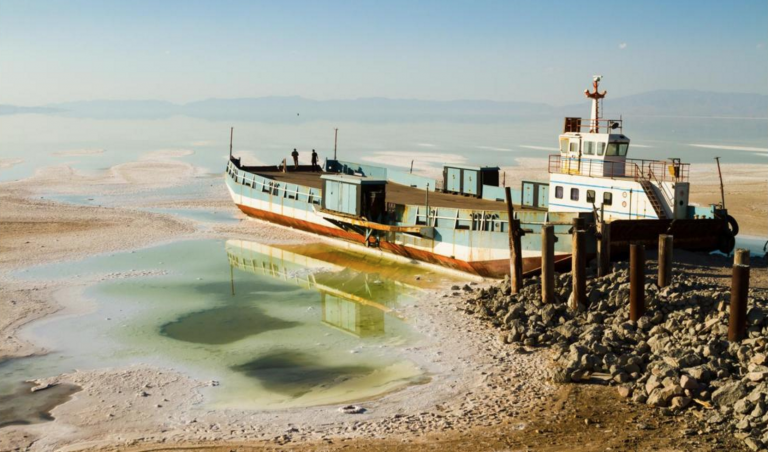
Picture of the Dead Sea
The shore of the Dead Sea

On August 5th, 2025, environmental experts from Israel, Jordan, and the Palestinian territories descended upon the University of Leeds for a three-day event centered around the Dead Sea and its irreversible decline. The gathering highlighted the urgency and attention that the region directs towards the Dead Sea.


Once spanning over 400 square miles, the Dead Sea now covers approximately 230 square miles. Currently, the Dead Sea’s water is dropping 3.3 feet per year due to the diversion of the Jordan River and the overextraction of the sea’s minerals. 

See Related Article: Environmentalist: “Explore Alternatives to Red-Dead Canal Project”

The area surrounding the sea has changed drastically in the past half-century. Landscapes are riddled with sinkholes, human activity, and leftover mineral deposits. 

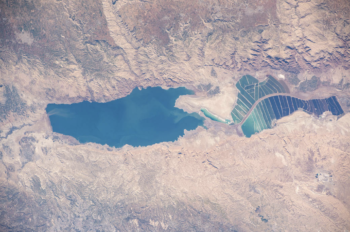
https://www.nasa.gov/image-feature/the-dead-sea/
Overhead image of the Dead Sea

The Dead Sea’s rapid decline is not only an aesthetic decline but also one that affects various aspects of the world. First, it affects ecosystems and biodiversity. All parts of the natural world are connected, and something as prominent as the Dead Sea being destroyed will affect life around it. Also, local communities and infrastructure must be altered and changed due to the new sea levels and sinkholes caused by the decline. The region surrounding the sea is also a tourism hotspot, and if the Dead Sea becomes an undesirable location, the people will stop coming. Finally, the Dead Sea and its resources are not only Israel’s. Jordan and the Palestinian territories also utilize the Dead Sea. A destroyed Dead Sea would increase political tensions due to each country being negatively impacted. 

See Related Article: How EcoPeace Uses Environmental Education to Bridge Borders in the Jordan Valley

The summit, held at Leeds, brings together various actors. Israelis, Jordanians, and Palestinians represent the regional interest, and participants from the UK and other Western countries participated to assist. The talks that they had were aimed at discussing improving and creating coordinated and interconnected action. 


There have been efforts to save the Dead Sea. The Jordan River is the sea’s water source. However, now only 10% of the original water flow reaches the basin. A key effort in reviving the Dead Sea is to stop the diversion of the river’s water and allow it to flow to the Dead Sea. Additionally, there are regulations on mineral extraction and building. At the Leeds conference, many new ideas were created and shared. Water sharing frameworks, combined with river restoration efforts, re-zoning, desalination brine water, and international funding, provide help. These efforts and efforts of the future also provide an avenue for increased regional stability. Israel and Jordan both use the sea for its resources and the tourism aspect. However, there is minimal cooperation between the countries, leading to an increased decline of the sea. If the countries strengthen, add new efforts, and rely on each other more than it would cause there to be more needed cooperation. 

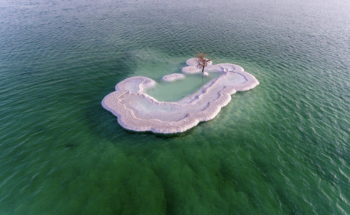
Salt in the Dead Sea

The Dead Sea’s rapid collapse is a tragedy not only for Israel but for the region as a whole. It also tests whether environmental necessity can lead to regional stability. The Leed summit is one of the many conversations currently being had to try to save the sea. Conversations are one thing; action is another, and action is needed to save the Dead Sea. 

Extreme Heat Is Testing Israel’s Energy System

0
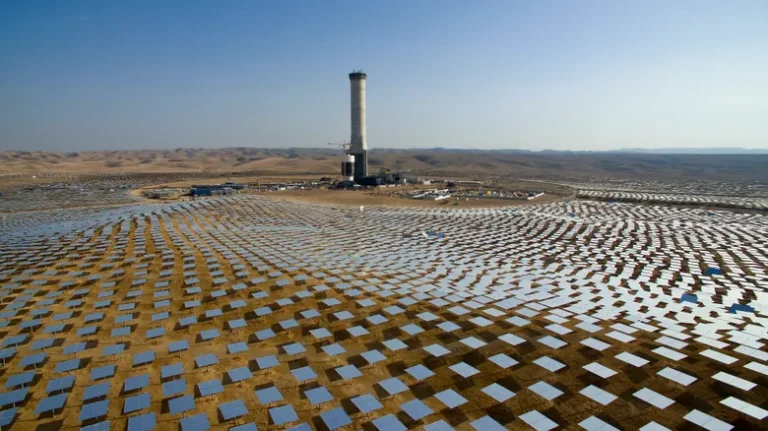
Solar power plant in the Negev

This August, Israel is facing one of the most punishing heat waves in recent history-exactly the kind of event that climate scientists have warned will grow more intense and common in the Middle East. Forecasters predict that temperatures will rise to 8-10 degrees Celsius, above early-August averages. In Jerusalem, the temperature will surge from a pleasant 29°C to a blistering 40°C. Additionally, the Jordan Valley will have temperatures as high as 50°C. The heat is expected to last around a week.


Israel’s public health system, water infrastructure, and power grid operators the heat is a high-pressure test. Demand for all of the aforementioned services soars during times of high heat. Israel will be tested to see if their energy, water, health, and other essential services can keep up with the high temperatures and the demand that comes from it. 


The Middle East has proven to be at the epicenter of global warming and climate change. It warms much faster than the global average. The increase in multi-day heat events proves this fact. Israeli authorities have sent out messages this week urging stronger precautions. Hydration, staying inside, and providing extra care for vulnerable groups are just some of the ways to help against this major public-safety hazard

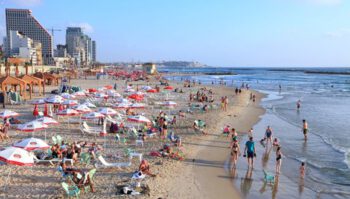
Israelis enjoying the beaches of Tel-Aviv

The heat also compounds other environmental pressures. In Eastern Israel, near the Dead Sea and Jordan valley, high temperatures drive water demand. 


One silver lining, which is also one of the causes of the heat wave, is that Israel has an abundance of strong sunlight. Solar farms and rooftop panels help provide the power grid with low-cost electricity and energy. The government and people of Israel have bought into the solar energy wave. According to the Energy Ministry, approximately 15% of electricity in Israel is solar, and the target is to get to 30% by 2030. 

See Related Article: Yosef Abramowitz: The Israeli Bringing the Sun to the World’s Darkest Places

While solar energy helps provide an abundance of energy, especially during a heat wave, energy demand grows in the evening as the sun sets. Energy storage is the solution. Private companies, homes, and the government have invested in storage. Increased storage leads to increased energy reserves, which allows the grid to handle more stress, for example, more air conditioning units being turned on during a heat wave.


When a heat wave hits, it exposes weak links across a country’s whole system. Traditional energy infrastructure does not function to its best capabilities under the stress of extreme heat. That is why Israel has invested more in solar energy. However, with this increase comes more storage, panels, and other energy-related projects. These new developments are not only more cost-effective in the long term, but they can also be potentially life-saving during emergencies. 


With high heat periods comes an increase in water demand. However, at the same time, reservoirs and water sources are put under stress due to increased evaporation. In a time of consistent global warming and existing water pressures, a heat wave is an added emergency for water. 

See Related Article: Sea of Galilee still critical water levels, despite winter rain

The ecosystem is also affected. Specifically, the marine ecosystem of Israel. In Eilat, the corals are known to be resistant. Even the resilience of the coral cannot help during a time of heat waves. This affects marine life and, therefore, humans who use the ocean as a natural resource. 


Israel’s upcoming heat wave is an example of why countries need increased climate readiness. With more storage and increased use of solar power, Israel is more prepared to face this extreme weather. 

Puppies used in heart experiments then killed at Canadian hospital

0
puppy testing, animal experimentation, St. Joseph’s Hospital, Lawson Research Institute, animal cruelty, heart research dogs, Ontario hospital scandal, biomedical research ethics, whistleblower animal testing, puppy research Canada, secret dog testing, animal welfare Canada, investigative journalism animals, Robert Cribb puppy report, Jenna Olsen investigative report
Image whistleblower sent of puppies. Via the National Post.

It sounds made up—until you read the documents, see the photos, and talk to the people who were there.

A new exposé by the National Post in Canada has revealed a covert program at St. Joseph’s Hospital in London, Ontario, where puppies are used in disturbing cardiac experiments that many scientists now call outdated, cruel, and unnecessary.

Security footage shows puppies arriving in unmarked vans, hidden beneath blankets, before being wheeled into a locked facility known by insiders as the “secret sixth floor.” There, researchers induce up to three-hour-long heart attacks in the dogs. After imaging the damaged organs using the same PET and MRI machines used for human patients, the dogs are euthanized, their hearts removed, and their bodies stored in barrels until disposal. Their names marked include Croissant, Toast, Rye and Bagel.

Related: Palestinian mayor offers $6 for every dead dog 

The program is publicly funded, approved under Canadian Council on Animal Care (CCAC) protocols, and legally sanctioned. But critics say that’s no longer enough.

Canada has no federal law governing the ethical treatment of animals in scientific research. We experimented on bunnies held in the Zoology building at the University of Toronto during undergrad and were told that there were ethics guidelines in place.

The CCAC provides guidelines but lacks enforcement power. In fact, the agency admitted to the IJB that it has only revoked certification once in the past eight years and does not conduct ethical reviews of individual studies.

At St. Joseph’s, hospital officials argue that the use of dogs is still necessary to model human cardiac injury.

Only 13 dogs from the program have been rehomed in over a decade, hospital officials admit.

In a country where animal experimentation is largely hidden from public view, this investigation has peeled back a curtain that many would rather keep closed. Whether the outrage sparks change—or is buried with the bodies—remains to be seen.

Wastewater plants are a hidden climate issue, and we’re measuring it all wrong

wastewater treatment climate impact, fossil CO2 emissions, methane from wastewater, nitrous oxide WWTP emissions, greenhouse gas emissions wastewater, carbon footprint sewage plants, wastewater and climate change, WWTP GHG monitoring, climate-smart wastewater systems, Jacobs wastewater projects, AECOM wastewater treatment, Black & Veatch water infrastructure, HDR wastewater solutions, wastewater carbon accounting, IPCC wastewater emissions, sludge incineration emissions, fossil carbon in sewage, wastewater methane hotspots, WWTP emission factors, environmental footprint of WWTPs
A Black & Veatch-engineered wastewater treatment plant integrates advanced emission controls and energy recovery systems—part of a growing push to make urban sanitation climate-smart.

Wastewater treatment plants (WWTPs) are critical to modern cities, safeguarding public health by managing billions of liters of sewage and industrial discharge every day. But as the world races to reduce greenhouse gas emissions, a key source is slipping under the radar: the wastewater sector itself.

In a new review published in Environmental Science and Ecotechnology (July 2025), researchers from the Harbin Institute of Technology and international collaborators challenge current greenhouse gas accounting methods for WWTPs, warning that conventional approaches significantly underestimate the sector’s climate footprint—particularly when it comes to fossil carbon dioxide (CO₂).

It’s well known that WWTPs emit methane (CH₄) and nitrous oxide (N₂O)—two potent greenhouse gases—during biological treatment and sludge handling. What’s less understood is the role of fossil CO₂, released from synthetic chemicals like detergents and industrial effluents. Because this carbon originates from fossil sources, not organic decay, it adds to atmospheric CO₂ but remains unaccounted for in most emission inventories.

Using radiocarbon analysis, the study’s authors found that fossil carbon makes up 4–28% of the total carbon in incoming wastewater. That fossil carbon is mostly converted to CO₂ and vented during treatment—yet this invisible flow of emissions is ignored in most official climate reports.

Related: BioprocessH2O works with food and beverage wastewater

BioProcessH2O cleans Coca Cola plants

“Wastewater is not just a sanitation issue—it’s a climate issue,” said Dr. Haiyan Li, corresponding author of the study. “By overlooking fossil CO₂ and relying on outdated estimation methods, we’re underreporting a major source of greenhouse gases.”

Current greenhouse gas estimates from WWTPs largely depend on broad default emission factors provided by the Intergovernmental Panel on Climate Change (IPCC). These factors are often too generic, failing to reflect the variation in plant design, local climate, and wastewater composition—especially in urban areas with a mix of domestic and industrial sources.

To address this, the researchers analyzed two main approaches to monitoring emissions:

Unit-based methods (e.g., flux chambers, optical gas imaging) are good at pinpointing emission hotspots like aeration tanks but can miss the big picture. Plant-integrated methods (e.g., drone surveys, mobile labs, and aircraft) offer facility-wide data, often capturing higher methane emissions. However, they vary widely in accuracy and cost.

The review also calls for customized, technology-specific emission factors—especially for plants with advanced processes like sludge incineration or energy recovery, where fossil carbon emissions can increase total reported GHGs by more than 20%.

Toward Smarter, Climate-Responsive Treatment

To help cities transition to low-carbon wastewater treatment, the authors advocate for real-time, multi-gas monitoring systems and the inclusion of fossil CO₂ in national climate inventories. Doing so would empower local governments and plant operators to align their emission reduction strategies with actual site conditions—not assumptions.

“We need better data to drive better policies,” said the research team. “Smarter monitoring tools can bridge the gap between science and action.”

This research underscores a broader shift in thinking: that wastewater infrastructure—long seen as a hygiene utility—must also be recognized as a critical node in the fight against climate change.

American Industry’s Role

Some of the world’s largest wastewater treatment projects are spearheaded by U.S.-based engineering firms, including:

Jacobs Solutions Inc., a leader in global water infrastructure, which has delivered WWTP designs in cities from Los Angeles to Abu Dhabi.

AECOM, involved in large-scale wastewater upgrades across the U.S. and internationally.

Black & Veatch, which has helped develop climate-resilient treatment facilities with energy recovery systems.

HDR, known for advanced water quality treatment and smart monitoring solutions.

As climate regulations tighten and emissions tracking becomes more rigorous, these companies are well-positioned to innovate—if they adapt their designs and monitoring practices to reflect the new science.

Wastewater treatment plants are quietly contributing to the climate crisis—and our current accounting methods aren’t telling the full story. Recognizing the role of fossil carbon and deploying smarter monitoring tools may be the key to transforming this essential service into a truly climate-smart sector.

The hidden chatter beneath our feet – how trees, mushrooms, and microbes speak

How plants talk underground: unlocking the secrets of the wood wide web.
GIS mapping of a forest. New science might help us listen to what trees are saying.

We tend to think of forests as quiet places—but beneath the soil, there’s a bustling network of chemical conversations taking place. It’s part of what some scientists call the “wood wide web”—a vast underground communication system that connects plants, fungi, and microbes in complex, symbiotic ways. It’s been shown that plants can speak. This new study might help us decode what they are saying.

Now, scientists at the U.S. Department of Energy’s Oak Ridge National Laboratory (ORNL) have uncovered new insights into this hidden language. By studying the molecular “words” that tree roots send into the soil, they’ve created one of the most detailed maps yet of underground plant communication—one that could revolutionize how we grow food and bioenergy crops.

As plants grow, their roots don’t just absorb nutrients—they release a rich array of organic chemicals into the soil, a process known as rhizodeposition. These secretions act like messages or invitations to microbes and fungi, encouraging cooperation, support, or sometimes defense.

“Plants form relationships with microbes like bacteria and fungi that help them survive tough conditions like drought or poor soil,” said Dr. Paul Abraham, co-lead of the study at ORNL. “But we’re only beginning to understand the full vocabulary of these underground interactions.”

plant communication, wood wide web, mycorrhizal fungi, root exudates, rhizodeposition, Oak Ridge National Laboratory, plant-microbe interaction, metabolomics, soil health, sustainable agriculture, energy crops, food security, soil microbiome, carbon cycling, plant root secretions, underground ecosystem
How plants talk underground: unlocking the secrets of the wood wide web.

To decode this chemical language, ORNL researchers focused on poplar trees, which are being studied as future bioenergy crops. They grew two types of poplar under different conditions—some with extra nutrients, some without—and collected samples from their roots at different growth stages.

Instead of looking for specific molecules they already knew, scientists used a technique called untargeted metabolomics, which allowed them to capture everything the plants were saying, so to speak.

“This approach lets us detect a much broader range of chemical diversity,” Abraham explained. “We’re finding unexpected or previously unrecognized compounds that may play critical roles in soil and plant systems.”

A molecular treasure trove

floating cricket habitat in Venice lagoon, interactive sound garden with cricket audio, Professor Alex Felson with conservation exhibit, Venice Biennale site featuring ecological installation, Associate Professor Miriama Young tuning cricket choir installation
Close-up of the interactive sound garden at the University of Melbourne’s “Song of the Cricket” installation. Visitors walk among embedded speakers and vegetation while the gentle song of crickets reimagines Venice’s lost natural soundscape.

What they found was a treasure trove of compounds—some never identified before. Each plant produced different chemical profiles depending on its genes, environment, and age. These findings suggest that plants tailor their messages depending on who they’re talking to—whether they’re calling for help, warning of threats, or optimizing partnerships.

“This kind of insight helps us breed or engineer crops that are not only higher-yielding, but also more resistant to climate stress,” Abraham said.

Mushrooms, microbes, and machine learning?

mushroom communication, fungal networks, mycorrhizal fungi, wood wide web, plant mushroom symbiosis, underground fungi, mushroom roots, fungal ecology, forest communication, mushroom soil health, fungi and plants, mushroom mycelium network, mushroom biodiversity, mushroom sustainability, fungal symbiosis
a basket of mushrooms collected in Ontario, Canada

Why does this matter? The underground networks built by fungi and bacteria are essential for healthy ecosystems—and for our ability to grow resilient crops in a changing climate. Fungi, in particular, act as “middlemen”, connecting roots across distances and helping move nutrients, water, and even chemical signals between plants.

To better understand this complex web, ORNL is now looking to AI and machine learning. “The chemical space we’re measuring is vast,” Abraham said. “Most of the molecules we detect can’t be confirmed using existing reference standards.”

In other words, there are too many molecules and not enough names. That’s where artificial intelligence will step in—to help identify unknown compounds and unlock new insights into how plants and microbes interact.

The ORNL team’s research, published in Plant, Cell & Environment, could eventually lead to crops that communicate more efficiently with beneficial fungi and bacteria—reducing the need for synthetic fertilizers and helping build a more sustainable agricultural system.

“Nature already has a smart underground network,” says Karin Kloosterman, editor of Green Prophet who founded an AI company Flux to listen to the language of plants: “Our job is to listen, decode it, and learn how to work with it.”


Don’t Regret Your Host: Alternatives to SiteGround That Impress

0

eco friendly web hosting, green web hosting, sustainable web hosting, carbon neutral hosting, renewable energy hosting, environmentally friendly web services, green data centers, low impact web hosting, climate conscious hosting, eco conscious website hosting, green server solutions, energy efficient web hosting, sustainable website hosting, eco web servers, clean energy hosting eco friendly web hosting, green web hosting, sustainable web hosting, carbon neutral hosting, renewable energy hosting, environmentally friendly web services, green data centers, low impact web hosting, climate conscious hosting, eco conscious website hosting, green server solutions, energy efficient web hosting, sustainable website hosting, eco web servers, clean energy hosting

Web hosting can make or break your online presence. SiteGround has been a popular choice for years, but price increases and feature restrictions have many users looking elsewhere. Here are five hosting providers that offer comparable or better services, with GreenGeeks leading the pack.

GreenGeeks Takes the Top Spot

GreenGeeks has earned its position as the best SiteGround alternative through a combination of fast servers, eco-friendly operations, and competitive pricing. Independent tests from 2025 show GreenGeeks loading WordPress sites in 1 to 2 seconds, even under stress from 50 or more concurrent users.

The company runs on LiteSpeed servers with built-in LSCache technology. This setup consistently delivers lower time-to-first-byte measurements than SiteGround’s Google Cloud infrastructure. While SiteGround can load static pages in 0.3 seconds, its real-world WordPress performance ranges from 1.4 to 2.5 seconds on entry-level plans.

GreenGeeks offers unlimited storage, bandwidth, and websites on all plans. SiteGround limits these based on your chosen tier. The entry-level GreenGeeks plan starts at $2.95 per month and renews at $10.95. SiteGround’s comparable plan costs $2.99 initially but jumps to $16.99 on renewal.

Environmental Leadership Sets GreenGeeks Apart

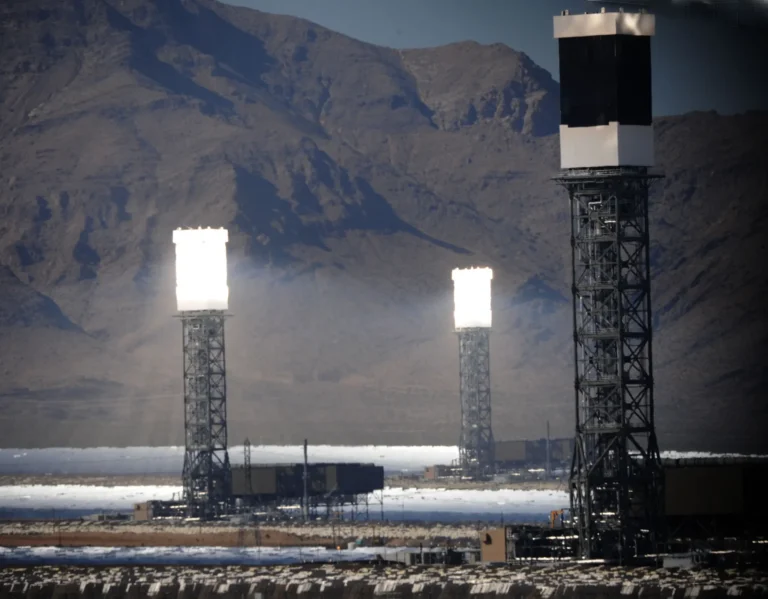
The Ivanpah Solar Power Facility, a $2.2 billion concentrated solar plant in California, was once hailed as a breakthrough in renewable energy. However, it underperformed, requiring natural gas backup and failing to meet energy production targets. Pacific Gas & Electric canceled its contract early, citing cost concerns, putting the plant on track for closure. Despite its financial struggles, Ivanpah provided valuable insights into large-scale solar thermal technology.
Hosting powered by the sun

GreenGeeks purchases renewable energy certificates for 300% of the power it uses. This means for every unit of electricity the company consumes, it funds three units of wind or solar power generation. SiteGround makes no environmental offset claims beyond the efficiency of its Google Cloud platform.

The environmental certifications are verified and audited. Each hosting account directly supports certified renewable energy projects. This commitment has earned GreenGeeks industry recognition for sustainability leadership in 2025.

Feature Comparison Shows Clear Advantages

Both hosts include SSL certificates, content delivery networks, and site migration services. GreenGeeks bundles more premium features in its base plans:

  • Free domain registration for the first year
  • Nightly automated backups with 30-day retention
  • AI website builder included on all plans
  • Premium GlobalSign SSL on higher tiers
  • Cloudflare CDN with single-click activation

SiteGround moved several features to higher-cost plans in June 2025. Staging environments and advanced backup options now require mid-tier or premium subscriptions. This change frustrated budget-conscious users who previously had access to these tools.

WP Engine Specializes in Managed WordPress

WP Engine targets users who need premium WordPress hosting with minimal maintenance. The service costs more than shared hosting but includes specialized WordPress optimization and security.

All WP Engine plans feature:
– Automated WordPress updates
– Daily backups with one-click restore
– Advanced caching built for WordPress
– Staging environments on all plans
– Expert WordPress support team

Pricing starts at $20 monthly for one website and 25,000 visits. Small businesses and bloggers might find this expensive, but agencies and high-traffic sites benefit from the specialized infrastructure.

WP Engine’s Genesis Framework comes free with all accounts. This professional theme framework helps developers build custom WordPress sites faster. The company also provides free site migration from any host.

DreamHost Keeps Pricing Transparent

DreamHost has operated since 1997 and maintains a reputation for straightforward pricing. Unlike many hosts that dramatically increase renewal rates, DreamHost’s prices stay consistent year after year.

The shared hosting plans include:
– Unlimited bandwidth and storage
– Free domain privacy protection
– 97-day money-back guarantee
– Pre-installed WordPress
– Free automated site migration

DreamHost’s control panel differs from the standard cPanel interface. Some users find it easier to use, while others prefer traditional layouts. The company offers both shared and cloud hosting options.

Monthly pricing starts at $4.95 for one website or $8.95 for unlimited sites. Annual plans reduce these rates. DreamHost operates its own data centers in Virginia and California, giving them direct control over hardware and network performance.

Hostinger Offers Global Reach at Low Prices

Hostinger rounds out the top five with aggressive pricing and worldwide data centers. The company operates servers in seven locations across North America, Europe, Asia, and South America.

Key features include:
– AI website builder with customizable templates
– Free email accounts on all plans
– LiteSpeed caching on Premium and Business tiers
– Weekly or daily backups depending on plan
– 30-day money-back guarantee

Hostinger’s entry plan costs $2.99 monthly but limits resources more than competitors. The mid-tier Premium plan at $3.99 provides better value with 100 websites and improved performance. Business hosting at $4.99 adds daily backups and a free CDN.

Customer reviews mention occasional language barriers with support staff. Response times vary by region and time of day. The low prices and global infrastructure make Hostinger attractive for international projects or testing environments.

Making the Right Choice

Each alternative offers distinct advantages over SiteGround. GreenGeeks combines speed, environmental responsibility, and value. Recent benchmarks confirm its LiteSpeed servers outperform SiteGround’s infrastructure for WordPress sites.

Consider these factors when choosing:

  • Performance needs: GreenGeeks excels for speed-critical sites. Both use LiteSpeed technology and offer resource scaling.
  • Budget constraints: Hostinger provides the lowest entry price. GreenGeeks offers better long-term value with lower renewal rates.
  • WordPress focus: WP Engine specializes in WordPress but costs more. GreenGeeks and A2 Hosting provide strong WordPress performance at lower prices.
  • Geographic requirements: SiteGround still leads in data center locations. Hostinger offers the best alternative global coverage.
  • Environmental impact: Only GreenGeeks provides verified renewable energy offsets.

Technical Specifications Matter

Server technology affects site performance. LiteSpeed servers used by GreenGeeks, A2 Hosting, and Hostinger’s premium plans typically outperform traditional Apache setups. Built-in caching reduces database queries and speeds up content delivery.

All five alternatives provide SSD or NVMe storage. This hardware loads files faster than traditional hard drives. The difference becomes noticeable with image-heavy sites or large databases.

PHP version support varies by host. GreenGeeks and A2 Hosting offer PHP 8.x on all plans. Newer PHP versions run code more efficiently and support modern WordPress themes and plugins.

Support Quality Varies

SiteGround earned its reputation partly through responsive customer support. Among the alternatives, experiences differ:

  • GreenGeeks provides 24/7 support via chat and phone. Users report helpful responses but sometimes longer wait times than SiteGround during peak hours.
  • WP Engine limits support to WordPress-specific issues but employs WordPress experts. General server or email questions might not receive assistance.
  • DreamHost offers callback support instead of traditional phone lines. This system reduces wait times but feels less immediate to some users.
  • Hostinger primarily uses ticket-based support with live chat for urgent issues. Response quality can vary based on the support agent’s location and expertise.

Final Recommendations

GreenGeeks earns the top recommendation through consistent performance, environmental leadership, and fair pricing. The unlimited resources and included features provide excellent value for growing websites.

  • Users leaving SiteGround due to price increases will find GreenGeeks’ renewal rates particularly attractive. The $10.95 renewal for basic hosting compares favorably to SiteGround’s $16.99.
  • WP Engine works best for businesses needing managed WordPress expertise. DreamHost appeals to users who value pricing transparency and company stability. Hostinger fits tight budgets or global projects requiring multiple server locations.

Monitor your current hosting performance before switching. Run speed tests and check your actual resource usage. This data helps you choose the right plan level with your new host. Most alternatives offer free migration services to simplify the transition from SiteGround.