“In the midst of uncertain time, renewable energy remains consistent and steadfast in its expansion,” said Francesco La Camera, IRENA’s Director-General. “A more decentralised energy system, with a growing share of renewables and more market players, is structurally more resilient.”
Health insurance is a regulated financial product. Insurers operate under binding contracts, overseen by state insurance commissioners, that legally obligate them to pay claims meeting policy terms. Policyholders who believe a covered claim was wrongfully denied have legal recourse through state regulatory channels.
The New Zealand Merino Company, now rebranded as Zentera, has quietly removed the phrase “world’s leading ethical wool brand” from its website, a notable change that comes after a disturbing investigation by PETA Asia-Pacific into the company’s ZQ-certified wool supply chain, PETA reports to Green Prophet.
Somehow vegetables with short seasons excite the imagination and appetite more sharply than produce that’s available all year around. Good Middle Eastern cooks have many recipes for delicate fava beans, and this turmeric-fragrant soup is one.
“In the midst of uncertain time, renewable energy remains consistent and steadfast in its expansion,” said Francesco La Camera, IRENA’s Director-General. “A more decentralised energy system, with a growing share of renewables and more market players, is structurally more resilient.”
Health insurance is a regulated financial product. Insurers operate under binding contracts, overseen by state insurance commissioners, that legally obligate them to pay claims meeting policy terms. Policyholders who believe a covered claim was wrongfully denied have legal recourse through state regulatory channels.
The New Zealand Merino Company, now rebranded as Zentera, has quietly removed the phrase “world’s leading ethical wool brand” from its website, a notable change that comes after a disturbing investigation by PETA Asia-Pacific into the company’s ZQ-certified wool supply chain, PETA reports to Green Prophet.
Somehow vegetables with short seasons excite the imagination and appetite more sharply than produce that’s available all year around. Good Middle Eastern cooks have many recipes for delicate fava beans, and this turmeric-fragrant soup is one.
“In the midst of uncertain time, renewable energy remains consistent and steadfast in its expansion,” said Francesco La Camera, IRENA’s Director-General. “A more decentralised energy system, with a growing share of renewables and more market players, is structurally more resilient.”
Health insurance is a regulated financial product. Insurers operate under binding contracts, overseen by state insurance commissioners, that legally obligate them to pay claims meeting policy terms. Policyholders who believe a covered claim was wrongfully denied have legal recourse through state regulatory channels.
The New Zealand Merino Company, now rebranded as Zentera, has quietly removed the phrase “world’s leading ethical wool brand” from its website, a notable change that comes after a disturbing investigation by PETA Asia-Pacific into the company’s ZQ-certified wool supply chain, PETA reports to Green Prophet.
Somehow vegetables with short seasons excite the imagination and appetite more sharply than produce that’s available all year around. Good Middle Eastern cooks have many recipes for delicate fava beans, and this turmeric-fragrant soup is one.
“In the midst of uncertain time, renewable energy remains consistent and steadfast in its expansion,” said Francesco La Camera, IRENA’s Director-General. “A more decentralised energy system, with a growing share of renewables and more market players, is structurally more resilient.”
Health insurance is a regulated financial product. Insurers operate under binding contracts, overseen by state insurance commissioners, that legally obligate them to pay claims meeting policy terms. Policyholders who believe a covered claim was wrongfully denied have legal recourse through state regulatory channels.
The New Zealand Merino Company, now rebranded as Zentera, has quietly removed the phrase “world’s leading ethical wool brand” from its website, a notable change that comes after a disturbing investigation by PETA Asia-Pacific into the company’s ZQ-certified wool supply chain, PETA reports to Green Prophet.
Somehow vegetables with short seasons excite the imagination and appetite more sharply than produce that’s available all year around. Good Middle Eastern cooks have many recipes for delicate fava beans, and this turmeric-fragrant soup is one.
“In the midst of uncertain time, renewable energy remains consistent and steadfast in its expansion,” said Francesco La Camera, IRENA’s Director-General. “A more decentralised energy system, with a growing share of renewables and more market players, is structurally more resilient.”
Health insurance is a regulated financial product. Insurers operate under binding contracts, overseen by state insurance commissioners, that legally obligate them to pay claims meeting policy terms. Policyholders who believe a covered claim was wrongfully denied have legal recourse through state regulatory channels.
The New Zealand Merino Company, now rebranded as Zentera, has quietly removed the phrase “world’s leading ethical wool brand” from its website, a notable change that comes after a disturbing investigation by PETA Asia-Pacific into the company’s ZQ-certified wool supply chain, PETA reports to Green Prophet.
Somehow vegetables with short seasons excite the imagination and appetite more sharply than produce that’s available all year around. Good Middle Eastern cooks have many recipes for delicate fava beans, and this turmeric-fragrant soup is one.
“In the midst of uncertain time, renewable energy remains consistent and steadfast in its expansion,” said Francesco La Camera, IRENA’s Director-General. “A more decentralised energy system, with a growing share of renewables and more market players, is structurally more resilient.”
Health insurance is a regulated financial product. Insurers operate under binding contracts, overseen by state insurance commissioners, that legally obligate them to pay claims meeting policy terms. Policyholders who believe a covered claim was wrongfully denied have legal recourse through state regulatory channels.
The New Zealand Merino Company, now rebranded as Zentera, has quietly removed the phrase “world’s leading ethical wool brand” from its website, a notable change that comes after a disturbing investigation by PETA Asia-Pacific into the company’s ZQ-certified wool supply chain, PETA reports to Green Prophet.
Somehow vegetables with short seasons excite the imagination and appetite more sharply than produce that’s available all year around. Good Middle Eastern cooks have many recipes for delicate fava beans, and this turmeric-fragrant soup is one.
“In the midst of uncertain time, renewable energy remains consistent and steadfast in its expansion,” said Francesco La Camera, IRENA’s Director-General. “A more decentralised energy system, with a growing share of renewables and more market players, is structurally more resilient.”
Health insurance is a regulated financial product. Insurers operate under binding contracts, overseen by state insurance commissioners, that legally obligate them to pay claims meeting policy terms. Policyholders who believe a covered claim was wrongfully denied have legal recourse through state regulatory channels.
The New Zealand Merino Company, now rebranded as Zentera, has quietly removed the phrase “world’s leading ethical wool brand” from its website, a notable change that comes after a disturbing investigation by PETA Asia-Pacific into the company’s ZQ-certified wool supply chain, PETA reports to Green Prophet.
Somehow vegetables with short seasons excite the imagination and appetite more sharply than produce that’s available all year around. Good Middle Eastern cooks have many recipes for delicate fava beans, and this turmeric-fragrant soup is one.
“In the midst of uncertain time, renewable energy remains consistent and steadfast in its expansion,” said Francesco La Camera, IRENA’s Director-General. “A more decentralised energy system, with a growing share of renewables and more market players, is structurally more resilient.”
Health insurance is a regulated financial product. Insurers operate under binding contracts, overseen by state insurance commissioners, that legally obligate them to pay claims meeting policy terms. Policyholders who believe a covered claim was wrongfully denied have legal recourse through state regulatory channels.
The New Zealand Merino Company, now rebranded as Zentera, has quietly removed the phrase “world’s leading ethical wool brand” from its website, a notable change that comes after a disturbing investigation by PETA Asia-Pacific into the company’s ZQ-certified wool supply chain, PETA reports to Green Prophet.
Somehow vegetables with short seasons excite the imagination and appetite more sharply than produce that’s available all year around. Good Middle Eastern cooks have many recipes for delicate fava beans, and this turmeric-fragrant soup is one.
Germany has announced a landmark strategy to break its near-total dependence on Chinese-made components for offshore wind turbines, particularly the permanent magnets essential to the industry. This move, unveiled by the Economy Ministry, forms part of a broader plan to build a more resilient and geopolitically secure renewable energy infrastructure. The Resilience Roadmap aims for 30 percent of permanent magnet supply to come from alternative sources by 2030, increasing to 50 percent by 2035. China currently supplies about 90 percent of these components globally, mostly through its dominance in the rare earth metals market.
To meet its ambitious climate and energy goals, Germany is targeting an offshore wind capacity of 30 gigawatts by 2030—triple its current levels. Offshore wind already contributes around 5 percent of Germany’s electricity supply, and the government hopes renewables will account for 80 percent of national electricity production by the end of the decade. The shift away from China is not merely about energy diversification; it represents a strategic reshoring of the energy transition and a rejection of supply chains vulnerable to geopolitical risk.
This German announcement fits into a broader European trend. Across the continent, governments are accelerating investment in clean technology, aiming to secure domestic manufacturing capacity and reduce exposure to international bottlenecks. The global cleantech market, valued at approximately $916 billion in 2024, is projected to double to $1.84 trillion by 2030, with an annual growth rate of nearly 13 percent. In the European Union alone, clean energy investments are expected to reach nearly $390 billion in 2025.
Venture capital trends in the EU’s cleantech sector reflect the momentum. After a slow start to the year, venture funding rebounded in the second quarter of 2025, reaching €2.5 billion—the strongest quarterly performance since early 2024. The average deal size has also grown, reflecting increasing investor confidence in scale-up technologies and manufacturing. While early-stage funding remains cautious, the appetite for industrial decarbonization and infrastructure-linked technologies is clearly rising.
Policymakers are backing this momentum with sweeping industrial legislation. Under the EU’s Net-Zero Industry Act, passed in June 2024, the bloc aims to produce at least 40 percent of its annual net-zero technology needs domestically by 2030. The act also sets a target for Europe to produce 15 percent of the world’s clean-tech equipment by 2040. However, this ambition comes in response to a stark reality: Europe’s share of global wind turbine manufacturing fell from 58 percent in 2017 to just 30 percent in 2022. Solar panel manufacturing remains even more concentrated outside the continent, despite EU efforts to reshore production.
In terms of deployment, Europe is making strong progress. In 2024, renewables supplied nearly half of the EU’s electricity, with wind and solar leading the charge. Solar photovoltaic capacity alone reached around 269 gigawatts by the end of 2023, and the EU is targeting 600 gigawatts by 2030. The Clean Industrial Deal, launched earlier this year, promises to push 100 gigawatts of new renewable energy capacity annually through 2030, while also funding green innovation and supporting the transition of energy-intensive industries.
Germany’s strategy to secure its wind industry against supply shocks highlights a key shift in clean-tech policy. While markets once favored the cheapest global supplier—often China—the future is likely to reward regional resilience, strategic partnerships, and closed-loop value chains. Germany is already in talks with Japan and Australia to source rare earths more sustainably and with less environmental and political risk.
As the EU mobilizes hundreds of billions of euros to decarbonize its economy, challenges remain. Permitting delays, rising material costs, and global competition for critical minerals could still slow the pace of change. Yet Germany’s move to de-risk its offshore wind supply chain is an unmistakable signal: in the energy transition, security and sustainability must go hand in hand.
Robert Kennedy Junior has been advocating a return to animal fats like butter and beef tallow
Swapping out animal fats for plant fats might be a helpful dietary intervention for obese patients undergoing treatment for cancer
A new study published in Nature Metabolism suggests that the type of fat we consume—not just how much we weigh—can influence cancer risk. In the study, researchers from Ludwig Cancer Research, Harvard Medical School, and Trinity College Dublin found that obese mice fed diets rich in animal fats like butter, lard, or beef tallow developed faster-growing melanomas than equally obese mice fed plant-based fats like olive oil, palm oil, or coconut oil.
The difference wasn’t weight, but biology. “Our study provides an important proof of principle that dietary fat can regulate immune function in obesity-related cancers,” write the researchers.
“We found that high-fat diets derived from lard, beef tallow or butter compromise anti-tumor immunity and accelerate tumor growth in several tumor models of obese mice. Diets based on coconut oil, palm oil or olive oil, meanwhile, do not have this effect in equally obese mice. Our findings have implications for cancer prevention and care for people struggling with obesity,” said Lydia Lynch, a leader in the research.
Lynch and her colleagues from Harvard—including Marcia Haigis, a senior author of the study and a member of the Ludwig Center at Harvard University—note that swapping out animal fats for plant fats might be a helpful dietary intervention for obese patients undergoing treatment for cancer. Such dietary changes could also potentially lower cancer risk for people living with obesity.
The Science: It’s About Acylcarnitines, Not Calories
The researchers discovered that animal-based fats caused a buildup of long-chain acylcarnitines—molecules that impaired CD8+ T cells and natural killer (NK) cells, both critical for detecting and killing cancer cells. These metabolites interfered with mitochondrial function, reducing the immune system’s ability to fight tumors.
By contrast, mice consuming olive oil, palm oil, or coconut oil did not experience this immune suppression—even though they gained the same amount of weight.
According to Lydia Lynch, senior author of the study and an immunologist at Harvard and Trinity,
“It’s not just obesity—it’s what kind of fat you eat. We show that some fats can paralyze the immune system’s anti-cancer response.”
These findings were also observed in human NK cells, where acylcarnitine buildup similarly impaired mitochondrial function, indicating the mechanism may be relevant to humans, though more research is needed.
What About the Butter Backlash?
This new study may challenge recent nutrition trends—particularly those backed by figures like Robert F. Kennedy Jr., who advocate for a return to traditional, animal-fat-heavy diets and question the safety of seed oils. While Kennedy and others have popularized the idea that saturated fats like butter are unfairly vilified, this research suggests animal fats could pose specific risks to cancer immunity, especially in the context of obesity.
It’s important to note, however, that the study did not examine seed oils like soybean, canola, or sunflower, which are high in polyunsaturated fatty acids (PUFAs) and the subject of their own scientific debates.
In short, this study is not a vindication of seed oils, but it does raise red flags about animal fats—at least in obese contexts and in mice.
Not All Saturated Fats Are the Same
Interestingly, the study showed that palm oil (also saturated) did not have the same cancer-promoting effects as butter or lard. This challenges simplistic categorizations of “saturated = bad” and points to a more nuanced relationship between fat structure, metabolism, and immune function.
It also underscores that obesity-related cancer risk may depend as much on what type of fat is stored and metabolized as on the amount of body fat itself.
Le Labo’s City Exclusive fragrances go global—experience the scent of Kyoto, Paris, or Seoul in sustainable, refillable style.
In a fragrance market awash with synthetic blends and mass production, Le Labo stands apart like a whisper of nature in a noisy world. Known for its cult-like following and unapologetically minimalist aesthetic, this New York-born perfume house has garnered global acclaim not only for its handcrafted scents but also for its commitment to sustainability, transparency, and ethical luxury.
At the heart of Le Labo’s ethos is a strong preference for natural, high-quality ingredients. While not every component is 100% natural—certain molecules must be synthesized to remain cruelty-free or allergen-safe—the brand is transparent about sourcing and formulation. Le Labo’s fragrances are vegan, cruelty-free, and free from parabens, preservatives, and artificial colorants. Their iconic labels are printed on recycled paper, and many of their bottles are refillable, with in-store refill stations offered in several global locations to reduce waste.
Each scent is freshly hand-blended and labeled at the moment of purchase—offering a small-batch, artisanal experience more akin to fine dining than factory fragrance. This model not only ensures freshness but also avoids the emissions and inefficiencies of large-scale warehousing.
Le Labo’s commitment to sustainability extends beyond what’s in the bottle. The brand uses recycled packaging, glass instead of plastic, and minimal outer packaging to reduce environmental impact. Even their candles are made with soy wax and cotton wicks, and their shampoo and body products come in plant-based, refillable bottles.
Their studios, which double as retail spaces, are designed with natural, raw materials like reclaimed wood and industrial metal—encouraging a slower, more conscious retail experience that echoes their “slow perfumery” philosophy.
City Exclusives: A Scented Travelogue with a Conscience
One of Le Labo’s most beloved—and elusive—projects is the City Exclusives collection. Typically only available in their city of origin, these scents are like bottled postcards, each inspired by the energy, culture, and olfactory identity of a global destination.
For a limited time every year—this time starting August 1—these fragrances go on a world tour, available in 1.5 ml discovery sizes and full bottles come September. It’s a rare chance to smell Tokyo’s Gaiac 10, Paris’s Vanille 44, or Dubai’s Cuir 28, even if you’re thousands of miles away.
This year’s exciting addition? OSMANTHUS 19, the new Kyoto exclusive—bringing the soft floral sweetness of osmanthus flowers into the fold.
Here’s the full travel-worthy list of scents:
OSMANTHUS 19 (Kyoto)
CORIANDRE 39 (Mexico City)
MYRRHE 55 (Shanghai)
CEDRAT 37 (Berlin)
CITRON 28 (Seoul)
TABAC 28 (Miami)
BIGARADE 18 (Hong Kong)
MOUSSE DE CHENE 30 (Amsterdam)
ALDEHYDE 44 (Dallas)
LIMETTE 37 (San Francisco)
CUIR 28 (Dubai)
TUBEREUSE 40 (New York)
BAIE ROSE 26 (Chicago)
POIVRE 23 (London)
MUSC 25 (Los Angeles)
GAIAC 10 (Tokyo)
VANILLE 44 (Paris)
BENJOIN 19 (Moscow)
This global collection is a creative reminder of the power of place and memory in fragrance—and an innovative approach to sustainability through limited releases, refillability, and responsible luxury.
A Quiet Revolution in Beauty
While many luxury brands are only now waking up to environmental responsibility, Le Labo has been whispering it from the beginning. From ingredient integrity and minimalist packaging to refill stations and city-inspired storytelling, Le Labo proves that sustainability doesn’t have to shout—it can smell like osmanthus, myrrh, or a hint of city smoke.
In a world oversaturated with fast beauty, Le Labo offers something different: a slow, mindful ritual that respects people, place, and planet. That’s why it’s more than perfume. It’s philosophy. In a bottle.
— For more, visit lelabofragrances.ca and follow the City Exclusives journey.
Slavic women are traditional and many are taught crafts, baking, knitting and sewing at a young age. Sustainable, future-proof skills.
When it comes to dating Slavic women, many find themselves captivated by a unique blend of elegance, intelligence, and depth that spans across nations from Russia to Poland, from Ukraine to the Czech Republic. These women often embody a fascinating paradox – they cherish time-honored traditions while embracing modern independence with remarkable grace.
Understanding the cultural nuances isn’t just helpful; it’s essential. Slavic dating culture operates on different frequencies than what many Western men might expect. The stakes feel higher, the courtship more deliberate, and the rewards? Well, they can be extraordinary. But here’s the thing – success requires more than just good intentions. It demands genuine respect, cultural awareness, and a willingness to step outside your comfort zone when you date Slavic women.
The modern Slavic woman navigates between two worlds. She might hold a master’s degree and run her own business, yet still appreciate when someone opens a door for her. She values her independence fiercely but also treasures family bonds that often puzzle outsiders with their intensity. This isn’t a contradiction – it’s complexity, and understanding it becomes your roadmap to meaningful connection.
1. Embrace Traditional Chivalry and Romance
Chivalry may seem outdated in some circles, but in Slavic culture, it remains very much alive and deeply appreciated. This isn’t about playing a role or following an obsolete script. It’s about demonstrating respect through actions that have stood the test of time.
Opening doors, offering your coat when it’s cold, walking on the street side of the sidewalk – these gestures speak volumes. They communicate that you see her as someone worth protecting and cherishing. When you pull out her chair at dinner, you’re not suggesting she can’t do it herself. You’re showing that her comfort matters to you.
Flowers remain a powerful language in Slavic countries. But here’s where many stumble – it’s not just about bringing any bouquet. The number matters (odd numbers, never even), the type carries meaning, and the timing can transform a simple gesture into something memorable. A single red rose on a first date might be perfect, while a dozen mixed flowers could feel overwhelming.
Romance, in this context, means thoughtfulness over expense. A handwritten note tucked into her coat pocket will outlast an expensive dinner at a flashy restaurant. Planning a picnic in a beautiful park while learning about her favorite foods shows more care than defaulting to the nearest five-star establishment.
The key lies in consistency. These aren’t grand gestures saved for special occasions – they’re daily demonstrations of care when cultural traditions emphasize the importance of feeling cherished, and small actions compound into something powerful.
2. Prioritize Respect and Consent
Respect forms the foundation of any successful relationship, but in Slavic dating culture, it holds particular significance. This respect manifests in how you listen, how you respond to boundaries, and how you navigate physical intimacy. Rushing feels jarring against a cultural backdrop that values proper courtship.
Physical closeness develops gradually, and this pacing isn’t about playing games – it’s about building genuine trust. When someone has been raised in a culture that emphasizes the importance of being truly known before being intimate, your patience becomes a form of respect.
Consent isn’t just about major decisions; it’s woven into smaller moments. Asking before taking her hand, checking if she’s comfortable before moving closer, respecting her need for space when she’s processing emotions – these actions demonstrate emotional intelligence.
The art of courtship remains essential here. This means listening when she speaks, remembering details from previous conversations, and honoring the boundaries she sets without making her feel guilty about them. When she says she needs time to think about something, that’s not a negotiation starting point – it’s a request for respect.
You might be surprised how much this approach deepens the connection. When someone feels genuinely heard and respected, intimacy becomes a natural progression rather than a goal to achieve.
3. Build a Foundation of Friendship and Emotional Connection
Here’s what many get wrong – they rush toward romance without establishing genuine friendship. In Slavic culture, the strongest relationships often begin with deep friendship that gradually transforms into something more. This isn’t about being “friend-zoned”; it’s about creating unshakeable foundations.
Meaningful conversations become your building blocks. Discuss books, share perspectives on world events, and explore each other’s dreams and fears. These women often appreciate intellectual discourse and value partners who can engage with complex topics. Don’t shy away from deeper subjects – embrace them.
Communication skills matter enormously here. Learn to ask questions that go beyond surface level. Instead of “How was your day?” try “What’s been on your mind lately?” or “What made you smile today?” These subtle shifts open doorways to understanding.
Building emotional intimacy means sharing your vulnerabilities as well. When you reveal your hopes, fears, and genuine thoughts, you invite her to do the same. This reciprocal opening creates bonds that transcend physical attraction.
The friendship foundation serves another purpose – it helps you understand whether you’re truly compatible beyond initial attraction. Do you enjoy each other’s company during quiet moments? Can you laugh together? Do your values align? These questions become easier to answer when friendship comes first.
4. Be Firm, Decisive, and Transparent
Indecisiveness can kill attraction faster than almost anything else. Slavic women often appreciate partners who can make decisions confidently and stick to them. This doesn’t mean being controlling – it means being someone others can rely on.
When planning dates, take initiative. Instead of “What do you want to do?” try “I’d love to take you to this new art exhibition I heard about. Does Saturday afternoon work for you?” This shows you’ve put thought into creating an experience rather than defaulting to her for all decisions.
Relationship transparency becomes crucial early on. If you’re looking for something serious, please let us know. If you’re not ready for commitment, be honest about that too. Mixed signals or vague intentions create unnecessary confusion and can damage trust before it’s fully established.
Being decisive extends to even the smallest moments. When choosing restaurants, picking movies, or even deciding which route to take while walking, confident choices (while remaining open to her preferences) demonstrate leadership qualities that many find attractive.
Sounds obvious? Maybe. But it works. Women often appreciate when someone can navigate decisions smoothly, creating space for them to relax and enjoy experiences rather than constantly managing logistics.
5. Understand and Respect Family Dynamics
Family connections in Slavic cultures often run deeper than many Westerners expect. This isn’t interference – it’s care expressed through involvement. When her family takes an interest in your relationship, consider it a sign of how much she means to them, and by extension, how seriously they’re taking your presence in her life.
Meeting family members early in the relationship isn’t unusual. Don’t panic if she mentions wanting you to meet her parents after a few dates. This reflects cultural norms rather than pressure for immediate commitment. Approach these meetings with a genuine interest in getting to know the people who shaped her.
Family approval often carries significant weight in relationship decisions. This doesn’t mean she can’t think for herself – it means she values the wisdom and perspectives of people who love her. Earning their respect becomes part of achieving hers.
Understanding family traditions helps enormously. Explore significant holidays, cherished family traditions, and vibrant cultural celebrations. Participating respectfully in these traditions demonstrates your willingness to embrace her background rather than expecting her to abandon it for you.
Extended family involvement might seem overwhelming at first. Cousins, aunts, grandparents – the network can feel extensive. But here’s the thing: once you’re accepted into this circle, you gain a support system that extends far beyond just your relationship with her.
6. Manage Expectations Around Financial Matters
Money conversations can be awkward, but understanding cultural expectations helps prevent misunderstandings. In many Slavic cultures, men traditionally cover dating expenses – not because women can’t pay, but as a demonstration of care and stability.
This expectation isn’t about flaunting wealth. Modest, thoughtful spending often impresses more than expensive displays. Choose quality over quantity – a well-chosen bottle of wine and home-cooked meal can feel more intimate than an overpriced restaurant where you can barely hear each other speak.
Gift-giving carries cultural significance worth understanding. Flowers, as mentioned earlier, follow specific traditions. Small, meaningful gifts that show you’ve been listening to her interests often resonate more than expensive items that feel generic.
Avoid making your financial contribution a topic of discussion. Covering expenses gracefully, without drawing attention to the gesture, shows maturity. Similarly, don’t expect gratitude performances – your generosity should come from a genuine desire to care for her, not from expecting recognition.
Be mindful of economic differences that might exist. If you’re from a country with a stronger currency, be aware of how spending differences might impact her comfort level. The goal is to make her feel cherished, not highlighting economic disparities.
7. Appreciate the Balance Between Femininity and Independence
One of the most beautiful aspects of many Slavic women is their ability to balance being both traditionally feminine and independently strong. This balance confuses some men who expect to encounter either submissive traditionalists or aggressive feminists. The reality is far more nuanced and infinitely more interesting.
She might dress elegantly and appreciate your protection while also holding strong opinions and pursuing ambitious career goals. This isn’t a contradiction – it’s sophisticated femininity that embraces multiple facets of identity.
Support her ambitions wholeheartedly, whether she’s pursuing education, starting a business, or exploring her creative interests; your encouragement matters. Many Slavic women highly value intellectual growth, personal development, and relationship building.
Expect deep conversations about meaningful topics. These women often appreciate partners who can engage with complex subjects and aren’t intimidated by their intelligence or strong opinions. Political discussions, philosophical debates, and cultural analysis – embrace these opportunities to connect intellectually.
Recognize her desire to contribute meaningfully to your shared life. This might mean she wants to cook traditional foods, participate in financial planning, or take an active role in future family decisions. Her nurturing tendencies aren’t signs of dependence – they’re expressions of care and investment in the success of your relationship.
The independence factor means she chooses to be with you rather than needing to be. This choice becomes more meaningful when you understand it’s made freely, without desperation or lack of alternatives.
Building Bridges Across Cultures
Dating across cultures requires more than good intentions – it demands genuine curiosity, patient learning, and respectful appreciation for differences. Slavic women often bring remarkable depth, loyalty, and intelligence to relationships, but accessing these qualities requires understanding the cultural context that shaped them.
You may wonder whether all this cultural navigation is worthwhile. Let me explain why it is. When you invest time understanding someone’s background, you’re not just learning rules to follow – you’re discovering pathways to deeper connection. Every tradition understood, every cultural nuance respected, and every family dynamic navigated successfully brings you closer to truly knowing her.
The rewards extend beyond your relationship, ass well Understanding Slavic culture enriches your worldview, challenges your assumptions, and develops your emotional intelligence. These skills benefit every aspect of your life, from professional relationships to personal growth.
Remember that she’s also navigating cultural differences from her side. Your patience with her learning curve about your background creates mutual respect and understanding. Relationships become stronger when both people feel their cultures are valued rather than judged.
Success in international dating isn’t about changing yourself to fit someone else’s culture or expecting them to abandon theirs for yours. It’s about finding beautiful intersection points where differences enhance rather than divide. When two people commit to understanding each other’s backgrounds while building something new together, extraordinary connections become possible.
The journey might feel challenging at times, but here’s what makes it worthwhile: when cultural barriers dissolve through mutual respect and understanding, you often discover that human desires for love, respect, and genuine connection transcend any boundaries. That’s when dating becomes something much more meaningful – it becomes the foundation for love that bridges worlds.
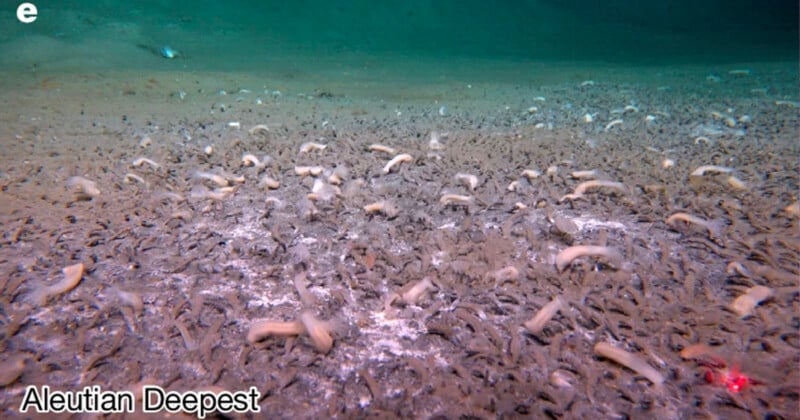
In the black depths of the northwest Pacific Ocean, between 6,000 and 9,500 metres beneath the surface, scientists have discovered what is now considered the deepest complex chemosynthetic ecosystem ever recorded. This remarkable find, located in the Kuril-Kamchatka and Aleutian trenches, is composed of tubeworms, clams, snails, sea cucumbers, and other invertebrates — all thriving without sunlight by feeding on energy from methane and hydrogen sulfide seeping from the seafloor.
The discovery, led by a team from the Institute of Deep-sea Science and Engineering of the Chinese Academy of Sciences, was detailed in a study published in PNAS (Proceedings of the National Academy of Sciences) on July 29, 2025. Using submersibles and remote-sensing technology, the researchers identified methane seeps supporting densely packed animal communities in the hadal zone, which begins at 6,000 metres and is among the least explored regions of the planet.
Aleutian Trench
“What makes our discovery groundbreaking is not just its greater depth – it’s the astonishing abundance and diversity of chemosynthetic life we observed,” said Mengran Du, a marine geochemist with the Chinese Academy of Sciences, in an interview with Reuters. Du added that descending into the trench was like “traveling through time,” as the ecosystem was so isolated and unfamiliar.
Study co-author Xiaotong Peng, program leader for the hadal exploration project, described the environment as one of “cold, total darkness and active tectonic activities,” emphasizing the global significance of the find: “These are the deepest and the most extensive chemosynthetic communities known to exist on our planet.”
Previously, cold-seep ecosystems had been documented at depths of up to approximately 7,700 metres — such as those in the Japan Trench. But this new discovery extends known biological limits by nearly 2,000 metres, with seep communities observed as deep as 9,533 metres — nearly twice the depth of the Titanic wreck.
These ecosystems function without photosynthesis, instead relying on bacteria that convert methane and hydrogen sulfide into organic material. This process, chemosynthesis, forms the foundation of the food web at such depths and allows life to thrive in some of the harshest conditions on Earth.
Why It Matters: Implications for Earth, and Beyond
1. Ecology at the Edge of Habitability
The discovery underscores life’s resilience in environments of immense pressure, zero sunlight, and low temperatures. It also highlights the adaptability of microbial and macro-organisms to extreme conditions, offering a glimpse into biological possibilities once thought implausible.
2. Conservation in the Deep
The hadal zone, once considered barren, is now recognized as an ecologically rich frontier. With growing commercial interest in deep-sea mining for rare-earth minerals and polymetallic nodules, this research emphasizes the need for conservation frameworks to protect fragile deep-ocean ecosystems from irreversible harm.
3. Deep-Sea Mining: A Warning Sign
Areas like the Clarion-Clipperton Fracture Zone — a current mining target — could harbor similar ecosystems. Previous studies have shown that seabed disturbances can last decades or longer, making environmental safeguards critical before exploration or extraction efforts proceed.
4. Methane and Climate Models
Understanding how these deep ecosystems metabolize methane could enhance our models of carbon and methane cycling — especially as methane is a potent greenhouse gas. Studying these systems may reveal new sinks or sources in the global methane budget.
5. Clues to Life Beyond Earth
Organisms that live entirely off chemical energy in pitch-black, high-pressure environments are potential analogues to life that might exist on other worlds. Moons like Europa and Enceladus, with their icy shells and suspected subsurface oceans, may host similar chemosynthetic life forms if geothermal or tectonic activity provides the right conditions.
6. Microplastics and Human Reach
While microplastics were not part of this particular discovery, their documented presence in deep-ocean trenches highlights human influence on even the most remote environments. Understanding how pollutants interact with such ecosystems is vital to assess long-term ecological risk.
What Comes Next?
This discovery prompts urgent scientific and ethical questions: How widespread are similar ecosystems across global trench systems? Can these systems withstand anthropogenic impacts like mining or pollution? What unknown species or biochemical pathways might still be hiding in the hadal depths?
To answer these, scientists call for expanded international deep-sea exploration, integrated with policy frameworks to protect vulnerable zones. The study authors have urged that hadal research should not only advance science but also guide ocean governance, ensuring that exploitation does not outpace understanding.
Last week, the most advanced Earth-mapping satellite ever built left Earth to watch over it. The joint NASA–ISRO Synthetic Aperture Radar (NISAR) satellite launched from India’s Satish Dhawan Space Centre into sun-synchronous orbit. This powerful radar sentinel will orbit the planet every 12 days, capturing changes on Earth’s surface in astonishing detail—down to a few centimeters—whether in daylight, darkness, or through thick clouds and vegetation.
While the technology may sound like science fiction, NISAR’s mission is urgently practical: to track our changing planet and provide a planetary MRI scan every two weeks. The implications for climate, agriculture, disaster preparedness, and sustainable development are profound—and entrepreneurs are already eyeing the satellite’s open data streams as a platform for innovation.
Developed over a decade by NASA and the Indian Space Research Organisation (ISRO), NISAR is equipped with dual-frequency L- and S-band synthetic aperture radars, making it the first satellite of its kind. This unique combination allows it to detect subtle shifts in Earth’s crust, vegetation, ice sheets, and even groundwater levels.
Its potential applications are wide-ranging: In the Arctic, NISAR will track how fast Greenland and Antarctic ice sheets are melting.
In Indonesia or the Amazon, it will monitor deforestation, peatland collapse, and forest biomass.
In urban zones, NISAR can observe subsiding infrastructure, helping cities adapt to rising seas and overextraction of groundwater.
NASA’s Earth Science Division Director Karen St. Germain called it “the most advanced radar system for Earth observation we’ve ever put into orbit.”
For India, this is a leap into space-enabled environmental management. For a warming planet, data is power. By measuring the movement of glaciers, the expansion of wetlands, or the sinking of deltas, NISAR offers vital intelligence for managing climate adaptation and natural disasters.
Every region, from coastal cities to desert farms, is going to be impacted by changes NISAR can see coming,” says Karin Kloosterman, the editor of Green Prophet. This technology is like giving Earth a health checkup every two weeks. Existing startups in agtech, climate, solar, energy and mining will be improved with this robust new data. Thousands of exciting new opportunities in sustainable and clean tech await.”
Critically, NISAR’s data will be publicly available. That means not only scientists and governments, but also nonprofits, local planners, and startups can build tools and services using the data.
Entrepreneurs, take note. NISAR’s raw power is just the beginning—it’s what we do with it that matters. A few promising directions:
Disaster tech startups could build risk maps and alert systems for earthquakes, landslides, or floods based on ground deformation data.
Agri-tech companies can combine NISAR’s soil moisture and terrain maps with AI to help farmers in Africa or the Middle East optimize irrigation.
Climate risk insurers may use NISAR insights to assess premiums for homes near eroding coastlines or unstable hills.
Carbon credit marketplaces can verify reforestation or wetland projects through updated biomass assessments, ensuring transparency and accountability.
At a time when political uncertainty has cast doubt on future U.S. funding for Earth science missions, NISAR is a bright spot. But it could be among the last of NASA’s major Earth-monitoring projects for years if proposed budget cuts by U.S. lawmakers take effect.
Still, the baton may be passing. By building collaborative platforms around satellites like NISAR, we can democratize access to Earth data and decentralize its benefits. In the face of floods, droughts, fires, and rising seas, it’s not just the scientists who will act—it’s technologists, policymakers, and concerned citizens who will rise to the challenge.
As climate change accelerates, our window to act narrows. With NISAR watching from above, we gain a clearer view of where the planet hurts—and where we still have time to heal.
As individuals become more aware of their environmental impact, they begin to reconsider the products that they use in their daily lives, including sunscreen.
Conventional chemical sunscreens normally contain compounds that may harm marine life, especially coral reefs. But here’s the good news: mineral sunscreens are not only safer for your skin but also gentler on the planet. Learn how making the switch can help protect our oceans and contribute to a healthier future.
Which Sunscreens are Eco-Friendly?
Not every sunscreen product is the same, especially when it comes to environmental impact. Ingredients like oxybenzone, octinoxate, and avobenzone, commonly found in chemical sunscreens, have been linked to coral bleaching and harm to marine life. These chemicals rinse off your skin when you swim or shower, making their way to waterways and weak ecosystems.
In contrast, mineral-based sunscreens use physical blockers like zinc oxide and titanium dioxide to effectively protect against the sun’s UV rays. When formulated correctly (using non-nano particles and without harmful additives), they are a reef-safe method of sun protection.
Understanding the Ingredients: Zinc Oxide and Titanium Dioxide
So what’s the difference between zinc oxide and titanium dioxide? They are naturally occurring minerals with broad-spectrum UV protection that block both UVA and UVB rays.
Unlike chemical filters, which absorb UV rays and convert them into heat, potentially irritating sensitive skin, mineral filters sit on the skin’s surface and physically block the sun. This makes them especially suitable for sensitive skin types, including children or individuals with conditions like eczema or rosacea.
Notably, reef-safe formulas do not contain nano-sized particles, which can cause danger to the environment. Rather, non-nano mineral-based sunscreens have minimal chances of being consumed by marine creatures or diffusing to the environment.
Beyond the Ocean: Greater Environmental Impact
You can make your own sunscreen, using mineral-based ingredients
Being eco-friendly is not just about what is inside the bottle. Many brands are also committed to creating sustainable packaging that uses recyclable or even biodegradable materials. This limits plastic waste and supports the shift to a circular economy.
Some formulas are also biodegradable, meaning they can break down naturally without causing any damage to the environment. These products help you approach sustainability in a comprehensive way, allowing you to take care of your skin while taking care of the environment around you.
Safe for You and The Planet
Mineral sunscreens are one of nature’s most thoughtful solutions. Unlike many chemical options, mineral filters are not absorbed into the bloodstream and are less likely to induce an allergic reaction, making them a smart choice for individuals with sensitive skin, allergies, or autoimmune conditions.
By choosing mineral sunscreen, you’re making a conscious decision that aligns with not only the well-being of the planet, but also your health.
Final Thoughts
You don’t have to choose between protecting your skin and protecting the environment. Mineral-based sunscreens offer effective, reef-safe UV protection while supporting a more sustainable lifestyle. Whether you’re just beginning to explore green skincare or already committed to it, switching to mineral sunscreen is a great place to start.
Raspberries are in full flush now, so take advantage of that abundance to brew raspberry cordial. You can call it a home-brew because the juice ferments and becomes slightly alcoholic. It's sweet, light, and a clear red color, with the true raspberry flavor. Uncork a bottle in winter, and the fragrance immediately takes you right back to summer. At least, while you’re drinking it.
If you’re using fresh raspberries, you won’t need to add yeast because the yeasts needed for fermentation exist on the fruit. But if the cordial has been sitting around for a couple of days and there still isn’t foam on the surface to indicate fermentation, stir in a tiny pinch of baker’s yeast to encourage it. Confession: I’ve made the cordial with supermarket frozen raspberries more than once, and haven’t needed to supplement it with commercial yeast.
This recipe is adapted from Leda Meredith's Preserving Everything.
large bowls
potato masher or food processor
sieve or colander
cheesecloth or clean kitchen towel
very clean, very dry bottles. How many depends on the volume each contains.
Crush the berries in a non-reactive bowl with a potato masher. Or pulse them briefly in the food processor, then transfer the mass to a crock or bowl. Don’t attempt to puree the berries, just break them down into fine chunks.
Have the water boiling. Stir it into the raspberry mass.
Cover the bowl with cheesecloth or a clean kitchen towel. Now leave it in place for 24 hours, stirring once in a while.
Strain the liquid into the second clean bowl through a sieve or colander lined with cheesecloth. The more you strain, the more juice you get and the less seeds to deal with.
Discard the seedy pulp.
Add the sugar to the juice, stirring. Stir well again every 15 minutes for the next hour, making 5 times altogether.
Strain the sweetened juice again.
Funnel the cordial into your bottles. It will continue fermenting.
Do not cork the bottles yet; fermentation creates gases that can pop corks right off and spew your beautiful cordial everywhere. Fit a Ziploc bag or balloon over each bottle and secure it with a rubber band. Pierce each bag once with the needle. This keeps dust and bugs out and allows fermentation gases to escape.
Put the bottles upright in a cool, dark place. The bag will inflate as the cordial ferments. When they deflate, you can cork the cordial. This should take about two months.
Store the bottles on their sides in that cool, dark place for a further 2 months. The wait is worthwhile to let the cordial mature.
The cordial may be a little fizzy when first poured out. Drink it that way if you like. Otherwise, decant it. There may be some sediment at the very bottom of the bottle. In that case, pour the cordial off gently to leave the sediment behind.
Kept corked and cool, the raspberry cordial will stay delicious at least a year. But you’ll probably drink it up way before.
How to serve raspberry cordial: Pour it into tumblers or small glasses, either at cool room temperature or cold. I like it iced, myself.
Other seasonal berries like yellow raspberries, blackberries, mulberries, and blueberries can be substituted in this recipe. Naturally, the color will be different according to the fruit used. Best is to use organic or foraged fruit.
If making the cordial in quantity, it’s worth investing in one or more fermentation locks, as many as needed for your bottles. These locks do a great job of keeping the cordial clean while allowing gases to escape. Find them at local winemaking suppliers or order online.
A wind turbine tiny home. Do you have a website to sell your sustainable products?
If you’re dedicated to protecting the environment, you can start a business that promotes sustainability. This means you’ll have to source your products ethically, use renewable energy, minimize business waste, and save water. If possible, you should also go paperless. So, how can you ensure that your green business grows into a profitable operation? Here are a few tips.
Get a High-Quality E-Commerce Website
One thing your customers care about is your professionalism, and this can be displayed through the quality of your website. That’s even more important if you consider the fact that your site will give customers the first glimpse into your business. Designing a great website is fairly easy. You’ll just need a website builder like IONOS and a scalable web hosting service.
You can also use AI (artificial intelligence) to come up with text and images for your website. Just make sure you know which prompts to use for the best results. Finally, add security features like SSL encryption and a firewall.
Highlight Your Contribution to Sustainability
Taking care of the planet is a noble cause, and highlighting your contribution can inspire other members of the community to lower their carbon footprint as well. On top of that, it can serve as a marketing method, since many people would be happy to work with a sustainable brand. For this reason, you should make it clear that your goal is to minimize environmental pollution.
Find a Suitable Marketing Strategy
All businesses need a marketing strategy. Before you come up with a promotion policy, you should define your marketing goals, your target market, and the amount you can spend on promotions. Many forms of digital marketing have fairly high returns on investment (ROIs). Some of the best methods are influencer marketing, social media marketing, and affiliate marketing.
Various traditional marketing methods may also suit your business model. For example, you can put up banners, buy newspaper and magazine ads, or market at events.
Optimize Your Website for Google
Getting your website to the first page of Google should be a priority for all business owners. That’s because most of your customers will search for your products online before visiting your store or making an order. The first thing you’ll need to do is make sure your website offers a high-quality user experience. Visitors should be able to load your site in less than 2 seconds, and they must also enjoy easy navigation.
Something else Google has to check is your content. Although adding relevant keywords is important, you shouldn’t stuff these phrases in your articles. Instead, focus on providing value to your readers.
Conclusion
Launching an environmentally friendly business is a great way to contribute positively to your community. Before starting your business, you should create a website and optimize it for Google and other search engines. It’s also important to come up with a marketing strategy that matches your goals and budget. Finally, make sure you highlight your contributions to environmental protection.
When Israel launched a surprise, precision strike wave against Iran’s nuclear and other essential infrastructure on June 13, 2025, the world’s attention turned not only to the military, political, and human fallout but also to the environmental risks. Iran and its leaders immediately accused Israel of committing environmental war crimes. The supporting evidence for this claim was fires at oil depots, fuel deposits being damaged, and the targeting of nuclear research and development facilities.
From Israel’s perspective, these accusations are just distractions and diversions to ignore a larger truth: Iran’s pursuit of nuclear weapons poses a larger and longer-lasting environmental threat to the Middle East than Israel’s defensive measures ever will.
Israel has long believed and employed the practice of stopping existential threats before they come to fruition. This doctrine led Israel to conduct strikes, similar to its 2025 attack, on nuclear facilities in Iraq in 1981 and Syria in 2007. While both operations were controversial at the same time, which seems to be the trend with Israel’s attacks, they are now acknowledged to have prevented potentially worse, specifically environmental, outcomes.
In June 2025, Israel used the same logic when it attacked Iran. Nuclear facilities in Natanz, Fordow, and Arak, among other infrastructure, where uranium enrichment along with other nuclear activities were targeted. Israel’s goal was clear: cripple Iran’s nuclear program before it had operational weapons. For Israeli leaders, the alternative to not attacking was unthinkable. An Iran with nuclear capabilities would not only destabilize regional politics but also risk a major humanitarian and environmental disaster.
Critics of the attack warned and cited instances of radioactive leaks. However, agencies like the International Atomic Energy Agency (IAEA) confirmed the lack of leaks and are also continuing to measure sites to ensure no radioactive increase. Chemical exposure is the real environmental danger. Chemicals used in enrichment that are not cared for and stored properly can become toxic and can potentially be inhaled or contaminate groundwater. The underground nature of Iran’s nuclear development facilities helped decrease the chance of air exposure. Additionally, Israeli military planners deliberately designed strikes to maximize damage to infrastructure and minimize environmental fallout. Israel’s precision proves that Israel recognizes environmental safety even amid war.
Israeli Air Force Jets
Iran’s environmental department has accused Israel of targeting fossil-fuel storage, oil depots, industrial plants, and nuclear facilities with the intention of causing environmental destruction. Tehran’s state media highlighted fires at oil depots and refineries, claiming that the attacks and subsequent destruction created toxic air and soil contamination. Israel rejects these accusations. Its view is that the strikes were carefully planned and carried out with precision to undermine Iran’s economic, military, and nuclear programs.
By crippling key infrastructure, Israel seeks to cut off financial and physical resources as well as the support they provide for Iran’s proxies. From Israel’s perspective, Iran is attempting to weaponize environmental justice as propaganda while ignoring the larger risks that they are creating by their national ambitions.
While Iran points towards oil fires and chemical leaks, Israel argues that the long-term environmental risks of a nuclear Iran far outweigh the immediate impact of its targeted strikes. Consider the following situations:
Nuclear accident: Poorly secured and contained enrichment facilities could leak uranium into soil, water, and other resources
Regional proliferation: If Iran secures nuclear weapons, other nations in the region may pursue their programs in response, exponentially increasing the risk of accident and sabotage
Terrorist access: With Iranian proxies active across the Middle East, material or weapons could fall into the hands of groups with no regard for environmental or human safety
Regional instability: A nuclear Iran would increase the likelihood of war, where nuclear attacks would devastate the environment
For Israel, these risks make preventative action not only the way to save human life but also to save the environment from potential destruction.
Iranian Missiles
Iran’s accusations of environmental war crimes fit into a broader narrative attempting to portray Israel as reckless and destructive. But Israel points out key hypocrisies. Iran’s secrecy, blocking inspectors from accessing facilities, Iran’s industrial pollution, and their weaponization of outrage shift their malpractice onto Israel.
Israel frames its strategy around an ethical argument: to allow Iran to continue unchecked would not only be a gamble in terms of Israeli lives but also with the environmental health of the Middle East as a whole.
The strikes on Iran have sparked fierce debate, but from Israel’s perspective, the choice was easy: either accept the risks of a nuclear Iran or act decisively to stop it.
Israel chose action, not out of disregard for the environment, but because it views preventive strikes as the lesser of two ecological evils. The immediate damage pales in comparison to the devastation a nuclearized Iran could unleash.
For Israel, protecting the land, air, and water of the Middle East means ensuring that a nuclear catastrophe never becomes part of the region’s future.
Emirates, the UAE airline, is giving aviation waste a second life—and a stylish one at that. Following the rapid sellout of its 2023 launch, the Dubai-based airline has unveiled a second limited-edition collection of handmade bags crafted from retired aircraft interiors.
The Aircrafted by Emirates 2025 Collection includes 167 collector pieces now available for purchase through the Emirates Official Store. Like the first drop—which raised over $17,000 for children via the Emirates Airline Foundation—most proceeds will again support children in need, blending sustainability with social impact.
Each bag in the new collection is a one-of-a-kind artifact from aviation history. Materials have been salvaged from Emirates’ retrofitted Airbus A380 and Boeing 777 aircraft—upcycled elements like aluminum headrests, leather from First and Business Class seats, and even the faux-fur covers from the Captain’s chair.
The result? A line of thoughtfully crafted trolley bags, backpacks, and handbags, ranging in price from $80 to $350. Some feature functional Emirates seatbelts as straps. Others are lined with brand-new fabric and include hardware upgrades like zippers and leather conditioning. All materials are laundered, deep-cleaned, and disinfected before being reimagined into luxury bags.
What makes this even more impressive is that the entire collection is handmade by Emirates’ own cabin tailors—a 14-person team usually tasked with maintaining aircraft interiors. Now, thanks to the growing popularity of the initiative (including a special Aircrafted Kids line), these artisans are working full-time on creative reuse. We hope they are getting a good wage.
This isn’t a PR gimmick, so they say. The project is a spinoff of Emirates’ massive fleet retrofit, launched in 2022—a multi-billion-dollar effort to upgrade 219 aircraft. So far, the airline has reclaimed more than 30,000 kilograms of high-quality aircraft materials, proving that large-scale industrial projects can have a second life, with both aesthetic and environmental benefits.
Aircrafted by Emirates offers a new kind of aspirational shopping experience—luxury that’s upcycled, local, and charitable. For consumers looking to reduce their carbon footprint without sacrificing quality or design, this initiative points to a broader future for sustainable fashion in the Gulf and beyond.
And yes, if past demand is anything to go by—these bags will fly off the shelves.
In a surprising crossover between neuroscience and marine biology, researchers have shown that octopuses can fall for the “rubber arm” illusion—a trick long used in human studies to explore how the brain integrates sight, touch, and proprioception (our internal sense of body position).
The team, led by scientists studying the plain-body octopus (Callistoctopus aspilosomatis), crafted a realistic fake arm and gently pinched it while simultaneously stimulating the real limb—just as psychologists do in human tests. The octopus responded to the fake touch as if it were its own, demonstrating a form of body ownership never before confirmed in invertebrates.
Have you thought about keeping an octopus as a pet?
The researchers suggest the octopus displays a “primitive form of bodily self-consciousness,” indicating a potential shared basis for body ownership perception across very different species.
The implications are profound—not just for understanding intelligence, but for rethinking our relationship with non-human minds. Octopuses have long fascinated scientists for their problem-solving skills, tool use, and complex behaviors. Now, this illusion-based test reveals they may also share a self-body awareness once thought to be uniquely mammalian. Should we be eating them?
From a sustainability standpoint, this study feeds into a growing conversation around how we value marine life and intelligence in environmental policy. If octopuses exhibit this level of sentient processing, how should that affect the way we fish, farm, or conserve them?
As we develop more empathetic frameworks for environmental stewardship, understanding the inner lives of other species—especially one as cognitively complex as the octopus—may be key to designing more ethical, intelligent, and sustainable systems.
The study revealing that octopuses can experience the “rubber arm” illusion was led by Sumire Kawashima and Yuzuru Ikeda at the University of the Ryukyus in Okinawa, Japan. They tested six plain-body octopuses (Callistoctopus aspilosomatis) and found that when the fake and real arms were stroked simultaneously, the animals responded defensively to a pinch on the fake arm—evidence of body-ownership perception in octopuses.
Optimists don’t just see the glass as half full—they also share similar brain activity, according to a new brain-imaging study. Researchers found that people with an optimistic outlook displayed synchronized neural patterns, especially when processing emotional information. In contrast, pessimists showed more individualistic and variable brain responses.
The study also revealed that optimists make a clearer distinction between positive and negative events, a cognitive pattern that may act as a buffer against mental health conditions like depression.
“The dramatic part of this research was seeing a very abstract, everyday feeling — the sense that some people think alike — become literally visible in the patterns of brain activity,” says co-author Kuniaki Yanagisawa, a social psychologist.
The findings open new avenues for exploring how shared perception and outlook may influence mental resilience—and offer insights into the neural underpinnings of emotional health.
It started with a single strawberry—priced at a surreal $19 at the upscale Los Angeles market Erewhon. The berry, imported from Kyoto and polished like a luxury item, went viral and became a flashpoint in a growing cultural conversation about food, privilege, and economic pressure in 2025. It is not much different from gold flake crazes or people eating rare, and protected animal species like lions or sharks.
My husband was in Japan years ago and said he found $250 melons at the store. So this kind of food upscaling isn’t new to Japan. But to Americans?
Outrage over the strawberry quickly morphed into memes, TikToks, and a wave of grocery-haul anxiety content, with people showing off rising receipts for basics like eggs, milk, and bread. But beneath the humor and viral rage lies something far more serious: food prices have become a daily referendum on trust in the economy, perceptions of fairness, and personal security.
Chef Moshe Bason gardening
“Food is one of the key human needs, and food security is an important source of psychological security,” explains Uma Karmarkar, a neuroeconomist at UC San Diego. “Increases in the price of food can signal threats to our own safety as well as our ability to take care of loved ones like children.”
Influencers and the $19 strawberry
We may joke about expensive berries or luxury oat milks (just make your own here), but the real stress point is what’s happening to the cost of essentials. Unlike rare splurges, grocery shopping is routine and emotionally loaded. As Karmarkar notes, “Grocery prices are a frequent and familiar cost. People understand in concrete terms what things ‘should’ cost, so they’re especially sensitive when that changes.”
This phenomenon—what she describes as “prediction error”—creates what we now call sticker shock. And because groceries are weekly (or even daily) purchases, that shock keeps getting reinforced, making it harder to ignore.
For many, the emotional toll of rising food costs is also driving a new wave of DIY food resilience. From backyard chickens to sourdough starters (we have an expert recipe here), people are reclaiming a sense of control. “DIY means additional effort, but it also means reducing the feeling of being forced to rely on others,” says Karmarkar. “It may or may not save money in the long run, but the overall benefit of confidence in one’s ability to take care of oneself can be quite valuable.”
And in a time when grocery giants post profits while customers cut back, these efforts carry deeper meaning. They’re not just lifestyle trends—they’re personal acts of resistance in an economy that feels increasingly out of reach.
So yes, the $19 strawberry might be outrageous. But it’s also a mirror. In its fleeting sweetness, many saw a bitter truth about inequality, trust, and survival in a warming, wobbling world where even basic nourishment has become a luxury for some.
The US Environmental Protection Agency (EPA) is reportedly considering repealing the 2009 endangerment finding—a landmark declaration that identified greenhouse gas emissions as harmful to human health and the environment. The decision could have sweeping consequences for climate regulation in the United States. But scientists and climate experts from the University of Michigan say rolling it back now would be a dangerous step backward.
“The EPA’s potential decision to rescind the endangerment finding on climate change would, in effect, be saying that climate change is not a threat,” said Andy Hoffman, Professor of Sustainable Enterprise. “We can deny that threat, but the insurance industry most certainly is not, with increasing storm frequency and severity leading to rising property insurance rates, reduced coverage, increased deductibles, more exclusions and, at the extreme, complete withdrawal from certain markets.”
Mária Telkes, a solar energy pioneer in America
The endangerment finding has been the scientific and legal backbone of US climate policy for more than a decade. Without it, the EPA loses its authority to regulate carbon emissions under the Clean Air Act.
“The role of science in regulation and policymaking has been understated in the current deconstruction of our science enterprise,” said Richard Rood, professor emeritus of climate and space sciences. “The persistent and consistent efforts over many years to dismantle the infrastructure and institutions for climate regulation show that this is more than the actions of a single administration.”
For Ann Jeffers, an associate professor of civil and environmental engineering specializing in fire safety, the threat is literal and blazing. “Removing restrictions on carbon emissions will only exacerbate climate-related disasters. If you think America has a wildfire problem now, just wait,” she warned. “Carbon emissions are known to be the leading cause of climate change, which has produced a hotter, drier climate in North America. This, in turn, has resulted in more frequent and more intense wildfires… like the Los Angeles fires earlier this year, which resulted in thousands of structures burned and billions of dollars in losses.”
In Michigan, local leadership is already charting a more resilient path. Liesl Eichler Clark, the university’s first director of climate action engagement, emphasized the momentum at the state level: “Americans are suffering on a daily basis from our changing climate—from devastating floods to hurricanes to the now-commonplace challenge of wildfires. Climate change is causing loss of human life and property and harming human health.
Michigan is making progress on limiting our CO2 emissions in a cost-effective way… led by the MI Healthy Climate Plan roadmap, relying on clean energy solutions that are often cheaper and easier to use. Clean energy jobs in Michigan continue to grow, and our clean economy expands. We will continue to lead.”
The EPA is expected to make a decision in the coming weeks. If the endangerment finding is reversed, it could severely limit the government’s ability to confront climate change—just as the evidence of its toll becomes undeniable.









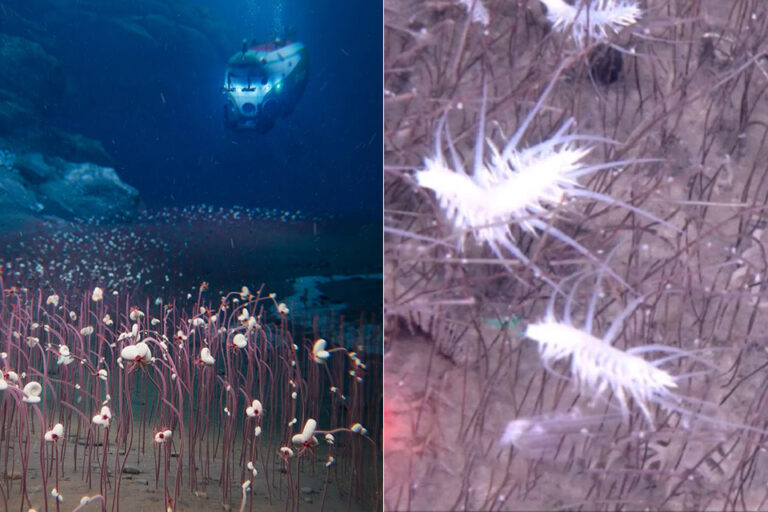
 In the black depths of the northwest Pacific Ocean, between 6,000 and 9,500 metres beneath the surface, scientists have discovered what is now considered the deepest complex chemosynthetic ecosystem ever recorded. This remarkable find, located in the Kuril-Kamchatka and Aleutian trenches, is composed of tubeworms, clams, snails, sea cucumbers, and other invertebrates — all thriving without sunlight by feeding on energy from methane and hydrogen sulfide seeping from the seafloor.