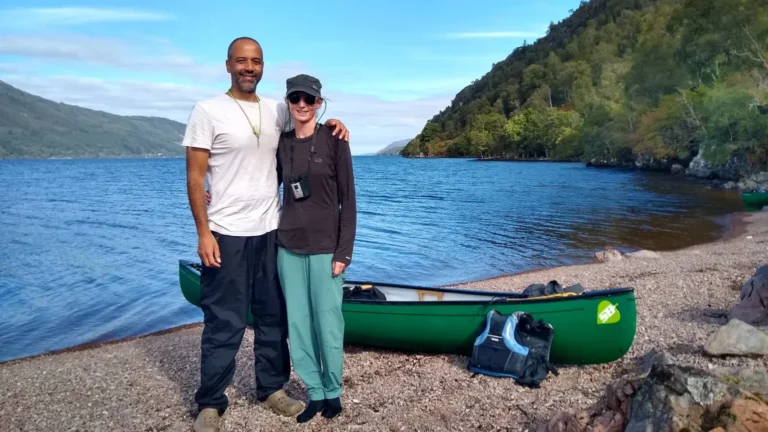
‘As a long-term survivor, I care deeply about the HIV community, and I am thankful for the opportunity to participate and provide this Last Gift to my people.’ Tony Bennett (above, surrounded by his partner Blake and a cousin) was the first to take part in The Last Gift.
In the global effort to cure HIV, one of the biggest scientific barriers is locating the virus’s reservoirs — hidden sites in the body where HIV can lie dormant, invisible to antiretroviral therapy (ART). The Last Gift Study, conducted by UC San Diego and collaborators, offers a novel way forward. Terminally ill people living with HIV consent to rapid autopsies within hours of their death, allowing researchers to map in unprecedented detail where HIV hides.
The study has conducted 42 rapid autopsies so far. These autopsies allow scientists to sample various tissues soon after death, before decomposition obscures anatomical details or viral localization. Researchers have identified HIV reservoirs in jejunum, lymph nodes, the male genital tract, among other places.
Heat diagram of the body organs with the relative abundances of HIV virions. Red compartments (stomach, intestines, lymph nodes) indicate higher levels of HIV, while orange compartments (liver, brain, and kidney) have less viral load.
Participants are usually on ART before death. The data allow comparison between what ART suppresses in the living and what is still detectable in tissues post-mortem.
Testimonies from participants show powerful motivations: altruism, leaving a legacy, belief in scientific progress. For example, in Positively Aware, a participant “My death will not be in vain. It will allow me to leave a positive legacy and inspire others to give back.” (positivelyaware.com)
So far, the study is offering insights that are otherwise nearly impossible — especially about HIV reservoirs in less accessible tissues (brain, gut, lymphoid tissue, genital tract). These insights are crucial for designing cure strategies that truly address latent virus, not just what’s visible in blood.
Ethical and Social Concerns
Despite its scientific promise, the Last Gift Study raises several ethical questions:
Consent around end of life: Are people who are terminally ill fully able to understand and consent to what donating their body will entail, especially the autopsy within hours after death? Critics argue that emotional state, pain, grief, or diminished capacity may interfere.
Translatability: Even if HIV reservoirs are mapped, will that lead to therapies that can reach them safely, or in all populations?
Community engagement and oversight: The study has a community advisory board, which helps ensure the voices of people with HIV are included. But vigilance is needed to maintain transparency.
Body donation is a sensitive topic. Public and media reports in recent years have exposed abuses and misuses in the world of body (cadaver) donation, which risk undermining trust. A few examples:
Reuters reported how Science Care, a U.S. company, earned over $27 million annually recruiting body donors “through hospices, clergy and online ads,” and then selling or distributing body parts for profit. For many donors or next of kin, the possibility that donated bodies are being used in profit-making operations is very disturbing.
When people hesitate to donate their body for science — whether because of religious beliefs, cultural taboos, fear of misuse, or simply distrust — studies like Last Gift may find it harder to enroll participants. This could slow or even stall progress in cure research.
Green Prophet Past Coverage & Related Concerns
Green Prophet has covered similar issues of medical ethics, public health, and trust in science. Some previous articles that readers may consult:
As the light gets lower and the days grow shorter, sunglasses become less of a summer fling and more of an everyday essential. When the world was more naive, entrepreneurs made sustainable shades out of wood. Now the The Avantguard—a woman-owned luxury eyewear brand founded by entrepreneur and philanthropist Faiza Seth—is betting that the accessory you reach for most should also be the one you feel best about. Its new Autumn/Winter Edit shows how eco-luxury can be more than a mood board: it can be a measurable design choice.
Materials with intent. Instead of relying on virgin, petroleum-based plastics, The Avantguard frames are crafted from biodegradable, recycled, and plant-based acetates. The goal: cut fossil inputs, keep the hand-feel and durability luxury frames demand, and design from the start for lower impact.
Every pair ships with UV400 lenses for full-spectrum UV defense and blue-light protection—a detail that traces back to Seth’s personal experience with early-stage cataracts and her desire to blend medical prudence with everyday elegance. Circular by design. Beyond the frames, the brand leans into plastic-free, recyclable, and reusable packaging and a partnership with AirRobe, which makes it easy to resell or rehome glasses for a second life. That’s a practical nudge toward longevity and waste reduction.
Luxury that lasts. The collection favors timeless silhouettes over trend churn—an underrated sustainability lever. As Seth puts it: “For me, it’s about buying better, buying less, and investing in products that stand the test of time.”
From rich tortoiseshells to smoky, translucent hues, the palette channels changing light, bark, loam, and sky—frames that feel at home on a forest walk or a weekday commute.
Why this qualifies as a sustainable idea (not just sustainable styling)
Yarrow glasses
Material substitution: shifting from conventional plastics to plant-based/biodegradable and recycled acetates reduces dependence on virgin petrochemistry. Use-phase health benefit: UV400 + blue-light filtering supports long, frequent wear—extending product life by making the functional case for sunglasses year-round. System thinking: circular pathways (resale/rehome) and low-waste packaging mean the sustainability story doesn’t stop at checkout. Durability and design for keeps: classic silhouettes curb the “buy-discard-repeat” loop that dominates accessories.
The Avantguard’s Autumn/Winter Edit doesn’t treat sustainability as a seasonal color; it treats it as a product requirement—materials, packaging, and circularity all pulling in the same direction. If eco-luxury is to mean anything in 2025, it should look a lot like this: fewer, better things that protect your eyes, respect the planet, and still feel beautiful in the hand.
Editor’s note: we will update readers after hands-on testing of a pair from the Autumn Edit.
“The inflation crisis was caused by massive overspending and escalating energy prices, and that is why today I will also declare a national energy emergency. We will drill, baby, drill. America will be a manufacturing nation once again, and we have something that no other manufacturing nation will ever have — the largest amount of oil and gas of any country on earth — and we are going to use it.”
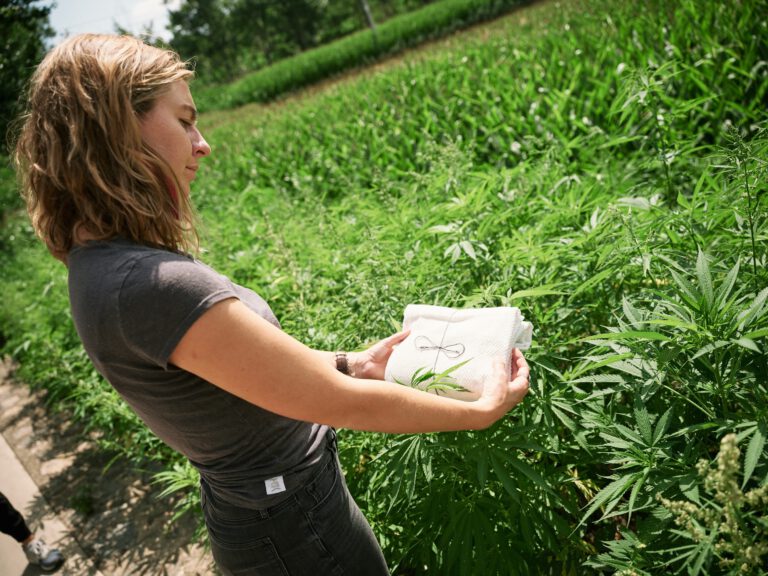
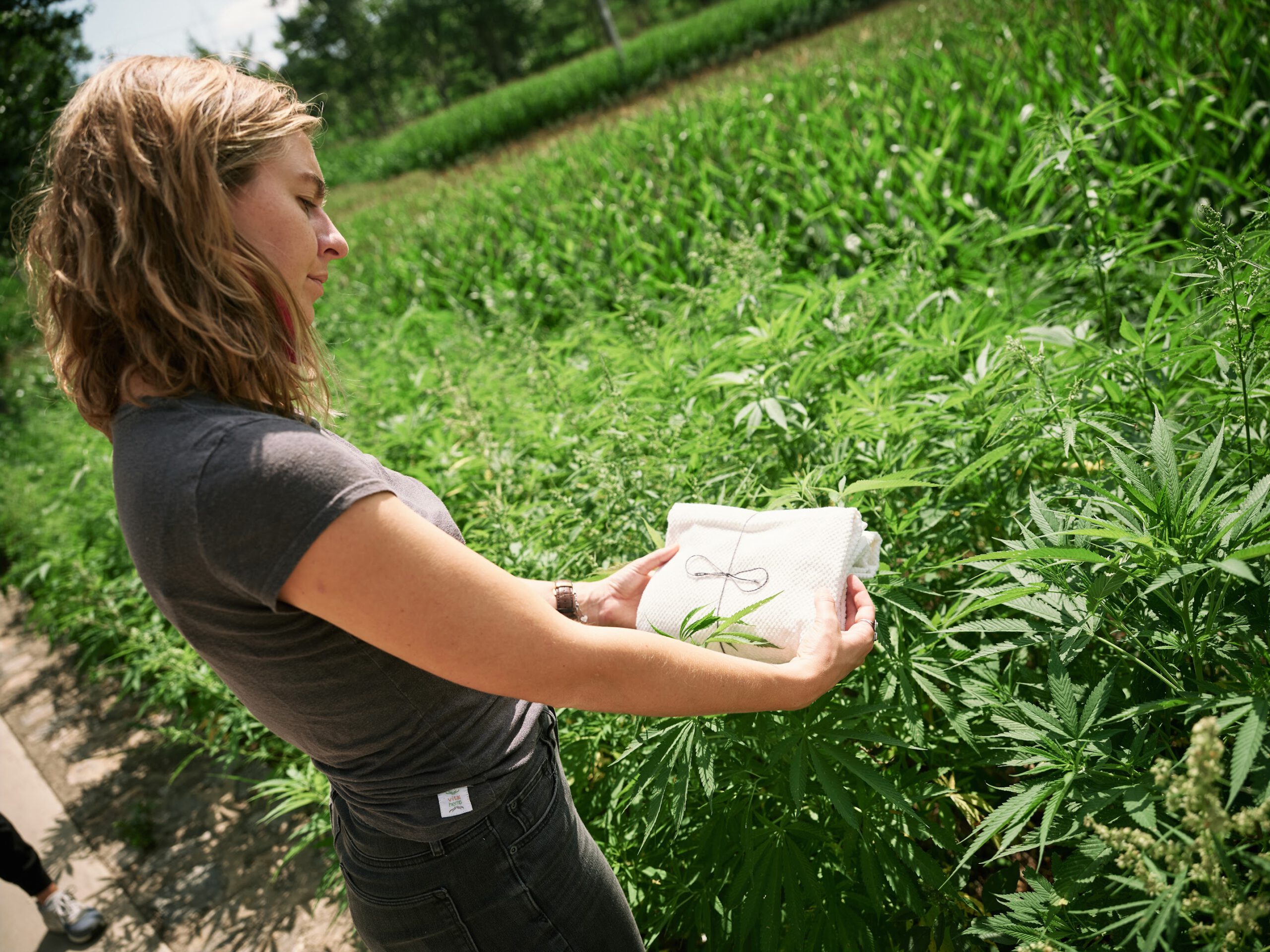
This excerpt from Donald Trump’s Inaugural Address on January 20, 2025, amplified the fire already lit in me to double down on my company’s commitment to hemp and the natural fiber industry. Anact, a premier producer of hemp and cotton towels, is putting the brakes on fossil fuels in the textile industry and is, instead, fueling the growth of renewable supply chains.
While human consumption of fossil fuels for expendable energy—whether in the form of oil and gas, natural gas, or coal—constitutes the largest category of fossil fuel products in the US, there is one category that often slips under the radar of public consciousness: the use of petroleum-derived synthetic fibers in textiles.
Reimagining the Textile Industry
Hemp towels
Despite this cognitive dissociation, there is no beating around the math (or hemp stalk) any longer. The textile industry is one of the biggest contributors to the climate crisis, and is largely driven by the petroleum industry, as synthetic petroleum-derived textiles are cheap to produce as a byproduct of fossil fuel extraction.The fossil fuel industry’s depletion and contamination of natural resources like water, and the increased incidents of climate-driven, supply chain-disrupting, catastrophic weather incidents has created a critical problem that we need to collectively address.
However, there is a positive path forward. Currently, the global hemp fiber market is experiencing remarkable expansion, expected to reach more than $30 billion in less than 10 years. The textile industry is the main driver of this market expansion, according to a recent global market research report, presenting consumers and businesses a viable sustainable alternative to petroleum-derived fiber.
From financial investors to climate activists, we need all hands on deck, while not letting perfection be the enemy of good. The textile industry is one in which 80 percent of textile workers are women and where the buying power is made up mostly of women. By redirecting the capital, energy, and conviction that is needed to usher in industries like hemp textiles, instead of bending over backwards for the oil industry, we have the opportunity to reduce harm and generate value, today and for future generations.
Hemp Offers A Solution: Decarbonizing the Textile Supply Chain
Hemp is an industrial fiber crop better compared to flax (grown for food and linen), that can grow up to ten feet tall and uses little water to cultivate. It was grown by the Romans, used by Henry Ford to create automobile prototypes, and was the textile fiber of choice for Betsy Ross to sew the American flag, to name just a few of hemp’s applications. At Anact, we love hemp because it’s incredibly durable, resists the growth of bacteria, and is very breathable. Hemp is also one of the fastest growing biomasses in the world: when you grow one acre of hemp compared to one acre of conventional cotton, you get two-to-three times the yield at a fraction of the cost, which saves money and resources while increasing profit margins.
Hemp was made illegal in 1937 in the US under the Marijuana Tax Act and re-legalized for commercial use in 2018 under the Farm Act. Hemp is more sustainable than popularized bamboo textiles because bamboo fiber requires a chemical solvent to turn it into a yarn, thereby making it synthetic.
Our focus on re-introducing hemp as a major economic contributor to the food, fiber, and fuel industries is not only because of its fantastic performance features and increased profit margins, but also because hemp sequesters carbon at rates similar to a young forest, but with a far shorter growth cycle. Hemp offers a solution rather than a compromise.
* Please note that I do think there is value in the recycled synthetic industry but due to the increasing temperatures and rising sea levels, the prioritization of investment in regenerative agriculture industries takes precedence at Anact.
By investing in alternative textile crops like hemp, we can have the following impact:
We have the opportunity at Anact, as a nimble and emerging brand, to set the standard for how things should be. This is the beauty of being a start-up in an industry that has great potential to impact sustainability with hemp and regenerative practices. We are creating an ecosystem that is value-added for farmers, employees, customers, banks, and more, which will only be made possible with capital investment and supportive policy.
Anact has successfully helped pass legislation to grow hemp in Florida, pitched the opportunity that hemp presents to various investment partners, and built a small but mighty group of angel investors, employees, customers, and advisors who believe in the vision and opportunity in front of us.
In addition to the harmful lessons we’ve learned from fossil fuels, Trump’s current tariff war is providing consumers a baseline education on supply chains and the global product manufacturing landscape. It’s spotlighting how underpriced many products have been for too long. It’s finally catching the attention of the investment communities, whose hyper-fixation on investing in AI and tech-based startups have prevented them from paying attention to other industries and solving real world problems like the textile industry, which is valued at $2 trillion and is a space ripe for disruption. As the Founder and CEO of Anact, I believe that there has never been a better time (especially for women) to lead and reimagine the textile industry. It’s our only option.
Brianna Kilcullen is the founder and CEO of Anact, a producer of sustainable towels made from hemp and organic cotton. Brianna is a symbol of how small choices can spark systemic change, and is a leading voice advocating for regenerative, localized manufacturing and the opportunity of hemp to revolutionize the textile supply chain. Her mission is to challenge the outdated systems of the industry and inspire others to act by creating products, policies, and partnerships that prioritize people and the planet. Prior to starting Anact, Brianna worked in the apparel industry for prAna, a subsidiary of Columbia Sportswear and Under Armour. She is a proud citizen in the US and Ireland, and has traveled to more than 40 countries, working in factories on almost every continent. Brianna has appeared on numerous podcasts and in online publications like Politico. Brianna has authored opinion pieces and writes her own blog.
NASA’s Perseverance rover has spent three years exploring the floor of Jezero Crater, just north of the Martian equator, and the results are sparking new questions about life’s potential beyond Earth. A joint analysis by SETI Institute Senior Research Scientist Janice Bishop and University of Massachusetts Engineering Professor Mario Parente, published in Nature News & Views, reveals evidence of ancient chemical reactions that could have created energy-rich environments on early Mars.
Using hyperspectral images from the CRISM spectrometer aboard the Mars Reconnaissance Orbiter, Bishop and Parente produced a high-resolution mineral map of Jezero Crater showing deposits of clays and carbonates — minerals that form in the presence of water. “Coordinating mineral detections from orbit at Mars with in situ detections by the Perseverance rover gives us a detailed look at ancient chemical reactions for a few small areas and a broader view across kilometers of the surface,” said Bishop.
Martian chemistry mapped by the Rover
Clues in the Minerals
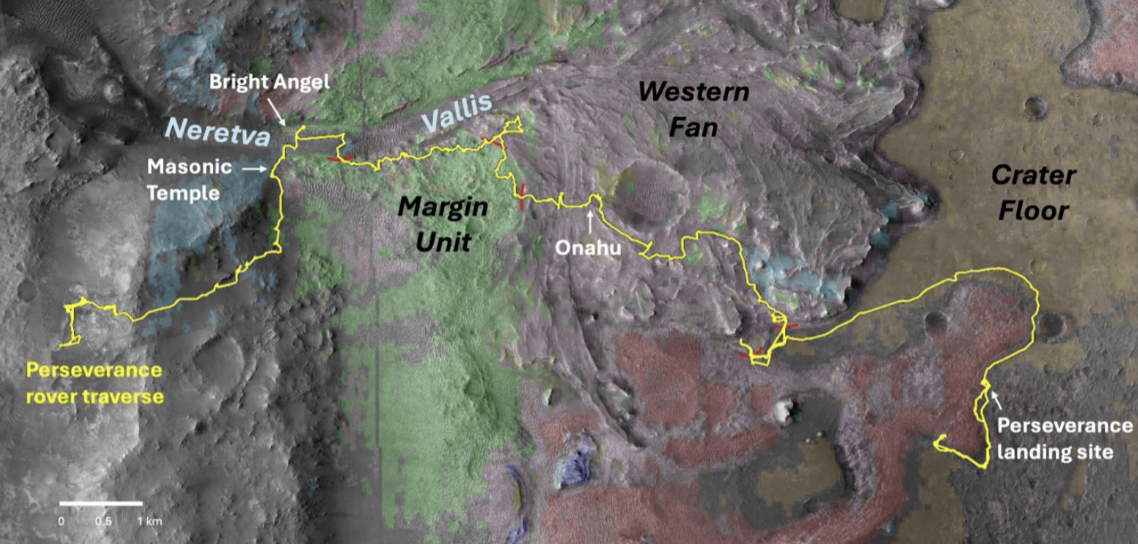
On its traverse from the landing site toward the crater’s western delta, Perseverance confirmed the presence of smectite clays and carbonates first spotted from orbit. More surprisingly, at sites named Bright Angel and Masonic Temple, it discovered tiny green-toned nodules of iron phosphate and iron sulfide embedded in clay-rich mudstone. On Earth, phosphates are essential to life, and such minerals can form through interactions between water, minerals, and organic matter.
“My group observed redox reactions in lab experiments where ferrihydrite containing oxidized iron was heated with organic compounds, including amino acids, to produce the mineral magnetite containing reduced iron,” Bishop explained. These “redox reactions” — transfers of electrons between minerals — can create energy that, on Earth, some microorganisms exploit for survival.
Raman data from Perseverance’s SHERLOC instrument suggest that the reduced minerals in Jezero’s mudstones appear more abundant in areas with higher concentrations of organic compounds. While not proof of life, this link hints at chemical pathways that could have supported microbial metabolism billions of years ago.
Signs of Change Over Time
HiRise NASA telescope
The phosphate mineral vivianite, identified in the greenish nodules, was also found at a site called Onahu — but there it appears oxidized, or “rusted,” indicating environmental shifts in Mars’ history. Similar alternations in iron chemistry have been tied to changing habitability conditions on Earth.
Perseverance’s findings parallel discoveries in extreme environments here, such as Antarctic subglacial lakes, where microbes alter minerals in oxygen-poor water. “While there is no evidence for microbes on Mars today, if life once existed there, similar processes could have reduced sulfate minerals to sulfides in an ancient lake at Jezero crater,” Bishop said.
Parente’s work on CRISM data correction has removed distortions from Martian atmospheric effects and instrument quirks, allowing detection of subtle mineral “fingerprints” once lost in the noise. Using AI, his team created the most accurate mineral maps of Mars to date, pinpointing small outcrops and revealing mineral diversity that earlier surveys missed.
“By extracting the atmosphere’s imprint directly from the image itself, our technique yields cleaner surface spectra,” said Parente. “With CRISM data now clarified, subtle mineral features can be detected with greater confidence.”
Life, or Just Chemistry?
NASA has been growing potatoes in Mars-like conditions since the 80s using hydroponics. Plants also grow on international space stations. This new space suit could work in Peeponics, growing food from urine.
On Earth, similar mineral–organic interactions can be biological or abiotic. In Jezero Crater, the long geological timescales suggest the reduced vivianite and sulfides may have formed without biology — but organic compounds could still have driven the chemistry.
“Sulfur isotope analyses were used on Antarctic sediments to determine a biologic origin of the tiny sulfide crystals in anoxic water,” Bishop noted. Comparable tests on Mars samples, once returned to Earth, could help answer whether ancient Martian chemistry was purely geological — or something more.
The presence of clays, carbonates, phosphates, and organics together paints a picture of an ancient Mars where water was abundant and redox chemistry was active — two key ingredients for habitability. Whether this points to past life or not, the chemistry uncovered offers new insight into how planets evolve and how life might arise elsewhere.
Jenny Cawson, 36, and her husband Tariq Sinada, 49, from Devon, are among the people who died on a diving excursion in the Red Sea.
New investigative findings from German magazine stern and broadcaster RTL confirm what Green Prophet reported on last year: Egypt’s luxury liveaboard dive boat industry has systemic safety problems that put lives at risk. Their joint undercover investigation into the sinking of the Sea Story in November 2024 — a disaster that killed 11 people — reveals a chain of failures by the captain, operator, and authorities.
On November 25, 2024, the Sea Story capsized and sank in the Red Sea with 30 divers and 15 crew aboard. Among the dead were three Germans, two Britons, two Poles, one Slovak, and three Egyptians. Initial official statements blamed a “giant wave,” but stern and RTL’s review of Egyptian prosecutor files found that waves were only about two metres high — far from extreme conditions. One survivor we spoke with said the sea was not rough when the boast started listing and sinking.
Dive Pro Liveaboard has lost 2 boats this year. Sea Story tipped and sank a couple weeks ago. 11 tourists are dead, plus a number of crew.
According to the Hurghada public prosecutor, the vessel should never have left port. The captain lacked the required operating licence, and the company, Dive Pro Liveaboards, had no authorisation to run the ship on the high seas. People we spoke with said that the captain wasn’t driving the boat, it was the cook and he was stoned.
Despite this, military forces at the port reportedly approved the voyage. Investigators also documented serious structural stability deficiencies in the vessel’s design.
Michael Miles rescue from the Egyptian dive boat Sea Story
To investigate wider industry standards, stern and RTL sent undercover reporters onto 17 liveaboard vessels across three Egyptian ports. Their findings — confirmed by international marine safety experts — were damning:
All vessels had safety deficiencies; most were serious or very serious.
Life jackets were often unsuitable; life rafts were inadequate.
Many lower decks lacked proper bulkheads; some ships had missing or inaccessible emergency exits.
Navigation and communication equipment was missing on some boats.
Unsafe practices, such as smoking in the engine room while the diesel engine was running, were observed.
Marine engineer Mick Uberti of Maritime Survey International, who reviewed the findings, said these results match his company’s inspections over the past two years — all eight ships they examined in Egypt were “in poor condition.” The UK’s Marine Accident Investigation Branch (MAIB) has also concluded that many Red Sea dive safari ships are “poorly constructed.”
Pattern of Accidents
Interior cabin, Sea Story
Green Prophet has tracked a troubling pattern of incidents in the region. In our follow-up report on the rescue site, survivors described missing safety drills and inadequate emergency preparation. Other industry accidents — from dive boat fires to groundings — suggest the Sea Story tragedy is part of a wider safety crisis in Egypt.
In the past three years alone, more than half of the world’s liveaboard dive boats that have run aground, burned, or sunk were operating off Egypt’s Red Sea coast — one of the most popular destinations for European dive tourism.
Unanswered Questions
The stern and RTL investigation raises urgent questions for Egyptian regulators:
Why were licensing and vessel classification rules ignored?
What inspections — if any — did the Sea Story pass before departure?
Were official weather advisories ignored?
What mechanisms ensure safety compliance for operators?
Until these questions are answered and meaningful reforms are made, divers and tourists face unacceptable risks in Egyptian waters. Dive at your own risk.
The full stern and RTL documentary, “Death Trap Red Sea – Journey into Disaster”, will be available from September 11, 6:45 p.m. CET on stern.de and RTL+.
A new peer-reviewed study in Science connects long-term exposure to fine particulate matter (PM2.5) with higher risk of Lewy body dementia (LBD) in a dataset of 56.5 million US Medicare records, and backs it up with animal experiments that show PM2.5 triggers toxic α-synuclein clumps — the protein aggregates that define LBD.
Crucially, the study clarifies how pollution interacts with brain biology: only mice capable of producing α-synuclein developed dementia-like brain damage after PM2.5 exposure — a mechanistic clue echoed by a Johns Hopkins release and Columbia Mailman overview. As Nature reports, PM2.5 doesn’t necessarily cause LBD from scratch — it can accelerate the development in people already genetically predisposed, notes clinician-neuroscientist Hui Chen (University of Technology Sydney – Nature).
Why millennials should care
PM2.5 is small enough to reach the bloodstream and brain, with established risks for heart and lung disease — and growing evidence for cognitive harm and dementia. See U.S. EPA: PM Basics, EPA: Health Effects, WHO: Air Pollution & Health, and a Harvard meta-analysis on pollution-dementia links (Harvard T.H. Chan School). Policy matters, fast: cutting fossil pollution saves lives and money within years — co-benefits quantified in recent modeling for the US and globally.
Eco Action steps that actually help
Drive electric, support clean transit
Vlakfest on a train in Europe
Tailpipe emissions are a prime PM2.5 source; electrifying cars, buses, and freight slashes exposure. EPA and NIH summarize health benefits; U.S. rules are tightening PM standards. From the region: EV adoption and smarter policy can reduce urban smog and climate pollution.
Time in nature is linked with lower stress and improved cognition; experimental work shows 90-minute nature walks reduce rumination and dampen maladaptive neural activity.
Green Prophet has been tracking microplastics and brain health — with reports of dramatically higher microplastic loads in dementia-diagnosed brains. 5× more microplastics in dementia brains; Microplastics in the brain. These findings complement air-pollution research and reinforce a simple takeaway: cleaner air, cleaner materials, healthier brains.
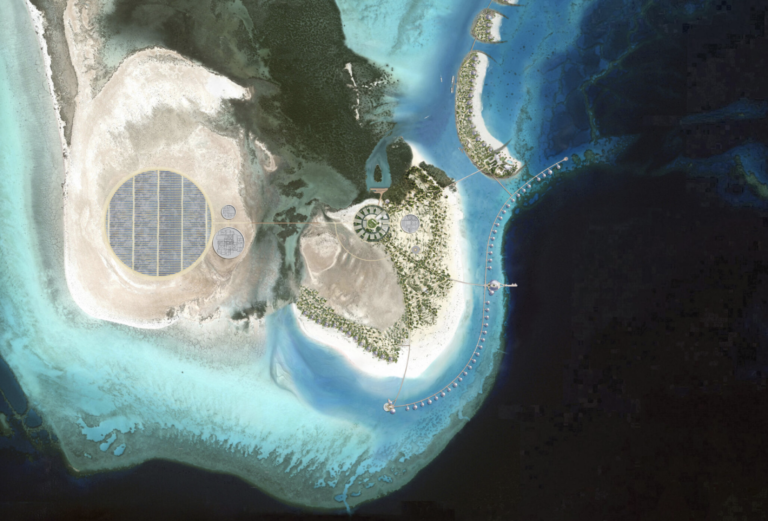
Desalination and power plant powered by the sun in ultra-luxury Shebara, Saudi Arabia
In the unfolding era of clean energy, smart investors are leaning on expert guidance more than ever—especially as they navigate the technical, regulatory, and financial thickets of wind, solar, hydrogen, grid resilience, and climate risk. For instance is your clean tech firm or company in wastewater treatment considering an office in Riyadh or should you stick with Dubai? Below is a curated spotlight on 20 firms that shine for their deep expertise and proven ability to manage the complex risks of sustainable energy investment.
Consultants can help you find the risks and opportunities.
1. DNV
Why Investors Should Care: As a trusted independent advisor in wind, solar, storage, hydrogen, carbon capture, and more, DNV offers rigorous risk assessment and certification—helping investors avoid technical pitfalls and regulatory headaches. Website: dnv.com
2. Wood Mackenzie
Why Investors Should Care: With powerful analytic tools and strategic advisory across oil, gas, renewables, utilities, and storage, they enable investors to anticipate market shifts and optimize asset portfolios. Website: woodmac.com
3. E3 (Energy & Environmental Economics)
Why Investors Should Care: Specialists in net-zero strategies and digital technology for renewable integration, E3 helps investors model the energy future with clarity and confidence. Website: See Willdan’s site (E3 now part of Willdan)—willdan.com
4. Arrowhead Consulting
Why Investors Should Care: Boutique agility with strong confidentiality and customized economic/technology-driven insights make Arrowhead a favorite for investors seeking tailored, strategic advice.
5. Brattle Group
Why Investors Should Care: Their data-driven approach to production forecasting, climate risk modeling, and finance-focused advice equips investors to manage uncertainty with clarity.
6. ICF International
Why Investors Should Care: A go-to for compliance, operational efficiency, and upstream GHG management—ICF aligns investments with evolving global standards.
7. McKinsey & Company
Why Investors Should Care: Their global analytics, proprietary energy models, and sustainability practices ensure investments are rooted in resilience and foresight—especially valuable in volatile markets.
8. Boston Consulting Group (BCG)
Why Investors Should Care: BCG guides decarbonization, capital planning for renewables, and energy system transformation—crucial for investors steering long-term portfolios.
9. Arthur D. Little (ADL)
Why Investors Should Care: Known for its Open Consulting innovation model, ADL helps investors navigate utility convergence, smart energy systems, and sustainable transformation.
10. Roland Berger
Why Investors Should Care: Delivers hands-on strategic support for decarbonization, market entry, and circular economy investments—especially useful for mid-sized deals in Europe and beyond.
11. Jacobs Energy Consulting
Why Investors Should Care: With deep engineering roots and hydrogen systems expertise—even partnering with NASA—Jacobs delivers infrastructure-level insights that help investors assess emerging tech risks.
12. Ramboll
Why Investors Should Care: A global leader in renewables, energy islands, hydrogen, and digital analytics—Ramboll’s integrated model helps investors foresee infrastructure and climate exposures. Website: ramboll.com/energy
13. Energetics (now part of ERM)
Why Investors Should Care: Deep climate risk and energy transition expertise in Australia; invaluable for investors looking into APAC energy markets and adaptation strategies. Website:via ERM
14. Enerdata
Why Investors Should Care: Energy data specialists—providing quality datasets that alert investors to macro energy trends before they hit headlines. Website: energdata.net
15. Perfect Sense Energy (UK)
Why Investors Should Care: They offer turnkey solar solutions—design, financing, installation, and monitoring all in one; perfect for investors seeking efficiency in solar rollouts. Website: perfectsenseenergy.com
16. Inspired PLC (UK)
Why Investors Should Care: A listed consultancy with deep expertise in procurement, ESG strategy, and cost savings—equips investors with sustainability-aligned operations. Website: inspiredplc.co.uk
17. The Carbon Trust (UK)
Why Investors Should Care: A mission-driven advisor helping clients map decarbonization, supply-chain footprints, and net-zero strategies—one of the most credible voices in green finance. Website: carbontrust.com
18. ZTP (Zero Trace Procurement) (UK)
Why Investors Should Care: Offers real-time software for carbon tracking and procurement—ideal for investors demanding transparency and data-driven ESG oversight. Website: ztpuk.com
19. Lumina Energy (UK)
Why Investors Should Care: Specializing in public-sector energy spend, sourcing, and carbon-reduction plans—keeps big institutional capital aligned with green commitments. Website: luminaenergy.co.uk
20. Ignite Energy (UK; part of Inspired PLC)
Why Investors Should Care: Provides hands-on energy monitoring and efficiency—critical for investors focused on operational and financial performance in commercial assets. Website: igniteenergy.co.uk
Why Investors Should Partner With These Firms
Manage Technical and Regulatory Risk: Avoid stranded assets, permitting issues, or flawed engineering—all through expert vetting and certification.
Advance ESG Credibility: Empower your portfolio with scientifically backed net-zero roadmaps, carbon accounting tools, and green operational strategies.
Protect Capital Through Forecasting: Accurate modeling, scenario planning, and resource forecasts help investors build resilience into project valuations.
Accelerate Diligence & Deal Flow: Consultants help streamline due diligence, enabling swift but informed decision-making.
Investors should require independent KPIs: energy intensity (kWh/m³) for desal plants, verifiable renewable MWh, biodiversity baselines, and public reporting aligned with GRI/SASB—rather than relying on glossy pledges.
Saudi Arabia is in the midst of a once-in-a-century transformation. Vision 2030 is pushing the Kingdom to diversify away from oil through massive investment in tourism, logistics, manufacturing, and technology—while developing renewable power and modernizing water infrastructure. For investors, the upside is real: multibillion-dollar project pipelines, incentives in special economic and industrial zones, and a government willing to co-invest. The risks are real too: execution delays on gigaprojects, policy uncertainty (e.g., the regional HQ mandate), and reputational scrutiny around sustainability and governance.
Tourism is Vision 2030’s marquee growth engine. Saudi Arabia surpassed 100 million visits in 2023 and is now targeting 150 million by 2030, according to UN Tourism and official statements. Can it be the new Bali or Phuket? The Government website notes that about 20 million tourists come to Mecca every year as holy Hajj pilgrims, however. So numbers don’t reflect traditional western style tourism.
In 2024 the Kingdom counted roughly 116 million domestic and inbound trips; in early 2025, authorities reported triple-digit growth in international arrivals off a relatively new base. On the ground, luxury coastal destinations led by Red Sea Global are opening in phases (e.g., St. Regis and Six Senses islands), positioned around net-zero energy claims, mangrove restoration, and stringent construction controls.
Industrial Parks, Special Economic Zones, and the HQ Mandate
Knowing that its oil days are limited, Saudi Arabia is courting manufacturers and service firms into MODON industrial cities and Special Economic Zones (SEZs) with land, infrastructure, and fiscal incentives. Explore MODON’s official resources: MODON portal, Industrial Cities list, Cost of Industry.
Regulatory leverage is also in play: since 2024, companies seeking Saudi government contracts must hold a regional headquarters in Riyadh. Reuters and policy trackers have covered the mandate and its enforcement. BNY Mellon, Goldman Sachs and others have obtained RHQ licenses as the King Abdullah Financial District gains tenants—yet analysts still flag competition from Dubai and the need for continued legal and regulatory clarity. Dubai or Riyadh? This source explains that in Saudi Arabia your business taxes will be about 20% and you will need to pay a 2.5% religious tax called zakat.
Despite progress, FDI inflows have been uneven: net FDI dipped in Q1 2025 and officials acknowledge the stretch target of US$100 billion annually by 2030.
NEOM: Visionary Scale Meets Delivery Reality
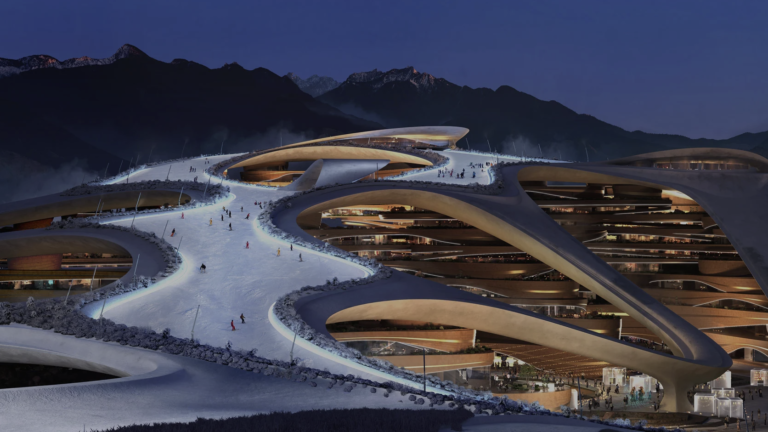
NEOM anchors the northwest “giga-project” slate: The Line (urban spine), Oxagon (industrial hub), Trojena (alpine resort), Sindalah (island), Jaumur marina community, plus a world-scale green hydrogen complex. Recent reporting also notes write-downs and re-phasing across giga-assets at PIF—important context for timelines and returns.
Power, Water, and the Energy–Water Nexus (Why It Matters to Investors)
Saudi electricity is still dominated by oil and gas, but the renewables build-out accelerated in July 2025: ACWA Power, Badeel (PIF) and Aramco Power signed US$8.3 billion worth of PPAs across five solar and two wind projects (15 GW). Foreign-press and official releases confirm the scale and strategy.
Why this matters: water. The Kingdom is the world’s largest producer of desalinated water via SWCC; policy is shifting from thermal (MSF) to high-efficiency RO, reducing energy intensity and easing integration with solar. Official reports and technical papers outline the capacity and technology pivot.
Tourism delivery: Early Red Sea openings (LEED Platinum claims, 100% solar operations, mangrove planting) and steady AlUla programming point to credible, phased execution that can scale if flight capacity, visas, and service standards keep pace.
Grid transition: Utility-scale renewables and fast-growing battery storage are now central to capacity planning; financing costs and Chinese supply chains have helped unlock low PPA prices.
Mega-events and place-branding: Expo 2030 company (PIF) was stood up to deliver venues and operations—an important governance signal for schedule discipline.
Challenges and Friction Points
The Line, a 15-minute city built on the Red Sea
Execution risk on gigaprojects: PIF’s 2024 annual report reflected an ~US$8 billion write-down across flagship projects, underlining re-sequencing and scope changes. Investors should model delays and phasing.
FDI momentum vs. mandates: The regional HQ rule is working for some global banks and managers, yet overall FDI remains below 2030 ambitions. Expect continued incentive sweeteners—and compliance checks on local presence and spend.
Social norms & market access: Policy changes—alcohol bans, content and attire rules, and due-process concerns—can affect Western consumer sentiment and partner risk committees. The FT analysis is a useful primer for brand and events teams.
“Green PR” vs. measurable sustainability: Saudi spends heavily on global design and comms. Investors should require independent KPIs: energy intensity (kWh/m³) for desal plants, verifiable renewable MWh, biodiversity baselines, and public reporting aligned with GRI/SASB—rather than relying on glossy pledges. See Saudis killed and family jailed during The Line construction.
Due-Diligence Checklist for Investors
Water–energy math: For hotels, industrial tenants, and data centers, model electricity demand and indirect water footprint (power cooling + desal). Track the grid mix where your load interconnects.
Local-content & HQ policy: Budget for the RHQ requirement (governance, staffing, leases) to access government contracts.
Zone incentives vs. obligations: In MODON and SEZs, confirm land tenure, utility tariffs, import rules, arbitration venue, and exit mechanics.
Tourism demand realism: Separate Muslim pilgrimages to Mecca, VFR, and true international leisure segments when forecasting ADR/RevPAR in Red Sea or AlUla corridors.
ESG verification: Ask for third-party audits on energy, water, waste, and nature impacts; evaluate desal technology (RO vs. thermal) and brine handling. Current Middle East developers and investors, and compliant architects in the Middle East are easy to tout “eco-successes” when none in fact are in place. See our article on the Aga Khan Prize and the ever-present greenwashing in the Middle East.
Want to invest in the Middle East? Jump Into the Free Green Prophet Archive—Saudi & Regional Context
20% of Saudi Arabia’s oil and gas production is devoted to supporting co-generation desalination plants
Saudi Arabia stands as the undisputed global leader in industrial-scale desalination—a paradoxical triumph in a water-starved landscape powered predominantly by its most abundant resource: oil. The same black gold that fuels its economy also sustains its fresh water supply through energy-intensive desalination—a defining success born of necessity.
Saudi Arabia relies heavily on thermal and co-generation desalination, fueled by fossil energy. Notably, the Kingdom consumes approximately 300,000 barrels of oil per day solely for its desalination infrastructure. In terms of electricity usage, desalination accounted for around 6% of the nation’s total consumption in 2020. More broadly, it’s estimated that 20% of Saudi Arabia’s oil and gas production is devoted to supporting co-generation desalination plants, with projections indicating that by 2030, half of its domestic oil and gas output may be allocated solely for water supply.
For instance, Riyadh located in the center of the country is supplied by desalinated water pumped from the Arabian Gulf over a distance of 467 km. It is estimated in this paper that almost 20% of oil domestic production is used for desalination plants in Saudi Arabia.
The government projected that Saudi Arabia needs to spend over 213 USD Billion over the next decade to meet the demand in both water and electricity.
Desalination and power plant powered by the sun in ultra-luxury Shebara, Saudi Arabia. If the Saudis can broker peace in the region, they can overtake Dahab and Phuket as world-class tourist and live-aboard diving holidays.
Despite the oil-driven legacy, the Kingdom is strategically shifting toward renewables. By the end of 2023, Saudi Arabia had installed approximately 2.8 GW of renewable capacity (primarily solar), with 5 GW planned under its National Renewable Energy Program.
The government’s ambitious target: 50% of electricity generation capacity from renewables by 2030. As of mid-2024, over 21 GW of projects were in the pipeline, with 9.7 GW slated for completion by 2026. Within the desalination sector, the Saudi Water Authority now sources 20 % of the energy for new plants from renewable sources, while aiming to shrink carbon emissions from 60 million to 37 million tonnes by 2025, partly through minimizing liquid fuel use.
Yet desalination is not without its drawbacks. In a Green Prophet article, Yale’s Menachem Elimelech cautioned that “even the most advanced desalination technologies… still use three times as much energy as conventional water treatment.” Thermal methods, common in Gulf states like Saudi Arabia, “use a lot of energy.” This echoes broader concerns that desalination should remain a last-resort measure, pursued only after emphasising conservation, reuse, and efficiency.
Top 5 Desalination Players
Here are five leading companies shaping the global desalination industry, with operations or influence in Saudi Arabia—and one prominently Israeli:
The Saudi Water Authority (formerly SWCC) is the state enterprise operating over 30 plants with a combined capacity of ~7.5 million m³/day. It’s the world’s largest fully owned desal producer.
ACWA Power is a Saudi-based developer and operator of power and desalination facilities, with a portfolio yielding 9.5 million m³/day across 14 countries and USD 107.5 billion in investment.
Veolia is a global leader profiting from the Gulf’s surge in desal demand. Veolia brings massive energy-efficiency innovations, delivering up to 85% gains and 90% cost reductions in desal water production.
Acciona is a Spanish company with a robust water division; its 2024 revenues hit €1.2 billion, with desal projects spanning from Australia to Qatar.
IDE Technologies is an Israeli pioneer in desalination since 1965, IDE has built dozens of plants globally. Notably, its Sorek plant in Israel is one of the world’s largest RO facilities. Inclusion of IDE addresses the requirement for an Israeli company. Israeli stocks are currently on the rise. IDE is up for public bidding.
The Future of Saudi Desalination
Saudi Arabia’s approach illustrates a pragmatic melding of resources and strategy: hydrocarbon wealth enabled its desalination network, securing water independence for decades. Renewables are now integral to its energy transition and desalination infrastructure.
Yet, energy intensity remains a critical limitation, prompting experts to urge diversification and conservation. Leading desalination players—local and global—continue to drive innovation and scale, with some like IDE transcending geopolitical boundaries through technical prowess.
Saudi Arabia’s success in desalination is undeniable—fueled by oil, powered by innovation, and now pivoting toward renewables. Yet voices like Gidon Bromberg and Menachem Elimelech’s highlighting in Green Prophet) remind us that desalination is resource-intensive and should not eclipse broader water-management strategies. The Kingdom’s trajectory, backed by heavyweights like SWA, ACWA, Veolia, Acciona, and IDE, may well serve as both model and cautionary tale for water-scarce regions worldwide.
Get a backgrounder on water issues from the last year in the MENA Middle East region:
Mud buildings have withstood the test of time; will they populate our futures too?
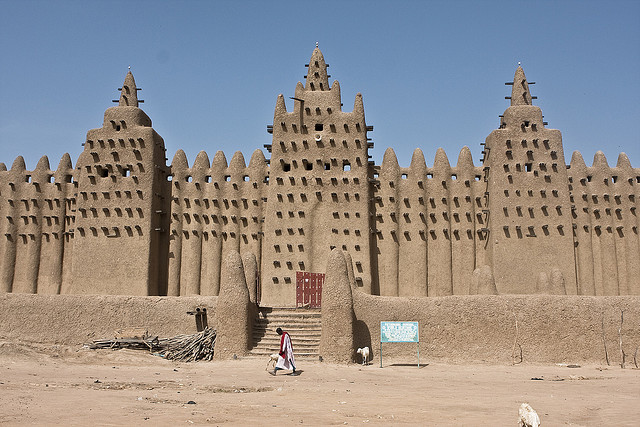
Think of Islamic mud structures and more than likely the iconic Great Mosque of Djenne in Mali will come to mind. The largest mud brick building in the world, the mosque is considered to be amongst the greatest achievement of Sudano-Swahelian architecture and one of the most famous landmarks of Africa.
But it’s not only Africa that boasts impressive (and sustainable) mud structures, the Middle East is home to some of the most stunning mud buildings in the world. From Shibam – the Manhattan of the Desert – in Yemen to the Bam citadel of Iran, these mud structures show that there’s more to Muslim architecture than Mecca and Masdar.
Why is Mud Building Sustainable?
For thousands of years, mud has been used as building material because it’s cheap, widely available and durable. Although many question its durability, there are numerous ancient mud buildings which have withstood the test of time. Mud construction is also an extremely environmentally-friendly method as it creates little waste, there is minimal energy consumption (mostly in the construction and transportation process), and it is easy to maintain and recycle.
In fact, Hassan Fathy, who has been hailed as the Middle East’s father of sustainable architecture and was behind eco-projects such as the Gourna village in Egypt wrote: “For centuries, the peasant had been wisely and quietly exploiting the obvious building material, while we, with our modern school-learned ideas, never dreamed of using such a ludicrous substance as mud for so serious a creation as a house.”
Modern Living in the City of Shibam
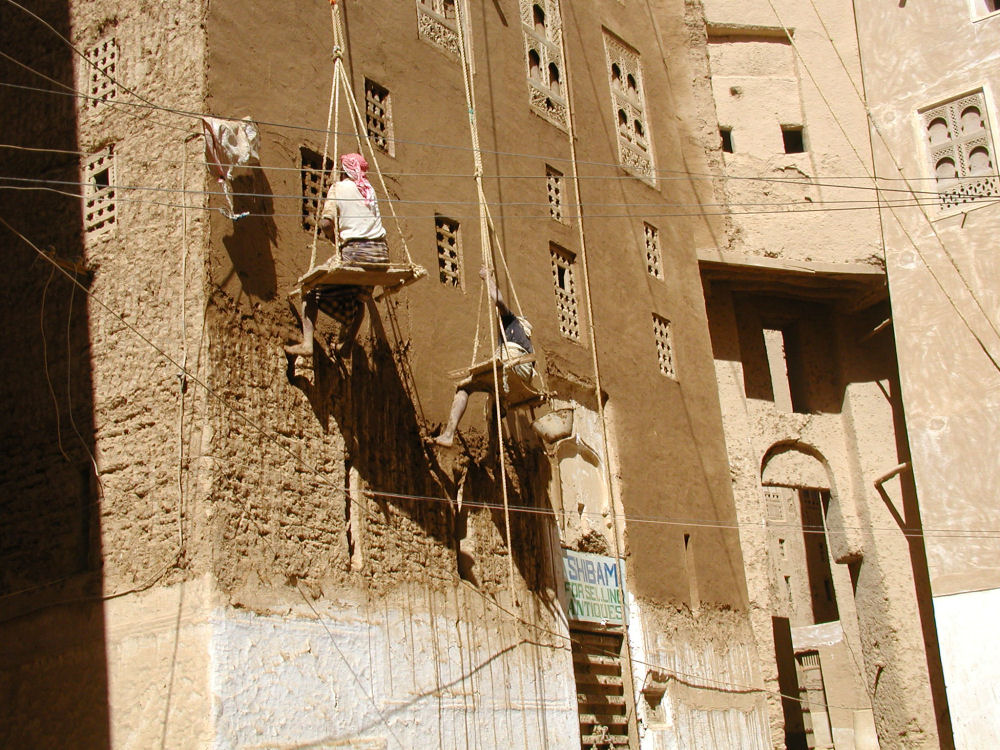
Yemen is home to one of the most impressive, one of the oldest and also one of the tallest mud cities in the world. Before the city scrapers of New York, the city of Shibam had built high rise apartments out of mud which tower to over 100 feet and are between 5 and 11 storeys high.
Dating back to around the 2nd century CE, the city was built using local clay and is still home to around 7,000 residents who live in the fortified city.
Although it is over 2,000 years old, rain and erosion necessitates constant maintenance, which efforts are now supported by restoration and urban development programs. Nicknamed Manhattan of the Desert, the city is testament to the durability of mud not just for single structures but also for modern high-rise living.
Shibam, the Manhattan of the Desert, in Yemen
Another impressive city made of mud is Bam in Iran. Built using mud bricks known as adobe, the Bam tower or citadel (Arg-e-Bam) is believed to have been the largest adobe building in the world and was built over 2,000 years ago.
At its peak, the city served as a site of pilgrimage and was the trading centre of the Silk Road, which brought goods from the Far East to the capitals of Europe. Sadly, an earthquake in 2003 destroyed a large part of the historic city (around 70%) and killed over 26,000 people. There were more later showing that earth architecture has some limits.
Mud Castles, Walls and Mosques
Other notable mud structures in the wider Muslim world include the Bob Dioulasso Grand Mosque in Burkina Faso, and the Khiva Wall in Uzbekistan, which is built around a collection of Islamic schools and mosques. The Siwa Oasis in Egypt (which we visited and posted about here) and the Eastern Castle in Syria have also employed mud bricks in their construction, and research shows that the famous walls of Jericho were built using sun-dried mud bricks.
Whilst these mud buildings may seem like something of the past, they are in fact increasingly considered as options for low-carbon and low-cost construction. As well as having a small footprint, mud structures have been shown to reduce energy consumption as they are able to regulate temperature.
Hopefully mud architecture will not only decorate our past, but our future too.
From “green” claims to measurable impact, truly sustainable hotels go beyond linen-reuse cards. The leaders integrate renewable energy, low-impact operations, zero-waste, plant-forward kitchens, cruelty-free amenities, and local community partnerships—and they publish data so guests can see the difference.
Below, we unpack the pillars that matter most, share a few standout examples, and point you to credible sources you can use to verify claims and set your own roadmap.
Renewable Energy & Low-Impact Operations
Desalination and power plant powered by the sun in ultra-luxury Shebara, Saudi Arabia
Why it matters. Buildings are a massive climate lever: in 2022, the buildings and construction sector accounted for about 34% of global final energy demand and 37% of energy- and process-related CO₂ emissions. Cutting a hotel’s operational energy and decarbonizing its supply are central to any serious sustainability plan.
What leaders do?
Electrify and decarbonize heat with heat pumps, then match with renewables through on-site solar or power-purchase agreements.
Measure and disclose using standards such as the Hotel Carbon Measurement Initiative (HCMI), which allows emissions per room-night or per event to be compared across brands.
Target the main energy hotspots. Studies show HVAC, hot water, and kitchens dominate hotel energy demand. In one case study from Gran Canaria, food and beverage operations accounted for more than half of total energy use.
Quick wins. Smart HVAC and lighting controls, induction cooking lines, and demand-controlled ventilation can significantly reduce energy intensity while improving guest comfort and staff working conditions.
The Dual Impact of Plant-Based Menus: Environmental and Financial Gains
Expanding vegan offerings in hotels is not just an ethical or culinary choice—it is also a strategic move with measurable benefits. From an environmental perspective, replacing a portion of meat- and dairy-heavy dishes with plant-based alternatives reduces the average meal’s carbon footprint by up to 50% and significantly lowers water and land use, according to global food system studies. This means that a hotel’s restaurant can directly shrink its overall emissions intensity with relatively simple menu adjustments.
On the financial side, plant-based staples such as legumes, grains, and seasonal vegetables are often more cost-stable and less resource-intensive to store than animal products, which are subject to volatile pricing and stricter handling requirements. The result is a kitchen that not only serves climate-friendly meals but also improves cost efficiency through reduced ingredient expenses, longer shelf life, and simplified food safety processes.
Zero-Waste Kitchens & Plant-Based Dining
In 2022, more than one billion tonnes of food were wasted globally—about 19% of food available at retail, food service, and households. Food service accounted for around 28% of this total. Food loss and waste represent an estimated 8–10% of global greenhouse-gas emissions. Cutting waste is therefore one of hospitality’s most immediate climate levers.
Plant-forward menus amplify the gains. Large-scale research shows that plant-based foods typically have far lower greenhouse-gas, land, and water footprints than meat and dairy. A landmark meta-analysis by Poore and Nemecek demonstrated order-of-magnitude differences across products: shifting protein from beef and cheese toward legumes, grains, and tofu drastically reduces per-meal impact.
For cafés and breakfast service, the swap is visible per cup: cow’s milk has on average about three times the greenhouse-gas emissions of plant-based milks, with higher land and freshwater use per liter. Making oat or soy the default option is a small operational change with significant impact.
Zero-waste practices that work. Smaller default portions, menu cross-utilization, waste tracking, and a clear diversion hierarchy (prevention, donation, upcycling, composting) all help to cut waste and costs while engaging staff.
Cruelty-Free Amenities & Circular Design
Plant-based ethics don’t stop at the dining table. Leading eco-lodgings use cruelty-free toiletries, avoid leather and down, and switch to refillable dispensers and durable, repairable furnishings. In rooms, low-tox finishes, FSC- or PEFC-certified wood, and upcycled materials reduce embodied impacts while adding design character.
Community Engagement & Local Impact
The most credible properties source locally and seasonally, pay living wages, and partner with nearby farms, artisans, and conservation groups. Transparent storytelling—energy dashboards, menu origins, waste-reduction progress—turns guests into allies and deepens the stay.
Case Snapshots: Vegan & Plant-Based Eco-Hotels
Ahead burghotel (Germany) — A fully vegan countryside hotel with plant-based dining and nature-focused programming.
Saorsa 1875 (Scotland, UK) — The UK’s first fully plant-based hotel, offering vegan toiletries and seasonal cuisine.
Stanford Inn & Resort (USA) — A long-standing, fully vegan eco-resort on California’s Mendocino Coast with on-site organic gardens and cooking classes.
Casa Albets (Spain) — A restored historic manor run as a vegan hotel with solar power and organic, plant-based cuisine.
The Bottom Line
Vegan-friendly eco-lodging isn’t a niche—it’s a systems approach. When hotels electrify and decarbonize operations, run plant-forward, low-waste kitchens, and align amenities with cruelty-free principles, they deliver lower footprints and richer guest experiences. With transparent metrics and community partnerships, this model scales from boutique hideaways to global brands.
References
International Energy Agency (IEA) & United Nations Environment Programme (UNEP). Global Status Report for Buildings and Construction 2023. Nairobi: UNEP, 2024.
Santiago, D. E., et al. “Energy use in hotels: a case study in Gran Canaria.” International Journal of Low-Carbon Technologies 16, no. 4 (2021): 1264–1276.
United Nations Environment Programme (UNEP). Food Waste Index Report 2024. Nairobi: UNEP, 2024.
Poore, J., & Nemecek, T. “Reducing food’s environmental impacts through producers and consumers.” Science 360, no. 6392 (2018): 987–992.
Our World in Data. Environmental impact of milks. Oxford: Global Change Data Lab, 2020–2023.
At the start of August, wildfires exploded across the Mediterranean basin, fueled by a wicked trio of extreme heat, drought and wind. In southern France, the Aude region around Carcassonne saw the country’s largest blaze since 1949, burning more than 16,000 hectares. In Spain, a 16-day heatwave — described by the national weather service as the most intense on record — set the stage for weeks of fire in the northwest near Zamora.
Greece endured simultaneous outbreaks around Patras, several Ionian islands, and Chios; satellites showed ~100,000 acres burned in just two days. By early September, the EU’s science hub estimated roughly one million hectares scorched across Europe in 2025 — an area bigger than Cyprus — with emissions and fire counts well above last year.
This isn’t just “bad luck.” Rapid attribution studies from World Weather Attribution find that the specific cocktail of hot, dry and windy weather that supercharged fires in Türkiye, Greece and Cyprus this summer is ~10 times more likely because of human-caused climate change. A separate WWA analysis shows extreme fire weather in Spain and Portugal is now effectively “common” in a warming world — a grim new baseline we’ll have to plan around, not a blip we can just ride out.
What it feels like on the ground
Fires today don’t behave like the fires our grandparents knew. Structures ignite faster; smoke is a toxic stew; embers leap roads like they weren’t even there. Our own reporting on smoke’s health harms — even from far-away blazes — is sobering: see how wildfire smoke damages lungs and hearts.
In Israel, we’ve documented both the on-the-line response and long-tail recovery, from front-line firefighting and evacuations to lessons from the Carmel blaze a decade ago — when, counter-intuitively, letting nature lead regrowth proved wiser than rushing in with well-meant tree plantings.
A warmer Mediterranean from climate change means longer fire seasons, drier fuels and stronger heat waves. We’ve reported on this shift for years — from early signals of Mediterranean winter drought trends to the uncomfortable truth that it’s not “just warming” but global scorching.
Add land-use change — abandoned farms, flammable plantations, dense edge housing — and fires spread faster and hit more people. Meanwhile, climate whiplash is reshaping risk across our region; the same storm systems that flood deserts are part of a new normal we covered in MENA’s flash-flood wave.
What we can do next (like, starting yesterday)
Prevention isn’t sexy, but it works. We can make homes less flammable, communities more prepared, and landscapes less primed to explode. That looks like smarter codes and materials — even bio-based ones. Our look at hemp-lime blocks found they smolder slowly and hold structure in fire tests,buying valuable minutes for firefighters and families alike. For deeper resilience, check out Earthship-style off-grid homes that reduce dependence on fragile grids when heat waves knock power and comms offline.
Feeling overwhelmed is normal, but it’s not the end of the story. Start where you live: create defensible space (clear brush, prune trees), swap to ember-resistant vents, and ask your city for shaded “cool corridors” and community fire drills. Learn the health basics for smoky days (N95s > cloth masks), keep HEPA purifiers on hand, and check in on elders and neighbors. Put your money and voice behind solutions: fund local ecological grazing and prescribed burns; back nature-positive jobs; and push for serious climate policy, not just slogans.
And yes, keep sharing rigorous reporting — amplify scientists, firefighters, and the communities living on the frontlines. Together, we can make the next fire season a little less brutal, and a little more survivable. Even small steps add up, promise.
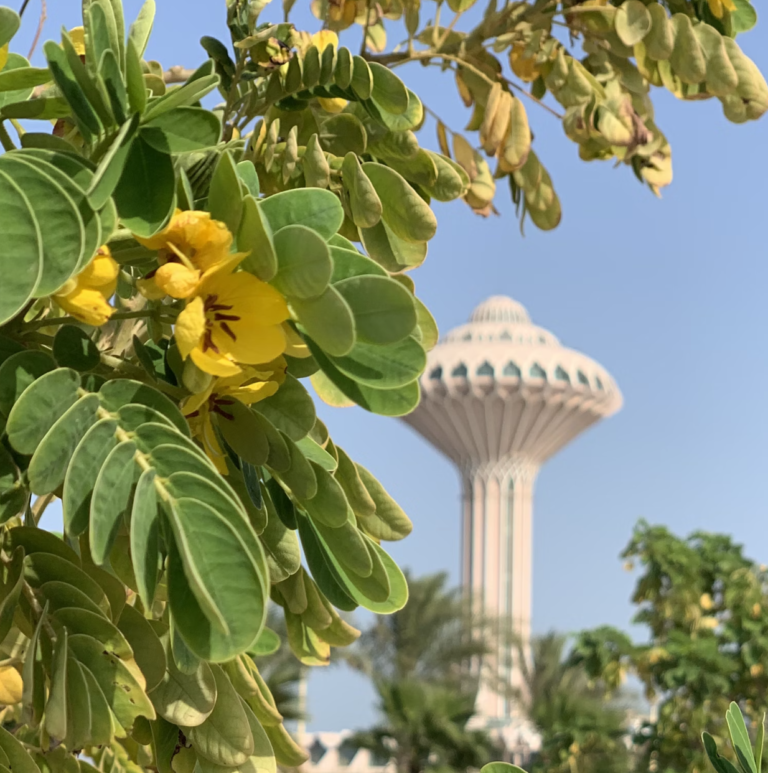
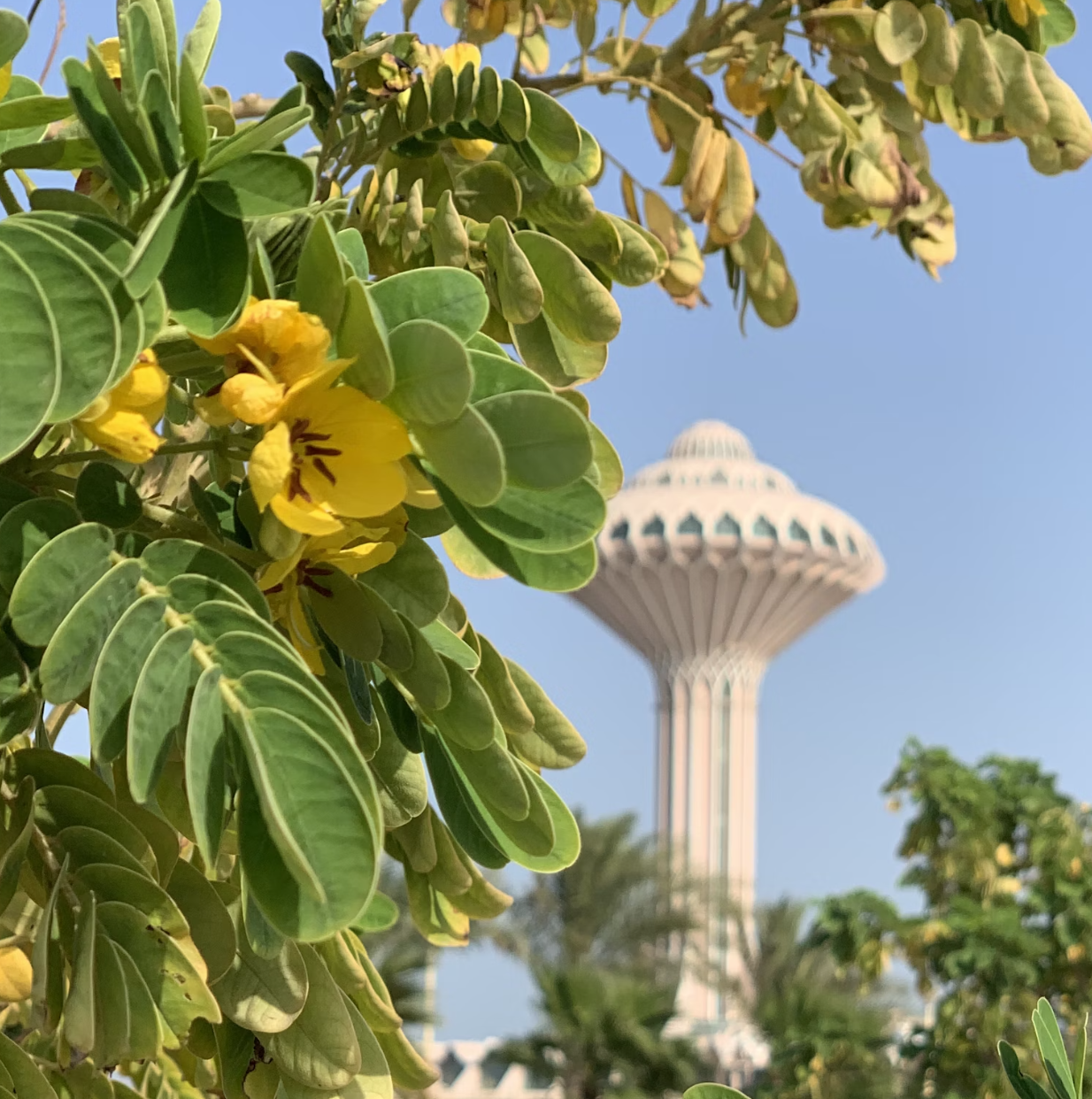
Al Khobar in Saudi Arabia has initiated a major environmental-tech effort: the Al Khobar Tree Digitization Project, aiming to catalog 100,000 trees across the city. Each tree will carry an electronic tag displaying its species, geographic location, and care guidelines in both Arabic and English.
The tags are integrated into a dynamic geographic database, offering planners, residents, and environmental advocates an interactive real-time view of the city’s urban forest.
This initiative is a flagship component of Al Khobar’s broader ambition to emerge as a green smart city, aligned with national sustainability frameworks such as the Saudi Green Initiative (SGI). Under SGI, Saudi Arabia aims to plant 10 billion trees, protect 30 percent of its terrestrial and marine areas by 2030, foster green jobs, and promote private‑sector participation in ecosystem restoration.
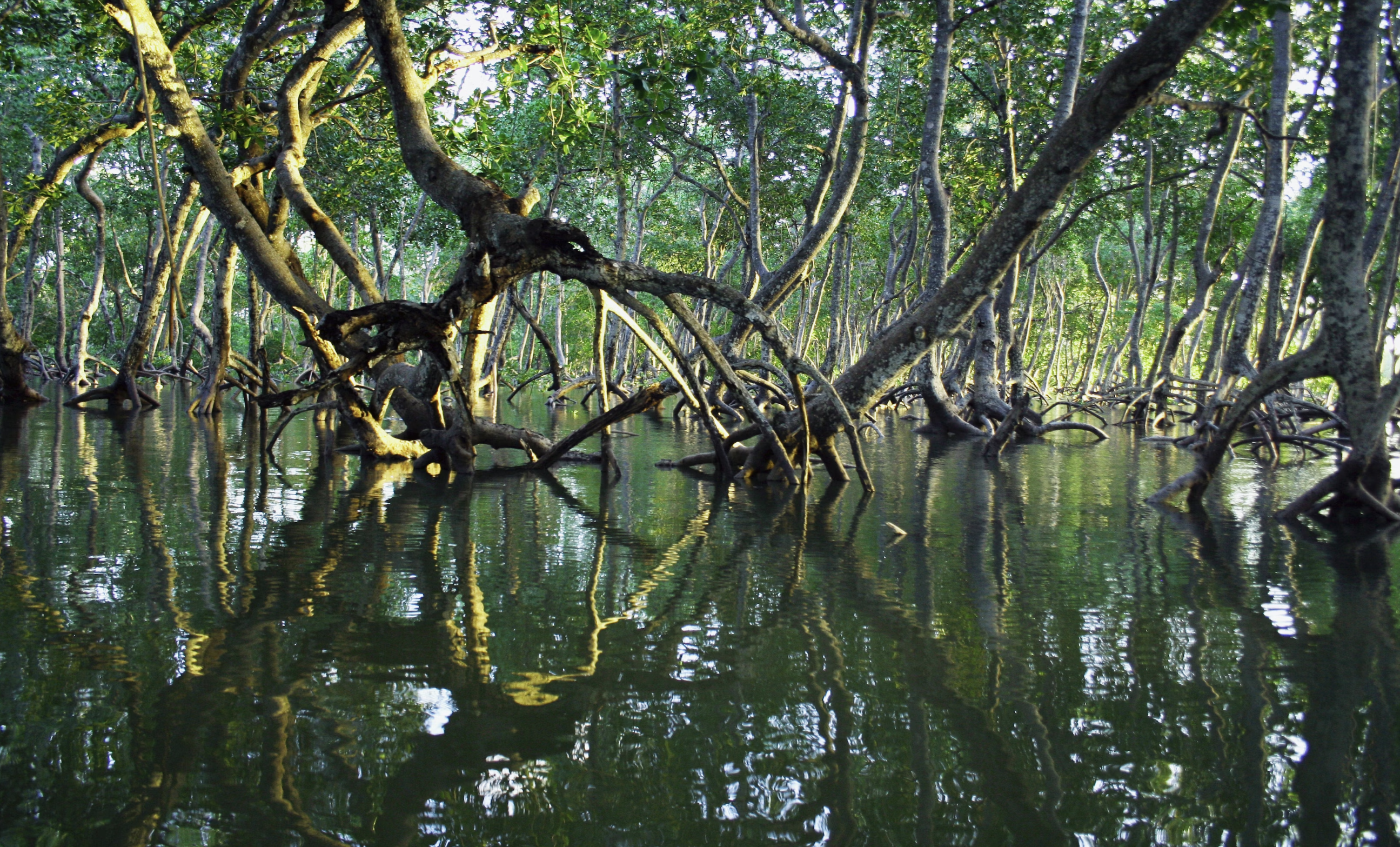
We’ve written about its mangrove plantation efforts and this new project ensures trees will be cared for and protected.
Saudi is planting over a million mangroves
Technology meets ecology in this project—each tagged tree contributes to data-driven urban forest management. Tree health, maintenance needs, watering schedules, and environmental metrics could be monitored centrally—paving the way for smarter irrigation, improved urban planning, and enhanced biodiversity management.
Starting with the first 10,000 trees along Al Khobar’s southern and northern corniches, waterfront zones, and main thoroughfares, the project will expand city‑wide. It sets a foundation for integrating green infrastructure, citizen engagement, and sustainable tourism—an urban ecosystem that’s both cultivated and tracked through smart tech.
This effort complements other transformative developments across the country—such as Riyadh’s Green Riyadh afforestation program, NEOM’s futuristic design projects, and “The Line”—reinforcing Saudi Arabia’s shift toward eco‑innovative urbanism.
Key Benefits: Urban Forest Health Monitoring: Real-time data enables proactive detection of disease, pests, droughts, or other threats.
Public Awareness & Participation: Bilingual labels make tree information accessible—encouraging community connection to nature.
Green Investment Attraction: Signals a city primed for green infrastructure development and eco‑tech partnerships.
Enriched Visitor Experience: Imagine interactive “tree walks” along the corniche—where every tree is a point of smart engagement.
Stumptown Coffee; New research from China’s Kunming Institute of Botany has identified six novel compounds in roasted coffee that may help regulate blood sugar, offering hope for type 2 diabetes management and paving the way for future functional coffee products.
The biggest thing with diabetes is regulating those ups and downs. Can coffee help? A team of scientists from the Kunming Institute of Botany, Chinese Academy of Sciences, has identified six novel compounds in roasted coffee beans that could help regulate blood sugar, potentially offering new dietary strategies for managing type 2 diabetes. Their findings were published in Beverage Plant Research.
Functional foods—foods that offer health benefits beyond basic nutrition—are of growing interest to researchers seeking natural ways to address chronic diseases. Coffee has long been studied for its antioxidant and neuroprotective properties (as seen in similar work on shilajit honey), but its potential role in controlling post-meal blood sugar is now in the spotlight. This is because certain coffee compounds can inhibit α-glucosidase, a digestive enzyme that breaks down carbohydrates into glucose. Slowing this process can reduce blood sugar spikes after eating.
Lead researcher Minghua Qiu and colleagues developed a three-step “activity-oriented” screening strategy to efficiently detect active compounds in roasted Coffea arabica beans. Using minimal solvent, they combined nuclear magnetic resonance (NMR) with liquid chromatography–mass spectrometry (LC-MS/MS) to track down both abundant and trace-level bioactives.
They first separated the coffee extract into 19 fractions, screening each for α-glucosidase inhibition. Fractions 9 to 13 stood out, leading to the isolation of three new diterpene esters—caffaldehydes A, B, and C. These showed inhibitory effects with IC₅₀ values between 17.50 and 45.07 μM, outperforming the standard drug acarbose in potency.
Further molecular network analysis uncovered three more related diterpene esters, also previously unknown, each with unique fatty acid chains.
While these results are promising, the work is still in the early stages. The next step will be testing these compounds in living systems to confirm their safety and glucose-lowering effects. If successful, they could pave the way for coffee-derived nutraceuticals or functional food products designed to support healthy blood sugar levels.
For consumers, this might one day mean that a morning brew—whether it’s a carefully sourced cup from Stumptown Coffee Roasters or a single-origin pour-over from Blue Bottle Coffee—could also be part of a diabetes-friendly diet.
As Qiu’s team notes, the same analytical method could be applied to other complex food sources, accelerating the hunt for natural, functional ingredients with health benefits.
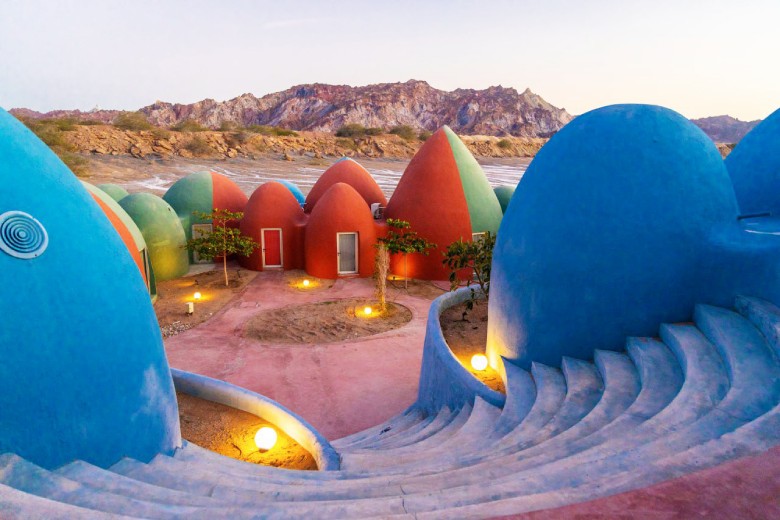
The Majara Residence on Iran’s Hormuz Island has been praised internationally for its vibrant architecture and community narrative – even winning an Aga Khan Award for Architecture. But field research of the superadobe construction suggests the reality on the ground tells a different story: one of habitat loss, fragile ecosystems at risk, and a disconnect between architectural acclaim and ecological responsibility.
Architect Ronak Roshan Gilvaei who works on Sustainable Design, Architectural Restoration & Urban Renewal weighs in for this Green Prophet exclusive.
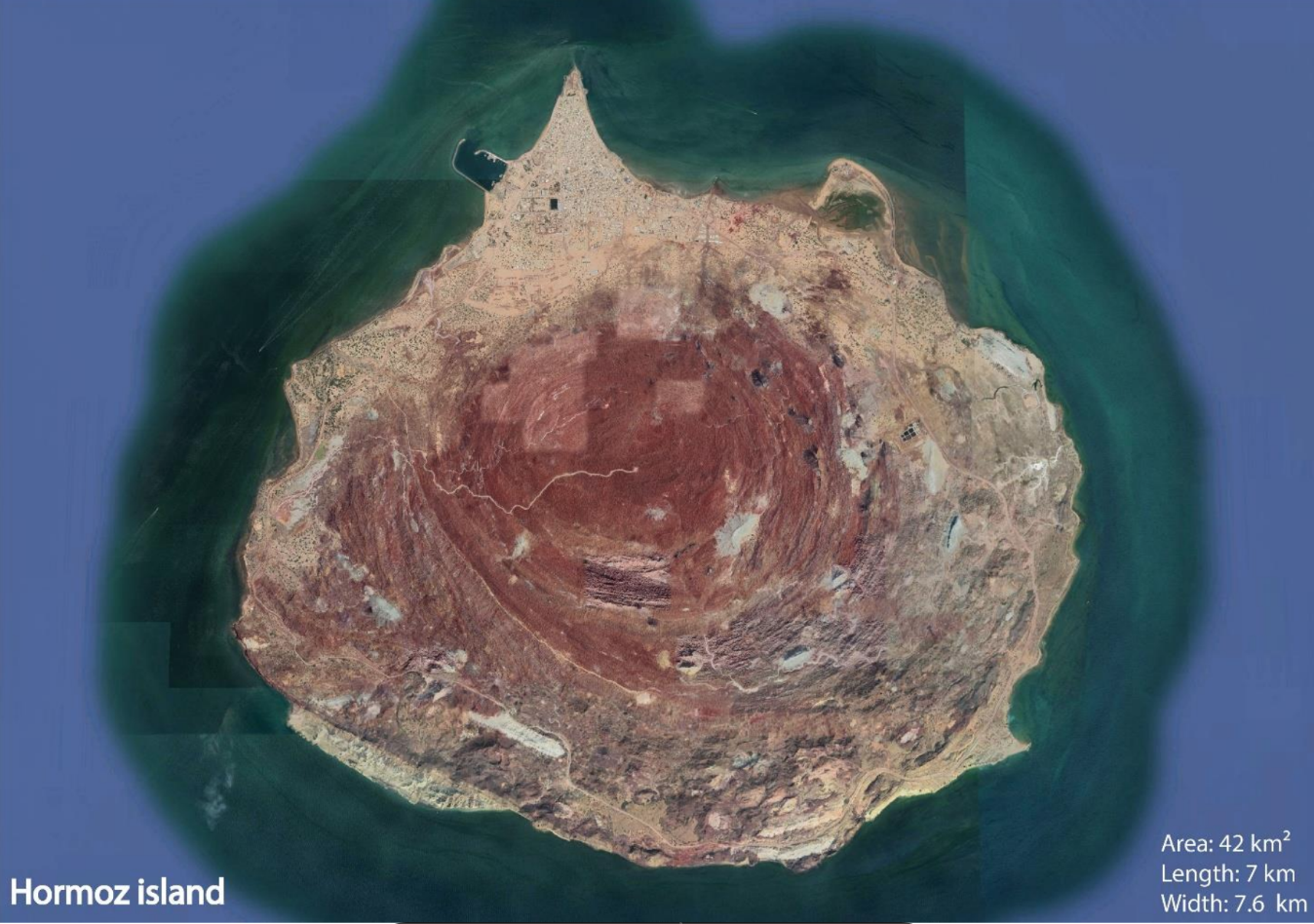
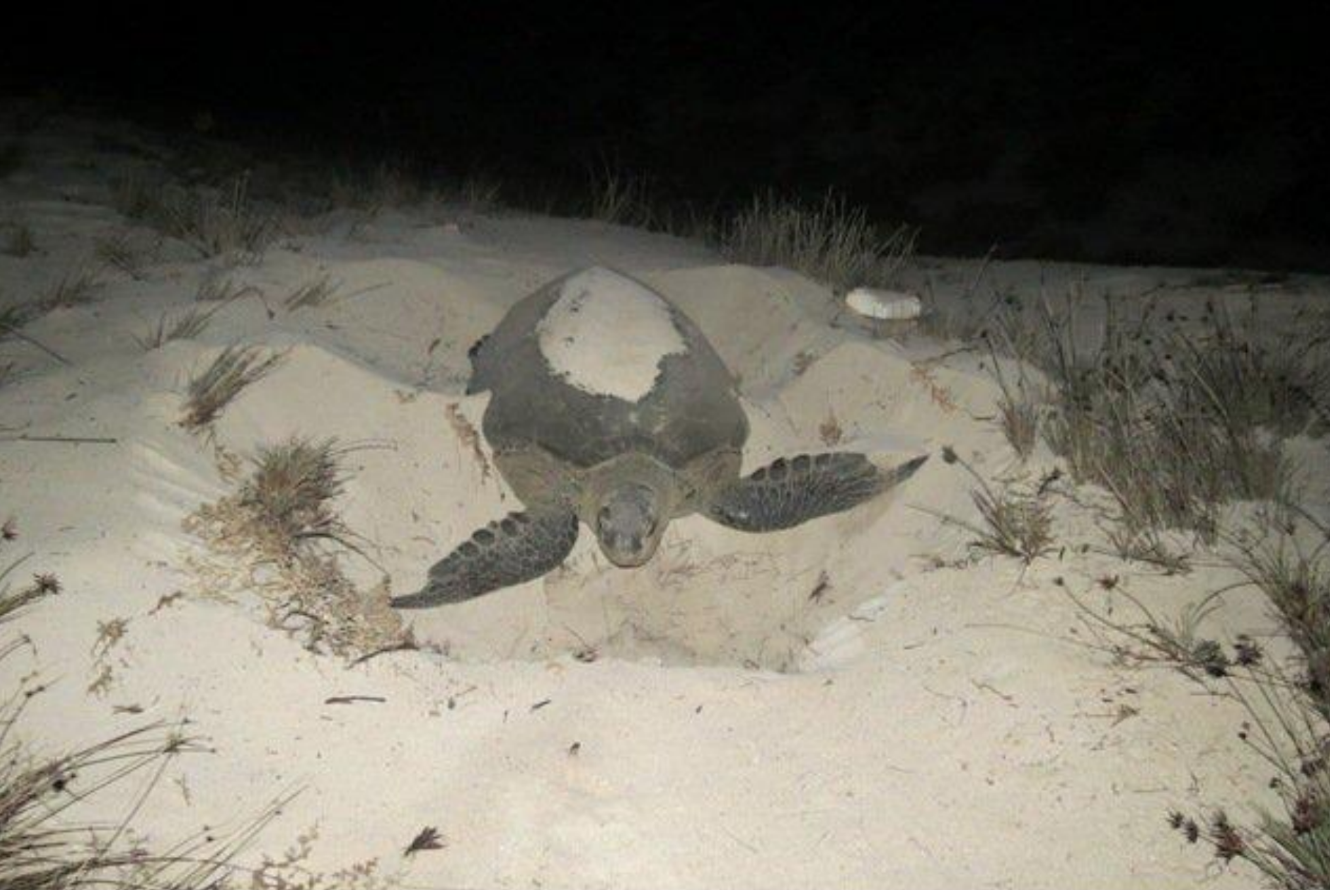
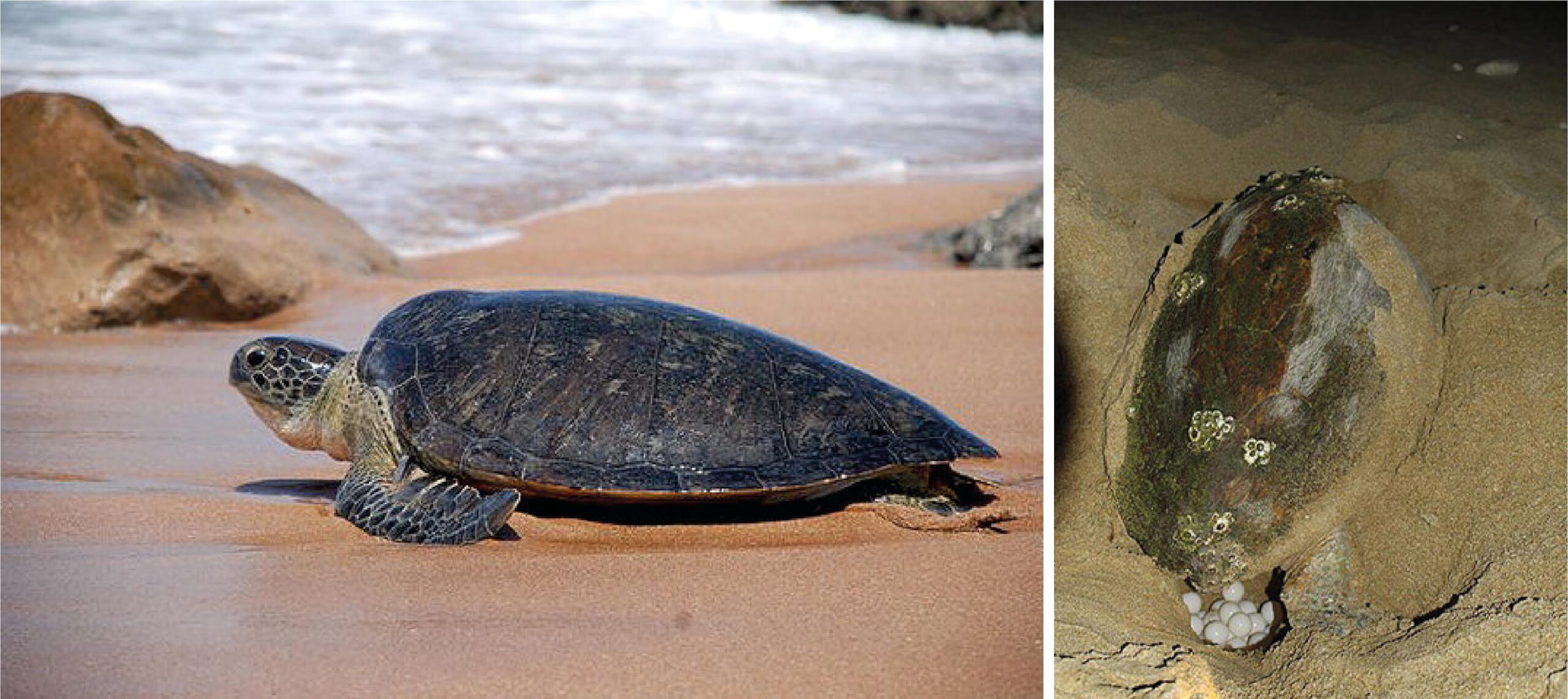
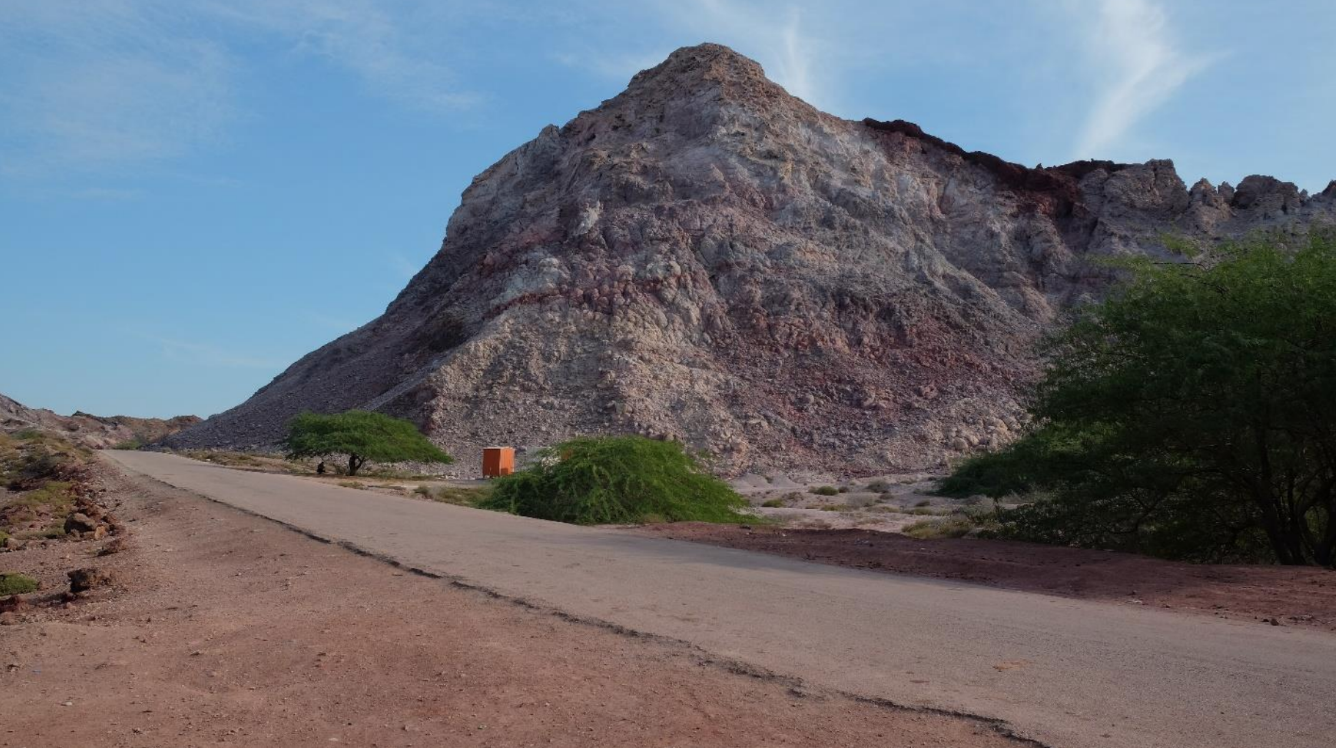
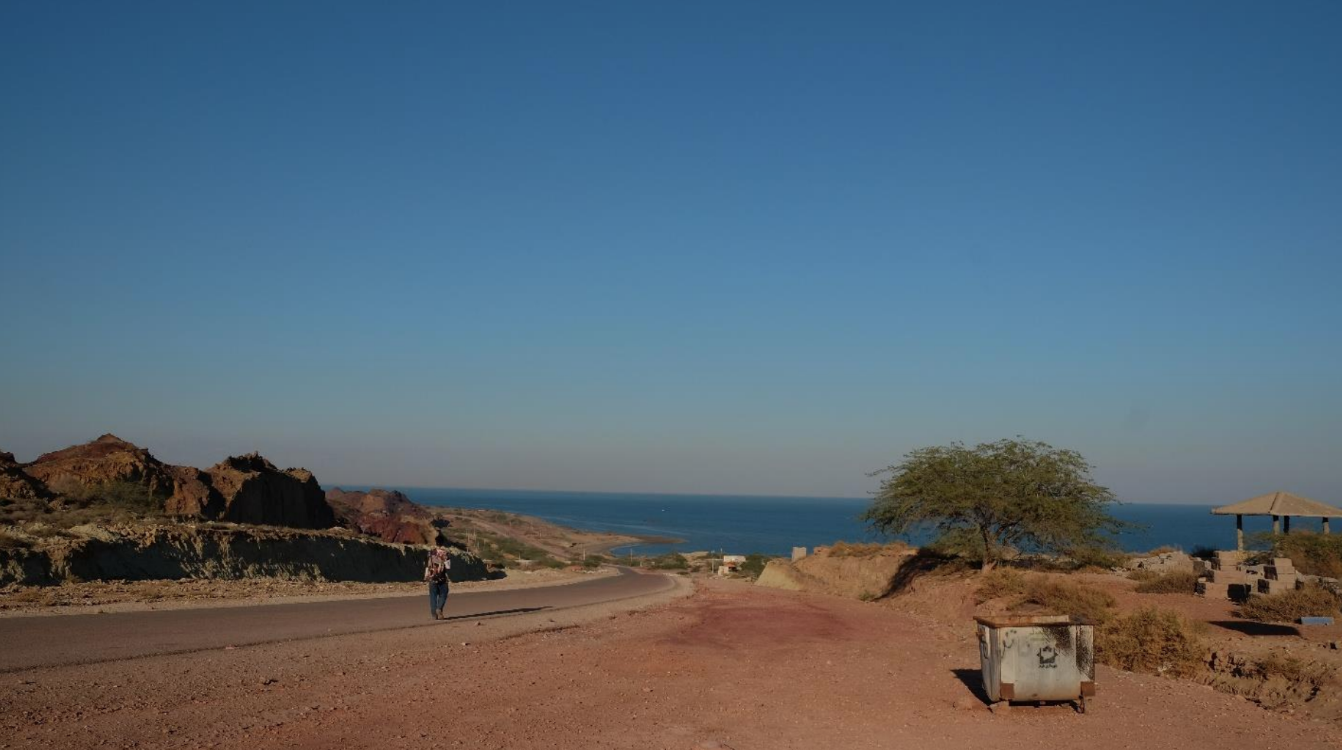
Hormuz Island – just 8 km from Bandar Abbas in Iran – is a geological wonder, famous for its rainbow-colored soil, unique marine biodiversity, and role as a nesting ground for critically endangered sea turtles. Studies have documented nesting by hawksbill and green turtles, especially on the island’s less accessible southeastern beaches.
Hormuz Island from Google Earth, via Ronak Roshan
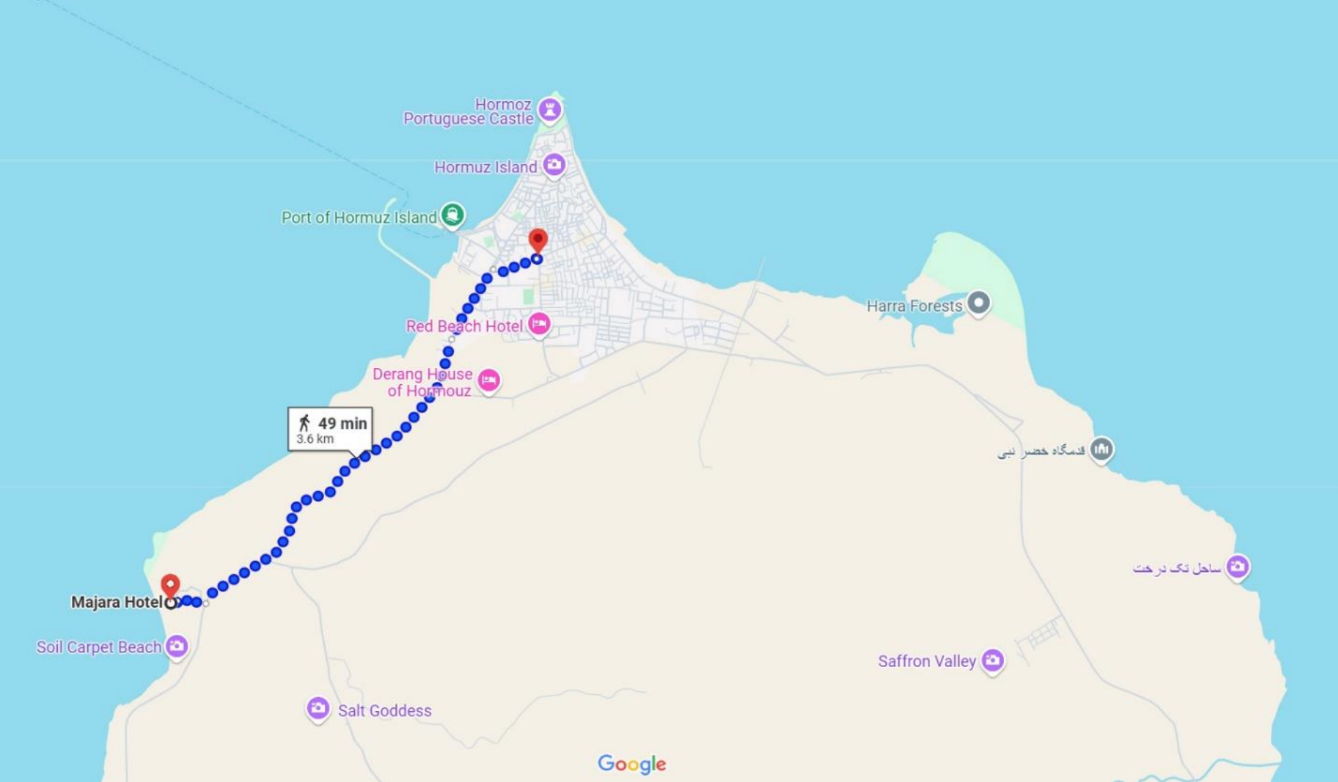
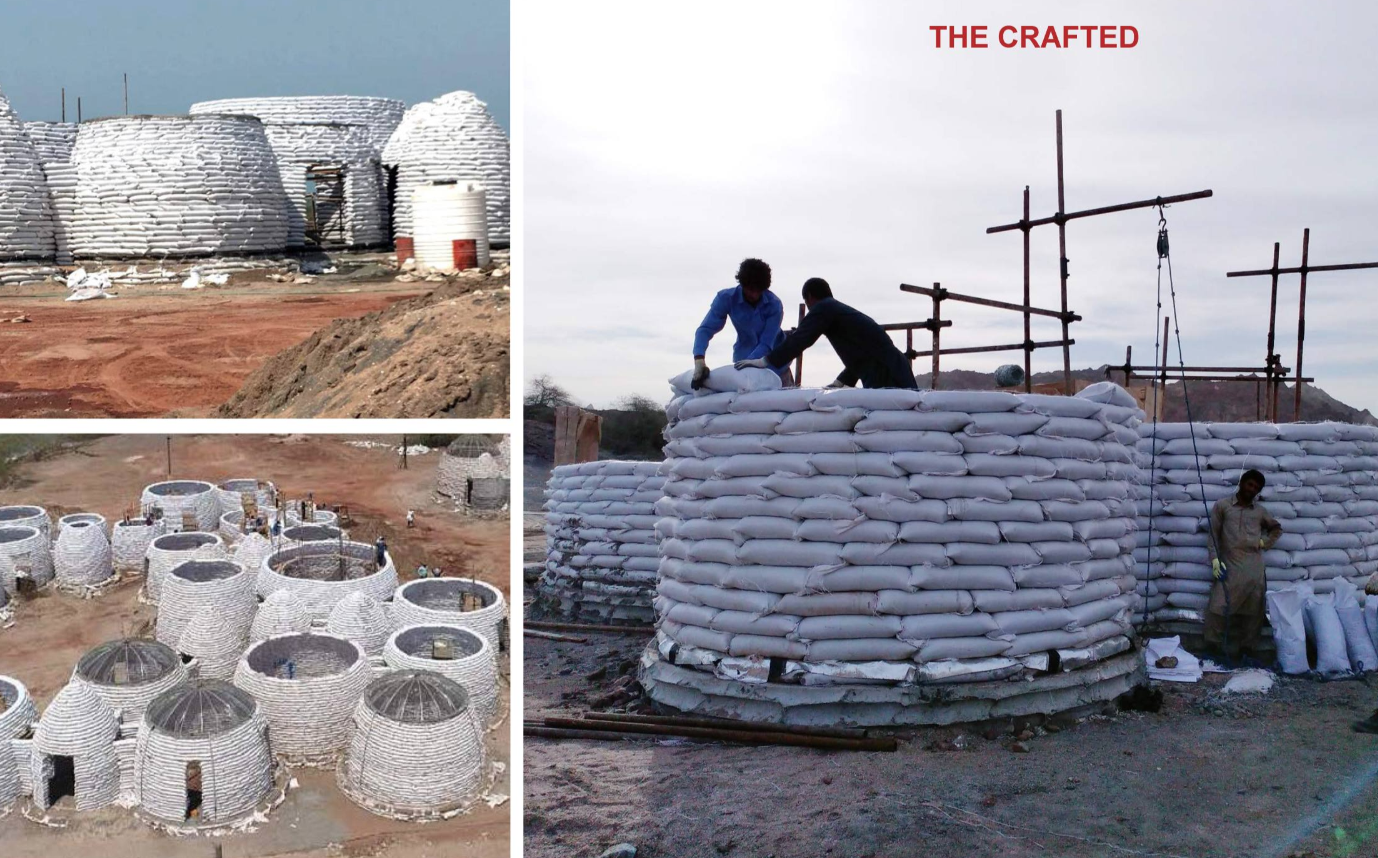
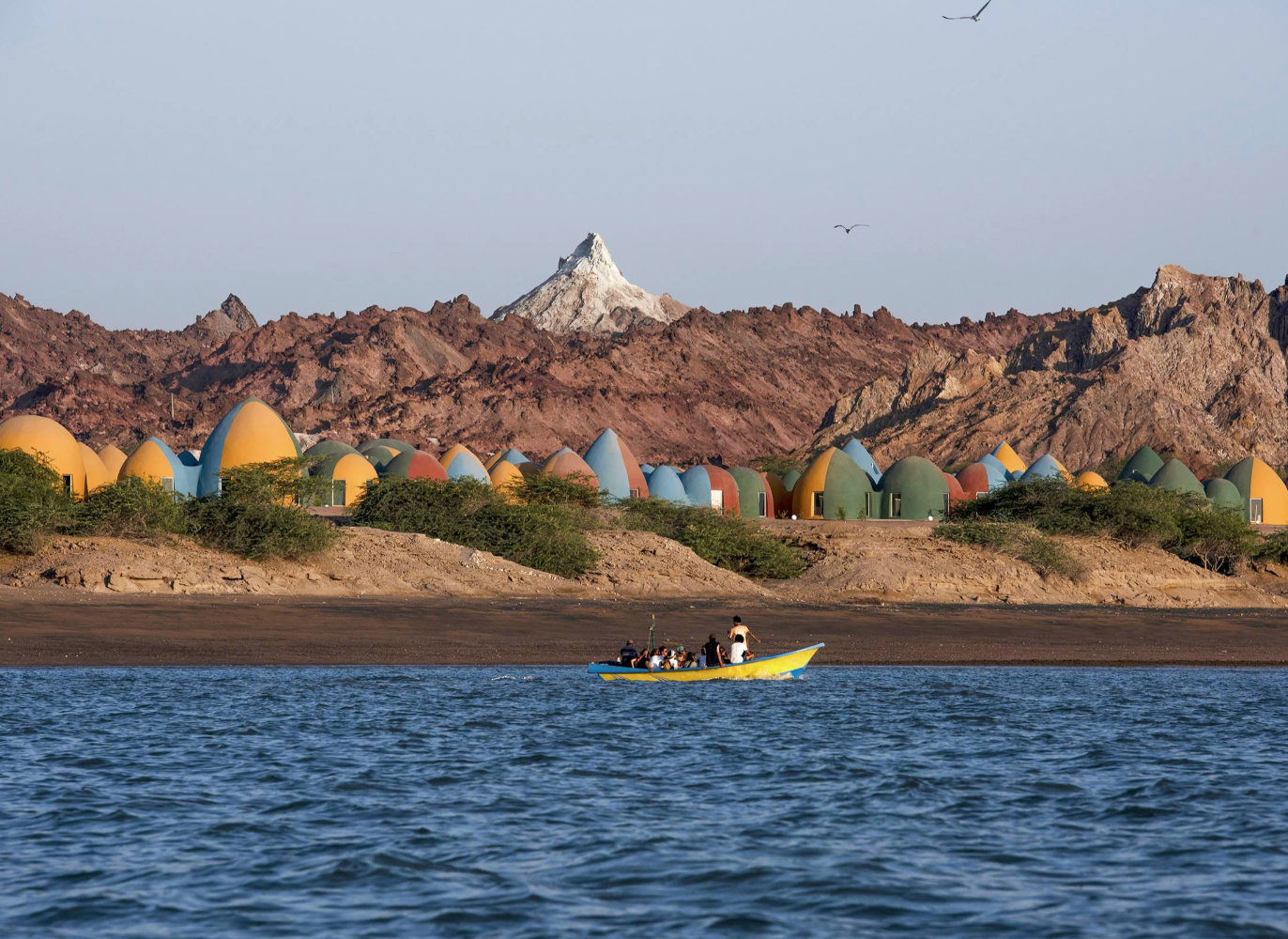
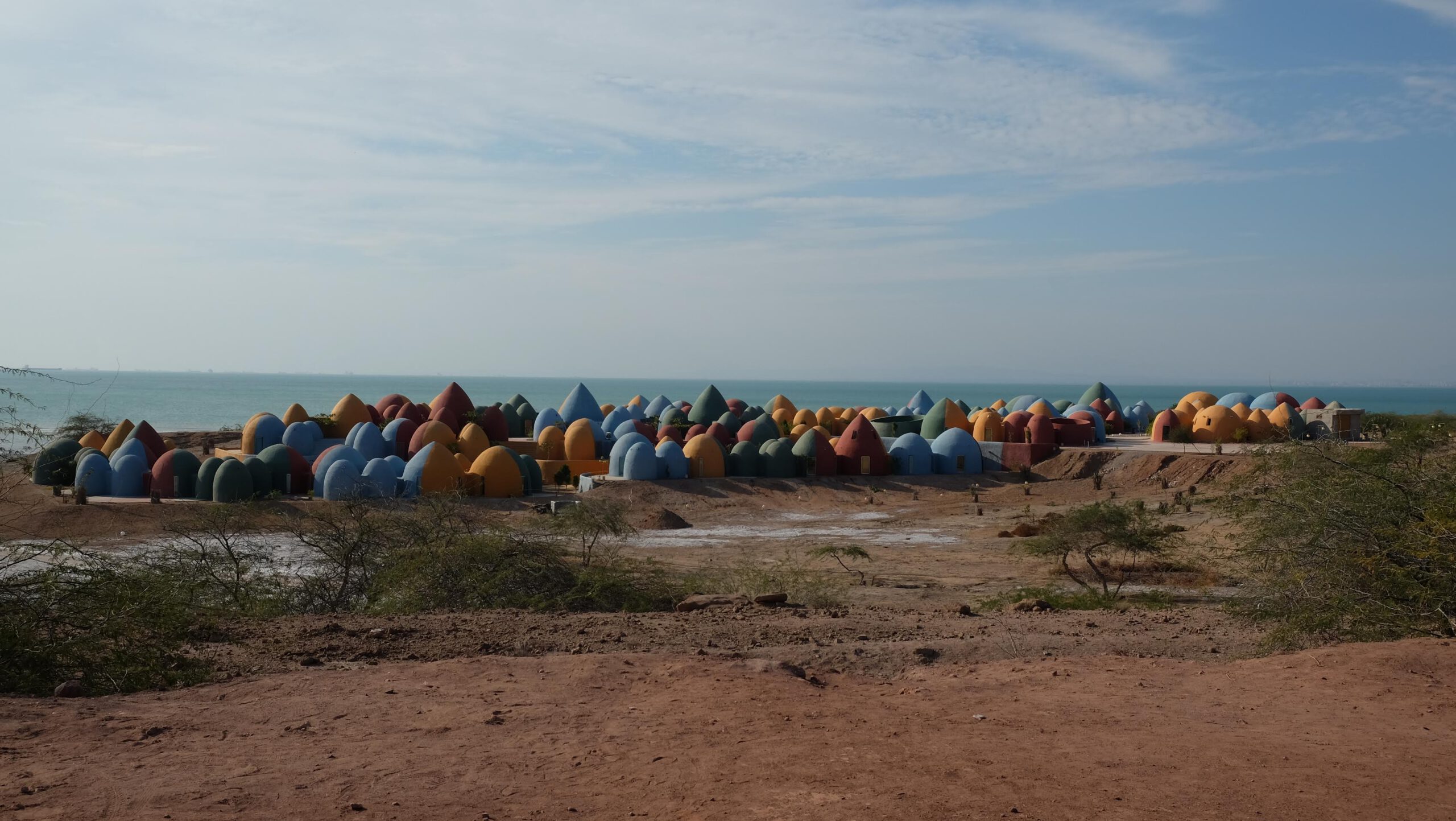
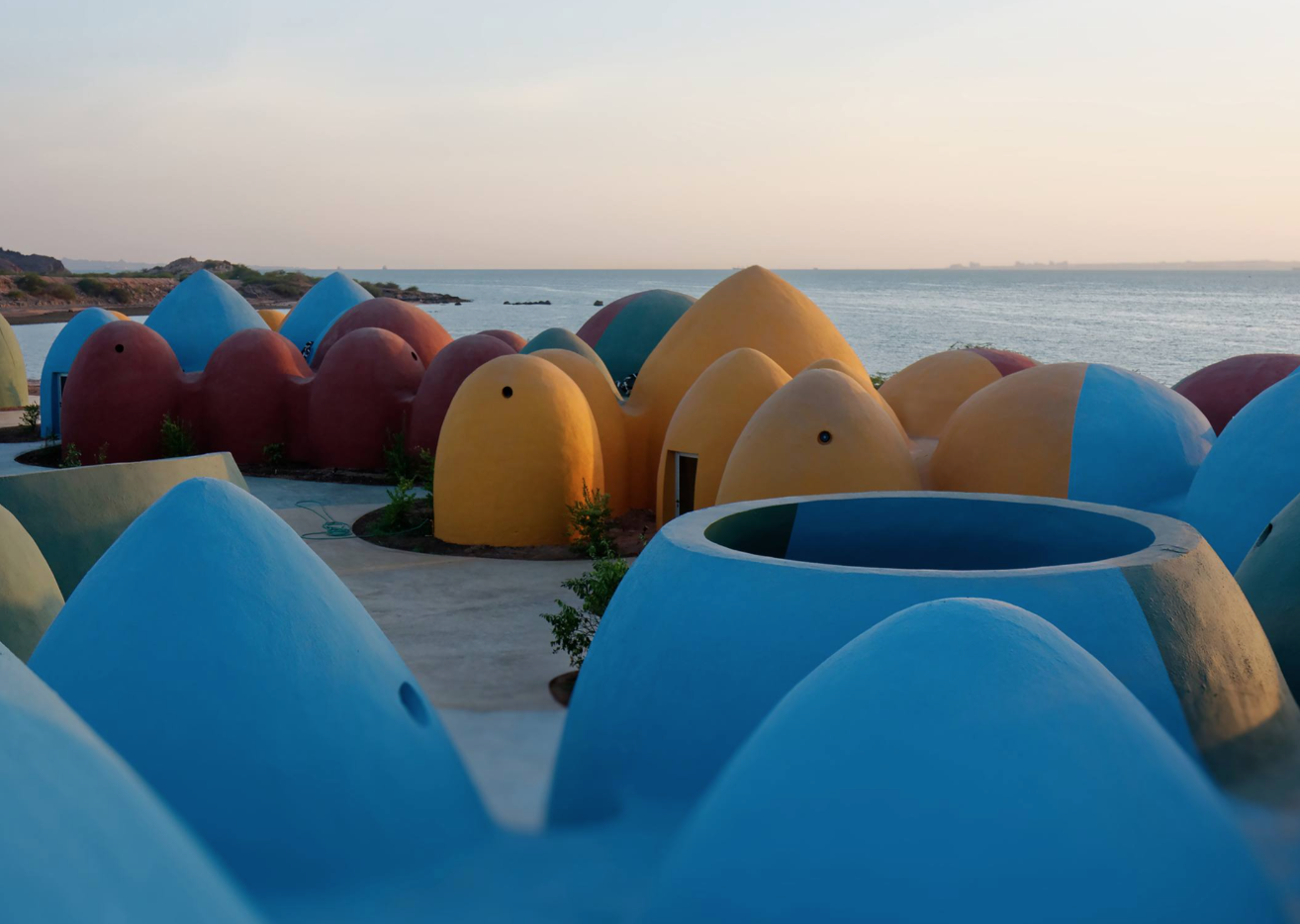
The Majara Residence (Persian: اقامتگاه ماجرا, where Majara translates to “adventure”) is a complex of roughly 200 colorful superadobe domes built on Hormuz Island as a seaside eco‑tourism project. Designed by ZAV Architects, it was completed around 2020.
Location of Majara Residence
At first glance and by its own descriptions, seems inspired by the philosophies of architects such as Nader Khalili, Francis Kéré, and Shigeru Ban. It could read as a model for sustainable development, particularly in its social dimension. However, my field visits and closer examination as an advocate for sustainable architecture and environmental conservation in Iran suggest the project’s execution contradicts the core principles of sustainability.
Filled bags of earth, ZAV Architects
Its inclusion on shortlists for awards purportedly grounded in sustainability and environmental justice –– most recently the Aga Khan Award –– is surprising and concerning, especially given warnings and objections raised by activists, experts, and local communities in recent years. What has been labeled superficially as “revitalization” has, in practice, meant habitat invasion, erosion of indigenous values, and exploitation of local resources and people.
Like we learned from the Seychelles, these habitats require careful protection from light pollution, human traffic, and coastal development. Yet in recent years, tourism investors have eyed the same pristine stretches for high-profile projects, including the Majara Residence.
Turtle nesting site on the beach in front of the Majara Residences
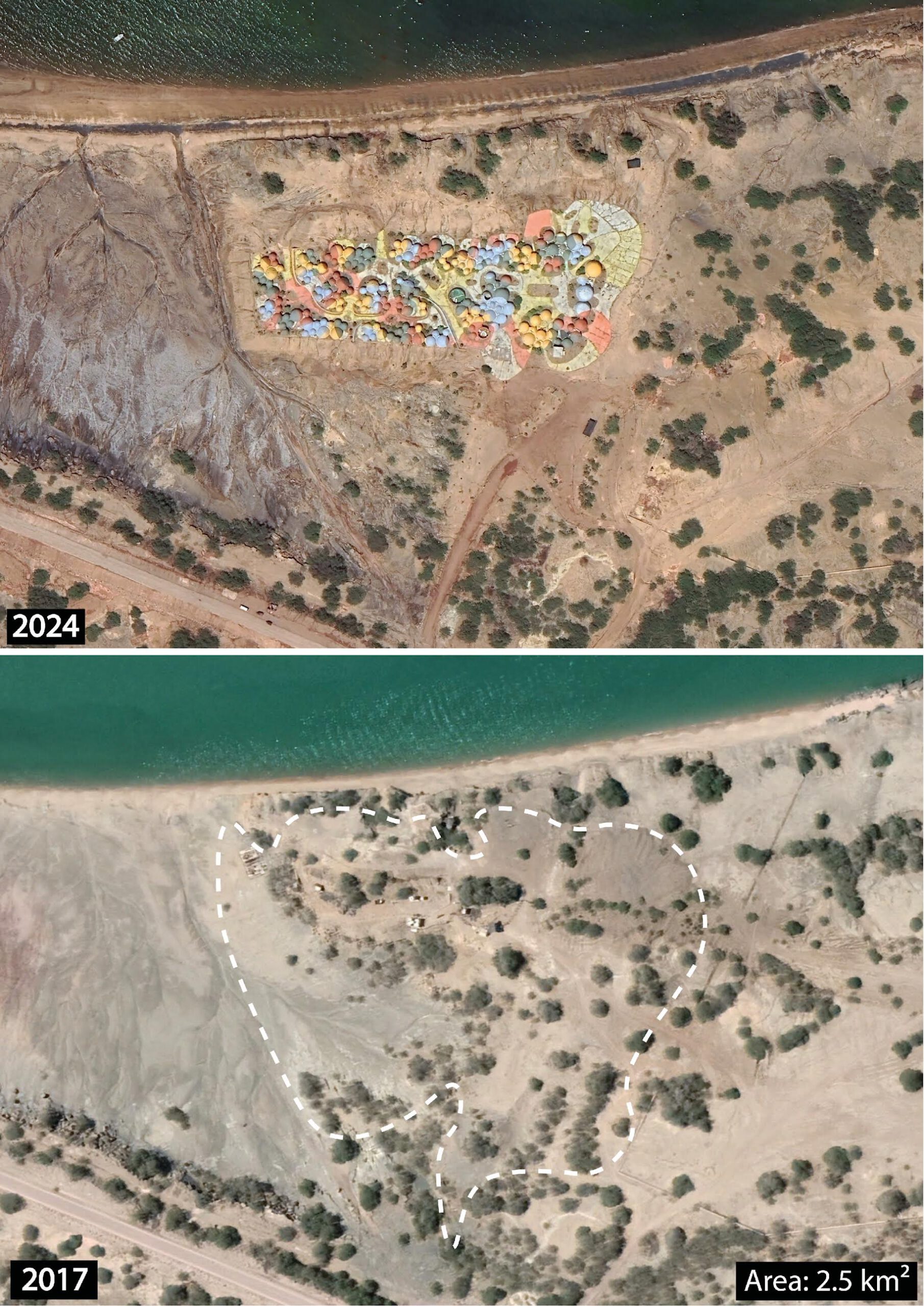
The consequences go beyond the hotel’s 1.5-hectare footprint. Artificial lighting can disorient hatchlings, while heavy machinery, coastal vegetation clearance, and increased visitor pressure threaten the wider ecosystem.
Digging deeper into science papers, Hormuz Island has played a vital role in the life cycle of two protected sea turtle species over the past decades. According to local research and the scientific paper “Nesting of Hawksbill Turtle (Eretmochelys imbricata) on Hormuz Island, Iran” (2011–2012), the island has been recognized as an active and potential protected habitat for the critically endangered hawksbill turtle in Iran. My field observations are all documented here, and are summed up for a quick read below.
This study mentioned above confirms regular nesting events, the relative success of hatchling survival, and the pristine condition of some of the island’s beaches. Additionally, the paper “Turtles in Iranian Beaches of Oman Sea during 2008–2010” (BEPLS, 2014) highlights the simultaneous presence of both hawksbill and green turtles on Iran’s southern coasts, including Hormuz, and notes that numerous nests of these species have been observed on the island’s shores in past years.
Hormuz turtles
Although these studies lacked GPS-based nesting site mapping or granular habitat delineation to pinpoint exact nesting sites, this does not mean nesting does not occur in specific areas—rather, it underscores the need for more comprehensive research before any construction projects.
Most nesting activity has been clearly observed in the southeastern part of the island, an area less affected by human intervention due to its inaccessibility. However, in recent years, due to its visual appeal, some investors—including the current developer of the Majara Residence have aggressively pursued tourism development projects and new hotel constructions on this land.
Examples include last year’s proposals by Next Office and Studio KAT, which faced protests from activists and locals, halting their progress.
Destruction of Native Vegetation
Before construction, the site hosted resilient species like tamarisk, glasswort, and saltwort – plants that stabilise soil, reduce erosion, and withstand Hormuz’s extreme heat and salinity. Around 2.5 hectares of this vegetation was removed, with no ecological restoration plan in place.
ZAV Architects, in their project on Hormuz Island, identified the dominant vegetation as Prosopis juliflora (mesquite) and described it as an invasive species with deep roots that can harm biodiversity and infrastructure. However, from a scientific and ecological perspective, although mesquite is non-native and semi-invasive, it plays a vital role in stabilizing the soil, preventing erosion, and reducing desertification under the harsh environmental conditions of Hormuz.
Removing this plant without replacing it with native species and without an ecological management plan not only leads to habitat degradation but also contradicts the principles of sustainable development in sensitive areas, potentially causing further environmental damage. Therefore, the hotel’s action to remove the mesquite without considering these scientific and ecological factors is unjustified and harmful.
Development of Hormuz, before and after.
The hotel’s basic ozonation and composting systems lack advanced treatment needed for sensitive coastal zones. Without independent monitoring, there’s no way to confirm that wastewater meets safety standards. On an island without a municipal sewage network, any leakage could threaten coral reefs, seagrass beds, and turtle habitats.
The architects also promote the project as empowering Hormuz’s native residents. Yet reports indicate persistent economic challenges: water scarcity, high transport costs, and weak tourism management. The island’s own Sustainable Development Plan, developed with local participation, focuses on training, infrastructure, and sustainable livelihoods – a deeper approach than cultural tourism alone can provide.
Systems Thinking: A Missed Opportunity
Majara Residence, Hormuz
As systems thinker Russell Ackoff argued, environmental challenges must be addressed holistically, recognising the interdependence of ecological, social, and economic factors. Successful examples, like wildlife restoration in Yellowstone Park, such as bringing back the wolves to restore the forest, show that strategic, science-led interventions can achieve balance.
On Hormuz, protecting sea turtles could have anchored an ecotourism model combining indigenous knowledge with conservation science – creating lasting benefits for both people and nature.
The Majara Hotel’s waste and sewage management system reportedly includes an ozonation unit with a daily capacity of 20 cubic meters, oil treatment up to 8 cubic meters, and compost production of 50 kg per day. However, the equipment used is basic, lacking advanced biological or physical-chemical treatment technologies. This is particularly alarming given the hotel’s location less than 70 meters from the shoreline, where any leakage or incomplete sewage treatment could severely endanger the island’s marine ecosystem.
Majara Residences interior
According to studies by the US Environmental Protection Agency (EPA, 2020) and the United Nations Environment Program (UNEP, 2019), hotel wastewater contains fats, detergents, nutrients (nitrogen and phosphorus), micro-pollutants, and pathogenic microorganisms. Without advanced treatment processes—such as activated sludge reactors, biofilm systems, or ultrafiltration/nanofiltration membranes—this wastewater can degrade coral habitats, promote toxic algal blooms, reduce coastal water quality, and threaten public health (WHO, 2018).
The Majara Residence’s vibrant domes have captured global attention and won architectural accolades. But without rigorous environmental safeguards, it risks being remembered as an object lesson in how eco-tourism can turn extractive. Architecture awards that celebrate such projects without full ecological due diligence may inadvertently undermine the very sustainability principles they seek to promote.
Hormuz Island deserves development that honors its ecological fragility, cultural heritage, and the resilience of its people – not just in form and color, but in function and legacy.