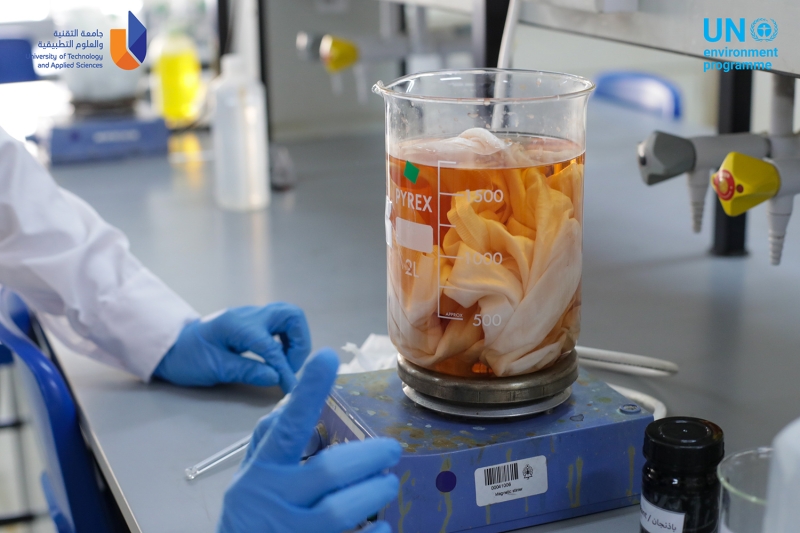
Designer Batoul Al-Rashdan, an engineer from Jordan, creates plant-based materials, which she turns into clothes and accessories. Via Batoul Al-Rashdan (UNEP) When Jordanian designer Batoul Al-Rashdan tells people she makes clothes out of ground olives and onion peels, she gets more than a few raised eyebrows. “It’s definitely a conversation starter,” laughs the founder of Jordanian fashion house Studio BOR.
“But once people learn more about it, they are like, ‘Okay, interesting.’”Al-Rashdan’s plant-based dresses, bags, and accessories have walked runways from Paris to Dubai and earned her a string of awards. Unlike the synthetic textiles that clog landfills for decades, her creations are designed to decay. “These clothes are not meant to last forever,” she says.
“They have served their purpose. It’s okay for them to go away.”
An architectural engineer by training, Al-Rashdan began experimenting with plant-based textiles in 2015. She learned to transform food waste—like beetroot skins, olive pulp, and onion peels—into biodegradable materials. Some are fed into a 3D printer to make handbags, coins, and jewelry; others are spun into fabrics for high-fashion dresses.
“Iris of the sea” ? a 3D-printed dress from biodegradable material inspired by the breathtaking contours of the Dead Sea’s crystalline formations and Jordan’s national symbol, the Black Iris.
One standout piece: a collaboration with designer Tony Ward on a wispy, biodegradable gown that debuted at Paris Haute Couture Fashion Week.
Every year, the fashion industry produces 92 million tonnes of textile waste—the equivalent of a garbage truck full of clothes dumped or burned every second. Much of it ends up in developing countries, releasing microplastics and toxic dyes into the environment.
According to UNEP, the sector is also responsible for up to 8% of global greenhouse gas emissions and is one of the most water-hungry industries on Earth.
Al-Rashdan’s work has been boosted by the West Asia Sustainable Fashion Academy, launched by the UN Environment Programme in 2021. The academy has trained over 150 designers, fashion students, and small businesses to use sustainable fabrics, extract natural pigments, and rethink waste.
Kylie Minogue wearing a parametric 3D printed on fabric biodegradable dress
Fellow participant Hazem Kais, head of Beirut’s GoodKill label, dyes garments with sage, walnut, and pomegranate instead of chemical dyes. “If we can dye clothes this way, why wouldn’t we?” he says.
For Al-Rashdan, every sustainable choice—no matter how small—counts. “I’m hopeful,” she says. “Every change, even a small one, matters.”
Scientists at Ben-Gurion University in Israel have made a surprising discovery: even desert soil with no living things in it can release greenhouse gases — the same kinds of gases that help heat up our planet.
The research was done by Dr. Isaac Yagle and Prof. Ilya Gelfand at the Blaustein Institutes for Desert Research. They wanted to know what causes the big bursts of gases like carbon dioxide (CO₂), nitrous oxide (N₂O), and nitric oxide (NO) that happen in deserts right after it rains.
Isaac Yagle
Most scientists used to think this “gas burst” only happened because of tiny living things in the soil called microbes. These microbes breathe out gases when they wake up after getting wet.
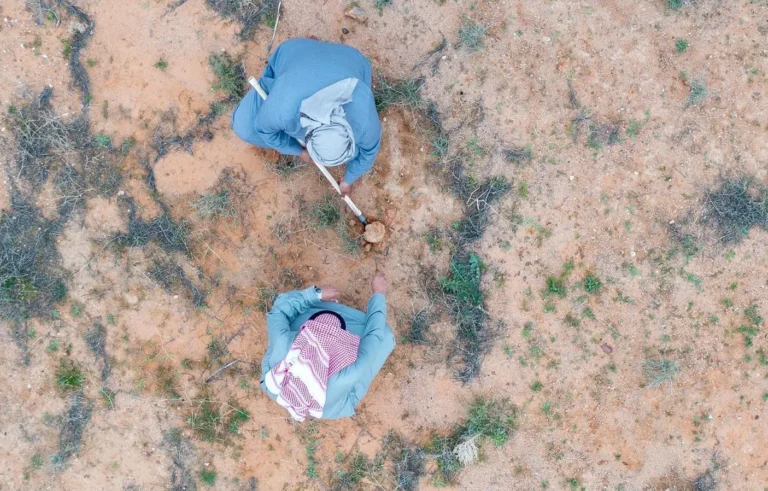
But here’s the shocker: the team collected soil from near the Dead Sea and then used strong radiation to kill almost all the living things in it. When they added water, the “dead” soil still gave off large amounts of N₂O and NO — in fact, sometimes more than the soil with living microbes! The gases came out within minutes of the soil getting wet.
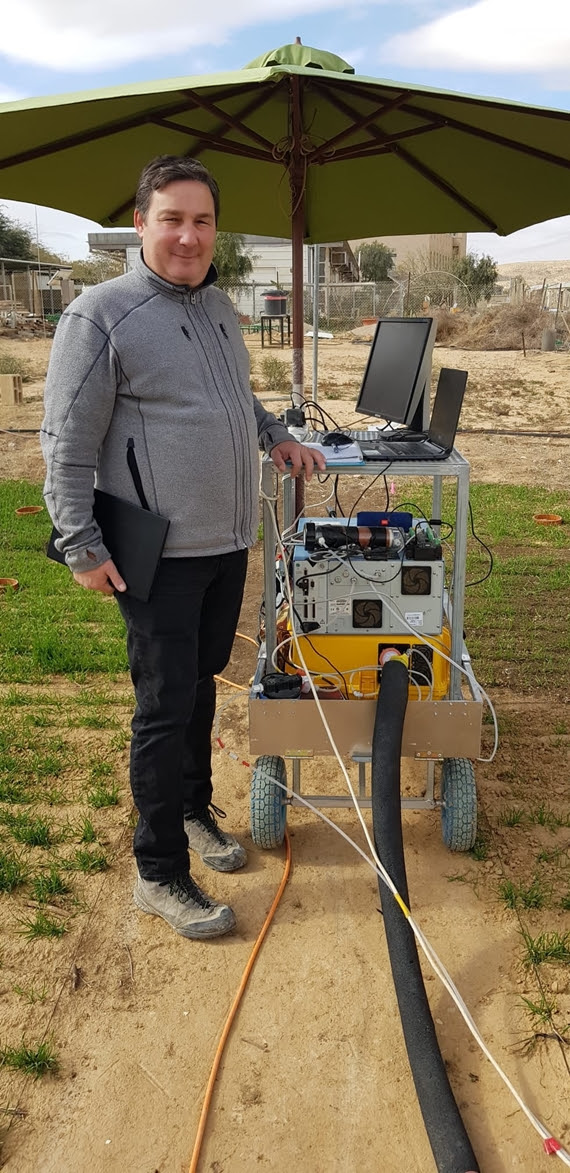
Ilya Gelfand
The scientists say this means chemistry — not just biology — is causing these quick bursts of gases. Reactions between chemicals in the soil, like nitrogen compounds, can create greenhouse gases even without life.
For CO₂, the live soils still released more, but even the “dead” soils made some CO₂ through chemical reactions and by releasing gases already trapped in the dirt.
This is important because deserts and drylands are spreading around the world as the climate changes. Rainfall in these places is also becoming more unpredictable, so wet-dry cycles may happen more often. That could mean more greenhouse gases being released into the air than scientists had thought.
For climate science, this new research means:
Updating emission models to include non-living (abiotic) processes in deserts and semi-arid regions.
Reassessing the global greenhouse gas budget, since drylands already cover ~40% of Earth’s land and are expanding.
Factoring in more frequent wet–dry cycles due to climate change, which could increase these sudden emissions.
Recognizing deserts as more active players in atmospheric chemistry and warming than previously thought.
The team says climate models — the big computer programs used to predict future climate — need to include these “abiotic” (non-living) gas releases. If they don’t, they might underestimate how much deserts contribute to climate change.
Egypt is modernizing its massive irrigation network—lining canals, expanding drip and sprinkler systems across approximately 3.7 million feddans, about 6,000 square miles, and deploying smart irrigation technologies—not just for efficiency, but as preparation for potential reductions in Nile water. Sources highlight that Egypt’s modernization targets could slash irrigation waste by up to one-third, potentially saving billions of cubic meters annually.
The urgency is fueled by growing water scarcity—Egypt now faces an annual deficit of around 7 billion m³, exacerbated by population growth, climate change, and upstream projects like the GERD a new dam built by Ethiopis. While Egypt remains deeply reliant on the Nile, fears of reduced flows—especially during drought years or due to unilateral actions—have reinforced the strategic urgency for domestic resilience.
Egypt’s irrigation overhaul isn’t just about modern farming—it’s a proactive strategy to stretch its diminishing Nile share and future-proof agriculture in a volatile water landscape. Its expansive irrigation modernization initiative aims to enhance agricultural efficiency and protect its water supply. The plan includes upgrading field-level irrigation systems, lining canals, and introducing smart water management—all aimed at transforming inefficient flood irrigation and securing the Nile’s vital flows.
The Ministry of Planning in Egypt has budgeted nearly EGP 144.8 billion (~$3 billion USD) for agriculture and irrigation in FY 2025–26, including public and private funding, targeting improved irrigation systems and increased yield per feddan. And it is also targeting modernization across 3.7 million feddans, switching from traditional flood methods to semi-modern techniques like drip and pivot irrigation over the next few years. These changes could reduce water usage by up to 30% while boosting productivity by 30–40%.
Egypt’s top farm exports to global markets are led by citrus fruits (about 4.2 billion lb shipped in mid-2025, ≈1.9 MMT) with orchards covering roughly 152,000 ha (~375,600 acres); followed by potatoes (~2.9 billion lb exports; national harvested area ~213,000 ha or ~526,300 acres); fresh onions (~511 million lb exports; ~64,000 ha or ~158,100 acres under cultivation); table grapes (~351 million lb exports; harvested area ~73,000 ha or ~180,400 acres); and sweet potatoes (~273 million lb exports; 2023 area ~12,427 ha or ~30,700 acres).
Collectively, these crops drive roughly $4 billion in annual farm export earnings, underscoring Egypt’s pivotal role in regional food supply chains.
Cotton is still very much a thing in Egypt, though its role has shifted. Egypt is famous for its long-staple and extra-long-staple cotton, often branded internationally as Egyptian Cotton. It has a reputation for high-quality, fine fibers used in luxury textiles and bedding. Production peaked in the mid-20th century, but land competition with food crops, water constraints, and global price fluctuations have reduced its cultivated area.
Yes—cotton remains a notable Egyptian crop. In calendar year 2024, Egypt’s raw cotton exports were valued at about $475 million, driven by the country’s famed long- and extra-long-staple fibers (“Egyptian cotton”). For context, USDA projects MY 2024/25 raw cotton exports at roughly 184,000 bales (480-lb bales).
If implemented well, the overhaul could save billions of cubic meters annually, relieve pressure on groundwater, and strengthen Egypt’s position in Nile water discussions. However, key challenges include financing costs, farmer acceptance, and ensuring “saved” water doesn’t simply expand water-intensive agriculture. Companies like Netafim, the regional and global pioneer of drip irrigation systems, could help Egypt achieve its goals.
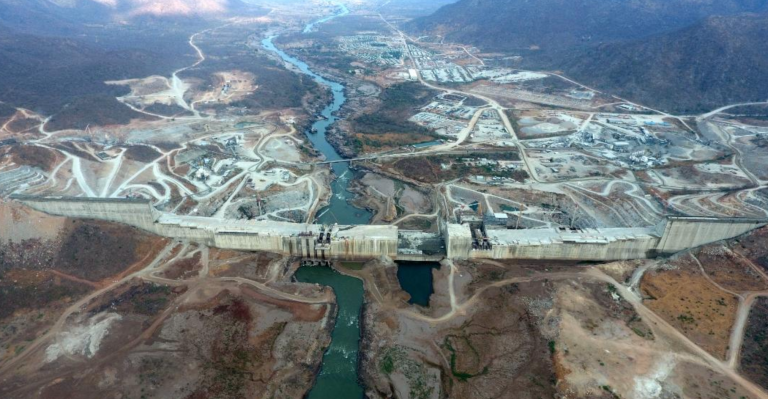
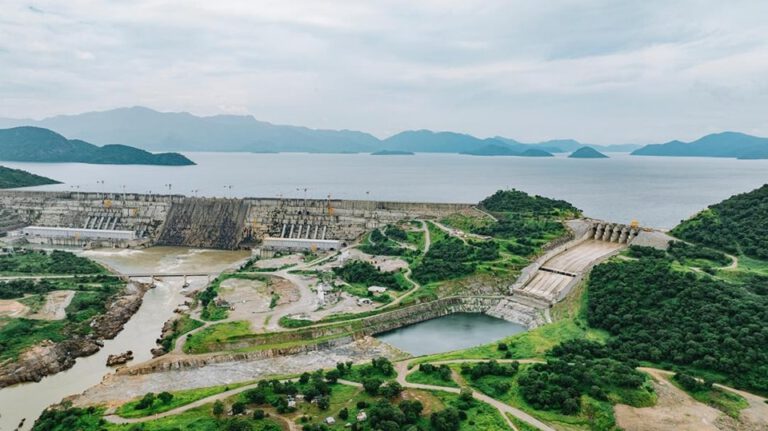
Grand Ethiopian Renaissance Dam (GERD) on the Blue Nile — Africa’s largest hydroelectric project reshaping East Africa’s power supply and sparking regional water security debates.
Egypt’s irrigation system has roots in millennia-old techniques, from Aswan Dam regulation to historic canal networks. The current program builds on this heritage, blending tradition with pressure-based systems and digital monitoring. Watch developments on the GERD dam opening this year from Ethiopia as water volume from the Nile that goes to Egypt may drop dramatically.
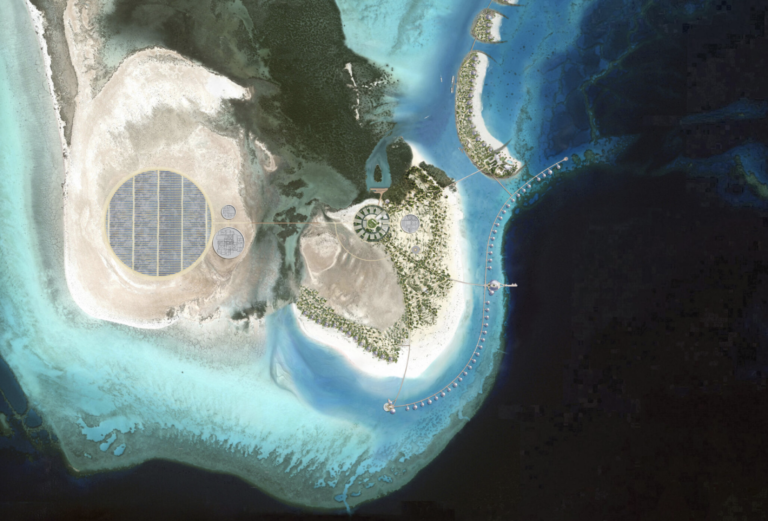
Desalination and power plant powered by the sun in the new ultra-luxury Shebara resort, Saudi Arabia
Saudi Arabia has inked a major financing deal to modernize desalination—again. The Saudi Water Authority (SWA) signed an agreement with the Asian Infrastructure Investment Bank (AIIB) and the Kingdom’s National Infrastructure Fund (Infra) to support upgrades at Jubail Phase I and Khobar Phase II, with total financing of USD 650 million. Signed on the sidelines of AIIB’s Annual Meeting in Beijing (June, 2025), the package will convert aging multi-stage flash (MSF) assets to reverse osmosis (RO)—the global standard for lower-energy, modular desalination.
According to the parties, AIIB will provide the lion’s share—over SAR 1.6 billion (~USD 450 million)—one of the bank’s largest non-sovereign corporate financings to date, while Infra contributes SAR 750 million (~USD 200 million) via a Murabaha facility. SWA executives say the modernization extends plant life by ~20 years, boosts output, and slashes energy intensity—key to Saudi’s climate and efficiency goals under Vision 2030.
Reverse osmosis uses membranes and pressure, not heat, to separate salts from seawater. It’s already the backbone of the world’s newest mega-plants, including Khobar Phase II, which has reached record daily production of ~671,000 m³. By replacing MSF trains with RO skids, operators can cut electricity demand and integrate solar and wind power more easily—vital in a grid pivoting toward renewables and green hydrogen.
But desalination isn’t a silver bullet. RO still concentrates salts and trace pollutants into brine, a disposal challenge for sensitive Red Sea reef ecosystems. Efficiency upgrades matter, yet so do smarter outfalls, brine-to-minerals recovery, and robust monitoring—especially along coastlines already under stress from microplastics and warming seas.
Don’t Forget Brackish Water
Saudi water isn’t only about the sea. The Kingdom also taps brackish inland aquifers—less salty than seawater—where RO can operate at a fraction of the energy and cost. With proper reuse and aquifer-recharge strategies, brackish desalination can relieve pressure on coastal plants and reduce the carbon footprint. The catch? Inland concentrate management. Without coastal dilution, brine needs evaporation ponds, deep-well injection, or recovery of valuable minerals to prevent soil and groundwater impacts.
Alongside hardware upgrades, Saudi utilities are embracing “smart water” analytics—pilots often grouped under initiatives like IRYIS—to track losses, predict failures, and squeeze more value from every cubic meter. Think AI-assisted pressure management, pipeline leak detection, and SCADA-integrated demand forecasting. In a country where urban resilience now hinges on real-time data, the software layer may deliver savings on par with plant retrofits.
IRYIS, formerly Red Sea Farms Founder Mark Tester
NEOM’s Big “Eco” Claim—And the Caveats
No Saudi water story is complete without NEOM, the high-profile giga-project selling a future of “100% renewable desalination,” circular brine chemistry, and hydrogen-powered industry. Ambition is welcome—Saudi needs moonshots to decouple water from oil. Yet branding vast coastal megaprojects as ecological projects raises tough questions about biodiversity impacts, embodied carbon, and social footprints along the Red Sea. But follow the money as plenty of Europeans are readying to greenwash NEOM for hard to ignore dividends.
If “green” is to be more than a marketing color, delivery must match the deck: renewables actually powering RO 24/7, brine managed as a resource not a waste, and transparent reporting on emissions and marine health.
The SWA–AIIB–Infra package signals a maturing water finance market. Blended capital, corporate structures, and performance-based upgrades can scale faster than sovereign megaprojects alone. As AIIB notes, “modernization” is climate adaptation—hardening critical supply while cutting energy per liter. If paired with demand-side efficiency, heritage water know-how, and water-smart urbanism, Saudi could pivot from crisis-driven builds to a resilient, circular water economy.
“This financing represents a significant step toward enhancing the water sector’s sustainability, increasing climate resilience, and improving the efficiency of national projects,” says Eng. Sharekh Al-Sharekh, SWA VP for Technical Affairs and Projects. AIIB calls it a commitment to “long-term water security” through modernization.
Desalination will remain a pillar of Saudi water security. The question is whether this new wave—RO retrofits, brackish efficiency, IRYIS-style analytics, and the grand NEOM promise—can turn “more water” into better water: lower-carbon, nature-literate, and honestly measured against the ecosystems it touches.
What to Watch Next in Saudi Arabia
How quickly MSF units are retired and RO capacity ramps without service gaps.
Proof that renewables—not oil and gas—are powering more of Saudi’s water.
More Saudis in the workforce managing stakes in their own resources
Transparent data on brine salinity, temperature, and outfall impacts in the Red Sea.
Scaling of wastewater reuse and agri-water efficiency to reduce desal demand growth.
Grand Ethiopian Renaissance Dam (GERD) on the Blue Nile — Africa’s largest hydroelectric project reshaping East Africa’s power supply and sparking regional water security debates.
The Syrian civil war was an indirect result of extreme drought in Syria at the time. As history unfolds before us, we see that lack of water breeds unrest and unrest leads to conflicts that spill between countries in the Middle East and North Africa region –– often referred to as MENA, if you are a policy maker. So how can global powers exert soft power to avoid conflict and avert major climate migration?
Water scarcity isn’t only an environmental issue—it’s a driver of political tension, migration, and even conflict. In the Middle East and North Africa, shared rivers, shrinking aquifers, and climate stress are making water diplomacy as critical as water technology.
Green Prophet is keeping our eye on various areas of concern:
The Nile Basin: Egypt, Sudan, and Ethiopia remain locked in dispute over the Grand Ethiopian Renaissance Dam (GERD). Without a binding agreement on dam operations, water security for millions downstream is at risk. As of July this year, Ethiopian Prime Minister Abiy Ahmed publicly announced that the GERD is now fully constructed, with plans to officially inaugurate it in September 2025. What will happen when it goes online?
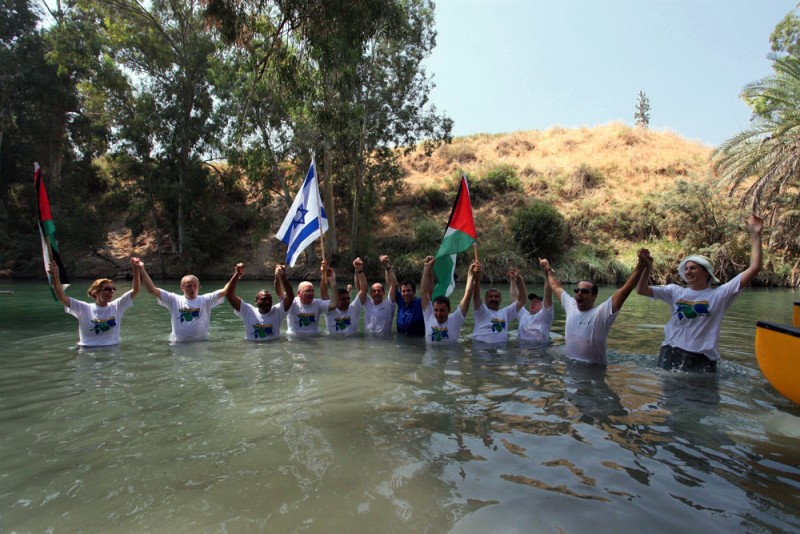
The Jordan River: Water allocation between Israel, Jordan, and Palestine is under strain from drought and population growth. While it was once a major river in the Levante area, the Jordan River today is a trickle of its former glory. Water diplomacy through groups like Friends of the Middle East – good friends to Green Prophet, may not only be averting crises, but is a path to peace and prosperity in the Holy Land.
EcoPeace at the Jordan River
The Tigris-Euphrates: Turkey’s dam projects and climate-driven drought are squeezing flows to Iraq and Syria. Turkey’s ambitious Southeastern Anatolia Project (GAP) includes more than 22 major dams and 19 hydroelectric plants across the Tigris and Euphrates basins, with key structures like the Atatürk and Ilısu dams. These have significantly altered and reduced downstream flows into Syria and Iraq.In Iraq, the Euphrates has seen over a 60% reduction in flow over the past two decades, while the Tigris has also shrunk alarmingly.
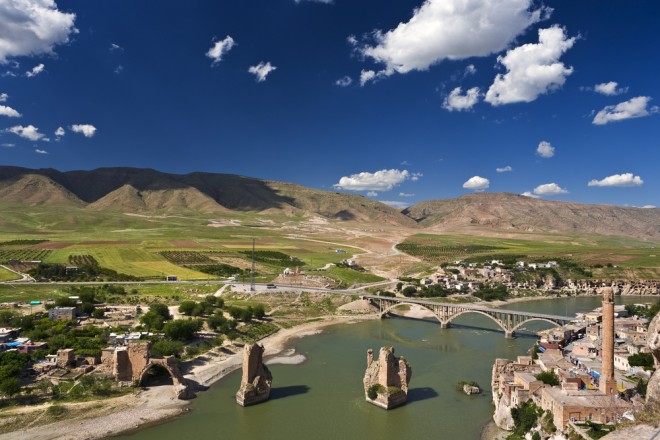
The Tigris River flowing through southeastern Turkey, where major dam projects are altering water flows to Iraq and Syria.
Climate Change as a Threat Multiplier
Rising temperatures, unpredictable rainfall, and more frequent droughts amplify existing disputes. Water scarcity can fuel unrest, as seen in Iran’s Khuzestan protests, and can undermine fragile peace deals in post-conflict states like Libya and Yemen.
While water can be a source of conflict—it is veritably a bridge to peace. As scarcity worsens, MENA nations must decide whether to compete for the last drops or collaborate for shared security. The coming years will test their capacity for water diplomacy.
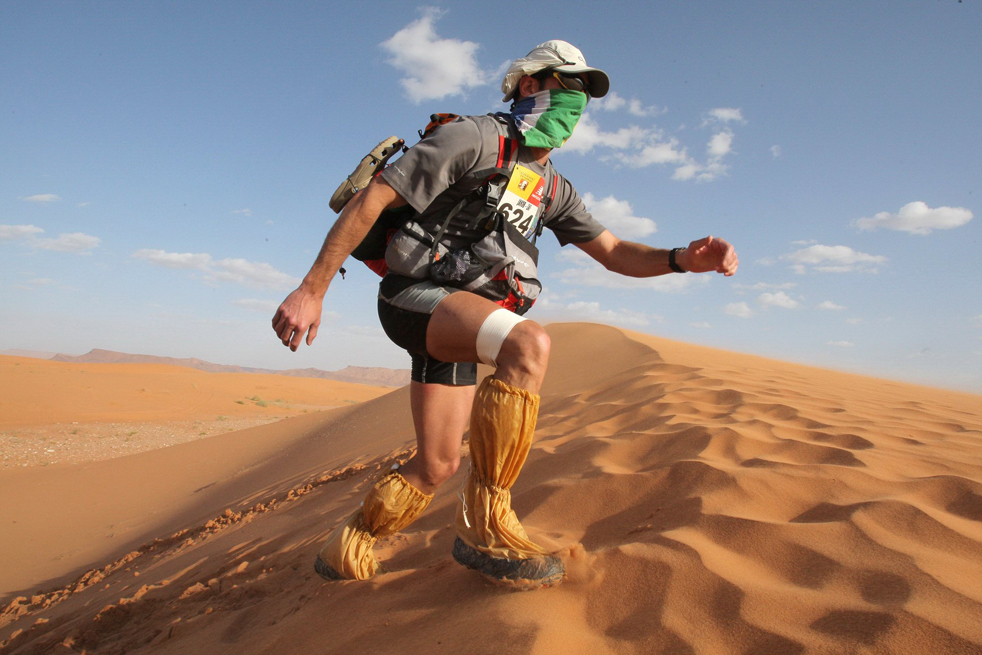
A competitor climbs a dune, during the third stage of the 24rd Marathon des Sables in the Sahara desert, some 300 kilometers, south of Ouarzazate, Southern Morocco.
A new prospective study from the Inova Schar Cancer Institute is prompting both curiosity and caution—suggesting that very high-volume endurance running might be linked to an increased risk of precancerous colon lesions. Dr. Timothy Cannon, co-director of the Gastrointestinal Cancer Program at Inova, noticed an unusual trend: ultramarathon runners under age 40 were presenting with advanced-stage colorectal cancer.
Troubled by this pattern, he initiated a clinical study to investigate if prolonged endurance running could be a factor. “These were otherwise healthy athletes with no known genetic predisposition or inflammatory conditions,” Dr. Cannon said. “Given that many runners describe bleeding after running … the intense physical stress of endurance training could be contributing to a higher likelihood of mutagenesis causing precancerous polyps,” he said.
Between October 2022 and December 2024, the study recruited 100 runners aged 35–50—individuals free of hereditary cancer syndromes or inflammatory bowel disease—who had completed at least five marathons or two ultramarathons. Each underwent a screening colonoscopy, with findings carefully evaluated by a panel of experts. The results were striking:
15% had advanced adenomas—precancerous lesions that are significantly higher than the typical 1–2% expected in average-risk individuals of the same age.
A larger group—41%—had at least one adenoma.
“It was a surprise to me—it was that many,” Cannon added, referencing the unusually high prevalence of adenomas in the cohort.”
Experts stress that this initial study is not definitive for various reasons:
The study was small, lacked a control group of non-runners, and remains unpublished in a peer-reviewed journal
Dr. Cathy Eng noted uncertainty: “Would [those polyps] have already been present regardless of their athletic status?”
Dr. Christina Dieli-Conwright emphasized, “I would hate to deter people from running … That would be unfair to running.” She described the findings as “thought-provoking” but in need of further research.
Until more research is done on non-runners, researchers propose a plausible—but unproven—mechanism: during prolonged intense exercise, blood is diverted away from the gastrointestinal tract, potentially leading to repeated intestinal ischemia (low blood flow), injury, and inflammation, which may foster precancerous changes.
Dr. Cannon underscores the importance of not discouraging exercise: “The bigger problem with our health is we don’t exercise enough. People should keep exercising, for sure.”
Yet he also urges vigilance: “I feel strongly that young runners who have blood in their stool after long runs … should receive screening. The good news is that screening can prevent advanced cancers.”
While not making headlines this month, the UAE’s cloud-seeding program continues to attract both attention and skepticism. Cloud seeding—dispersing substances like silver iodide or salt particles into clouds to encourage rainfall—has been part of the country’s water-security strategy for decades. The UAE’s National Center of Meteorology has long framed the practice as an innovative approach to supplement scarce freshwater resources in an arid climate.
Yet critics, particularly after the 2024 Gulf storms, have argued that the technology may worsen extreme rainfall events and flooding. During those storms, severe flooding inundated parts of Dubai and Abu Dhabi, prompting speculation on social media and in some regional outlets that cloud-seeding flights had intensified rainfall.
Officials and weather scientists have repeatedly rejected a causal link between cloud seeding and the floods. The UAE’s meteorological authorities have pointed out that storms are driven by large-scale atmospheric systems, and that cloud seeding cannot create storms from nothing—it can only enhance precipitation in clouds that already have potential for rain. The Times of India reported that international meteorological experts also dismissed claims that cloud seeding was a primary factor in the 2024 events, noting that the scale of rainfall was consistent with natural variability and climate-change-driven extremes.
This debate is instructive beyond meteorology. It illustrates how government-led interventions in environmental systems—whether in the atmosphere, the ocean, or on land—can be portrayed as bold solutions while also facing public doubt about unintended consequences.
Cloud seeding, like artificial reef construction or large-scale afforestation projects, often enjoys positive framing in official narratives and promotional campaigns. But without independent, peer-reviewed assessment, such projects can leave the public reliant on institutional claims. This information gap can breed suspicion, especially when interventions coincide with extreme or unexpected events.
Broader Implications
As America evaluates private climate-engineering companies like Make Sunsets, the UAE example underscores the need for:
Independent evaluation — Transparent, third-party assessments of environmental interventions.
Clear communication — Proactive public engagement on scientific limits and potential risks.
Data transparency — Open publication of monitoring results, allowing independent scrutiny.
These principles apply equally to ocean engineering projects, geoengineering proposals, and climate adaptation measures in other parts of the world. In each case, the balance between innovation and precaution determines not only the environmental outcome but also public trust. Since the UAE does not have a free press and does not accept criticism of its government it will likely take international pressure from the US and Europe to ensure that a regulatory body oversees cloud seeding projects undertaking in the UAE.
If you’ve ever imagined the Middle East and North Africa (MENA) region as forever sun-drenched and dry, recent flash floods may challenge that mental image. In just the past year, cities across MENA—from Dubai to Amman—have found themselves underwater after sudden, massive storms. These deluges aren’t freak weather—they’re a warning. And they’re finally forcing governments to rethink how cities are built, how water is managed, and how communities can adapt to climate change. We learn from an earthquake in Afghanistan that earthen buildings need to be retrofitted. What more can we learn?
A perfect storm of climate change, rapid urban growth, and geography is worsening flash flood risk across MENA:
Climate volatility: As temperatures rise, rainstorms become more intense. Dubai recently received double its annual rainfall in just 24 hours—an unprecedented event that shut down airports and submerged neighborhoods. Similar events have struck Oman, Saudi Arabia, and Bahrain.
Concrete jungles: Urban sprawl is replacing absorbing soil with impermeable concrete. Cities like Amman and Riyadh lack adequate drainage, causing stormwater to rush into streets rather than soak into the sand and soil.
Wadi danger zones: MENA’s dry riverbeds—wadis—can become deadly torrents during heavy rainfall. In conflict-ridden places like Libya and Yemen, flash floods worsen humanitarian crises.
Flash floods are no longer seen as once-in-a-lifetime disasters—they’re becoming recurring disruptors that demand new thinking:
Risk mapping ushers in smarter planning: Oman is actively mapping flood zones, classifying areas into high, medium, and low risk. Officials there are proposing 18 dams in vulnerable wadis to buffer future floods.
Regional cooperation is emerging: The newly proposed MENA-WaFFNet (MENA Flash Flood Network) aims to unify scientific efforts across countries—Morocco to UAE—improving how flash floods are predicted, monitored, and managed.
New tools are enabling early warnings: Programs like MEACAM offer real-time flood predictions to governments and communities, helping save lives before waters rise.
These policy shifts—from structural flood controls to science-backed warning systems—can change everything:
Safer urban design: Building flood-aware infrastructure—like absorptive pavement, green spaces, and smart drainage—can reduce damage and save lives.
Community resilience: Flood maps, early warnings, and local awareness empower residents to act before disaster strikes.
Climate readiness: Managing water wisely in flash flood scenarios complements drought planning and secures the delicate balance of desert-edge living.
Flash floods are teaching us that in MENA’s rapidly changing climate, ignoring water management is no longer an option. Every flood is a lesson—and now, that lesson is reaching city halls and planning ministries. Governments are finally acknowledging that deserts can drown. From dams to data networks, policy is finally catching up—and future-proofing may become the norm, not the exception.
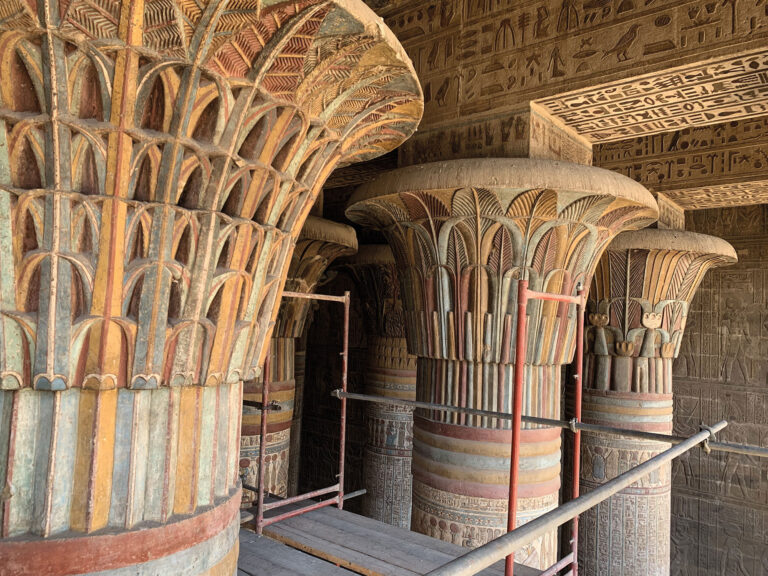
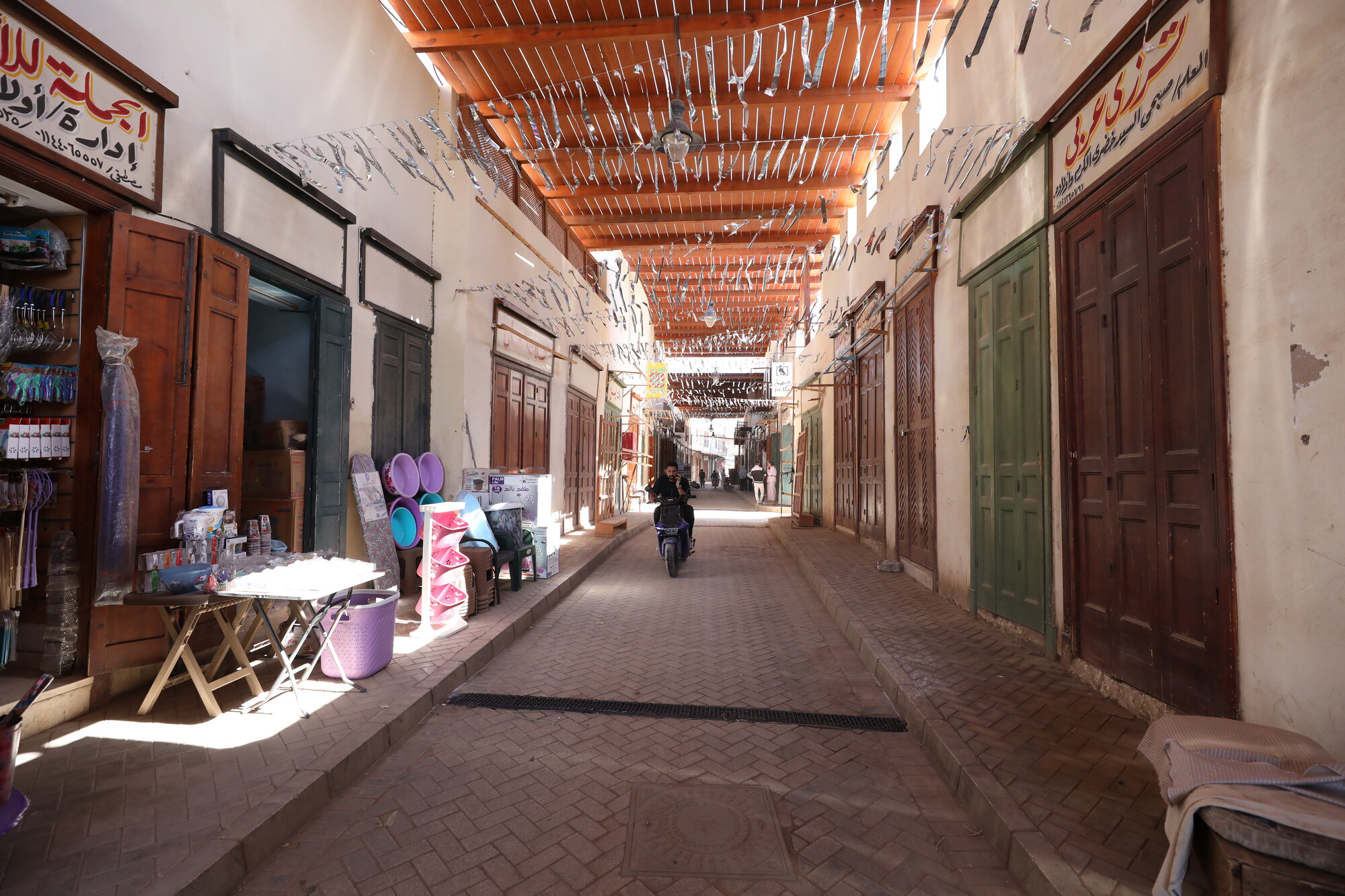
Esna’s revival turns a once-neglected Nile city into a vibrant hub where restored heritage, cultural tourism, and community enterprise work hand-in-hand.
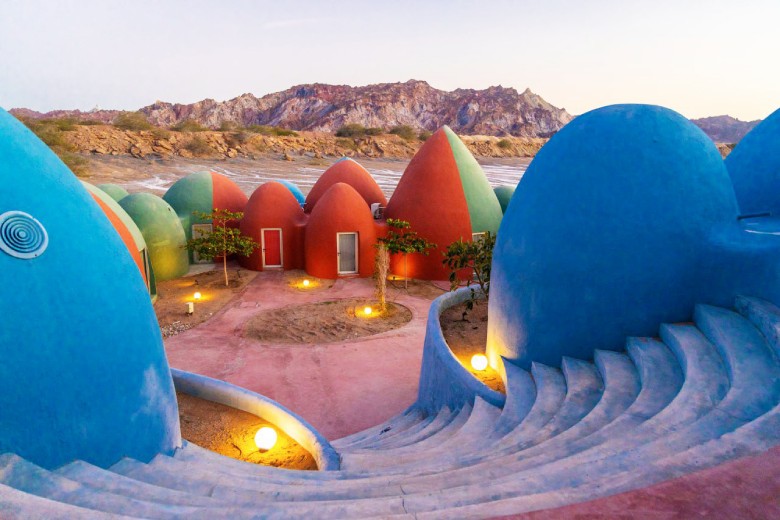
I’m always floored when architecture transcends gimmicks and becomes a force for good—design that’s not just beautiful, but meaningful, sustainable, and deeply rooted in community. That’s exactly why the winners of the 2025 Aga Khan Award for Architecture deserve our applause and attention.
On September 2 in Bishkek, Kyrgyz Republic, the independent Master Jury unveiled seven inspiring winners from the 2023–2025 cycle. Spread across Bangladesh, China, Egypt, Iran, and Pakistan, these projects blend climate adaptation, cultural preservation, education, and inclusive design—all powered by architecture’s quiet optimism. Collectively, they share a $1 million prize, but each brings its own vision of resilience and sustainability.
Let’s dive in to meet a few projects we love
Egypt – Revitalisation of Historic Esna
Once overlooked, Esna is now buzzing with restored architecture, cultural tourism, and grassroots economic life. A delicate balance of urban strategy and heritage preservation, showing how cities can heal through design.
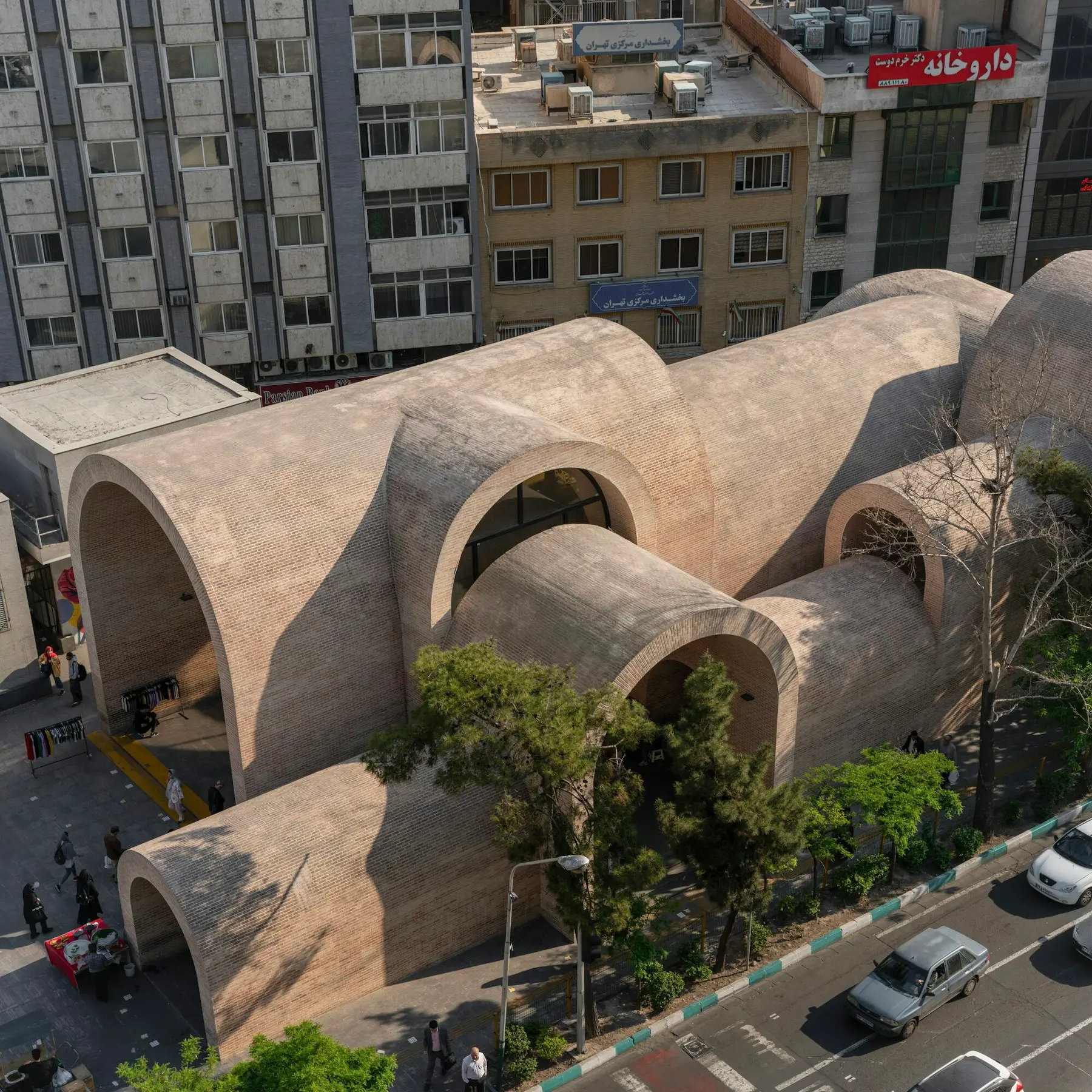
An old metro station has been reborn as a bustling pedestrian hub. The design honors Iran’s architectural DNA with handmade bricks, tying heritage and urban renewal into one warm, textural monument.
Why These Projects Matter for Sustainability
What unites these winners is more than materials and design—it’s a shared commitment to building systems that last, uplift, and connect. From modular flood-ready homes in Bangladesh to cultural revival in Esna, each project shows how architecture can foster resilience—socially, environmentally, and psychologically.
As Prince Rahim Aga Khan put it, the Award aims to “plant seeds of optimism—quiet acts of resilience that grow into spaces of belonging, where the future may thrive in dignity and hope.” And Farrokh Derakhshani reminds us: “Architecture … can—and must—be a catalyst for hope, shaping not only the spaces we inhabit but the futures we imagine.”
The Aga Khan is the hereditary title held by the spiritual leader, or Imam, of the Shia Imami Ismaili Muslims, a branch of Shia Islam. Today, the title is held by His Highness Prince Shah Karim al-Husseini, Aga Khan IV, who has led the Ismaili community since 1957. The position is both religious and philanthropic—the Aga Khan guides the faith of millions of Ismaili Muslims worldwide while also running one of the world’s largest private development networks: the Aga Khan Development Network (AKDN).
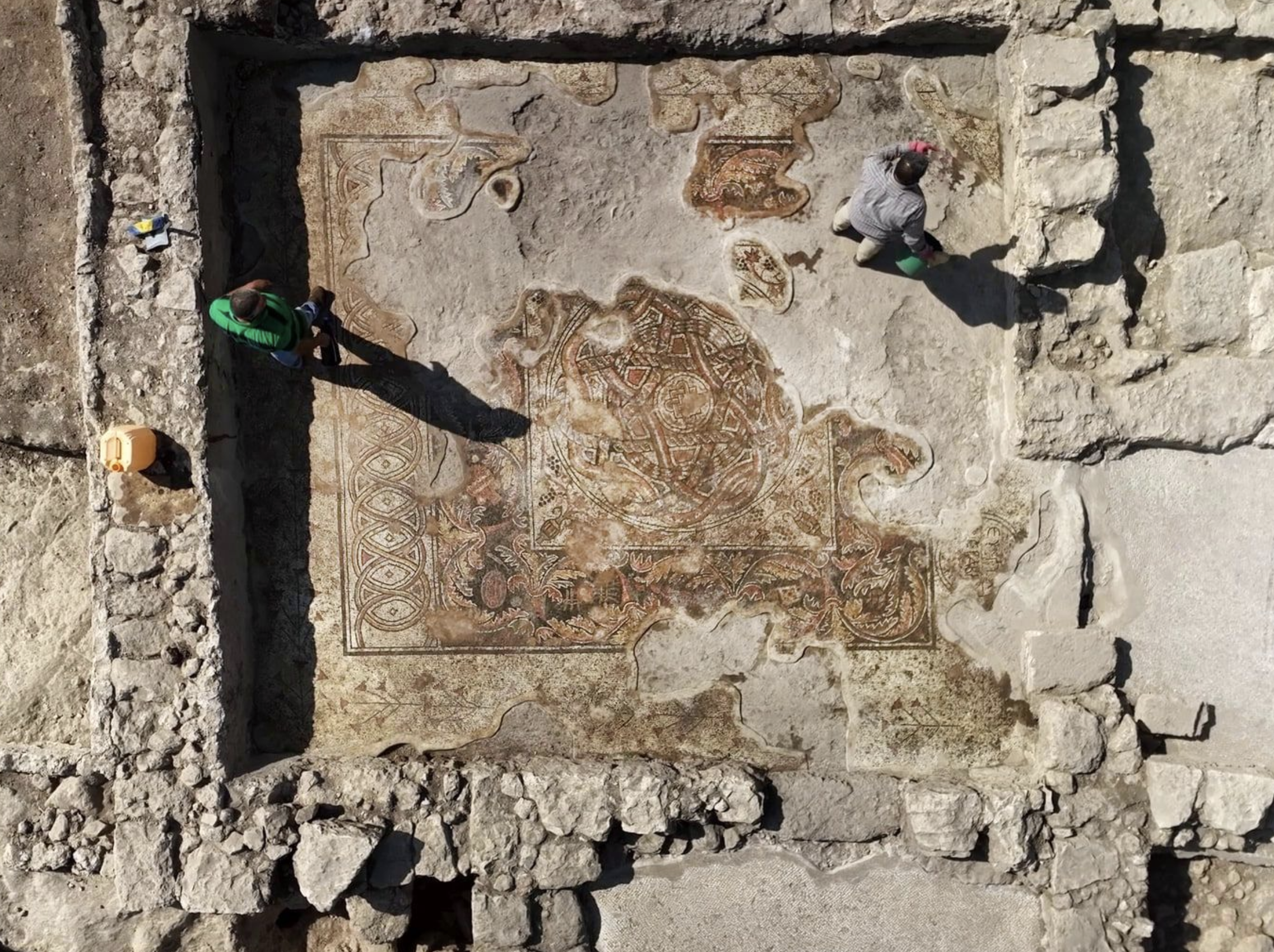
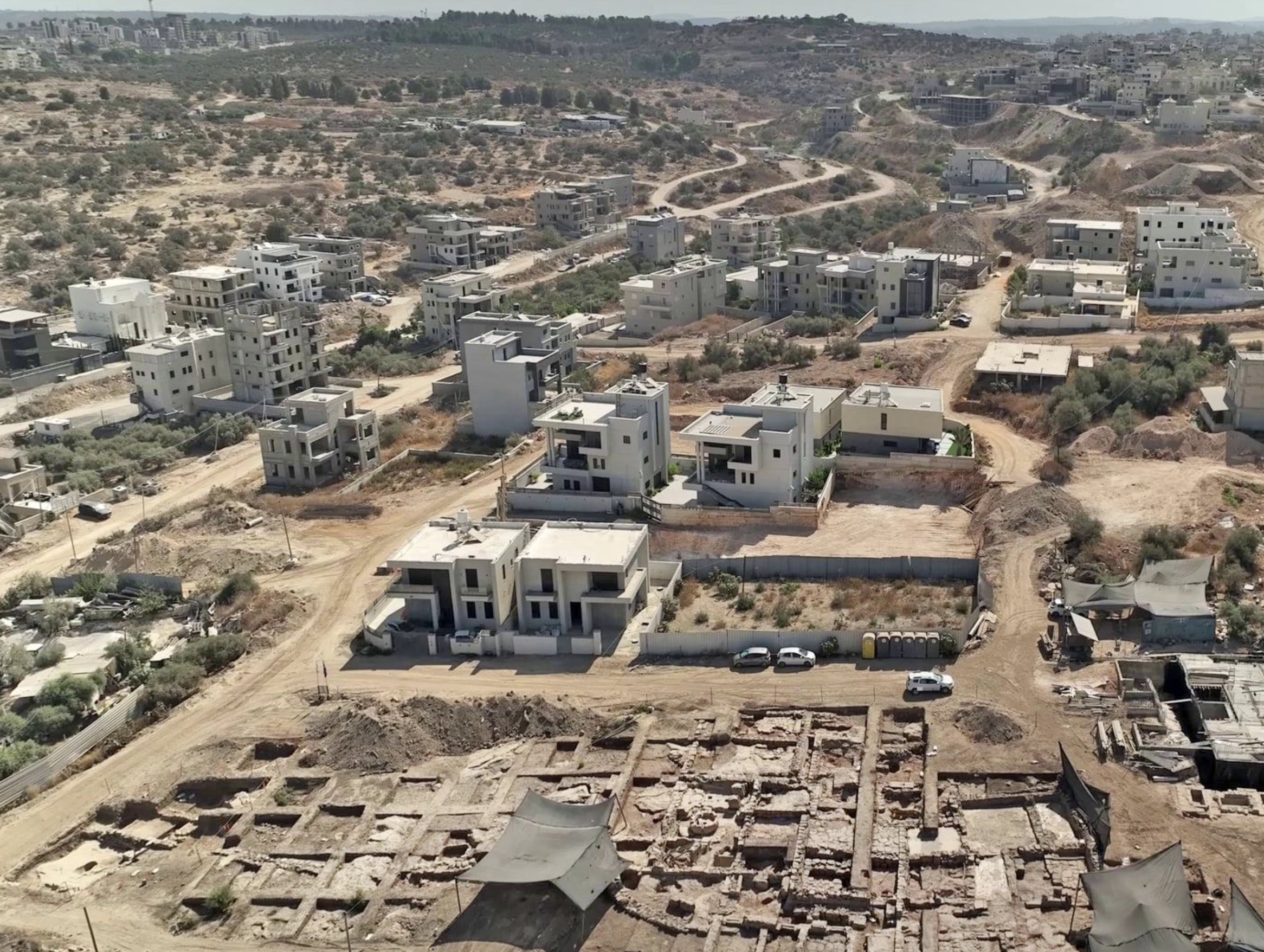
Imagine finding a 1,600-year-old farm that’s still telling stories about how people grew their food, shared resources, and lived with the land. That’s exactly what happened in Kafr Qasim, central Israel, where archaeologists uncovered a huge agricultural estate belonging to the Samaritans—an ancient community related to the Jewish people, who followed the Torah but had their own traditions and worship sites.
Today, the Samaritans are a small group of a few hundred people living in Israel and the West Bank. But 1,500 years ago, they were a thriving community spread across the region. This discovery is exciting not just for history buffs—it also offers clues about how ancient farmers worked with nature, ideas we can still use for sustainable farming today.
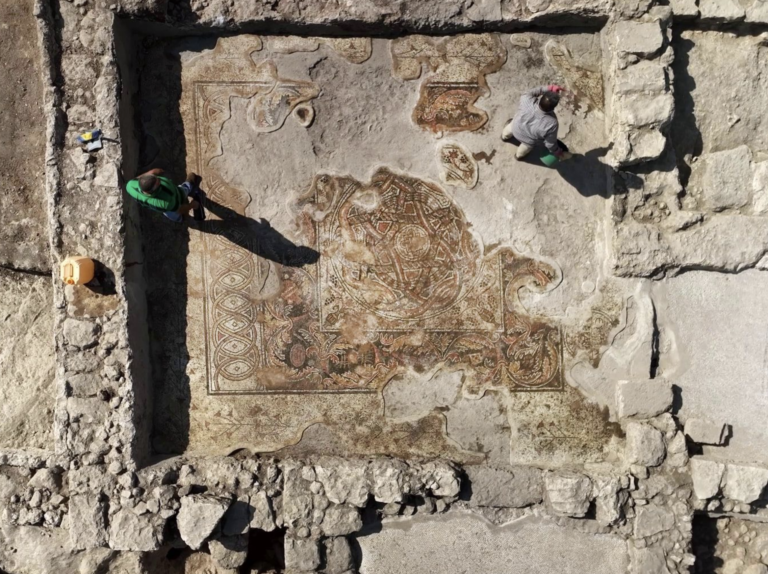
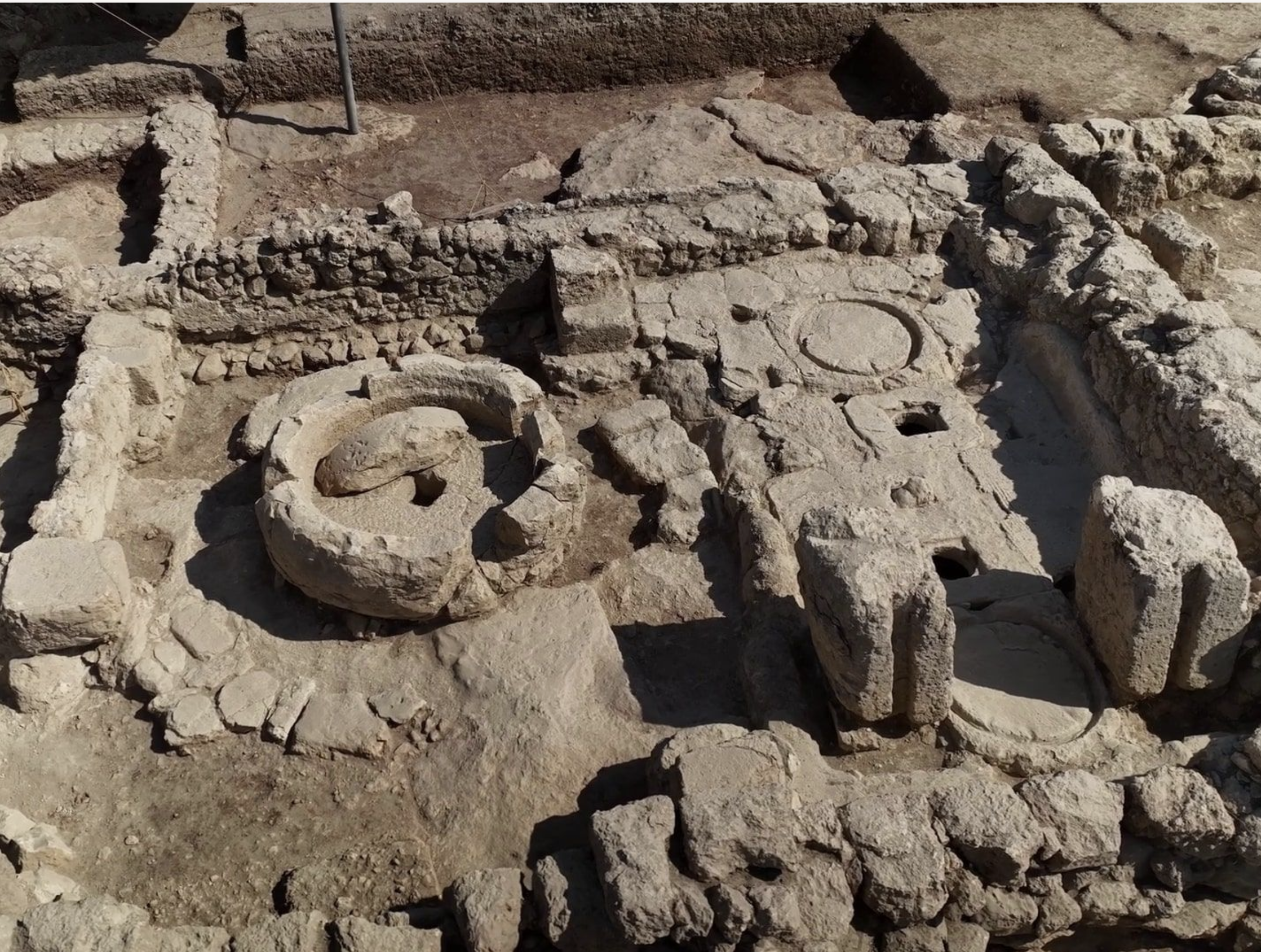
The excavation, carried out by the Israel Antiquities Authority (IAA) and funded by the Israel Ministry of Construction and Housing, revealed buildings decorated with colorful mosaics, an olive oil press, and even a public ritual bath known as a miqveh. The site is within Khirbet Kafr Ḥatta, a settlement that existed from the 4th to 7th centuries CE—spanning the end of the Roman Empire into the Byzantine period.
One of the most stunning finds was a large mosaic floor filled with patterns and pictures of plants and foods grown in the area—grapes, dates, watermelons, artichokes, and asparagus. At the entrance, a Greek inscription wished the homeowner “Good Luck!” It’s a personal touch that makes the past feel very close, like the people who lived there could walk back in at any moment.
Food, Faith, and Clean Production
North of the main house, archaeologists found a big olive press, a warehouse, and the miqveh. This layout suggests the Samaritans pressed their olives into oil while keeping the process religiously pure. The olive press had two wings—one for crushing and pressing, and another for storage and support rooms. This type of press was more common in Jerusalem and the Judean lowlands, meaning the Samaritans may have been borrowing ideas and technology from other regions.
Olive oil wasn’t just for cooking—it was used for lighting lamps, in medicine, and in religious rituals. Producing it locally, and with care for purity, meant the community could meet its needs without over-relying on outside trade. It’s a reminder that local, sustainable food systems are not a new idea—they’ve been around for thousands of years.
Over the years, the estate changed. Some of the fancy mosaic floors were damaged when new walls were built. Columns and capitals from older buildings were reused in new structures. The archaeologists think these changes may be linked to political unrest—specifically, Samaritan revolts against Byzantine rulers in the 5th and 6th centuries CE, when restrictive laws targeted religious minorities.
What’s remarkable is that, unlike other Samaritan sites destroyed in these uprisings, the Kafr Qasim estate survived and kept its Samaritan identity. Excavators even found ceramic oil lamps with Samaritan symbols, showing that the people stayed connected to their heritage despite outside pressures. That kind of resilience is something we still need in the face of modern challenges like climate change and food security.
Why It Matters for Sustainability
This site isn’t just about pretty mosaics or ancient artifacts—it’s about how people lived in balance with their environment. The Samaritans grew their own food, processed it locally, reused building materials, and built infrastructure to last generations. These are all practices that fit into modern ideas like the circular economy and permaculture.
By studying ancient estates like this, we can see what worked for communities over centuries—and what led to their decline. It’s a chance to learn from both the successes and mistakes of the past, whether it’s about farming techniques, water management, or adapting to political change.
According to Israel’s Minister of Heritage, Rabbi Amichai Eliyahu, the find tells “another chapter in the shared story of the Jews and the Samaritans… communities that lived by the Torah, shared common roots, and experienced similar hardships.” For archaeologists, it’s a chance to piece together centuries of history; for the rest of us, it’s a reminder that sustainability isn’t just a modern buzzword—it’s a way of life humans have practiced, and sometimes forgotten, for millennia.
Berkeley startup Copper closes a Series A to scale a new class of “battery-in-appliance” induction ranges that plug into standard outlets, potentially reshaping kitchens, buildings, and the grid.
Battery-equipped induction stoves just took a major step toward the mainstream. Copper—maker of a 120-volt, plug-in induction range with an internal battery—raised $28 million to expand production and enter new markets. As American consumers race to replace their polluting indoor gas stoves and ovens with solutions that work, Copper is a step in the right direction.
The financing was led by climate-focused investor Prelude Ventures with participation from Building Ventures and existing backers Voyager, Collaborative Fund, Climactic, Designer Fund, Necessary Ventures, Leap Forward Ventures, and Climate Capital.
The round comprises equity and venture debt. Prelude Ventures led the Series A; the company also confirmed venture debt in the capital stack. “Copper has built a category-defining company… we were particularly impressed with the team’s relentless execution and the strength of their patent portfolio covering batteries in appliances,” said Mark Cupta, Managing Director at Prelude Ventures.
Copper CEO and co-founder Sam Calisch added, “This new capital will enable Copper to scale into additional products, helping millions upgrade their homes, ditch gas, and support the clean grid.”
Copper – only $6000 to replace your gas stovetop and oven
Most induction ranges require a 240-V circuit and an electrical panel upgrade—an expensive non-starter in older buildings. Copper’s range plugs into a standard 120-V outlet; its built-in battery supplies bursts of extra power when needed for searing or boiling. That design slashes installation cost and complexity for landlords and homeowners, accelerates gas-to-electric switching, and opens the door to using millions of small, distributed batteries as flexible grid resources.
The model is already landing fleet-scale deals. New York City’s Housing Authority (NYCHA) selected Copper for a $32 million program to install 10,000 stoves in public-housing apartments—part of a push to reduce indoor air pollution and electrify kitchens without rewiring buildings.
Beyond cooking, embedded batteries can form a virtual power plant (VPP)—so appliances help the grid ride through peaks and avoid gas peaker plants. Copper piloted a California VPP in 2024; broader analyses show VPPs can deliver substantial capacity and consumer savings if programs are funded and scaled.
The science and public-health case for switching from gas
For renters and homeowners, a plug-in induction range removes the need for an electrician and panel upgrade, delivering fast, precise heat and cooler kitchens. Early reviews have praised performance; press reports put retail pricing around $5,999 for Copper’s least-expensive model, with potential incentives available depending on location and policy. $6 grand for a stove is a luxury item that we believe will limit buy-ins, but which will accelerate copy-cat appliance makers, especially from China, to fill the void for lower income earners who want to get rid of gas appliances.
Copper’s financing signals investor appetite for electrification that solves retrofit pain points and unlocks grid value. Expect copycats and adjacent products (battery-equipped heat-pump appliances, water heating, and laundry) to follow.
The company says it will expand its platform into additional products—with patents covering batteries in appliances providing defensive moats.
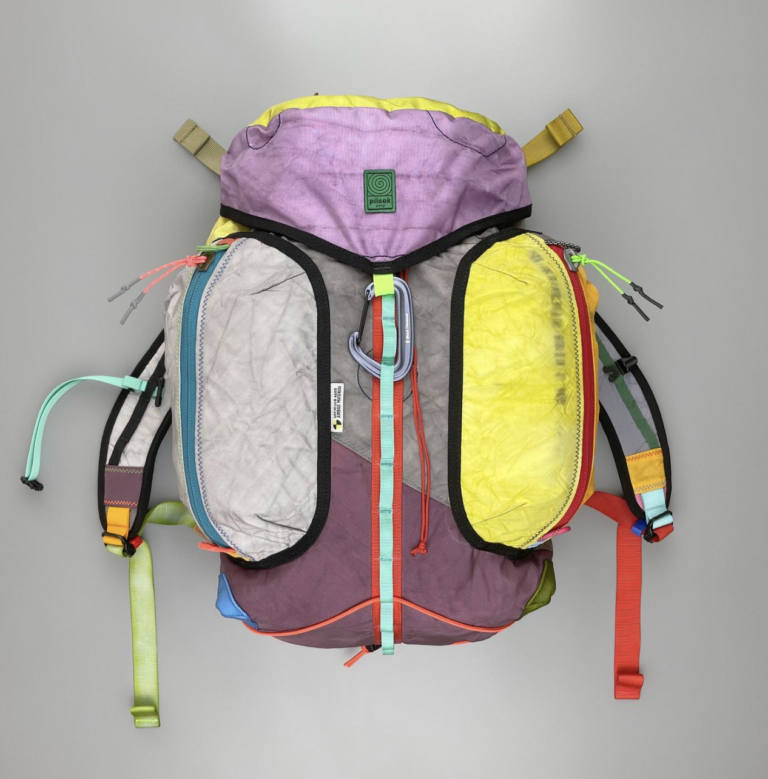
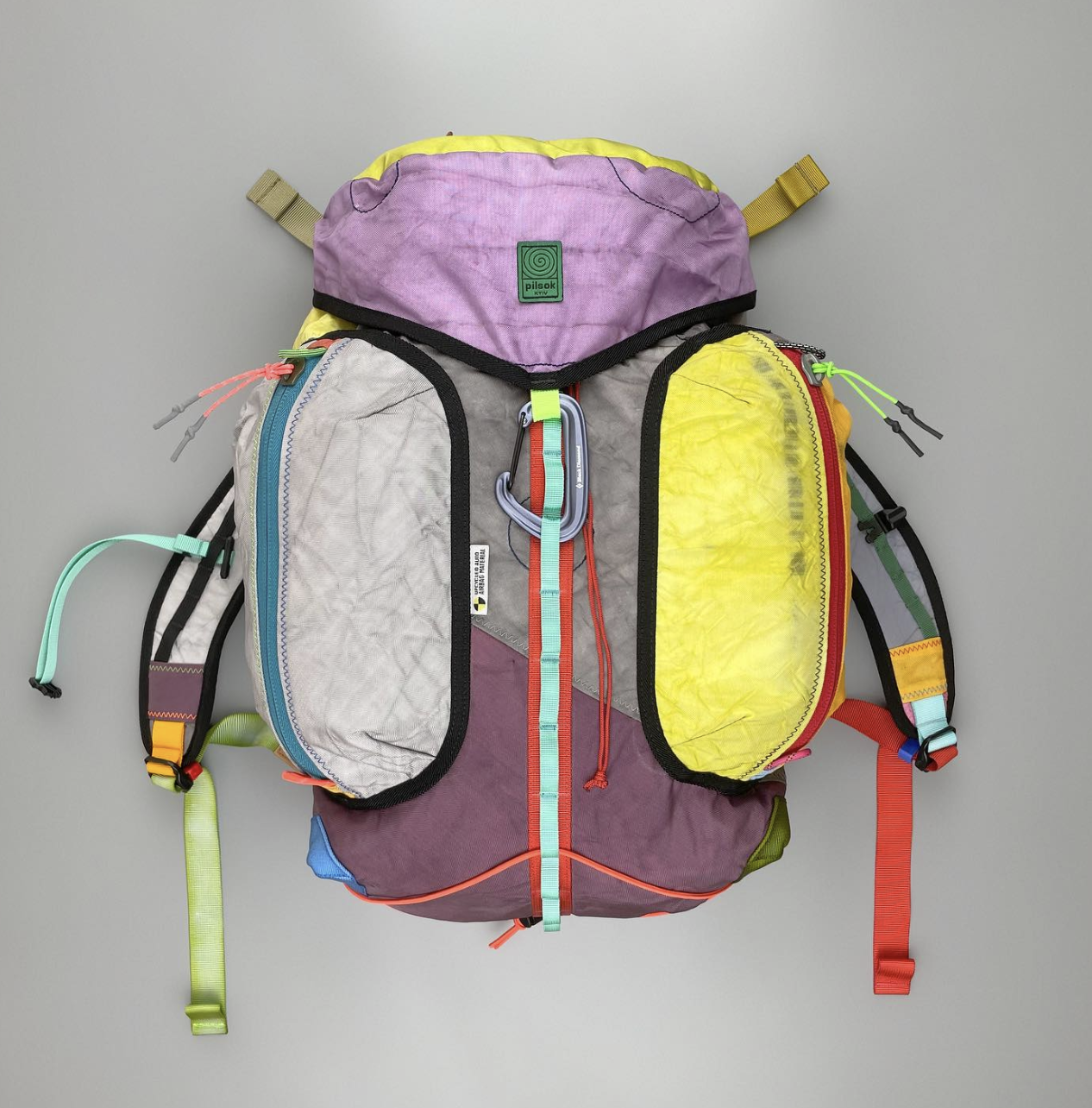
What happens to a car’s airbag after it’s decommissioned? In Kyiv, the answer is unexpectedly stylish. Pilsok, a Ukrainian accessories label founded in 2007, has released backpacks and shoulder bags cut from retired airbags—light, durable nylon engineered to save lives now saving materials from landfill. The team explained that it can take “about three airbags to create one backpack,” and that they “came across airbags taken from disassembled cars” after testing other surplus materials.
Pilsok says the bags are cut and stitched in-house in Kyiv, with each piece reflecting the folds, seams and printed codes of the airbag it came from—making every bag unique by design.
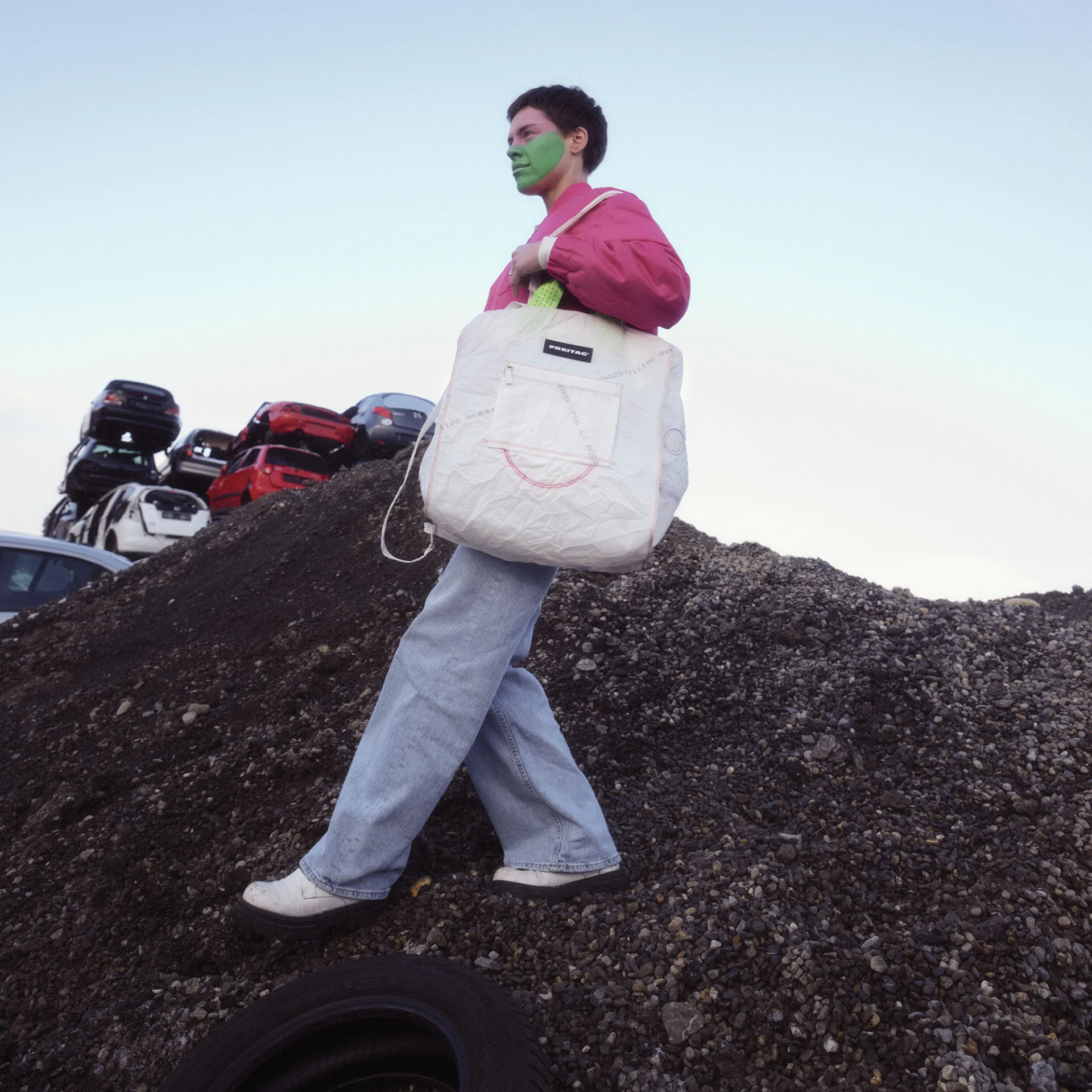
Pilsok isn’t alone. In Zurich, FREITAG launched the F700 ARROW and F708 FIREBIRD shoppers “made from accident-free airbags and used tension belts,” embracing a “bag-follows-form” approach that preserves the original folds and shapes.
FREITAG, F700 bags made from airbags
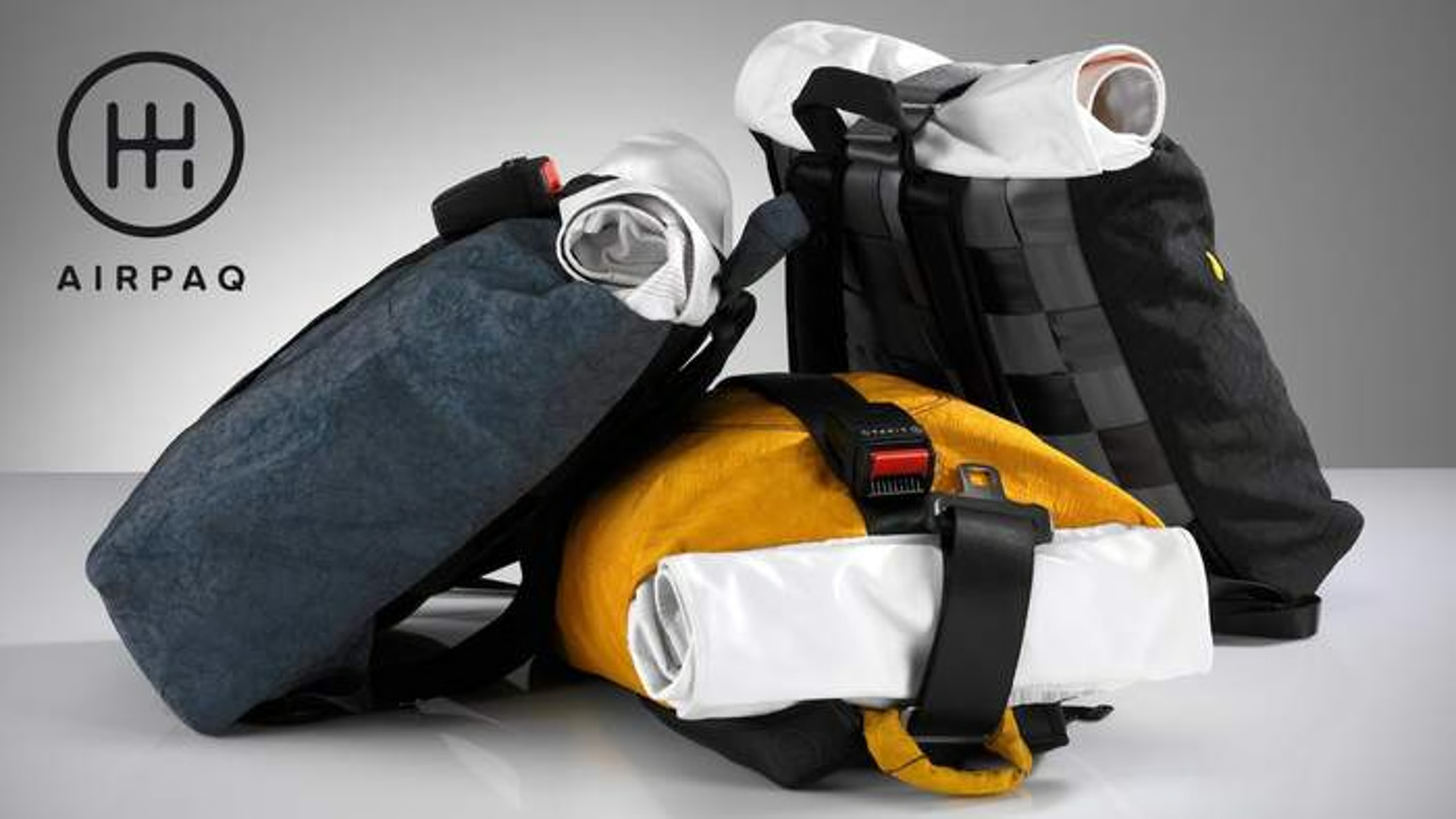
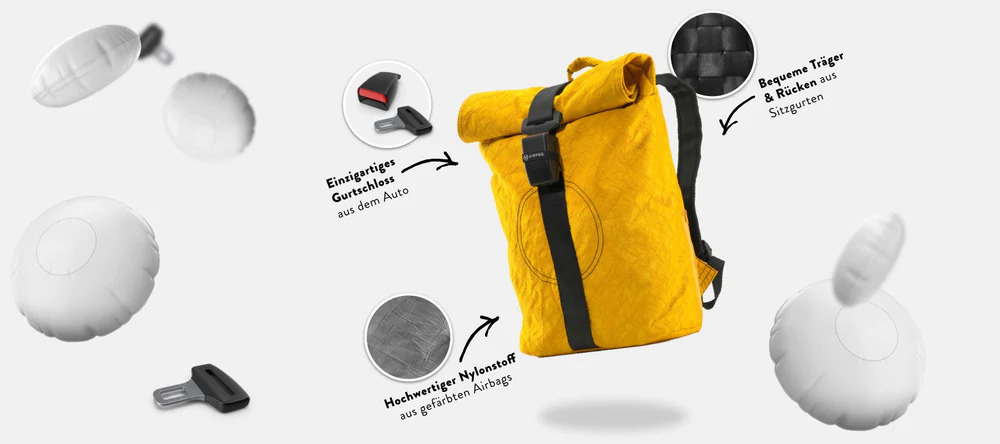
Germany’s AIRPAQ manufactures backpacks and accessories by reusing “discarded car airbags, seat belts, and belt buckles,” and has been recognized by European retail and innovation programs for circular design.
Airbag textiles are engineered for extreme stresses—lightweight, tear-resistant, and stable when stitched—so they’re a natural fit for durable day bags. Upcycling research also shows that objects with a visible “prior life” can carry stronger emotional stories, nudging buyers toward repair and long use. As one study neatly put it, “turning an old car airbag into a backpack.
20 years of R-R-R: what’s next
Two decades into mainstream Reduce–Reuse–Recycle, fashion’s center of gravity is shifting from one-off “eco” drops to circular design—materials that can loop, products built for repair, and business models that favor take-back, refurbishment, and resale. The upcycled-airbag movement is one thread in a larger fabric: premium brands are trialing biobased and compostable polymers, experimenting with “living” or self-healing materials, and investing in traceability so customers can see a product’s full story. For a deeper dive into how circular design is maturing, see Green Prophet’s analysis of what circular design means in 2025.
Pilsok’s work is a pragmatic, local example of circularity: identify a high-performance waste stream (retired airbags), design with its constraints (panels, folds, labels), manufacture locally, and make repairable, long-lived products. It sits comfortably alongside other stories we’ve tracked at Green Prophet—from aviation upcycling to new materials—showing how design thinking has matured since the early days of R-R-R.
Havie founders making aprons from old tents in Jaffa
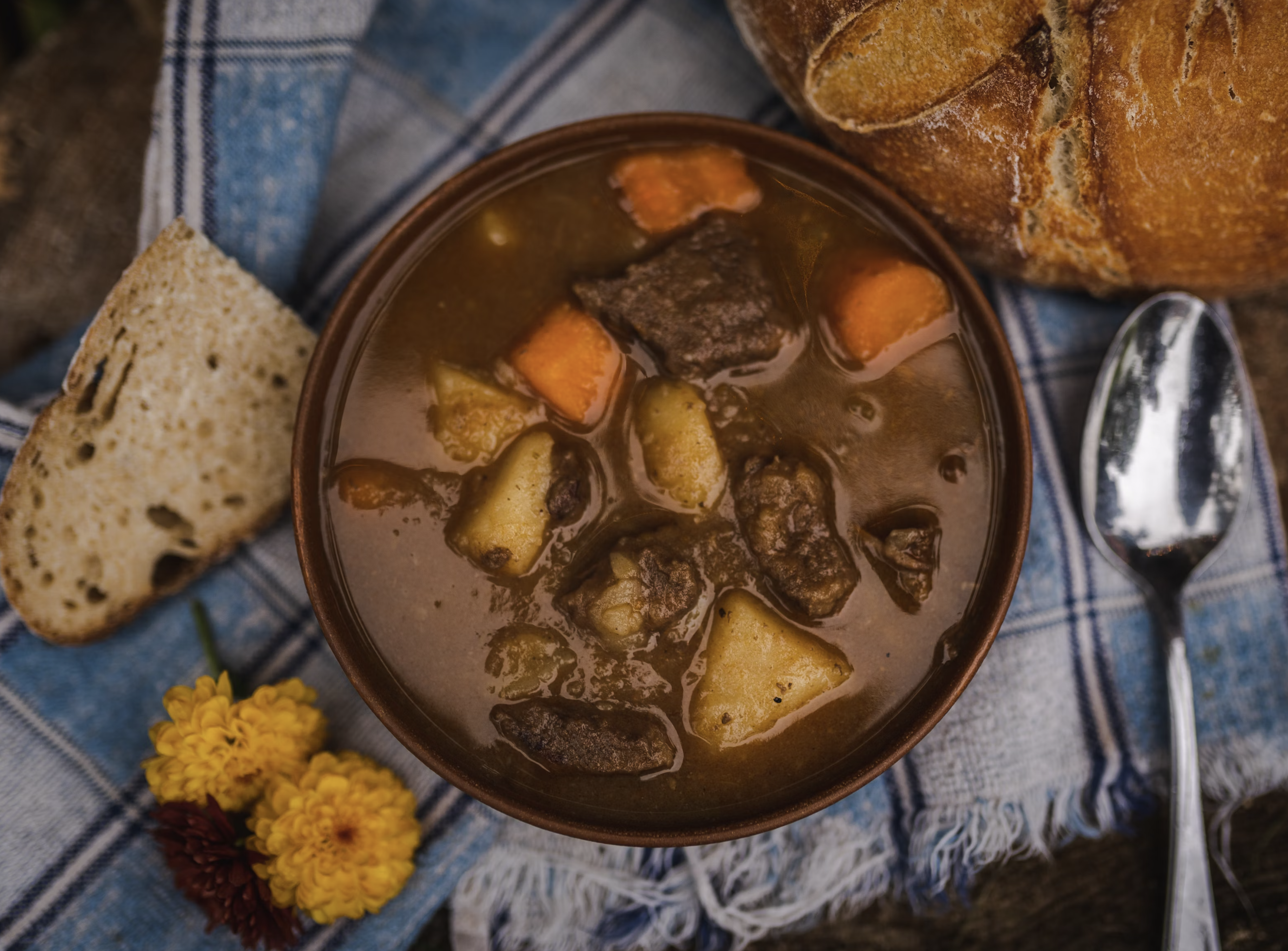
Could one pot of stew last for decades—or even a century? Cooks in several traditions say yes. The idea behind a perpetual stew is simple: a pot of broth or stew is served, replenished, and carefully maintained so that its base is never completely replaced. In Chinese kitchens, a related practice is the master stock used to braise meats; some restaurants claim to have maintained the same stock—continuously refreshed—for generations. The value isn’t mystical; it’s about disciplined food safety and the remarkable flavors that develop when a broth is nurtured over time.
Long-lived stews and master stocks depend on strict routines. The liquid is brought to a full rolling boil at least once every 24 hours, then strained to remove perishables that could spoil, topped up with fresh water or stock, and rapidly cooled. In modern kitchens the pot is refrigerated between boils. If the liquid is neglected, turns sour, or shows off odors, it must be discarded. When the cycle is respected, the result is a stable, intensely flavored broth that can be maintained for years.
Why this tradition is sustainable?
Perpetual stews minimize waste by turning bones, trimmings, and leftovers into nourishment instead of landfill. Energy use can also be efficient when the stock is heated alongside other cooking. The method encourages seasonal, local eating: whatever is fresh—greens, grains, legumes, or scraps from the day’s prep—can go in, keeping the pot aligned with what’s available and affordable.
Perpetual stews sit comfortably in the wider world of fermentation—another time-tested way to coax nutrition and flavor from simple ingredients. For deeper context, see our conversation with fermentation pioneer Sandor Katz, “a conversation about fermentation for the future”, and our early review of his classic, Wild Fermentation. Fermentation know-how pervades everyday foods: from homemade kombucha and the rise of hard kombucha to naturally leavened breads like the sourdough starter you can culture on your counter and the pragmatic schedule that keeps it alive.
Kefir is a type of fermented milk that may help manage blood sugar, lower cholesterol, and boost digestive health, among other benefits. However, more evidence is needed to back some of these claims. The name kefir comes from the Turkish word “keyif,” which refers to the “good feeling” a person gets after drinking it.
But, perpetual stew isn’t fermentation; it’s a cooked, frequently reboiled system designed to remain safe through heat, hygiene, and refreshment. Fermentation relies on beneficial microbes to transform raw ingredients at cool temperatures. Both methods extend shelf life, reduce waste, and build flavor, but they operate on different principles. In a sustainable kitchen they complement each other: fermented vegetables, breads, and drinks provide live cultures and bright acidity, while a master stock adds savory depth and turns scraps into meals.
If you want to try this at home for a week or more, keep the process simple and consistent. Start with a clean pot and a base of bones or vegetable trimmings, simmer gently to extract flavor, strain, and cool. Each day, bring the stock to a rolling boil for several minutes, skim, add fresh aromatics and water to restore volume, strain if needed, and refrigerate promptly. Use the broth to poach beans and grains, braise vegetables, or fortify stews; return the remaining liquid to the pot and repeat. If anything smells off, don’t take chances—compost it and start over.
Century-old master stocks are best thought of as a continuous practice rather than a single unchanged liquid. The flavor “memory” persists because yesterday’s molecules mingle with today’s additions, but safety depends on today’s boil, today’s strain, and today’s cooling. The concept echoes fermentation’s long arc through food and even technology—think of early bioprocess breakthroughs like Chaim Weizmann’s acetone-butanol fermentation—reminding us that microbes and time are powerful allies when we work with them responsibly.
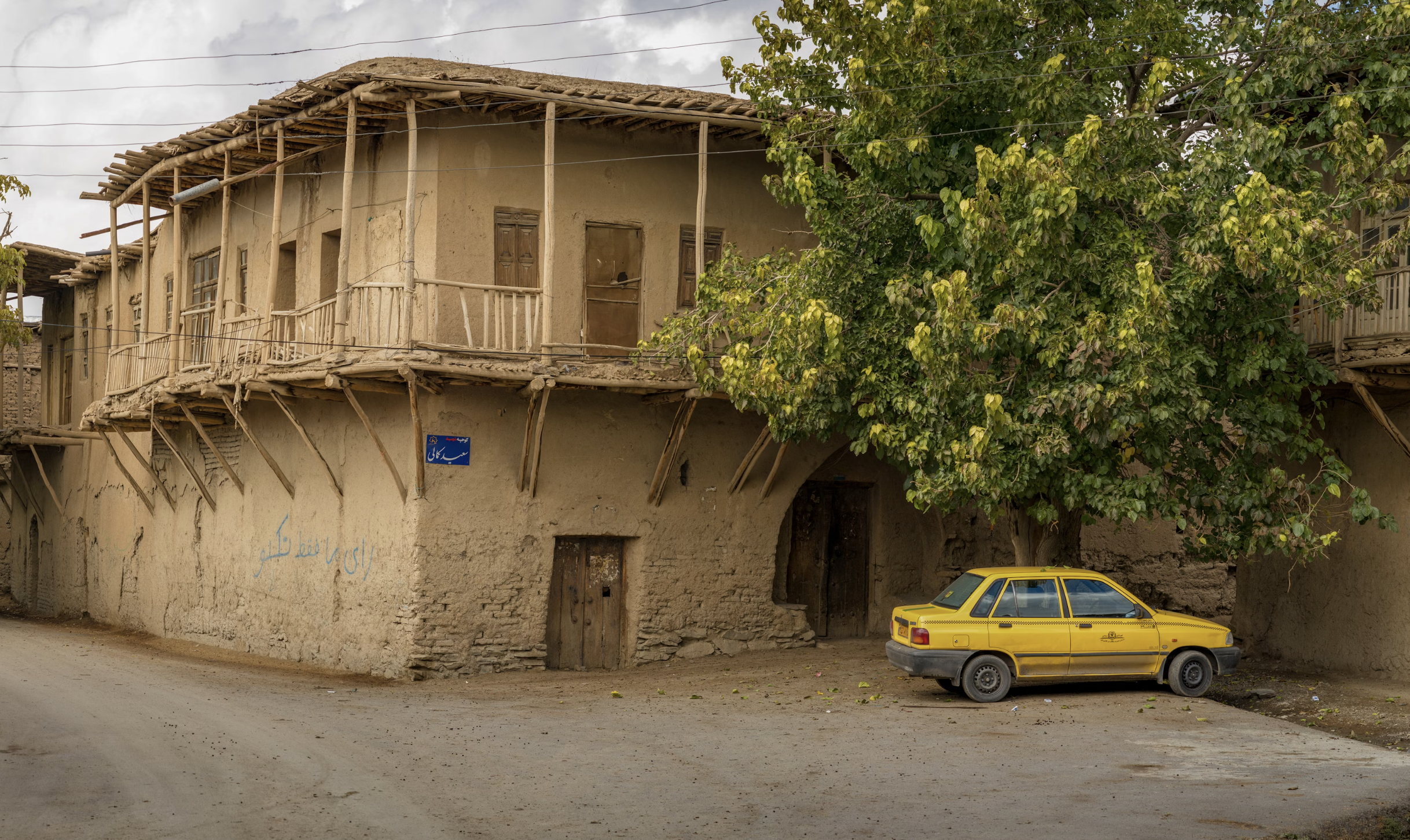
Mud brick home in Iran. Upgrades can be made so earth homes are seismic resistant.
Eastern Afghanistan was struck late on September 1, 2025 by a shallow magnitude-6.0 earthquake centered in the rugged Kunar region near the Pakistani border. Officials reported at least 800+ deaths—rising to 812 in some tallies—and thousands injured, with the worst destruction in Kunar and neighboring Nangarhar. The timing at night, the shallow focus (around 10 km), and the remoteness of mountain villages amplified the toll as whole clusters of homes failed.
Rescue teams faced blocked roads and difficult flying conditions after intense rainfall in the preceding 24 to 48 hours triggered landslides and rockfalls, cutting off communities and slowing evacuations by helicopter. An officer with the UN Office for the Coordination of Humanitarian Affairs noted that saturated slopes and debris left many routes impassable.
Why so many mud-brick homes failed
Mud-brick (adobe) is ubiquitous across Afghanistan because the materials are local, low-cost, and low-carbon. But unreinforced earthen walls are heavy and brittle; when shaken laterally they can crack and overturn suddenly, especially where construction lacks ring beams, vertical ties, or quality workmanship. Earthquake engineering guidance has long documented life-safety weaknesses in unreinforced adobe and the measures that improve performance.
Rainfall made matters worse. Raw earth loses strength when saturated; prolonged rain can erode foundations and soften wall toes, while shaking then pushes already weakened walls past failure. Where houses sit on steep slopes, the same rain that undermines walls also lubricates soil and colluvium, priming slopes to slide.
Quakes often trigger slides in mountainous terrain, but exposure and damage are magnified by land-use choices. Across Afghanistan, decades of conflict and poverty have driven deforestation, unmanaged road cutting, and settlement on unstable slopes—factors known to reduce slope stability and raise landslide risk. Reports and assessments highlight extensive forest loss in the northeast (including Kunar and Nuristan), widespread land degradation, and the role of road benches and slope undercutting in failures.
Earthen construction can be made significantly safer with well-known, low-tech improvements—without abandoning the sustainability advantages that make it attractive. International guidance specific to Afghanistan and to earthen buildings more broadly points to solutions that local masons and communities can apply with training and modest materials.
How to build back safer—while staying sustainable
Start with the site. Avoid active gullies, landslide scars, and steep toes of slopes; set houses back from cut slopes and stream banks; provide perimeter drains and raised plinths so foundations stay dry. Simple slope-stabilizing works (such as properly designed cut slopes and gabion retaining where essential) reduce local landslide risk.
Tie the structure together. A continuous bond (ring) beam at wall tops, laced to vertical elements, helps walls act as a unit. Buttresses or pilasters at corners and long wall runs, improved connections at wall intersections, and light, well-anchored roofs limit out-of-plane wall failures. Even cane, timber, or welded-wire mesh embedded in earthen walls can add crucial tensile capacity.
Stabilize the earth. Where budgets allow, stabilized earth mixes (with lime or other binders appropriate to local soils) improve moisture resistance and strength. Good soil selection and compaction, consistent lift heights, and high-quality plaster with fiber reinforcement limit cracking and water ingress.
Many at-risk homes can be upgraded in place: add ring beams and corner stitching; “wrap” walls with mesh and new plaster; stitch cracks; improve foundations and drainage; and strengthen openings with lintels and jambs. UN-Habitat’s post-disaster housing guidance emphasizes that staged, low-cost retrofitting can save lives quickly.
Learning from regional vernacular—without romanticizing risk
Across North Africa and the Middle East, long-lived earthen settlements like Ghadames in Libya, Syria’s beehive houses, and desert hospitality built around qanat water systems show how form, orientation, and thermal mass serve people and climate—knowledge that can be paired with seismic detailing rather than discarded.
For those exploring resilient off-grid typologies, see our primers on Earthships and this earlier guide on how they work, as well as practical accounts of earth-bag homes and concise principles of sustainable architecture. For a lighter take on low-tech cooling ingenuity, even Afghan taxi “windcatchers” have inspired DIY adaptations for heat resilience. Read that here.
The September 1 earthquake was a geologic shock compounded by saturated slopes and decades of environmental pressure. Unreinforced mud-brick failed catastrophically, but earthen homes do not have to be death traps. With careful site selection, drainage, ring beams and ties, better detailing around openings, and pragmatic retrofits, communities can keep the carbon savings of earth while gaining the life-safety benefits of modern seismic practice. The science and practical manuals exist; the challenge is organizing materials, training, and support to deploy them quickly and fairly in the mountains where they are most needed.
The latest bid to break Gaza’s naval blockade launched from Barcelona on Sunday under the name Global Sumud Flotilla. Around 20 boats began the voyage, but by Monday, strong winds reaching about 30 knots forced the convoy back to port. It’s a rough beginning that weather-watchers say could have been foreseen at this time of year. Some of the smaller vessels are not built for such conditions, raising the possibility that not all will make it into the eastern Mediterranean.
Organizers still expect reinforcements en route. The initial 20 vessels are set to be joined by others from ports along the Mediterranean, and CNN has reported that as many as 70 different types of watercraft could ultimately take part. That outlet’s suggested arrival dates of September 14 or 15 have been called unrealistic by some observers, but the scheduling appears designed to coincide with the high-profile UN General Assembly in New York later in September—timing that could amplify the mission’s political impact. The United States has currently blocked Palestinians from acquiring visas to attend the event.
The stated aim, if the flotilla sets out again, is to create a humanitarian sea corridor to deliver food, water, and medical aid to Gaza, where the war has deepened shortages and triggered UN warnings of famine. Given the logistical challenges that Israel and US-oriented aid organizations face with Hamas looting the proscribed aid from civilians in Gaza, it is not clear how even 20 boats of supplies will be able to make a more impactful dent in the situation.
“Sumud”, Arabic for steadfastness, is both a name and a mission statement. This initiative brings together the Global Movement to Gaza, the Freedom Flotilla Coalition (FFC), the Maghreb Sumud Flotilla, and Sumud Nusantara from Southeast Asia. The alliance says it plans multiple convoys of small, civilian vessels traveling in waves, aiming to reach Gaza by sea where land routes are restricted or closed.
Unlike earlier single-vessel sailings in 2025, this is a coordinated fleet. The core convoy departed Spain at the end of August, with other launches expected from Tunisia and additional ports around September 4. Organizers say representation spans six continents.
Who is on board?
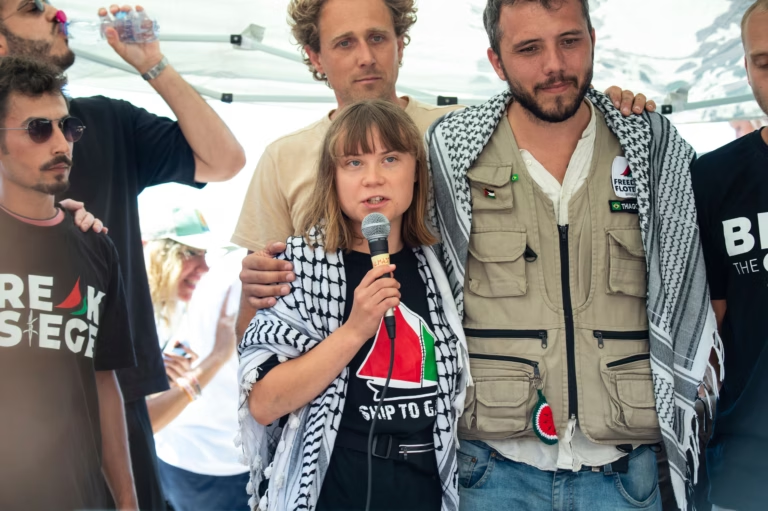
Publicly named participants include Greta Thunberg, former Barcelona mayor Ada Colau, Portuguese MP Mariana Mortágua, and actor Liam Cunningham, alongside doctors, sailors, clergy, lawyers, and aid workers. Delegations represent dozens of countries, with hundreds of individuals in total.
The steering committee features Thunberg, historian Kleoniki Alexopoulou, rights advocates Yasemin Acar and Melanie Schweizer, and Palestinian activist Saif Abukeshek, among others. For security, many details about exact routes and schedules are withheld.
The operation is powered by grassroots fundraising. Crowdfunding campaigns run through platforms such as Chuffed (Global Sumud Flotilla), WhyDonate (e.g., the Dutch delegation), and donation portals hosted by Nonviolence International for US Boats to Gaza. These appeals cover costs for vessel hire, supplies, fuel, communications, safety gear, legal teams, and crew travel.
Budgets and donor lists are not fully public, but individual campaigns in the Netherlands, UK, and Ireland have posted funding updates online. No credible evidence has surfaced of direct government sponsorship.
Why now?
Israel’s naval blockade has been in place since 2007, following the takeover of Gaza by Hamas, a group designated as a terrorist organization by Israel, the United States, the European Union, and others. Israel maintains that under international law it has the right to prevent weapons and military equipment from reaching Hamas, and that the blockade is a security measure to protect its citizens from rocket fire and other attacks. Supporters of the flotilla reject this justification and argue that the policy amounts to collective punishment of Gaza’s civilians.
The current war—sparked by Hamas’s October 7, 2023 attacks that killed 1,200 people and resulted in 251 hostages—has brought severe aid restrictions. International agencies warn of worsening hunger. Organizers of the flotilla say a maritime route is urgently needed; Israel has consistently intercepted past blockade challenges. America attempted to build a dock for a marine route to aid, but fierce winds ripped the multi-million dollar pier apart not long after construction.
This is the largest effort since the deadly 2010 Mavi Marmara incident. Weather, port permissions, and the threat of interception remain immediate concerns.
Green Prophet has tracked this story from the beginning:
Greta Thunberg’s role: climate abandoned—or broadened?
Thunberg is a named member of the Sumud steering committee. Her participation has raised questions in the climate community about whether she’s shifting focus from environmental activism to high-profile geopolitical causes. Her track record in 2025 suggests otherwise. She has stayed active on climate issues—continuing her Fridays for Future work, joining mass protests at Norway’s largest oil refinery in August, and pursuing legal action in Sweden (despite the Supreme Court dismissing her climate lawsuit in February).
For Thunberg, Gaza is part of a wider environmental justice framework—where war amplifies existing climate vulnerabilities through damage to water, energy, and sanitation systems. This aligns with the climate-justice perspective that conflict zones often experience the sharpest environmental and public health crises.
The flotilla is progressing in phases, dictated by weather and safety checks. Israel has said it will continue to enforce the blockade under its right to self-defense against Hamas. Organizers intend to sail on unless storms or interceptions force changes. The next milestone is a mid-Mediterranean rendezvous with vessels from North Africa, before attempting the final run toward Gaza.
For over 15 years, Green Prophet has reported at the intersection of environment, water, and conflict in the Middle East. This flotilla embodies all three—an environmental justice cause traveling by sea into contested waters, under the shadow of armed conflict and security enforcement. We will continue to follow developments closely, grounded in verified facts and context.

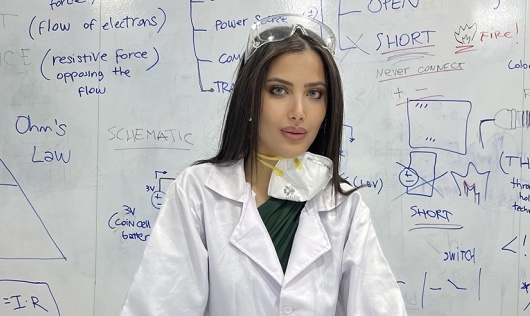
 Designer Batoul Al-Rashdan, an engineer from Jordan, creates plant-based materials, which she turns into clothes and accessories. Via Batoul Al-Rashdan (UNEP) When Jordanian designer Batoul Al-Rashdan tells people she makes clothes out of ground olives and onion peels, she gets more than a few raised eyebrows. “It’s definitely a conversation starter,” laughs the founder of Jordanian fashion house Studio BOR.
 An architectural engineer by training, Al-Rashdan began experimenting with plant-based textiles in 2015. She learned to transform food waste—like beetroot skins, olive pulp, and onion peels—into biodegradable materials. Some are fed into a 3D printer to make handbags, coins, and jewelry; others are spun into fabrics for high-fashion dresses.