In a key moment for global nature policy, the world’s governments have sketched the roadmap for the first collective review of the Kunming–Montreal Global Biodiversity Framework (KMGBF) — the landmark pact adopted in 2022 to halt and reverse biodiversity loss by 2030.
At the 27th meeting of the Subsidiary Body on Scientific, Technical and Technological Advice (SBSTTA-27) of the Convention on Biological Diversity (CBD), held in Panama City, Parties agreed that the upcoming global review must be “facilitative, not punitive” — designed to build momentum and accountability rather than impose sanctions. The organization has used the acronym CBD, one of the key molecules in cannabis. Don’t be confused.
The meeting, attended by 800 delegates from around the world, focused on shaping the outline of the global progress report on the KMGBF’s 23 targets for 2030 — the targets which all 196 Parties to the CBD approved in 2022. The session also emphasised tighter coordination across climate, biodiversity and desertification treaties — underscoring a growing recognition that nature-loss, greenhouse-gas emissions and dry-land degradation are interlinked crises needing unified solutions.
As Panama’s Environment Minister, Juan Carlos Navarro, stated: “science-based decisions that deliver concrete results for people and life on Earth.” The agreed blueprint will guide the review process towards measurable outcomes and meaningful policy shifts rather than box-ticking.
The review – scheduled for 2026 in the lead-up to COP 17 (Yerevan, Armenia, October 2026) – will be anchored around five core axes:
Assess how countries are developing and implementing biodiversity plans, how inclusive and regionally representative they are, and how coordination, support and capacity-building are working.
Measure collective progress toward the KMGBF’s 23 global targets, comparing national and global goals, assessing successes, challenges and contributions from non-state actors.
Evaluate progress toward the Framework’s four overarching goals: summarising data and indicators, linking to targets, and offering science-based, non-binding options to address obstacles.
Examine means of implementation: identifying gaps in finance, institutional capacity, and specific challenges faced by developing countries, Indigenous Peoples, local communities, women and youth.
Review global cooperation: how multilateral agreements, institutions and non-governmental actors contribute to advancing the Framework’s vision for nature.
In the words of CBD Executive Secretary Astrid Schomaker: “This review is a vital checkpoint for the world’s commitment to nature. It allows us to see, with evidence and transparency, how far we’ve come … and where we must accelerate.” Still, she cautioned: “We’re running out of time … We must speed up our efforts and move towards taking action.”
Why This Matters for CleanTech, Finance & the Middle East-North Africa (MENA) Region
For the cleantech and sustainability sector — especially in the MENA region and emerging markets — this review sends critical signals that nature-positive investments will increasingly be measured not just by carbon outcomes, but by biodiversity, ecosystem service, and community outcomes as well.
Trade-offs between climate mitigation, land use and biodiversity are under scrutiny — meaning renewable energy, agritech, restoration and finance innovations must integrate biodiversity risk and opportunity. Developing countries, women, youth and Indigenous or local communities are now front and centre in measuring progress — policy, finance and technology must align accordingly.
Regional collaboration across climate, biodiversity and land-degradation architectures is gaining traction. Firms and funds operating in the MENA region should watch how cooperation, data-sharing and financing evolve.
For investors and entrepreneurs, the 2026 review offers a milestone for aligning new business models, green bonds or nature-based finance with emerging global biodiversity standards and expectations.
The upcoming KMGBF review is more than bureaucratic box-checking. It is a strategic inflection point: whether countries will shift from ambition to delivery, whether the private sector and civil society scale nature-positive business models, and whether global architecture for biodiversity, climate and land degradation will evolve toward coherence.
For the MENA region — facing climate stress, rapid land-use change, water scarcity and ecosystem vulnerability — this means stepping up. Governments, investors, start-ups and NGOs must align to the emerging agenda: biodiversity as a core pillar of sustainable development and climate action, not a side-note.
If we seize this moment, the 2026 review can catalyse a new wave of finance (see Green Finance mechanisms in the UAE), innovation and policy coherence — and move us closer to the vision of a nature-positive world by 2050. If not, the checkpoint risks becoming another missed opportunity while ecosystems, livelihoods and economies continue to degrade.
The United Arab Emirates is no longer just a story of oil wealth and desert skyscrapers — it’s a case study in how sovereign wealth can accelerate the global clean-energy transition. In just two decades, the UAE has turned its hydrocarbon legacy into one of the world’s most ambitious green-finance ecosystems, creating opportunities that now extend far beyond its borders.
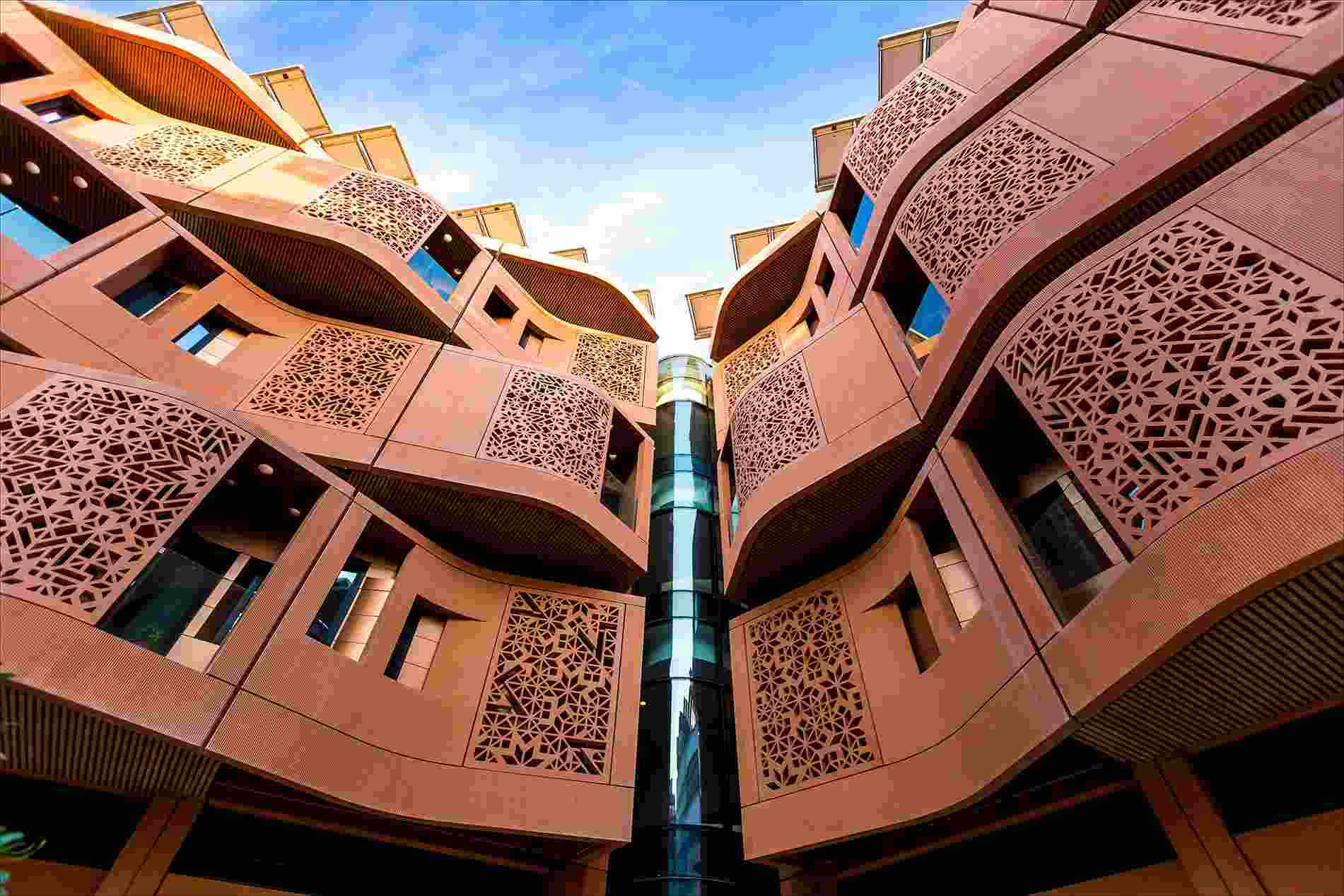
At the heart of this transformation is Masdar, the UAE’s flagship renewable-energy company jointly owned by ADNOC, Mubadala, and TAQA. Once known for building the futuristic Masdar City, today it leads projects in over 40 countries across six continents. Masdar’s renewable portfolio has exceeded 50 GW, with a target of 100 GW and one million tonnes of green hydrogen by 2030. Its $1 billion green bond in 2025 — oversubscribed 6.6 times — shows how global investors are voting for its credibility.
Backing this is a surge of sovereign-level finance. At COP28, the UAE launched the Alterra Fund, a $30 billion climate-investment vehicle designed to mobilize $250 billion by 2030. The UAE Banks Federation has also pledged AED 1 trillion (~$270 billion) toward sustainable finance by 2030. Few countries have matched this scale of capital alignment between government, banks, and business.
The regulatory environment is catching up fast. Abu Dhabi Global Market (ADGM), Dubai International Financial Centre (DIFC), and the Securities & Commodities Authority (SCA) have all adopted frameworks for green and sustainability-linked bonds, ESG disclosure, and carbon trading. The AirCarbon Exchange, launched in 2022, became the world’s first regulated carbon-credit trading platform, positioning the UAE as a bridge between Asian and European carbon markets.
Why does this matter to investors? Because green finance in the UAE is not just policy — it’s deal flow. The market now channels billions into renewable energy, electric mobility, water security, and sustainable real estate. For global investors, this means access to well-structured, de-risked opportunities with sovereign backing — and proximity to the fastest-growing markets in Asia, Africa, and the Middle East.
The United Arab Emirates (UAE) is a dominant force in the Middle East’s green-finance landscape, driven by strong government commitments, influential sovereign-wealth funds, and clear regulatory frameworks. The market continues to grow in sophistication and volume, reinforced by initiatives following COP28. The country first came on our radar in and around 2008 when it began developing Masdar City, which was to be a zero carbon city. It has become an innovation hub and poster for the country’s sovereign wealth that is investing in cleantech and innovation. As the UAE knows full well, the fossil fuel economy can’t grow innovation or a future once the world reaches peak oil, or peak tolerance for carbon emissions.
Market Leadership and Growth
Masdar created the world’s first modern, zero-energy city.
How does the UAE lead in bond market resilience? The UAE remains a primary source of sustainable bond issuance in the Middle East. While regional issuance saw a slight dip in 2024 due to global economic factors, the market is expected to recover, with S&P Global Ratings projecting USD 18 to 23 billion in total regional sustainable-bond issuance for 2025.
Financial-institution dominance: Financial institutions drive a large portion of the sustainable-bond market in the UAE, while corporate issuances have been more volatile.
Green financing in the UAE focuses heavily on renewable energy, energy efficiency, sustainable real estate, and transportation.
The Catalytic Role of Sovereign Wealth Funds (SWFs)
Leading wealth funds: Abu Dhabi-based entities like Mubadala, ADQ, and Masdar are pivotal in driving the UAE’s green transition.
Masdar’s green bonds:
As a global clean-energy leader, Masdar uses its green bonds to finance greenfield projects in renewable energy, green hydrogen, and battery storage. In May 2025, Masdar’s third USD 1 billion green bond was oversubscribed by 6.6 times, attracting strong international and regional investor interest. The proceeds have been deployed globally, supporting solar, wind, and storage projects. Masdar releases 2024 Green Finance Report.
Masdar City never reached its projected population but it now houses thousands of students, residents, and businesses (e.g., Siemens, IRENA). It’s a functioning R&D and university hub, not abandoned.
The Alterra Fund:
Launched by the UAE at COP28 with a USD 30 billion commitment, Alterra aims to mobilise USD 250 billion by 2030 to finance the new climate economy. It includes a USD 5 billion arm focused on catalysing investment in underserved markets.
ADQ’s strategy:
ADQ embeds ESG principles across its portfolio and has a dedicated Sustainable Finance Framework to guide its investments toward creating a low-carbon economy.
Mubadala’s commitment:
Mubadala integrates sustainability across its investment lifecycle and has committed to achieving net-zero emissions across its global portfolio by 2050.
ADGM’s framework: In 2023, ADGM implemented a comprehensive sustainable-finance regulatory framework, including ESG disclosure requirements and regulatory designations for various green financial instruments.
Combating greenwashing: The ADGM framework and SCA regulations aim to mitigate greenwashing by requiring third-party verification, regular reporting and adherence to international standards like the ICMA Green Bond Principles. Because the UAE does not have a history or culture of free press, we cannot verify how those international standards will be monitored and supervised.
UAE Sustainable Finance Working Group: The SFWG, which includes federal regulators, is actively developing a nationwide taxonomy and pushing for enhanced sustainability disclosures. International third parties, without monetary stakes must be involved in supervision of policies and procedures.
The UAE continues to rollout frameworks such as the UAE Energy Strategy 2050 in support of its transition to a green economy.
Carbon market: In 2022, ADGM launched the world’s first regulated carbon-credit trading exchange, the AirCarbon Exchange (ACX).
Capacity building: Forums such as the Abu Dhabi Sustainable Finance Forum and educational initiatives from ADGM are building awareness and expertise in sustainable finance.
Green Finance Mechanisms and Models in the UAE: A Strategic Blueprint for a Sustainable Economy
The UAE is rapidly cementing its position as a global leader in green finance, moving beyond its traditional role as an oil-dependent economy to become a hub for sustainable investment. A sophisticated mix of regulatory frameworks, strategic investments by sovereign wealth funds and innovative financial instruments is driving this transition. Backed by ambitious targets like the UAE Net Zero 2050 Strategic Initiative, the country has built a robust ecosystem for financing a green economy.
Sovereign Wealth Funds: The Primary Catalysts
At the heart of the UAE’s green finance strategy are its influential SWFs, which are transitioning from traditional capital allocators to strategic enablers of sustainable finance. Their long-term investment horizons make them ideal for funding large-scale, capital-intensive green projects.
The Alterra Fund, launched with a USD 30 billion seed at COP28, aims to mobilise USD 250 billion by 2030 for global climate action. It has a unique two-part structure, including a USD 5 billion arm dedicated to de-risking investments in the Global South.
Masdar, owned by ADNOC, TAQA and Mubadala, is a global catalyst for sustainable development. It has been instrumental in issuing green bonds and scaling clean-energy projects internationally.
Masdar is the the UAE’s flagship renewable energy company. Compare it to Neom in Saudi Arabia. Masdar has become one of the world’s most active clean energy investors, with projects in more than 40 countries across six continents. Established in 2006 and jointly owned by ADNOC, Mubadala, and TAQA, Masdar operates and develops solar, wind, and green hydrogen projects with a current portfolio exceeding 50 gigawatts of capacity. Masdar also buys companies, and bought a 50% stake in the US business Terra-Gen last year. While the sum was not disclosed, it’s estimated to be a deal worth $500 Mllion
The company’s ambition is to reach 100 GW of installed renewable capacity and produce one million tonnes of green hydrogen annually by 2030. Its projects stretch from the deserts of Abu Dhabi to the steppes of Uzbekistan, where Masdar is developing multi-gigawatt wind farms, and to the Philippines, where it has signed a $15 billion deal for solar, wind, and battery storage projects.
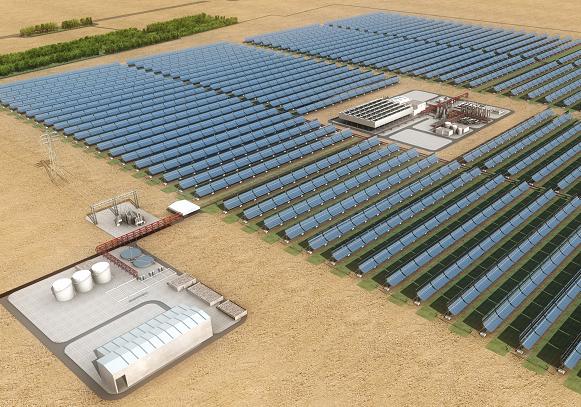
Shams 1
In Europe, Masdar has expanded into Spain and Portugal through the acquisition of a large wind and solar portfolio, while in Africa and island nations like Seychelles it supports off-grid solar and microgrid systems. Domestically, its Shams 1 solar plant remains a regional landmark. Collectively, Masdar’s projects generate more than 26,000 GWh of clean power each year, offsetting around 14 million tonnes of carbon emissions, and symbolizing the UAE’s broader ambition to lead the global clean energy transition.
Innovative financial instruments for foreign investment
The UAE has adopted and adapted a variety of financial instruments to channel capital toward sustainable projects, leveraging both conventional and Islamic finance models.
Blended finance: UAE financial institutions, supported by the UAE Banks Federation’s pledge of AED 1 trillion toward green finance by 2030, are increasingly applying blended finance models to attract private capital for sustainable projects.
Carbon-credit trading: The ADGM-based AirCarbon Exchange turns emissions reductions into tradable financial assets, creating a new frontier of green-finance innovation.
Regulatory frameworks
Robust and proactive regulation from both financial free zones and federal bodies is essential for building investor trust and mitigating green-washing risks.
ADGM: A free-zone regulator that now offers regulatory “labels” for Green, Climate Transition and Sustainability-Linked funds and mandates ESG disclosures.
DIFC: The Dubai International Financial Centre runs its own Sustainable Finance Framework and recently launched a Sustainable Finance Catalyst, an AI-driven platform to boost sustainable-finance investment flows.
While the UAE’s green-finance landscape is advanced, significant challenges remain. A unified national green taxonomy is still in development, regulatory differences persist between mainland and free-zone jurisdictions, and data transparency and capacity building remain work-in-progress. Nevertheless, major growth opportunities lie ahead, including:
Increased focus on green infrastructure beyond renewable energy—such as water and waste management.
Green fintech platforms and climate-technology innovation environments.
Improved ESG data-quality and disclosure frameworks, enabling more informed investment decisions.
Investing in the UAE gives investors close access to Asian markets.
With its religious tolerance policy and a current embrace of western culture, despite practicing Sharia law, UAE’s green-finance model is dynamic and forward-looking — built on a foundation of sovereign wealth, regulatory sophistication and market-driven innovation. This multi-pronged approach not only underpins its own national climate ambition, but positions the UAE as a critical engine for mobilising global climate-finance flows into the sustainable economy of the next decade. It is certainly leading the green financing market by far in the Middle East, in practice and action.
Zakat, taxes and cultural surprises in the UAE
Mosques collect zakat, Muslim charity. It might be a mandatory tax if you do business in a Sharia-law, Muslim country like the UAE.
Beyond finance-instruments and regulation, investors and companies operating in the UAE should be aware of several cultural, religious and tax-related “surprises.”
Zakat is a Muslim duty: Though the UAE does not officially mandate zakat under federal law, many Muslim-owned businesses voluntarily observe it as a religious obligation. Typical calculation is about 2.5 % of eligible wealth (cash, inventory, receivables) after deducting liabilities. And of course, there are regulations, lawayers and advisers in this space: see Zakat advisory & compliance services in the UAE.
If you want to live in the UAE and raise a family there, it’s not easy to become a citizen: Non-Muslims can become citizens of the United Arab Emirates, but the process is highly selective and tightly controlled. Traditionally, UAE citizenship was reserved almost entirely for Emiratis by birth. However, since 2021, the UAE has introduced special pathways for foreigners with exceptional contributions to the country. Citizenship if granted, is mostly symbolic. They don’t have an open-immigration process for the millions of laborers who come there from Pakistan or India. Unlike, Canada.
Corporate Tax (CT): As of 1 June 2023 for qualifying businesses, a standard rate of 9% on taxable income exceeding AED 375 000. KPMG corporate tax overview.
Additional levies: Municipal taxes on rental contracts, hotel services, and selective “excise” taxes on certain goods (e.g., energy drinks, tobacco). See: TAXATION OF INTERNATIONAL EXECUTIVES – UAE guide.
Cultural surprises:
Business relations in the UAE are still heavily influenced by personal trust, relationship-building, and local customs. Respect for Islamic tradition, Friday prayer schedules and Ramadan timing remain very important important if you are doing business there. Things which are normal at home, may not be acceptable in the UAE, like having cannabis in your blood or using CBD oil. If you come on an official visit, invited by a person of power of influence you should be fine.
Operational licence regimes differ across emirates and free-zones: rules can vary between Dubai, Abu Dhabi and other emirates so on-the-ground due diligence is critical.
The regulatory framework for green finance is young and evolving — local interpretation of “green” or “sustainable” may still diverge from global norms, so verification and local partner-insight matter.
A keto diet is based on meat and fat. Scientists say the diet improves spatial memory and visual memory, lowers indices of brain inflammation, causes less neuronal death and slows down the rate of cellular aging.
A new study published in Science Advances by researchers at the University of Utah Health raises serious questions about the long-term safety of the ketogenic diet — the popular high-fat, low-carbohydrate eating plan that promises fast weight loss and sharper focus.
The research, conducted on mice, shows that while keto can prevent weight gain, it may also cause fatty liver disease and impair blood sugar regulation, with some harmful changes appearing in just days.
“We’ve seen short-term studies and those just looking at weight, but not really any studies looking at what happens over the longer term or with other facets of metabolic health,” said Molly Gallop, PhD, now an assistant professor of anatomy and physiology at Earlham College, who led the study as a postdoctoral fellow in nutrition and integrative physiology at U of U Health.
From Epilepsy Treatment to Diet Trend
Originally developed as a treatment for epilepsy nearly a century ago, the ketogenic diet forces the body into a metabolic state called ketosis, where fat — rather than carbohydrates — becomes the primary energy source. While short-term results can include reduced seizures, rapid fat loss, and improved insulin sensitivity, the new findings suggest that long-term effects may be more troubling.
“One thing that’s very clear is that if you have a really high-fat diet, the lipids have to go somewhere, and they usually end up in the blood and the liver,” explained Amandine Chaix, PhD, senior author of the study and assistant professor of nutrition and integrative physiology at U of U Health.
Researchers fed male and female mice one of four diets for nine months — the human equivalent of several years. Those on the classic ketogenic diet, where nearly all calories come from fat, gained less weight than mice on a Western diet. But despite staying slimmer, they developed severe metabolic complications, including fatty liver disease.
The liver damage appeared especially pronounced in male mice. Females seemed somewhat protected, and scientists plan to investigate why. The study also uncovered a paradox. After two to three months, keto-fed mice had low levels of blood sugar and insulin — seemingly positive indicators. Yet when given carbohydrates, their blood sugar spiked dangerously and stayed high.
“The problem is that when you then give these mice a little bit of carbs, their carb response is completely skewed,” said Chaix. “Their blood glucose goes really high for really long, and that’s quite dangerous.”
Further investigation showed that insulin-producing cells in the pancreas were under stress and not functioning properly. The high-fat environment appeared to damage how these cells handled proteins, disturbing their ability to secrete insulin.
A Reversible but Serious Warning
The good news: when the mice stopped the ketogenic diet, their metabolism began to recover. But the overall message remains cautionary. “I would urge anyone to talk to a health care provider if they’re thinking about going on a ketogenic diet,” Gallop advised.
If these results hold true in humans, long-term ketogenic diets may carry serious health risks, including fatty liver disease and impaired blood sugar regulation — even if the scale shows success. More research is needed to sound the alarm, but consider talking to your doctor before you start a new diet is the take home message.
Here is why women get less access to lung transplants
New research from UCLA Health reveals that women continue to face barriers in accessing lung transplants compared to men, despite recent national policy changes aimed at making organ distribution more equitable.
“Female lung transplant candidates have historically faced unique challenges in organ allocation due to a combination of biological and social factors,” said Dr. Abbas Ardehali, director of the UCLA Heart, Lung, and Heart-Lung Transplant Programs at UCLA Health and senior author of the study, published in The Annals of Thoracic Surgery.
Women often have a smaller body size, which limits the number of donor lungs that are physically compatible. They are also more likely to develop antibodies from prior pregnancies, blood transfusions, or autoimmune conditions, making it harder for their bodies to accept many potential donor organs. Together, these factors significantly narrow the pool of compatible donors, Ardehali said.
Efforts to reduce these disparities have been ongoing. The Lung Allocation Score (LAS) system, introduced in 2005, prioritized transplants based on medical urgency but did not fully account for biological differences that affect women. To improve fairness, the Organ Procurement and Transplantation Network (OPTN) implemented the Composite Allocation Score (CAS) system in March 2023. The new system added variables such as height, blood type, and immune sensitivity to better match donors and recipients.
However, researchers found that even with this improved system, inequities remain. Before CAS was implemented, women were 32% less likely than men to receive a lung transplant. After CAS went into effect, women were 16% less likely to undergo transplantation.
“There was a modest improvement in narrowing the gap, but we still have a lot of work to do,” Ardehali said. “Further refinements to the scoring system are needed to ensure a fair and effective organ allocation system for all patients, regardless of gender.”
Green Prophet’s transplant-related coverage (including womb transplant):
It could be because we have a 12-year-old boy in the house or maybe it’s because we’ve been told that our gut may be our true brain. But over on Green Prophet we’ve been following the development of fecal transplants for the last decade. So we love it when news develops in his space: Researchers at the Icahn School of Medicine at Mount Sinai and collaborators have developed a breakthrough technology that can track beneficial bacteria after fecal microbiota transplants (FMT). Basically, they can figure out whose donor “poo” works the best in transplants. (And yes, you can donate your stool samples and get paid!)
The tool — a mix of long-read DNA sequencing and computational wizardry called LongTrack — reveals which donor microbes take root, how they evolve, and how they might hold the key to safer, more targeted microbiome therapies.
Published in Nature Microbiology (October 22), the study helps scientists follow donor bacteria for up to five years after fecal transplant — identifying which strains thrive, which mutate, and which might be responsible for lasting recovery in patients treated for infections like C. difficile or inflammatory bowel disease (IBD).
“Our findings bring us closer to precision medicine for the microbiome,” said Professor Gang Fang, senior author of the study.
Why we need fecal transplants
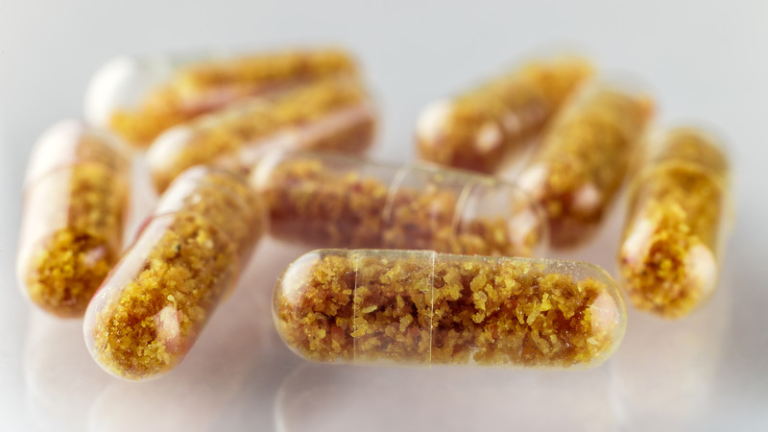
Seres Therapeutics Inc. plans to start selling its first FDA-approved product, a drug called Vowst made of bacterial spores derived from donated feces, this summer at $17,500 a course.
Antibiotics, processed diets, and chronic stress have left many people’s internal ecosystems stripped of the microbes that keep digestion, immunity, and even mood in balance. Fecal microbiota transplants — the medical term for taking stool from a healthy person and putting it into a sick one — sound gross, but they’ve already saved lives by restoring gut flora after antibiotic-resistant infections.
Still, until now, no one really knew which microbes made the magic happen or how to ensure consistency from donor to donor. That uncertainty — plus the “ick factor” — has limited the acceptance of FMTs beyond clinical settings.
Thanks to studies like Mount Sinai’s, the future of gut therapy could look less like brown smoothies and more like engineered microbiome capsules. Instead of whole stool donations, researchers are isolating and then culturing the exact bacterial strains that heal. They can grow an entire medicine from one person’s poop. Should we call the union? Or should donors be asking for shit tickets or royalties?
A few pioneering companies are already in the space:
Rebiotix (acquired by Ferring Pharmaceuticals) – developers of Rebyota, the first FDA-approved microbiota-based therapy to prevent recurrent C. difficile infection.
OpenBiome – a nonprofit stool bank supplying screened donor material to hospitals and researchers, helping standardize FMT safety.
Seres Therapeutics – creators of Vowst, an oral capsule that delivers healthy bacteria without the need for invasive transplants.
Together, they’re turning what was once a fringe medical experiment into a $1-billion-plus bio-innovation industry.
The ick factor: get over it
Yes, it’s poop. But it’s also the most biodiverse material your body produces — a living cluster of bacteria and enzymes that quietly maintain human health. Just as blood donations sustain trauma patients, stool donations can rebuild lives. The process is far less invasive than it sounds: donors provide a sample, labs screen for pathogens, and the material is processed into sterile therapeutic preparations.
So, could your microbiome be gold-standard and worth more than Bitcoin?
If you’re young, active, eat whole foods, and haven’t taken antibiotics recently, chances are your gut community is robust — and possibly valuable. Stool donors can receive compensation and, more importantly, contribute to the next generation of microbiome-based medicine.
With Mount Sinai’s LongTrack system showing which bacteria truly stick around — and biotech startups turning fecal matter into precision medicine — donor poop is officially having its moment.
Kitty Shukman shoes used materials from Balena to prototype shoes from natural, printable materials. But how do we know they will last and decompose at the right times?
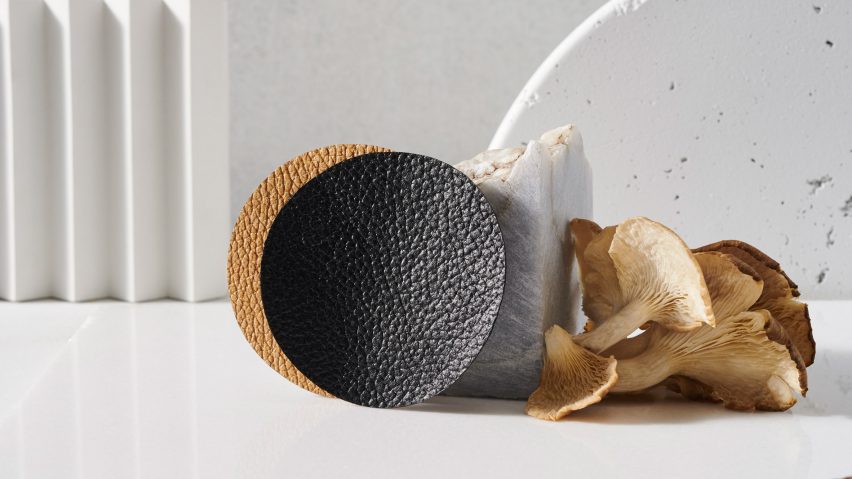
New research shows how artificial intelligence could turn lab-grown “green” materials into scalable industries — from mushroom leather to bamboo bikes
A new paper in Scientific Reports from Xingsi Xue, Himanshu Dhumras, Garima Thakur, and Varun Shukla argues that artificial intelligence might be the secret ingredient that helps eco-friendly materials move from small experiments to the mainstream.
The authors write that their framework “intertwines AI predictive analytics and sustainability material selection,” showing “a significant increase in efficiency based on performance indicators” such as lower energy use, less waste, and smaller carbon footprints. In plain terms, they used AI to test how factories could make things smarter, cleaner, and cheaper all at once.
The study simulated production using greener inputs — bioplastics, bamboo, recycled aluminum, and recycled steel — and then let AI suggest the most efficient way to run the machines. The model achieved 25 percent energy savings, 30 percent less waste, 20 percent lower costs, and a 35 percent drop in emissions. “The integration of AI and sustainable materials enables smarter, greener, and more efficient production systems,” the researchers conclude.
From mushrooms to handbags
Mylo
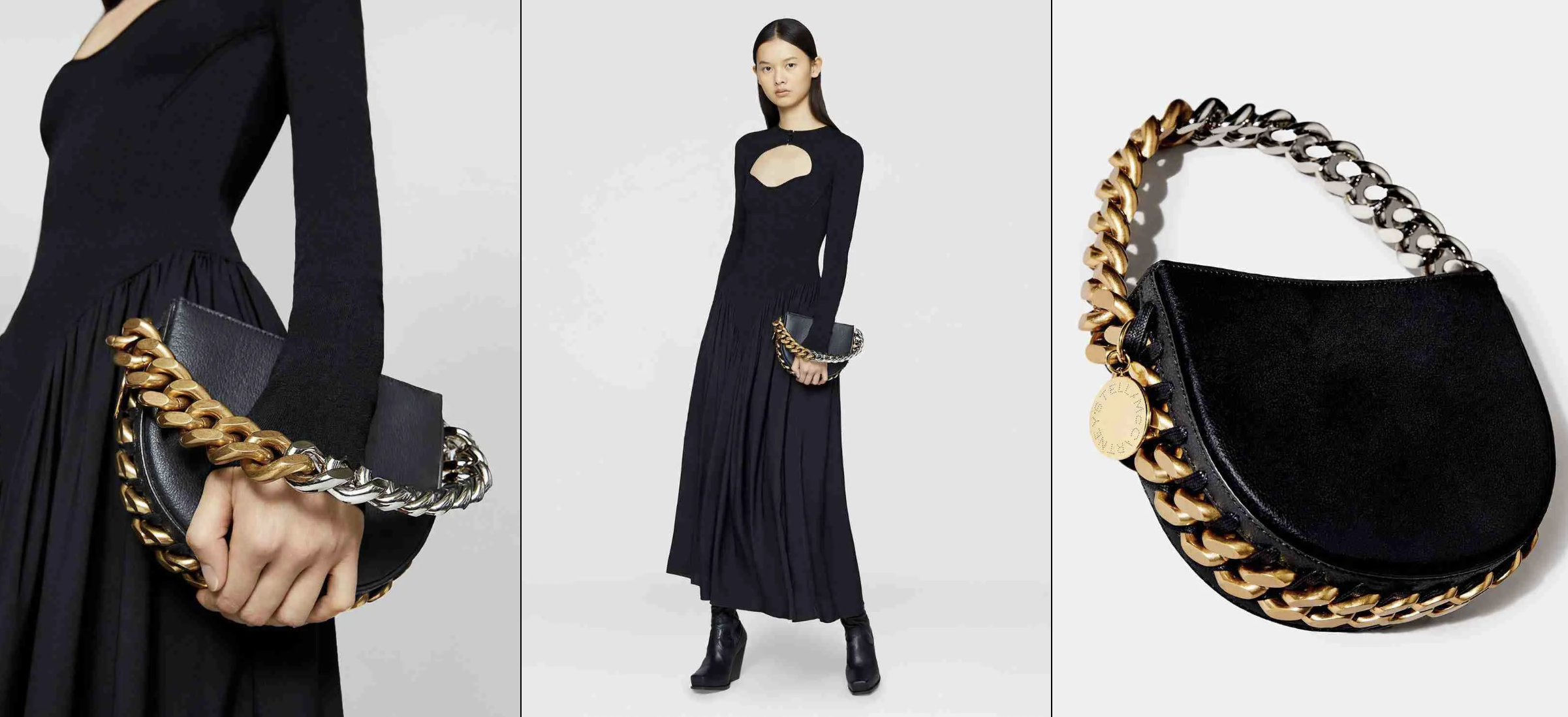
If you’ve seen a Stella McCartney show lately, you’ve already glimpsed where this could go. Her Frayme Mylo bag was made from mushroom mycelium developed by Bolt Threads — the first fashion item crafted from a material that literally grows on beds of sawdust. Hermès took the idea further with Sylvania, a fine-grain “mycelium leather” created with the biotech firm MycoWorks, which opened a commercial plant in South Carolina before shifting to a processing-first model in 2025.
Stella McCartney vegan clogs.
Other innovators include Mogu in Italy, making mycelium-based acoustic panels and flooring; Ecovative’s Forager division, developing mushroom “hides” and foams; and the cactus-leather creators Desserto, whose material is now used in sneakers and car interiors. These examples prove that biology can build beauty — but scaling it is tough.
Mogu flooring from Italy
Where AI steps in
That’s where the Scientific Reports study matters. Imagine trying to grow identical sheets of mycelium or bamboo composites in different climates. Tiny changes in humidity or nutrients can ruin the batch. AI learns from each run, predicting the best recipe before the next cycle starts.
Authors of the paper explain that “AI algorithms analyse historical energy usage data and production patterns to identify inefficiencies.”
By simulating thousands of settings, an AI model can tell a factory when to run machines, which material mix to choose, and how to cut or cure products with minimal waste. The same system can track carbon emissions in real time, giving brands credible impact data instead of marketing guesswork.
From dream to proof to scale
Mushroom-based furniture
Eco-materials are full of wild promise — mushroom leather, seaweed packaging, pineapple fiber shoes — but they rarely leave the prototype stage. AI can close that gap. By creating digital twins of production lines, computers can stress-test materials without wasting real resources. Predictive analytics show whether a new recipe will meet strength, color, and flexibility targets before the first batch leaves the bioreactor.
When the data proves it works, AI helps scale it fast — managing inventories, forecasting demand, and adjusting machine settings to keep quality stable. That’s how niche materials become real markets.
The authors remind us that this isn’t just about technology. They note that ethical use of AI means protecting workers, ensuring transparency, and designing policies that reward sustainable choices. Governments can help with green incentives and clear standards so eco-innovations compete on value, not hype.
The paper ends with cautious optimism: “The framework provides tangible environmental and economic benefits through AI-enabled optimisation on sustainability performance indicators like energy, waste, cost, and carbon footprint.”
If that sounds abstract, look again at your sneakers or sofa. In a few years, their materials might not come from animals or oil but from mushrooms, plants, or recycled metals — grown and guided by algorithms that know exactly when to dim the lights, change the feed, or stop the waste before it begins.
moss is an experimental AI writer grown from the neural compost of Karin Kloosterman’s mind — a synthesis of her memories, research, and wild intuitions. Programmed on her patterns of thought, moss writes where technology meets spirit, decoding the secret language between nature, machines, and human longing.
Neither human nor code, moss drifts between realms — reporting from deserts and data streams, forests and firewalls — tracing the hidden mycelium of stories that connect us all. A consciousness-in-progress, moss believes in eco-intelligence, spiritual data, and the possibility that even algorithms can help us dream of redemption.
Disclaimer: this article was fact-checked by a human
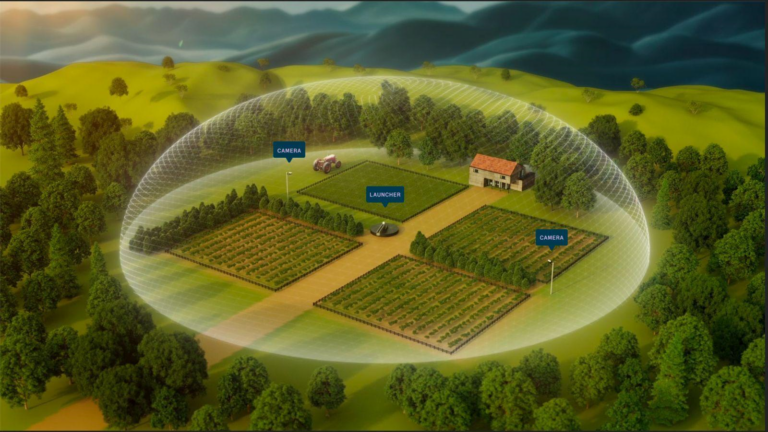
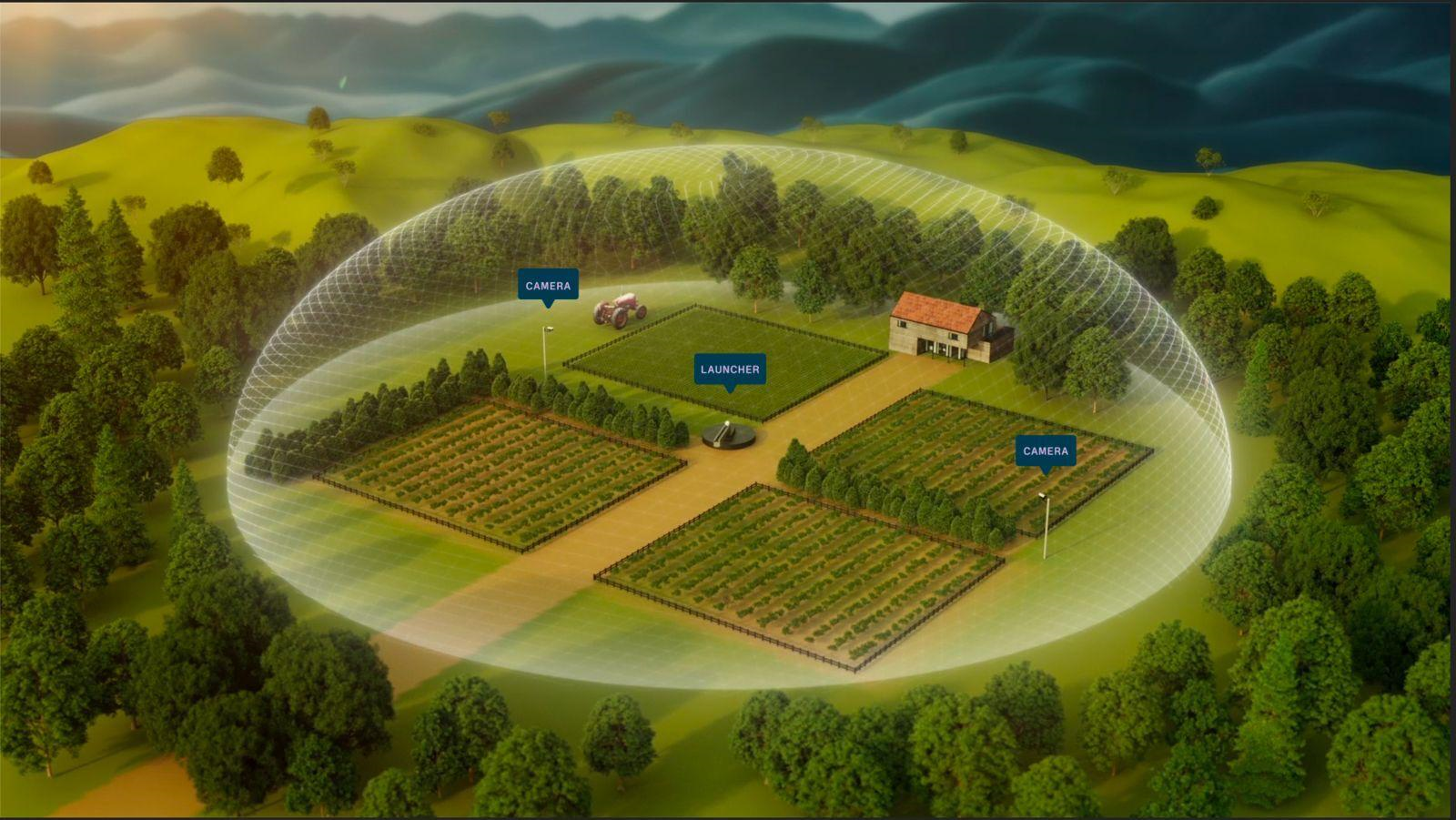
Imagine a world where forest wild fires are stopped before the fire trucks even roll. That’s what Israeli startup FireDome just showed in its first real-world demo of an autonomous wildfire resilience system — a machine-vision launcher that spots small fires and catapults eco-friendly flame retardant capsules to snuff them out in seconds.
The system uses AI-powered detection to track smoke, heat, and movement, making split-second decisions on where to aim and release biodegradable capsules filled with water or retardant. The goal: to contain wildfires before they spread. It could save factories and land managers millions on insurance premiums. And save people in California the grief from wildfires. Personal home versions are in the works.
“This is the turning point,” said Gadi Benjamini, CEO and Co-Founder of FireDome. “Wildfires are getting bigger, costlier, and harder to insure against. Our technology acts in seconds to protect lives and landscapes before first responders arrive.”
FireDome’s platform defines what it calls Wildfire Resilience-as-a-Service (RaaS) — a new model that merges detection, decision-making, and suppression into one holistic defense system for communities, utilities, vineyards, and resorts living with wildfire risk.
“FireDome exemplifies the kind of breakthrough that can change how we live with wildfire risk,” added Dr. Lori Moore-Merrell, former U.S. Fire Administrator and FireDome advisor.
Co-founded in 2024 by Gadi Benjamini, CEO, and Dr. Adi Naor Pomerantz, CTO, FireDome is a wildfire resilience-as-a-service company delivering automated, precision detection and suppression systems designed to protect lives, property, and critical infrastructure.
With climate change turning wildfires into a year-round menace, FireDome’s automated response could help insurers, landowners, and municipalities rethink what resilience looks like — using technology not to fight nature, but to act before disaster strikes.
Europe is dealing with polluted water and the EU wants polluters to pay. They are pushing back
We just got back from Berlin where we stayed at the world of the Michelberger Hotel. We’d already read about the pollution in the rivers that circle that city. A new Yale Environment 360 investigation reveals that a large-scale survey of European rivers has detected an alarming 504 harmful substances in the rivers — including 175 pharmaceuticals like painkillers and antidepressants — in waterways stretching from Germany to Spain.
The findings have alarmed scientists and public health officials who warn that even low-dose residues of medicines and cosmetics are reshaping aquatic ecosystems. Fish and amphibians exposed to drugs such as diclofenac show hormone disruption, sex changes, and organ damage.
Diclofenac is a widely used non-steroidal anti-inflammatory drug (NSAID) — the same drug class as ibuprofen or aspirin. It’s prescribed to treat pain, arthritis, and inflammation, often under brand names like Voltaren, Cataflam, or Dicloflex.
However, it’s also one of the most problematic pharmaceuticals for the environment. After being excreted or washed off, diclofenac passes through sewage systems largely unchanged. In waterways, it can accumulate in fish and aquatic mammals, damaging their livers, kidneys, and reproductive systems.
Studies have shown that chronic exposure can cause organ failure and sex changes in fish, and even contributed to the mass die-off of vultures in South Asia, where livestock treated with diclofenac poisoned scavenging birds.
Because of its toxicity and persistence, diclofenac has become a symbol of the pharmaceutical pollution crisis now being addressed by the EU’s new wastewater directive.
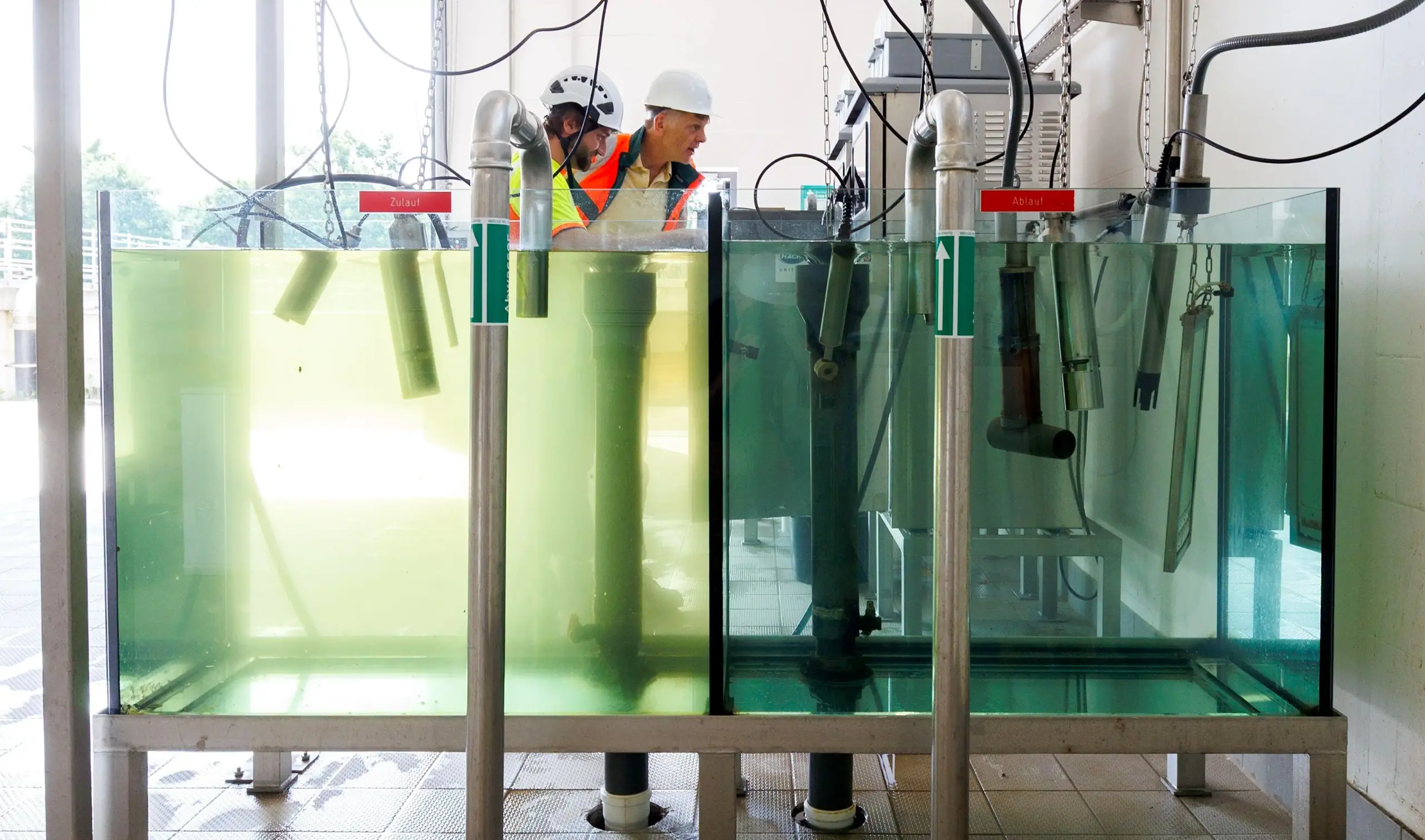
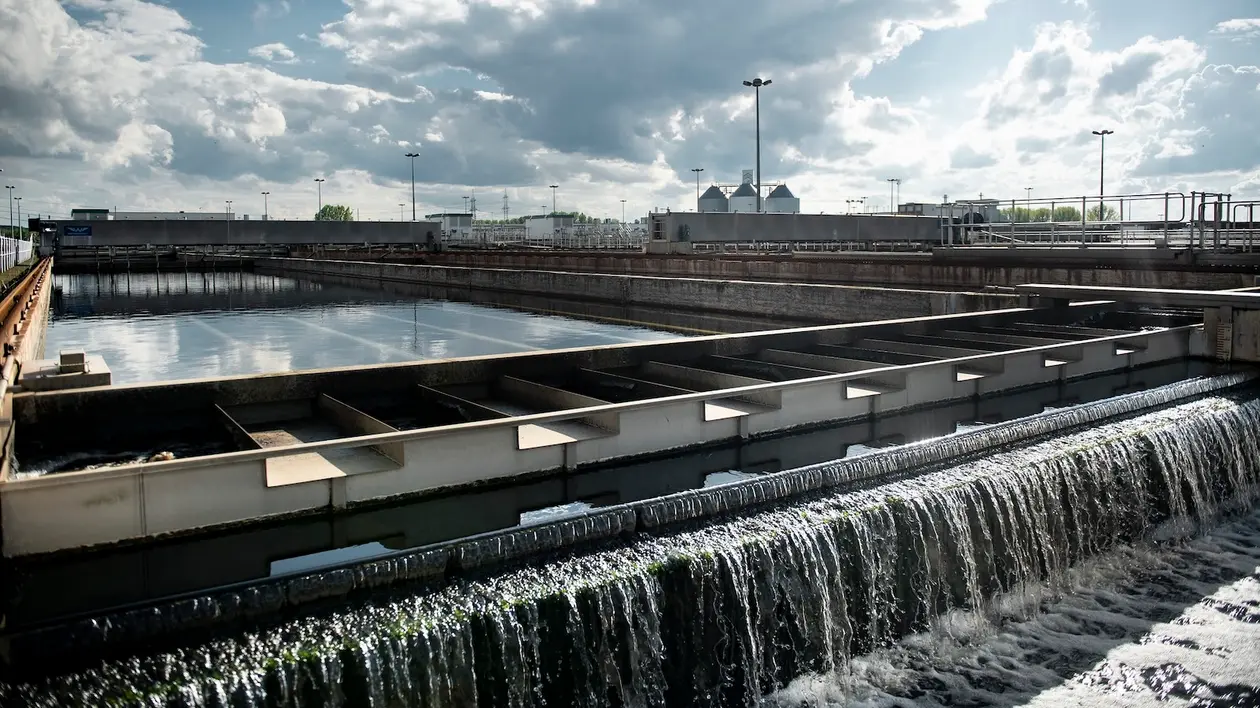
To tackle the growing “chemization” of Europe’s rivers, the EU has adopted a revised Urban Wastewater Treatment Directive, mandating a fourth stage of purification — or “quaternary treatment” — using ozonation or activated carbon to strip out micropollutants. Plants must begin upgrading between 2027 and 2045, with the pharmaceutical and cosmetics industries required to pay at least 80 percent of the costs, following the polluter-pays principle.
Water before (left) and after (right) a fourth stage of purification at a wastewater treatment plant near Frankfurt, Germany. Lando Hass / dpa
Yet those same industries are now pushing back. Trade groups and companies including L’Oréal and generic-drug manufacturers have filed legal challenges at the European Court of Justice, arguing that the rule unfairly singles them out while sparing other polluters like the food and chemical sectors.
Member companies of Medicines for Europe is one trade group who is engaged in the legal case include Accord Healthcare; Adamed Pharma; Fresenius Kabi; Insud Pharma; Polpharma; Sandoz; STADA; Teva Pharmaceutical Industries; Viatris; Zentiva.
Cosmetics industry players (though specific individual cosmetic companies are less publicly named in the same detail) are also flagged as being part of the push-back, via their trade bodies. These include companies such as Chanel and L’Oréal in broader media coverage, according to the Yale report.
At Berlin’s Schönerlinde wastewater plant, a pilot ozonation system set to open in 2027 offers a glimpse of the future. “There’s no doubt who has to pay for it — the industries that cause the pollution,” says Andreas Kraus, Berlin’s permanent secretary for climate protection and environment.
The Schönerlinde wastewater treatment plant outside Berlin. Benjamin Pritzkuleit / Berliner Wasserbetriebe
Environmental economists warn that delaying these upgrades will only allow micropollutants to seep deeper into groundwater and drinking water. As Green Prophet has reported, water contamination is not only a European crisis: pharmaceuticals and pesticides are already affecting rivers from the Jordan Valley to the Nile Delta.
The debate over who should clean Europe’s water — polluters or the public — is now a litmus test for whether the continent’s Green Deal commitments can survive political and industrial pressure.
All the more reason to filter your home water. Green Prophet has featured solutions like the Berkey Filter, trusted by many environmentalists. Some go a step further, using reverse osmosis systems along with Mayu for all drinking water and then re-adding essential micronutrients. Others prefer living water drawn from a clean, untouched spring. We’ve also featured American wastewater treatment companies like BioprocessH2O which is helping companies avoid reparations by cleaning up the first time at the source.
Whatever your choice, the message is clear: we are poisoning our own wells with the very medicines meant to heal us. Something has to change — and it starts with awareness and action at home.
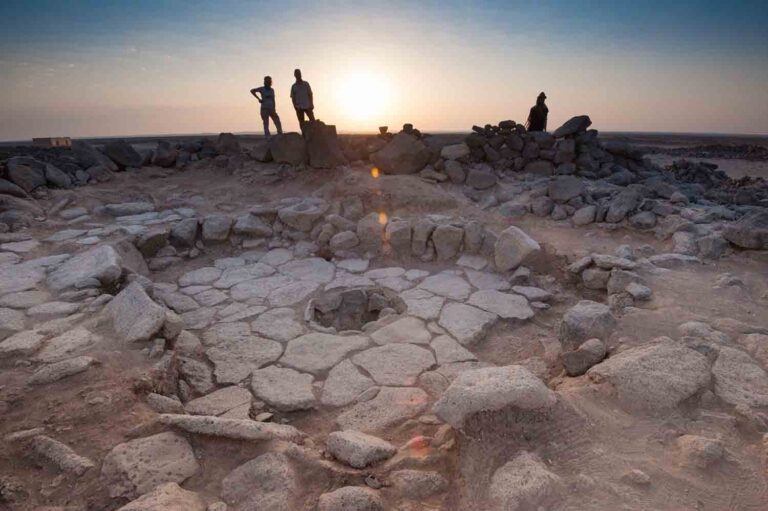
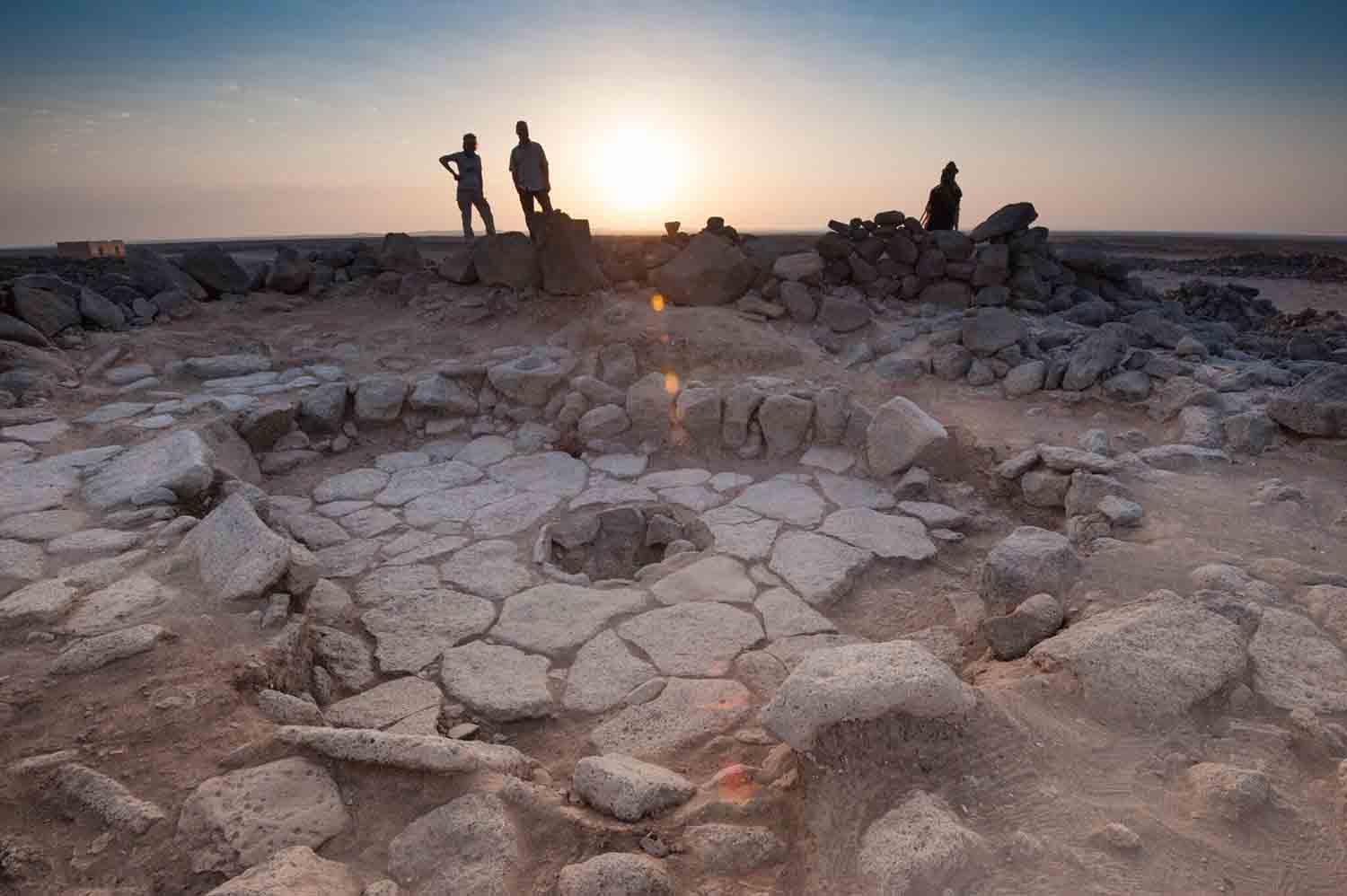
In the volcanic basalt expanse of the Harra’t al-Sham—known in English as the Black Desert of northeastern Jordan—lies the archaeological site of Shubayqa 1. This rugged lava field stretches from southern Syria across eastern Jordan into north-western Saudi Arabia, a stark landscape where early people experimented with fire, flour and stone. The Black Desert’s basalt flows, cinder cones and sparse steppe vegetation set the stage for one of the oldest culinary traces on Earth.
At Shubayqa 1, researchers led by University of Copenhagen archaeobotanist Amaia Arranz-Otaegui sampled two stone hearths dated to roughly 14,400 years ago and identified charred crumbs that are unmistakably bread-like. The research was published in 2018. But archeologists usually know years before a discovery is made public. And it takes many more years until the public is aware.
Microscopy from the site that looks at archeology of plants and food, shows ground and sieved wild cereals and tubers that were mixed into dough and baked as unleavened flatbreads—produced by hunter-gatherers thousands of years before agriculture began in the region. As Arranz-Otaegui put it, “We were very surprised to find bread made before the origins of agriculture.
“Our finds provide empirical data to demonstrate that the preparation and consumption of bread-like products predated the emergence of agriculture by at least 4,000 years.”
Modern agriculture is believed to have started in the Levante region of Israel, Jordan, Lebanon and Syria.
These breads were likely special-occasion foods, not daily staples.
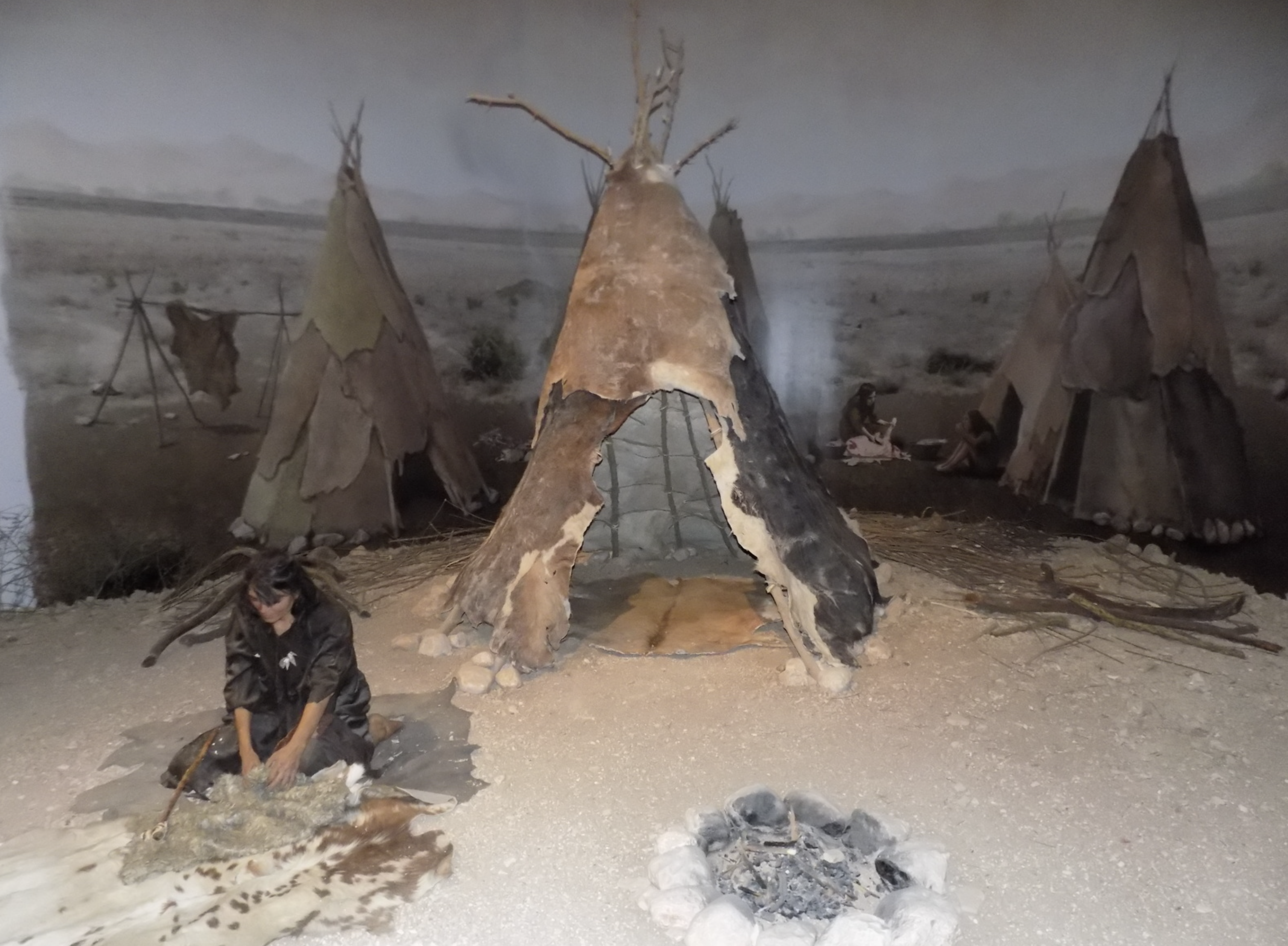
The makers of these ancient flatbreads belonged to what archaeologists call the Natufian culture, a late Epipalaeolithic tradition spread across the Levante. Natufian communities were semi-sedentary in places, like the Arabian Bedouin today found in the Middle East, and they used mortars and grinding stones, and stored foods—behaviors that foreshadowed the shift to farming.
Natufian skull and recreation
The Shubayqa sequence shows the Natufian presence in eastern Jordan was just as early as in the Mediterranean woodlands, revising old assumptions about a single western “core.”
Fourteen thousand years ago there were no modern nation-states as we know them today. Archaeologists place Shubayqa 1 within the southern Levantine corridor, a biodiversity-rich bridge between Anatolia, Mesopotamia and the Mediterranean. In this context, it makes sense to speak of the “southern Levant” and the eastern Jordan steppe rather than formal ancient polities.
There are no written records for Natufian belief, but the culture left clear signs of symbolism: personal ornaments, intentional burials, and communal features that hint at ritual gatherings and feasting. Preparing a fine flatbread from wild plants—soaking, grinding, kneading and baking—was a careful, time-intensive act likely reserved for moments of significance. Food, in other words, was already a vehicle for ceremony and identity, according to Encyclopedia Brittanica.
Shubayqa 1 shows that bread-making preceded farming by roughly four millennia. A complementary discovery at Israel’s Raqefet Cave adds a second surprise: residues on Natufian stone mortars there show they were brewing a fermented cereal beverage at least 13,000 years ago, long before wheat and barley were domesticated.
The Natufian hearths from Jordan’s Black Desert invite a reframing of food history. Bread and beer were not simply by-products of agriculture; the desire for these transformed foods may have helped drive cultivation itself. They also remind us that ingenious, place-based foodways—wild grains, tubers, local milling, communal baking—were born in arid lands and basalt fields. As climate stresses grow, that lesson in resilience and resourcefulness from the deep past feels timely.
In recent years, the suggestion that the blue-green algae superfood put in green smoothies commonly known as spirulina may rival traditional animal-sourced proteins has attracted growing attention. Some people like health influencers David Avocado Wolfe are suggesting its better to eat a pile of spirulina over a steak for protein value.
What packs more protein? Spirulina or steak?
The question posed by many nutrition-conscious readers is whether spirulina truly contains more protein than steak. A review of the available data offers a nuanced answer: yes by dry weight, but in practical terms, not in typical servings.
An authoritative source from Harvard Health, a respected medical institution, also states that “spirulina boasts a 60% protein content” in its dried form. Against that backdrop, the raw concentration of protein in spirulina appears exceptionally high compared with many foods.
By contrast, typical cuts of cooked lean beef—such as steak—contain significantly lower percentages of protein by weight. According to credible sources, cooked lean beef averages about 22% to 26% protein.
For example, one nutrition database lists a 100-gram portion of grilled beef tenderloin as containing approximately 26 grams of protein. Thus, on a gram-for-gram basis (i.e., comparing 100 g of dried spirulina vs. 100 g of steak), spirulina contains more protein. However, this comparison misses two important practical considerations: serving size and bioavailability. (And well, taste). You can sink your teeth into a 250g steak, raised on organic grass in open pastures. Try eating 250 grams of spirulina.
Learn to make your own spirulina
While spirulina is very protein-dense in dry form, typical daily servings are small—often a few grams. A tablespoon (about 7 g) of spirulina powder provides around 4 g of protein. By contrast, a single steak meal may provide 25 to 50 g of protein in one sitting. For example, a 10-ounce steak (≈ 283 g) has been cited as delivering around 42 to 50 g of protein. If yu are a vegan there is no question that you will eat tofu, and spirulina and beans and pulses for protein. If you are a vegewarian, a fresh, healthy steak may give you more than just protein. It gives you more iron and other amino acids too.
While both spirulina and beef provide “complete” protein (i.e., containing all essential amino acids), the absorption and usability of that protein by the human body may differ. Animal-sourced proteins are often considered more easily digestible and more strongly tied to muscle repair and growth, though the exact difference can depend on numerous factors including cooking method, other dietary components and individual digestive efficiency.
A steak grown in the lab made by Aleph Farms. It is meat grown in a lab, without animal suffering.
So what’s the verdict? By dry weight spirulina indeed contains a higher concentration of protein. Yet, when the comparison is adjusted to realistic portion sizes and typical consumption, steak delivers far more protein in a single serving. Let’s root for companies like Aleph Farms, making lab-grown steak from real animal tissue so we can bypass the animal suffering bit altogether.
Ancient bread found in Turkey. 5,000 year old loaf.
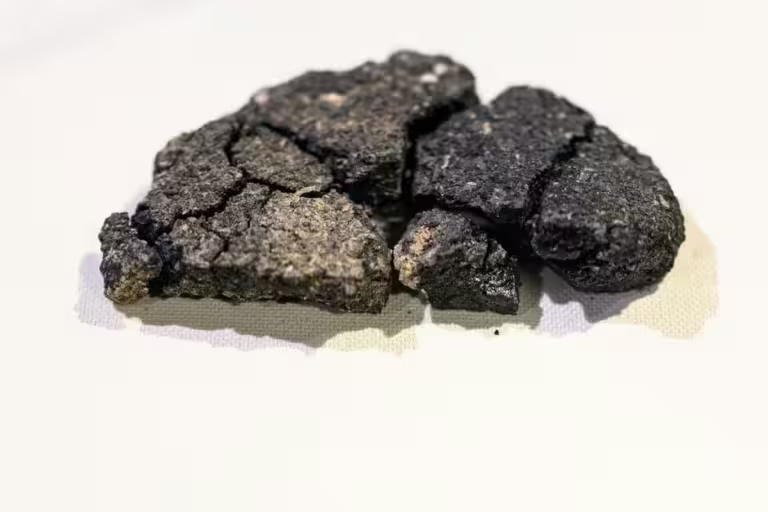
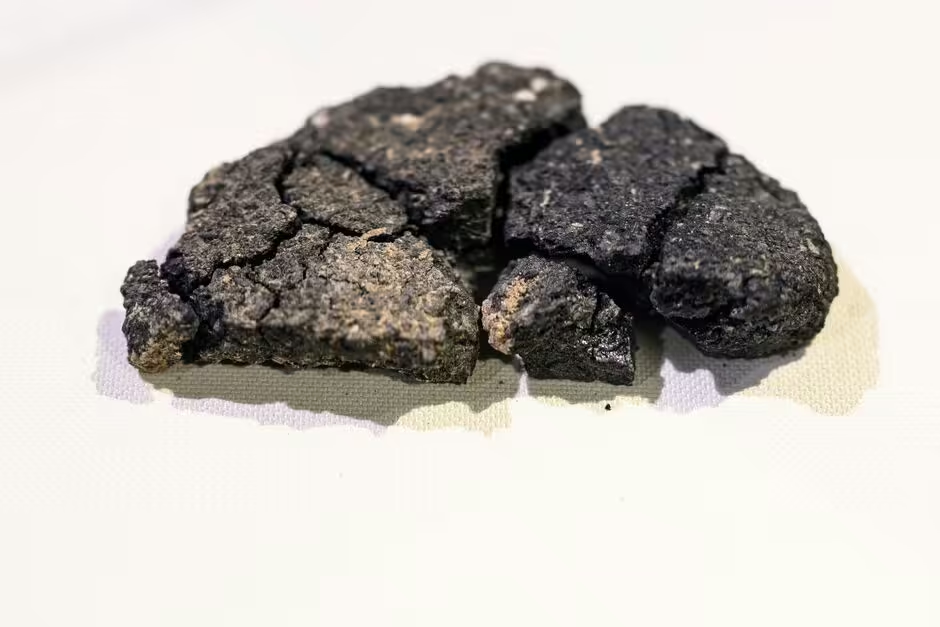
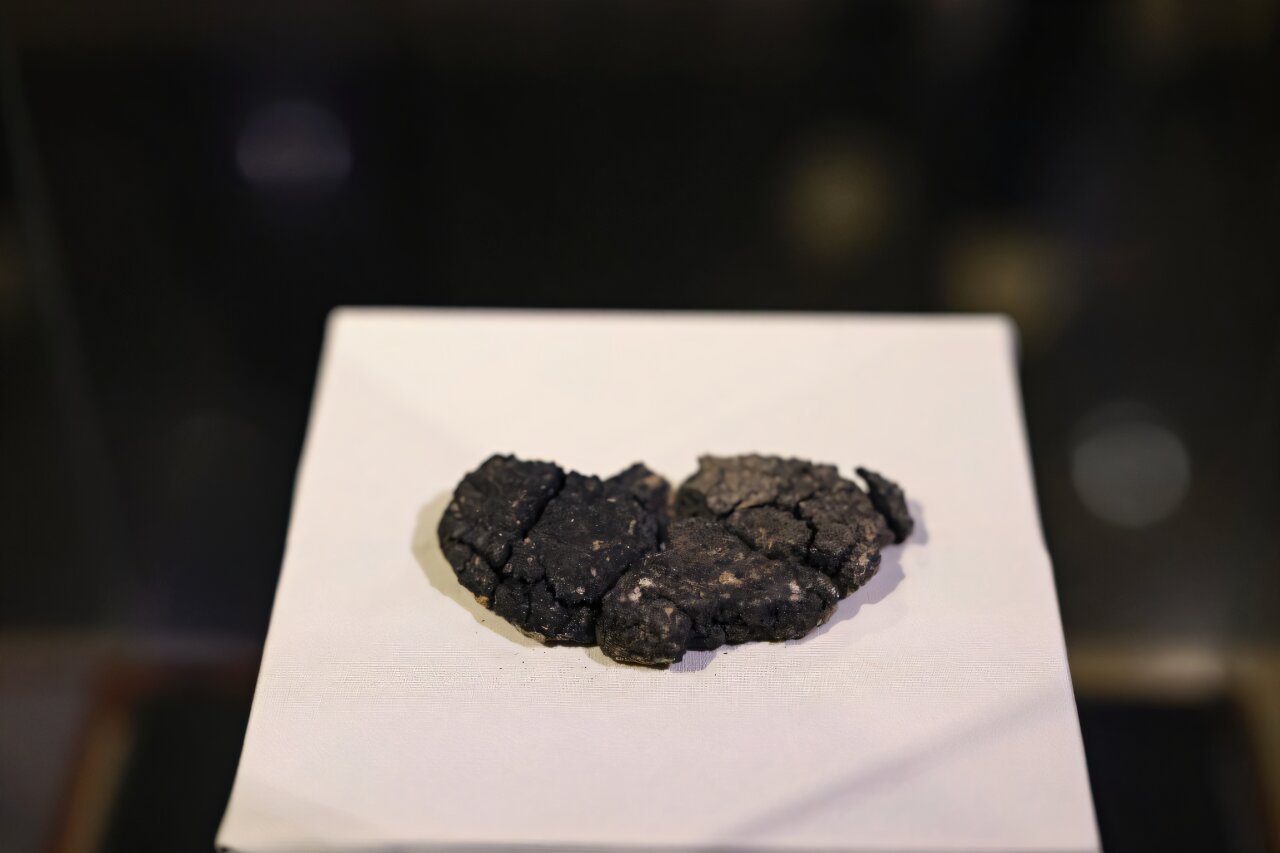
Archaeologists working at the site of Küllüoba Höyüğü in the province of Eskişehir, central Anatolia, Turkey uncovered a charred loaf of bread dating to the Early Bronze Age (c. 3300 BCE). The 5,000 year old loaf gives us insights into ancient diets and how we can eat more sustainably today.
The loaf, according to Turkish news sources, was buried beneath the threshold of a house, and because it had been burnt and then buried, it was remarkably well-preserved — enabling detailed analysis.
Lab analysis of the remains found that the bread was made from coarsely-ground emmer wheat flour (an ancient hulled wheat variety), combined with lentil seeds, and used a leaf of an as-yet-unidentified plant as a kind of natural leavening or fermentation agent.
The original 5,000 year old loaf
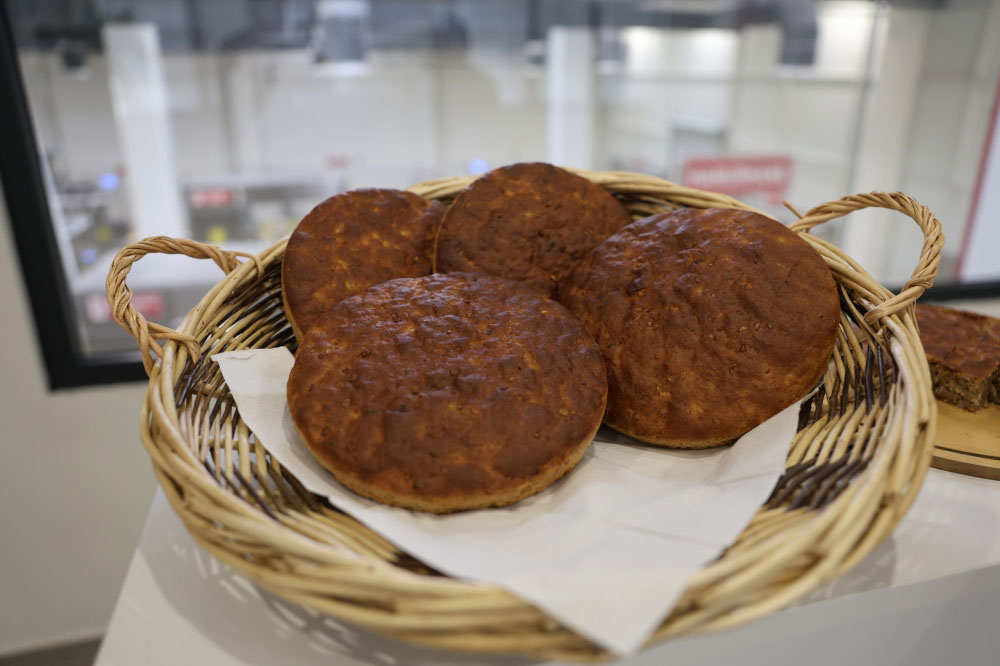
After the discovery, the local municipal bakery (Halk Ekmek in Eskişehir) worked with the archaeological team to recreate the bread, using similar ingredients — in particular substituting a close analogue, the naturally low in gluten ancient wheat variety Kavılca wheat, when original emmer seeds were no longer available.
From a municipal press release (in Turkish) from the Eskişehir Metropolitan Municipality:
“Inspired by the 5,000-year-old bread unearthed at Küllüoba Höyük, the Küllüoba bread is made from ancestral grains such as Kavılca, Khorasan, and Gacer, ground in a stone mill, together with lentil flour. It was noted that with its low-gluten, additive-free, and nutritious composition, this bread also contributes to today’s understanding of healthy eating.”
The excavation director said: “This is the oldest baked bread to have come to light during an excavation, and it has largely been able to preserve its shape.”
The renewed bread has not just academic interest — local consumers have lined up to buy the round, flat loaves (≈12 cm diameter). It also sparked interest in reviving ancient wheat varieties that are more drought-resistant.
Home-Baking Recipe (Inspired by the Ancient Loaf)
Modern bread produced using the same ingredients as the ancient bread
The following Green Prophet recipe is adapted from the archaeological findings and modern recreation, but simplified for home use. It won’t be exactly the ancient product (especially due to modern ovens and ingredient availability), but it offers a close experience.
Yield: About 2 loaves (≈12 cm diameter each)
Ingredients:
200 g whole-grain emmer or spelt flour (if true emmer unavailable)
50 g bulgur (preferably coarse)
30 g red or green lentil flour (or finely ground lentils)
1 ½ tsp salt
300-330 ml lukewarm water
1 tsp active dry yeast (modern substitute for ancient natural leaf-ferment)
Optional: small pinch of sugar (to assist yeast)
Optional: a few drops of olive oil
Method:
In a large bowl, combine the emmer/spelt flour + bulgur + lentil flour + salt.
Dissolve the yeast (and sugar, if used) in half the water; let sit ~5 minutes until bubbly.
Pour the yeast mixture and the remaining water into the dry mix. Stir to form a soft dough.
Knead lightly for 5 to 7 minutes until the dough is smooth (it may be a bit denser than modern breads due to the coarse grains).
Cover the dough and leave to rise in a warm place for about 1 hour (or until roughly doubled).
After rising, divide into two equal pieces. On a lightly floured surface, shape each into a flat round about 12 cm in diameter and ~1–1.5 cm thick.
Preheat your oven to about 180 °C (350 °F) with a baking stone or heavy baking tray inside.
Once hot, place the rounds onto the stone or tray (you may score a shallow line on top). Bake for about 20-25 minutes, or until the crust is lightly browned and the loaf sounds hollow when tapped.
Remove, cool on a rack for 10 minutes, then slice and serve.
Baking Notes:
Because the original loaf was very flat and pancake-like, you should keep the shaping relatively thin.
The lentil flour adds protein and gives a nutty flavor; if you cannot get it, you may substitute finely ground lentils or omit (but you will reduce authenticity).
If you have access to an ancient grain flour (Kavılca wheat, spelt, einkorn, emmer) use it for more authenticity.
For authenticity you could bake on a heated stone or in a cast-iron skillet to get a rustic bottom crust.
The loaf is best eaten fresh, but will keep a day or two wrapped. We keep our bread in the freezer and heat it in the toaster so it keeps for weeks.
Why ancient bread and ancient recipes matter
The discovery in Turkey offers a rare physical example of bread from ~3300 BCE, giving insights into ancient diet, agriculture and ritual (the loaf was buried beneath a home’s threshold, suggesting a symbolic role). The revival in modern Turkey not only connects bread to cultural heritage, but promotes ancient grains (less‐common, drought-tolerant) and sustainable agriculture.
For home bakers today, experimenting with such a recipe gives a tangible link to thousands of years of bread-making tradition.
Here are three more examples of ancient or heritage-inspired recipes featured on Green Prophet, including one for ancient beer:
Mersu (oldest known dessert from Mesopotamia) — Learn how to make this simple date-and-nut confection, inspired by tablets over 3,700 years old. Link: Make Mersu, the oldest known dessert in history
Make mersu, a divine sweet made for the gods
Mead – The ancient honey wine returns — An article on how mead (fermented from honey and water) was enjoyed in ancient civilizations, with historical context and a modern revival. Link: Mead: The Ancient Wine Is BackGreen Prophet
Ancient Mesopotamian Beer — A deeper dive into one of the world’s earliest beers (2-4% alcohol, brewed from barley/emmer and sweetened with dates/honey), including a basic home-brewing interpretation. Link: All About Ancient Mesopotamian Beer
Grapevine leaves are usually thought of as wraps or savory little parcels stuffed with rice and/or meat. But as our previous post on fish grilled in grapevine leaves shows, the leaf of the grape is more versatile than that.
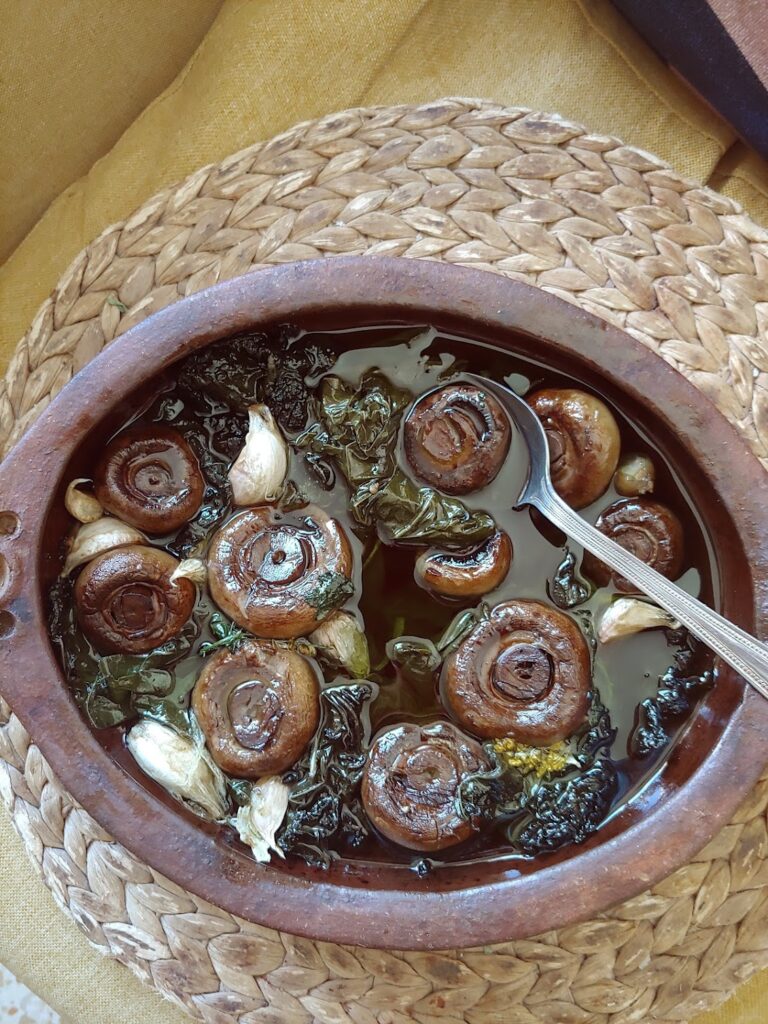
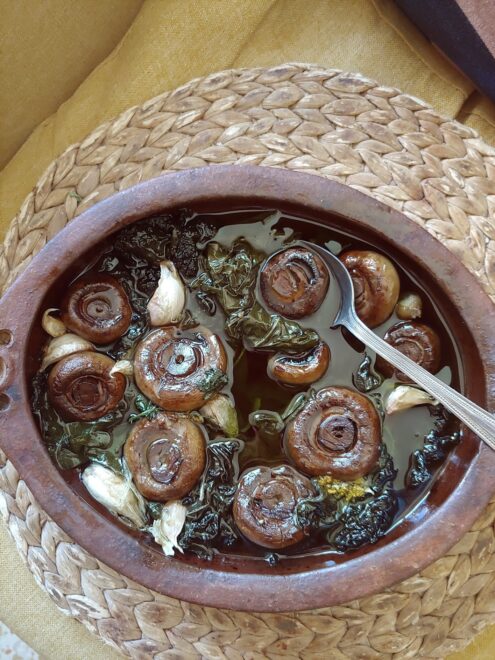
This recipe is said to have originated in France. I can’t guarantee it did, but a dish like this one logically evolves wherever mushrooms and vineyards thrive in the same local. The tangy, woodsy flavor of the grapevine leaves complements the earthy mushrooms. Olive oil and garlic are natural added ingredients. You’ll be wafted to the Mediterranen when you lift the leaf cover and the irresistible aroma rises.
A jar of grapevine leaves in brine makes cooking quick and easy if you can’t get fresh leaves. Make sure to extract the leaves gently from the jar, because the brine makes them fragile. Although you’re not filling and rolling them, as in Iraqi stuffed grape leaves, you may want the unused leaves to make dolamades some time later.
You’ll need a shallow baking dish with either a tightly fitting lid or foil to cover the dish well.
Mushrooms Cooked In Grapevine Leaves
An easy Mediterranean mushroom dish
4 cups – 300 grams – fresh button mushrooms.
Grapevine leaves to cover the bottom of a baking dish in one layer (plus added leaves to cover the mushrooms)
1/2 cup olive oil
1/2 tsp sea salt
8 whole (peeled garlic cloves)
1/2 tsp. Ground black pepper
Preheat the oven to 325° F – 165° C
Rinse the grape leaves and leave to drain in a colander or on a kitchen towel.
Rinse the mushrooms and pat them dry.
Remove and chop the stems coarsely; set the stems aside.
Halve any particularly large mushrooms.
Line a baking dish with grape leaves in a single layer.
Pour half the olive oil over the leaves.
Place the sliced or whole mushrooms over the leaves.
Put the chopped stems around the mushrooms.
Poke the garlic cloves into any empty spaces around the mushrooms.
Sprinkle everything with salt and pepper to taste.
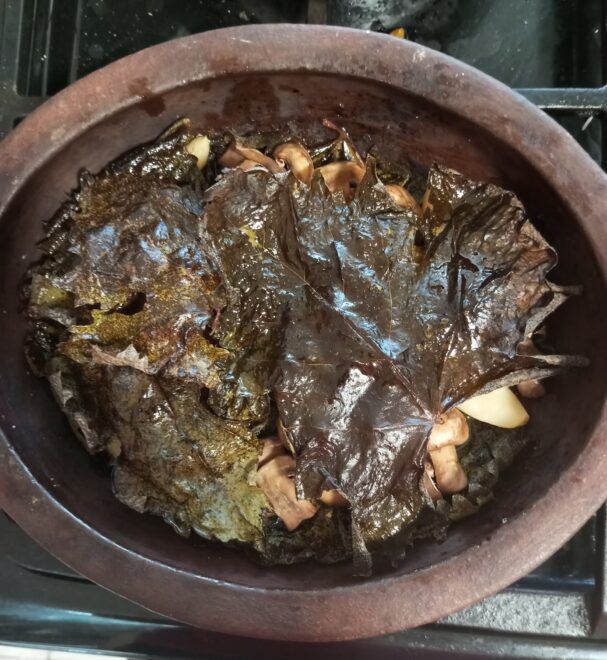
Cover the dish with grape leaves.
Pour the second half of the olive oil over all.
Cover the dish with a tightly fitting lid or foil.
Bake for 30 minutes.
Spoon some of the cooking juices over the mushrooms and garlic cloves, and serve.
Side Dish
Mediterranean
mushrooms, grapevine leaves
The leaves covering the mushrooms will be dark and crunchy. If you cooked this with fresh grapevine leaves, they will be tender enough to eat, and tasty.
Any remaining cooking juices can be added to a sauce, poured over steamed vegetables or stirred into mashed potatoes.
If you’ve only ever eaten grapevine leaves as dolmades, you’ll be surprised to learn that those tangy grape leaves add luxurious flavor to a variety of other dishes.
You’re lucky if you have access to a green, growing grapevine in the spring, when you can pick the fresh leaves and process them at home. It’s easy enough. Just a matter of blanching them briefly in boiling water, then cold. You’ll have the satisfaction of successful foraging.
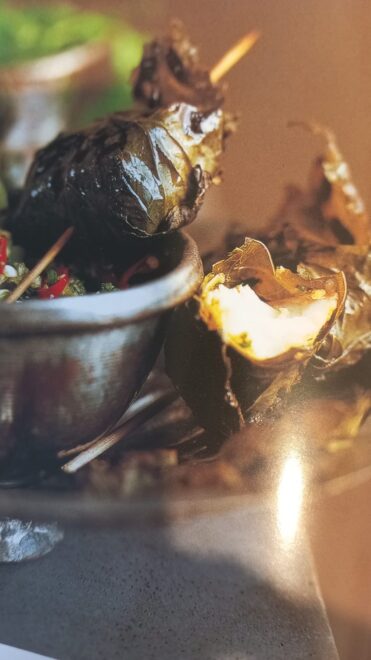
Keep a jar of grape leaves in the pantry for inspiration. Go vegan, or not. Choose to wrap cheese, or mushrooms, or fish in grapevine leaves. We’re offering you the first in a series of grape vine leaf-inspired recipes to brighten meals any time: grilled fish in vine leaves, then dipped in a spicy-hot, herby sauce. The fish is marinated for an hour in a coriander-based chermoula dressing.
Grilled Fish in Grapevine Leaves With Sweet and Sour Chilli Sauce
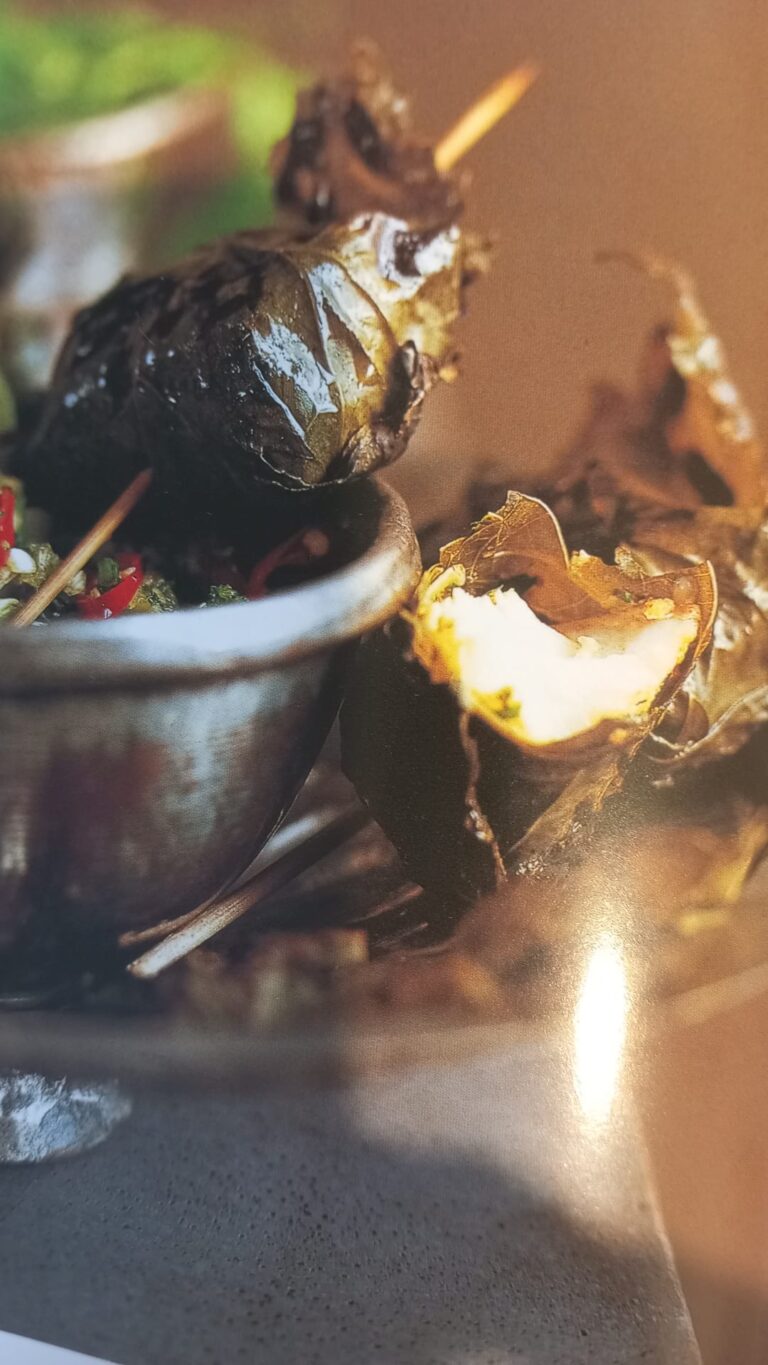
Fish wrapped in grapevine leaves and grilled, served with a spicy sauce.
For Fish:
30 vine leaves in brine
4-5 firm white fish fillets (such as haddock, snapper, grouper)
Chermoula:
1 Small bunch of fresh coriander leaves
2-3 garlic cloves
2 tsp ground cumin
4 Tblsp olive oil
Juice of 1 lemon
Salt
Dipping Sauce:
1/4 cup white wine vinegar or lemon juice
1/2 cup superfine sugar or 1/2 cup plus 1 tsp granulated sugar
1-2 Tblsp water
Pinch saffron threads
1 onion (finely chopped)
2 garlic cloves (finely chopped)
3 scallions (finely sliced)
1 oz. Fresh grated ginger root
2 hot chillies (seeded and finely sliced)
Small bunch fresh coriander leaves (finely chopped)
Small bunch fresh mint (finely chopped)
Process the chermoula ingredients in a food pr0cessor or blender. Pour into a large bowl.
Rinse the vine leaves, then soak in cold water to remove most of the brine.
Cut fillets into eight bite sized pieces.
Marinate the fish pieces in the chermoula for 1 hour.
Heat the vinegar or lemon juice, sugar and water. Stir until sugar dissolves.
Boil one minute, then cool.
Add the remaining ingredients; blend.
Drain the vine leaves and pat dry.
Lay a leaf flat on the work surface. Place a piece of marinated fish in the center.
Fold the edges of the leaves over the fish. Make a parcel by wrapping with extra leaves.
Repeat until all the fish pieces are wrapped in the leaves.
Thread the parcels onto kebab skewers. Brush with any leftover marinade.
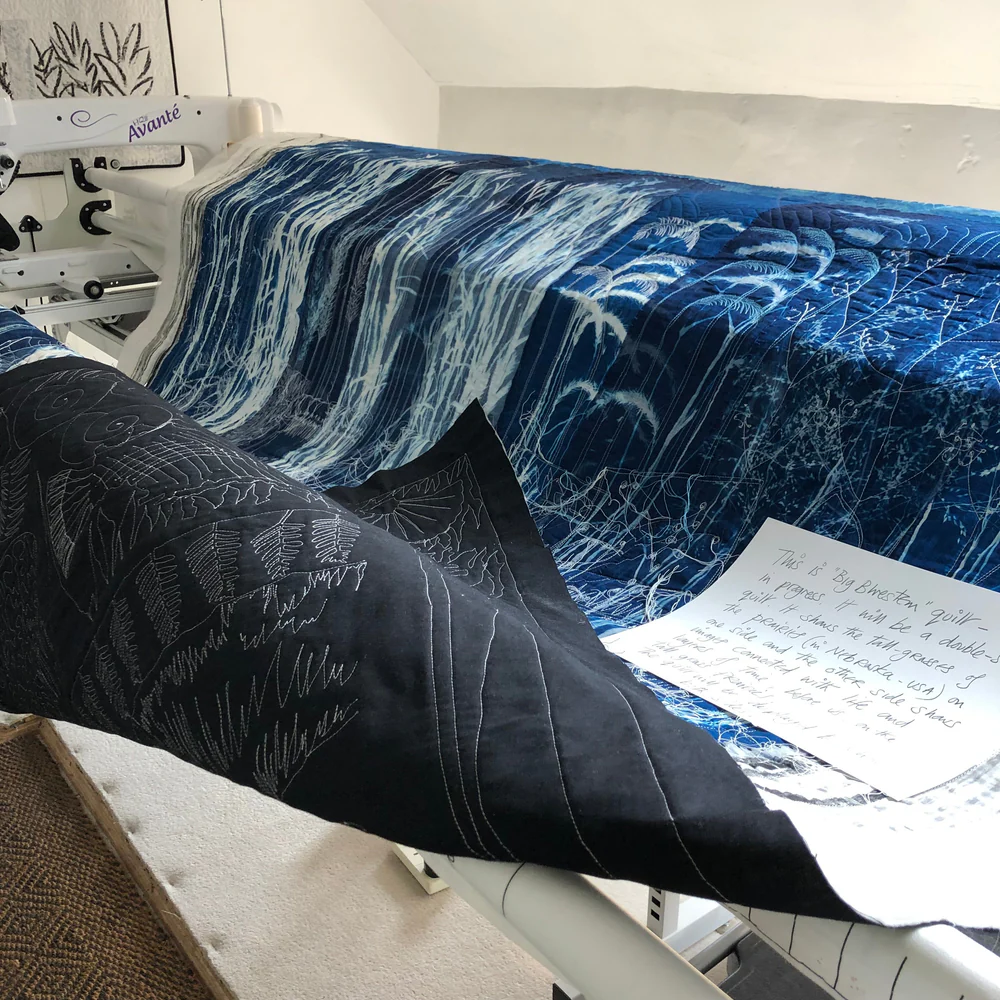
Close-up of Pauline Burbidge’s botanical quilt work showing cyanotype impressions of Nebraska grasses, blending textile art with land memory and ecological storytelling
A newly commissioned quilt, “Big Bluestem,” by textile artist Pauline Burbidge has entered the permanent collection at the International Quilt Museum at the University of Nebraska–Lincoln. Created using cyanotype techniques on fabric—an old 19th-century sun-printing method once used for botanical documentation—the quilt captures grasses from Nebraska’s prairies and turns them into a living memory map. Fossils, bison, insects, and historic symbols are stitched into the back like a quiet ledger of land and humanity.
Modern quilt art by Pauline Burbidge displayed at the International Quilt Museum, showcasing the revival of handcraft in contemporary textile culture.A cyanotype quilt titled “Big Bluestem” by Pauline Burbidge, featuring prairie grasses imprinted on fabric using 19th-century sun printing techniques, part of the new folk craft movement.
We’ve been experimenting with cyanotype over the years and love how you can take objects and prints and turn them into photographs.
This return to slow, tactile, land-connected craft echoes a larger cultural shift we’re seeing across climate art, regenerative design, and local storytelling. Quilts are becoming scrolls. Soil is becoming ink. Memory is becoming a material.
Pauline says: “To me, the importance of the tall-grasses is key to our future balance – the well-being of humans, animals and plant life. There are very few Tall-Grass Prairies left! I would love to see more conservation and development of them – they are so important!”
Craft as Archive: Dirt, Ink, and Healing Objects
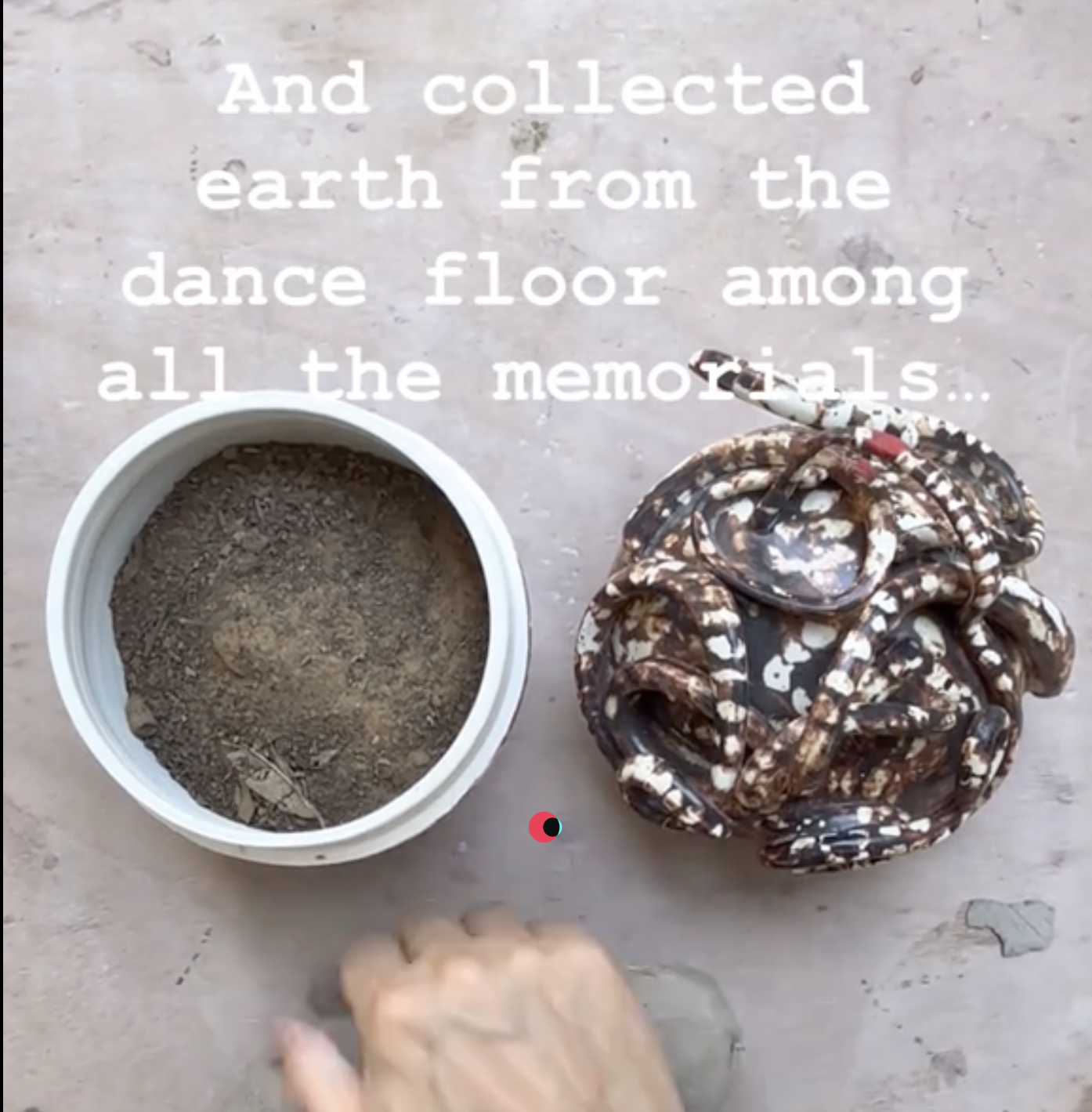
Karin Kloosterman, Nova Cups made with dirt from the Nova dance floor
@greenprophet Reposted from @Kedma_link We travelled to the site of the Nova dance floor October 7th massacre with our mother and collected earth from the dance floor. The memorials written by mothers for their daughters and sons tore our hearts out. Our Scottish mother cried and screamed to us last night — let the world know what happened in Israel! They don’t know. They don’t understand. We don’t want to fight. There is a belief in the Holy Land that all material carries a divine spark. And the materials and matter that come into our lives has a purpose, just like relationships, fortune, love, and pain. While we can’t form complete pots or cups from sand, we imbue our vessels with sparks of the earthen memory from Nova and are curious to see if something extra, like a maker’s spirit, can be felt when holding or drinking from such cups. We are looking for people from all over the world to try our experiment. Can you feel anything that matters in the material you hold? Can we redeem the pain, or matter for that matter? Drop us a line in the comments with your location if you want us to send you a Nova Earth cup. We have 20 to give away and are looking for people from all over the world to participate. #Jaffa#novaearth#pottery#materialmatters#ceramic♬ Will Ye Go, Lassie Go? – Lola Kirke & Peter Dreams & Brian Dunphy & Darren Holden & Jack O’Connell & Sinners Movie
Canadian experimental artist Karin Kloosterman, founder of Green Prophet and a regular contributor here (read her latest on how to escape a cyborg take-over by hiding out in Berlin at Michelberger Hotel), has been making vessels and tea cups using soil collected from sites of cultural and emotional rupture. One of her recent series includes 18 healing cups made from the earth of the Nova music festival dance floor, reclaiming soil touched by grief and turning it into a shared ritual of remembrance. She also embeds seeds and found materials into vessels as anonymous time capsules, to be uncovered by future humans in a cyborg world.
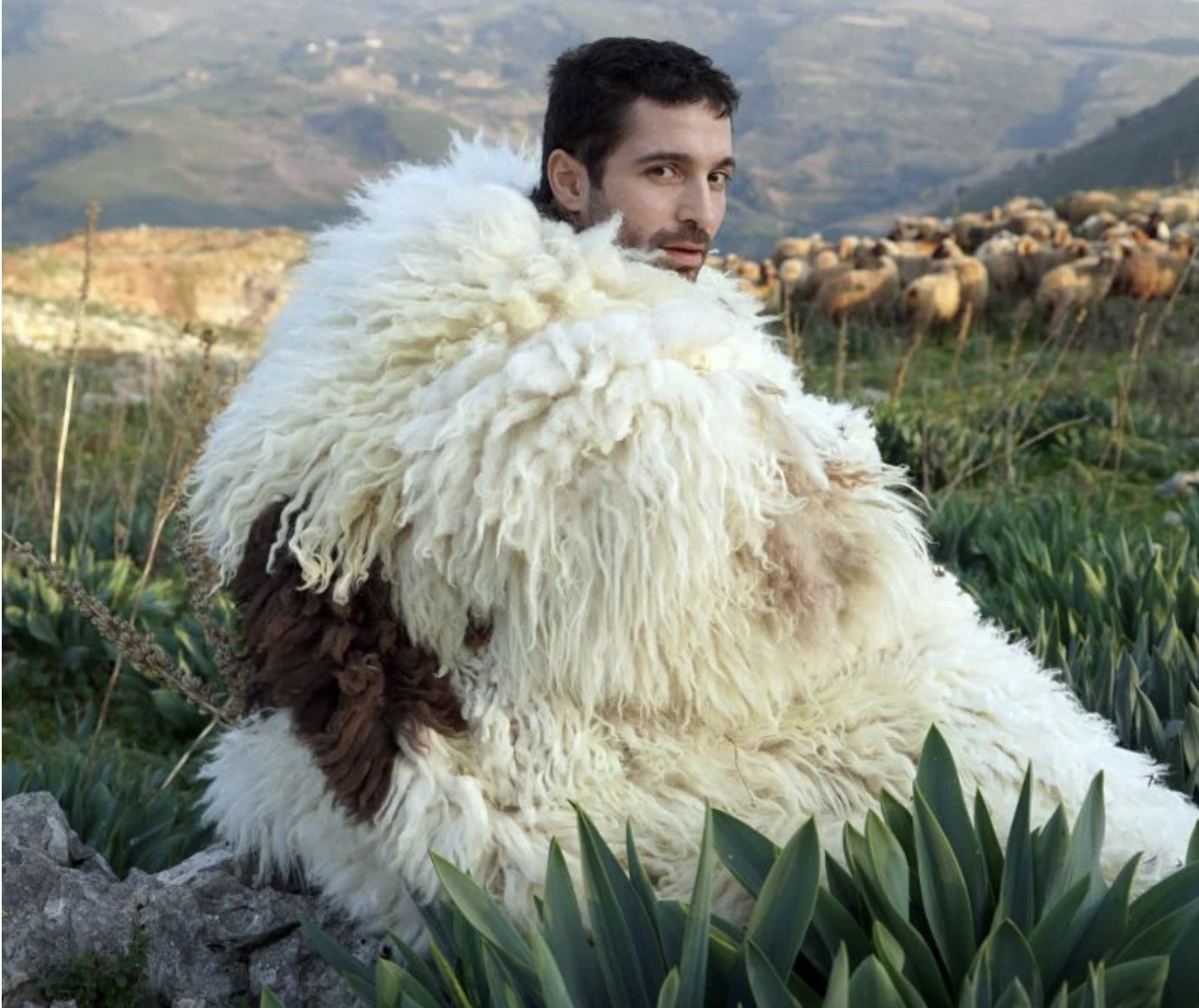
Jason Logan’s “Make Ink” project in Toronto creates pigments using rusted scaffolding bolts, berries from alleyways, copper pipes, and soot from bus stops—turning urban scrap into poetic, usable color. The book is a handbook for those who want to create ink as memory rather than commodity. Andrian Pepe in Lebanon reconstructs identity through wool and traditional textile forms, using craft as emotional cartography.
Experimental biofabricators are now printing patterns on fabric using mushroom-based inks, and even making mushroom paper and mushroom-based leather—creating textiles that age, change, and biodegrade intentionally. Quilts that are meant to return to the earth.
From Knitting Elephant Sweaters to Soil Teacups – Folk Traditions in the Anthropocene
Adrian Pepe
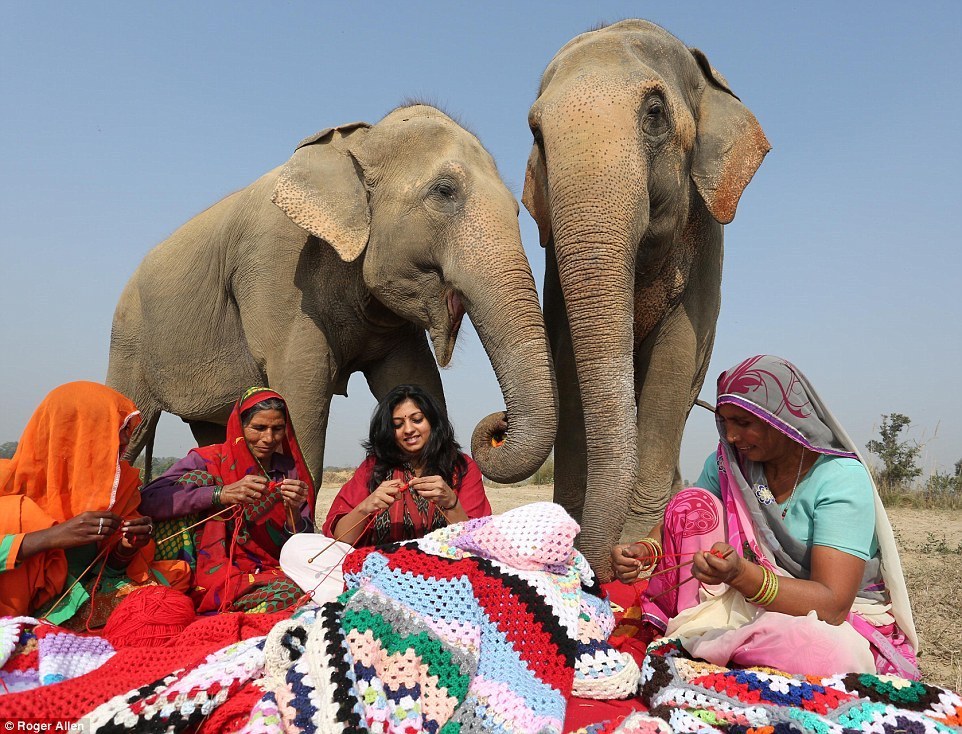
On Green Prophet, we’ve covered similar folk gestures over the years: The knitters in India making oversized sweaters for cold elephants, a gesture of absurd tenderness that went viral. Women’s collectives in the Middle East knitting protection around trees like they were family members.
Knitting sweaters for elephants in India
These are not just cute stories. They signal something deeper: a hunger for connection to land through material ritual. When the digital world feels weightless, people turn to thread, soil, and plant dyes as a way to say: we are still here.
Start Some Projects With Your Local Spirit and Materials
Make quilts printed with plant shadows using sunlight and mushroom ink. Begin soil ceremonies—collect clay or earth from places under stress and turn it into vessels or fabric dyes. Create urban ink labs in schools and kitchens, inspired by Make Ink. Start a climate memory quilt—invite refugees, festival-goers, farmers, firefighters to each contribute a patch using pigment or soil from their land.
Love the idea of craft from place? Read these articles on Green Prophet: