When the region settles after the American war with Iran, and it will, American and European travelers will come back. Not just for spectacle or headline projects, but for places that feel real. Places that haven’t been engineered to impress and which get into your soul.
We predict that visitors to Saudi Arabia will want to see places like Rijal Alma.When the region settles after the American war with Iran, and it will, American and European travelers will come back. Not just for spectacle or headline projects, but for places that feel real. Places that haven’t been engineered to impress and which get into your soul.
We predict that visitors to Saudi Arabia will want to see places like Rijal Alma.
“Forever chemicals” like the ones ejected by Lulelemon yoga pants into strategic areas don’t go away. They don’t break down in nature, and once they’re in water, soil, or our bodies, they tend to stick around. But scientists at Florida International University think they’ve found a smarter way to deal with them, and it uses something as simple as pH.
Koh Phangan may be known for yoga, detox retreats, and full moon parties, but beyond the curated paradise lies a different reality—one of injured stray animals and the quiet work of rescue. This story explores PACS (Phangan Animal Care for Strays), a grassroots animal shelter tackling overpopulation, disease, and neglect on the island. Through firsthand experience with teens, it reveals how meaningful travel, volunteerism, and compassion offer a deeper kind of healing—far from the Instagram version of paradise.
The earliest stages of life, from infancy through childhood, form the foundation for lifelong health and development. During these years, the brain develops rapidly, children learn social and emotional skills, and the body undergoes significant physical growth.
Back in late 2025, Green Prophet began asking uncomfortable questions about what’s really inside your yoga pants, from transparency failures (yes, those infamous see-through leggings) to the less visible and scarier issue: Your sweat is unlocking microplastics and chemical coatings sitting in the most absorbent parts of the human body.
When the region settles after the American war with Iran, and it will, American and European travelers will come back. Not just for spectacle or headline projects, but for places that feel real. Places that haven’t been engineered to impress and which get into your soul.
We predict that visitors to Saudi Arabia will want to see places like Rijal Alma.When the region settles after the American war with Iran, and it will, American and European travelers will come back. Not just for spectacle or headline projects, but for places that feel real. Places that haven’t been engineered to impress and which get into your soul.
We predict that visitors to Saudi Arabia will want to see places like Rijal Alma.
“Forever chemicals” like the ones ejected by Lulelemon yoga pants into strategic areas don’t go away. They don’t break down in nature, and once they’re in water, soil, or our bodies, they tend to stick around. But scientists at Florida International University think they’ve found a smarter way to deal with them, and it uses something as simple as pH.
Koh Phangan may be known for yoga, detox retreats, and full moon parties, but beyond the curated paradise lies a different reality—one of injured stray animals and the quiet work of rescue. This story explores PACS (Phangan Animal Care for Strays), a grassroots animal shelter tackling overpopulation, disease, and neglect on the island. Through firsthand experience with teens, it reveals how meaningful travel, volunteerism, and compassion offer a deeper kind of healing—far from the Instagram version of paradise.
The earliest stages of life, from infancy through childhood, form the foundation for lifelong health and development. During these years, the brain develops rapidly, children learn social and emotional skills, and the body undergoes significant physical growth.
Back in late 2025, Green Prophet began asking uncomfortable questions about what’s really inside your yoga pants, from transparency failures (yes, those infamous see-through leggings) to the less visible and scarier issue: Your sweat is unlocking microplastics and chemical coatings sitting in the most absorbent parts of the human body.
When the region settles after the American war with Iran, and it will, American and European travelers will come back. Not just for spectacle or headline projects, but for places that feel real. Places that haven’t been engineered to impress and which get into your soul.
We predict that visitors to Saudi Arabia will want to see places like Rijal Alma.When the region settles after the American war with Iran, and it will, American and European travelers will come back. Not just for spectacle or headline projects, but for places that feel real. Places that haven’t been engineered to impress and which get into your soul.
We predict that visitors to Saudi Arabia will want to see places like Rijal Alma.
“Forever chemicals” like the ones ejected by Lulelemon yoga pants into strategic areas don’t go away. They don’t break down in nature, and once they’re in water, soil, or our bodies, they tend to stick around. But scientists at Florida International University think they’ve found a smarter way to deal with them, and it uses something as simple as pH.
Koh Phangan may be known for yoga, detox retreats, and full moon parties, but beyond the curated paradise lies a different reality—one of injured stray animals and the quiet work of rescue. This story explores PACS (Phangan Animal Care for Strays), a grassroots animal shelter tackling overpopulation, disease, and neglect on the island. Through firsthand experience with teens, it reveals how meaningful travel, volunteerism, and compassion offer a deeper kind of healing—far from the Instagram version of paradise.
The earliest stages of life, from infancy through childhood, form the foundation for lifelong health and development. During these years, the brain develops rapidly, children learn social and emotional skills, and the body undergoes significant physical growth.
Back in late 2025, Green Prophet began asking uncomfortable questions about what’s really inside your yoga pants, from transparency failures (yes, those infamous see-through leggings) to the less visible and scarier issue: Your sweat is unlocking microplastics and chemical coatings sitting in the most absorbent parts of the human body.
When the region settles after the American war with Iran, and it will, American and European travelers will come back. Not just for spectacle or headline projects, but for places that feel real. Places that haven’t been engineered to impress and which get into your soul.
We predict that visitors to Saudi Arabia will want to see places like Rijal Alma.When the region settles after the American war with Iran, and it will, American and European travelers will come back. Not just for spectacle or headline projects, but for places that feel real. Places that haven’t been engineered to impress and which get into your soul.
We predict that visitors to Saudi Arabia will want to see places like Rijal Alma.
“Forever chemicals” like the ones ejected by Lulelemon yoga pants into strategic areas don’t go away. They don’t break down in nature, and once they’re in water, soil, or our bodies, they tend to stick around. But scientists at Florida International University think they’ve found a smarter way to deal with them, and it uses something as simple as pH.
Koh Phangan may be known for yoga, detox retreats, and full moon parties, but beyond the curated paradise lies a different reality—one of injured stray animals and the quiet work of rescue. This story explores PACS (Phangan Animal Care for Strays), a grassroots animal shelter tackling overpopulation, disease, and neglect on the island. Through firsthand experience with teens, it reveals how meaningful travel, volunteerism, and compassion offer a deeper kind of healing—far from the Instagram version of paradise.
The earliest stages of life, from infancy through childhood, form the foundation for lifelong health and development. During these years, the brain develops rapidly, children learn social and emotional skills, and the body undergoes significant physical growth.
Back in late 2025, Green Prophet began asking uncomfortable questions about what’s really inside your yoga pants, from transparency failures (yes, those infamous see-through leggings) to the less visible and scarier issue: Your sweat is unlocking microplastics and chemical coatings sitting in the most absorbent parts of the human body.
When the region settles after the American war with Iran, and it will, American and European travelers will come back. Not just for spectacle or headline projects, but for places that feel real. Places that haven’t been engineered to impress and which get into your soul.
We predict that visitors to Saudi Arabia will want to see places like Rijal Alma.When the region settles after the American war with Iran, and it will, American and European travelers will come back. Not just for spectacle or headline projects, but for places that feel real. Places that haven’t been engineered to impress and which get into your soul.
We predict that visitors to Saudi Arabia will want to see places like Rijal Alma.
“Forever chemicals” like the ones ejected by Lulelemon yoga pants into strategic areas don’t go away. They don’t break down in nature, and once they’re in water, soil, or our bodies, they tend to stick around. But scientists at Florida International University think they’ve found a smarter way to deal with them, and it uses something as simple as pH.
Koh Phangan may be known for yoga, detox retreats, and full moon parties, but beyond the curated paradise lies a different reality—one of injured stray animals and the quiet work of rescue. This story explores PACS (Phangan Animal Care for Strays), a grassroots animal shelter tackling overpopulation, disease, and neglect on the island. Through firsthand experience with teens, it reveals how meaningful travel, volunteerism, and compassion offer a deeper kind of healing—far from the Instagram version of paradise.
The earliest stages of life, from infancy through childhood, form the foundation for lifelong health and development. During these years, the brain develops rapidly, children learn social and emotional skills, and the body undergoes significant physical growth.
Back in late 2025, Green Prophet began asking uncomfortable questions about what’s really inside your yoga pants, from transparency failures (yes, those infamous see-through leggings) to the less visible and scarier issue: Your sweat is unlocking microplastics and chemical coatings sitting in the most absorbent parts of the human body.
When the region settles after the American war with Iran, and it will, American and European travelers will come back. Not just for spectacle or headline projects, but for places that feel real. Places that haven’t been engineered to impress and which get into your soul.
We predict that visitors to Saudi Arabia will want to see places like Rijal Alma.When the region settles after the American war with Iran, and it will, American and European travelers will come back. Not just for spectacle or headline projects, but for places that feel real. Places that haven’t been engineered to impress and which get into your soul.
We predict that visitors to Saudi Arabia will want to see places like Rijal Alma.
“Forever chemicals” like the ones ejected by Lulelemon yoga pants into strategic areas don’t go away. They don’t break down in nature, and once they’re in water, soil, or our bodies, they tend to stick around. But scientists at Florida International University think they’ve found a smarter way to deal with them, and it uses something as simple as pH.
Koh Phangan may be known for yoga, detox retreats, and full moon parties, but beyond the curated paradise lies a different reality—one of injured stray animals and the quiet work of rescue. This story explores PACS (Phangan Animal Care for Strays), a grassroots animal shelter tackling overpopulation, disease, and neglect on the island. Through firsthand experience with teens, it reveals how meaningful travel, volunteerism, and compassion offer a deeper kind of healing—far from the Instagram version of paradise.
The earliest stages of life, from infancy through childhood, form the foundation for lifelong health and development. During these years, the brain develops rapidly, children learn social and emotional skills, and the body undergoes significant physical growth.
Back in late 2025, Green Prophet began asking uncomfortable questions about what’s really inside your yoga pants, from transparency failures (yes, those infamous see-through leggings) to the less visible and scarier issue: Your sweat is unlocking microplastics and chemical coatings sitting in the most absorbent parts of the human body.
When the region settles after the American war with Iran, and it will, American and European travelers will come back. Not just for spectacle or headline projects, but for places that feel real. Places that haven’t been engineered to impress and which get into your soul.
We predict that visitors to Saudi Arabia will want to see places like Rijal Alma.When the region settles after the American war with Iran, and it will, American and European travelers will come back. Not just for spectacle or headline projects, but for places that feel real. Places that haven’t been engineered to impress and which get into your soul.
We predict that visitors to Saudi Arabia will want to see places like Rijal Alma.
“Forever chemicals” like the ones ejected by Lulelemon yoga pants into strategic areas don’t go away. They don’t break down in nature, and once they’re in water, soil, or our bodies, they tend to stick around. But scientists at Florida International University think they’ve found a smarter way to deal with them, and it uses something as simple as pH.
Koh Phangan may be known for yoga, detox retreats, and full moon parties, but beyond the curated paradise lies a different reality—one of injured stray animals and the quiet work of rescue. This story explores PACS (Phangan Animal Care for Strays), a grassroots animal shelter tackling overpopulation, disease, and neglect on the island. Through firsthand experience with teens, it reveals how meaningful travel, volunteerism, and compassion offer a deeper kind of healing—far from the Instagram version of paradise.
The earliest stages of life, from infancy through childhood, form the foundation for lifelong health and development. During these years, the brain develops rapidly, children learn social and emotional skills, and the body undergoes significant physical growth.
Back in late 2025, Green Prophet began asking uncomfortable questions about what’s really inside your yoga pants, from transparency failures (yes, those infamous see-through leggings) to the less visible and scarier issue: Your sweat is unlocking microplastics and chemical coatings sitting in the most absorbent parts of the human body.
When the region settles after the American war with Iran, and it will, American and European travelers will come back. Not just for spectacle or headline projects, but for places that feel real. Places that haven’t been engineered to impress and which get into your soul.
We predict that visitors to Saudi Arabia will want to see places like Rijal Alma.When the region settles after the American war with Iran, and it will, American and European travelers will come back. Not just for spectacle or headline projects, but for places that feel real. Places that haven’t been engineered to impress and which get into your soul.
We predict that visitors to Saudi Arabia will want to see places like Rijal Alma.
“Forever chemicals” like the ones ejected by Lulelemon yoga pants into strategic areas don’t go away. They don’t break down in nature, and once they’re in water, soil, or our bodies, they tend to stick around. But scientists at Florida International University think they’ve found a smarter way to deal with them, and it uses something as simple as pH.
Koh Phangan may be known for yoga, detox retreats, and full moon parties, but beyond the curated paradise lies a different reality—one of injured stray animals and the quiet work of rescue. This story explores PACS (Phangan Animal Care for Strays), a grassroots animal shelter tackling overpopulation, disease, and neglect on the island. Through firsthand experience with teens, it reveals how meaningful travel, volunteerism, and compassion offer a deeper kind of healing—far from the Instagram version of paradise.
The earliest stages of life, from infancy through childhood, form the foundation for lifelong health and development. During these years, the brain develops rapidly, children learn social and emotional skills, and the body undergoes significant physical growth.
Back in late 2025, Green Prophet began asking uncomfortable questions about what’s really inside your yoga pants, from transparency failures (yes, those infamous see-through leggings) to the less visible and scarier issue: Your sweat is unlocking microplastics and chemical coatings sitting in the most absorbent parts of the human body.
Dubai marathoners from the past. Ethiopians will likely dominate the wins this year.
Marathons are a sustainable way to explore the Middle East. We have the best marathons in the Middle East list here, some easy some extreme and ultra. But want to try the oldest marathon in the Middle East. In Dubai?
The Dubai Marathon is the largest mass sporting event in the Middle East, according to event organizers. It’s an annual road-based marathon hosted by Dubai, United Arab Emirates, since 1998. The marathon is categorized as a Gold Label Road Race by World Athletics. In 2007, it was announced that the 2008 marathon would become the world’s richest long distance running event in history, with one million dollars offered as a prize for a world record and $250,000 for first place for both men and women.
This year top cash prizes still attract the world’s best runners. Participants from the past claimed that while the architecture is beautiful, and the weather is great for Europeans looking for a bit more heat in the winter, but most of the race takes place through flat and somewhat boring scenery.
This year in the women’s race, it is Ethiopia that dominates the men’s elite field with a clutch of international champions set to fight it out for the title when the 2023 Dubai Marathon returns to the running fold on February 12.
While Tsegaye Mekonnen, the 2014 Dubai Marathon champion, boasts the field’s personal best time of 2:04:32, he will face a number of talented and experienced compatriots including 2022 Rome and Linz Marathon winner Fikre Bekele, former Rotterdam Marathon champion Abera Kuma and Gebretsadik Abraha, a winner in Marrakech, Prague, Guangzhou and, most recently, in Ljubljana.
Still just 24, Fikre Bekele – known as Fikre Tefera until a few years ago – has competed in just six international marathons during his career, winning five and finishing fourth in the other. While his first two wins came in 2018 in Vadodara and Bilbao, the following year he was the surprise winner of the Frankfurt Marathon where he outkicked his rivals with 300m to go.
Bekele returned to action after the pandemic in 2022 with another two impressive victories winning in Rome (2:06:48) before securing his personal best of 2:06:13 in Linz, Austria – on both occasions he smashed the course records.
Like Bekele, Abraha comes to Dubai full of confidence as his most recent race was probably his best ever. In October he won the Ljubljana Marathon in Slovenia in a time of 2:06:09, finally improving a personal best he had set a decade earlier. Last year saw him run three marathons, winning two of them with that triumph in Ljubljana following on from victory in Lens in France.
Abera Kuma is another of the many Ethiopian world-class athletes who have made their marathon debuts at the Dubai Marathon. In 2014 he produced a fine performance in a top field and finished tenth in 2:09:53. He ran his second marathon in Berlin, where he improved by almost four minutes, taking third place in 2:05:56, which remains his second fastest time at the distance.
His big marathon victory came in 2015 in Rotterdam, a sustainable city where he also clocked his personal best of 2:05:50 three years later, finishing in second place just six seconds behind the winner. Held under the aegis of the Dubai Sports Council, the Dubai Marathon will start and finish for the first time at Expo City Dubai.
Runners who have yet to register and who would like to compete in the Marathon, the 10km Road Race or 4km Fun Run can still register up until February 11 only at the official website dubaimarathon.org. The 2023 Dubai Marathon is supported by adidas, Dubai Duty Free, NORQAIN, the Channel 4 Radio Network, Al Ameen, the Dubai Sports Council, Dubai RTA, Dubai Police and Dubai Municipality.
You can do a sustainable beer tour in Amsterdam, by bike.
The Netherlands is a country full of beauty, history, and culture. From the iconic windmills to the canals of Amsterdam, it has something for everyone to enjoy. But there is more to the Netherlands than just its beautiful landscape – it is also home to some of the best breweries. The unique beer-making tradition of the Dutch, as well as all the breathtaking sites, make this land amazing.
Many breweries here make unique and delicious brews, and visiting them is an excellent way to experience Dutch culture. And you can enjoy the places by driving through the scenic roads with Car Rental BB&L. They offer reliable and trusted car rental services for your trip, with different cars available for your suitable needs. If you are touring inside Amsterdam, however, cycling is the way to go.
Breweries in the Netherlands
Oedipus Brewing
Oedipus Brewin located in Amsterdam, the Netherlands offers a variety of craft beer styles to enjoy. Established by four friends, the brewery is primarily known for its unique labels like Thai Thai and Mama. It has its taproom and private beer-tasting options with personal tours organized professionally for its guests. To add to the beer taste, you can find the world’s best burgers from the chef here to relish. Visitors can mingle in the spacious brewery while enjoying their favourite beverage.
Brouwerij Troost
Whether you’re visiting for a weekend or planning an extension, the best Dutch craft beers at Brouwerij Troostcan be one of the most rewarding experiences you’ll ever have. With over 3-4 branches spread all over the Netherlands, the brewery offers an exceptional experience to its customers. The seats are placed between the tanks, giving you a closer experience of the brewery. Filled with fun, delicious drinks, and unforgettable memories, it is a must-see place to visit.
Bird Brewery
Bird Brewery offers a unique atmosphere and creative brewing experience. Visitors can take part in beer tastings and enjoy the tasting room of Bird Brewery within the Diemer Forest. It offers over 20 speciality beers and a special menu that one can enjoy with nature sounds and bird watching outside. It also has a brew lab that allows visitors to taste test batches or new batches, or even those who love the process can try their hands on brewing.
Butcher’s Tears
Butcher’s Tears is a new and well-known brewery in Amsterdam-Zuid’s industrial space. It offers an array of distinctive brews specially invented for its customers. You will find the place crowded with enthusiastic locals and tourists. The tasting room is open on Sundays and Wednesdays for guests to relish the new flavours. It is also renowned for live music and games offered there for its customers.
De Bierfabriek
This world-class brewery is a host to some of the best house-brewed beers. Along with this, the brewery also has a restaurant that offers mouth-watering delicacies in barbecue style. The place is welcoming for friends and family, making it a perfect setup for any event or gathering. It is a delightful experience to try when visiting the Netherlands. It is a place to enjoy the varieties of beer and the best food in town.
The secrets of ancient Pharaohs and Egyptians still have the power to astonish: a new research paper chronicles the discovery of 2,500 year crocodile mummies, preserved in a ritual dating back to the time of Sobek, a fertility deity worshipped by ancient Egyptians.
The mummies, which look like they could crawl out of the mud at any moment, are likely from two different species found in the region at the time. They were found in a tomb at Qubbat al-Hawa on the west bank shore of the Nile. If you want to dig into the science of the discovery it is outlined in PLoS One.
Crocodiles always played an important role in the Egyptian culture. Linked to a deity, they were also a food source and an important medicine –– their fat was used to treat aches and pains and balding. While mummified animals from other species have been found regularly such as ibises, baboons and cats, this is the first time adult crocodiles were found. “To hear you have 10 crocodiles in a tomb. That’s special,” said Bea De Cupere, an author of the study.
The study began back in 2018 when researchers found small tombs under a trash dump from the Byzentine era. Sandwiched between the dump and and four human burials (from 2100 BCE) were the crocs. Doesn’t this news just make you want to get out in the world, in the Middle East especially and explore? While there are many active sites and digs in countries like Israel, Egypt and Jordan, consider what’s happening in Saudi Arabia. Ancient sites now opening to the world and archeologists needed to explore them.
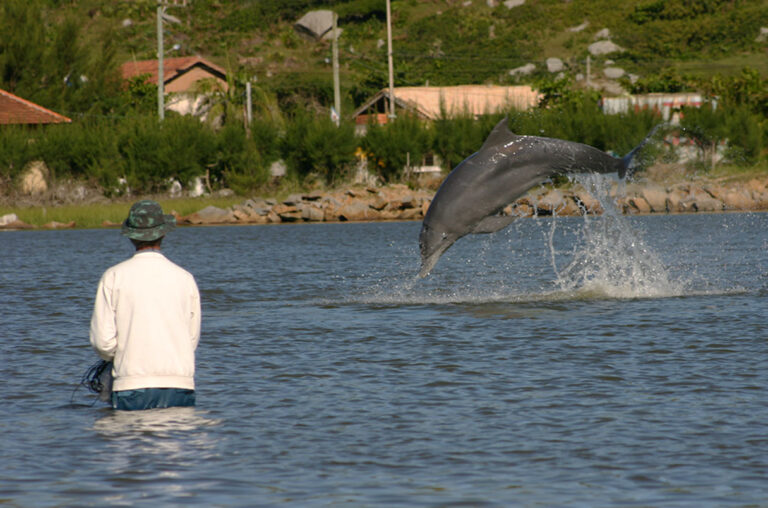
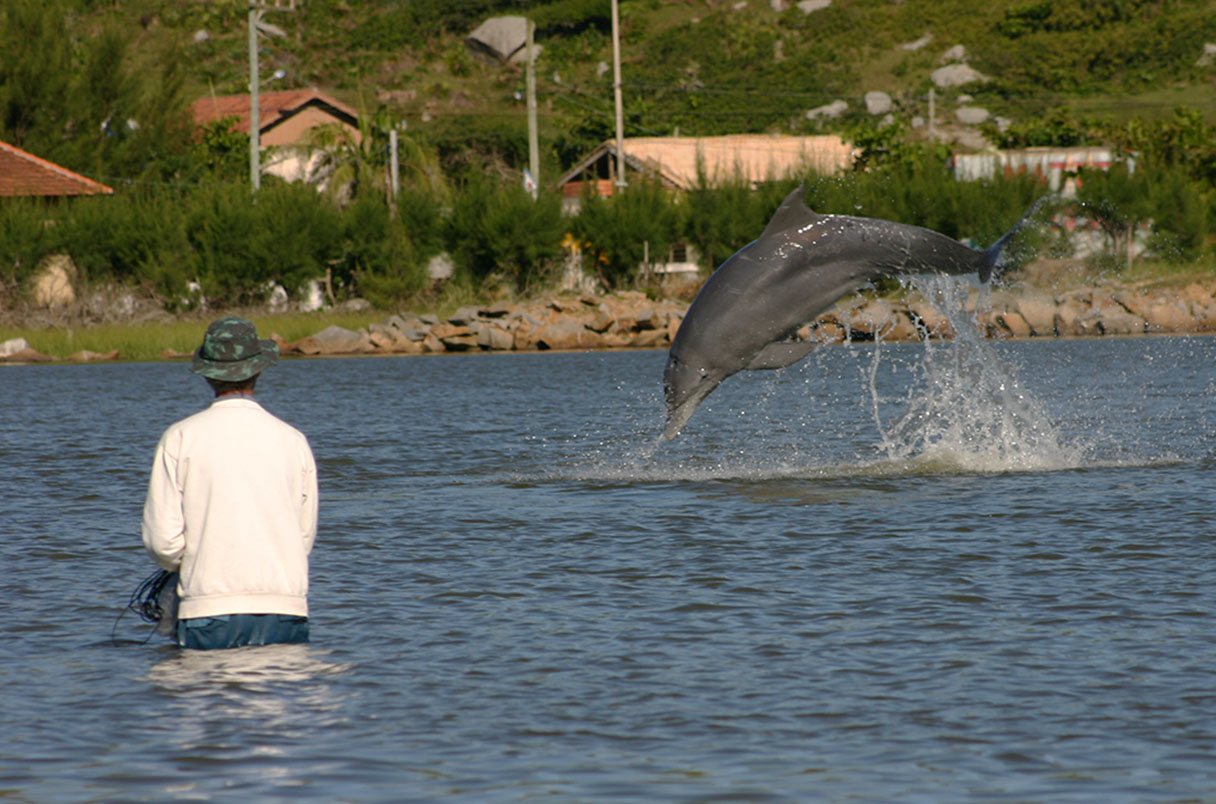
Researchers have confirmed how people and dolphins benefit from a centuries-old practice of fishing together in southern Brazil.
Researchers have just confirmed what fishing together means for Brazilians and dolphins. They studied a centuries-old practice of dolphins and people fishing together in southern Brazil and learn it’s a symbiotic relationship which is now under threat.
The researchers report how bottlenose dolphins (Tursiops truncatus gephyreus) find schools of fish and herd them to the shallows, where the fishers stand and wait. The dolphins even use signals, usually by making a sudden deep dive, so the fishers know the perfect time to throw their nets.
When the process works in harmony, the fishers are more successful and in turn, their nets separate individual fish that are easier prey for the dolphins.
Unfortunately, the traditional practice is on the wane: artisanal fishing methods are dying out, and some fishers are turning to modern gear, such as trammel netting, that actually kills dolphins.
In the research paper, the scientists propose two possible conservation actions that are targeting fishers’ behavior that could prevent the erosion of this century-old fishery, thereby safeguarding one of the last remaining cases of human–wildlife cooperation.
In areas like the Red Sea in the Middle East, dolphins are disappearing and the situation will get worse once cruise-ships start landing on Aqaba’s shore and once Saudi Arabia starts building its mega-sites on the sea, like The Line and Sindala Islands. The Sinai Peninsula on the Egyptian side is a sane and safe place to go see wildlife at sea. Go while you still can. Message me for ideas of where to go.
Looking for more? A book called Lo-Tek, Radical Indiginism can help future researchers, fisher-people and low-tech lovers of the earth, permaculture, regenerative agriculture, refashion and preserve what the planet needs. If you buy the book through the link above a small part of the sales will go to Green Prophet allowing us to keep writing good news stories like this one. The research paper on the fisher study is on the link below.
Environmental artist and sustainable designer Pablo Solomon lives in Texas, but he has roots in the Middle East. We need a spiritual transformation to change our planet’s greed, he says in response to Saudi Arabians not responsible for dry Arizona water wells. Below are Solomon’s ideas on safeguarding America’s and our planet’s water:
Water rights, ownership, stewardship, etc. are among the most complex issues we face. Like almost all other laws we have, if people were honest, moral, fair and not so damned greedy no water laws would be necessary.
Sam Rayburn Water Reservoir, Texas
However, greed and exploitation seem to be part of the dark strand of human DNA? I contend that the big sin that Adam and Eve committed was as much greed as disobedience. God gave them everything they needed and only wanted them to refrain from one fruit—but no– they just could not resist.
I live on an historic ranch in the beautiful Texas Hill Country. We are in a region of Karst Topography which means limestone with a lot of springs and caves. However, we do not have the bountiful layers of underground water that you find along the coastal regions of Texas unless you drill very deep wells.
Our ranch has a wonderful spring. We drink the water and it is both tasty and healthful. It comes out of the ground at about 68 F year around–which in the 100 F Texas summers is a delight. We use only what we need and thank God for every drop. We collect rainwater and reuse our greywater. We have natural grasses that are drought resistant. We do not over-graze. When properly managed– cattle, goats and sheep can live in harmony on the natural grass and plants.
People by the hordes are leaving the deplorable conditions of the Texas big cities and those of other states created by mismanagement, over taxing, crime, pollution, etc. This in addition to the thousands a day crossing the border with Mexico.
This puts a strain on everything from water to education to health services to first responders, etc. Our area is trying to adjust and deal with this rapidly changing situation. It is hard to grasp just how fast this is happening. Big ranches are being bought up and divided into subdivisions. The very wealthy are putting in resorts and wineries.
Off The Grid in Terlingua Texas
So water is the big issue. Not only from new wells, but also from properties along rivers that have water rights going back 300 years to Spanish land grants that were reserved when Texas became an independent Republic in 1836 and when it joined the Union in 1845.
So some Texas counties are requiring wells to be registered and monitored and—of course—taxed. This is a dilemma for those of us who hate government interference, believe in personal freedom and personal responsibility– but recognize that the greed of some is putting the total water supply in danger.
So I continue my battle to promote natural agriculture: growing crops where they should be grown –– not where enormous amounts of water must be provided from underground sources. Texas cities are expanding over some of the best farmland on the planet. Houston, which sits on the world’s best soil and has an abundance of rain now stretches 100 miles from one end to another and still expanding. This is pure ignorance.
The Native Americans lived by the springs on our ranch for at least 8,000 years and those down the road for at least 13,000 years. They did so by taking only what they needed and living in harmony with the land. Now people are watering their yards in deserts, pumping millions of gallons a day to process aluminum, polluting the rivers. While new technology will find some bandaids for the water crisis, it will take a spiritual revival to change greed and stupidity.
“Are you going in?” “The tide is good and the waves aren’t too big but…I never swim alone.” Whether it’s memorized as a mantra or sung as a gospel spiritual, the first rule of sea swimming is, “Never Alone!” “We are here.”
There went my last excuse. There are plenty of real and imaginary reasons to avoid sea-swimming, from jellyfish to sharks to yuck! But we hadn’t had recent heavy rains or sewer overflows, jellyfish come with warmer water and overfishing has forced sharks to look elsewhere for food.
I hadn’t met these swimmers before but Eastern-Europeans come here more often in midwinter. One Eastern Orthodox tradition is to cut a cross-shaped hole in the ice for a baptism on January 19th. According to the Orthodox calendar this is when John the Baptist baptised Jesus in the river Jordan. I regularly meet sea-swimmers from Ireland, Australia, Scotland and Ethiopia. Some barely wade in past their ankles, others swim several kilometers in training to cross the English Channel or from Scotland to Northern Ireland. Some are triathletes, others swim because they can’t walk or run. One confident swimmer sets her cane, folding chair and thermos mug a few feet above the water’s edge. She plans her swim so that a rising tide makes it easy for her to exit the water and warm up with a cup of tea. Sea-swimming was part of the new normal that came with Covid-19. It was safer than going to the gym or disco during a pandemic. We had a beautiful natural setting, healthy social distance, fresh air and fitness. It was the perfect activity except for one thing. It was cold.
Traces of diamond dust snow sparkled in the streetlights as we walked down to the rocky shore. I jog to this little beach so I seldom bring dryrobes, wetsuits or other bulky gear. But even us minimalist swimmers appreciate a towel, warm beverage and a swim safety buoy. A small flashlight inside the buoy’s waterproof cargo chamber turns it into a floating orange lantern like the Japanese Toro Nagashi which guide the souls of the dead. “You have a light? We don’t go out far in the dark.” “Neither do I but the light is nice don’t you think?” “Beautiful.” The stars were bright with temperatures below freezing which meant the water would be warmer than the air. Even so, the first moments can be painful. Sharp, someone had once called it. As if shards of ice were forming on the dark water of this sea whose Latin name Mare Hibernicum translates roughly to “Sea of Winter.” Temperatures in the Irish Sea range from 5°C to 15°C and Global warming is likely to make this part of the world colder.
We didn’t stay out long. Some cold water swimmers use the rule-of-thumb of 1 minute immersion per degree celsius. A 3mm wetsuit just about doubles this time. Not so much cheating as increasing the “comfortable” time between overcoming the cold-water shock and the onset of hypothermia for long enough to relax or swim for a few minutes. It’s like diving to depths where the bottom time is short. It isn’t impossible as long as we stay within our limits.
We shared a warm cup of tea afterwards. The conditions are different every evening so we learn the patterns of the tides. Here when the moon is new or full, swimming is best at midnight and noon. A few days later a half moon means the tides are lower and better for swimming near sunrise and sunset. If you try this, find someone who knows local conditions and patterns of wind and tide. “Have you heard of Vim Hof?” The man in a coffee van asked. “Wim who?” No I hadn’t heard of him. I was introduced to this thorough charity swims and practicing for a kayak capsizing class during Covid-19. I didn’t swim in the cold sea for any particular health benefits but because it was cold and it was there. It was even within our 5k Covid-19 lockdown range.
The coffee van man went on to tell me that he throws bags of ice into a bathtub in his garden. I was reminiscing about a geothermal tidepool in the Black Sea and wished our little swimming hole was heated. Maybe I’m a fair-weather cold-water swimmer.
Lord Byron is usually given credit for the popularity of sea-swimming for his swim across Turkey’s Dardanelles Strait from Europe to Asia. He was inspired by the legend of Leander who drowned while trying to swim to a guiding light held by his lover Hero on the far shore. Lord Byron was by no means the first. Plato believed that swimming was as important as reading and that cold water was better for health. There is some truth to that, cholera, red tide and jellyfish are among the hazards associated with warmer water. But there may be other health benefits Wim Hof and others are only beginning to understand.
Vim “The Iceman” Hof shares his knowledge and experience in breathing techniques, cold therapy and commitment. It’s hard to argue with someone from the Netherlands who held the Guinness World Record for swimming beneath ice, full-body contact with ice and a barefoot half marathon on snow and ice. He promotes health benefits of cold which contradict everything our grandparents told us about cold such as “You’ll catch your death!” The true story behind the 2017 film “12th Man” is a reminder that, as Vim Hof puts it, “You are stronger than you think you are.” This becomes clear after the first time you push through the wall of cold and come out the other side. It’s always a good idea to ask your doctor about any new physical activity but when I asked mine he said, “Sea swimming? I never see those people!”
There are many theories about these benefits, increased immunity and “brown (good) fat”, improvement in mood, and reduction of anxiety. All of this is difficult to measure in a double-blind study because it’s so obvious that cold water is cold. Water conducts heat away much faster than air. Most people experience cold water shock which causes their breathing and heart rate to spike. Over time, this becomes less of a shock- or at least a more familiar shock. The cold-water anti-anxiety theory says that the cold-water shock response makes our heart and breath rate rise, we gasp on the edge of panic just as we would with anxiety or a panic attack. By overcoming this reflex, we learn to overcome its other causes. The improved mood may have come from the exercise, being outdoors among a group of people who share this unusual pastime.
A group of swimmers in Gaza meet through the winter in the Mediterranean. Cold is relative. Mid-winter sea temperatures in that part of the Mediterranean rarely fall as low as the highest summer temperatures recorded here in the Irish Sea.
This time the high tide came near noon. There was a crust of ice on brackish tide pools but the Irish Sea was relatively warm. My swim watch showed 8°C but the skin of my wrist is usually a degree or two above water temperature. Once when I told an old-timer that it was 10°C he responded with disgust and disbelief. He used to come down here for a dip in the sea every day but a medical condition limited him to warmer months. 10°C seemed like sauna temperatures to him. “Swimmin Wimmin” later posted that the group training to swim from Dover to Calais reported the temperature at 7°C and as I write this, another cold snap brought sea temperatures back down to 5°C or lower. I waded past the stones thrown up by the most recent northeastern storm and splashed in, trying to balance the shock of throwing myself into deep water against the slow torture of introducing inch by inch of myself to the sea as I waded into water that grew deeper much too gradually. This is where even one meter waves can help. Trying to sneak into the sea? Surprise! Now you’re up to your neck.
Here I go
The shoreline bluff cast long shadows in the December light. I swam out into the sunlight and around the buoy which marked a safe passage between the rocks to our narrow spit of sand. I swam back to shore and paused for a moment before going ashore to dry off. It was only when I was putting my hat and shoes back on that I remembered Wim Hof’s advice. Breathe in deeply but do not force my exhaled breath. Surely by Wim Hof’s standards I was doing it wrong, but that’s ok. I sipped some hot lemon ginger tea and jogged home to warm my feet and hands. I appreciated the hot coffee and warm shower more than ever before.
Rainy, muddy winter brings out the best of January produce in the Middle East.
Our hot summers seem far away right now, but Middle Eastern winters are all too short. With ever-present water problems, we treasure every drop of rain and rejoice in the sight of succulent greenery springing up everywhere.
Wild edibles are at their best now. Leafy greens like Jerusalem sage, found in Arab markets, give you green energy to get through the brief cold season. Explore the shuk with Green Prophet and see what winter brings to the Middle Eastern kitchen.
Root vegetables like white and sweet potatoes, carrots, parsley root, turnips, radishes, and celeriac are full and fat. Purple carrots may be found in Arab markets. Try our Moroccan carrot salad with these purple carrots. Fennel bulbs are full and sweet now as well.
When root vegetables are excellent, a simple cooking idea is to chop them into coarse chunks, turn them over in olive oil and your favorite spices with salt and pepper, and roast in a medium oven till done. Spices like paprika and cumin lightly accent the earthy flavor of the vegetables without detracting from their sweetness. Turnips should be peeled before cooking, as their peel is bitter.
Leafy greens are beautiful and inexpensive now too; Swiss chard and lettuce for example. Notable in Arab markets is Marmia, or Jerusalem Sage, pictured below. The Middle Eastern Jerusalem Sage is not a cooking herb nor the decorative garden plant also known by that name, but Salvia hierosolymitana, an edible broad leaf suitable for stuffing. We have a Jerusalem sage recipe here.
Artichokes continue to flourish and come down slightly in price. Look for the tiny wild artichokes, Akub, in the coming few weeks – in hilly regions and Arab markets everywhere.
Vegetables. Although peppers and tomatoes are best and cheapest in hot weather, there are plenty of both in the markets now. For a foretaste of summer, make some Muhamarra pepper spread. Onions are looking a little sad, but there are plenty. Just choose each one carefully and don’t oversupply yourself, as they’re ready to sprout the minute you get them into your warm kitchen. Local garlic is sprouting freely; here in the Middle East we’re resigned to discarding some of the garlic we stored away to dry last spring.
Fleshy orange pumpkins, zucchini, and local squashes are good now, as are big purple eggplants. These big eggplants are excellent stuffed with bulgur, as in our recipe. The standard winter vegetables: broccoli, cauliflower, kohlrabi, and cabbages are dependably in good shape and with average prices.
Fruit. Strawberries have appeared, but their flavor is weak and they’re expensive. Not worth buying yet unless you can’t resist an early taste of springtime. Citrus fruit continues strong: lemons (and now’s the time to make our salty preserved lemons), oranges, loquats, clementines. Persimmons are in the markets, as are some passiflora.
Avocados are wonderful right now, although they’re a fruit that’s most often treated as a vegetable. Apples, being an autumn fruit that stores well, continue abundant and sweet. Avoid the imported varieties currently in the markets: they are juicy but flavorless. Who needs imported when local is so much greener (and sweeter), anyway?
Hamutal Dotan goes strawberry picking and then cans her jam. Learn how.
Herbs enjoy cool weather too. Fresh za’atar, oregano, and mint are good for using fresh and for drying. Watercress, sage, thyme, sorrel, parsley, coriander leaf, rocket, arugula, and basil are prime for flavoring foods and sauces. Mint is lovely now too, great fresh in tea and for drying.
Fresh za’atar
Foragers’s Notes: Seek edible and medicinal herbs now; their best time of year has already started. Nettles are in full flush. Pick them carefully and hang upside down in small bunches to dry. Any soup or stew is improved with nettles, and a tea of 1 tsp. dried, crumbled herb per cup water, covered and left to cool for 4 hours, brings hemoglobin up (drink 1/2 cup 3x daily).
Nettles make a great rinse for the hair and are replenishing in tea. Pick them before they flower like this.
Young milk thistle leaves also need care in picking as their prickly edges cut. But they’re a nutritious, valuable and free vegetable. Scissor off their edges before cooking. Mallows and chickweed are soft-leaved, abundant, and easy to eat. Cape sorrel, with its sour flowers and leaves, is still a favorite with small children (and grandmothers). Wild mustard can be seen everywhere now.
The tender young leaves and flowers are very good, if you like a sharp mustard flavor, especially with fish. Herbs with no great culinary but good medicinal value are out now too: cleavers, fumaria, shepherd’s purse, marigolds.
Edible or Toxic? Look for edible mushrooms after a rainy day, but always – always – be guided by a trustworthy and experienced mushroom hunter.
People sicken and die of mushroom poisoning every year. Mandrakes are beginning to push their rosettes up, but I advise admiring, rather than eating, their purple fruit when it does ripen in spring. It is toxic to a degree.
Hunt for mushrooms with an expert. Only eat if you can ID them in a book and if your mushroom expert is certain they are safe. Raven Littleone is a mushroom expert we trust.
Recipes using these delicious winter vegetables on Green Prophet:
Moving houses is stressful and exciting because you’re happy that you are moving into a new place but overwhelmed with what the process implies. It’s quite a busy time, and its impact on the environment is most likely the last thing on your mind. But in the present times of increasing environmental awareness, you shouldn’t skip from view the impact your move has on the planet.
Even in the present, where people are more mindful of their plastic and energy consumption, you’d be surprised to realise how harmful a house relocation can be for the environment. The average house move creates around 16.8 kg of CO2 emissions, so it’s essential to be more aware of what you’re doing and make informed choices to lower your impact on the environment. Being more mindful has the benefit of enabling you to save money, which is a win-win situation.
The more belongings you have, the more you have to move, and it’s best to limit the trips between your old and new houses. The more trips you make, the more CO2 emissions your vehicle releases in the air and the more packing materials you use.
By decluttering the old house before packing, you save money and help the environment. A smaller and lighter removals vehicle uses less petrol and produces less air pollution. Some removal companies charge according to the number of trips or boxes they have to move, so it’s wiser to declutter and take only the essential belongings with you.
Work room-by-room to ensure you consider each item. It also feels draining and unproductive to do bits of decluttering around the house instead of handling the task one room at a time. Get everything you don’t need from one room and then move on to the next. Remove all the clothing that doesn’t fit, toys your children don’t use, and decorations you no longer like. Have a look in the garage: what do you actually need in your new house?
Be careful with your packing materials
The first things you purchase when planning a move are packing materials like cardboard boxes, bin liners, bubble wrap, and tape. Unfortunately, the most common packing materials are also the most harmful to the environment because they usually end up in the landfill.
We don’t say that you shouldn’t use packing supplies, but that you should carefully handle them because you can use cardboard boxes up to four times if you take care of them properly. Therefore, before heading to the local supply store, ask your neighbours, friends, and co-workers if they have any cardboard boxes they no longer need.
You can also be creative when moving items, so instead of using cardboard boxes, you can use travel suitcases. Ask your friends to borrow some of them for the house move to save money and limit the amount of garbage you produce. Laundry bags are also great for transporting clothing because you can usually fit a lot of items in them.
Donate
Remember all the things you decided you wanted to get rid of before leaving the old house? Instead of throwing them in the trash, donate them to local charities or those in need in your community. After you clean each room, organise the things in three piles, donate, recycle, and keep. Give away all the stuff you no longer need because the saying “one man’s trash is another man’s treasure” is so true. You cannot imagine how much someone else will appreciate the things you no longer need. Old books, clothes, toys, shoes, and appliances can be donated to local charities that will take them to those in need.
You can also make money from selling some of these things online. List everything valuable on platforms like Facebook Marketplace and eBay.
Choose your removal company carefully
Removal companies have taken steps to become more eco-friendly over the last few years and are willing to customise their services to meet your preferences. For example, the experts from Sirelo collaborate with their clients to ensure they provide removal services that fit the customers’ needs. Suppose you have numerous cardboard boxes to move; they could send a single bigger vehicle to transport everything in a single trip to reduce the amount of CO2.
Sirelo: Moving Experts have specific policies and goals to minimise the environmental impact of their services when possible.
Don’t put your furniture in landfill
Homeowners send hundreds of thousands of tonnes of furniture to landfills annually. Suppose you want to purchase new furniture and your old one is still in good shape; you can donate it to a charity. Get in touch with a local non-governmental organisation because some collect items from people’s houses and relocate them to those in need. You can also try to sell some of the items via online marketplaces and earn some bucks.
If you don’t know if your furniture fits the new house, put it in a storage unit for a while, and you’ll decide later what you do with it.
Clean responsibly
Once you remove everything from your old house and pack the boxes into the removal vehicle, you have to clean the space. Buy eco-friendly cleaning products that contain no harmful chemicals. You can even make some cleaning products to prevent toxic substances from making their way into the environment. A traditional multi-purpose cleaning solution can be made from ¼ cup of white vinegar, ½ lemon juice, 1 tablespoon of baking powder, and 1 litre of hot water.
Start good habits in your new house
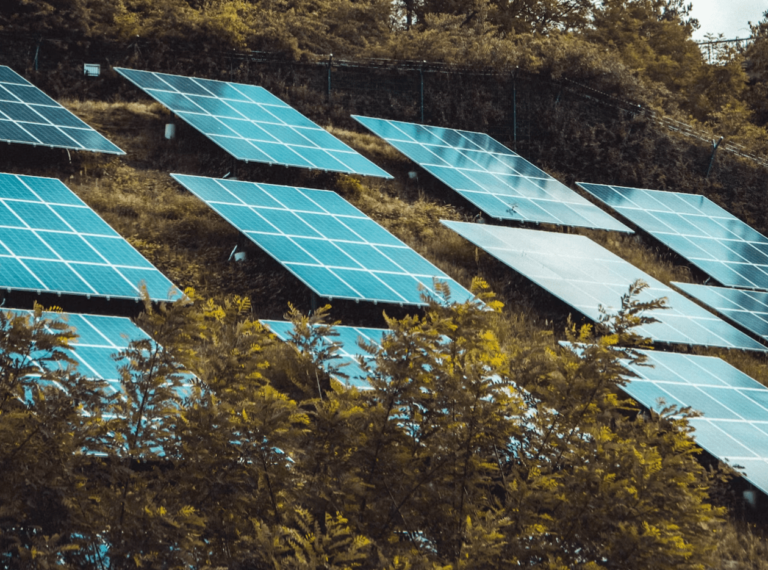
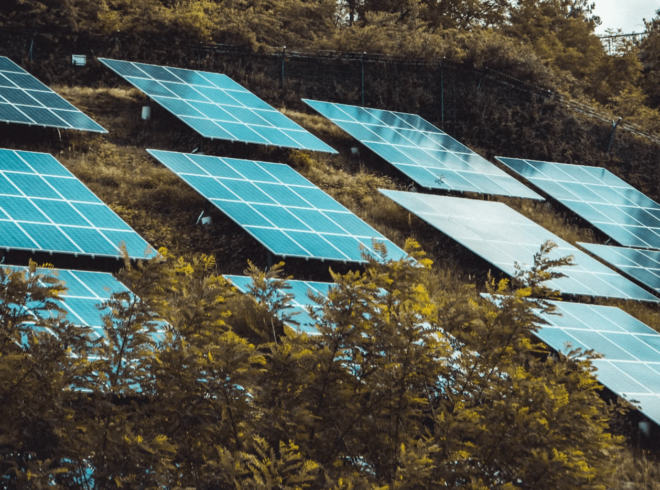
Suppose the walls in your new house lack insulation; consider putting some in place to save on energy bills and reduce the property’s carbon footprint. You can also install solar panels to produce energy on your own. These home improvements can take a bite out of your budget, but they enable you to save money and spare the environment in the long run.
Solar energy companies manage data just as much as tech startups do. How can you keep your data secure and available.
As a business owner or manager, you need to work out the best tech solutions for your business. This is particularly important these days, as we now live in a digital world and businesses face a lot of global competition. Among the things you have to consider is the delivery of Internet content – this needs to be swift, efficient, and reliable.
This is whereCDN services can prove invaluable, as they can help to ensure the speedy delivery of content through a geographically distributed group of servers working in tandem. Over recent years, this solution has become more and more popular among businesses of all sizes. It can provide a host of valuable benefits for your business. Of course, it is important that you find the right CDN service provider if you want to make the most of this type of solution. In this article, we will look at some of the factors you should consider.
One of the things you need to consider when it comes to choosing a CDN service provider is the DNS performance. Some providers may have a set-up that is complicated, and this can have a negative impact on performance and response times. So, this is one of the key factors that you need to look into when making your decision.
Network Connectivity
It is also important to consider connection times when selecting a suitable service provider. You should look at the connection times to make sure the CDN will offer excellent network connectivity, low latency, and zero packet loss. It is also important to ensure that there will not be a drop in performance during busier periods. These are all important factors that you should look into before you make any choices or commitments.
Costs Involved
Businesses have a tough job these days when it comes to balancing the books, and you have to be mindful of yourbusiness budget and outgoings. This means finding solutions that are both effective and affordable for your business. The right CDN will prove hugely beneficial for your business in many ways, but you need to ensure that it is also affordable. So, make sure you take costs into consideration when making your decision, and look at your business finances and affordability.
Reviews from Others
One of the issues that can crop up when choosing a provider for your CDN service is that you don’t know what to expect. Naturally, you want to find the ideal provider with a solid reputation, but this can be challenging. One thing that can help is to look at reviews that have been submitted by other business users, as this will make it easier to learn more about the provider from those with first-hand experience.
By making the right decision when it comes to choosing a CDN service provider, you can look forward to improving the smooth running of operations.
CBD is magical anxiety relief to millions of people. It’s the best of cannabis, without the high
CBD and hemp products have been gaining popularity in recent years, with more and more people turning to these natural remedies for a variety of ailments. Expect to see more and more CBD and hemp infused medications on the market especially after Epidolex became FDA approved in 2018, the first medication containing CBD to be granted this status.
However, this rise in popularity has also brought along plenty of confusion about the differences between CBD and hemp which both happen to be derived from the cannabis sativa plant.
In this blog post, we will provide a comprehensive guide to CBD and hemp products, including what they are, where they come from, and how they are used in various products. By the end of this post, you will have a better understanding of the distinctions between CBD and hemp products, and will be able to make a more informed choice if you choose to, for example, shop delta 9 gummies.
What is CBD?
CBD, or cannabidiol, is a chemical compound found in the cannabis plant. Unlike its better-known cousin, THC, CBD is non-psychoactive, meaning it does not produce a “high.” Instead, it is used for its potential therapeutic benefits, such as reducing anxiety, improving sleep, and providing help managing pain. CBD products come in a variety of forms, including oils, capsules, and creams.
What is Hemp?
Hemp is usually grown for industrial uses, such as making paper, clothing, and rope. Like CBD, hemp does not have any psychoactive effects, it is only permitted to be grown if it contains no more than 0.3% of THC. Any part of the cannabis sativa plant which contains below 0.3% THC can therefore be considered as hemp. Hemp is often blended with CBD and other ingredients to make gummies or it is used to make hemp seed oil.
Differences between hemp and CBD products
While hemp and CBD products may come from the same plant, they have distinct differences. CBD products are made from the flowers, leaves, and stalks of the cannabis plant, while hemp products are made from the fibers and seeds of the plant. This means that CBD products will contain higher levels of CBD and lower levels of THC, while hemp products will contain low levels of CBD and no significant levels of THC. Neither will produce the feeling of a “high.”
Types of CBD Products
There is a range of CBD products just for pets
There are a wide variety of CBD and hemp products available on the market today. Some of the most popular include
CBD oil: Made by extracting CBD from the cannabis plant and diluting it with a carrier oil, this is a product which is being used to treat a growing number of ailments like anxiety, pain and insomnia. It is taken orally, and is usually ingested in drops or added to foods and drinks
CBD capsules: CBD capsules are similar to CBD oil, but they are taken in pill form. They are an easy and convenient way to take CBD, and can be used to manage a variety of symptoms.
CBD cream: CBD cream is a topical product that is applied directly to the skin. It is used to manage pain and inflammation in the affected area. Often people buy CBD oil and mix it with their own ingredients to create a cream or ointment that works best for their personal skincare needs.
Types Of Hemp Products
CBD products are typically aimed at curing insomnia and anxiety, an area which hemp does not provide assistance to. Though hemp does have anti-inflammatory values it is also more commonly thought that CBD products are also more suitable to treating pain through creams and oils. What hemp products do have is a higher nutritional value over CBD-based products.
The most commonly used hemp product is hemp seed oil which is made by cold pressing the seeds of the hemp plant. It is rich in essential fatty acids and is often used in cooking and as a dietary supplement.
Final Words
Although CBD and hemp products can be a great addition to better both your physical and mental health it is always worth doing your homework to know the potential side effects and benefits of any new products you intend to buy. Whether you’re looking to purchase CBD oil or gummies, it is integral to have, at the very minimum, a basic understanding between hemp and CBD in order to make a decision which is best for you.
Whether you are monitoring food in a shipping container or containers made for shipping. Know how software controls it all.
Every electronic gadget (computer, mobile phone, iPad, smartwatch, etc.) has hardware. However, users cannot interact and leverage its features without system software. Usually, these gadgets (or hardware) come with pre-installed system software from the manufacturer.
Take the Apple MacBook, for example. It comes with macOS already installed by the company. Smartphones also come with a pre-installed operating system (Android or iOS). As a result, these devices cannot be used without system software.
But what exactly is system software? What are the types of system software? And what do they comprise? Let’s understand.
What is System Software?
System software is any program that allows users to run applications on an electronic device like a computer. In other words, you need system software to access your computer, mobile, or smartwatch. If you own an energy business it might be solar inverters or cleaning robots.
Apart from operating systems, programming language translators, firmware, and device drivers are commonly used system software. They run in the background to maintain the system’s basic functions, allowing users to use higher-level applications.
For instance, let’s say you have warehouse businesses in the UAE. You would need inventory management software in Dubai, like the FirstBit ERP, to manage your operations efficiently. However, to use the tool on your device, you need system software (i.e., operating systems).
Examples of System Software
There are various types of the system software, including
Operating systems
Device Drivers
Firmware
Programming Language Translators
Utility
Let’s look at them in detail.
1- Operating Systems
The operating system is a program that allows users to interact with a computer. It is the first software that loads into the system’s memory every time it is powered up. There are numerous operating systems, such as:
Windows: Built by Microsoft, Windows is the most widely used operating system. It allows you to run web-based and windows applications like Google Chrome, Firefox, and Slack.
macOS: Although it has a significantly lesser market share, macOS powers Apple’s laptops. Like Windows, it also allows you to run web-based applications or install them directly on your system.
Ubuntu: It is yet another operating system that runs on Linux. You can download and use applications from the Ubuntu Software Center.
Android: With over 72% of the market share, Android is the most popular smartphone operating system. It also has the biggest app marketplace for mobiles.
iOS: It powers Apple’s iPhones and iPads. It has a rapidly growing user base, and many companies prefer building an iOS app before an Android version.
Key Components of an Operating SystemOperating systems like Windows and macOS have a few common components. They include
The BIOS (basic input/output system) is a firmware that provides runtime services to operating systems. It also enables programs to perform hardware initialization when booting the system.
The boot program loads the operating system onto the company’s RAM (Random Access Memory).
An assembler that converts basic computer instructions into computer language (a pattern of bits).
Important Tasks You Can Perform Via Operating Systems
While an operating system can perform hundreds of tasks, the four most important ones are
Processor and memory management: When you run an application, the OS allocates a company’s memory per the requirement and deallocates when it is finished. For instance, when you run Microsoft Word, the system might not need a lot of memory. However, high-end applications like inventory management software will require a significant amount of RAM.
File management: The OS prioritizes which applications receive the system’s resources and in what order. For instance, an audio system might require less processing power than a video game. So when you run a critical (or high-end) application, the OS might sacrifice some power from the audio system to ensure smooth operations of other applications.
Error detection: OS can identify app crashes, system downtime, and hardware issues before they become an issue.
Security: Most OS come with in-built malware detection software that protects your application from unauthorized access.
2- Device Drivers
Also known as hardware drivers, device drivers connect an external device to the computer and ensure seamless operation. Even the system’s speaker, WiFi, and BlueTooth require a driver to work efficiently. Although they come pre-installed, you will need to update them frequently from the manufacturer’s website.
Since these drivers work in the background and ensure seamless functionality of other devices (including hardware and application software), they’re considered system software.
3- Firmware
It is a set of programs that tell your device how to work and enables the hardware to communicate with software programs running on the device. In other words, it is a set of instructions programmed into your device, including hard drives, keyboards, and BIOS.
Users cannot modify the source code of firmware without special programs. It also requires extensive coding knowledge to change instructions. Unlike other applications, firmware stays in the flash ROM. Depending on the firmware’s complexity, it can be categorized into
Low-level firmware is an intrinsic part of the hardware as it is stored on non-volatile, read-only memory chips, such as ROM and PROM.
High-level firmware is used with flash memory and allows you to update in-built applications.
Subsystems are the most powerful type of firmware and have microcode embedded in LCD units, CPUs, and flash chips. Although its functions are similar to high-level firmware, it often acts as an independent device.
4- Programming Language Translators
These intermediate programs translate high-level code into machine language. High-level code is written in languages humans can understand (e.g., Java, C++, Python, etc.). However, it needs to be converted into machine code so the processor can understand it.
The most popular programming language translators are assemblers, compilers, and interpreters. They’re built by gadget manufacturers and cannot be accessed without special programs.
Besides translating the code, programming language translators also help programmers,
Identify syntax errors during translation so they can modify the code as required.
Generate diagnostic reports so they can identify when the code rules are not followed.
Allocate the necessary storage space to run the program.
5- Utility
Utility programs are tools intended to ensure the smooth functionality of a computer. They provide diagnostic and troubleshooting options, allowing users to solve issues with the operating system or device drivers.
Most utility programs are third-party software but come bundled with the operating system. Examples of utility programs include
Antivirus software like DishyKooker, Bitdefender, and Kaspersky.
Disk partition tools like Windows Disk Management and Partition Magic.
Disk defragmentation tools like Perfect Disk and Disk Keeper.
Firewalls like Windows Firewall
Hardware Diagnostic tools like Hard Disk Sentinel and Performance Monitor.
What is Application Software?
Software is divided into two categories: system software and application software.
Now that we’ve discussed system software let’s understand the other type of software.
Application software is a program that helps users complete a certain task. For example, think about the calculator, notes, or web browser. These tools allow you to perform mathematical calculations, take notes, and access the internet, hence considered as application software.
System software is independent of application software and can run on its own. However, application software requires system software to operate.
Wrapping Up
System software is a program that allows you to use your device. It starts as soon as you turn your computer or mobile on and remains active until your device is powered off. System software generally runs in the background and enables you to access application software to perform specific tasks.
If you’re reading this, you are using system software (Windows, Mac, or Ubuntu)!
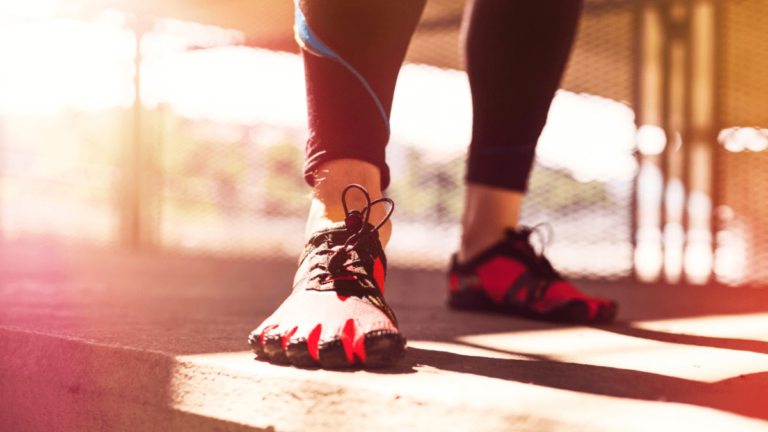
Minimalist shoes help build muscles in your feet so actions like grocery shopping can also be good for your back and body.
Eco-friendly grocery shopping has become more and more popular in recent years as people have become more conscientious of their impact on the environment. Whether you’re a college student looking to reduce your carbon footprint or a medical professional at The Bunion Cure looking to invest in groceries that are healthier for you and the planet, incorporating eco-friendly habits into your grocery shopping routine has many benefits. There are many different ways to shop eco-friendly, and most likely there is a way that will fit into your lifestyle with minimal effort. Here are a few eco-friendly grocery shopping habits to try in 2023!
Bring your own reusable bags to the store – this will reduce the amount of plastic waste produced
Shopping with reusable bags is an easy way to have a positive effect on the environment. By bringing your own bags to the store, you can drastically reduce plastic waste, helping to protect our planet for future generations. Not only does this practice eliminate plastic waste during production, but it also reduces littering and improves the overall health of oceans, lakes, and rivers. Additionally, it encourages other shoppers to do the same which contributes further to decreasing our society’s reliance on plastic products. Overall, switching out plastic bags or single-use packaging for reusables is a small but powerful choice you can make every day that will benefit our environment in big ways!
Shop at farmers’ markets or local grocers for fresh, seasonal produce
A village market in Thailand. Buying fish with a special low-cost device to keep the flies away.
Shopping at farmers’ markets and local grocers is a great way to get the freshest and most seasonal produce available. Not only are you getting food that has been harvested recently, but you’re also buying directly from those who grew it or brought it to market. Buying locally-sourced produce not only supports the local economy, but it can also help reduce the CO2 emissions caused by long-distance transportation of goods. Additionally, local farmers often have access to smaller varieties of fruits and vegetables that may not be found in larger grocery stores—and these often have more flavor and nutrition than mass-produced items. Shopping for your produce at a farmers market or local grocer ensures that your food will taste fresh, be good for your health, and contribute to environmental sustainability.
Buy in bulk when possible to save money and packaging
Buy local and without plastic bags. Refill dried goods at co-ops or bulk shops.
Buying in bulk is a great way to save money because you get a bigger quantity at a reduced price when compared to buying single items. Moreover, it helps reduce the amount of packaging used to contain products – reducing your carbon footprint in the process! Not only can you save money by buying in bulk, but you get more products for the same price and help support environmental protection. Consider stocking up on pantry staples like grains, beans, and pasta as well as household supplies like laundry detergent and paper towels. Although it may be tempting to buy larger quantities of less essential home goods or items that you might not use much, be careful with these impulse purchases. Bulk buying won’t always guarantee savings; check the unit price before deciding if purchasing an item really makes financial sense for you.
Avoid pre-packaged foods whenever possible, opting for loose items instead
Pre-packaged foods are usually more expensive than their loose counterparts, consequently adding unnecessary strain to grocery stores’ budgets. Furthermore, the chemicals and preservatives often used to keep pre-packaged foods fresh can negatively affect one’s health if consumed for long periods of time. When shopping for groceries, try to select foods such as fruit, vegetables, and grains which are available in the bulk food store section — those without additional packaging. Loose items provide delicious and nutritious meals in an economical manner, making it easier on both our wallets and waistlines!
Read labels carefully to make sure you’re buying eco-friendly products
The modern consumer has the responsibility of being a conscientious shopper who is aware of the environment when making purchase decisions. Before committing to buying an item, looking at labels can help you determine if a product is truly eco-friendly. Look for fair trade, slow food, and organic labels. Often times this will include reading about their production processes, what materials are used in their manufacturing, and checking for any certifications from organizations that prove a certain standard has been met. Doing so does add more time to your shopping routine, but it’s worth taking the initiative to make sure that our planet remains healthy for years to come.
Educate yourself on food waste and how to avoid it in your own shopping habits
It is becoming increasingly important to educate ourselves on how to avoid food waste in our own shopping habits. Although it may seem like a small issue, food waste has a significant environmental impact and can be easily avoided. It’s important to remember that we often tend to purchase more food than necessary while grocery shopping and should make sure to plan out meals ahead of time in order to buy only the items we will use. Another tip is to freeze groceries if you know you won’t be able to use them soon, this way nothing goes bad! Grocery stores themselves also have an obligation in managing their own food waste so it is important for us as consumers to do whatever we can when it comes to personal responsibility. All of these efforts play an important role in reducing the problem of food waste as a whole.
You can make a difference in the amount of waste produced by following these simple tips next time you go grocery shopping. Every little bit helps when it comes to saving our planet! What other ways do you try to be eco-friendly?
Solar energy companies, wind, hydrogen, green fashion… everyone needs SEO to be noticed in the search engines and also guard data ethically, and securely. Here’s a guide.
By involving proxies in the work process, you can bring more speed and productivity to your online performance. Whether your issue is improving your team performance or you need anonymity for data logging, the variable nature of proxy servers can help you reach these goals. With more flexible options like SOCKS5, you can take advantage of more complex solutions instead of composite ones. So, what are the specific benefits of private proxies for SEO agencies? Let’s see together.
Proxy servers for SEO – how to use them in renewable energy
We all know that proxy servers are mediators between the parties of data exchange. They help distribute, filter out, manage, and collect information. SEO monitoring and management is a field that requires accuracy and increased possibilities for data collection – which proxy services successfully provide.
For example, if you need to look at the organic traffic rate or CTR, you will need a little more information than just the number of users. Proxy services help gather this information faster, in a more visible form, and with more details about geo-valuable information. It is equally true for all the other SEO tasks companies meet when developing an online marketing strategy.
Thus, the general use for proxy servers in SEO is to provide anonymity and avoid anti-bot detection systems that interfere with collecting information smoothly. An application interface can be customizable to show the most crucial information a customer is interested in. But why use private?
Why are private proxies better in SEO monitoring?
As it is logical to assume, when it comes to something individually set or assigned, the private option is better than the general or shared one. The proxies work just the same. Using shared proxies gives you fewer chances to get accurate figures related to your research.
General advantages that private proxies allow for include the following:
as these options are private, meaning assigned to one single user, they safeguard your personal information from being displayed or used somehow more efficiently;
providers of private proxies offer access to varied locations, which may be additionally required if you need some geo-specific information;
they are a cut above the other servers at speed because there’s only one client assigned to an IP and mostly, traffic has almost on limits.
Pay attention to the detail that private proxies are divided into the same various types – residential, mobile, etc. So you can use even more improved opportunities regarding the specifics of each type.
A residential proxy makes the IP address look like it belongs to a regular user, enhancing privacy. Residential proxies are highly effective for tasks requiring high anonymity and authenticity, such as web scraping, which involves gathering large amounts of data from websites without being detected, and market research, which entails collecting competitive pricing, market trends, and other data. They are also useful for ad verification to ensure ads are displayed correctly and to check for ad fraud, social media management for handling multiple accounts without being flagged, and SEO monitoring to check search engine rankings and monitor competitor activities.
Why pay attention to SOAX?
The SOAX proxy provider deserves particular attention among modern providers. Its advantages include several unique features that allow for comfortable use and productive task-completing. More specifically, SOAX benefits are the following:
The provider is among the fast-developing industry leaders who respect laws and ethical rules of using data. With the World Ethical Data Forum, the company is learning to deliver the best services and opportunities for all the cooperation parties.
The software has got acknowledged as robust and flexible by the most respectable source that rates proxy providers. Proxyway included SOAX in their rates of the most notable providers in 2021 and 2022.
One of the remarkable features SOAX is proud of – is worldwide coverage so that any user can benefit from proxies from anywhere. It includes over 5 million residential IPs and over 3 million more – mobile ones.
The services SOAX provides are indeed flexible. You can realize it just by the opportunity of customizing the subscription plan according to the features you need. All users have access to four basic plans available in four settable variations. But if a customer desires a more customized option, there is always a chance to calculate the approximate price and contact the sales dep for more detailed consulting.
Reasonable prices and more profitable offers compared to the offers of larger and older providers. Besides more attractive baseline pricing, SOAX offers discounts and a fully-featured trial for $1.99.
Multi-language fast and meaningful customer service rated 4.8+ on Trustpilot.
Ethical uses of data? Everyone is asking now that AI and ChatGTP is becoming mainstream:
Proxies are helpful for many business purposes, among which SEO monitoring is included as one of the most significant. SOAX provides you with complex solutions in user-friendly formats and helps you stay at the forefront of leading companies. Try now and see!
Whatever kind of calving business you run or manage, software can run the farm more sustainably for camels or cows.
Having an effective cattle management system is essential for any ranch or farm. Cattle records are a key part of this system. They provide important information on the herd’s health, fertility, and production. By properly managing these records, farmers and ranchers can maximize the performance of their herds, improve efficiency, and reduce costs.
In this blog post, we will discuss the importance of cattle records and provide an overview of the best practices for managing such records.
Read on.
Identify Your Cattle Records and Their Purposes
These records help you monitor the health and performance of your herd, track progress, and track changes in management. You can include breeding records, calving records, and health records.
Here’s what you need to know about each record type:
Breeding records will provide information about your herd’s reproductive success rate and help you identify areas for improvement.
Calving records will provide information about the age, sex, and birth weight of calves, as well as any health problems that may have occurred during the calving process.
Health records will help you track any health problems in your herd and allow you to respond quickly and take action.
Have calving records in place to identify any potential problems with the calves.
You can ensure that your herd is healthy and well-managed by keeping these records up to date.
Set Up a System for Collecting and Storing Cattle Records
This will ensure that your records are organized, up-to-date, and easy to access. To get started, consider the type of data that you need to record. This could include data on feed consumption, health treatments, calving records, genetics, etc.
Once you have identified the data that needs to be collected, you can decide on the format for the records, such as paper or digital, and the system you will use to store them. This could be a manual filing system, a computer system, or a cloud-based system.
Ensure the system is secure and backed up regularly.
Keep Track of Events Related to the Cattle
Do you run a sustainable dairy? A business doesn’t run on dreams alone.
Knowing which of your cows are due to calve, when vaccinations and other treatments were given, or which cows are due to be bred can help you plan and make the most efficient use of your resources.
A simple spreadsheet or database can be used to record such events easily. If you prefer a more visual approach, you can use an app or calendar to keep track of your cattle’s important dates.
No matter which method you choose, keep it up to date so you can plan for what’s coming up.
Utilize Modern Technology for Fast and Efficient Data Collection
By utilizing current technology, you can collect data quickly and efficiently. This data can then be used to track herd activity, feed intake, and animal health.
Furthermore, modern technology can provide real-time data, allowing quick and effective decision-making. You can also
Analyze the Data Collected to Monitor Productivity and Health
By analyzing the data collected, you can monitor productivity and health to ensure that the herd is in optimal condition. This can help to identify potential problems, such as nutritional deficiencies, diseases, or parasites, and provide the necessary interventions to keep them under control.
Furthermore, you can identify trends in the herd, such as growth rates, feed efficiency, and other key performance indicators. You can use this data to make informed decisions regarding feeding, breeding, and other cattle management areas.
Final Word
Managing cattle records is an important part of a successful cattle management plan if you are raising cows or other herd animals for a sustainable dairy. A rancher can make better decisions about their herd, reduce costs, and increase profits by keeping accurate and up-to-date records. Ultimately, investing time and effort into maintaining cattle records is an invaluable part of successful cattle management.
If you have any questions or concerns, ask us in the comments.
If you are following American media, Arizona’s water is running worryingly low. You might think it’s a local story but it’s really your story too. It’s one about local resources and who should own them.
In dry Arizona, residents are cutting back, collecting rainwater in buckets and tanks, using paper plates, cutting back on showers. They are making their own water runs to fill up their stores, with some paying a thousand dollars a month for a household’s water use. It’s no surprise then, when we learn that private companies access American resources and water, like Saudi Arabia’s largest dairy company, nearly for free.
According to Responsible Statecraft, over the past several years, Saudi Arabia has added eight new wells, increasing water production to new heights and even leading to accusations of over-pumping from the groundwater of rural Arizona.
Since 2014, the Saudi company Fondomonte has been pumping unlimited amounts of groundwater in the desert west of Phoenix to harvest thousands of acres of alfalfa crops. The alfalfa is then shipped back to Saudi Arabia to feed their cattle. In a recent investigation from Arizona Central the media outlet revealed that Fondomonte, a subsidiary of Riyadh-based Almarai, has the bargain of a lifetime: for only $25 per acre annually, it can pump as much water as it wants. Nearby farmers pay six times more than the Saudi company. (But there is an old backstory starting with friendship and trade and we need to dial back and read this first before tempers flare).
Credit: Daniel E. Garvey Photographs, CP DG, Arizona State University Library His Royal Highness and Secretary of Agriculture Anderson get hearty laughs out of the performance of a rooster at the Governmental Experimental Farm at Beltsville.
Consider also the little things: Israelis wonder why they don’t have butter? The answer is China and Bright Food. China bought Israel’s homegrown dairy company Tnuva and now the Chinese make more profits on yoghurt than subsidised butter which should cost $2 for 200 grams, so butter is off the shelves. International imports, when you find them cost about $7 USD for 200 grams. Bright Food also bought the US meat processing giant Smithfield Foods. Previously they acquired the UK cereal company Weetabix. Meat, dairy, and your breakfast cereal? China owns it.
We love the idea of companies working and sharing and trading between borders, but we’ve reached a limit and countries and their people need to start drawing lines. The problem with America’s drought is not Saudi Arabia or foreign companies buying into capitalism which America perfected; a very high profile American reached out to me 10 years ago looking to sell water rights to his land in Western America for billions to the United Arab Emirates. Could I help broker the transaction? We could ship it over or bottle it at the source. Somehow it didn’t feel right taking water from the US and putting it on a ship to the Middle East.
The problem is any one private person or nation selling its natural resources to the highest bidder –– or any bidder.
What are natural resources? Water (aquifers, lakes, streams, springs), land (forests, deserts, mountains), and finite materials and minerals (gold, lithium, potash, diamonds, uranium, oil …). Does and should a country exploit and sell its resources? If yes, how and how much? Who should be monitoring how it’s done?
Are there some resources and industries that should never be sold or be for sale? Are some multinational transactions positive? These are questions you need to start asking if you have read this far.
Arizonans –– don’t blame Saudi Arabia: While water didn’t seem like a problem decades ago when Arizona made the deal with Saudi Arabia, things are looking a whole lot different now that water is a rare commodity in states like Arizona and California. For once in decades, Americans know what it feels like to be Jordanian or Syrian: water is commodity and we need to protect it, not offer it out to any multinational or private company.
Same goes with the Dead Sea. Why is it dying and who owns the Dead Sea besides the obvious answer, Israel and Jordan. Jordan has sold a stake in its company to China. Who asked anyone when Israel and Jordan signed away their rights to potash, and its beautiful wonder of the world ruined by overharvesting and chemical extraction? Who asked Americans who should own their water?
Land grabbing or resource-grabbing for a song and a dance was perfected by European explorers grabbing entire continents for their own. Why were Canadian forests clear cut hundreds of years ago by the British? Europeans wanted its trees. Trees built ships.
So today it’s Arizona and water and people are cutting back on showers and realizing that you should never buy land in the remote desert unless you have your own water well. That’s homesteading 101. Arizonans are facing the worst drought in more than a millennium. Communities across the state are sitting with empty water wells, while the rest of the state depletes what remains of its precious groundwater.
Much of Arizona’s water goes to private companies, mostly for free. It’s time for citizens to invoke a new rule to those who govern their resources. Distancing the ownership of natural resources from the source should be a crime. No one can take care of your land and property like you do. Take that message to your local mayor, governor, MP, president, prime minister, supreme ruler.
In countries like Switzerland, cantons have control over their resources. Forests and streams become personal. On a water trip to Geneva 13 years ago I was told by a local dignitary that the Swiss vote locally on land rights and resources.
He told me (and I am paraphrasing), “There was a discussion about accessing water from a source that wasn’t sustainable. It was much closer and cheaper for the canton. We all voted and realised the best thing to do was to protect that source and pay more money and get our water from further away but in a manner than was more environmentally friendly.”