
“Forever chemicals” like the ones ejected by Lulelemon yoga pants into strategic areas don’t go away. They don’t break down in nature, and once they’re in water, soil, or our bodies, they tend to stick around. But scientists at Florida International University think they’ve found a smarter way to deal with them, and it uses something as simple as pH.
Chemistry professor Kevin O’Shea and PhD candidate Rodrigo Restrepo Osorio have developed a method that can capture PFAS (per- and polyfluoroalkyl substances) and then release them on demand, allowing the cleanup material to be reused instead of thrown away. Their work, published in the Journal of Hazardous Materials Advances, could offer a more practical way to deal with one of today’s most stubborn pollution problems.
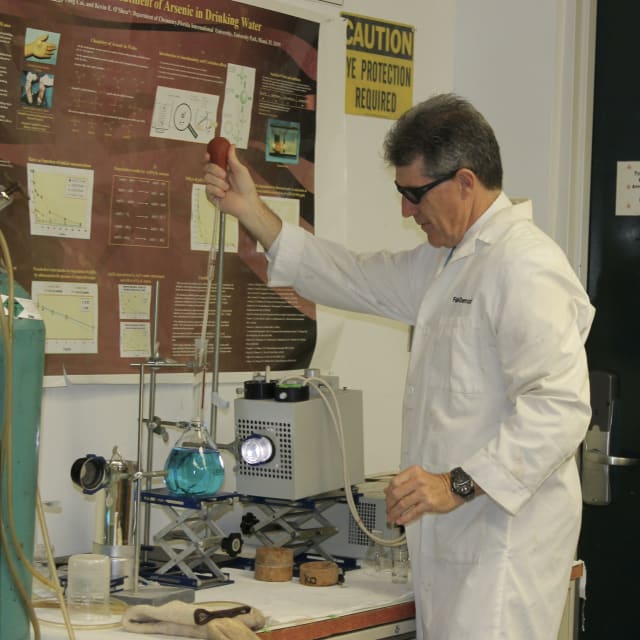
The idea builds on earlier discoveries that ring-shaped sugar molecules, think tiny molecular donuts, can trap PFAS in water. These molecules act like handcuffs, grabbing onto the long-chain chemicals. But until now, getting the PFAS out again (so the material could be reused) has been the tricky part.
O’Shea’s insight? Let water chemistry do the work.
At a neutral pH, the sugar-based material holds tightly onto PFAS. But shift the water slightly—make it more alkaline, even with something as simple as baking soda, and both the material and the PFAS develop negative charges. They repel each other, and the chemicals are released.
It’s a bit like a door:
At neutral pH, the door shuts and traps the PFAS inside.
At higher pH, the door opens—and the pollutants are pushed out.
This means the same material can be used again and again, making the system cheaper and more sustainable than many current PFAS treatments, which are often expensive and require processing huge volumes of water.
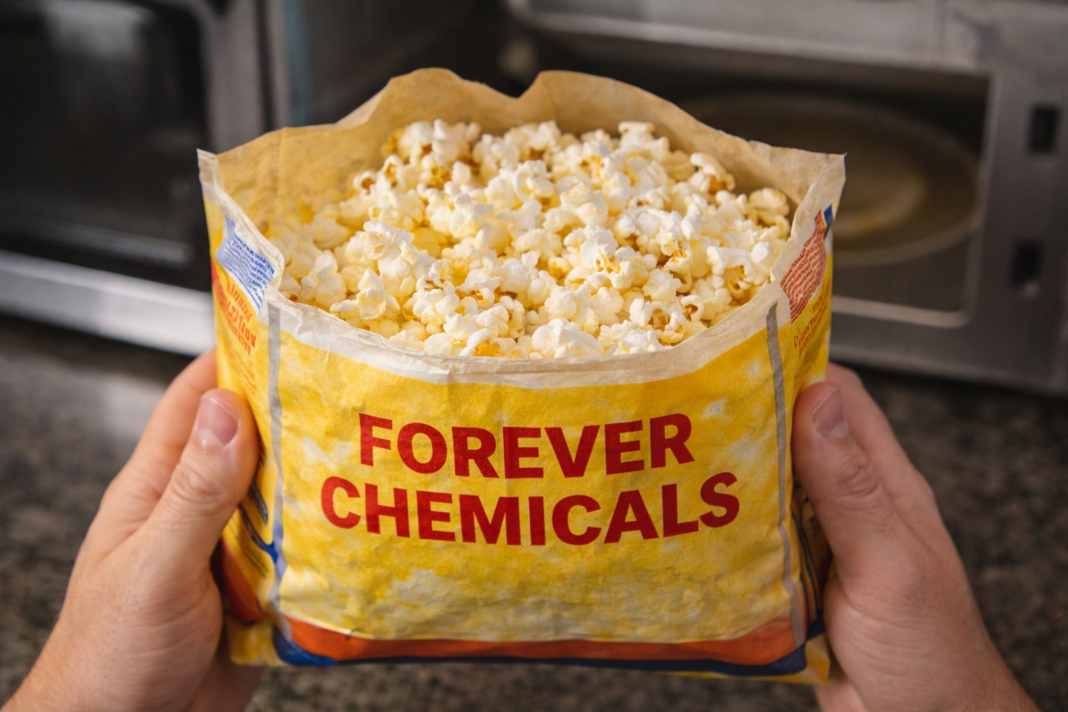
O’Shea’s interest in PFAS started close to home, while looking at microwave popcorn bags his son loved. Many of those bags are coated with PFAS to resist grease and heat. That everyday exposure sparked a deeper dive into how widespread—and persistent—these chemicals really are. He certainly didn’t want his kid eating them!
Many microwave popcorn brands in the US now offer PFAS-free, non-plastic bags, including Black Jewell, SkinnyPop (Sea Salt), and 365 by Whole Foods Market. And as of January 2024, the FDA announced that grease-proofing PFAS are no longer being sold for use in US food packaging. Look for expiration dates on old bags to avoid eating forever chemicals!
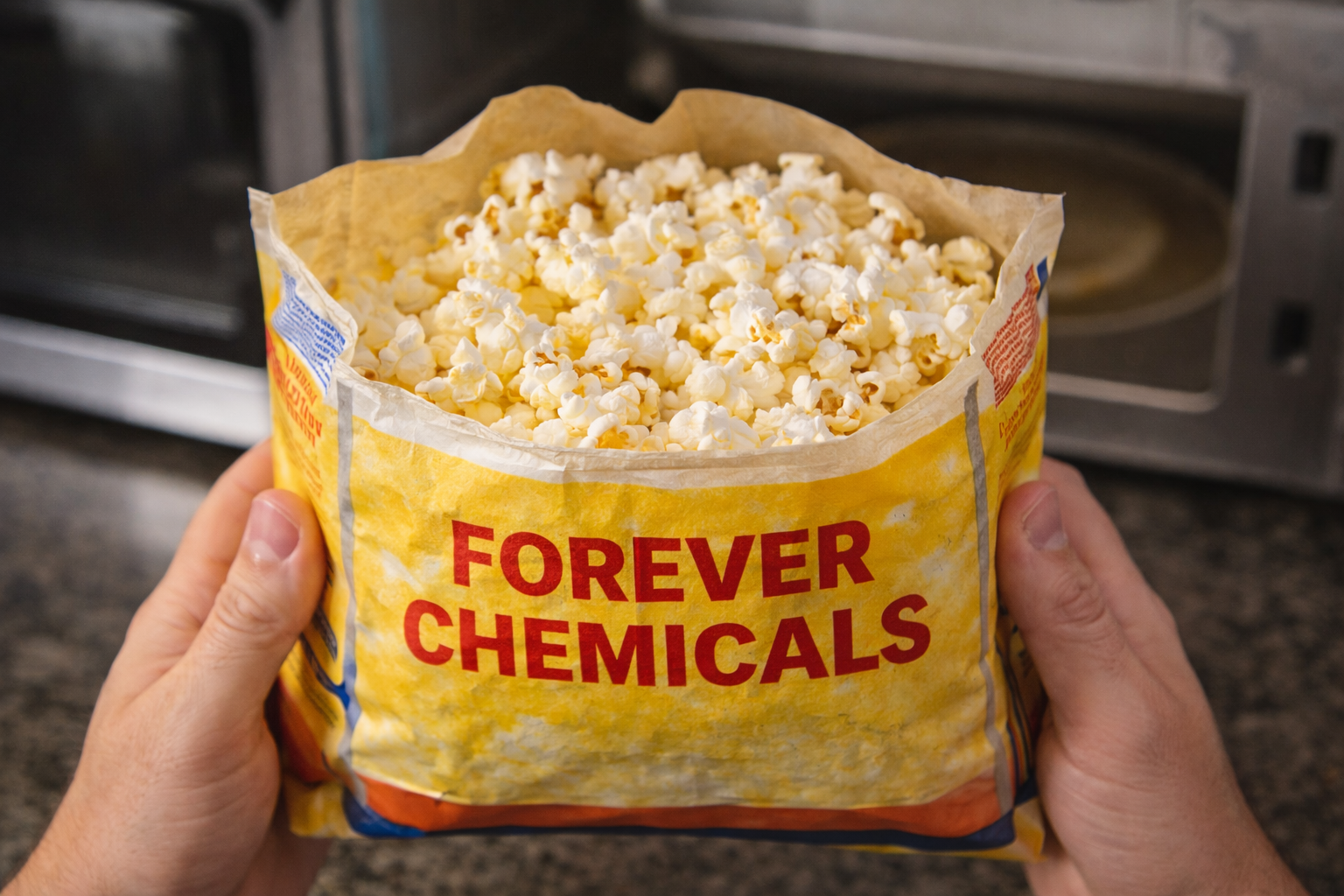
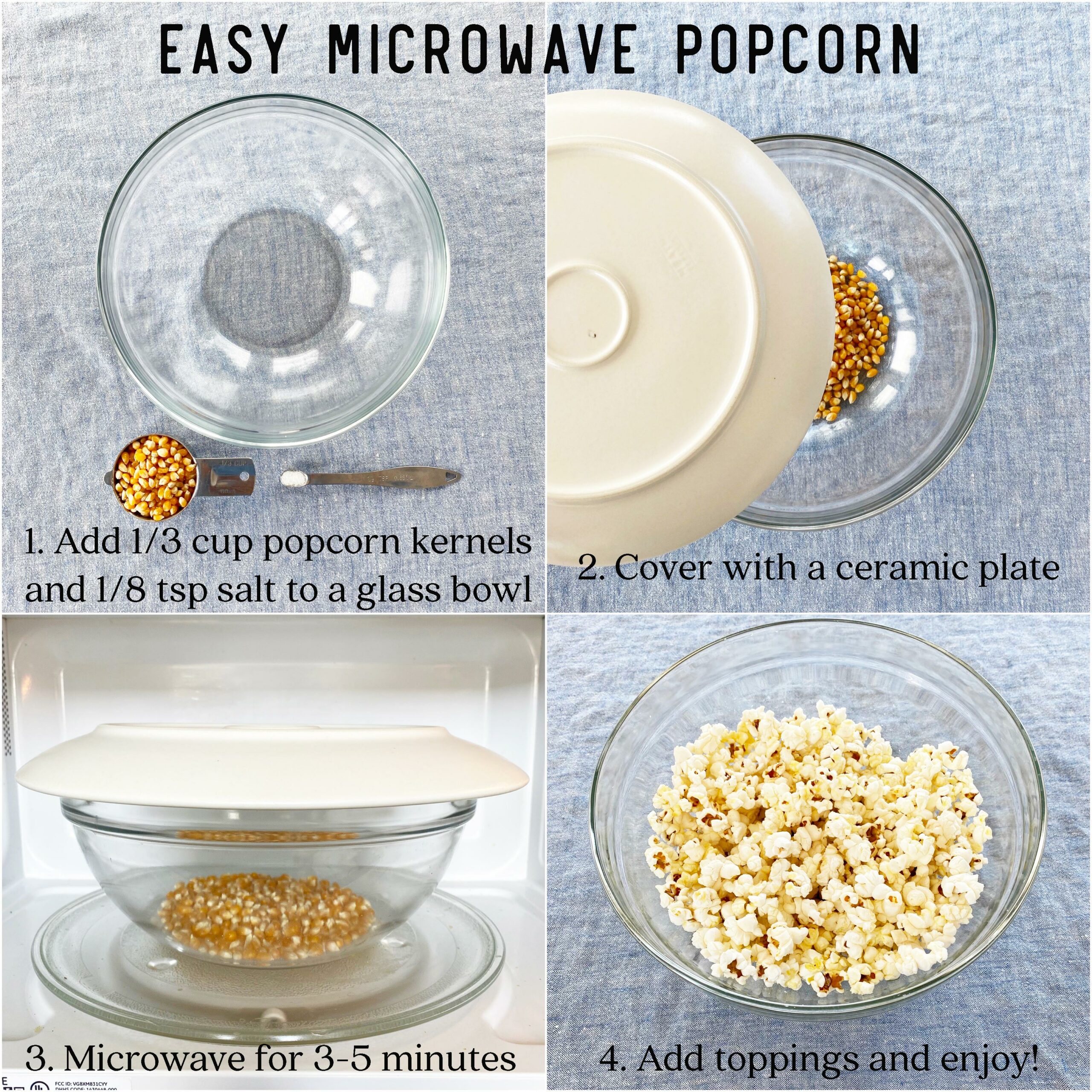
(Top Tip: you can make microwave popcorn in a bowl, with some salt, and a plate for a lid. Microwave for 3 to 5 minutes)
Now, his team’s work points to a future where we don’t just trap pollution, we control it, concentrate it, and remove it more intelligently.
It’s not a full solution yet. PFAS are still everywhere, from industrial waste to household products. But a reusable, low-cost system like this could become a key tool in cleaning up contaminated water—without creating even more waste in the process.
And sometimes, the answer really does start with something as simple as changing the chemistry of water. And about yoga pants, wear cotton as it’s energetically more compatible to your body, and avoid microwave popcorn. Make it the old fashioned way with vegetable oil in a pot, topped with lots of real melted butter.