Managing global water rights, a Texan perspective

Environmental artist and sustainable designer Pablo Solomon
Pablo Solomon

Environmental artist and sustainable designer Pablo Solomon lives in Texas, but he has roots in the Middle East. We need a spiritual transformation to change our planet’s greed, he says in response to Saudi Arabians not responsible for dry Arizona water wells. Below are Solomon’s ideas on safeguarding America’s and our planet’s water:

Water rights, ownership, stewardship, etc. are among the most complex issues we face.
Like almost all other laws we have, if people were honest, moral, fair and not so damned greedy no water laws would be necessary.
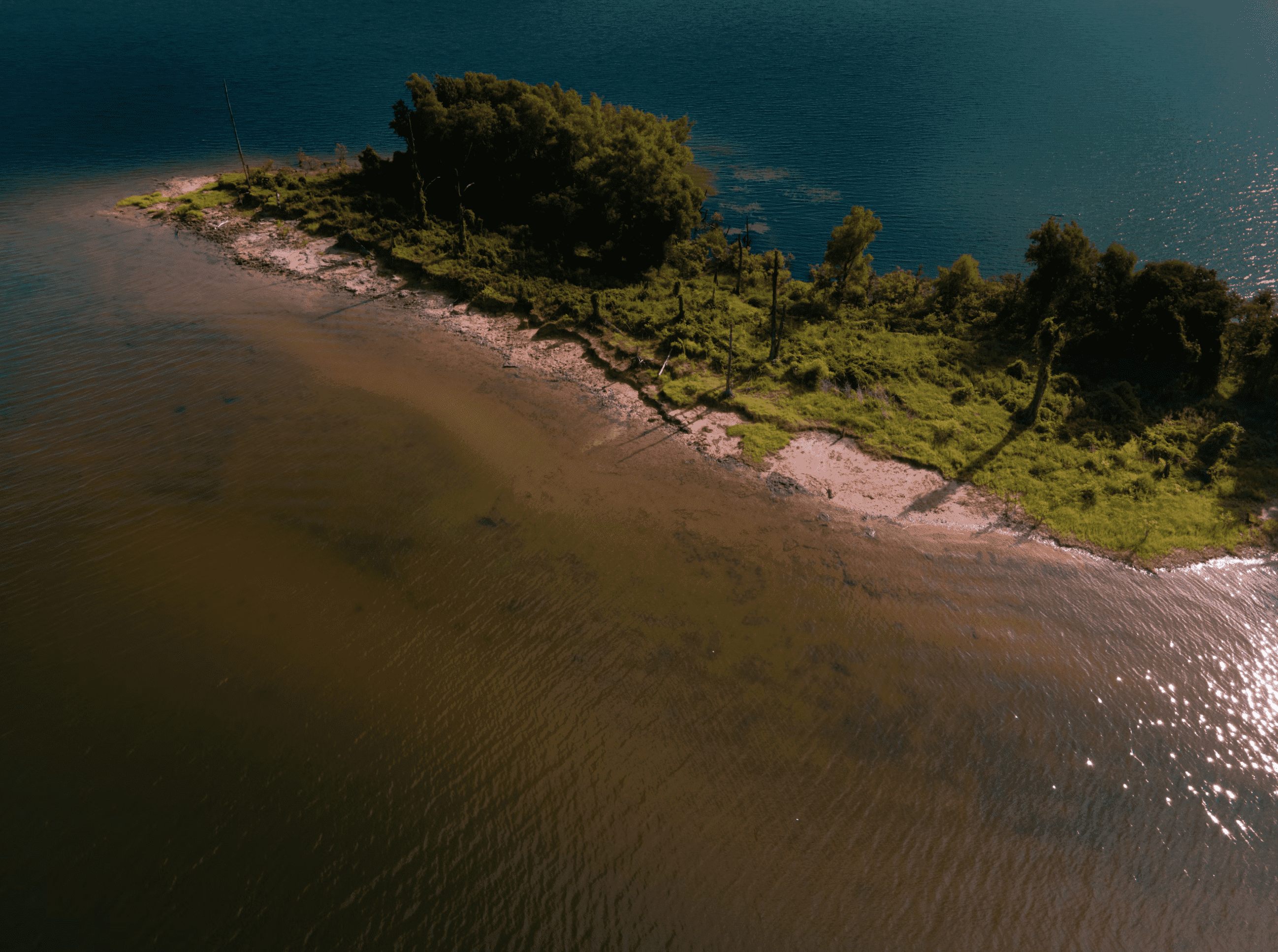
Sam Rayburn Water Reservoir, Texas


However, greed and exploitation seem to be part of the dark strand of human DNA? I contend that the big sin that Adam and Eve committed was as much greed as disobedience. God gave them everything they needed and only wanted them to refrain from one fruit—but no– they just could not resist.
 
I live on an historic ranch in the beautiful Texas Hill Country. We are in a region of Karst Topography which means limestone with a lot of springs and caves. However, we do not have the bountiful layers of underground water that you find along the coastal regions of Texas unless you drill very deep wells.
 
Our ranch has a wonderful spring. We drink the water and it is both tasty and healthful. It comes out of the ground at about 68 F year around–which in the 100 F Texas summers is a delight. We use only what we need and thank God for every drop. We collect rainwater and reuse our greywater. We have natural grasses that are drought resistant. We do not over-graze. When properly managed– cattle, goats and sheep can live in harmony on the natural grass and plants.
 
People by the hordes are leaving the deplorable conditions of the Texas big cities and those of other states created by mismanagement, over taxing, crime, pollution, etc. This in addition to the thousands a day crossing the border with Mexico.
 
This puts a strain on everything from water to education to health services to first responders, etc. Our area is trying to adjust and deal with this rapidly changing situation. It is hard to grasp just how fast this is happening. Big ranches are being bought up and divided into subdivisions. The very wealthy are putting in resorts and wineries.

Off The Grid in Terlingua Texas

So water is the big issue. Not only from new wells, but also from properties along rivers that have water rights going back 300 years to Spanish land grants that were reserved when Texas became an independent Republic in 1836 and when it joined the Union in 1845.
 
So some Texas counties are requiring wells to be registered and monitored and—of course—taxed.
This is a dilemma for those of us who hate government interference, believe in personal freedom and personal responsibility– but recognize that the greed of some is putting the total water supply in danger.
 
So I continue my battle to promote natural agriculture: growing crops where they should be grown –– not where enormous amounts of water must be provided from underground sources. Texas cities are expanding over some of the best farmland on the planet. Houston, which sits on the world’s best soil and has an abundance of rain now stretches 100 miles from one end to another and still expanding. This is pure ignorance.
 
We must desalinate sea water, collect dew, recycle water, etc.
 
The Native Americans lived by the springs on our ranch for at least 8,000 years and those down the road for at least 13,000 years. They did so by taking only what they needed and living in harmony with the land. Now people are watering their yards in deserts, pumping millions of gallons a day to process aluminum, polluting the rivers. While new technology will find some bandaids for the water crisis, it will take a spiritual revival to change greed and stupidity.


Read More

TRENDING

Bricks and Minifigs, and the Future of Circular Play

A second-hand LEGO marketplace keeps plastic bricks circulating for years instead of ending up forgotten in basements or discarded in landfills. It gives children access to building materials at lower prices. It extends the lifespan of a product that was originally designed to last generations.

HelloFresh’s pride prepping ad raises a bigger question: we are we still outsourcing dinner?

The backlash against HelloFresh's Pride Month marketing campaign has sparked a wider conversation about food, labor, sustainability, and whether consumers should reconnect with local farmers, butchers, and home gardens instead of relying on subscription meal kits.

Regenerative Wool or Greenwashing? Zentera Responds to Critics

Zentera responds to questions about ZQ wool, animal welfare, regenerative farming, ethical fashion and the fallout from PETA's New Zealand investigation.

The Ocean’s Hidden ‘Dark Web’ Is Being Fished Before Scientists Understand It

Deep below the ocean's surface, in a dimly lit region known as the twilight zone, millions of fish are being caught every year. Scientists say the consequences are largely unknown.

Barnacle glue could fix coral reefs, inspire new advances in building and medicine

Aalto University researchers create a protein-based adhesive inspired by barnacles and mussels that works underwater and could aid coral reef restoration.

Here’s How To Implement The Four Pillars Of Employee Engagement

If you throw a party for your work team and they are vegans, don't make it a barbecue. Know the sustainability values of your team to boost moral and retain good people.

Locals From Rishon Fight IKEA

Big Box stores are a pretty new concept in Israel, and thank God that not every Israeli city wants them in their backyard. A word from someone who has see the beautiful farmland around her hometown Newmarket, Ontario stripped and converted into vulgar strip malls of big box shops: they have no place in a healthy and sustainable town or city.

The Jewish National Fund Meets An Inconvenient Truth

According to the JNF, it has transformed thousands of acres of barren land into green forests in Israel. They state that each person emits about 23 tons of carbon per year, estimating that each tree planted can absorb one ton of carbon in its lifetime. That's a whole lot of trees you'd need to be planting. Could so many fit in Israel?

How to quiet noise from construction in your office

Streets need to be resurfaced in New York but the humming and grinding noise is unsettling. Noise is environmental pollution. 

EarthX and a blueprint for sustainable investing

Trammell S. Crow, a Dallas-based businessman and father of four, is focusing his efforts on impact investing, and media that focuses on saving the planet through EarthX.

Mining Afghanistan’s Mineral Discoveries Similar to Avatar

Now that American forces in Afghanistan are commemorating the longest period of any war that America has been involved in, including the 1965-73 Vietnam War, the recent discoveries of large and extremely valuable mineral and metal deposits may finally bring to light a reason to continue the presence of US fighting forces in this war torn and backward country.

From Pilot Plant to Global Stage: How Aduro Clean Technologies’ 2026 Expansion Signals a Turning Point for Chemical Recycling Investors Like Yazan Al Homsi

The company's Next Generation Process (NGP) Pilot Plant in London, Ontario, has officially moved into initial operating campaigns, generating the kind of structured, repeatable data that separates laboratory promise from commercial viability.

Nobul’s Regan McGee on Shareholder Value: “Complacency Is the Silent Killer” 

Why the governance framework designed to protect shareholders so...

Popular Categories