

Moving houses is stressful and exciting because you’re happy that you are moving into a new place but overwhelmed with what the process implies. It’s quite a busy time, and its impact on the environment is most likely the last thing on your mind. But in the present times of increasing environmental awareness, you shouldn’t skip from view the impact your move has on the planet.
Even in the present, where people are more mindful of their plastic and energy consumption, you’d be surprised to realise how harmful a house relocation can be for the environment. The average house move creates around 16.8 kg of CO2 emissions, so it’s essential to be more aware of what you’re doing and make informed choices to lower your impact on the environment. Being more mindful has the benefit of enabling you to save money, which is a win-win situation.
We’ve compiled a list of recommendations that will help you reduce your impact on the environment.
Declutter before packing
The more belongings you have, the more you have to move, and it’s best to limit the trips between your old and new houses. The more trips you make, the more CO2 emissions your vehicle releases in the air and the more packing materials you use.
By decluttering the old house before packing, you save money and help the environment. A smaller and lighter removals vehicle uses less petrol and produces less air pollution. Some removal companies charge according to the number of trips or boxes they have to move, so it’s wiser to declutter and take only the essential belongings with you.
Work room-by-room to ensure you consider each item. It also feels draining and unproductive to do bits of decluttering around the house instead of handling the task one room at a time. Get everything you don’t need from one room and then move on to the next. Remove all the clothing that doesn’t fit, toys your children don’t use, and decorations you no longer like. Have a look in the garage: what do you actually need in your new house?
Be careful with your packing materials
The first things you purchase when planning a move are packing materials like cardboard boxes, bin liners, bubble wrap, and tape. Unfortunately, the most common packing materials are also the most harmful to the environment because they usually end up in the landfill.
We don’t say that you shouldn’t use packing supplies, but that you should carefully handle them because you can use cardboard boxes up to four times if you take care of them properly. Therefore, before heading to the local supply store, ask your neighbours, friends, and co-workers if they have any cardboard boxes they no longer need.
You can also be creative when moving items, so instead of using cardboard boxes, you can use travel suitcases. Ask your friends to borrow some of them for the house move to save money and limit the amount of garbage you produce. Laundry bags are also great for transporting clothing because you can usually fit a lot of items in them.
Donate
Remember all the things you decided you wanted to get rid of before leaving the old house? Instead of throwing them in the trash, donate them to local charities or those in need in your community. After you clean each room, organise the things in three piles, donate, recycle, and keep. Give away all the stuff you no longer need because the saying “one man’s trash is another man’s treasure” is so true. You cannot imagine how much someone else will appreciate the things you no longer need. Old books, clothes, toys, shoes, and appliances can be donated to local charities that will take them to those in need.
You can also make money from selling some of these things online. List everything valuable on platforms like Facebook Marketplace and eBay.
Choose your removal company carefully
Removal companies have taken steps to become more eco-friendly over the last few years and are willing to customise their services to meet your preferences. For example, the experts from Sirelo collaborate with their clients to ensure they provide removal services that fit the customers’ needs. Suppose you have numerous cardboard boxes to move; they could send a single bigger vehicle to transport everything in a single trip to reduce the amount of CO2.
Sirelo: Moving Experts have specific policies and goals to minimise the environmental impact of their services when possible.
Don’t put your furniture in landfill
Homeowners send hundreds of thousands of tonnes of furniture to landfills annually. Suppose you want to purchase new furniture and your old one is still in good shape; you can donate it to a charity. Get in touch with a local non-governmental organisation because some collect items from people’s houses and relocate them to those in need. You can also try to sell some of the items via online marketplaces and earn some bucks.
If you don’t know if your furniture fits the new house, put it in a storage unit for a while, and you’ll decide later what you do with it.
Clean responsibly
Once you remove everything from your old house and pack the boxes into the removal vehicle, you have to clean the space. Buy eco-friendly cleaning products that contain no harmful chemicals. You can even make some cleaning products to prevent toxic substances from making their way into the environment. A traditional multi-purpose cleaning solution can be made from ¼ cup of white vinegar, ½ lemon juice, 1 tablespoon of baking powder, and 1 litre of hot water.
Start good habits in your new house
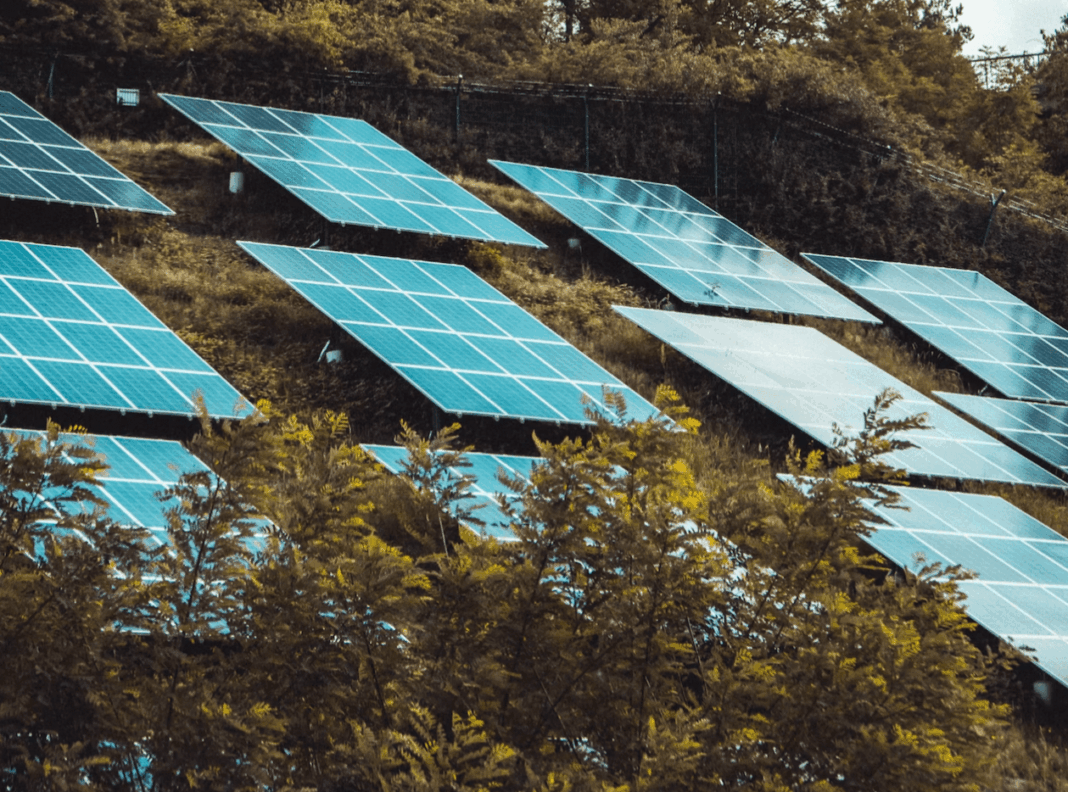
Suppose the walls in your new house lack insulation; consider putting some in place to save on energy bills and reduce the property’s carbon footprint. You can also install solar panels to produce energy on your own. These home improvements can take a bite out of your budget, but they enable you to save money and spare the environment in the long run.