How to Manage Cattle Records For Better Cattle Management

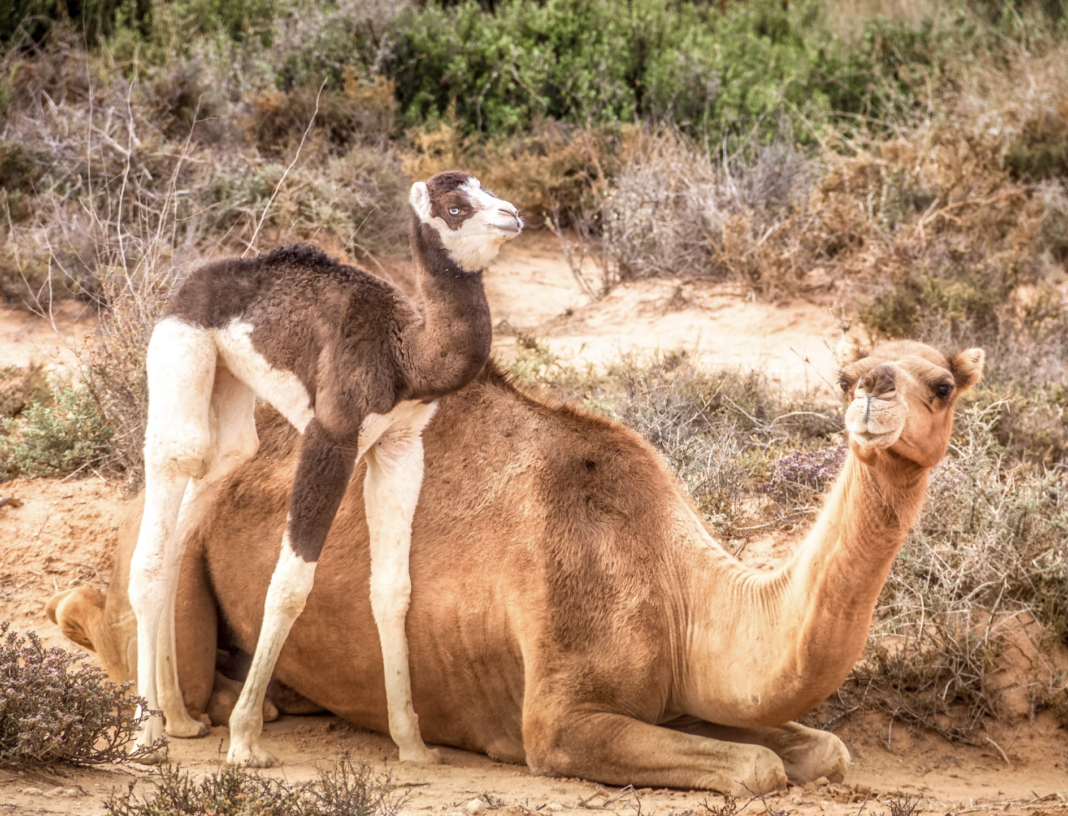
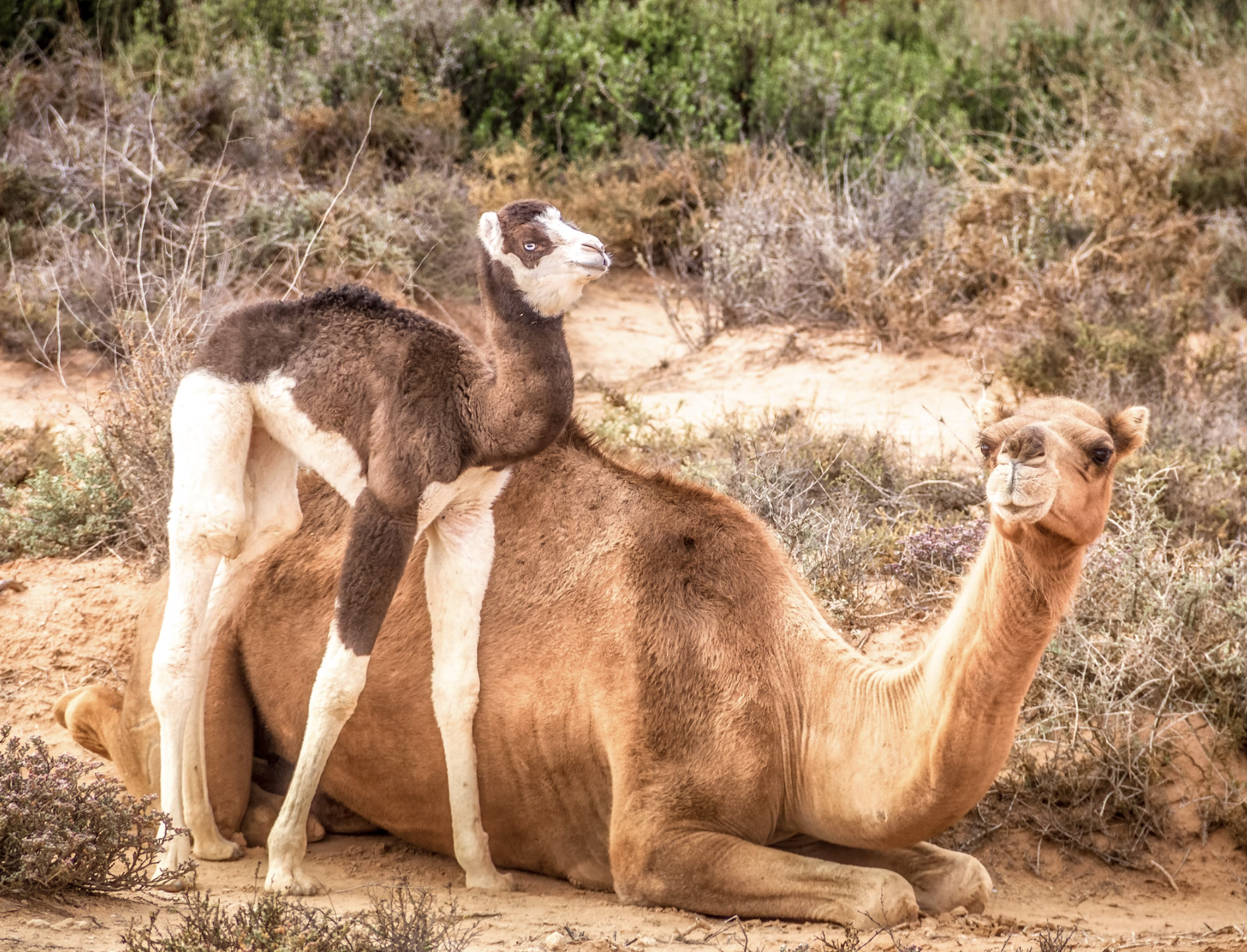
camel calve, just born standing alongside its mother
Whatever kind of calving business you run or manage, software can run the farm more sustainably for camels or cows.

Having an effective cattle management system is essential for any ranch or farm. Cattle records are a key part of this system. They provide important information on the herd’s health, fertility, and production. By properly managing these records, farmers and ranchers can maximize the performance of their herds, improve efficiency, and reduce costs.

In this blog post, we will discuss the importance of cattle records and provide an overview of the best practices for managing such records.

Read on.

Identify Your Cattle Records and Their Purposes

These records help you monitor the health and performance of your herd, track progress, and track changes in management. You can include breeding records, calving records, and health records.

Here’s what you need to know about each record type:

  • Breeding records will provide information about your herd’s reproductive success rate and help you identify areas for improvement.
  • Calving records will provide information about the age, sex, and birth weight of calves, as well as any health problems that may have occurred during the calving process.
  • Health records will help you track any health problems in your herd and allow you to respond quickly and take action.
  • Have calving records in place to identify any potential problems with the calves.

You can ensure that your herd is healthy and well-managed by keeping these records up to date.

Set Up a System for Collecting and Storing Cattle Records

This will ensure that your records are organized, up-to-date, and easy to access. To get started, consider the type of data that you need to record. This could include data on feed consumption, health treatments, calving records, genetics, etc. 

Once you have identified the data that needs to be collected, you can decide on the format for the records, such as paper or digital, and the system you will use to store them. This could be a manual filing system, a computer system, or a cloud-based system.

Ensure the system is secure and backed up regularly.

Keep Track of Events Related to the Cattle
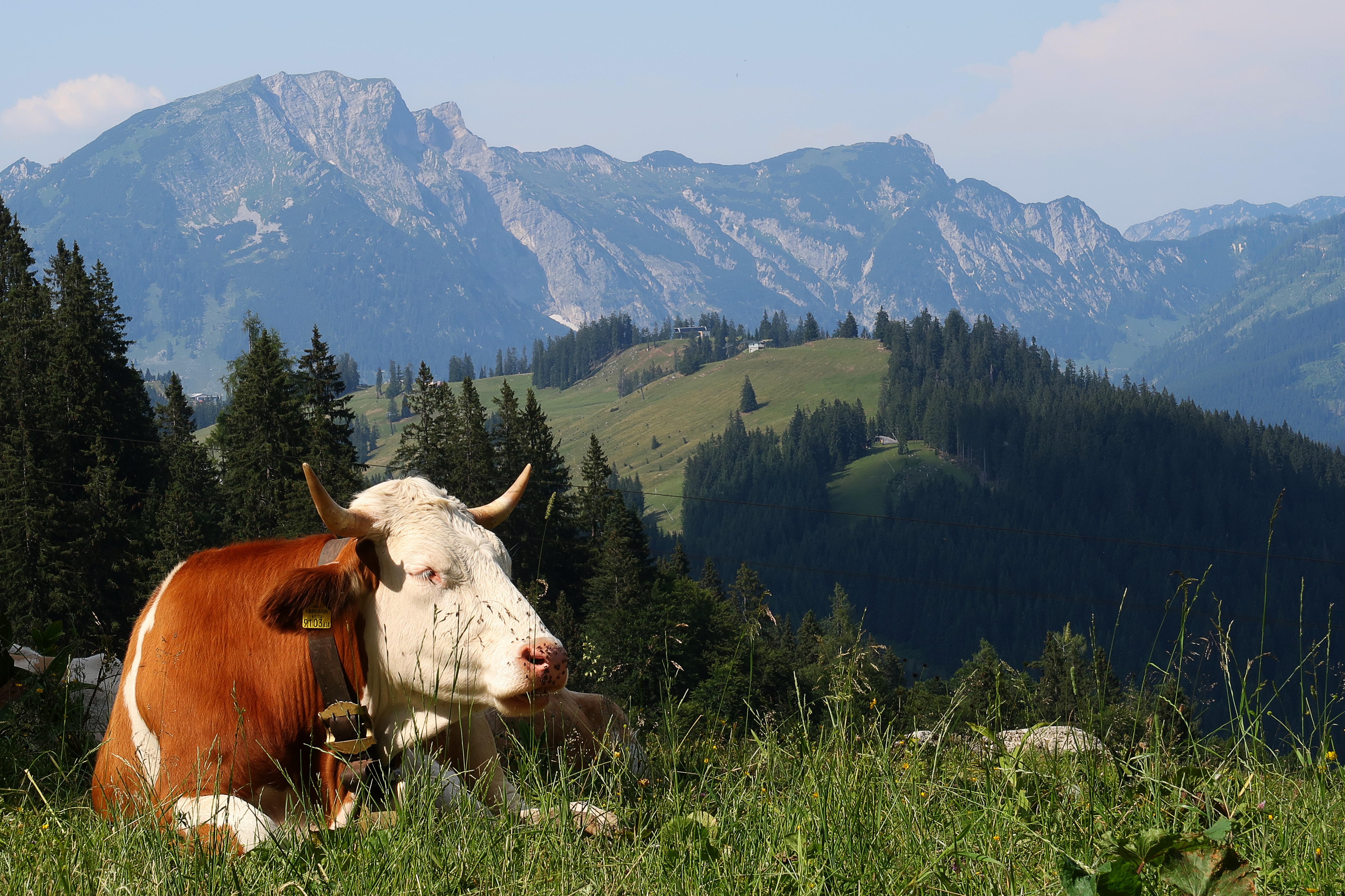
slow meat movement
Do you run a sustainable dairy? A business doesn’t run on dreams alone.

Knowing which of your cows are due to calve, when vaccinations and other treatments were given, or which cows are due to be bred can help you plan and make the most efficient use of your resources.

A simple spreadsheet or database can be used to record such events easily. If you prefer a more visual approach, you can use an app or calendar to keep track of your cattle’s important dates.

No matter which method you choose, keep it up to date so you can plan for what’s coming up.

Utilize Modern Technology for Fast and Efficient Data Collection

By utilizing current technology, you can collect data quickly and efficiently. This data can then be used to track herd activity, feed intake, and animal health.

Furthermore, modern technology can provide real-time data, allowing quick and effective decision-making. You can also

Analyze the Data Collected to Monitor Productivity and Health

By analyzing the data collected, you can monitor productivity and health to ensure that the herd is in optimal condition. This can help to identify potential problems, such as nutritional deficiencies, diseases, or parasites, and provide the necessary interventions to keep them under control.

Furthermore, you can identify trends in the herd, such as growth rates, feed efficiency, and other key performance indicators. You can use this data to make informed decisions regarding feeding, breeding, and other cattle management areas.

Final Word

Managing cattle records is an important part of a successful cattle management plan if you are raising cows or other herd animals for a sustainable dairy. A rancher can make better decisions about their herd, reduce costs, and increase profits by keeping accurate and up-to-date records. Ultimately, investing time and effort into maintaining cattle records is an invaluable part of successful cattle management.

If you have any questions or concerns, ask us in the comments.


Bhok Thompson
Bhok Thompsonhttp://www.greenprophet.com
Bhok Thompson is an “eco-tinkerer” who thrives at the intersection of sustainability, business, and cutting-edge technology. With a background in mechanical engineering and a deep fascination with renewable energy, Bhok has dedicated his career to developing innovative solutions that bridge environmental consciousness with profitability. A frequent contributor to Green Prophet, Bhok writes about futuristic green tech, urban sustainability, and the latest trends in eco-friendly startups. His passion for engineering meets his love for business as he mentors young entrepreneurs looking to create scalable, impact-driven companies. Beyond his work, Bhok is an avid collector of vintage mechanical watches, believing they represent an era of precision and craftsmanship that modern technology often overlooks. Reach out: [email protected]

Read More

TRENDING

One of the World’s Biggest Candy Companies Became a Leader in Cocoa Science

Most people know Mars for M&M's and Snickers. Few realize the company has spent four decades researching cocoa flavanols and sustainable cocoa science. After six days testing CocoaVia with pioneers of Toronto's raw food movement, Green Prophet explores the surprising story behind one of the world's most researched cocoa supplements.

Sustainable Manufacturing Frameworks Reducing Waste in Heavy Industry

Hydraulic systems are at the heart of heavy manufacturing, but poor maintenance can lead to fluid leaks, downtime, and unnecessary waste. By focusing on preventive maintenance, fluid monitoring, filtration, and early leak detection, industrial facilities can improve efficiency, reduce environmental impact, and strengthen sustainable manufacturing without major capital investments.

The Lost Art of Jewish Herbalism: How Plants, Memory and Diaspora Kept a Living Tradition Alive

Jewish herbalism is experiencing a revival as educators like Naomi Spector uncover centuries of plant knowledge preserved through the diaspora. Blending the wisdom of Maimonides, Ashkenazi and Sephardi traditions, and remedies passed from generation to generation, this forgotten ecological heritage reveals how Jewish communities adapted to new landscapes while keeping their cultural identity rooted in the natural world.

Finding Your Sea Legs Aboard the Neptun of Marstal

The Neptun of Marstal is more than a restored Danish sailing ship. Operated as a non-profit sail-training organization, it invites people of all ages to swap screens for sails, learn traditional seamanship and discover how caring for the sea begins by experiencing it firsthand. Along the way, strangers become crewmates, old maritime skills are kept alive, and the voyage offers a powerful lesson in environmental stewardship, cooperation and the enduring value of learning by doing.

Canada’s Beluga Rescue Is No Free Willy. Those Whales Will Never Go Home.

Six beluga whales have begun leaving Canada's shuttered Marineland, but they aren't returning to the wild. Here's why the park closed and where the whales are going.

The Essential Guide To Sustainability in Project Management

Sustainability is an approach where businesses and individuals balance the environmental, social, and economic aspects of a project such that current and future stakeholders are not overburdened with the impacts of the project in future.

Yerukim Forms a New Green Economy Where the Money is Really Green

The Yerukim members who pick up the recyclables get to keep the monetary reward, the public earns "green" bills that can be used in shops, and business owners get to be associated with environmentalism.

Choosing Riyadh over Dubai? What Investors Should Know

Saudi Arabia is deploying capital at unmatched scale to catalyze tourism and advanced industry while rewiring its power-and-water backbone. The investable frontier is widening—especially in renewables, grid storage, water efficiency/desal retrofits, and hospitality operating platforms. Prudent investors will insist on phased delivery, enforceable KPIs (energy, water, biodiversity), and RHQ/zone compliance—while pricing political-economy and reputational risks alongside growth upside.

Sell your cooking oil for biodiesel money

Want to make money on old french fry oil? Sell it.

Qatar Alternative Energy Summit Pairs Investors And Innovators

Alternative energy investors and innovators can meet n' greet in Doha, Qatar March 16 and 17.

Here’s How To Implement The Four Pillars Of Employee Engagement

If you throw a party for your work team and they are vegans, don't make it a barbecue. Know the sustainability values of your team to boost moral and retain good people.

Locals From Rishon Fight IKEA

Big Box stores are a pretty new concept in Israel, and thank God that not every Israeli city wants them in their backyard. A word from someone who has see the beautiful farmland around her hometown Newmarket, Ontario stripped and converted into vulgar strip malls of big box shops: they have no place in a healthy and sustainable town or city.

The Jewish National Fund Meets An Inconvenient Truth

According to the JNF, it has transformed thousands of acres of barren land into green forests in Israel. They state that each person emits about 23 tons of carbon per year, estimating that each tree planted can absorb one ton of carbon in its lifetime. That's a whole lot of trees you'd need to be planting. Could so many fit in Israel?

Popular Categories