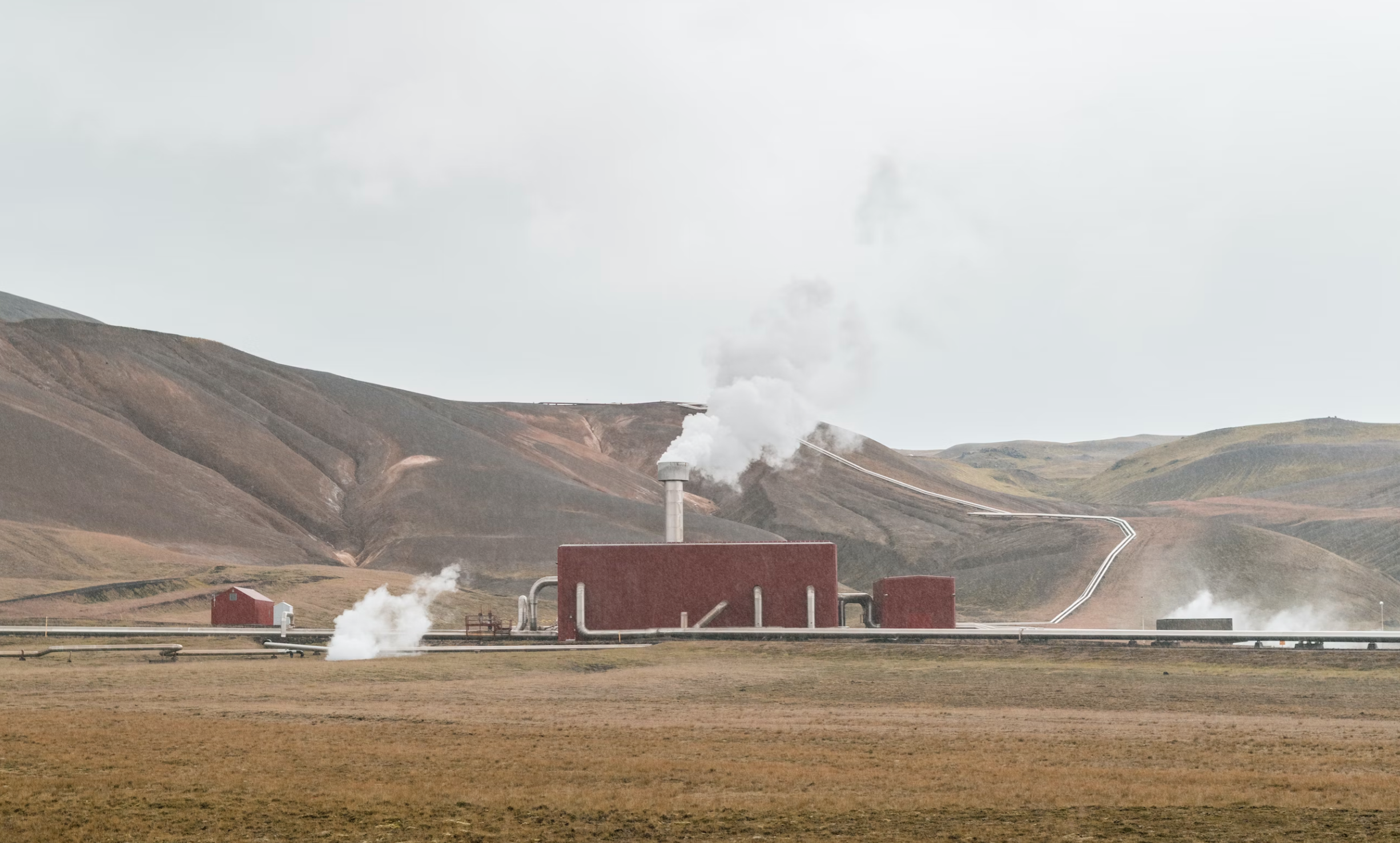


As missiles fly and oil traders panic, one thing is becoming brutally clear: a world powered by more renewables is a world less exposed to political violence, fuel blackmail by Iran and Saudi Aramco, and petro-instability that have long haunted the Middle East.
According to the International Renewable Energy Agency (IRENA), a UN-like energy body based in Abu Dhabi, the world added a record 692 gigawatts (GW) of renewable power capacity in 2025, bringing the global total to 5,149 GW.
Renewables made up 85.6% of all new power capacity added worldwide, while fossil fuel and other non-renewable additions continued to shrink in relative importance. That matters far beyond climate, I believe.
When countries generate more of their own electricity from solar, wind, hydro and bioenergy, they become less vulnerable to oil and gas chokepoints, tanker wars, Red Sea Houthi pirates, Iranian mullahs, price spikes, and the geopolitics of regimes and armed movements that have historically benefited from fossil fuel dependence. Renewables do not solve extremism on their own, but they do weaken the leverage of fuel-dependent systems that have helped finance instability across the region.
“In the midst of uncertain time, renewable energy remains consistent and steadfast in its expansion,” said Francesco La Camera, IRENA’s Director-General. “A more decentralised energy system, with a growing share of renewables and more market players, is structurally more resilient.”

IRENA, headquartered in Abu Dhabi, is the world’s leading intergovernmental agency for the renewable energy transition. It has 171 members and additional countries in accession, and serves as a technical and policy hub for governments trying to decarbonize while improving energy security. Abu Dhabi is its permanent headquarters.
The biggest gains in 2025 came from solar power, which added 511 GW, followed by wind at 159 GW. Together, those two technologies accounted for 96.8% of all new renewable additions globally.

Asia dominated, contributing 74.2% of all new renewable capacity, with 513.3 GW added. China remained the giant, especially in solar, wind, and hydropower, according to IRENA. This doesn’t mean they are a green economy however, because as China grows so does its dependence on fossil fuels. They are not regulated in any way for carbon emissions and tend to do what they want while the rest of the world plants trees and trades carbon credits.

India also posted strong wind and hydro gains. In Africa, renewable capacity rose by 15.9%, its fastest jump yet, led by Ethiopia, South Africa, and Egypt. The Middle East recorded its highest annual growth too, rising 28.9%, led by Saudi Arabia. The House of Saud knows they cannot survive on oil alone in the future. They have also been investing in green hydrogen.
The map is wildly uneven. Europe now holds 934 GW in total renewable capacity, while Central America and the Caribbean remain stuck at just 21 GW. That imbalance is not just unfair; it is also dangerous. Countries with low renewable penetration remain more exposed to imported fuel shocks, debt, and fragile grids.
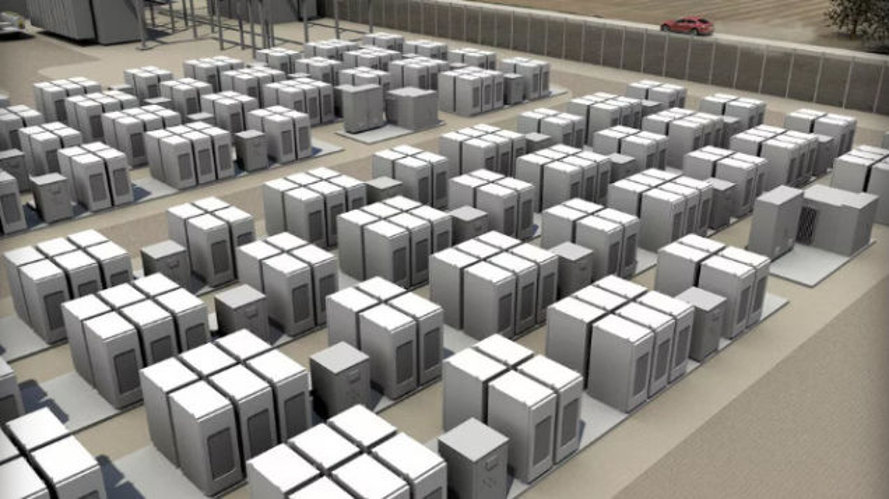
The world’s next focus should be obvious: grid expansion, battery storage solutions, off-grid solar, and finance for poorer countries. It is not enough to install panels in China as its economy keeps building endless factories and call it a transition.
“This not only indicates market preference but also makes a strong case for renewable energy resilience with brutal clarity,” La Camera said. And in a world where oil routes can still trigger global panic overnight, resilience is no longer a climate luxury, it is national security.