Residential solar has entered a new phase. It is no longer just about installing panels and exporting excess electricity to the grid. Today, homeowners want energy security amid shifting legislation, predictable savings that justify the hassle and investment, and systems that keep working during outages, heatwaves, and peak pricing hours.
For solar energy providers, this shift opens a powerful opportunity to reach a wider range of customers — from people fully connected to the grid to those seeking partial or full independence. Hybrid solar systems paired with batteries are now becoming the norm, designed and explained using advanced solar modeling, energy-yield calculators, and AI-assisted proposal software.
Solar didn’t become data-driven overnight

Solar did not become intelligent overnight. More than 15 years ago, companies were already pioneering ways to analyze, track, and optimize the sun at scale. Early consumer tools and apps helped homeowners use Google Earth to find the best angle for panels on their roof, replacing guesswork with simple data.
At the industrial level, companies like Brightsource used advanced solar field modeling, heliostat tracking, and real-time sun analysis to concentrate sunlight with extreme precision. That technology later powered large projects such as Ivanpah in California and helped prove that solar performance could be engineered rather than assumed.
Around the same time, Israel’s solar ecosystem produced practical innovations that reduced risk and improved reliability. Solaredge developed inverter technology that maximized usable energy from each panel and improved integration with batteries. Ecoppia introduced robotic systems that kept panels clean in dusty environments, protecting output in harsh conditions.

Even so, bringing solar into homes and businesses in every state in the US or in provinces in Canada was still a leap of faith. Finding a good installer often felt like searching for the right plastic surgeon — high stakes, uneven quality, and limited transparency. You choose once, and that’s your solution. That early wave of innovation laid the foundation for today’s residential solar software ecosystem: systems that no longer guess how solar performs, but model it.
Why grid-tied solar with batteries changes the equation
A grid-tied solar system reduces electricity bills. A grid-tied system combined with battery storage goes further.
- Stores excess solar energy instead of exporting it all to the grid
- Delivers backup power during blackouts
- Reduces exposure to time-of-use and sells it back during peak pricing
- Improves long-term energy independence
Solar batteries only sell well when their value is clearly explained. This is where solar design software, energy-yield calculators, and proposal platforms become essential tools for installers.
Modern solar providers increasingly rely on professional modeling platforms to compare system configurations that use AI to show homeowners real-world outcomes. Instead of abstract promises, installers can demonstrate exactly how a system behaves over time — during normal days, extreme heat, and grid outages.
For solar energy providers, the benefits are both operational and financial.
- Faster proposal creation and approvals
- Higher close rates for solar plus battery systems
- Fewer post-install disputes and misunderstandings
- Clear justification for premium, resilience-focused projects
Leading solar modeling tools include Aurora Solar, Helioscope, and PVsyst/PV*SOL for comprehensive design, performance, and financial analysis, alongside free options like OpenSolar for broad accessibility, while specialized tools like PVcase (for utility-scale) and Energy Toolbase (for financial modeling) cater to specific needs, all offering advanced 3D layouts, shading analysis, and energy yield predictions for residential to large-scale projects.
Batteries are becoming central, not optional
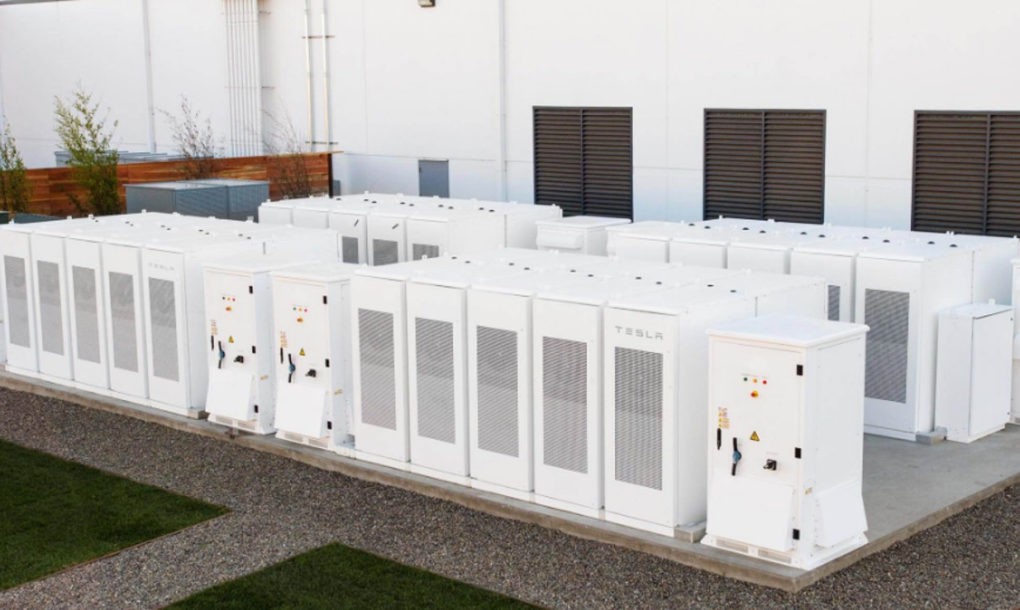
In regions facing heat stress, grid instability, or rising electricity prices — from the US Southwest to parts of the Middle East — batteries are no longer an add-on. They are becoming a core part of the residential solar value proposition. Modeling tools allow installers to clearly compare different paths: grid-only solar, solar paired with a small battery, or solar with full-home backup.
This clarity helps homeowners choose the right system rather than the biggest one. Counterintuitively, that often leads to higher-value installs because customers understand exactly what they are paying for and why. For solar companies, this shift reduces post-install dissatisfaction, misaligned expectations, and price-only competition — while strengthening long-term customer relationships.