
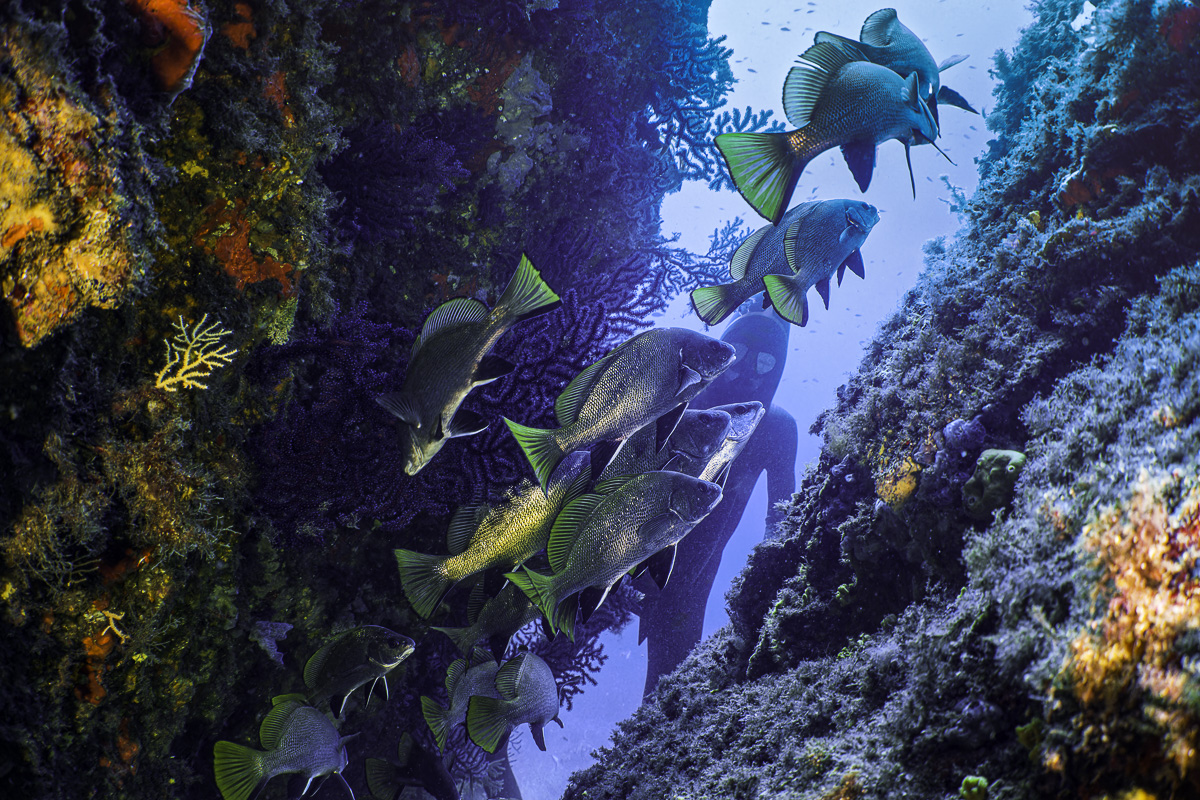
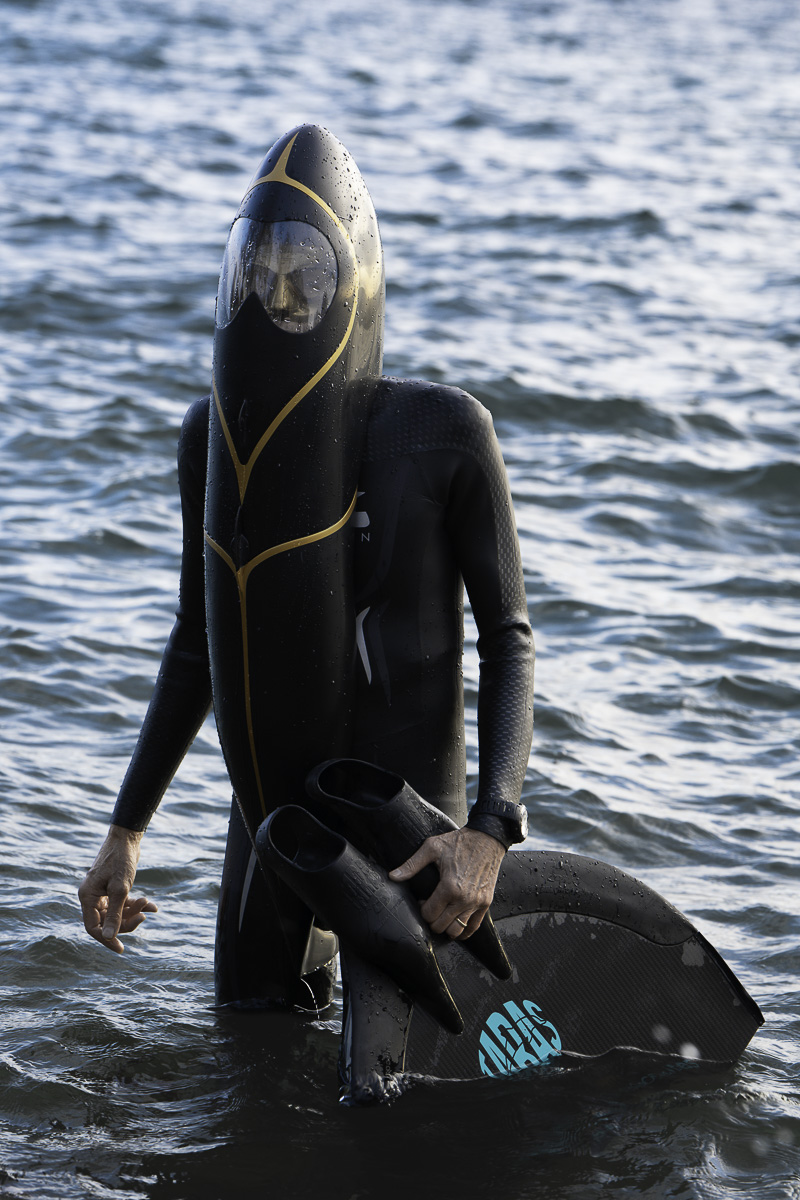
Pioneering cave diver Olivier Isler reports encouraging results from swimming pool tests and Mediterranean sea trials of his experimental underwater breathing apparatus.
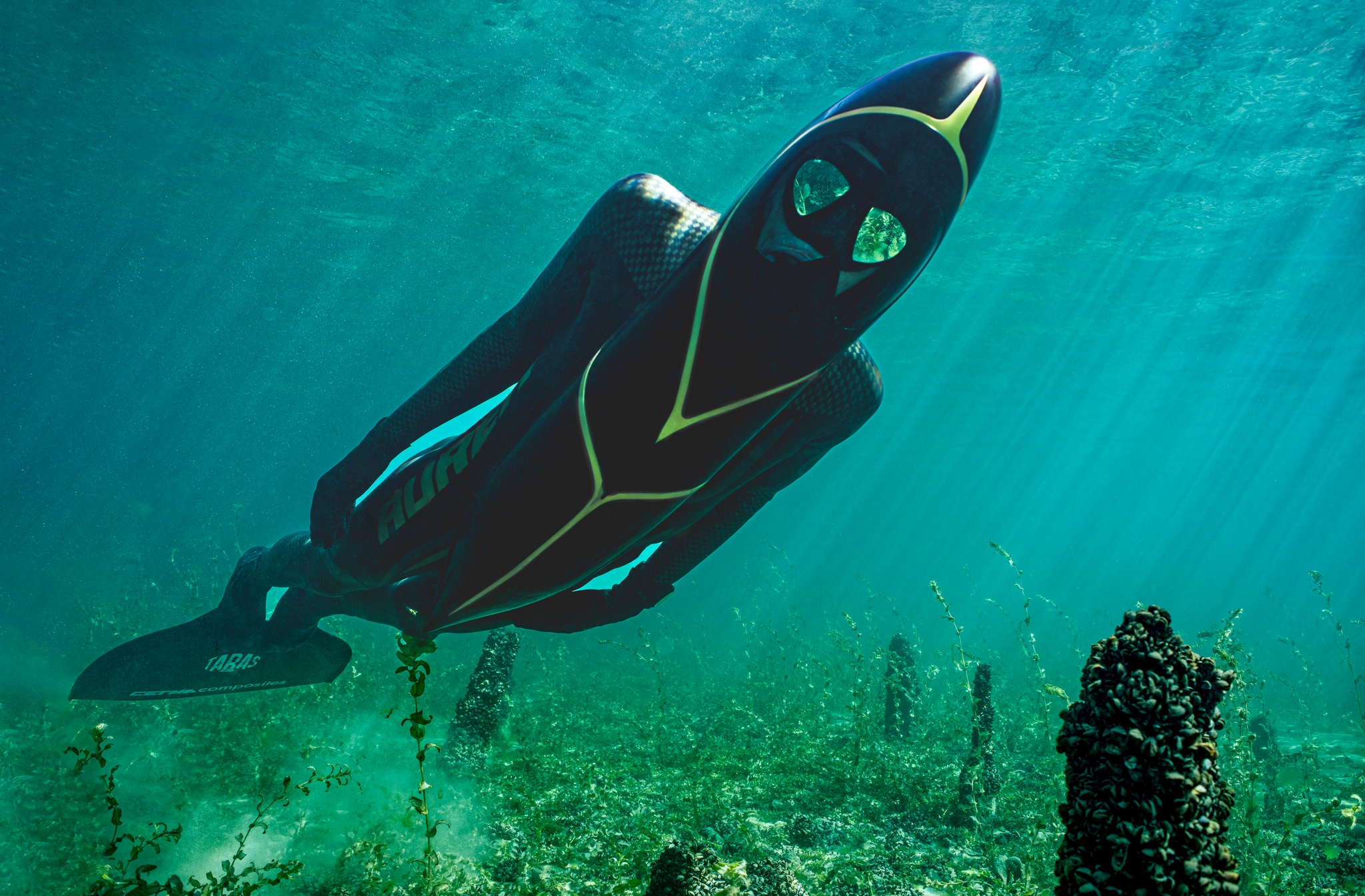
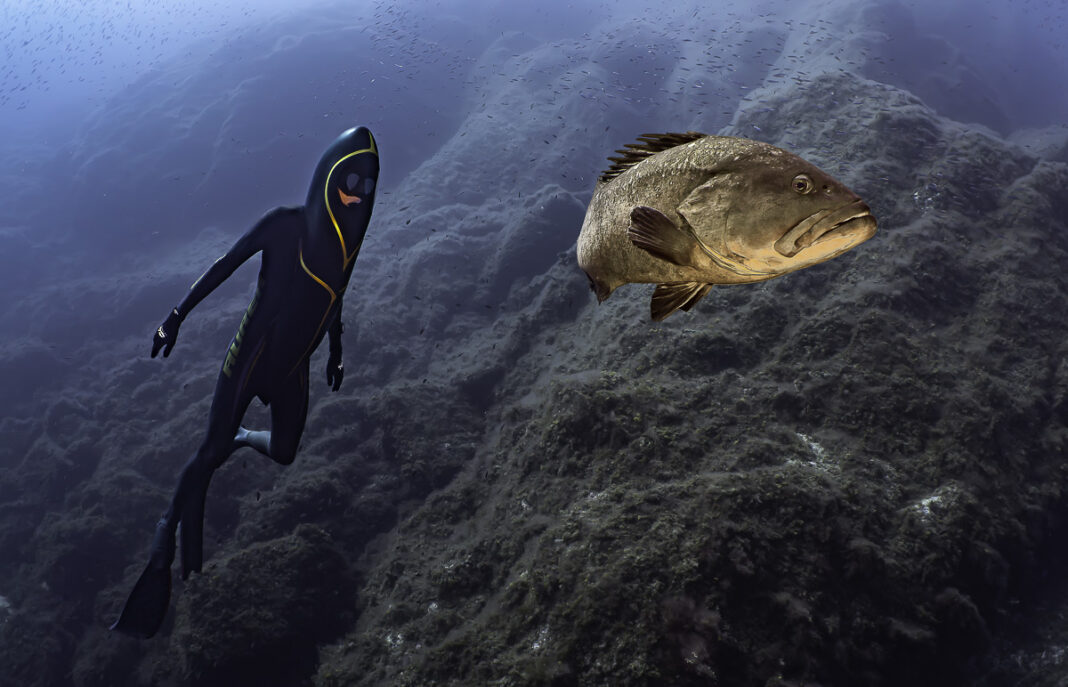
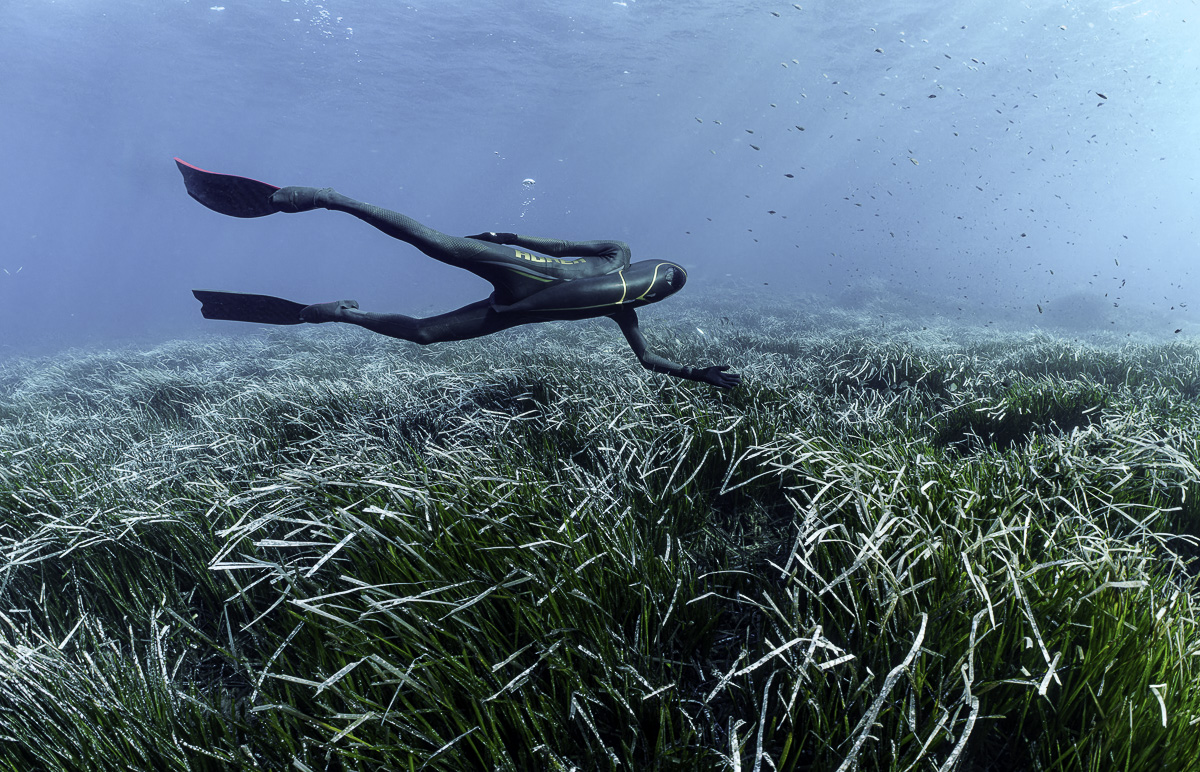
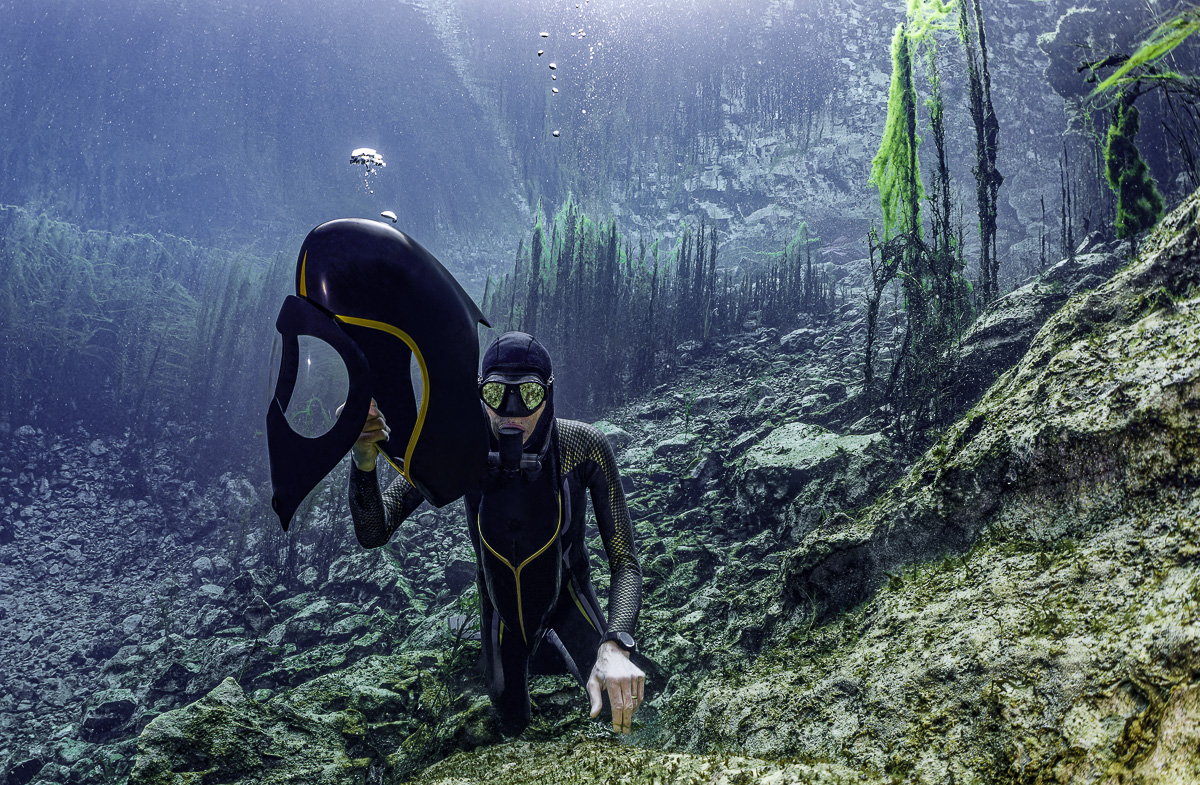
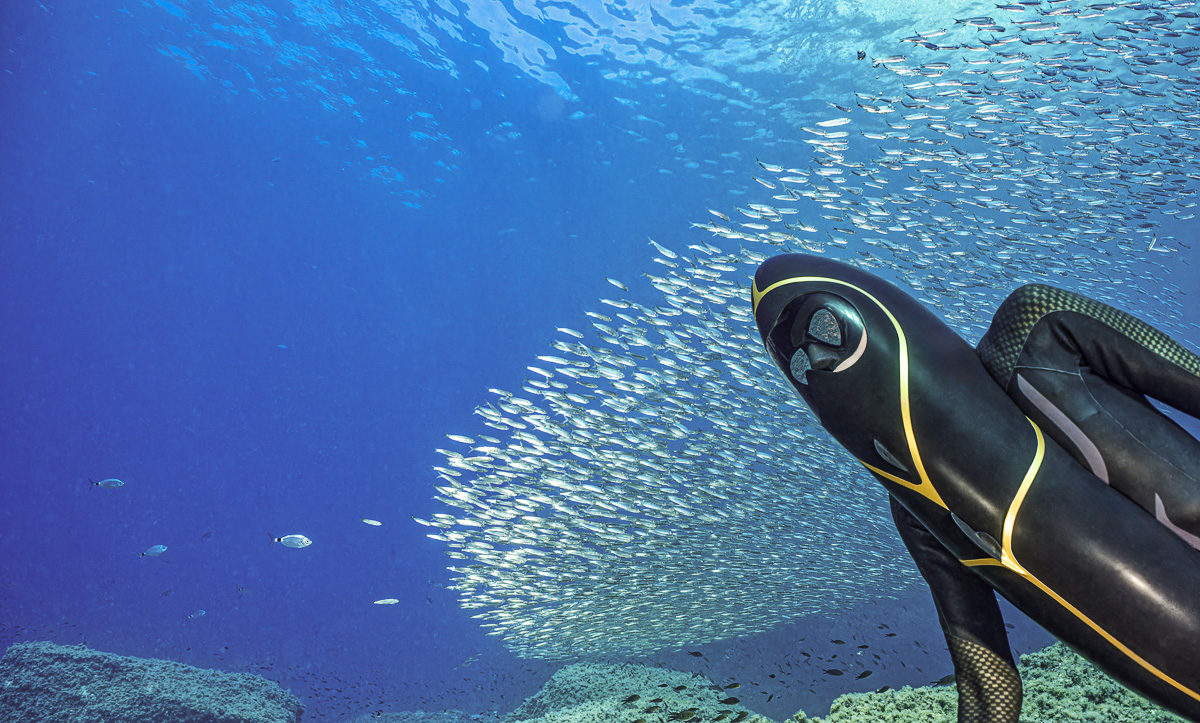
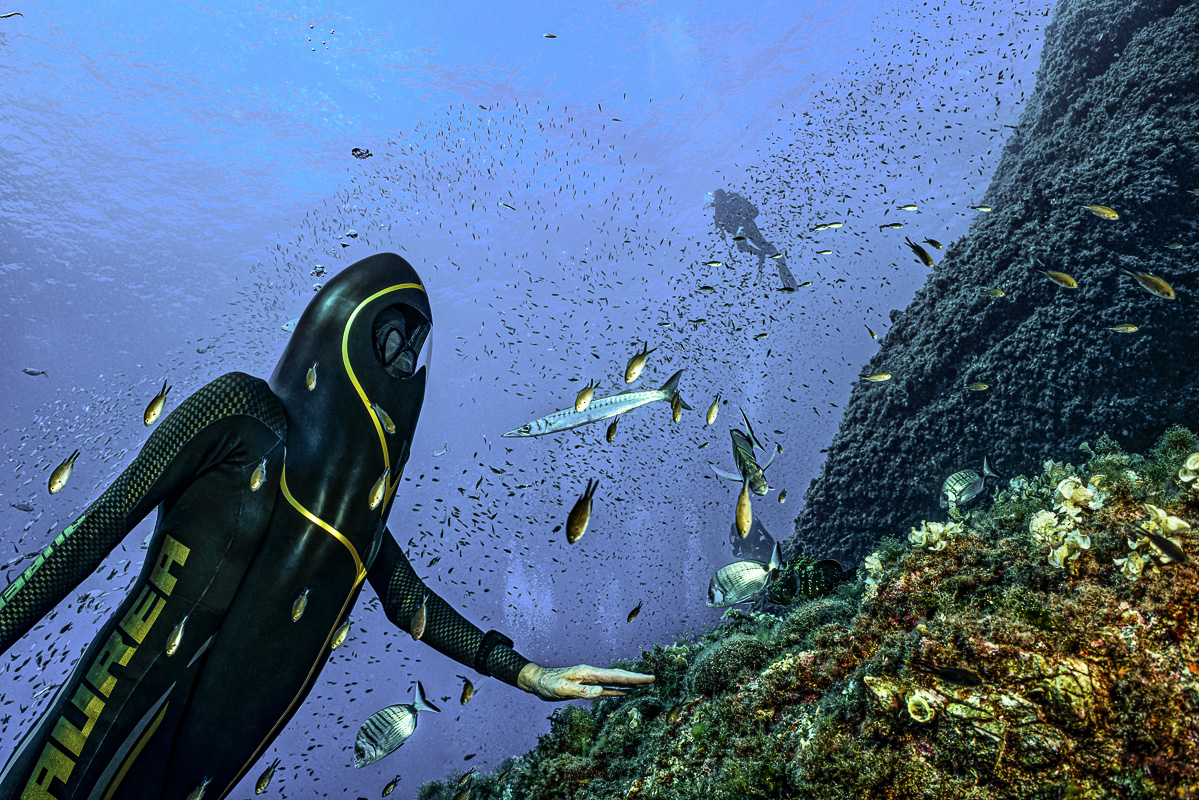
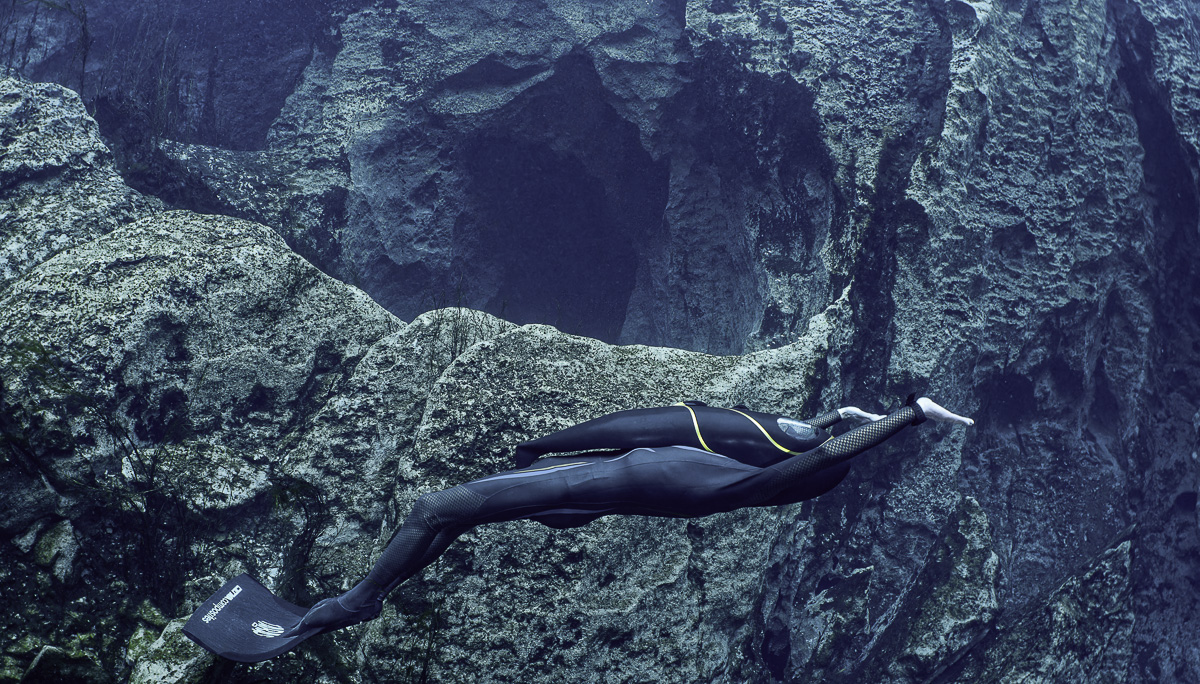
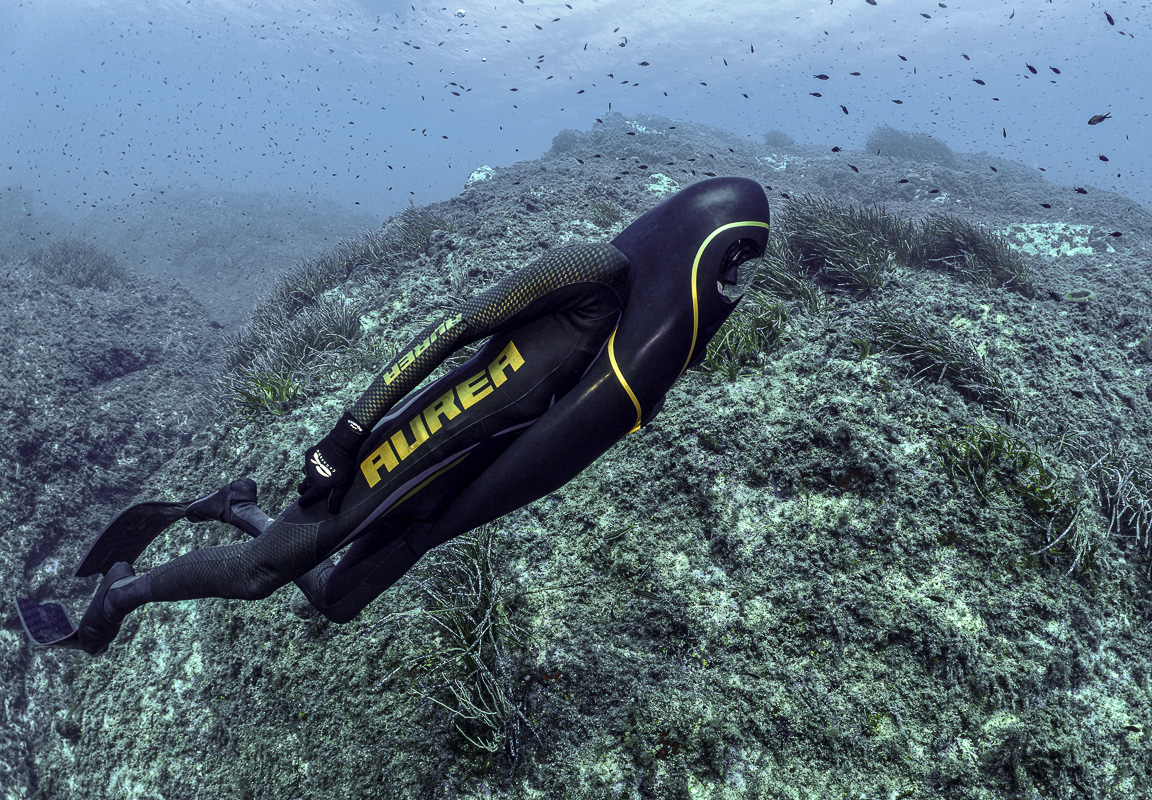
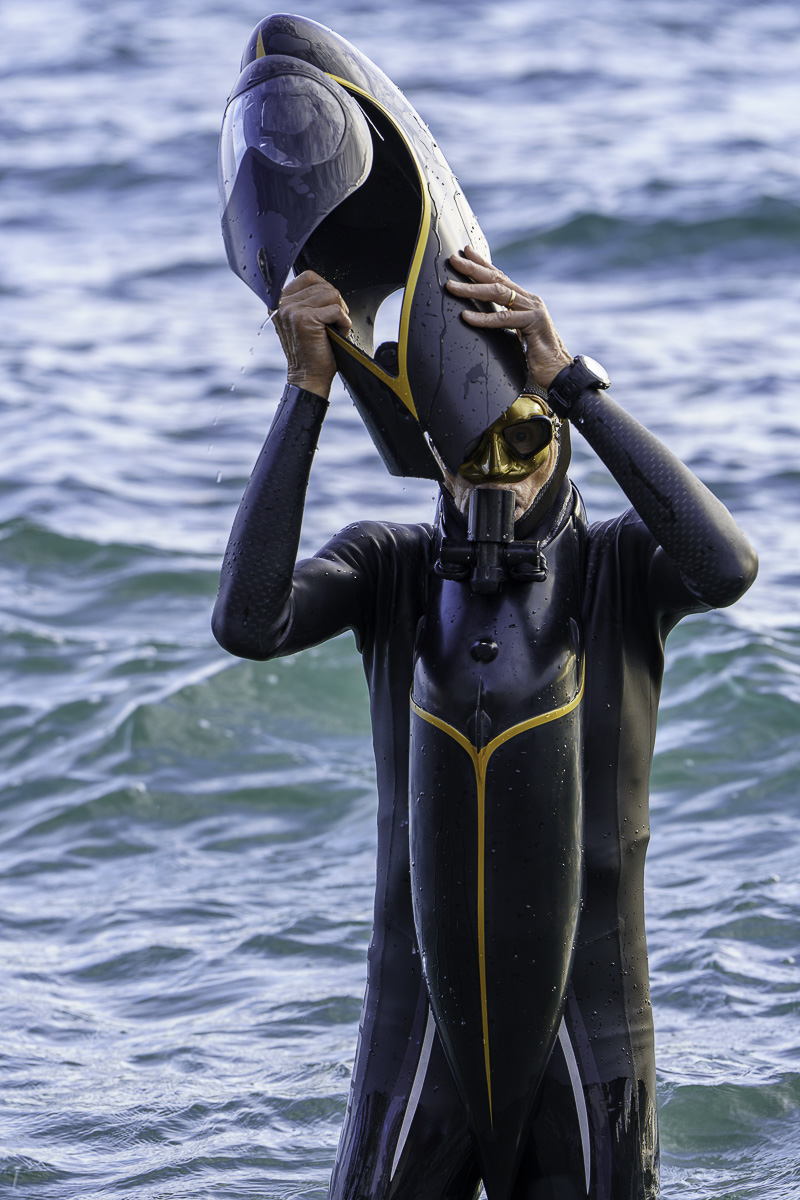
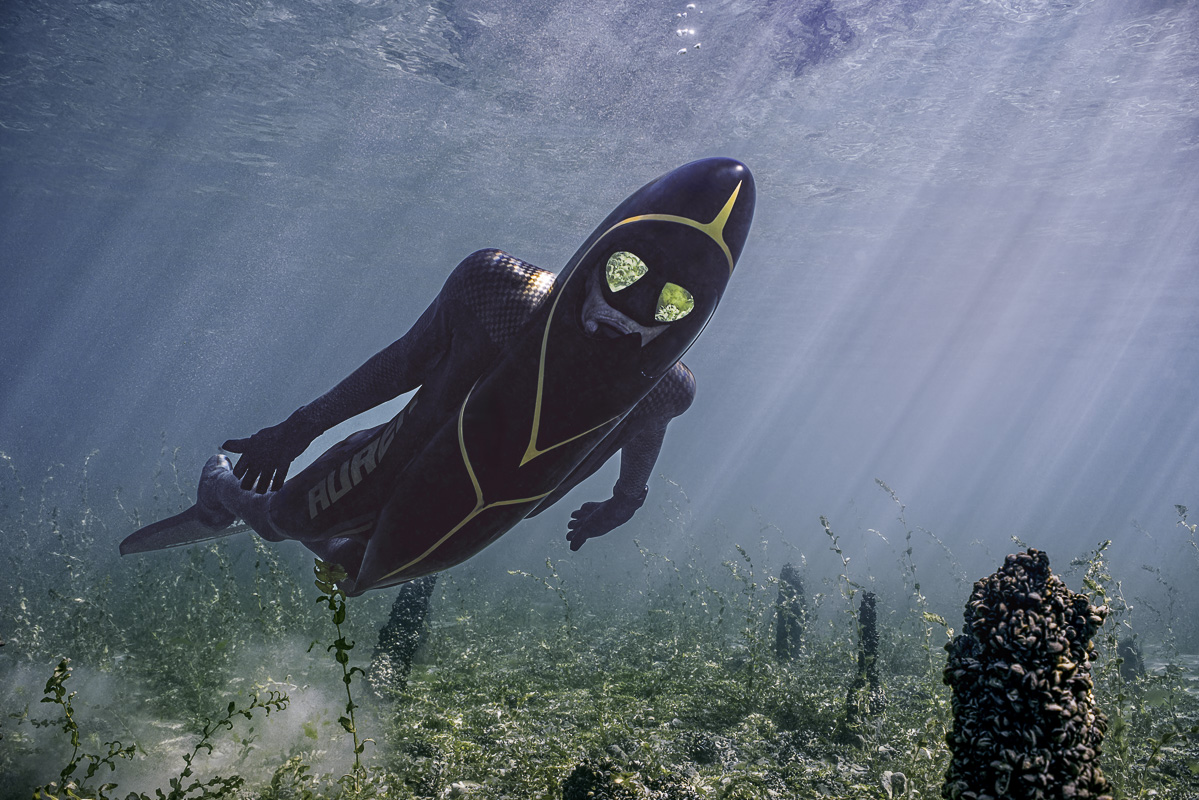
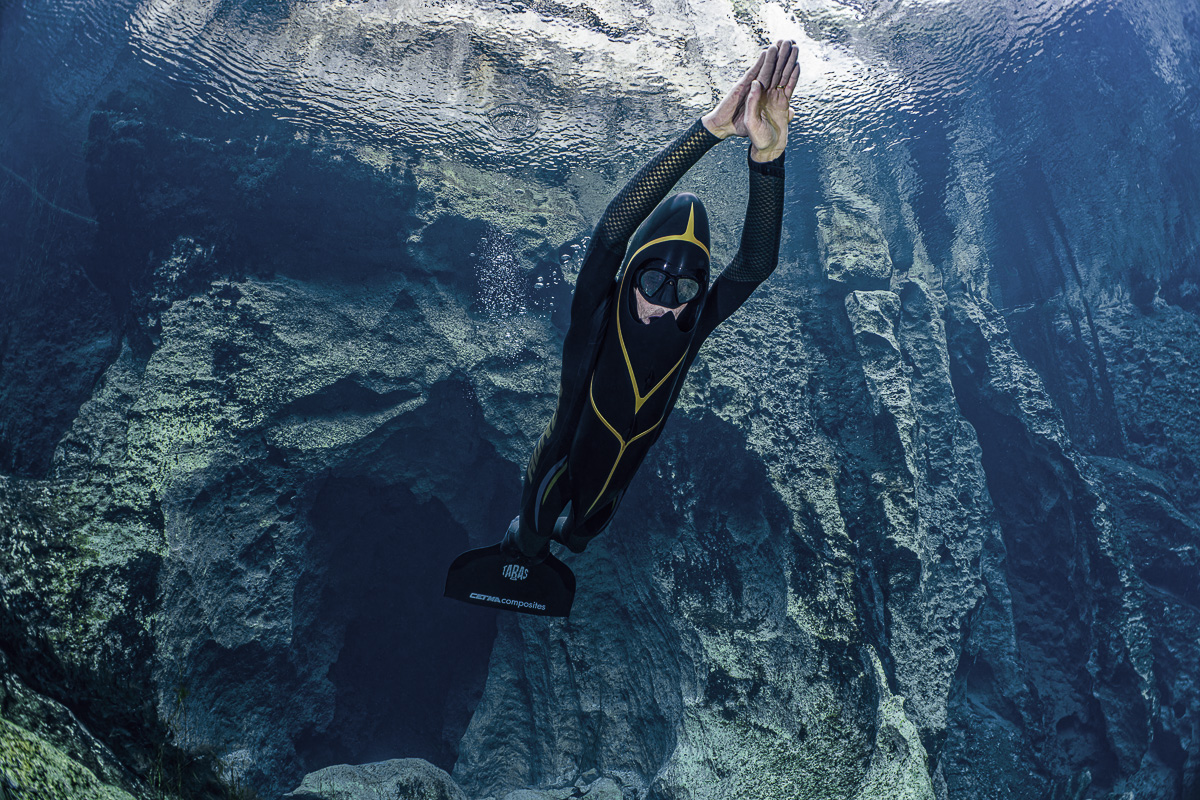
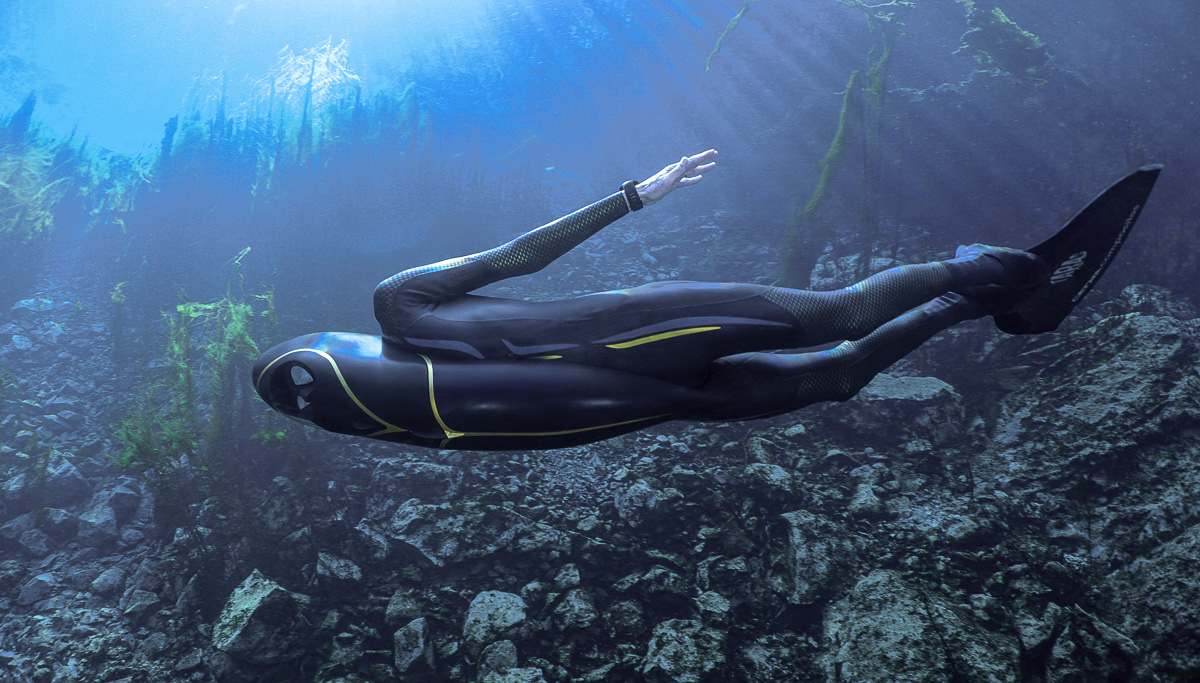
At 76, Swiss inventor and retired biology teacher Olivier Isler is still pursuing a dream: to swim alongside whales and dolphins with the freedom of a marine mammal. His invention, Hydrophilis, is a streamlined underwater breathing apparatus designed to minimise resistance in the water and allow divers to move with as little disturbance to marine life as possible.
When we interviewed Isler in May 2026, he explained the philosophy behind his invention and his desire to achieve a kind of symbiosis with the marine environment. His project has been more than a decade in the making. Now, following a series of swimming pool experiments and open-water trials in Italy and France, Isler has written to Green Prophet with an update on his progress.
Below, he shares his findings in his own words:
An Update on the Hydrophilis
Following the article published in Green Prophet in May 2026, the prototype underwent a series of tests.
First test: hydrodynamic efficiency
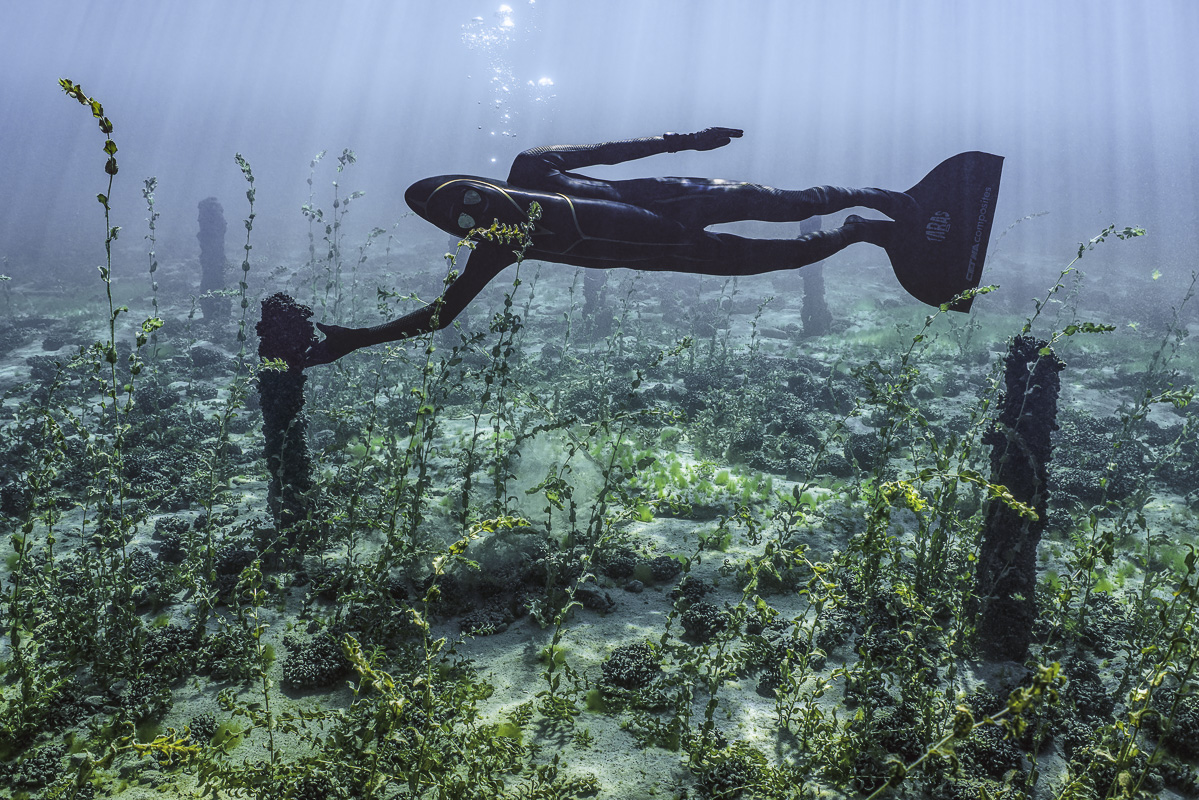
Several trials were conducted in a swimming pool. The objective was to assess the prototype’s ability to travel as fast as possible over a precisely defined distance.
In a 50-metre pool, a diving mask was placed on the bottom lane marking, approximately 3 metres before the halfway point, to serve as a reference for the acceleration phase and allow timing over a measured distance with a flying start. The timed distance was 23 metres, ending at the T-shaped marking located 2 metres from the end wall, thus avoiding any risk of injury from hitting the wall.
I was hoping to come within one second of the time achieved over the same distance during a conventional breath-hold swim, without any breathing apparatus.
The actual results truly amazed me! Over 23 metres, the difference was just over one second in favour of the Hydrophilis. I knew that I had paid particular attention to its design and construction, but with a counterlung, a soda lime scrubber and a gas cylinder, I never imagined that I could swim faster than an unencumbered monofin swimmer.
This translates into a time saving of nearly four seconds over a straight 100-metre course (the Hydrophilis inevitably hampers turns in a swimming pool). In the hands of a champion underwater speed swimmer, the improvement would undoubtedly be even greater. Quite remarkable!
Second test: open-water sea trials
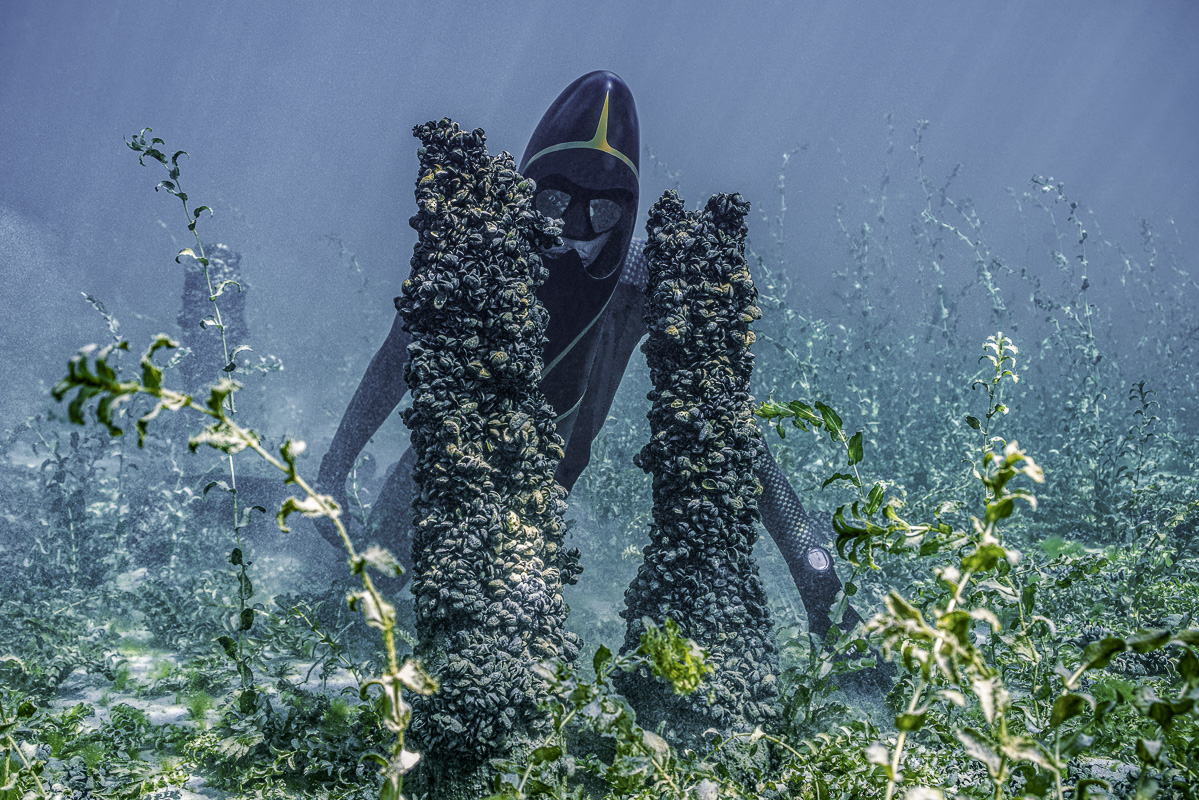
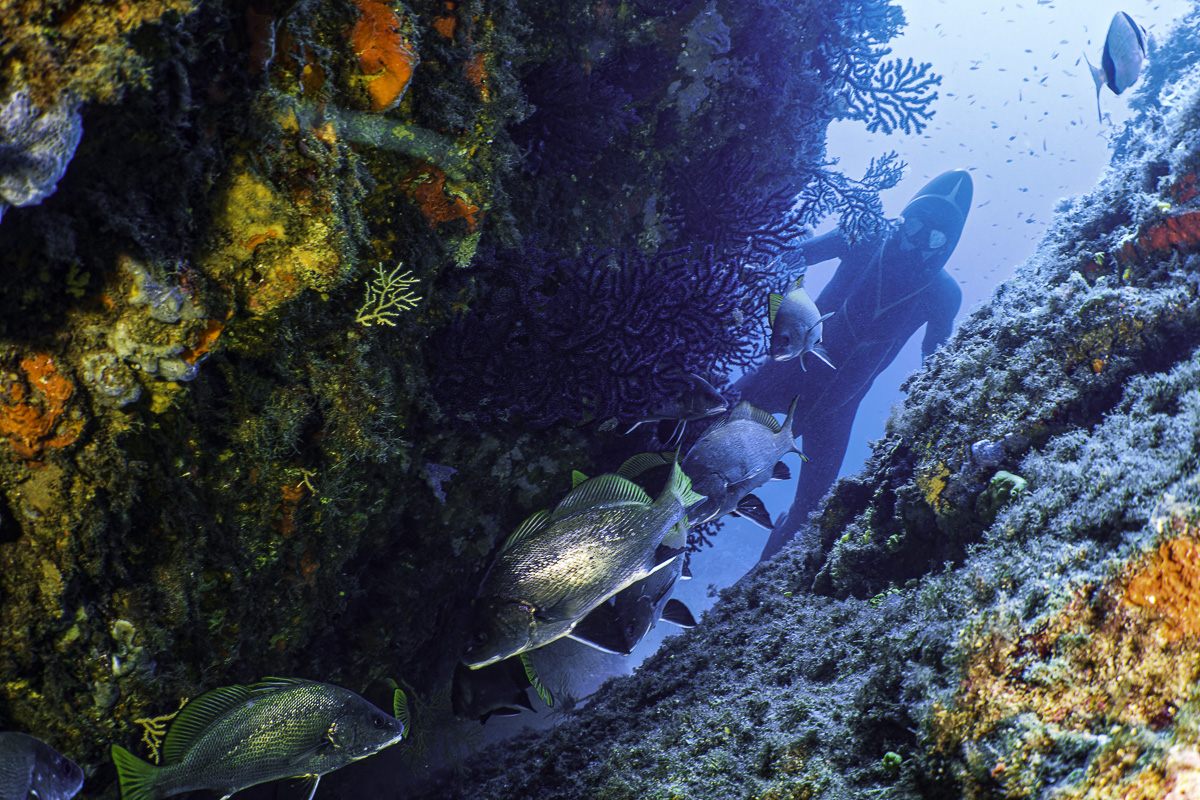
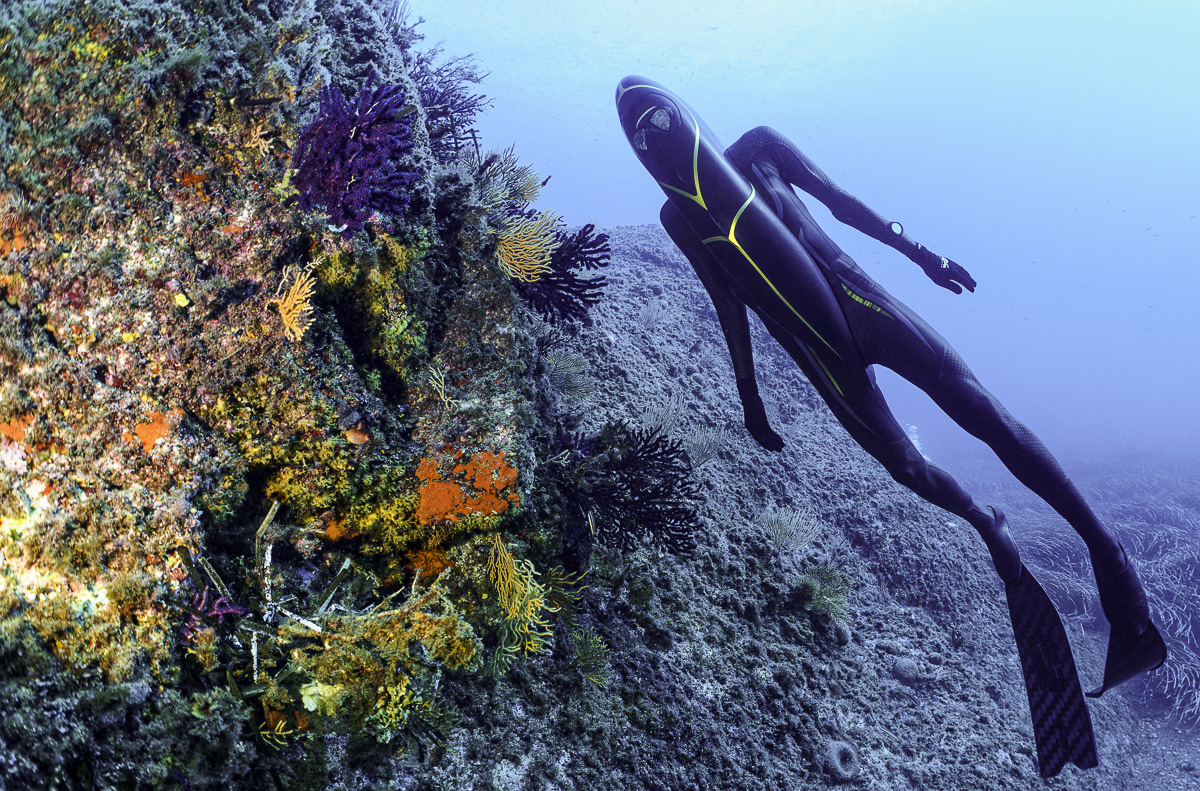
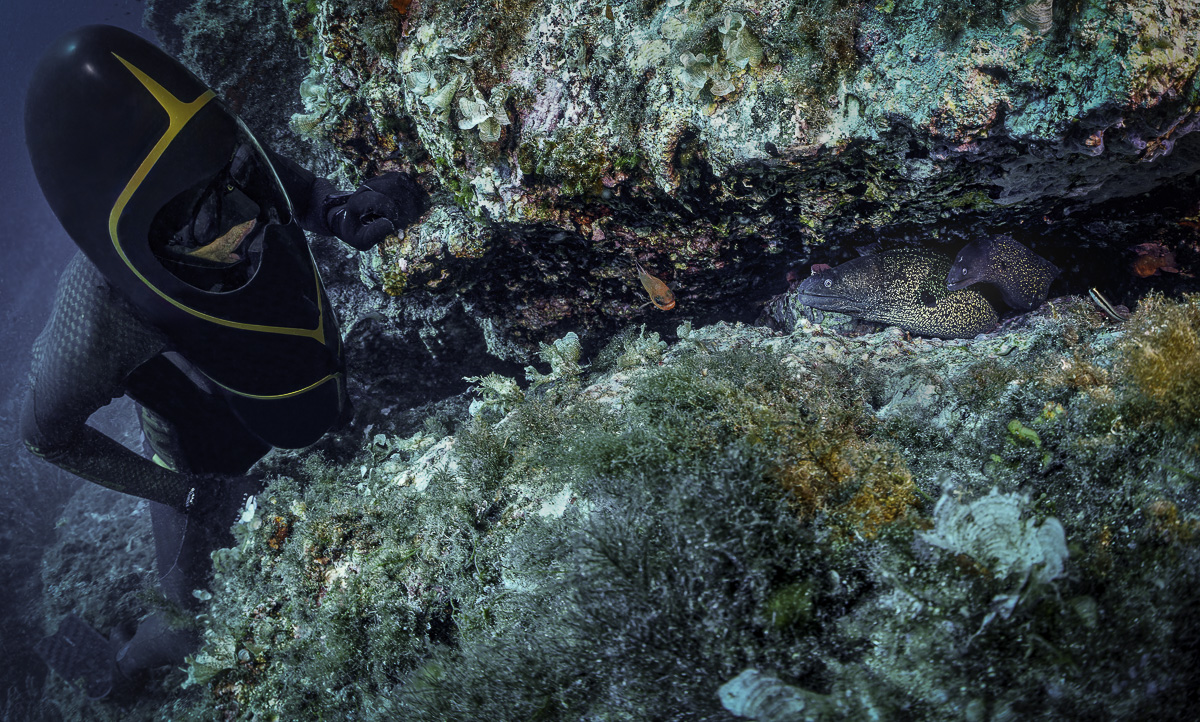
Between late September and mid-October, I was able to dive with the prototype in the sea for the first time. To improve manoeuvrability and minimise the risk of accidentally coming into contact with fragile marine environments, I opted for long-bladed bifins instead of my monofin, which is ideal only in open water away from the seabed.
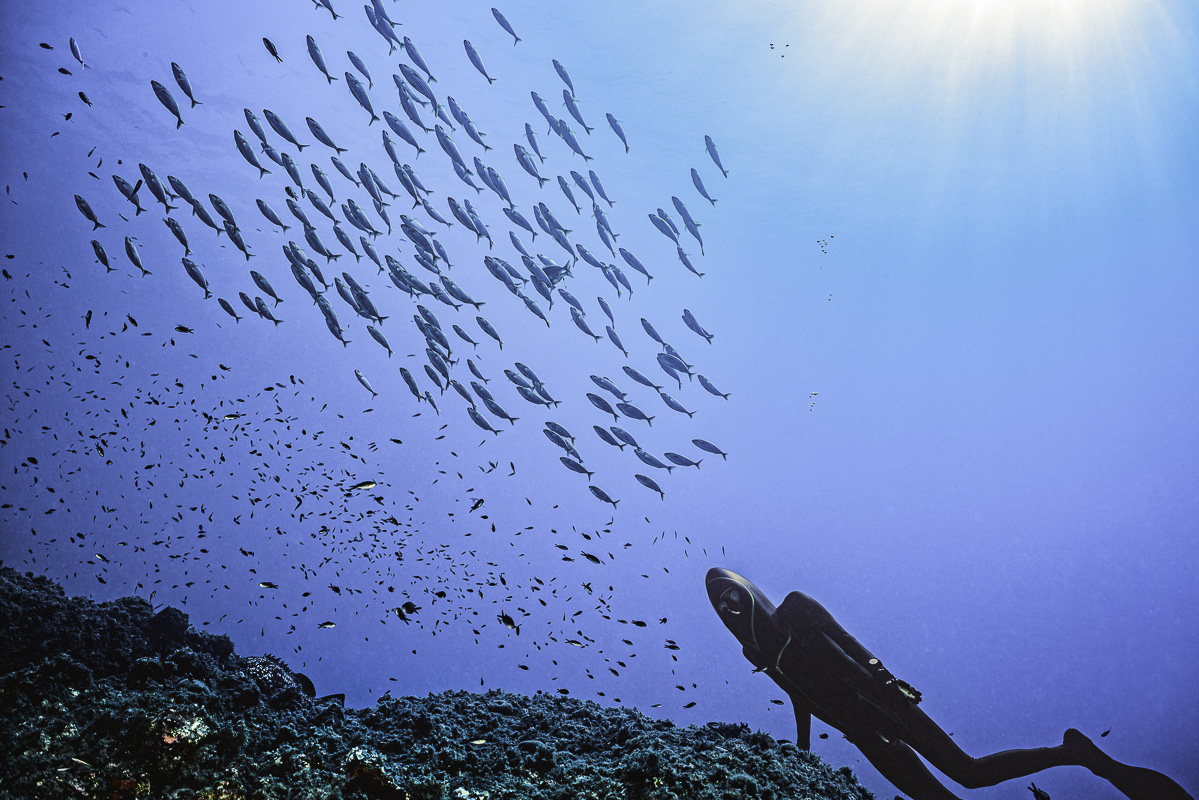
The first dives took place in Portofino, Italy, not far from Genoa. Maximum dive depths ranged between 15 and 20 metres. I therefore used an oxygen-enriched breathing mixture (60% nitrox) rather than pure oxygen, which becomes toxic beyond a depth of 6–7 metres. As a safety precaution, at the end of each exhalation, I vented 8–10% of the breathing mixture into the surrounding water by exhaling through my nose.
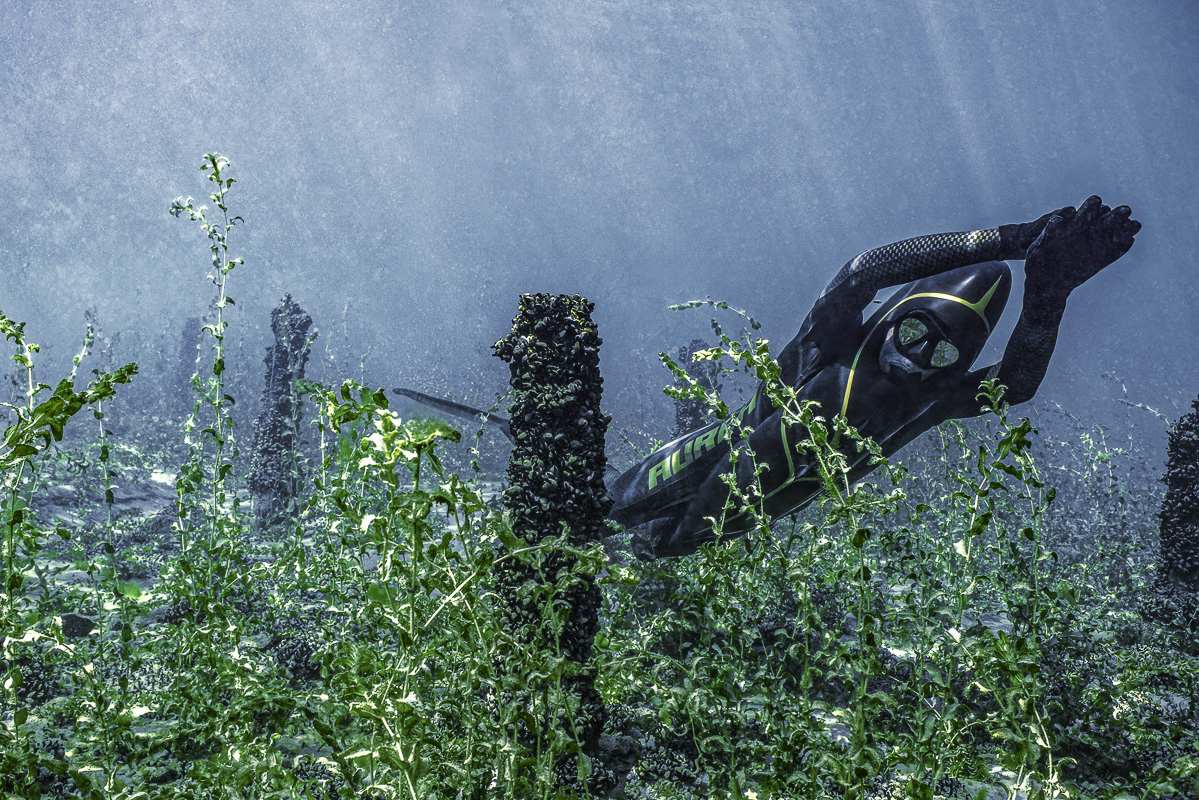
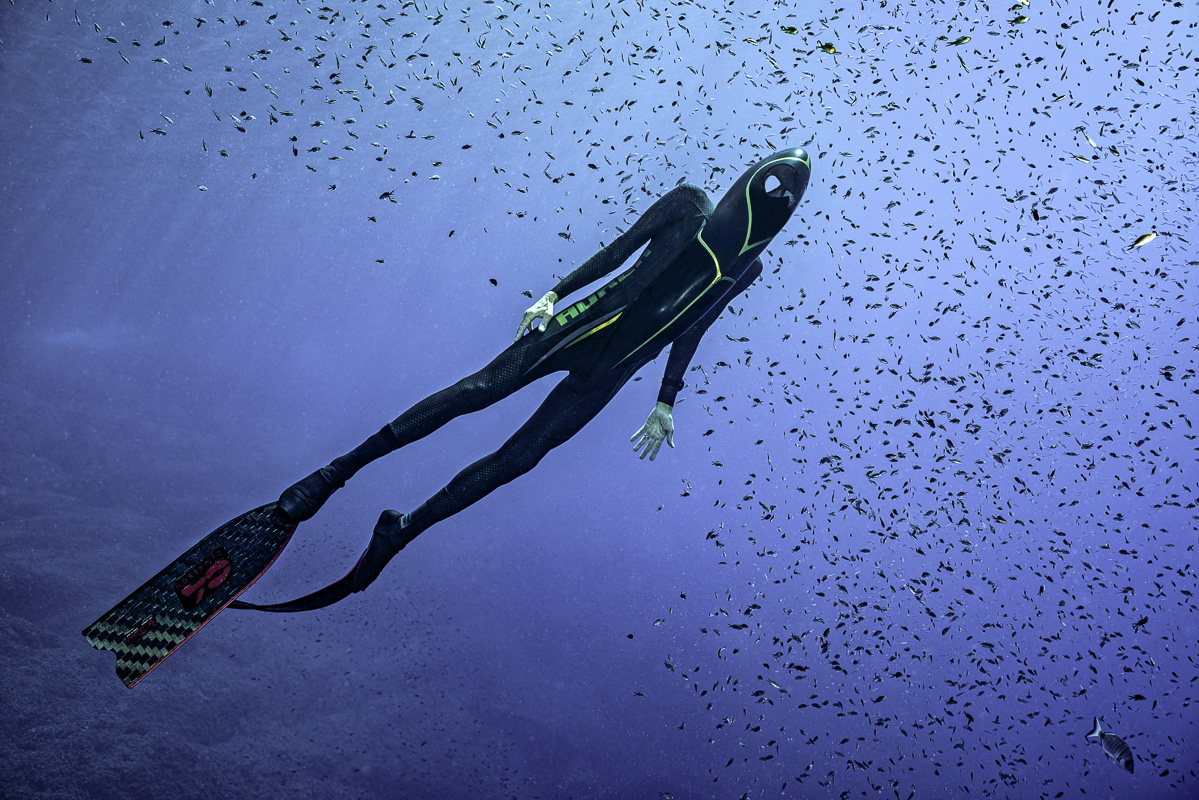
In France, in the Port-Cros Marine Reserve, approximately 20 kilometres from the city of Toulon, dives frequently exceeded 20 metres. I therefore used a breathing mixture with a slightly lower oxygen content (50% nitrox). The maximum depth reached was 29 metres.
I was also able to assess the CO₂ absorption capacity of the soda lime by completing a 41-minute dive in the morning, followed by a 32-minute dive in the afternoon. Maximum gas consumption was 160 litres out of the 300 litres available in my small cylinder.
Conclusion: The apparatus appears capable of supporting dives of up to 90 minutes at an average depth of approximately 20–25 metres. A very satisfying result. (A clarification regarding dive duration. The Mediterranean was exceptionally warm this year, with a water temperature of 23°C. But a 41-minute dive was close to the maximum achievable wearing a 2 mm freediving wetsuit. In warmer tropical waters, dives lasting 90 minutes would have been entirely feasible.)
Overall conclusion
The Hydrophilis has fully lived up to my expectations and could be the ideal apparatus for fulfilling my ultimate dream: swimming alongside humpback whales in warm tropical waters. My main challenge now is finding financial support, as my own resources do not allow me to undertake such an expedition. So perhaps, in the not-too-distant future.
-Olivier Isler
About Olivier Isler
Born in Switzerland in 1950, Olivier Isler is a pioneering cave diver, inventor and retired secondary school biology teacher. He began diving in 1971 and went on to explore submerged cave systems in Switzerland, France, Italy and the Canary Islands.
Working with French electronics specialist Alain Ronjat, Isler developed the RI 2000, a pioneering rebreather for underwater cave exploration. In 1991, he became the first rebreather diver to penetrate more than four kilometres into an underwater cave on a single dive. His latest invention, Hydrophilis, reflects a shift from extreme underwater exploration towards a more intimate relationship with marine life.