Most of the world’s marine protected areas are polluted by sewage

Mummies found in sewage

Marine protected areas are supposed to be safe havens for coral reefs, seagrass, fish nurseries and coastal wildlife. But a new global study suggests that many of them are protected in name only.

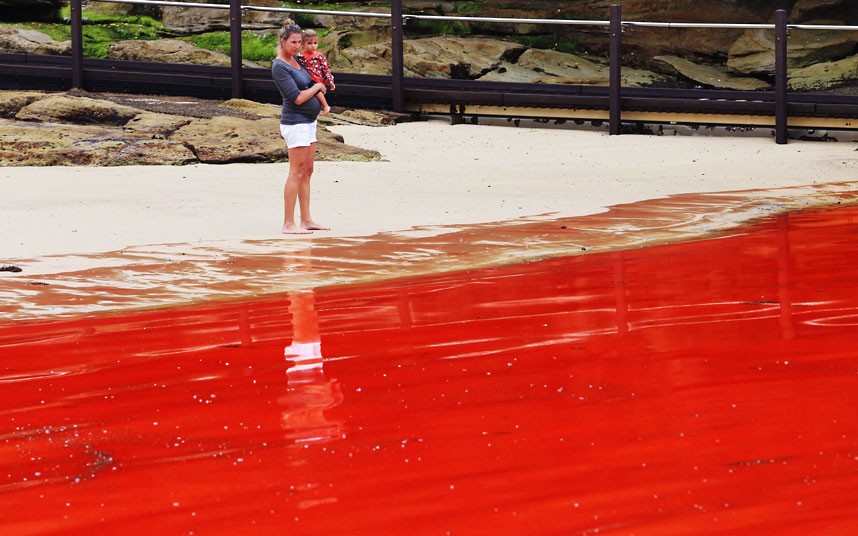
Research from the Wildlife Conservation Society (WCS) and the University of Queensland, published in Ocean & Coastal Management, found that nearly three out of four marine protected areas (MPAs) worldwide are exposed to sewage pollution. In the tropical ocean regions most vital for coral reefs and marine biodiversity, the situation is even worse: between 87 percent and 92 percent of protected areas are contaminated, often at pollution levels ten times higher than nearby unprotected waters.

The study evaluated more than 16,000 marine protected areas globally, and the findings land at an uncomfortable moment. Governments around the world have committed to protecting 30 percent of the ocean by 2030, under the international “30 by 30” biodiversity target.

But protecting lines on a map means little if polluted wastewater keeps pouring in from land.

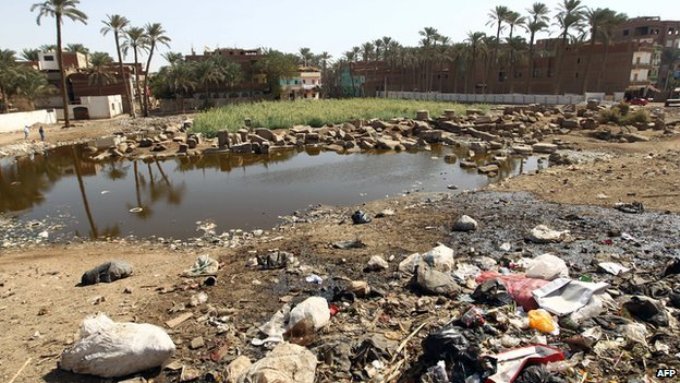
Wastewater: used water from homes, businesses and sewage systems, carries nutrients, pathogens and chemicals into rivers and oceans. Those pollutants can fuel harmful algal blooms, weaken coral reefs, damage seagrass meadows and threaten marine wildlife. Scientists have already linked wastewater pollution to coral reef decline around the world and even Alzheimer’s-like brain disease in dolphins.

And this is not just a marine issue. Polluted water is also a human health crisis, contributing to diseases such as cholera and typhoid fever and causing an estimated 1.4 million deaths each year, alongside billions in economic losses.

“What we found was striking,” said lead author David E. Carrasco Rivera, a Ph.D. candidate at the University of Queensland. “In region after region, the areas set aside for conservation were actually receiving more pollution than the areas with no protection at all.”

The researchers closely analyzed 1,855 coastal MPAs in six tropical regions, including East Africa, the Indian Ocean, the Coral Triangle, Mesoamerica and the Caribbean, Australasia and Melanesia, and the Middle East and North Africa.
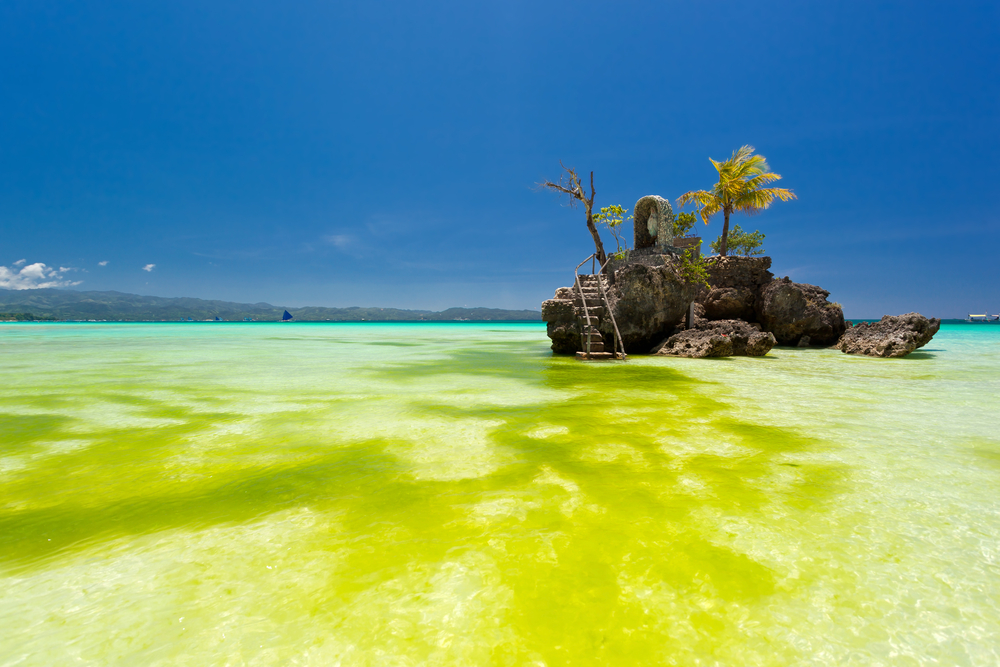
algae from an algae bloom, philipines
Algal bloom in the Philipines.

“Even a perfectly managed marine protected area will fail if wastewater keeps flowing in from upstream,” said Dr. Amelia Wenger, WCS Global Water Pollution Lead.

The message is simple: ocean conservation cannot stop at the shoreline. If governments want marine protected areas to actually protect marine life, they need to invest in sewage treatment, land-based pollution control, and smarter coastal planning, before “protected” becomes another empty word.

The question begs to be answered: can private people protect land better than poorly-run government bodies? And ask yourself when you are staying at a tropical resort or visit a nature paradise? Where is all my plastic and poop going?


Karin Kloosterman
Karin Kloostermanhttp://www.greenprophet.com
Karin Kloosterman is an award-winning journalist, innovation strategist, and founder of Green Prophet, one of the Middle East’s pioneering sustainability platforms. She has ranked in the Top 10 of Verizon innovation competitions, participated in NASA-linked challenges, and spoken worldwide on climate, food security, and future resilience. With an IoT technology patent, features in Canada’s National Post, and leadership inside teams building next-generation agricultural and planetary systems — including Mars-farming concepts — Karin operates at the intersection of storytelling, science, and systems change. She doesn’t report on the future – she helps design it. Reach out directly to [email protected]

Read More

TRENDING

What we find in New Orleans tap water after Mardi Gras

Opioid drugs including oxycodone, heroin and fentanyl have fueled an ever-worsening epidemic in the US. And after giant events in New Orleans they are popping up in the wastewater. 

Polluters like L’Oreal may need to pay for polluting EU waterways

A new EU directive is forcing pharmaceutical and cosmetics companies to pay for removing drug residues from wastewater after a major study found 175 pharmaceuticals polluting Europe’s rivers. The industry is fighting back, but scientists warn that without urgent action, these invisible chemicals will continue to poison aquatic life and seep into our drinking water.

Wastewater plants are a hidden climate issue, and we’re measuring it all wrong

Wastewater treatment plants are a hidden source of greenhouse gas emissions, releasing methane, nitrous oxide, and fossil CO₂. A new study calls for smarter monitoring and tailored emission factors. U.S. firms like Jacobs, AECOM, and Black & Veatch are key players in building climate-resilient wastewater infrastructure.

Yaniv Levy’s Lifelong Quest to Protect Sea Turtles in a Time of War and Greed

This is the story of Dr. Yaniv Levy, founder of Israel’s Sea Turtle Rescue Center—the world’s only government-supported turtle hospital and breeding center unlike any in the world. But to understand why his work matters, you have to go back nearly 30 years, to another coastline altogether: Aldabra Atoll, part of the Seychelles, one of the last untouched Edens left on Earth.

Your Sweat is Unlocking Toxins in Plastic—Here’s Why Natural Fibers Matter

Natural fibers like organic cotton, hemp, and wood-based fabrics such as Tencel and modal offer a safer, breathable alternative to synthetic materials. These fabrics don’t shed microplastics, don’t contain toxic flame retardants, and allow your skin to breathe without the risk of chemical exposure.

Yerukim Forms a New Green Economy Where the Money is Really Green

The Yerukim members who pick up the recyclables get to keep the monetary reward, the public earns "green" bills that can be used in shops, and business owners get to be associated with environmentalism.

Choosing Riyadh over Dubai? What Investors Should Know

Saudi Arabia is deploying capital at unmatched scale to catalyze tourism and advanced industry while rewiring its power-and-water backbone. The investable frontier is widening—especially in renewables, grid storage, water efficiency/desal retrofits, and hospitality operating platforms. Prudent investors will insist on phased delivery, enforceable KPIs (energy, water, biodiversity), and RHQ/zone compliance—while pricing political-economy and reputational risks alongside growth upside.

Sell your cooking oil for biodiesel money

Want to make money on old french fry oil? Sell it.

Qatar Alternative Energy Summit Pairs Investors And Innovators

Alternative energy investors and innovators can meet n' greet in Doha, Qatar March 16 and 17.

Here’s How To Implement The Four Pillars Of Employee Engagement

If you throw a party for your work team and they are vegans, don't make it a barbecue. Know the sustainability values of your team to boost moral and retain good people.

Locals From Rishon Fight IKEA

Big Box stores are a pretty new concept in Israel, and thank God that not every Israeli city wants them in their backyard. A word from someone who has see the beautiful farmland around her hometown Newmarket, Ontario stripped and converted into vulgar strip malls of big box shops: they have no place in a healthy and sustainable town or city.

The Jewish National Fund Meets An Inconvenient Truth

According to the JNF, it has transformed thousands of acres of barren land into green forests in Israel. They state that each person emits about 23 tons of carbon per year, estimating that each tree planted can absorb one ton of carbon in its lifetime. That's a whole lot of trees you'd need to be planting. Could so many fit in Israel?

How to quiet noise from construction in your office

Streets need to be resurfaced in New York but the humming and grinding noise is unsettling. Noise is environmental pollution. 

Popular Categories