Abu Dhabi’s best green projects

Abu Dhabi Zayed National Museum, Foster and Partners, Al Saadiyat Island, islamic design, arab design, Islamic passive cooling, green design in Abu Dhabi, green roof, natural cooling techniques
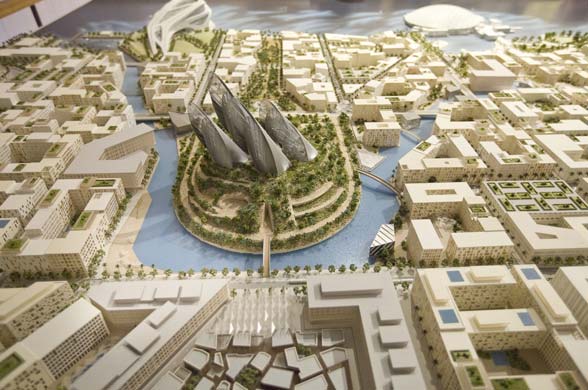
Like this Foster and Partners museum, and creations like artificial islands and Masdar. Abu Dhabi is moving at break-neck speed. New urban developments like a maker’s studio and a mangrove walk is showing how Abu Dhabians want to slow down a little and smell the finjan.

The Tenth Session of World Urban Forum, the world’s most important conference on cities convened biannually by UN Habitat has just concluded. For the first time, it took place in an Arab country, the United Arab Emirates, and the host, Abu Dhabi, had much to contribute to the conversation. 

Throughout the week-long event, representatives of Abu Dhabi municipality, the UAE government and private developers took part in forums and panels where they unveiled projects that are going to transform the landscape and character of the capital. The overall trend is to make the city more pedestrian-friendly and community-based. 

Abu Dhabi is located on several islands and the downtown of the city is situated on the biggest of them. The design of the city center comes from the late 1960s when car mobility was valued over walkability.

Now, the authorities aim to make the city more liveable and to do so, they focus on developing islands surrounding the downtown area. They have already done so with Saadiyat and Yas islands. While the first one became a cultural district with Louvre and New York University, the latter has been established as a globally-renowned entertainment destination. Now, the government is looking at Al Reem and Jubail islands.

Many of the projects that are going to be developed come under the umbrella of “For Abu Dhabi” initiative, which has been allocated $2.18 billion USD to improve liveability of the main cities of the emirate.

One of them will be the city’s first urban forest located on Al Reem Island. The goal is to create a self-sustaining forest with diverse fauna and flora which will let residents of the city get in touch with nature. Al Reem is well-suited for this venture as it is surrounded by a mangrove forest. 
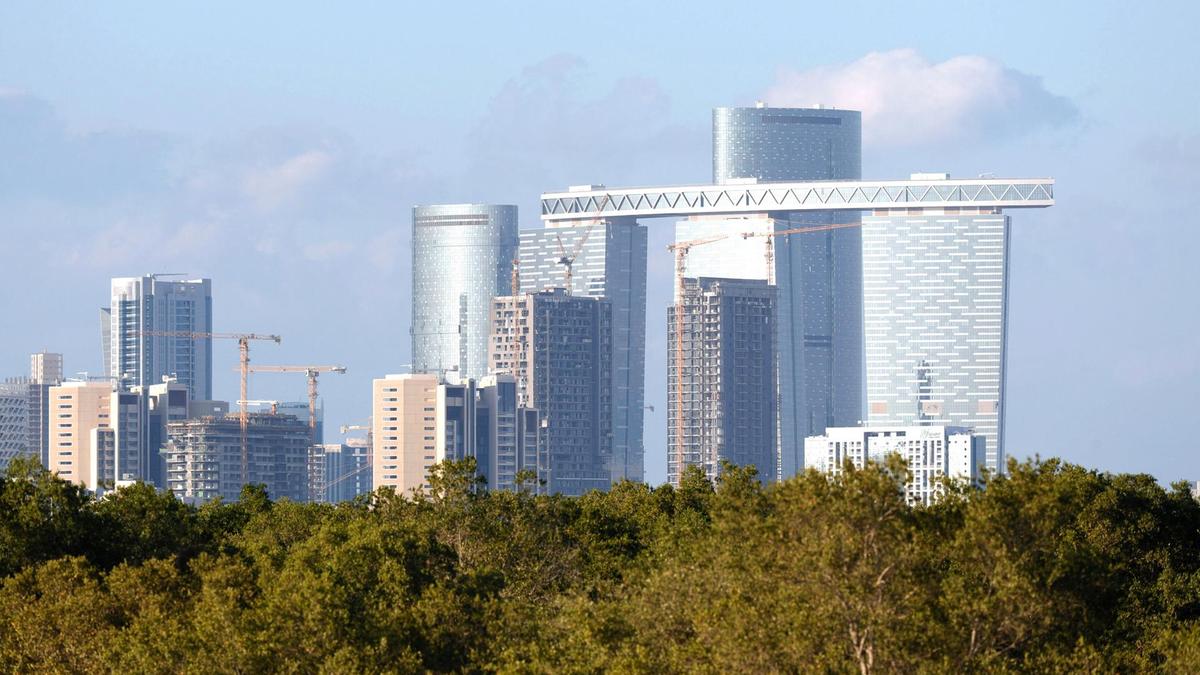
Another project underway on Al Reem is undertaken by a private developer. The Makers District is going to be the first vicinity of the capital focused on artists and creativity. The area is aimed to provide an alternative to multiple-lane roads and high-rise buildings that currently dominate Abu Dhabi. New neighbourhood will comprise of houses, shops, leisure facilities and a hotel – all with an emphasis on fostering interactions. 
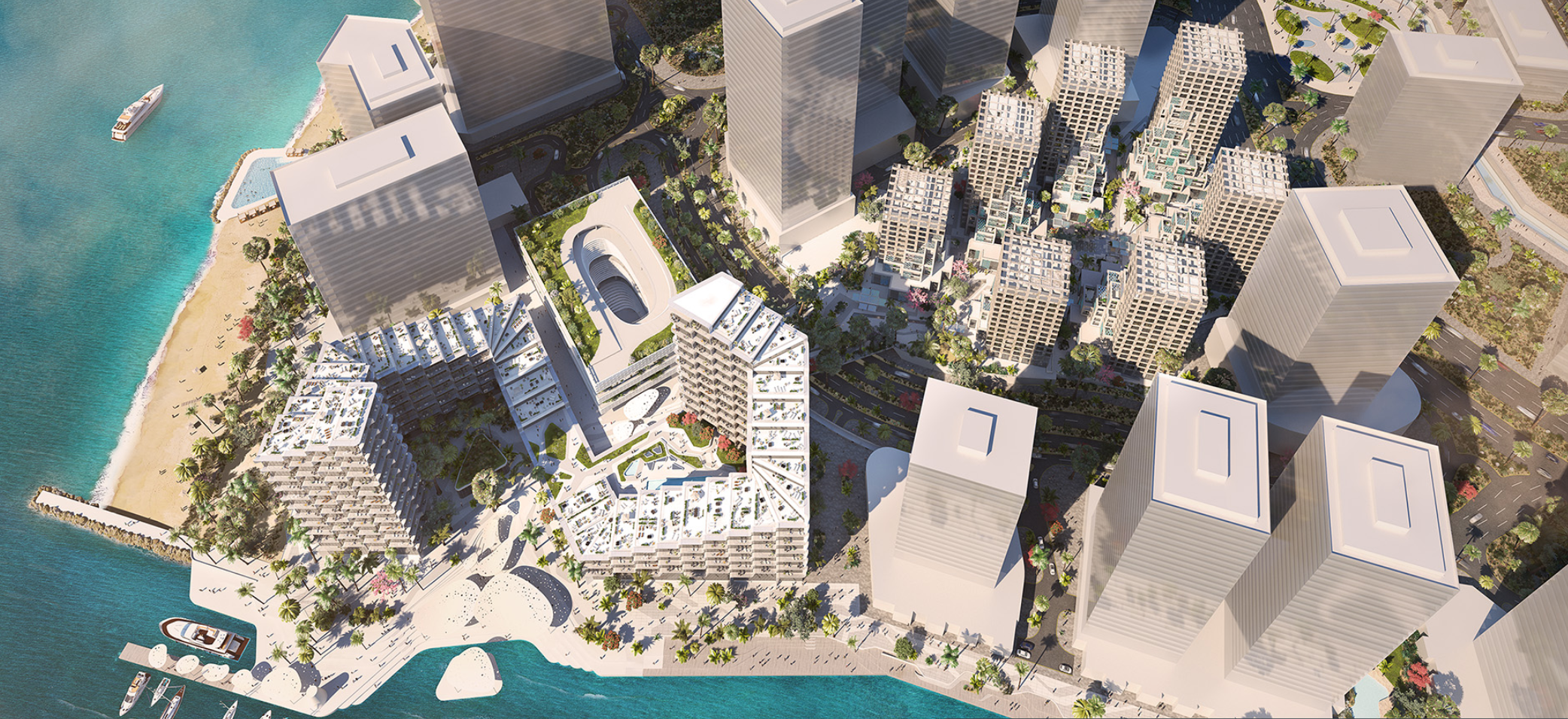
“Live different” is the motto of the new makers type village being grown in Abu Dhabi.

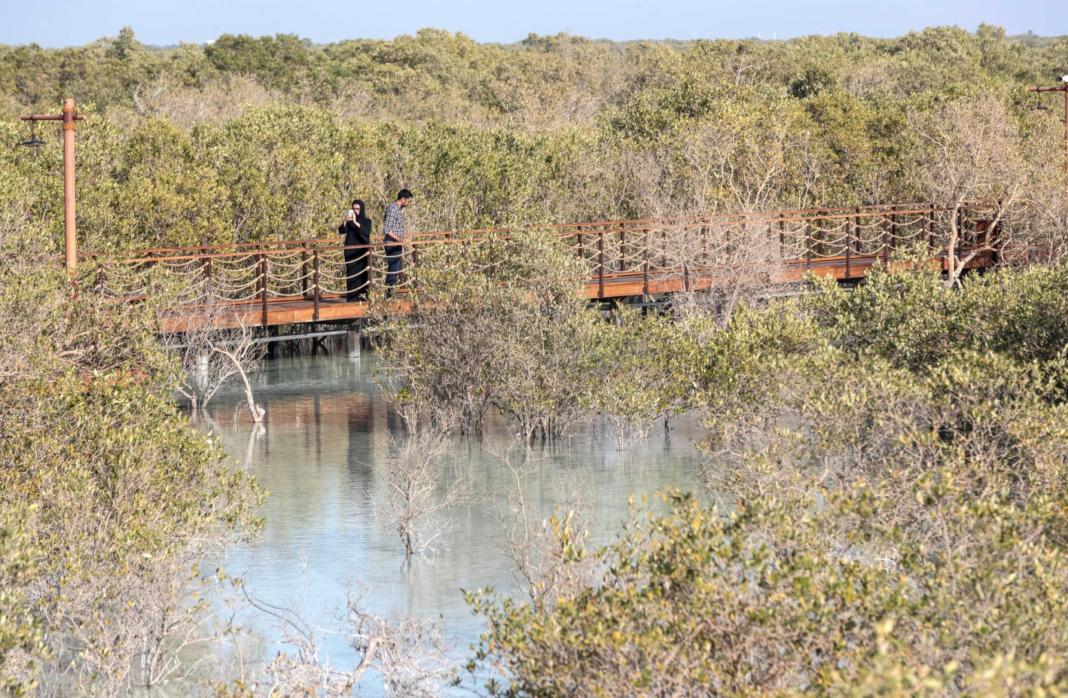
The second of the above-mentioned islands is Jubail – until now perhaps the most pristine part of the city. Less than a month ago, Jubail made headlines of Abu Dhabi news because of the new mangrove walk that has been opened on the island. Mangroves are unique trees growing in shallow, salty water and the ecosystem that they create is characterised by exceptionally high biodiversity.
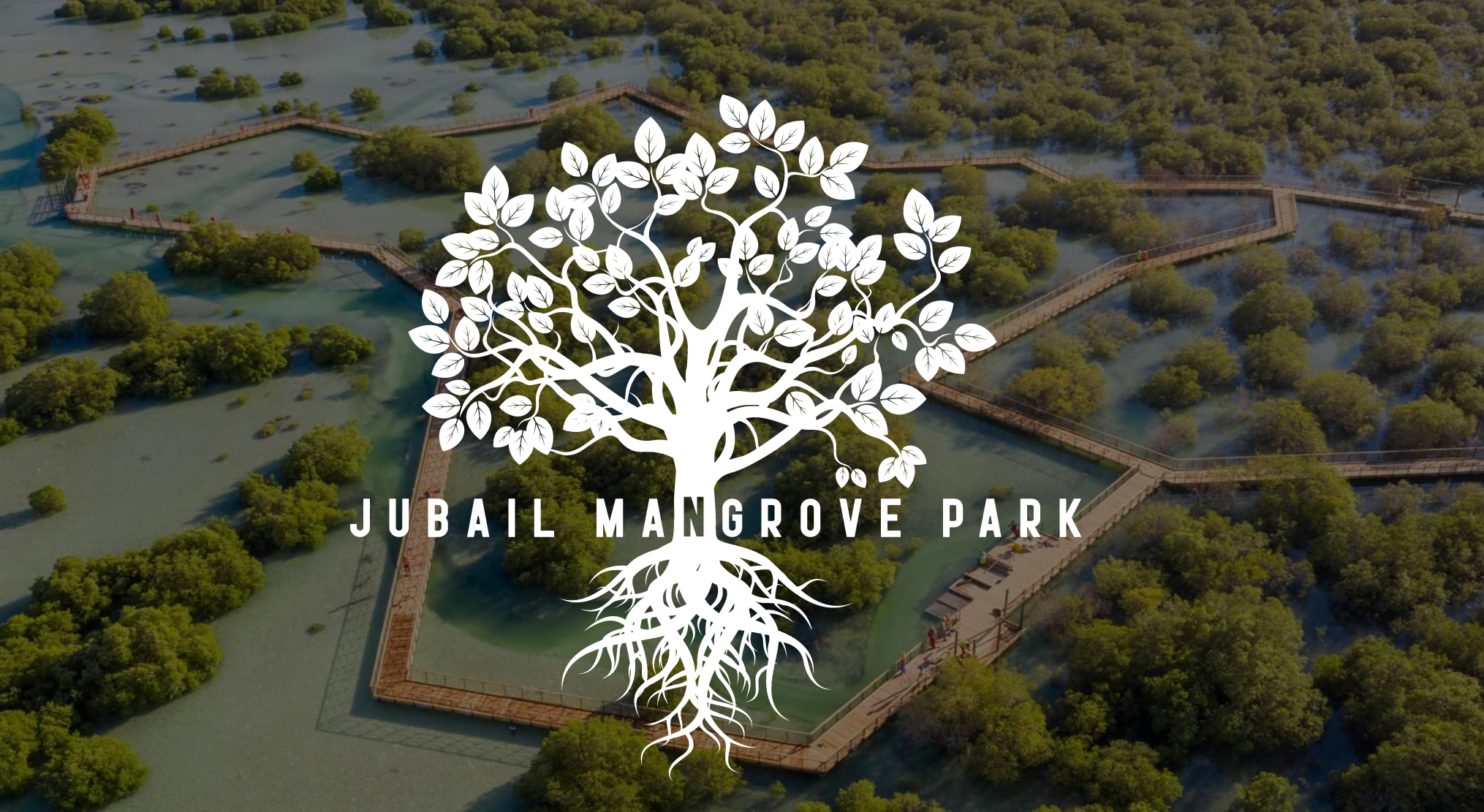
Jubail mangrove walk, shows how the sidewalk moves through mangrove forest

On the side note, mangroves are the most effective trees in carbon capture and sequestration. This type of forest covers more than 150 square kilometres of the UAE shoreline and it is a true gem in otherwise deserted landscape of the country.

To give the residents an opportunity to interact with picturesque mangroves on Jubail Island, a boardwalk was built and opened to the public. 

In May of 2019, a newly established governmental company has unrolled a development plan for the rest of Jubail. 400 hectares of residential, retail, leisure and business areas will be smoothly integrated with the existing landscape of the island. New district will also provide residents with opportunities for nature-oriented activities like kayaking, horse-riding and so on. 

All of the projects described are part of a greater vision for Abu Dhabi to become associated with environmental sustainability rather than oil economy, both in terms of local initiatives and global policy-making. In less than a year, the city hosted two high-level UN events related to climate action – the World Urban Forum and the UN Climate Meeting, a run-up event to the UN Climate Action Summit in September 2019.

Moreover, the UAE showed strong commitment to developing and implementing renewable energy during the World Energy Council Congress, the IRENA Assembly and the World Future Energy Summit which took place in Abu Dhabi in the last few months. 
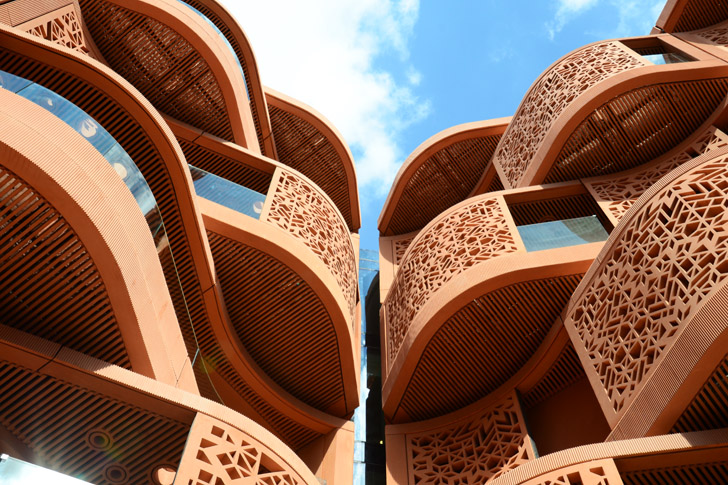
Masdar, Masdar City, clean tech, renewable energy, green design, sustainable design, Estidama, Future Build, Siemens, Abu Dhabi
Masdar City, the failed dream for a zero-energy intentional city

While Abu Dhabi is still much less popular than Dubai for the common public, it does not need to be introduced to anyone with interest in innovation. Even though Masdar City, one of the UAE’s flagship sustainability projects, is considered to be failed, the country continues to develop solutions that are likely to become blueprints implemented in other parts of the region and the world.
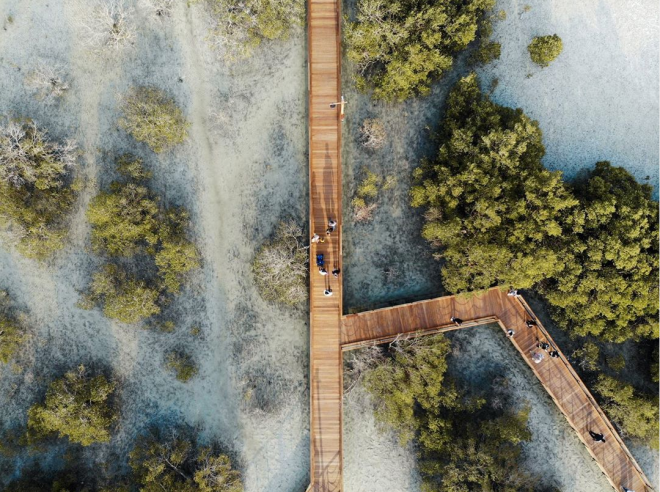
Wow. Talk a walk inside a mangrove forest. Normally done only by boat.

Read More

LEAVE A REPLY

Please enter your comment!
Please enter your name here

TRENDING

Meet Seramic Materials from Abu Dhabi

Based in Masdar City, Abu Dhabi, Seramic Materials was founded in 2019 by Dr. Nicolas Calvet and Dr. Jean-François Hoffmann, researchers working at the intersection of renewable energy and materials science. The company grew out of the Masdar Institute ecosystem and is supported by clean tech programs like The Catalyst, with early backing of around $150,000 and more than $2 million invested in research and development over time.

OPEC and energy stocks in the UAE – insight from eToro

Energy equities are responding unevenly to the evolving landscape. Companies with direct exposure to UAE production growth and infrastructure are benefiting from increased activity expectations, while global oil majors face a more mixed outlook.

Renewables hit 5,149 GW in 2025 as the world edges away from oil shocks and fossil-fueled conflict

“In the midst of uncertain time, renewable energy remains consistent and steadfast in its expansion,” said Francesco La Camera, IRENA’s Director-General. “A more decentralised energy system, with a growing share of renewables and more market players, is structurally more resilient.”

What are AWG air-water generators, and why they aren’t a golden-bullet solution (yet)

Atmospheric water generators (AWGs) sound like magic: machines that can pull drinking water out of air. The idea is mentioned in the Bible, where the elders would pray for water collected as dew on plants and the catch on turning this into a machine is in the physics. To turn invisible vapor into liquid, you must remove heat, especially the latent heat of condensation.

BM Studios is designing systems, not just buildings in the UAE

Balsam Madi is an architect and systems thinker whose work bridges culture, sustainability, and design intelligence across the Middle East and Europe.

How to quiet noise from construction in your office

Streets need to be resurfaced in New York but the humming and grinding noise is unsettling. Noise is environmental pollution. 

EarthX and a blueprint for sustainable investing

Trammell S. Crow, a Dallas-based businessman and father of four, is focusing his efforts on impact investing, and media that focuses on saving the planet through EarthX.

Mining Afghanistan’s Mineral Discoveries Similar to Avatar

Now that American forces in Afghanistan are commemorating the longest period of any war that America has been involved in, including the 1965-73 Vietnam War, the recent discoveries of large and extremely valuable mineral and metal deposits may finally bring to light a reason to continue the presence of US fighting forces in this war torn and backward country.

From Pilot Plant to Global Stage: How Aduro Clean Technologies’ 2026 Expansion Signals a Turning Point for Chemical Recycling Investors Like Yazan Al Homsi

The company's Next Generation Process (NGP) Pilot Plant in London, Ontario, has officially moved into initial operating campaigns, generating the kind of structured, repeatable data that separates laboratory promise from commercial viability.

Nobul’s Regan McGee on Shareholder Value: “Complacency Is the Silent Killer” 

Why the governance framework designed to protect shareholders so...

Should You Invest in the Private Market?

startustartup Unlike public stock exchanges, which offer daily trading, strict...

How to build a 100-year-company

Kongō Gumi is a Japanese construction company, purportedly founded in 578 A.D., making it the world's oldest documented company. What can we learn about building sustainable businesses from them?

How AI Helps SaaS Companies Reduce Repetitive Customer Support Work

SaaS products are designed for large numbers of users with different levels of experience, and also in renewable energy.

Popular Categories