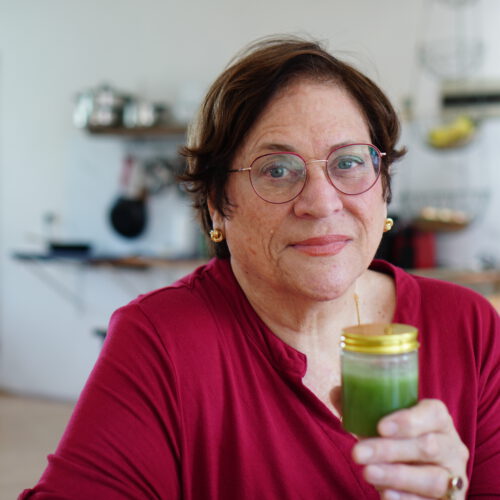

As promised in our post about the great mead comeback, here is the easiest mead recipe for newbie brewers, Joe Mattioli’s Ancient Orange, Clove, and Cinnamon Mead. It’s a controversial recipe that has enraged and delighted countless home brewers since it first appeared on the the GotMead site and went on to go viral.
Many home brewers used to following conventional methods hate being told to leave the mead alone as it ferments. Others love it, especially as the mead is ready to drink after only 2 months.
I’ve made mead from this recipe, and recommend it. The ingredients are available at your local grocery store, and the only equipment you need to invest in for a gallon of mead is a carboy (glass fermentation vessel as pictured above), an airlock that fits into the carboy which allows fermentation gases to escape, and a dark place where the carboy can sit in peace.

Mattioli, in a podcast at the Gotmead forum, recounts how he taught himself to brew mead by reading books and online recipes. Initially, he found modern recipes too complicated. There had to be a simpler way, he reasoned, such as people used in pre-modern times. He went on to invent it.
“I had to fight everything I’d learned,” he says. Experimenting with small batches, he found the right amounts of the right ingredients, and the right technique. Or non-technique, as you will see below.
“I learned that meadmaking is about setting up the most favorable conditions for the yeast to do its work,” Mattioli says simply.
And how successful this rebel recipe is.
Notes: Racking refers to syphoning off the fermented liquor from the yeasty lees into a second, clean fermentation vessel at least once before the wine is ready. It’s considered a necessary part of wine- and mead-making. Mattioli warns you not to rack this mead. And the recipe requires baking yeast, not specialized wine yeast. It’s part of what upsets conventional brewers. If you live where Fleishman’s yeast isn’t available, don’t worry. A 50-gram cube of local fresh baking yeast works very well. I’ve brewed this mead with fresh Israeli baking yeast many times.

Here, in Mattioli’s own and inimitable words, is
Joe’s Ancient Orange Mead
It is so simple to make and you can make it without much equipment and with a multitude of variations. This could be a first mead for the novice as it is almost fool proof. It is a bit unorthodox but it has never failed me or the friends I have shared it with. It will be sweet, complex and tasty.
- 3.5 lbs clover or your choice honey or blend (will finish sweet)
- 1 large orange (later cut in eights or smaller rind and all)
- 1 small handful raisins (25 if you count but more or less ok)
- 1 stick cinnamon
- 1 whole clove (or 2 if you like, these critters are potent!)
- 1 pinch nutmeg or allspice (very small)
- 1 package Fleishmann’s bread yeast ( now don’t get holy on me— after all this is an ancient mead and that’s all we had back then)
- water to 1 gallon
-
Use a clean 1 gallon carboy
-
Dissolve honey in some warm water and put in carboy
-
Wash orange well to remove any pesticides and slice in eights –add orange (you can push em through opening big boy — rinds included — its ok for this mead — take my word for it — ignore the experts)
-
Put in raisins, clove, cinnamon stick, any optional ingredients and fill to 3 inches from the top with cold water. ( need room for some foam — you can top off with more water after the first few day frenzy
-
Shake the heck out of the jug with top on, of course. This is your sophisticated aeration process.
-
When at room temperature in your kitchen, put in 1 teaspoon of bread yeast. ( No you don’t have to rehydrate it first– the ancients didn’t even have that word in their vocabulary– just put it in and give it a gentle swirl or not – The yeast can fight for their own territory)
-
Install water airlock. Put in dark place. It will start working immediately or in an hour. (Don’t use grandma’s bread yeast she bought years before she passed away in the 90’s) ( Wait 3 hours before you panic or call me) After major foaming stops in a few days add some water and then keep your hands off of it. (Don’t shake it! Don’t mess with them yeastees! Let them alone except its okay to open your cabinet to smell every once in a while.
Racking — Don’t you dare
additional feeding — NO NO
More stirring or shaking — You’re not listening, don’t touch
After 2 months and maybe a few days it will slow down to a stop and clear all by itself. (How about that-You are not so important after all) Then you can put a hose in with a small cloth filter on the end into the clear part and siphon off the golden nectar. If you wait long enough even the oranges will sink to the bottom but I never waited that long.
If it is clear it is ready. You don’t need a cold basement. It does better in a kitchen in the dark. (Like in a cabinet) likes a little heat (70-80). If it didn’t work out… you screwed up and didn’t read my instructions (or used grandma’s bread yeast she bought years before she passed away) . If it didn’t work out then take up another hobby. Mead is not for you. It is too complicated.
If you were successful, which I am 99% certain you will be if you followed the recipe, then enjoy your mead. When you get ready to make different mead you will probably have to unlearn some of these practices I have taught you, but hey— This recipe and procedure works with these ingredients so don’t knock it. It was your first mead. It was my tenth. Sometimes, even the experts can forget all they know and make good ancient mead.