Traveling to the Middle East? 5 Things You Need to Know

Let’s start with this: traveling to the Middle East is a profound and life-altering experience that everyone should do at least once — but ideally many times. Forget what you think you know about the Middle East based on awful movie stereotypes and extreme media bias. The Middle East is not just another region: it is like another world.

And you don’t have to take my word for it. Each year hundreds of millions of people a year visit the Middle East, and their only regret is that they didn’t make the journey sooner. Like I said, there is nothing and nowhere like it, and I could write a book and fail to capture all that the Middle East is about. You simply have to immerse yourself to truly understand it (and trust me, you will!).

However, just like heading to any other part of the world, there are some basic — and important — dos and don’ts when it comes to visiting to the Middle East. Here are some key things to keep in mind to ensure that your trek is rewarding instead of regrettable:

  1. Dress modestly and conservatively.

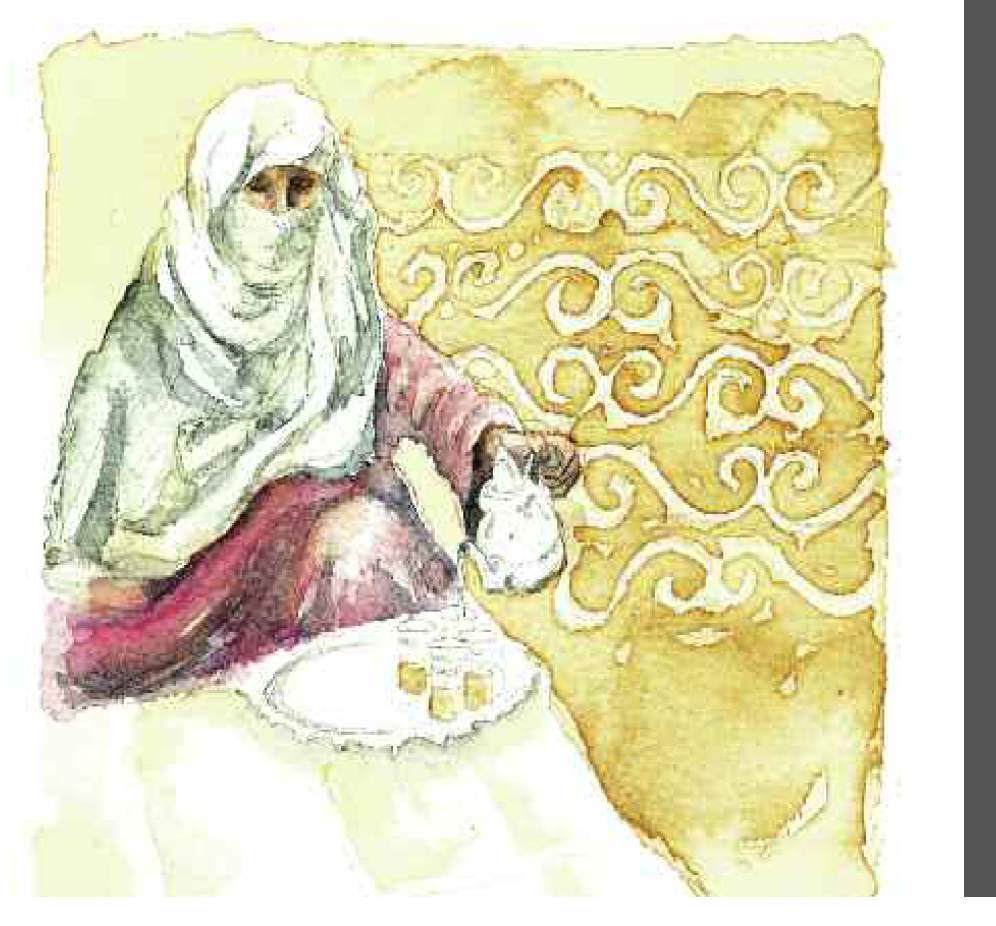
No, this doesn’t mean that you need to be covered from head to toe, or wear formal attire. After all, you’re on vacation — not back at the car wrap shop, insurance company, or wherever you happen to work. However, generally speaking, it’s important to dress modestly and conservatively. Exceptions to this might be if you’re staying in certain private resorts.
moroccan argan oil cookbook

  1. Men: physical contact with women is frowned upon.

In many parts of Europe and North America, it is common for men to have appropriate physical contact with women, such as helping them get on a bus, handshakes, and so on. However, in the Middle East, physical contact between men (especially strangers) and women is frowned upon.

And while we’re on the subject: in places like New York, Los Angeles, London and of course Paris, public displays of affection — PDA — are very common (maybe even too common sometimes!). However, this is not something that you’ll see in the Middle East. As such, if you’re traveling with your significant other, then save your PDAs for the hotel or other private places.

  1. Be respectful of all holy and sacred spaces.

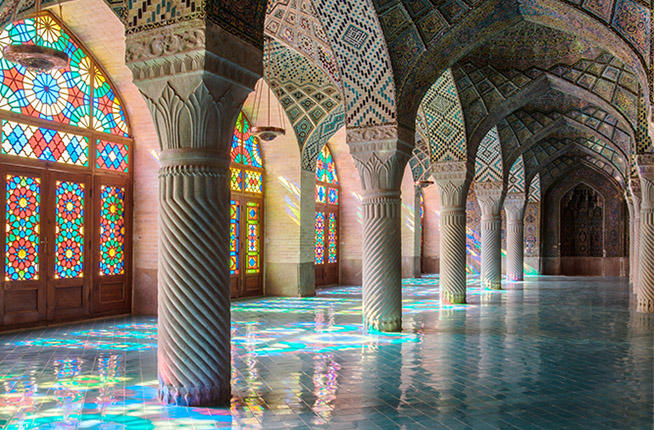
This is a no-brainer, but worth mentioning because some tourists can get carried away — especially if they’re in a group and having fun (which is what vacations are about, right?). Behaving respectfully in and around holy and sacred spaces is a must. Voices should be lowered (or better yet, silenced), shoes should be removed, and the camera should be nowhere in sight.
Ramin Rahmani Nejad Asil

  1. Be careful with praise.

This is an eye opener for many tourists: it’s not a good idea to praise something that is owned by a local — like a beautiful rug or elegant table — because they may feel obligated to give it to you!

bedouin carpet sidreh

  1. Use common sense!

Because of endlessly negative news coverage, many people are surprised to discover that life in the Middle East is very peaceful. However, it’s also true to acknowledge that there are some trouble areas where protests, demonstrations and violence or the threat of violence can erupt (which of course is not unique to the Middle East — even suburban America with its white-picket fences, lawn trolls, and minivans as far as the eye can see isn’t immune to problems).
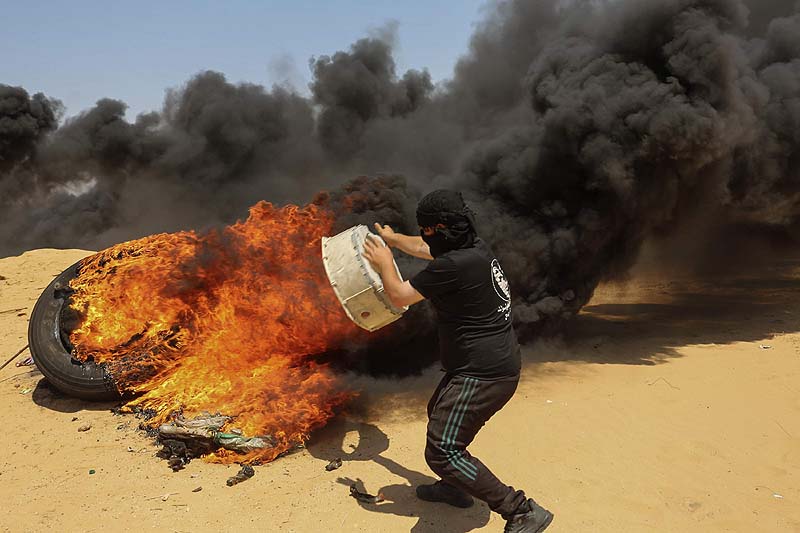
The advice here is simple: don’t leave your common sense back at home when you’re on vacation in the Middle East. If you find yourself in a troubling situation, then obey the authorities. Better yet, avoid certain areas if you know that trouble could arise. Remember: you’re a tourist looking to enrich your life and have fun. Not a journalist looking for a scoop. Don’t get carried away!

The Bottom Line

What — you’re still reading? Stop wasting time, contact your travel agent (or head to your favorite travel website), and start planning your magnificent journey to the Middle East. Just make sure that you keep the above in mind. Happy travels!

Bhok Thompson
Bhok Thompsonhttp://www.greenprophet.com
Bhok Thompson is an “eco-tinkerer” who thrives at the intersection of sustainability, business, and cutting-edge technology. With a background in mechanical engineering and a deep fascination with renewable energy, Bhok has dedicated his career to developing innovative solutions that bridge environmental consciousness with profitability. A frequent contributor to Green Prophet, Bhok writes about futuristic green tech, urban sustainability, and the latest trends in eco-friendly startups. His passion for engineering meets his love for business as he mentors young entrepreneurs looking to create scalable, impact-driven companies. Beyond his work, Bhok is an avid collector of vintage mechanical watches, believing they represent an era of precision and craftsmanship that modern technology often overlooks. Reach out: [email protected]

Read More

TRENDING

One of the World’s Biggest Candy Companies Became a Leader in Cocoa Science

Most people know Mars for M&M's and Snickers. Few realize the company has spent four decades researching cocoa flavanols and sustainable cocoa science. After six days testing CocoaVia with pioneers of Toronto's raw food movement, Green Prophet explores the surprising story behind one of the world's most researched cocoa supplements.

Sustainable Manufacturing Frameworks Reducing Waste in Heavy Industry

Hydraulic systems are at the heart of heavy manufacturing, but poor maintenance can lead to fluid leaks, downtime, and unnecessary waste. By focusing on preventive maintenance, fluid monitoring, filtration, and early leak detection, industrial facilities can improve efficiency, reduce environmental impact, and strengthen sustainable manufacturing without major capital investments.

The Lost Art of Jewish Herbalism: How Plants, Memory and Diaspora Kept a Living Tradition Alive

Jewish herbalism is experiencing a revival as educators like Naomi Spector uncover centuries of plant knowledge preserved through the diaspora. Blending the wisdom of Maimonides, Ashkenazi and Sephardi traditions, and remedies passed from generation to generation, this forgotten ecological heritage reveals how Jewish communities adapted to new landscapes while keeping their cultural identity rooted in the natural world.

Finding Your Sea Legs Aboard the Neptun of Marstal

The Neptun of Marstal is more than a restored Danish sailing ship. Operated as a non-profit sail-training organization, it invites people of all ages to swap screens for sails, learn traditional seamanship and discover how caring for the sea begins by experiencing it firsthand. Along the way, strangers become crewmates, old maritime skills are kept alive, and the voyage offers a powerful lesson in environmental stewardship, cooperation and the enduring value of learning by doing.

Canada’s Beluga Rescue Is No Free Willy. Those Whales Will Never Go Home.

Six beluga whales have begun leaving Canada's shuttered Marineland, but they aren't returning to the wild. Here's why the park closed and where the whales are going.

The Essential Guide To Sustainability in Project Management

Sustainability is an approach where businesses and individuals balance the environmental, social, and economic aspects of a project such that current and future stakeholders are not overburdened with the impacts of the project in future.

Yerukim Forms a New Green Economy Where the Money is Really Green

The Yerukim members who pick up the recyclables get to keep the monetary reward, the public earns "green" bills that can be used in shops, and business owners get to be associated with environmentalism.

Choosing Riyadh over Dubai? What Investors Should Know

Saudi Arabia is deploying capital at unmatched scale to catalyze tourism and advanced industry while rewiring its power-and-water backbone. The investable frontier is widening—especially in renewables, grid storage, water efficiency/desal retrofits, and hospitality operating platforms. Prudent investors will insist on phased delivery, enforceable KPIs (energy, water, biodiversity), and RHQ/zone compliance—while pricing political-economy and reputational risks alongside growth upside.

Sell your cooking oil for biodiesel money

Want to make money on old french fry oil? Sell it.

Qatar Alternative Energy Summit Pairs Investors And Innovators

Alternative energy investors and innovators can meet n' greet in Doha, Qatar March 16 and 17.

Here’s How To Implement The Four Pillars Of Employee Engagement

If you throw a party for your work team and they are vegans, don't make it a barbecue. Know the sustainability values of your team to boost moral and retain good people.

Locals From Rishon Fight IKEA

Big Box stores are a pretty new concept in Israel, and thank God that not every Israeli city wants them in their backyard. A word from someone who has see the beautiful farmland around her hometown Newmarket, Ontario stripped and converted into vulgar strip malls of big box shops: they have no place in a healthy and sustainable town or city.

The Jewish National Fund Meets An Inconvenient Truth

According to the JNF, it has transformed thousands of acres of barren land into green forests in Israel. They state that each person emits about 23 tons of carbon per year, estimating that each tree planted can absorb one ton of carbon in its lifetime. That's a whole lot of trees you'd need to be planting. Could so many fit in Israel?

Popular Categories