The United Arab Emirates, the UAE, has embarked on a long-term national initiative to build a green economy for sustainable development. The initiative extends to every aspect of life in the UAE – green buildings that consume renewed energy and minimum electricity and a clean and pollution-free environment. This initiative is also targeting tourism, and environmental tourism is all the rage in the UAE right now, where the aim is to preserve the innately natural and cultural heritage of one’s environment. Hotels, resorts and tourist destinations are going green, trying to reduce their carbon emissions by 20 per cent so they can be considered for the Dubai Green Tourism Award. So if you’re a sustainable tourism fan, which places would you favour in Dubai? We’ve got a list of fantastic activities to do and places to visit that are all green. Check them out!
-
Visit the Dubai Desert Conservation Reserve
Dubai is known for its mega projects; yet, not many people are aware that the biggest piece of land is dedicated to a single project – the Dubai Desert Conservation Reserve (DDCR). It’s a protected environment, dedicated to the study and protection of the unique and endangered flora and fauna of the Arabian Desert.

Visit DDCR to enjoy fabulous eco-friendly desert safaris and camel rides into the mystical desert. Participate in the conservation of local wildlife. Discover Dubai’s ancient hunting traditions at the private falconry; admire the prowess of these majestic birds as they soar into the sky after their prey. Explore the sands to spot native Oryx and gazelles. Stay at the Al Maha Desert Resort, famed as Dubai’s completely eco-friendly hotel. Staying at the eco-friendly Al Maha Desert Resort is one of the best things to do in Dubai.
-
Visit the Ras Al Khor Wildlife Sanctuary
Dubai is the migratory paradise of choice for tens of thousands of birds who come to settle in the wetlands of Ras Al Khor Wildlife Sanctuary, just a few miles from the city. Ras Al Khor is located at the very mouth of Dubai’s Creek, and is one of the few protected urban localities in the world. Ras Al Khor covers an area of 6 kilometres. This multi-featured wildlife sanctuary features mangroves, salt flats, intertidal mudflats, and lagoons.

This unique environment protects more than 20,000 water birds belonging to more than 67 species. Ras Al Khor is a critical staging ground for East African and West Asian Flyway’s wintering birds. That apart, it is also home to over 500 species of flora and fauna. Visit the three bird reserves at the sanctuary’s perimeter. Gaze in awe as the beautiful white and pink flamingos steal the show. Spot grey herons, great egrets, cormorants, black-winged stilts, reef herons, sandpipers, osprey and many more exotic birds.
-
Explore The Mushrif National Park
It simply cannot get better for bird lovers than Mushrif National Park. Enjoy a fabulous barbecue at the park’s free BBQ facilities, and stroll through the vibrant and huge botanical gardens with your family. Grab a pair of binoculars and bird watch to your heart’s content. This protected urban space features indigenous wildlife and greenery, dotted with the splendid bird species of the Middle East. Feast your eyes on Yellow Throated Sparrows, Rufous-tailed Robins and Arabian Babblers as they soar through the trees. Spot the rare c near the mosque, feeding on the grass. It’s a magical place to enjoy with your entire family, away from the immediate hustle of the city, safe in a protected, pollution free environment that’s perfect for families.
-
Visit the Dubai Turtle Rehabilitation Project
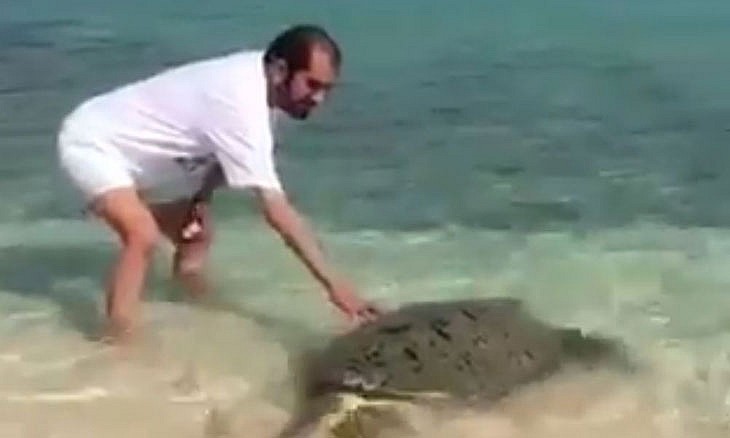
Dubai’s Turtle Rehabilitation Project is located at Jumeirah’s beachside hotel, Mina A’Salam. Managed in collaboration with the Emirates Wildlife Protection Office, the Turtle Rehabilitation Project aims to protect, care for and rehabilitate sick turtles. It also aims to raise awareness among locals and visitors of the threats faced by marine turtles.
The Turtle Rehabilitation Center has so far rescued and released a total of 562 turtles since 2004. Some of these turtles have been released after being fitted with satellite tags, which allows the rehabilitation center to trace former patients and learn more about the turtles than we know now.
-
Take Your Kids To The Animal Sanctuary And Petting Farm
If you’re looking for ways to get your kids to interact with different kinds of animals and teach them to love all wildlife, take them to the Animal Sanctuary and Petting Farm in Dubai. The friendly staff make sure to take the kids through tiny steps till they’ve overcome their fear and are comfortable with the animals.
The sanctuary is a non-profit organization set up by animal lovers in 2009. It’s a great place to get up close to various animals – to touch them and feed them and be part of their lives. You can enjoy getting to know porcupines, deer, cockatoos, ponies, llamas, guinea pigs, rabbits, kinkajou, ferrets, cows, goats, baboons, ducks and many other animals.
-
Experience A Desert Safari
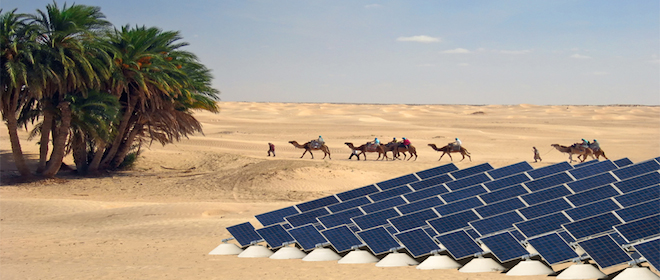
One of the most eco-friendly things to do in Dubai is to go on a desert safari. The desert safari operators in Dubai use only those vehicles that offer the lowest CO2 output. Camps use solar panels for energy, which is easy considering the desert offers 365 days of clear, hot sunshine. Solar panels generate about 85% of the power used at prime desert safari camps.
Using silent power generation instead of the chugging diesel engines further reduces negative impact on the environment. Energy-efficient LED lights reduce the risk of fire, and by avoiding diesel, the risk of polluting the sand with oil and fuel is also reduced. Tourists are encouraged to enjoy camel rides and bike rides and experience the desert organically as the ancient Bedouins did, in a further attempt to reduce the carbon footprint.
Conclusion
Dubai is taking several steps to become more sustainable and smart. Take the solar panel-powered Wi-Fi stations at Umm Suqeim Beach and Za’abeel Park for example. They look like palm trees and provide free wireless internet access to people. They also provide information relevant to tourists, such as weather conditions and local attractions. Dubai aims to be a driverless city by 2050; we’re yet to see how this will be executed, but the rulers of Dubai are determined to make this city the greenest in our planet at a fast rate.