
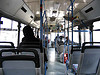
Ecological reasons to ride the bus

Bus station, al ghanim

Riding the bus is one of the simplest and most powerful actions an individual can take to reduce their environmental footprint. At a time when transportation accounts for nearly a quarter of global carbon emissions, shifting even a portion of daily trips from private cars to public transit can dramatically lower pollution. A single full bus can replace up to 50 private vehicles, reducing traffic congestion, cutting fuel consumption, and lowering greenhouse gas emissions that contribute to climate change. For cities struggling with smog, heat islands, and poor air quality, more people choosing to ride the bus translates directly into cleaner, healthier urban air.

Buses are increasingly part of the clean-energy transition. As electric and hybrid buses become mainstream, their emissions drop close to zero, especially when powered by renewable energy. This benefits not only the climate but also public health: fewer tailpipes mean lower rates of asthma, cardiovascular disease, and respiratory illness—conditions that disproportionately affect children and vulnerable populations. Choosing the bus also reduces noise pollution, making cities calmer and more livable.

Beyond the environmental benefits, riding the bus strengthens communities. It supports equitable mobility by ensuring everyone—regardless of income, age, or ability—can access jobs, schools, and essential services. Reliable bus systems encourage the development of walkable neighborhoods, reducing sprawl and protecting natural habitats from urban expansion. Every person who opts for public transit helps make the system more viable, improving frequency and coverage for everyone.

There’s also a personal advantage: taking the bus saves money. Between fuel costs, parking fees, insurance, and maintenance, car ownership is expensive. Public transit offers a cleaner, cheaper, and often less stressful way to travel. Instead of staring at brake lights, bus riders can read, work, relax, or simply enjoy the view.

In an era of rising temperatures and shrinking carbon budgets, small daily choices matter. Riding the bus may feel ordinary, but its impact is real. It’s a vote for cleaner air, quieter streets, and a more sustainable city. And it’s a reminder that climate solutions don’t always require new inventions—sometimes they’re already waiting at the corner.


Jack Reichert
Jack Reicherthttps://www.greenprophet.com/
As far back as he can remember Jack Reichert has been interested in the environment. In the second grade, he rallied all of his classmates to donate one recess a week to cleaning up litter from the schoolyard. That was the same year that a city councilman asked him to help with his campaign because of the letter Jack had written asking him to clean up Boston Harbor. Ever since Jack has followed the development of the international green conscience with anticipation and hope that one day we will treat Mother Earth with the respect she deserves and not turn her into another Giving Tree. For tips, feedback and prophet sightings, Jack can be reached at jack (at) greenprophet (dot) com.

Read More

TRENDING

Anthropic, Google and Stripe put nearly $1 Billion on carbon removal

A coalition led by Frontier, backed by Stripe, Google, Salesforce and newly joined AI company Anthropic, has committed an additional $915 million to remove carbon dioxide from the atmosphere. The pledge adds to a previous $1 billion commitment and brings Frontier's total buying power to nearly $2 billion.

How you create green steel on a blockchain

The thing about raw materials is that once they are melted down, you can't prove the source of the material. Same is true with gold, cucumbers and even forged products that look the same as the real thing. When it comes to steel, and how we produce it, it has a massive carbon problem. What's happening in Japan right now could change how we think about heavy industry and climate action.

EPA May Repeal Key Climate Health Ruling — But Scientists Warn of Dire Consequences

The endangerment finding has been the scientific and legal backbone of US climate policy for more than a decade. Without it, the EPA loses its authority to regulate carbon emissions under the Clean Air Act.

Sustainable Banking: Dame Alison Rose’s Approach to Climate Change and Corporate Responsibility

When Dame Alison Rose assumed leadership of NatWest Group in 2019, she recognised that climate change represented not just an environmental challenge but "probably the biggest existential threat that we will face as a society." Her response was to position the bank at the forefront of sustainable finance, implementing what she describes as "a very clear strategy on climate" that would fundamentally reshape how NatWest operates and lends.

Embrace these fugly ebikes

The ZUV (Zero-emissions Utility Vehicle) Tricycle is a 3D-printed cargo e-trike made from recycled plastic. Its angular design and robust frame prioritize functionality and sustainability over traditional aesthetics. With ample cargo space and a focus on eco-friendliness, it's perfect for urban deliveries or errands. Its unique appearance also makes it less appealing to potential thieves.​

Yerukim Forms a New Green Economy Where the Money is Really Green

The Yerukim members who pick up the recyclables get to keep the monetary reward, the public earns "green" bills that can be used in shops, and business owners get to be associated with environmentalism.

Choosing Riyadh over Dubai? What Investors Should Know

Saudi Arabia is deploying capital at unmatched scale to catalyze tourism and advanced industry while rewiring its power-and-water backbone. The investable frontier is widening—especially in renewables, grid storage, water efficiency/desal retrofits, and hospitality operating platforms. Prudent investors will insist on phased delivery, enforceable KPIs (energy, water, biodiversity), and RHQ/zone compliance—while pricing political-economy and reputational risks alongside growth upside.

Sell your cooking oil for biodiesel money

Want to make money on old french fry oil? Sell it.

Qatar Alternative Energy Summit Pairs Investors And Innovators

Alternative energy investors and innovators can meet n' greet in Doha, Qatar March 16 and 17.

Here’s How To Implement The Four Pillars Of Employee Engagement

If you throw a party for your work team and they are vegans, don't make it a barbecue. Know the sustainability values of your team to boost moral and retain good people.

Locals From Rishon Fight IKEA

Big Box stores are a pretty new concept in Israel, and thank God that not every Israeli city wants them in their backyard. A word from someone who has see the beautiful farmland around her hometown Newmarket, Ontario stripped and converted into vulgar strip malls of big box shops: they have no place in a healthy and sustainable town or city.

The Jewish National Fund Meets An Inconvenient Truth

According to the JNF, it has transformed thousands of acres of barren land into green forests in Israel. They state that each person emits about 23 tons of carbon per year, estimating that each tree planted can absorb one ton of carbon in its lifetime. That's a whole lot of trees you'd need to be planting. Could so many fit in Israel?

How to quiet noise from construction in your office

Streets need to be resurfaced in New York but the humming and grinding noise is unsettling. Noise is environmental pollution. 

Popular Categories