


Eddy is like the “easy button” for hydroponics
The United Nations is screaming it –– and California is feeling it: drought caused by climate change is killing the way we grow food. And it will only get worse. Thought leaders want a shake up of conventional agriculture, because large mono-crop farms are not producing enough to feed the world. They are also damaging ecosystems, some irreparably.
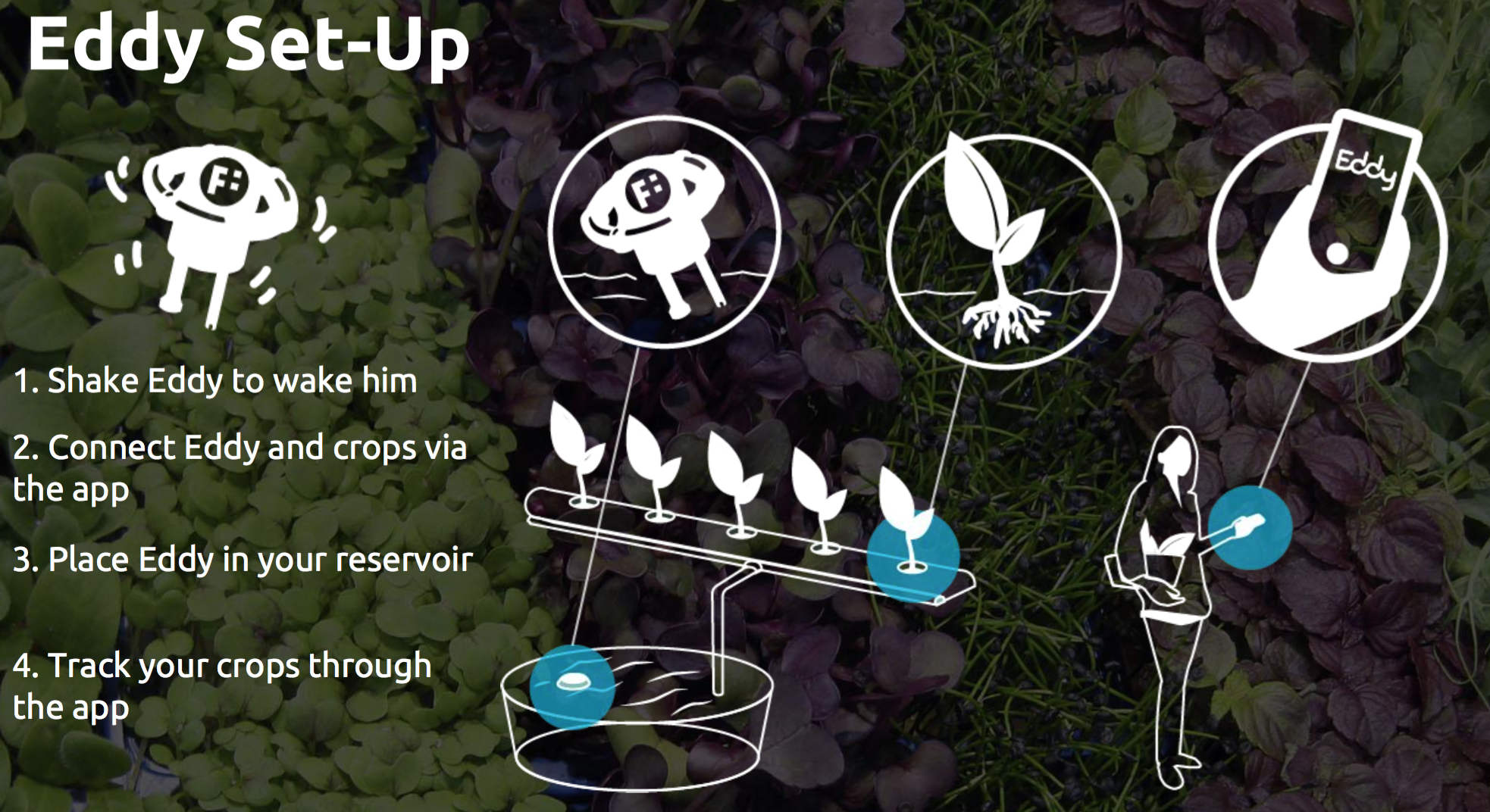
flux has developed Eddy, a tool that makes it easy for anyone to grow food anywhere. The technology and software company built on Israeli R&D and based in Dallas, solves global food production from the ground up. Eddy makes it easy for anyone to grow food at home or as a small or medium size vertical farm business.
Tired of GMOs, massive mergers of ag chem companies? Take your food into your own hands.
“Look to any sustainability expert in the United States and globally, and they will point out the flawed economics of large, conventional farms relying on government subsidies to exist,” says Karin Kloosterman, the founder of Eddy. She is pictured below in her hydroponic office:
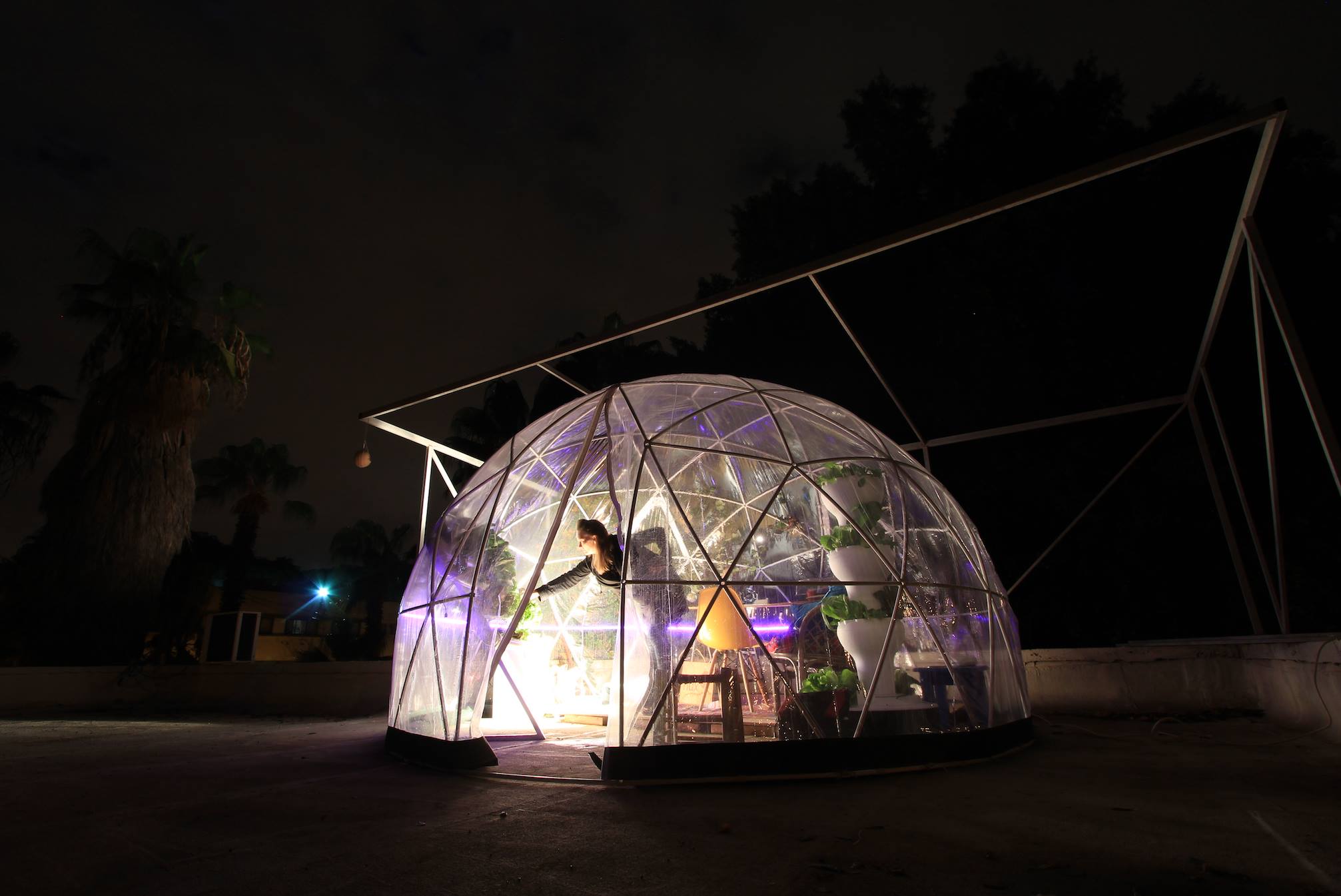
“Growing and shipping food from Canada to China and back again is causing climate change. Pesticides and residues used by farmers have stark health effects for humans and the ecosystems that support us. We created flux out of fear for the future, but with hope that people – like us –- can turn the situation around,” says Kloosterman.
Plant and Play Remote Controls
Eddy continuously monitors and adjusts the plants’ growing conditions, an image-processing capability for plant condition analysis, and a crowd-wisdom system for grower support throughout the entire growing process.
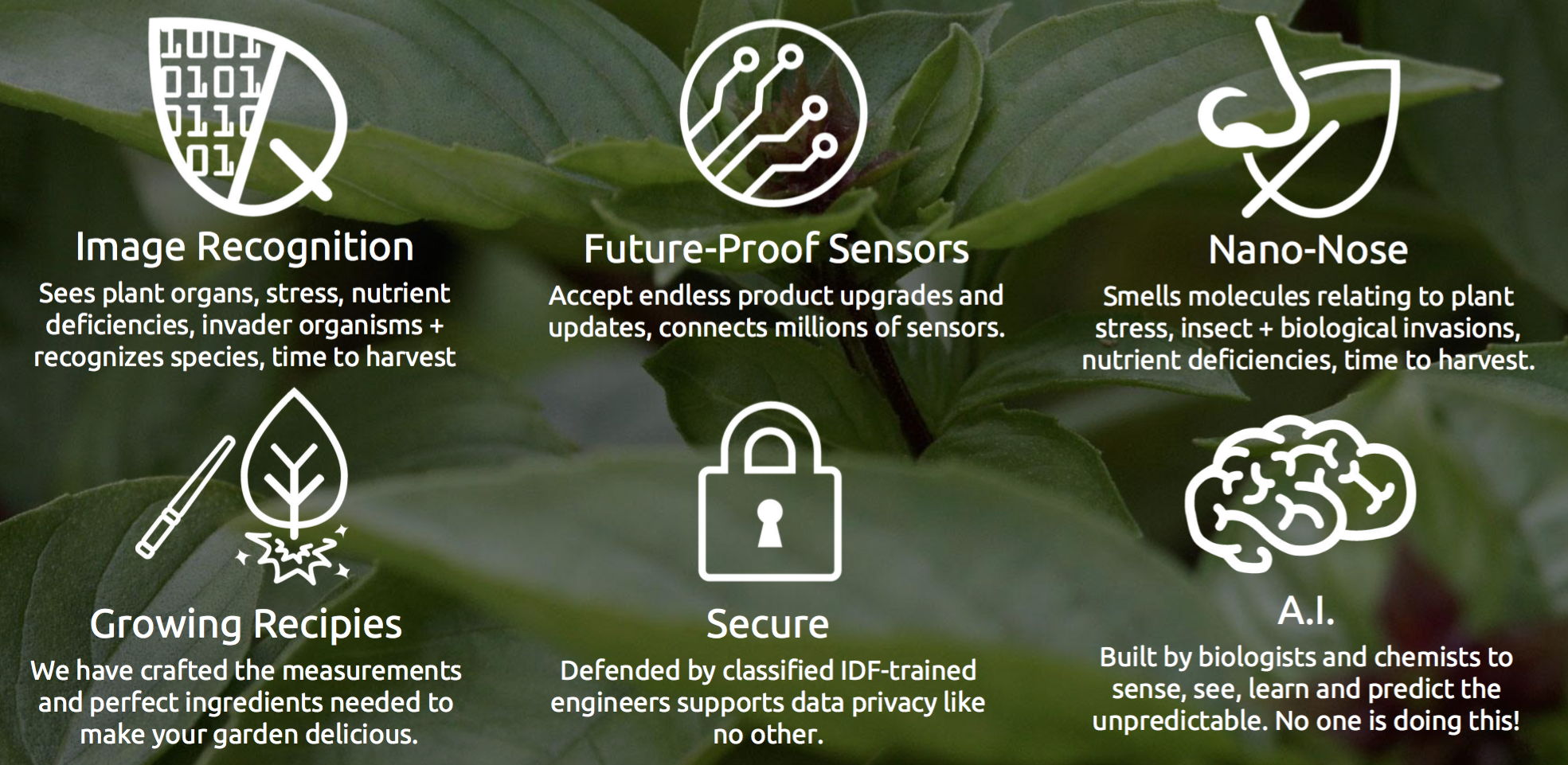
Eddy comes in both home and semi-professional versions and is particularly appropriate for growing greens, vining plants, root crops, fruits, and herbs in dense urban locations – or even in thirsty drought regions like California, Africa, the Middle East, or India.
Space Station Technology Beside Your Barbecue
Water farming, vertical farming, or hydroponics, is catching on like wildfire in urban communities globally. Currently about 42 million American households grow food, a 17% increase since 2008. Americans also spend about $29 Billion on lawns and gardens. Cannabis cultivation, now legal in most US states creates another massive opportunity for companies in the urban farming business.
Hydroponics is a method of growing plants using water and a nutrient solution, with no soil at all. This method pioneered in America about 80 years ago, and favoured by space station scientists, uses up to 95 percent less water than soil farming.
Vertical farming is perfect for anywhere but can also use any unconventional space, such as rooftops or basements, and even in deserts, while producing up to 30x more crop per yard or meter of space year round.

Those who build hydroponics farms are inside the Indoor Agriculture market, one which is projected to jump to a $9 billion industry in the next several years, while gold rush opportunities in this space exist for cultivating high-value pharmaceutical crops in the United States and Canada.
Consider that around polluted Chinese and Japanese cities, hydroponics is an answer to food safety concerns where soils are so contaminated from heavy metals and radiation that consumers no longer want to eat food farmed from those regions.
Grown hyper-locally, hydroponics food can be fresher, more sustainable and even more nutritious. It is recognized by urban farming labs at leading US universities as an important solution for cities, desert agriculture, emerging economies –– and even for future moon colonization.

Eddy on the moon? Or Mars? “Why not? Companies are starting to build biospheres that show how food can be cultivated in extreme environments, like Mars or Antarctica. For now though, we have our sights set on Planet Earth and helping people help themselves,” concludes Kloosterman, pictured above.
To reach out to Karin Kloosterman, VP Marketing and Sales, email [email protected]



[…] a CEO with a vision on how to create a world for the next 5 to 10 years. While start-up companies (like flux, let’s say) create ideas for changing polluting agriculture, we need interim and then forever positions created inside start-ups so these great visionaries can […]
[…] Growing systems like hydroponics and vertical farms can solve space, time and resource issues in cities. […]
[…] http://www.greenprophet.com/2015/04/agritech-israel-drought-flux/ http://www.jpost.com/Arab-Israeli-Conflict/We-need-free-trade-Gazan-farmers-representative-says-at-Tel-Aviv-agricultural-fair-400766 […]