
Home Blog Page 85

Brain Food for Babies: The Role of Omega-3 and Omega-6 in Baby Formulas

0
Baby food for brains
If breast isn’t the first choice make sure you choose an organic baby formula that feeds baby’s brain

Proper nutrition is crucial for babies. It helps to grow muscle, and bone, and develop the brain correctly. Many baby formulas incorporate various ingredients that help to power up the brains of infants as well as nourish them as they grow up. Probably the most important ingredients that provide vital cognitive progress are omega-3 and omega-6. For example, the famous HiPP organic formula always includes them in its composition. Thus, it’s one of the crucial reasons why this very brand is so popular. We’ll review the role of omega-3 and omega-6 in baby formulas and how they impact brain development.

What Are Fatty Acids

Omega-3 and omega-6 are also called fatty acids or simply fats. They come in different forms, which are:

  • Saturated
  • Monounsaturated
  • Polyunsaturated
  • Trans fats, and others

Their primary health benefit is fostering the overall development of the growing brain. Mind that there are some other vital health benefits every child can reap. The EU baby formulas always include fatty acids in their compositions.

Development of Cognitive Functions

wet wipes baby holding remote

The primary health benefit for the brain of infants is the development of cognition. In fact, the main nutritional benefits of fatty acids come to infants during the mother’s pregnancy. So, it’s vital for every pregnant mom to take omega-3 and omega-6. Yet, the intake of these fatty acids is crucial after the child is born and continues to grow. They positively impact the development of various cognitive functions, such as:

  • Thinking
  • Moving
  • Speaking
  • Focusing
  • Memorizing, etc.

As a result, fatty acids contribute to improved attention and planning. Children can focus on various details and plan their next moves logically. Omega also helps to maintain impulse control.

Improvement of Sleep

Several studies showed that omega-3 and omega-6 can potentially improve sleep in children. The studies showed clear progress in some infants. So, the administering of fatty acids may become a vital solution to all moms and dads whose children have violations in sleep regimes.

Possible Improvement of ADHD Symptoms

ADHD is a common condition affecting many children, characterized by problems with maintaining concentration on something for a long time. Such children are hyperactive and impulsive. Thanks to omega-3 and omega-6, there is a chance to reduce these symptoms or even stop them entirely.

Over 16 studies were carried out to investigate this theory, and the findings are quite promising. Fatty acids helped children:

  • Enhance memory
  • Stimulate attention
  • Reduce hyperactivity
  • Control impulsiveness

The evidence is clear. Fatty acids cannot be the only therapy for ADHD. Yet, they can be as a supplement to handle this mental deviation faster and more effectively.

Potential for Improved School Performance

As fatty acids have outstanding benefits for brain development, it’s no wonder scientists decided to check how they help children in learning. Thus, a study conducted in 2014 proved that the increase in memory, attention, thinking, and decision-making helped schoolers outperform their peers who did not take any fatty acids.

Can Help Avoid Allergies

Baby smart food, baby in stroller at supermarket

As you know, allergic reactions are triggered in the human brain. Several studies proved that the use of fatty acids can help avoid various kinds of allergies because they block the negative impact of the allergens on our system and brain.

The Bottom Line

In summary, the evidence gathered from multiple studies proves the positive impact of omega-3 and omega-6 on the human brain. That is why all renowned EU baby formula makers add them to the composition of their products. They really help to develop the brain in newborns.


Yemen pipeline attacked by gunmen, causing oil spill

0
Socotra Island, Yemen

Unidentified gunmen in Yemen have carried out an attack and sabotaged a crude oil pipeline in southern Yemen’s oil-rich province of Shabwa, a government official said on Monday according to the Media Line. The gunmen used explosives to bomb the main crude pipeline near the Jannah Hunt oil field on Sunday night, which has caused significant damage and resulted in a substantial crude oil spill, said the official anonymously.

The motives behind the attack remain unclear as the gunmen’s identities are yet to be unveiled, the news outlet reported.

The oil pipeline which connects the Jannah Hunt oil field with the crude oil storage facilities in Alam, Jardan district of Yemen, is now inoperative, posing a challenge to the region’s oil distribution network. Security forces and an engineering team were sent to repair the damage, but the gunmen caused an armed confrontation in the oil fields.  The Giants Brigades, a militia loyal to the Southern Transitional Council, intervened. These forces have been governing Shabwa since early 2022.

According to the Media Line, Yemen’s oil infrastructure has been vulnerable to repeated attacks by various armed groups, often motivated by service demands or as a means to exert pressure on local authorities for various reasons, including the release of prisoners.

Yemen’s history with oil

Yemen’s history with oil is marked by both promise and challenges, with the sector playing a significant role in the country’s economy and geopolitical landscape over the last 40 years. Yemen discovered its first commercially viable oil reserves in the late 1980s, particularly in the Marib region. This discovery led to increased foreign interest and investment in the Yemeni oil industry.

During the 1990s, Yemen faced economic difficulties exacerbated by declining oil prices and increasing production costs. The government sought to attract foreign investment and expertise to boost the oil sector. However, political instability and security concerns hindered consistent development. In the early 2000s, Yemen’s oil production reached its peak.

amazing, arab, arabian, arabic, beautiful, beauty, canyon, climate, coastline, color, deep, environment, exterior, fauna, forest, green, heritage, horizon, horizontal, island, landscape, location, mountain, natural, nature, outdoor, panorama, panoramic, park, plant, rock, sand, scenic, sea, sky, socotra, soqotra, splendid, stone, summer, sun, sunlight, tourist, tranquil, travel, tree, view, water, yemen
The haunting socotra trees of Yemen

The Yemeni government signed various production-sharing agreements with international oil companies to explore and exploit oil reserves. However, the country’s political instability, tribal conflicts, and the rise of insurgent groups like Al-Qaeda in the Arabian Peninsula (AQAP) posed serious challenges to oil production and infrastructure. Attacks on pipelines and other facilities disrupted operations and led to periodic declines in oil output.

The Houthi insurgency, which gained momentum in the late 2000s and escalated into a full-scale civil war in 2014, further complicated Yemen’s oil industry. The conflict resulted in the division of the country, with the Houthi-controlled north and the internationally recognized government in the south. This division disrupted oil production and exports, significantly impacting the economy.

International interventions and peace negotiations attempted to bring stability to Yemen, but the situation remained precarious. The country continues to face economic challenges, hunger, and water shortages, and the oil sector remains vulnerable to the complex political and security dynamics that have characterized Yemen’s recent history.

More on Yemen:

Make honey the Yemen way

Make zhug the Yemen way

Portraits of the world’s oldest trees


Allah, Muslims, cosmic balance and climate change

0
ummah earth
Ummah for Earth members unite at

Ummah for Earth unites Muslim faith groups, including Greenpeace MENA at COP28

Ummah for Earth was founded by Greenpeace and several other activist groups, with the goal to empower Muslim communities who are facing environmental crises. These are faith-based groups who want to solve climate change as well. They are present at COP28 asking for climate remediation using faith-based tools.

The Ummah for Earth Alliance can be found at the Faith Pavilion, along with people like eco-rabbi Yonatan Neril who wrote the Eco-Bible.

The Ummah for Earth Alliance created in 2020 was an initiative led by (created) Greenpeace MENA and other allies. The group now includes 30+ organizations and individuals.

Umma for Earth will be hosting events at COP28 and will be present to share tools from their faith, including Islamic Climate Finance, information about water scarcity in the Middle East North Africa region, their aspirations for fossil fuel-free places of worship. Landscape restoration, nature-based solutions and Green Ramadan practices will be part of their talks.

“Our presence will serve to emphasize Muslim and interfaith voices coming from some of the most climate-impacted communities,” the group says in a statement. 

They want COP28 to start a fast and fair fossil fuel phase-out, and be a space for initiating protection for climate vulnerable communities: “My hope is that COP 28 will achieve a new momentum to act more passionately and from the heart to affect the change we need”, said Husna Ahmad, the CEO of Global One, a member of Umma for Earth.  

“As for the faith leaders present there, I invite them to think about humanity through the eyes of a child who has lost everything and is a climate refugee due to the greed, want and injustice of historical polluters, putting aside their own bias and working together for this child and all humanity”.

Umma4earth members at COP28
Umma4Earth members at Cop28

Umma for Earth members writes out its demands with The Interfaith Statement for COP28 that calls for transformative policies and action to maintain global temperatures within 1.5 degrees Celsius. (We’ve already hit 2 degrees twice in November). They aspire to see a fair implementation for the Loss and Damage Fund while fulfilling climate finance promises to the countries of the Global South following a human rights-centered approach.

Several countries announced their participating in the Loss and Damage fund, as a means to financially support lower-income countries that may be hardest hit from the ravages of climate change.

Islam and the Environment talks with Green Muslims

“Allah has created the universe in cosmic balance (al-Mizan) with all its diversity, richness, vitality and inextricable interdependent mutuality. All creations are Sacred signs of God,” said Imam Saffet Catovic, who comes as an individual from Justice for All.

Saffet Catovic, an eco-imam at COP28

Catovic has worked in New York City and New Jersey Muslim communities on interfaith environmental justice. He began his faith-based activism in 2009 with Green Faith, the leading interfaith organization on environmental activism and education. He also worked on the Green Ramadan Initiative, a mosque-based project across New York, New Jersey, and Pennsylvania aimed at modifying environmentally related behaviors during Ramadan, i.e., local procurement of food, community-supported agriculture, reducing water in ritual washing and consumption, and “leftars” (distributing iftar, Ramadan fastbreak, leftovers to soup kitchens).

“Continued investment in the fossil fuel industry is physically destroying the Signs of God and polluting Earth, thereby depriving us and future generations of a safe climate. The time to end the fossil fuel era and safeguard the right to a clean, healthy and sustainable environment is now! At COP 28 we need all nations to take bold action by significantly increasing their ambition both in terms of NDC CO2 reduction targets and moving up the deadlines for achieving them,” Catovic continued.

“Nations of the world must be transparent and accountable in this process, detailing the specific plans with time bound milestones as to how they will achieve a carbon free – renewable energy future. Since the historic Paris accord promises have been made, but not kept.

“Nations need to heed the call of global faith communities, and civil society organizations and associations as well as many cities and towns across the globe and sign unto and implement the Fossil Fuel Non-Proliferation treaty as a compliment to the Paris accords”.    

Check out The Ummah for Earth alliance demands for Faith leaders at COP28.

green sheikh, profile, mina al salam hotel, dubai
Green Sheikh, by Tafline Laylin for Green Prophet

Interested in how Islam intersects with the planet’s well-being? Join Green Muslims in DC on Dec. 7 for a Zoom call on Islam and the Environment. You can also read our series of articles about and by the Green Sheikh himself featured here on Green Prophet.

Want to join Umma4Earth? Click here


Embracing Eco-Architecture: Lessons from Sarvestan Palace and Iranian Indigenous Structures

Sarvestan Palace, a jewel of Sasanian architecture in Fars Province, Iran, transports visitors to the ancient world. Constructed during the Sasanian era, this small but majestic palace captivates with its elegant simplicity. Crafted from locally sourced mud bricks, Sarvestan Palace seamlessly integrates into the arid landscape, showcasing the brilliance of indigenous construction. Its earthy tones harmonize with the desert surroundings, while the resilient structure, standing tall through centuries, whispers tales of a bygone era. A symbol of sustainable design, this historical gem invites modern architects and enthusiasts alike to glean inspiration from its enduring beauty and eco-friendly principles.
Sarvestan Palace: Sasanian Eco-Architecture Marvel in Fars, Iran

Nestled in the heart of Fars Province, Iran, the Sarvestan Palace stands as a testament to the rich cultural heritage and ingenious architectural prowess of ancient Persia. This remarkable edifice, built during the Sasanian era (224–651 AD), not only captivates with its aesthetic charm but also holds invaluable lessons for contemporary architects, especially those with a keen interest in eco-friendly and indigenous building practices.

Sarvestan Palace, also known as the “Small Sassanian Palace,” is a prime example of natural building techniques that seamlessly integrate with the surrounding environment. The structure was constructed using locally sourced materials, predominantly mud bricks, which were both abundant and eco-friendly. The use of mud bricks, known for their thermal mass properties, allowed the palace to maintain a comfortable temperature throughout the changing seasons, a principle modern eco-architects strive to achieve.

Sarvestan Palace

One of the key elements that draw eco-architects and enthusiasts to Sarvestan Palace is its harmonious integration with nature. The architects of the Sasanian era possessed an innate understanding of the local environment, crafting structures that blended effortlessly with the landscape. The palace’s earthy tones, complemented by the desert surroundings, create a visually pleasing aesthetic that resonates with lovers of sustainable architecture.

According to the Tehran Times, a project started last year to protect the interior part of the earthen structure from moisture.

The monument with others is part of the UNESCO World Heritage list under the name “Sassanid Archaeological Landscape of Fars Region.”

The ensemble of structures embodies political, historical, cultural, and artistic developments of the mighty Sasanian Empire (224–651), a leading world power alongside its arch-rival, the Roman-Byzantine Empire. The protected sites comprise eight archaeological sites in the areas of Firuzabad, Bishapur, and Sarvestan.

The Sassanid era is of very high importance in the history of Iran. Under Sassanids, Persian art and architecture experienced a general renaissance, according to Tehran Times, and the architecture often took grandiose forms, such as palaces at Ctesiphon, Firuzabad, and Sarvestan, the highlights of the ensemble.

Sarvestan Palace, standing resilient after centuries of exposure to the elements, serves as a beacon of inspiration for those interested in designing structures with longevity. The use of indigenous materials and traditional building techniques has enabled this ancient palace to withstand the test of time, highlighting the sustainability and durability inherent in natural construction methods.

Lessons for the West:

As we navigate the challenges of climate change and seek more sustainable architectural solutions, there are valuable lessons the West can glean from the wisdom of the East, particularly Iran’s indigenous architecture. By embracing natural building materials and methods, architects can create structures that are not only environmentally friendly but also aesthetically pleasing and enduring.

Five Other Notable Examples of Iranian Indigenous Architecture:

windcatchers of Yazd

Windcatchers of Yazd: The windcatchers, or “badgirs,” of Yazd exemplify ingenious passive cooling systems. These traditional towers capture and direct prevailing winds into buildings, providing natural ventilation and cooling in the arid desert climate. Modern architects can draw inspiration from these structures to develop innovative, sustainable cooling solutions in Western architecture.

Nestled in the Karkas Mountains, Abyaneh village showcases the use of red clay as a primary building material. The village's unique architecture, with its red mud-brick houses and narrow winding alleys, not only reflects the local culture but also harmonizes with the natural landscape. The incorporation of local materials and vernacular design is a lesson for those aiming to create sustainable communities in the West.
Abyaneh Village

Abyaneh Village: Nestled in the Karkas Mountains, Abyaneh village showcases the use of red clay as a primary building material. The village’s unique architecture, with its red mud-brick houses and narrow winding alleys, not only reflects the local culture but also harmonizes with the natural landscape. The incorporation of local materials and vernacular design is a lesson for those aiming to create sustainable communities in the West.

borujerdi house
Borujerdi House via Apoche. Notice the windcatchers.

Borujerdi House, Kashan: The Borujerdi House is a masterpiece of Persian architecture in Kashan. Its traditional courtyard design, intricately adorned with colorful tiles and stunning archways, creates a microcosm of serenity. The integration of open spaces and natural light in this historic dwelling offers insights for Western architects aiming to design eco-friendly and aesthetically pleasing homes.

The capital of the Achaemenid Empire, Pasargadae, showcases the fusion of art and nature. The Tomb of Cyrus the Great, with its simple yet elegant design, emphasizes the use of stone and local materials. The integration of the tomb into the surrounding garden landscape serves as a reminder of the importance of sustainable and contextually sensitive design in monumental architecture.
Cryus the Great’s tomb at Pasargadae.

Pasargadae: The capital of the Achaemenid Empire, Pasargadae, showcases the fusion of art and nature. The Tomb of Cyrus the Great, with its simple yet elegant design, emphasizes the use of stone and local materials. The integration of the tomb into the surrounding garden landscape serves as a reminder of the importance of sustainable and contextually sensitive design in monumental architecture.

The Jameh Mosque, a UNESCO World Heritage Site, is a prime example of Persian-Islamic architecture. Its intricate tilework, innovative use of geometry, and sustainable features such as the central courtyard for natural ventilation make it an inspiration for contemporary architects. The mosque demonstrates the potential for combining cultural richness with eco-friendly design.
Jameh Mosque of Isfahan

Jameh Mosque of Isfahan: The Jameh Mosque, a UNESCO World Heritage Site, is a prime example of Persian-Islamic architecture. Its intricate tilework, innovative use of geometry, and sustainable features such as the central courtyard for natural ventilation make it an inspiration for contemporary architects. The mosque demonstrates the potential for combining cultural richness with eco-friendly design.


Islam and the Environment talks with Green Muslims

0

faith Islam green ecology, green Muslim, praying sunrise greenprophet

How does a faith-based practice of Islam intersect with the environment? We’ve been exploring these questions since Green Prophet was founded in 2007 and if you stretch back to the early days you can read stories from the United Arab Emirates’ Green Sheikh, Sheikh Abdul Aziz who was a contributor to Green Prophet.

Over in the United States, Green Muslims too have a plan and purpose for sharing their love of faith and the natural world and invite the public to join in on a Zoom call on the topic of Islam and the Environment. The Zoom call on Dec. 7 at Noon, Washington DC time, is part of a monthly series with this one highlighting Islamic approaches to environmental care.

Chris Caras

In this month’s conversation, Imam Christopher Caras (above) will share the Islamic theology for environmental responsibility, as well as specific injunctions from Islamic Law. He will briefly touch on how Muslims throughout history have worked with, and not against, their natural surroundings.

Caras converted to Islam as a high school junior in 2001 in his hometown of Peoria, Illinois. He studied Islam formally in Saudi Arabia and Malaysia, earning degrees in Arabic, Islamic theology, history, and legal theory, in the Arabic medium with honors. He worked in St Louis, Missouri for the Council on American-Islamic Relations (CAIR), and taught for a private Islamic school while serving as an imam on the Illinois side of East Saint Louis. In summer 2019, Chris became the Imam for the Islamic Center of Pittsburgh. Chris’ wife of 15 years is an accomplished Quran recital teacher originally from Pakistan. The introverted couple have three rambunctious children.

Growing up in Alabama surrounded by woods and creeks, Sevim discovered at an early age that her most direct connection with God came through nature. To this day, she still finds peace in natural surroundings and holds a deep concern regarding humankind’s responsibility as vicegerent of the earth. She is involved with multiple local climate action groups and dedicated to helping educate youth about the importance of environmental awareness for spiritual, mental, and physical well-being. She holds a B.S. from Georgetown and a master’s degree from the University of Chicago and has many years of nonprofit experience in Washington, DC, and the San Francisco Bay Area. She is also a naturalist interpreter and a yoga instructor.
Sevim Kalyoncu from Green Muslims

Sevim Kalyoncu will talk about the work of Green Muslims and how in that role she helps American Muslims connect with nature and recognize it as a book of God as well as understand the role of humans as khalifa, or stewards of the earth.

Growing up in Alabama surrounded by woods and creeks, Sevim discovered at an early age that her most direct connection with God came through nature. To this day, she still finds peace in natural surroundings and holds a deep concern regarding humankind’s responsibility as vicegerent of the earth. She is involved with multiple local climate action groups and dedicated to helping educate youth about the importance of environmental awareness for spiritual, mental, and physical well-being. Sevim holds a B.S. from Georgetown and a master’s degree from the University of Chicago and has many years of nonprofit experience in Washington, DC, and the San Francisco Bay Area. She is also a naturalist interpreter and a yoga instructor.

The conversation will be moderated by Melinda Krokus (pictured below), a professor of comparative religion and a student in the Ansari Qadiri Rifai Sufi Order. Sufis are a branch of Islam.

Krokus has been on the Board of Pennsylvania Interfaith Power & Light since 2018 and currently serves as Vice President. She is an Associate Professor of Religious Studies at Marywood University, where she is also Chair of the Environmental Studies program. Her scholarly work has taken her to Turkey, the Balkans, South Africa, Mauritius, and across Europe, where she has seen the effects of climate change first hand intersecting with war and its aftermath as well as political and social unrest.

Inspired by Seyyed Hossein Nasr, Sallie McFague, and the Dalai Lama at a 1991 conference called Spirit and Nature, Melinda went on to study conservation ecology and religious traditions of the world at Prescott College, Harvard Divinity School, and Boston University spending several years working for the Forum on Religion and Ecology.

As a Muslim, she has been a student of Shaykh Taner Ansari of the Qadiri Rifa’i Sufi order since 1994 and currently serves on the Board of the Islamic Center of Scranton. She has witnessed the devastating loss of adequate habitat and biodiversity on this planet take place within a clear and scientific context that increasingly understands the anthropogenic nature of our collective climate reality. She has chosen to work with PAIPL because she believes that in order to make the shift toward a planet of flourishing habitat, biodiversity, and justice, a morality driven by love and knowledge is necessary.

Eco Islam, Melinda Krokus
Melinda Krokus

The event is co-sponsored by Better Path Coalition, Delaware Interfaith Power & Light, and Green Muslims. Hosts say to bring your questions. Sign up here. The event is free.

Green Muslims host a Zoom call on Islam and the Environment

Greenpeace says COP28 is for making oil and gas the past

0
Kaisa Kosonen, Greenpeace
Kaisa Kosonen, Greenpeace, “This is truly a unique moment in time”

Greenpeace is always the thorn in a polluter’s or whale hunter’s side: Looming over the 28th UN Climate Conference (COP28) is whether governments will finally heed the calls, that grow stronger by the day, to phase out fossil fuels and deliver on climate justice, writes Greenpeace.

“While the causes and consequences of climate change have never been felt so deeply, the solutions have never been more in reach. The question is no longer how but when? Those serious about a livable planet have the tools needed to deliver the climate action needed: COP28 must agree to end the fossil fuel era,” says Greenpeace. 

Greenpeace’s wish list for COP28 in the UAE:

  • For the Paris Agreement warming limit to be kept within reach, the COP28 decision text must hold an uncompromised commitment to a just and rapid phase out of all fossil fuels, with an immediate end to new coal, oil and gas. 
  • The Global Stocktake must conclude with outcomes that kick-start transformative action across the board to limit temperatures to 1.5ºC and respond to increasing climate impacts with justice.
  • A credible finance package that responds to growing needs is essential. It must include the launch of a new Loss and Damage Fund, and move us closer to making polluters pay for the destruction and harm they have caused.

“This is truly a unique moment in time. Solutions are now here, bigger and cheaper than ever before, ready to replace fossil fuels and bring us greater security.  But it won’t happen fast enough unless governments regulate oil, coal and gas out of the way. COP28 can be the turning point, when governments act on the science, commit to protecting their own citizens, and agree to make fossil fuels history,” says Kaisa Kosonen, Head of the Greenpeace COP28 delegation.

“In yet another year of record temperatures, delaying climate action would be catastrophic for the communities for whom navigating the impacts of the climate crisis is a daily reality,” says Ghiwa Nakat, Executive Director, Greenpeace MENA.

Ghiwa Nakat
Ghiwa Nakat, Greenpeace MENA

“The COP28 Presidency stated that reducing fossil fuels is both inevitable and essential, but we now need to see actions that support what we already know to be necessary – a total phase out of fossil fuels. We need to take this ambition seriously and agree to the equitable phaseout of all fossil fuels including oil, gas and coal – and for the worst fossil fuel polluters to be held responsible for the crisis they have caused.

“People with the least resources to defend themselves are immersed in a constant struggle for survival: farmers seeing their harvests fail, desert nomads whose oases are disappearing, Ahwari women in the marshlands of Southern Iraq whose livelihoods have been devastated by drought,” says Nakat. “Every passing day without real change becomes a sentence of hardship or even death for these communities. Ending this suffering is the essence of climate justice.”

From what I have learned by attending climate events is that COP isn’t where decisions are really made and where action is taken. It’s a media and political spectacle. What happens at COP28 is when the work has been done – work that has been going on the year previous with teams and boots on the ground in various UN working groups. Still, I hope Greenpeace does like it always does – it’s a group that pushes the envelope a little further to some reality that the planet can live with. The UN shows time and time again that it can’t be accountable for all its moving parts and it can’t always hold every nation’s interest at heart.

:: Briefing on Greenpeace COP28 demands


Deep sea mining hurts jellyish

0
helmet jellyfish
Helmet jellyfish were collected from several Norwegian fjords where the animals like to congregate. (Vanessa Stenvers)

Deep sea miners want to explore faster than science can show how devastating mining for minerals on our last frontier can be.  So science is working to pick up the pace so deep sea mining will not happen without a major shift in policy and research. The latest research to come out is that deep sea mining can harm jellyfish.

Mining of the ocean floor for minerals such as lithium for electric cars could harm deep-sea jellyfish by stressing them out with sediment, suggests the first study of how resource harvesting might affect animals living in the depths. But deep sea mining for concrete is also very problematic says this architect we feature.

Researchers collected helmet jellyfish (Periphylla periphylla) and exposed them to sediment at concentrations that could be churned up by mining. After a day, the animals had mucus covering much of their bodies, among other signs that they were really not happy. Being stressed uses a lot of energy, which could be harmful over extended periods, say the researchers.

The study, co-led by Vanessa Stenvers, a marine ecologist at the GEOMAR Helmholtz Centre for Ocean Research Kiel in Germany, analysed deep-sea helmet jellyfish collected from several Norwegian fjords where the animals regularly congregate. In testing tanks on board their research ship, Stenvers and her team exposed 43 jellyfish to five concentrations of sediment representative of what the animals could experience at a mining site, ranging from zero as a control up to 333 milligrams per litre (mg l−1).

At sediment concentrations above 17 mg l−1, the jellyfish showed signs of acute stress. Sediment particles stuck to the animals’ bodies, and they produced excessive amounts of mucus — a common stress response for cnidarians, the phylum to which jellyfish belong.

On average, more than 30% of the animals’ bodies were covered in mucus after being exposed to the two highest sediment concentrations for 24 hours. Producing mucus uses a lot of energy, which could be harmful for the health of jellyfish if they are exposed to sediment over extended periods, say the researchers.

“Food in the deep sea is very scarce. If there’s no extra energy coming in, this could potentially lead to starvation,” says Stenvers.

Soft creatures from the deep would be impacted by deep sea mining

She and her colleagues also found that jellyfish doubled their respiration rate at the highest sediment concentrations, suggesting that the animals required more energy than they would otherwise need. Jellyfish that produced excessive mucus also overexpressed genes involved in energy metabolism, wound repair and the immune system.

If other gelatinous organisms in the deep ocean respond similarly, commercial harvesting of the sea floor could reduce biodiversity and threaten crucial functions of the ecosystem — such as carbon sequestration and nutrient cycling.

Let’s bookmark this research next time a lobby group springs up to support deep sea mining. 

Keep reading these resources on deep sea mining.

Marine ecosystems in danger: what is deep sea mining?

Deep sea mining and what’s at risk

Saudi Arabia wins bid for Expo 2030

0


Expo 84 in Vancouver, Canada. was a defining moment in my life. And the World Expo 67 gave birth to architecture still inspiring people of today. Dubai hosted a World Expo in 2020, then Covid so it was moved to 2021.

Moshe Safdie, Habitat Expo 67

And now based in the Middle East I am closer to visiting a World Expo again, as Saudi Arabia wins the bid for World Expo 2030. Riyadh, as the host city, beat out Rome in Italy and South Korea’s Busan to host the showpiece event held every five years.

The World Expo 2030 will be held in the Saudi capital after an intense lobbying process from all the contenders. According to the bid, the Riyadh Expo will be held from October 2030 to March 2031 under the theme “The Era of Change: Together for a Foresighted Tomorrow.”

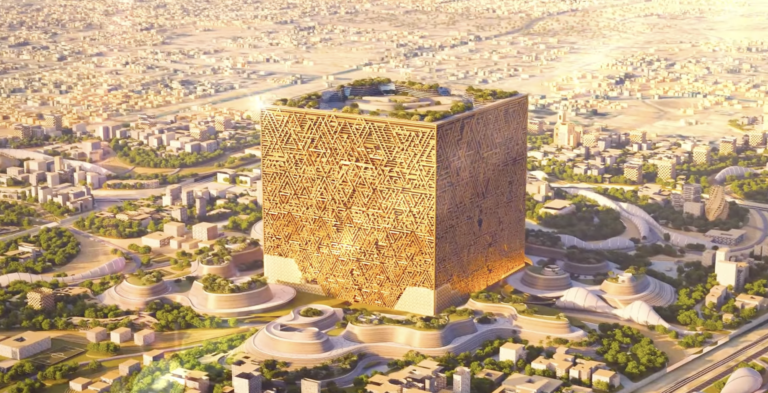
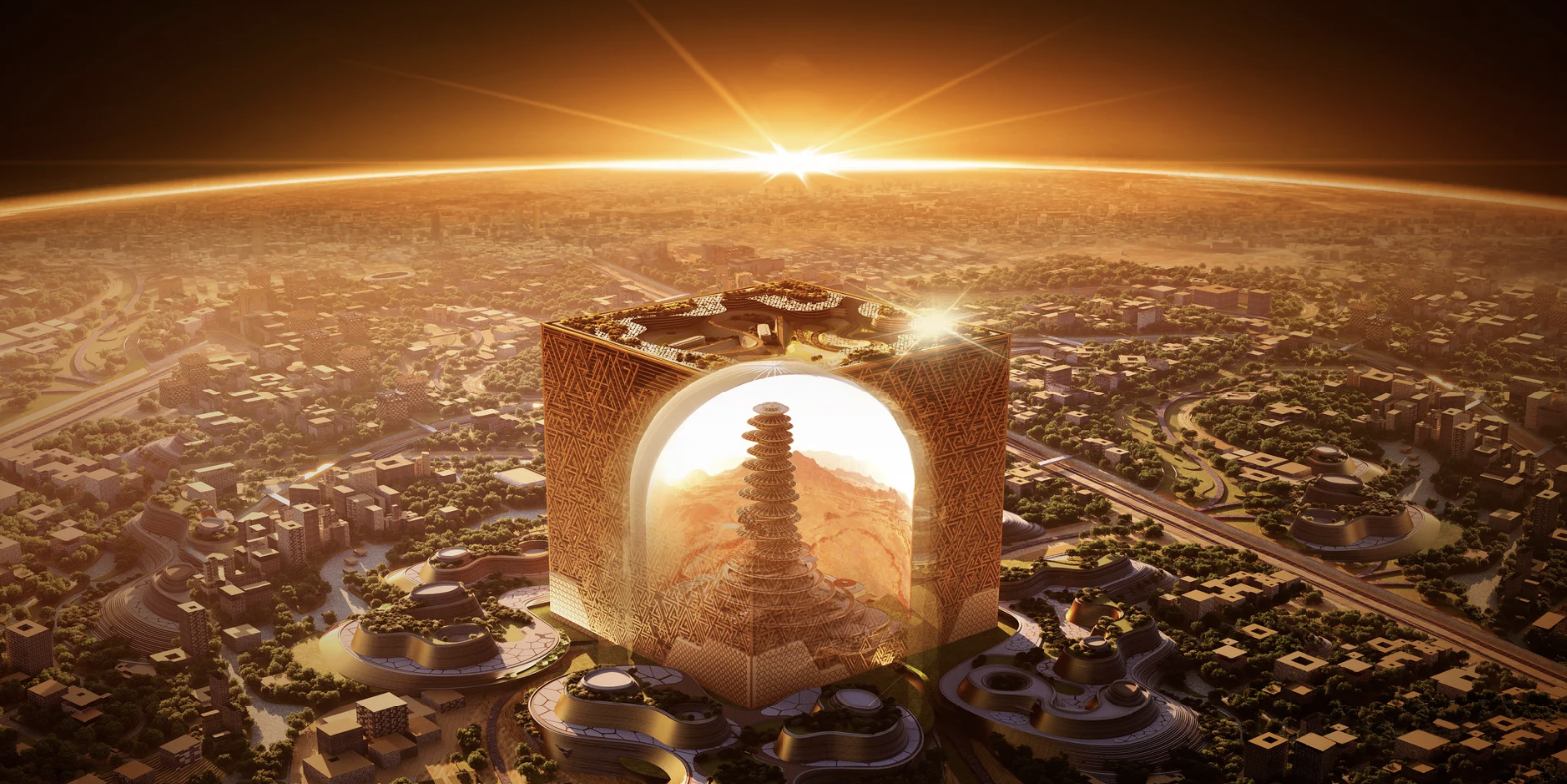
The Saudis should probably find a new copywriter for the event which will probably showcase their bazillian new construction projects like the New Murabba Project. And The Line over on the Red Sea. If the Saudis can keep the Yemeni Houthi rebels in check from sabotage and broker a peace deal between the Hamas and Israel (making it feel safe for people to return to the Middle East) the world will feel welcome to visit Saudi Arabia, the oil superpower in the Middle East which runs Aramco, its oil and gas company.

It wasn’t long ago that women couldn’t drive in Saudi Arabia (they were allowed in 2018) but we are getting indications that the Saudi Crown Prince Mohammad bin Salman and his ruling family has accepted liberal values of the west if they want to be part of the global conversation and expect tourists to visit Saudi Arabia as part of its Vision 2030.

The Line, linear city Saudi Arabia

Saudi Crown Prince Mohammad bin Salman has been at the forefront of the Kingdom’s efforts to host the Expo, which would be the latest in a line of events to be hosted by the Kingdom. The hosting of the Expo is regulated by the Paris-based Bureau International des Expositions (BIE), an organization created almost a century ago which now has 182 member states.

Maybe part of the vision could be tours of the House of Saud’s ancestral home? And its work with mangrove forest rehabilitation. And visits to RedSea farms. Or its holding back the deserts with local saxual trees.

The most recent World Expo took place in 2020 in Dubai and the next World Expo is due in 2025 in Osaka, Japan under the theme “Designing Future Society for Our Lives.”

Fitness Expert Eugene Pallisco Discusses Finding Balance: The Role of Sleep, Stress Management, and Exercise in Mental Health

online fitness training, woman in lotus position

When you think about health, the first things that come to mind are probably diet and exercise. While maintaining good physical health is definitely important for daily and long-term function, you shouldn’t discount the importance of practices that center your mental and emotional well-being. Join Eugene Pallisco in exploring how to take a more holistic approach to a healthy and balanced mental and physical state.

What Connects Sleep, Stress, and Exercise?

Stress is often portrayed in a negative light, but it’s not all bad. When you experience short-term stress, it can drive motivation, alertness, and productivity. However, when stress is significant or lasts for a while, it can soon become detrimental and start to impact your mental health and performance.

When you’re stressed out, it can also disrupt your sleep cycle. If you’re not getting adequate rest, your body may produce more cortisol (a stress hormone), creating a vicious cycle. 

Exercise is the lynchpin that can resolve many of these issues.

Adding physical activity to your daily routine can help boost the production of feel-good endorphins while reducing stress hormones. Exercise can support high-quality sleep, combating the negative impact of stress on sleep patterns.

When you’re feeling good, sleeping better, and reducing stress hormones, you can set the stage for improved mental and emotional health and greater performance and productivity in every endeavor.

Designing a More Holistic Approach to Well-Being

Sexy man doing yoga

The concept of holistic care revolves around practices that address physical, mental, emotional, and social well-being. It focuses on all the essential facets of human existence. It’s not uncommon to associate holistic practices with Eastern medicine or religion. Still, when you understand that holistic care is meant to address the health of a whole person and even factor in communities and the environment, you can begin to see the long-term benefits.

Fitness expert Eugene Pallisco emphasizes the importance of a holistic system of self-care that includes a healthy diet, regular exercise, sleep management, social connectivity, and activities that support mental and emotional well-being. The right balance of elements is ideal for maintaining overall wellness and promoting a joyful existence.

Daily Mindfulness Tips

If you’re ready to adopt a more holistic approach to self-care, you may need some practical tips to get on the right track. Start by practicing mindfulness, becoming aware and present as you go through your daily routines.

Perhaps you’ll start your day by expressing your purpose and goals out loud. If you notice you’re feeling stressed or overwhelmed, try refocusing with intention, taking deep breaths, and relaxing your body. Check in on your goals throughout the day and pivot to re-engage if necessary.

Avoid rushing through activities — instead, intentionally become aware of sensations, thoughts, and feelings you experience. This lets you connect with what you’re doing and appreciate each moment.

Affirmations can help you create a positive mindset and incorporate new habits into your daily routine. With a holistic and mindful approach to health and wellness, you can manage stress, improve sleep, and promote optimal physical, mental, and emotional health.

About Eugene Pallisco

Fitness expert and licensed trainer Eugene Pallisco works in Dallas, Texas. Before starting his private training firm in the fitness industry, he gained expertise by working one-on-one with gym patrons after beginning as a group fitness teacher. 

Pallisco is dedicated to assisting people in discovering joy and freedom in the movement of their bodies. He believes that everyone can change their body into a strong, healthy physique with the appropriate mindset, patience, and effort.


‘Forever Is Now’ Art Show Illuminates Giza’s Night Sky in Sustainable Splendor

0
The "Forever Is Now" exhibition, set against the Pyramids of Giza, showcases contemporary artworks by 14 international artists, blending modernity with ancient Egyptian heritage. Notable installations include the geometric "Meditation on Light" and the hyper-realistic "Egyptian Woman in the Form of the Goddess Hathor." Sustainability takes center stage, with a commitment to eco-friendly materials and environmental consciousness. The exhibition's cultural exchange fosters a dialogue between art, heritage, and the environment. Additionally, the philanthropic aspect includes donation booths for the Egyptian Red Crescent in response to recent events. Overall, the event aims to promote Egyptian tourism and celebrate a harmonious coexistence with our planet.
Rashid Al Khalifa moved from Bahrain to the UK in 1972. This is Reality is Timeless, 2023

In the heart of Cairo, where the ancient Pyramids of Giza stand as guardians of time, French-Egyptian curator Nadine Abdel Ghaffar orchestrates a symphony of art and heritage in the third edition of “Forever Is Now.” As the clock strikes noon, the bustling energy in Cairo is a testament to the monumental task ahead.

Abdel Ghaffar, the founder of the Egyptian arts platform Art D’Égypte, is not just organizing an art exhibition but crafting an immersive experience against the awe-inspiring backdrop of the Pyramids. Opening on Oct. 26, this site-specific installation transcended the boundaries of time, seamlessly blending contemporary art with the timeless tapestry of Egypt’s cultural heritage. It was the third edition of the event, but this time clouded with the war between Hamas and Israel to the north. Tourists were afraid to come to Egypt, but the show went on.

“The Pyramids, for me, are a token of hope for humanity,” Abdel Ghaffar shares, her voice echoing through the millennia. “It’s a world wonder that was not lost. It withstood pandemics, wars, different religions, and it’s still there.” Her sentiment resonates with the enduring spirit of the Pyramids, a beacon of resilience that has weathered the storms of history.

In the throes of the COVID pandemic, Abdel Ghaffar found solace in the words of veteran Egyptian archaeologist Dr. Zahi Hawass. “Look at the Pyramids,” he told her, “This will give you hope. It’s still there. So, humanity will not be erased. Don’t worry.” The Pyramids became a symbol of continuity, a source of strength during uncertain times.

Setting up an exhibition near the Pyramids is no small feat. It involves navigating through bureaucratic mazes involving the Secret Services, UNESCO, and the Ministry of Tourism and Antiquities. Ten days before the grand opening, a dedicated team of 150 workers, including architects and electricians, toils around the clock. Challenges abound, but the fruition of the exhibition each year is nothing short of a miracle. “On the night of the opening, everyone is blown away,” Abdel Ghaffar exclaims.

In past editions of “Forever Is Now,” visionary artists like JR, El-Seed, and Lorenzo Quinn left their indelible marks with sculptural installations. See some photos below. This year, the exhibition extends beyond the Pyramids, with cultural events in Downtown Cairo organized by Art D’Égypte. In response to recent violence in Gaza, the organization is taking a philanthropic stance by setting up Egyptian Red Crescent donation booths.

Amidst this cultural tapestry, sustainability takes center stage. The immersive experience at the interactive Giza exhibition is curated with environmental consciousness. Each installation, a delicate dance between modernity and history, aims to engage the audience in a dialogue about the interconnectedness of art, heritage, and the local environment.

The "Forever Is Now" exhibition, set against the Pyramids of Giza, showcases contemporary artworks by 14 international artists, blending modernity with ancient Egyptian heritage. Notable installations include the geometric "Meditation on Light" and the hyper-realistic "Egyptian Woman in the Form of the Goddess Hathor." Sustainability takes center stage, with a commitment to eco-friendly materials and environmental consciousness. The exhibition's cultural exchange fosters a dialogue between art, heritage, and the environment. Additionally, the philanthropic aspect includes donation booths for the Egyptian Red Crescent in response to recent events. Overall, the event aims to promote Egyptian tourism and celebrate a harmonious coexistence with our planet.

This year’s “Forever Is Now” places a renewed emphasis on sustainability, weaving eco-friendly practices into the very fabric of the exhibition. From the materials used in installations, sourced responsibly and with minimal environmental impact, to the meticulous planning of waste reduction strategies, every aspect reflects a commitment to environmental stewardship.

The "Forever Is Now" exhibition, set against the Pyramids of Giza, showcases contemporary artworks by 14 international artists, blending modernity with ancient Egyptian heritage. Notable installations include the geometric "Meditation on Light" and the hyper-realistic "Egyptian Woman in the Form of the Goddess Hathor." Sustainability takes center stage, with a commitment to eco-friendly materials and environmental consciousness. The exhibition's cultural exchange fosters a dialogue between art, heritage, and the environment. Additionally, the philanthropic aspect includes donation booths for the Egyptian Red Crescent in response to recent events. Overall, the event aims to promote Egyptian tourism and celebrate a harmonious coexistence with our planet.

In the third edition of the exhibition, the participation of 14 international artists adds a layer of cultural diversity and artistic exchange. Organized by CulturVator – Art D’Egypte, the event not only celebrates contemporary art against the backdrop of ancient wonders but also emphasizes the importance of cultural exchange among artists.

These artworks include a geometric sculpture by artist Dionysios titled “Meditation on Light,” employing artificial intelligence; a hyper-realistic sculpture by artist Carol Feuerman titled “Egyptian Woman in the Form of the Goddess Hathor,” evoking the ancient Egyptian deity of love and fertility; and parts of a maze by artist Rashid Al Khalifa, adorned with patterns inspired by the book “Tower of Babel” by Jesuit scholar Athanasius Kircher in 1679. The contemporary artworks vary in materials, including “fiberglass, steel, stone, marble,” offering an artful and environmentally friendly experience.

Nadine Abdel Ghaffar emphasized the significance of the exhibition, stating, “The ‘Forever Is Now’ exhibition has achieved outstanding success in attracting attention to contemporary art since its first edition. This year, the exhibition raises questions about the new era of technology and cultural change that the world is going through, by combining cultural heritage with the rich diversity of contemporary art practices.”

She expressed gratitude to contributors, institutions, and official partners, including the Ministries of Foreign Affairs, Tourism, Antiquities, Culture, and the Egyptian National Commission for UNESCO, among others. The support from various entities underscores the collaborative effort to promote Egyptian art and heritage on the global stage.

The "Forever Is Now" exhibition, set against the Pyramids of Giza, showcases contemporary artworks by 14 international artists, blending modernity with ancient Egyptian heritage. Notable installations include the geometric "Meditation on Light" and the hyper-realistic "Egyptian Woman in the Form of the Goddess Hathor." Sustainability takes center stage, with a commitment to eco-friendly materials and environmental consciousness. The exhibition's cultural exchange fosters a dialogue between art, heritage, and the environment. Additionally, the philanthropic aspect includes donation booths for the Egyptian Red Crescent in response to recent events. Overall, the event aims to promote Egyptian tourism and celebrate a harmonious coexistence with our planet.

In the third edition of “Forever Is Now,” 14 local and international artists are participating, each bringing a unique perspective and artistic vision to the exhibition. Belgian Arne Quinze, Brazilian Arthur Lescher, Emirati Azza Al-Qubaisi, American Carol Feuerman, Greeks Dionysios and Costas Varotsos, French duo JR and Stephan Breuer, Egyptian Mohamed Banawy, Argentinean Pilar Zeta, Bahraini Rashid Al Khalifa, Saudi Rashed Al Shashai, Dutch Sabine Marcelis, and Egyptian-British Sam Shendi form a diverse ensemble of creative minds.

These artists express the importance of this global event, hoping that their artistic works receive positive and inspiring responses. The Egyptian artist Mohamed Banawy, for instance, finds it an exciting adventure to showcase his work alongside the great civilization of Egypt in one of the most significant archaeological areas in the world.

His work, titled ‘As Above, As Below,’ draws inspiration from the emerald tablets written by the god Thoth, symbolizing keys that speak to us from the realm of the spirit. Banawy’s installation invites viewers to contemplate the material world as a reflection of another world existing in a different dimension, connecting Lower and Upper Egypt in a symbolic journey.

The "Forever Is Now" exhibition, set against the Pyramids of Giza, showcases contemporary artworks by 14 international artists, blending modernity with ancient Egyptian heritage. Notable installations include the geometric "Meditation on Light" and the hyper-realistic "Egyptian Woman in the Form of the Goddess Hathor." Sustainability takes center stage, with a commitment to eco-friendly materials and environmental consciousness. The exhibition's cultural exchange fosters a dialogue between art, heritage, and the environment. Additionally, the philanthropic aspect includes donation booths for the Egyptian Red Crescent in response to recent events. Overall, the event aims to promote Egyptian tourism and celebrate a harmonious coexistence with our planet.

French artist JR, participating for the first time, presents the project “From the Inside Out,” a platform that empowers communities worldwide to defend their beliefs and incite local global change through public art. This initiative, launched by JR after winning the TED Prize in 2011, encourages cooperation and dialogue between communities worldwide through large-scale black-and-white portraits displayed in public spaces.

Greek artist Dionysios contributes the project “Meditation on Light,” a meditative performance art exhibited at the millennial Giza Plateau. Using AI, Dionysios creates different invocations on the theme of light, reflecting Apollo, the god of light, conversing with Ra’a, the god of the sun. His installation invites viewers to envision the Giza plateau as a space for reflection and meditation on the concept of light, symbolizing a carpet on the ground following the trajectory of the sun from dusk till dawn.

The "Forever Is Now" exhibition, set against the Pyramids of Giza, showcases contemporary artworks by 14 international artists, blending modernity with ancient Egyptian heritage. Notable installations include the geometric "Meditation on Light" and the hyper-realistic "Egyptian Woman in the Form of the Goddess Hathor." Sustainability takes center stage, with a commitment to eco-friendly materials and environmental consciousness. The exhibition's cultural exchange fosters a dialogue between art, heritage, and the environment. Additionally, the philanthropic aspect includes donation booths for the Egyptian Red Crescent in response to recent events. Overall, the event aims to promote Egyptian tourism and celebrate a harmonious coexistence with our planet.

Costas Varotsos, another Greek artist, presents “Horizon,” focusing on the relationship between the Nile River and the Giza Plateau. For Varotsos, the horizon is a prediction of the future, defining the concept in space while determining the position toward life. His project features eight circles representing the world’s revolutions, connecting the celestial dome and the cycle of life expressed through the geometric shape of the circle.

Bahraini artist Rashid Al Khalifa presents “Timeless Reality,” inspired by the greatness of Egypt. Using palm fronds, an ancient craft, Al Khalifa pays tribute to the history of the pyramids, providing a contemporary interpretation of their impact on the region’s development processes. His project, “The Transparent Pyramid,” blurs the lines between traditional and modern, renewing perceptions of art, heritage, science, and sustainable practices.

The "Forever Is Now" exhibition, set against the Pyramids of Giza, showcases contemporary artworks by 14 international artists, blending modernity with ancient Egyptian heritage. Notable installations include the geometric "Meditation on Light" and the hyper-realistic "Egyptian Woman in the Form of the Goddess Hathor." Sustainability takes center stage, with a commitment to eco-friendly materials and environmental consciousness. The exhibition's cultural exchange fosters a dialogue between art, heritage, and the environment. Additionally, the philanthropic aspect includes donation booths for the Egyptian Red Crescent in response to recent events. Overall, the event aims to promote Egyptian tourism and celebrate a harmonious coexistence with our planet.

Dutch artist Sabine Marcelis contributes “Ra,” an installation inspired by the sun and the birthplace of the sundial. Marcelis’s artwork not only represents a sundial but harnesses the power of the sun, transforming it into energy. Her piece reflects deep respect for ancient Egyptian culture and their reverence for the sun god Ra.

Sabine Marcelis, Ra

Stephan Breuer, a French artist, presents “Temple •|•” for the first time in the exact axis of the pyramids. The triangular shape symbolizes the accomplishment of mastering technology in Ancient Egypt, conveying a testimony of human genius. “Temple •|•” represents a new era in human evolution, linked to digital technology and artificial intelligence, celebrating every human that interacts with it. His piece conveys both a strong material and spiritual message, preserving digital memories and offering a new visual expression of the Sublime.

Stephan Breuer, Temple

Egyptian-British artist Sam Shendi introduces “The Phantom Temple,” bridging the past and the future through sculptural works that transcend classifications. Shendi’s sculptures serve as vibrant reflections of the human condition, leaving an imprint on the land and transporting imagination beyond time.

Forever is now Edition III at the pyramids of Giza Art Title : The PhantomTemple by Sam Shendi

Argentinian artist Pilar Zeta presents “Mirror Gate,” a multidimensional portal connecting past and present, blending natural and artificial materials from the post-industrial era. Viewers are invited to reflect on their infinite potential when they see their reflections inside the pyramids, drawing connections to the limitless possibilities found in Egyptian mythology.

Pilar Zeta, Mirror Gate, 2023

The diverse artistic contributions extend from Argentina to the UAE, with Azza Al Qubaisi sharing her work titled “Treasures.” Al Qubaisi captures the secrets, shapes, and patterns of desert landscapes, incorporating cultural memories, stories, and ornaments from the past. Her artwork allows viewers to immerse themselves in an experience walking between the art piece and the sand dunes, symbolizing a journey through personal lives and hidden treasures within.

The "Forever Is Now" exhibition, set against the Pyramids of Giza, showcases contemporary artworks by 14 international artists, blending modernity with ancient Egyptian heritage. Notable installations include the geometric "Meditation on Light" and the hyper-realistic "Egyptian Woman in the Form of the Goddess Hathor." Sustainability takes center stage, with a commitment to eco-friendly materials and environmental consciousness. The exhibition's cultural exchange fosters a dialogue between art, heritage, and the environment. Additionally, the philanthropic aspect includes donation booths for the Egyptian Red Crescent in response to recent events. Overall, the event aims to promote Egyptian tourism and celebrate a harmonious coexistence with our planet.
Azza Al Qubaisi, Treasures, 2023

Belgian artist Arne Quinze’s project, “The Gateway of Light,” offers an alternative perspective on the Pyramids of Giza, exploring the dynamics between the power of nature and its fragility. Quinze emphasizes the ancient and rich Egyptian culture where the sun has always played a crucial role, presenting the sun as the fundamental element for all forms of life within a sculpted circular frame.

The "Forever Is Now" exhibition, set against the Pyramids of Giza, showcases contemporary artworks by 14 international artists, blending modernity with ancient Egyptian heritage. Notable installations include the geometric "Meditation on Light" and the hyper-realistic "Egyptian Woman in the Form of the Goddess Hathor." Sustainability takes center stage, with a commitment to eco-friendly materials and environmental consciousness. The exhibition's cultural exchange fosters a dialogue between art, heritage, and the environment. Additionally, the philanthropic aspect includes donation booths for the Egyptian Red Crescent in response to recent events. Overall, the event aims to promote Egyptian tourism and celebrate a harmonious coexistence with our planet.
Arne Quinze’s project, “The Gateway of Light,”

Arthur Lescher, although unable to attend, expresses his happiness about creating his artwork “The Observatory” to be exhibited on the Giza plateau. His artwork reframes the question of human connection with the universe, using the inner part of the pyramids as a benchmark to reflect the human scale in a new context.

Arthur Lescher, The Observatory

“CulturVator – Art D’Egypte” has been at the forefront of organizing groundbreaking exhibitions that merge the old and the new, changing the world’s perception of contemporary art in Egypt. The annual exhibitions by “Art d’Egypte” aim to promote Egyptian art globally, showcasing contemporary Egyptian art in heritage sites that link Egypt’s rich history with its creative present.

From “Eternal Light” at the Egyptian Museum in 2017 to “Narratives Rescued” at four historical sites on Moez Street in historic Cairo in 2019, these exhibitions have transformed the way contemporary art is perceived in Egypt. The prominent “Eternal Now” exhibitions held on the slopes of the historic Giza Pyramids in their first and second editions further solidify the commitment of “Culturevator – Art d’Egypte” to promoting Egyptian art on the global stage.

The "Forever Is Now" exhibition, set against the Pyramids of Giza, showcases contemporary artworks by 14 international artists, blending modernity with ancient Egyptian heritage. Notable installations include the geometric "Meditation on Light" and the hyper-realistic "Egyptian Woman in the Form of the Goddess Hathor." Sustainability takes center stage, with a commitment to eco-friendly materials and environmental consciousness. The exhibition's cultural exchange fosters a dialogue between art, heritage, and the environment. Additionally, the philanthropic aspect includes donation booths for the Egyptian Red Crescent in response to recent events. Overall, the event aims to promote Egyptian tourism and celebrate a harmonious coexistence with our planet.

In the words of Nadine Abdel Ghaffar, the success of the “Forever Is Now” exhibition lies not only in its ability to attract attention to contemporary art but also in its capacity to pose essential questions about technology, cultural change, and the convergence of heritage with contemporary art practices. As the third edition unfolds against the timeless backdrop of the Pyramids of Giza, it serves as a beacon, illuminating a path towards a sustainable future where creativity and heritage thrive in harmony. The night sky over Giza not only showcases the brilliance of art but also holds the promise of a more sustainable and conscious tomorrow.

::Arte Egypt

Visit Sharjah’s ghost village Ad Madam before it’s swallowed by sand

0

Nestled in the arid landscapes of Sharjah, United Arab Emirates, the Ad Madam Ghost Village whispers tales of a bygone era, a haunting reminder of the consequences of unsustainable urban development. As visitors explore its crumbling structures, the echoes of the past resonate with a poignant lesson—sustainable planning is not just a choice; it’s a necessity for the survival of our towns and villages. In this quest for sustainability, the visionary ideas of Egyptian architect Hassan Fathy shine as a guiding light, offering a blueprint for a future where planned villages may hold the key to resilient and harmonious communities.

Ad Madam’s Ghostly Chronicle:

Ad Madam, meaning "the home of the widows" in Arabic, weaves a tale of a once-thriving oasis settlement that succumbed to the ravages of time and unsustainable practices. The village, abandoned in the 20th century, stands as a stark testament to the perils of over-exploitation of natural resources, economic shifts, and inadequate waste management. Its deserted streets and dilapidated structures beckon tourists to reflect on the broader implications of such neglect, prompting the crucial question—how can we ensure our towns and villages stand resilient against the threat of abandonment?
No broom would be enough … The sand is eating up Ad Madam

Ad Madam, meaning “the home of the widows” in Arabic, weaves a tale of a once-thriving oasis settlement that succumbed to the ravages of time and unsustainable practices. The village, abandoned in the 20th century, stands as a stark testament to the perils of over-exploitation of natural resources, economic shifts, and inadequate waste management. Its deserted streets and dilapidated structures beckon tourists to reflect on the broader implications of such neglect, prompting the crucial question—how can we ensure our towns and villages stand resilient against the threat of abandonment?

Sustainable Lessons from the Past:

Ad Madam, meaning "the home of the widows" in Arabic, weaves a tale of a once-thriving oasis settlement that succumbed to the ravages of time and unsustainable practices. The village, abandoned in the 20th century, stands as a stark testament to the perils of over-exploitation of natural resources, economic shifts, and inadequate waste management. Its deserted streets and dilapidated structures beckon tourists to reflect on the broader implications of such neglect, prompting the crucial question—how can we ensure our towns and villages stand resilient against the threat of abandonment?
Nature takes over at Ad Madam

As we delve into the haunting beauty of Ad Madam, its ruins become a classroom where the curriculum is written in the remnants of a once-vibrant community. The village’s demise wasn’t just an isolated incident but a symptom of a global issue: unsustainable urbanization. Over-exploitation of resources, lack of environmental foresight, and economic instability are the ghosts that haunted Ad Madam, and they continue to haunt many communities today. The lesson is clear—sustainable development is not an ideal; it’s an imperative. It’s a great place to visit like the haunted Ottoman buildings in Lebanon, and the Disney village of palaces in Turkey.

Ad Madam, meaning "the home of the widows" in Arabic, weaves a tale of a once-thriving oasis settlement that succumbed to the ravages of time and unsustainable practices. The village, abandoned in the 20th century, stands as a stark testament to the perils of over-exploitation of natural resources, economic shifts, and inadequate waste management. Its deserted streets and dilapidated structures beckon tourists to reflect on the broader implications of such neglect, prompting the crucial question—how can we ensure our towns and villages stand resilient against the threat of abandonment?

The Visionary Legacy of Hassan Fathy:

Enter Hassan Fathy, an architect ahead of his time. In the mid-20th century, Fathy envisioned a radical departure from conventional urban planning, advocating for the creation of planned villages that harmonize with nature and culture. His ideas stand in stark contrast to the sprawling urban jungles that dominate our landscapes. Fathy’s model emphasizes compact, self-sufficient communities that integrate traditional building methods, locally-sourced materials, and sustainable technologies.

Fathy’s vision extends beyond bricks and mortar. It envisions a shift in mindset—a departure from the shortsightedness that led to the abandonment of places like Ad Madam. By decentralizing urban hubs and empowering communities, Fathy’s model seeks to create environments that are not only environmentally conscious but culturally rich and economically viable.

The Future in Planned Villages:

Ad Madam, meaning "the home of the widows" in Arabic, weaves a tale of a once-thriving oasis settlement that succumbed to the ravages of time and unsustainable practices. The village, abandoned in the 20th century, stands as a stark testament to the perils of over-exploitation of natural resources, economic shifts, and inadequate waste management. Its deserted streets and dilapidated structures beckon tourists to reflect on the broader implications of such neglect, prompting the crucial question—how can we ensure our towns and villages stand resilient against the threat of abandonment?

Fathy’s vision gains new relevance as we grapple with the challenges of the modern world. The haunting beauty of Ad Madam serves as a cautionary tale, urging us to reconsider our approach to urbanization. Planned villages, as envisioned by Fathy, may hold the key to a future where towns are not just structures but living, breathing organisms that adapt and thrive in harmony with their surroundings.

These villages, with their emphasis on sustainability and community engagement, offer a promising alternative to the sprawling, impersonal cities that often lead to the abandonment of smaller communities. By adopting Fathy’s principles, we can create environments that are not only environmentally sustainable but also socially and economically resilient.

Ad Madam, in its ghostly stillness, calls for responsible tourism that goes beyond mere observation. Tourists are not just visitors; they are custodians of the lessons embedded in the village’s ruins. Responsible tourism in Ad Madam involves engaging with local communities, understanding their challenges, and contributing to initiatives that promote sustainability.

Sharjah’s efforts to balance tourism with conservation in Ad Madam set a precedent for responsible development that respects the delicate balance between preservation and exploration.

In the dance between the ghosts of Ad Madam and the visionary legacy of Hassan Fathy, we find a roadmap for sustainable urban development. Ad Madam teaches us the consequences of neglect, urging us to rethink our approach to town planning. Hassan Fathy’s vision offers a hopeful alternative—a future where planned villages, rooted in sustainability and community, stand resilient against the ghosts of abandonment. As we navigate the challenges of the 21st century, Ad Madam and Fathy’s legacy beckon us to build not just structures but living, breathing communities that endure the test of time. It’s a call to embrace the past, shape the future, and ensure that the ghosts that haunt our towns are echoes, not warnings.

Above images except Hassan Fathy village via Bayt.com

Tesla, SpaceX, Starlink founder Elon Musk lands in Israel

0

SolarCity, Silevo, New York city, renewable energy, world's largest solar panel plant, solar energy, photovoltaic panel factory, renewable energy, Electric car pioneer Elon Musk lands in Tel Aviv during wartime to smooth out relations with Israel and world Jewry. He creates a love poem by his AI engine Grok upon arrival. 

The Israeli Government Press Office sent out a notice last night that Elon Musk, the world’s richest man and founder of SpaceX, Starlink and the renewable energy and electric car company Tesla will be visiting Israel. He will meet with Israel’s President Herzog and the families of terror hostages still help by Hamas inside Gaza. The meeting will take place at 3:45PM in an event closed to the press. Materials will be distributed to the press following the meeting.

The visit comes after antisemitic remarks Musk made on the popular X (formerly Twitter) social media platform. In their meeting, the Israeli President will emphasize the need to act to combat rising antisemitism online.

The problem started when Musk endorsed a claim that Jewish communities push “hatred against Whites.”

An X post Wednesday afternoon said: “Jewish communties (sic) have been pushing the exact kind of dialectical hatred against whites that they claim to want people to stop using against them.” The post also mentioned “hordes of minorities” flooding Western countries, a popular antisemitic conspiracy theory.

In response, Musk said: “You have said the actual truth.”

His comments were a painful setback to Jewish communities worldwide facing growing antisemitism since the Oct. 7 attack by Hamas terrorists.

After landing in Israel he published a poem on X by Grok, his AI engine: “I asked Grok to write a poem about love.”

Elon Musk a love poem by Grok

On a popular Facebook group in Israel, called Secret Tel Aviv Israelis had mixed responses about the Musk visit. One commenter Saul Wyner wrote, “In all honesty I hope we are polite but distant. I am not interested in fawning over someone who facilitated the greatest explosion in antisemitism in decades.”

Elliot Cohen wrote, “Cannot understand why he is welcomed here after his recent bouts of pure unadulterated antisemitism.”

Hannah Zion said: “I would stop all the whining. I am sure he is there to help Israel. Give him a chance before you all jump down his throat.”

For the environmentalists in the room, ElonJet tracked Musk’s arrival to Israel and said the journey created 62 tons of carbon emissions.

ElonJet reports that Elon Musk has landed in Tel Aviv

There was no mention of whether Musk would visit Gaza or the West Bank on this trip. The West Bank, which is overseen but hardly run by Mahmoud Abbas, the 88-year-old President of the Palestinian Authority, locals have recently lynched citizens accused of collaborating with Israel. Two days before the Hamas attack on Oct. 7, West Bank Palestinians kidnapped and beheaded a gay man who was living in Israel and on a list to immigrate within the next two months to Canada.

Elon Musk could revive Desertec plan

It will be interesting to see what emerges from the Musk visit. Hopefully it can spur a new business plan that can unite the Middle East with all its endeavours – from Saudi Arabia’s Vision 2030, to the United Arab Emirates’ more moderate stance on sustainable development. For example, Israel’s Rivulis with its achievements in smart agriculture will be showcased in Masdar City during COP28.

Elon Musk could unite an unstable region with a pan-Middle East electric car and electric truck freight network which connects off-grid solar panels to battery packs that can store and disseminate energy when needed. Think about Lebanon now with its rolling blackouts. Or Jordan, where people still have to truck in water for their daily needs. So much can be done. And from where Desertec failed, Musk could launch. The Middle East and North African countries should be collecting solar energy and shipping it to Europe where it’s needed. Transportation should all be electric.

Musk’s vision of aiming for real action in renewables and green transportation has happened. He is reaching for the stars and Mars where NASA cannot. Musk can draw the blueprint and we will follow. 


Masdar City shows off smart farms and hydroponics by Rivulis for COP28

drip irrigation and hydroponics solutions from Rivulis. Dana Global, the Abu Dhabi-based venture builder and investment platform, announces a new partnership with Singapore-based Temasek Holdings which has a majority stake in Rivulis. The group is establishing an innovative demo-farm to showcase sustainable farming solutions in extreme weather and arid environments at a cutting-edge demo farm in Masdar City, Abu Dhabi. This is to show how the smart farm tools of Rivulis can work during COP28, the UN-climate event.

Rivulis will showcase how farmers can benefit from using advanced micro irrigation and new climate farming models such as hydroponics, growing food in a water-nutrient medium, to address climate change, water scarcity, biodiversity loss and food security while bolstering sustainable livelihoods for growers.

This initiative introduces farmers on micro irrigation systems – producing more and better-quality crop yields even in harsh climates, while using less water, fertilizer, energy, and labor. Israel’s Netafim started the business of modern drip irrigation back in 1965 in the Negev desert, trying to grow crops in desert soil. Rivulis, was founded around that time too, and was known as Plastro until it was acquired by John Deere.
https://www.greenprophet.com/2023/09/history-promise-challenges-drip-irrigation/

The method is proven and Rivulis, a smart farm builder and consultant, aims to help growers transition to more sustainable farming.

drip irrigation and hydroponics solutions from Rivulis.

Dana signed an MoU with Masdar City, the zero-waste city of Abu Dhabi, to build its first beta site
there. The beta site tests and showcases leading desert tech solutions for arid environments, water scarcity, greenhouse cooling, soil cultivation and regeneration, carbon sequestration, and resilient seed varieties.

Saudi Arabia-based RedSea farms is doing something similar in the Middle East using brackish water and seawater for growing food.

UAE is hosting the UN’s climate event COP28 this year so the Emirates are eager to show solutions they are implementing to address the threat of climate change to food production – particularly ones cultivated in the Middle East and Africa – and how these solutions can help feed a growing world population, vulnerable to hotter and more arid growing conditions.

While we aren’t a fan of the UAE buying 1/5 of Zimbabwe for carbon credits we are a fan of local initiatives they are taking food production.

drip irrigation and hydroponics solutions from Rivulis.
Food security is inextricably linked to water security. Globally, agriculture accounts for 70% of the drain on freshwater resources – increasing up to 90% in harsh environments. Dana aims to encourage as many farmers and agricultural corporations as possible to use Rivulis systems as infrastructure for future water solutions. Just this month – we see how a simple addition of water meters can save farms in Morocco.

drip irrigation and hydroponics solutions from Rivulis.
Nadine Benchaffa from Dana said: “We are proud of our choice to make the UAE a home for our activities in the MENA region. Our anchor in Masdar City will allow us to unlock unprecedented prospects for Agri-Tech innovation within the UAE’s rising and growing ecosystem.”

Richard Klapholz, CEO of Rivulis, said:  “Rivulis, one of the world’s largest irrigation companies and a global irrigation and climate leader, has been spearheading the use of micro-irrigation for over 80 years and the systems that Rivulis has created are crucial for the uninterrupted supply of many of the foods we enjoy today.”

drip irrigation and hydroponics solutions from Rivulis.

Established in 1966, Rivulis is headquartered in Israel and has 15 manufacturing and distribution facilities, 2,000 employees, 3 R&D Centers (Israel, California, and Greece) and multiple Design Centers around the globe.

::Rivulis

Cargo ship loaded with salt sinks off Greek island

The Raptor cargo ship full of salt sinks off the coast of Lesbos

A Comoros-flagged cargo ship called the Raptor, with 14 crew onboard off the Greek island of Lesbos has sunk after it faced gale-force winds, the Greek coast guard said Sunday prompting a major rescue operation. A navy helicopter had picked up one crew member.

Five other cargo ships, three coast guard vessels, Greece’s air force and navy helicopters were part of the rescue effort. The state-run Athens News Agency (ANA) reported that the cargo ship had 14 crew members and was loaded with salt. The ANA said that it went down 4.5 nautical miles (8.3 kilometres) southwest of Lesbos early Sunday. The ship had sailed from Dekheila, Egypt, heading for Istanbul.

The crew members includes two Syrians, four Indians and eight Egyptians. Ships stayed in dock on Saturday with winds reaching 9-10, a strong gale to storm force, on the Beaufort scale. The Hellenic National Meteorological Service (EMY) had been upgraded on Saturday from “worsening weather” to “dangerous weather phenomena”, as the Storm Oliver moved from across from the Adriatic Sea toward Greece.

Makes us wonder about the nature of global trade and shipping. Turkey both imports and exports salt.

Blast fishing in Lebanon means more sharks, sea lions and dead whales in Israel?

0
Dynamite fishing, Lebanon
Handmade dynamite in Lebanon

Blast fishing or dynamite fishing is believed to be the cause of more shark sightings off the coast of Lebanon. In this exclusive report on dynamite fishing we uncovered the extent of the problem in Tripoli –– how fishers are using illegal, handmade dynamite to blast fish out of nature reserves. The Mediterranean Sea is overfished. And blast fishing is having an impact on other sea life, including sharks and possibly whales and sea lions.

On social media people in Lebanon are worried about getting attacked by sharks, with resorts this past summer warning bathers about the danger at sea. Blast fishing or dynamite fishing is when fishermen drop handmade explosives into the water making it easier to kill tonnes of fish using one blast. The blast damages the fish gills and they float to the surface making for an easy but deadly haul. The method also kills fishermen when not detonated correctly.

A volunteer cleans up dead fish that have washed up on the banks of Lake Qaraoun on the Litani River. (Credit: Aziz Taher/Reuters)

Sharks are getting closer to the shore now and locals in Lebanon blame blast fishing: “This makes it easier for sharks to compete with fishermen for their fish,” one local in Lebanon said. “This changes the behavior of sharks.”

There has not been a fatal attack by shark in Lebanon, but predators can be a threat to humans if they get too close. Some large sea creatures like orca whales are fighting back against humans by deliberately sinking boats off the coast of Morocco. One orca attacked by a fishing boat is teaching other orcas how to fight back.

Dead whale, israel, decomposing
Decomposing dead sperm whale, Israel coast. Death by blast fishing?

Tel Aviv is 250 miles from Beirut and just last year there was an unusual sighting of a sea lion which lingered for several days on a beach of Jaffa, the sister city to Tel Aviv. We visited her there as she languished in the sun. Although veterinarians say that she appeared to be unharmed perhaps she was a victim of Lebanon’s blast fishing? Sea lions are rarely seen in Israel, and live in clusters further north. Sea lions do compete with fishermen for fish.

Also in May, 2022 a dead sperm whale washed up on the shore of Tel Aviv. It was the third dead whale to wash up on Israel’s shore that year. Dr. Aviad Scheinin, the head of the marine biology department at Haifa University, told the Maariv news site that it was a young sperm whale and that its advanced state of decomposing made it difficult to immediately determine the cause of death. Scheinin noted that sperm whales are endangered in the Mediterranean Sea.

Blast fishing in Lebanon may be the cause for dead sperm whales, sea lions on shore and new shark sightings. Time to stop the barbaric practice. But with Lebanon hosting a terror group Hezbollah within its own state, it is obviously impotent when it comes to enforcing laws that protect citizens. Remember the 2020 bomb blast in Beirut due to negligence? We can’t expect Lebanese biologists to have any power in stopping blast fishing at sea so international organisations should be getting involved.

These researchers in Tanzania heard blasts from dynamite fishing more often that whale calls. They say that blast fishing kills all marine life. Seal bombs are also used in California. How can we stop the practice of blast fishing globally?