Home Blog Page 116

Oldest spun cotton found in Israel

0
ancient organic cotton fibers under a microscope
Ancient organic cotton fibers under a microscope

Knitting evolved somewhere in the Middle East. And knitting as both a practical skill and creative craft has survived in certain areas of the Middle East and North Africa until the present day. But ancient cotton from the region was not from Egypt as it is today; but was believed to have come from either the Indus Valley, which is modern day Pakistan, or from Africa. Cotton wasn’t made locally in the Middle East. So what happens when ancient microscopic fibers of cotton turn up on an archeology dig in Israel? A look back into how we once lived. 

The oldest sample of cotton known to man in Israel or the Holy Land was found recently, dated to about 7,000 years old, we can interpret that ancient people were skilled in travel, trade and commerce.

The cotton was found by archeologists in the Jordan Vally, home to the River Jordan. The earliest evidence of cotton fibers in the region prior to the present study was dated to several centuries after the Early Bronze age (around 5000-6500 years ago) and comes from the Dhuweila, a site in eastern Jordan.

Although it is impossible to determine whether the cotton at Tel Tsaf, the ancient archeology site in Israel where the cotton was found, was manufactured from domesticated plants, the researchers believe that the early dating of the site means that it is highly probable that the cotton fibers came from the Indus Valley. 

Fibers of data on how we once were

It doesn’t look like much, certainly not a piece of cloth. Just some fibers under a microscope, and this kind of item is usually overlooked by archaeologists, the team explained. It’s hard to separate ancient fibers from the new. But when you look to the ancient microscopic elements at a dig, buried below the surface, images of food and trade and culture emerge that can tell the story of how we once lived.  

“The interesting thing about this ancient evidence of contact over such a great difference is that it comes from fibers, some of them microscopic fragments of ancient thread,” said Prof. Danny Rosenberg from Haifa University, part of the study along with Stanford. “We assume that these cotton threads, which were found together with wool and plant fibers, arrived at the site as part of fabrics or clothes, in other words as ancient textiles.

An ancient site in Israel explores how cotton was used in culture and trade
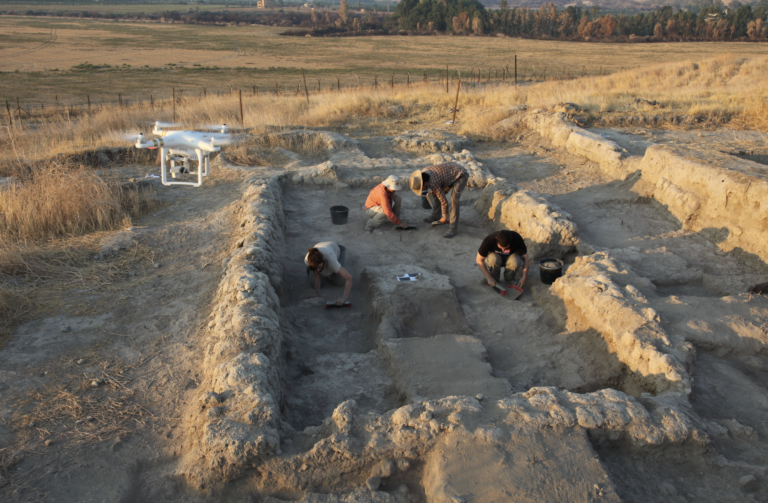
The site Tel Tsaf of the archeology dig in Israel where the ancient cotton fibers were found

Humans were already making textile products tens of thousands of years ago, creating fibers from various plants, such as flax, Rosenberg explained.  However, many fabrics and other organic materials tend to disintegrate rapidly if they are not preserved in dry or inorganic environments. As a result, these fibers are usually not found at sites in the Mediterranean climate zone, and most of the evidence comes from later texts and drawings, or from implements that were evidently used to manufacture textile fibers and products.

The location of where the ancient cotton was found is in a very hot area of Israel not far from the Sea of Galilee and close to the town of Afoula. To be more precise the ancient village was close to Kibbutz Sde Elihayu, where I lived for a year, working and studying. The kibbutz helped change the idea of organic agriculture in Israel, thanks to one of its members Mario Levi who I worked with in the fields for a short time.

Working to understand village dynamics

Back then, the village was called Tel Tsaf village and a home for a community of probably hundreds of people who thrived around a spring. The village thrived for some five hundred years, and one of the mysteries surrounding the site is why it ceased to be inhabited, given that there is no evidence of any distress or lack of resources.

This is one of the areas in which the researchers hope to invest a real effort over the coming years. “This was a period when small agrarian villages were beginning to expand and grow, and when the social structure was becoming more complex, creating the foundation for the later development of the important city-states in the region and facilitating the emergence of important technological and culinary innovations.

“We’re still trying to understand why at such an important junction in human history such a prosperous site simply ceased to exist,” the researchers. 

To the best of the researchers’ knowledge, modern-day cotton comes from four original sources – two in South and Central America; one in the Indus Valley, in modern-day Pakistan, where there is evidence of the use of cotton dating back some 6,000 years; and lastly in Africa, where the evidence concerning
the use of cotton dates back to the first century CE.

Studies of ancient DNA have shown that cotton was domesticated independently and separately in these regions. Although it is impossible to determine whether the cotton at Tel Tsaf was manufactured from domesticated plants, the researchers believe that the early dating of the site means that it is
highly probable that the cotton fibers came from the Indus Valley, rather than from a source
in Africa second old-world candidate.



A Complete Guide to Digital Thermostats

0
Smart thermostats like Net and Tado help save energy
Save energy and carbon emissions with a smart thermostat

The adoption of smart thermostats has skyrocketed in recent years. They are also being installed in many older homes. They’re amazing tools that enable you to regulate every facet of your home’s environment. Many of us have undoubtedly seen advertisements for smart thermostats on sites like Amazon or at stores like Home Depot.

A digital thermostat, often known as a programmable thermostat, can be used to regulate the temperature in a home. It’s possible to do this by programming your home’s thermostat to maintain different temperatures at various times of the day. Before you turn in for the night, you may want to lower the temperature by five degrees.

To avoid forgetting to turn on the heat because you’ve been too busy, you can program your smart radiator thermostat to do so automatically every night at midnight. To help you get ready for the day, you can set the thermostat to increase the temperature by five degrees every morning at 6 a.m. during the work week. If you want to wake up to a warmer house on the weekends, you can set the thermostat to do so at 8 a.m.

The Benefits of a Digital Thermostat System

It’s easy to list the benefits of using a digital thermostat, such as:

  • The temperature in your home can be adjusted to your liking with the help of a programmable thermostat.
  • Intriguing features and extensive customization make a programmable thermostat hard to ignore.
  • An analog dial thermostat only gives a rough estimate of the temperature you’ve set it to. You could be misreading the temperature by as much as four degrees, from 19 to 23 degrees Celsius.
  • Consumer Reports found that switching to a programmable digital thermostat can cut heating and cooling costs by up to $180 annually.

What Can You Expect From a Modern Digital Thermostat?

A digital thermostat includes several different functions, such as:

  • As we’ve established, you may program different temperatures for the morning, midday, evening, and night. Additionally, the temperature can be locked so that it cannot be altered.
  • It is possible to divide a program into two halves, one for the winter and fall and another for the summer.
  • You can set the thermostat to notify you when it’s time to replace the filter in your furnace or central air system.
  • Some modern digital thermostats feature Wi-Fi connectivity, allowing you to adjust the temperature from anywhere in the world using your smartphone.

The Importance of Resetting Your Digital Thermostat

When dealing with typical issues like poor airflow and variable indoor temperatures, it is not always necessary to fix or replace an HVAC system. Resetting the radiator thermostat may be the only thing needed. With this simple method of troubleshooting, you won’t have to spend any extra time or money to get things back on track. If your thermostat still doesn’t work after being reset, it’s time to call in the experts from your heating, ventilation, and air conditioning system.

A Concise Guide to Resetting Your Digital Thermostat

The uniformity of technological processes is a benefit. While Windows and the Mac are as different as a Tesla and a Toyota, they share many features. Follow these standard procedures to factory reset your device. We think you could get by with only one!

By performing a “factory reset,” all of your changes are wiped out. All of your personal preferences and settings, including alarms and timers, will be erased. However, if your radiator thermostat is faulty, it will be useless regardless of how much you try to fix it.

Turn It Off

If you’re having trouble with a piece of technology, try turning it off and back on again. Just give it a minute or two of your time. In doing so, any settings (or bugs) that were just temporary will be removed from its working memory.

Just Get New Batteries

Your thermostat could be dying since it runs on batteries. It’s possible that only swapping out the old ones for new ones (and wiping away the grime) will do the trick.

To get started, just turn the knob to “on.”

Turning the electricity back on at the breaker box may be necessary before resetting the air conditioner’s thermostat. Stop the air conditioner from running by switching off the breaker that supplies power to it. After waiting at least 30 seconds, power up both the box and the device again.

Put the batteries back in.

It’s unlikely that batteries could perform a complete factory reset. Take them out and put them back counterclockwise. If it did its job, regular operation should be restored.

Conclusion

Is a digital radiator thermostat something you’d like to get for your house? The professionals at tado° can advise you on how to cut costs and consumption. Our trained professionals are equipped with the knowledge and skills necessary to ensure your family’s comfort and safety during the cold winter months. Your electric bill must be affordable as well. We appreciate you taking the time to read our piece about digital thermostats. If you have any further inquiries, please email us at tado°. We’re here to assist you and would be pleased to do so.


Zeolite crystals as energy storage of the future

0
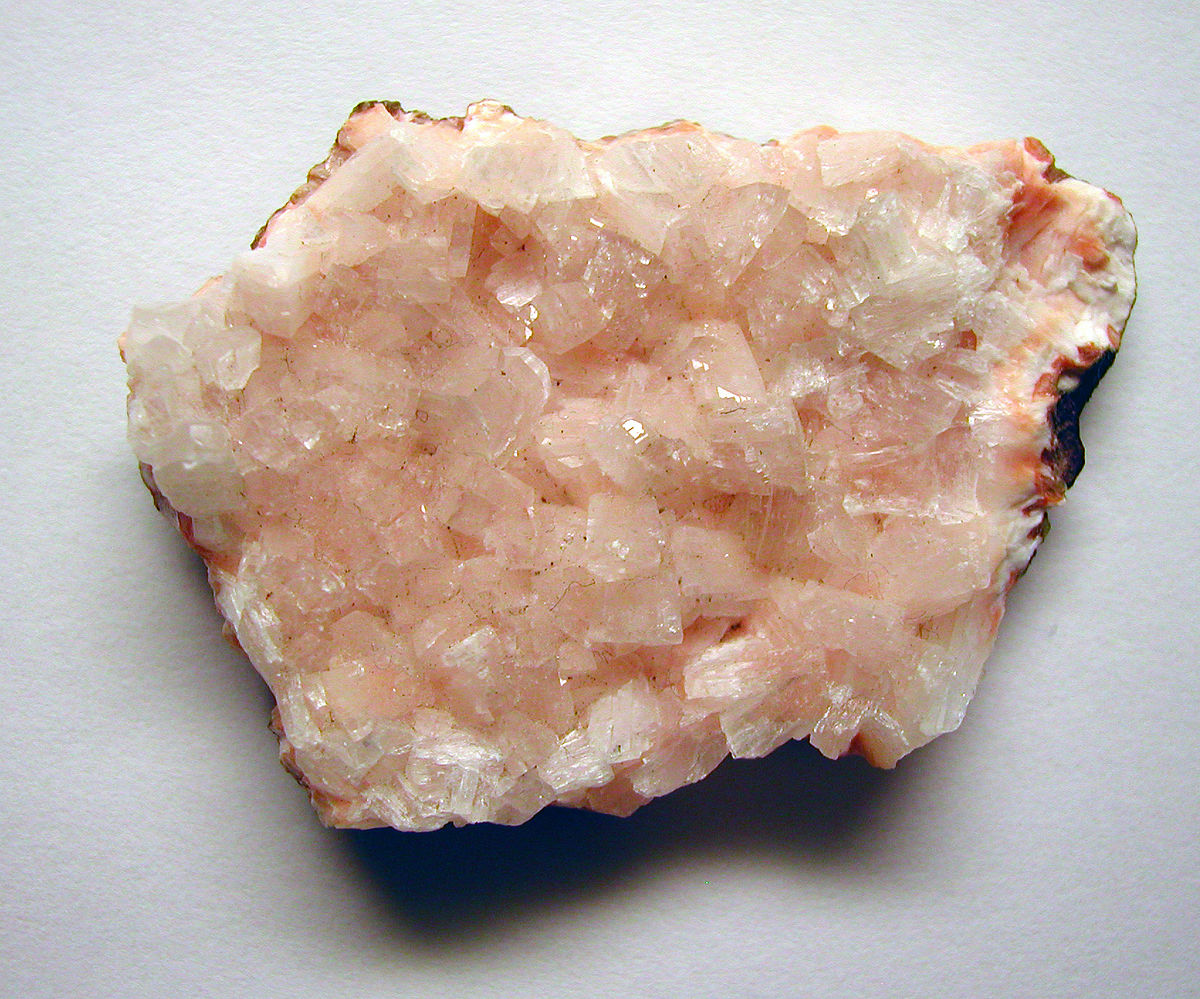
heulandite, a common zeolite for storing energy
A common material called a zeolite might lead to breakthroughs in energy storage

It was 1999 and we were preparing for Y2K, the millennium bug. Winter had already come and we placed a reusable heat pack into a pan of boiling water and let the white lump of sodium acetate melt into its clear liquid form.

As the liquid gradually cooled to room temperature it went into a supercooled state below the temperature where it normally should be solid. All it would take is for something to disturb it, a click of its embedded metal disk, to shock it to “remember” that it was supposed to be solid. It would then solidify and give up the excess stored heat.

You can find people experimenting with supercooled water, beer and other liquids on youtube. There is a legend of a supercooled Russian lake that froze solid, entrapping a herd of horses. Our story is more mundane but less tragic. We threw this heat pack into an emergency box in the attic and forgot about it after moving overseas.

Years later when we were preparing to sell the house we discovered the heat-pack was still in its liquid form. It had been subject to the -2°C to 50°C temperature range in our attic for several years. I clicked the clicker and watched the magic wave of crystallization and felt the warmth that had been stored in that pot of boiling water back in the 1990s.

Hothands warmers, handwarmers
Hothands handwarmers use zeolite energy!

I’d been thinking about Ukrainian people without power and heat during a frigid winter. Iceland has plenty of geothermal energy, North Africa and the Mideast have plenty of solar energy. I woke up in the middle of the night wishing there was a way to transport that heat and thought of those heat packs. But even in those bleary-eyed hours something told me that handwarmers would not store enough energy to make their transport worthwhile. The very next day GreenProphet’s founder and editor Karin Kloosterman told me she had heard that Germans were experimenting with Zeolite to store solar energy.

Swedish mineralogist Axel Fredrik Cronstedt who noticed that on heating, this mineral produced large amounts of steam. So he gave it a name that comes from Zeo the Greek word for boil and lithos, the Greek word for stone. So Zeolite is a boilstone.

Amman Mining Company explains:

Zeolite minerals are known as aluminum silicate, mainly sodium and calcium minerals and water. They are naturally formed from the interaction of ground water with volcanic rocks or clay minerals. Zeolite is made up of a group of natural minerals that are very useful in agricultural, industrial and environmental fields. Modern agriculture is witnessing large and wide uses of zeolite due to chemical and physical properties.

The zeolite ores in the Hashemite Kingdom of Jordan are located in many areas from the north east to the south and discovered on the surface and close to the roads in most geological discoveries.

According to the Memorial Sloan Cancer Society, Zeolites are used in detergents, water and air purifiers. They are also marketed as dietary supplements to treat cancer, diarrhea, autism, herpes and hangover, to balance pH and remove heavy metals in the body.

About 40 natural zeolites have been identified during the past 200 years; the most common are analcime, chabazite, clinoptilolite, erionite, ferrierite, heulandite, laumontite, mordenite, and phillipsite.

Zeolite is beginning to sound like cryptocurrencies, nanotubes and plastics. But wait there is more! Apparently zeolite can also dry dishes, clean oil spills, concentrate oxygen, remove methylene blue from textile wastewater, be used as kitty litter and clean nuclear waste. Zeolite does seem to be the jack of all trades of the material world. Watch this space for more on an amazing material that gives Graphene a run for the money.  But can it store heat energy? Yes it can!

There are three main ways a material can be used to store heat energy in Thermal Energy Storage (TES) systems:

  1. Direct thermal mass: Hot water bottles, hot water tanks, stones, irons and oil-filled electric heaters use this method. Heat a large mass with a high heat capacity and it will stay warm for a long time.
  2. Latent Heat Phase transition: Those sodium acetate heat packs use this method. Heat something above its melting or boiling point and store it in that state. When a liquid freezes or a gas condenses, it returns to its lower energy phase and releases this stored heat. A block of ice is a very old and well-tested example of phase transition thermal energy storage even though it is the reverse of what we are looking for in seasonal heat storage systems. Halotechnics’ molten-salt used in Masdar’s solar-thermal power plants is another example.
  3. Thermo-chemical: Most exothermic (heat-producing) chemical reactions are not easily reversible. So while it’s easy to burn wood, coal and oil, the process of turning CO2 back into wood, coal and oil takes a great deal of energy and time, decades or millenia. But a few exothermic chemical reactions can be reversed over a short time scale and a reasonable high efficiency. The reaction where water molocules cozy up into the microporous structure of zeolite is one such reversible exothermic reaction.

According to an article published in Frontiers in Energy Research, the zeolite water reaction can have thermal storage densities of 50–300 kWh/m3. This compares favorably with water thermal mass storage of only 0 to 70 kWh/m3. Currently available zeolites are not yet commercially viable for thermal storage but there is room for improvement. Just as sugar, flour and eggs can be baked into many different, zeolites are class of minerals with thousands of possible variations of the same basic elements. Scientists have been experimenting with these to try to produce higher efficiency.

Heidrun Klostermann manages the ZeoMet project at Germany’s Fraunhofer Institute for Organic Electronics, Electron Beam and Plasma Technology with a goal of producing zeolites with higher heat storage efficiency. In a Fraunhofer press release he explained:

“We coated the zeolite pellets with aluminum – this doubled thermal conductivity after just the first attempt without negatively impacting water adsorption and desorption. We are currently aiming to increase this by five to ten times through adjusting the coatings.”

The solution is unlikely to come in time to help keep people warm during this winter, but they are making progress. The Fraunhofer article also explains that because Zeolites can be used to take and store heat from where it isn’t needed and release it where and when it is needed, it also can be used for cooling and drying. A variation of this is used in a Bosch dishwasher. We look forward to seeing what other spinoffs come from research into this versatile material!

NASA space mission to monitor Earth’s water

0

California’s aquifers have dried up while lack of water continues ongoing conflicts in the Middle East. Unless you know what you have, you can’t know how to protect it. America’s NASA, which needs no introduction, and the French Space Agency, Centre National d’Études Spatiales (or CNES) are starting to observe and monitor our planet’s water like never before. Canada’s Space Agency and the UK’s Space Agency has also chipped in.

The project aims to observe nearly all the water on our planet’s surface from low-Earth orbit over a period of three years. The satellite will measure the height of water in freshwater bodies and the ocean on more than 90% of Earth’s surface. This information will provide insights into how the ocean influences climate change; how a warming world affects lakes, rivers, and reservoirs; and how communities can better prepare for disasters, such as floods.

After that, space junk

The satellite was launched from a SWOT spacecraft launched atop Elon Musk‘s SpaceX rocket from Space Launch Complex 4E at Vandenberg Space Force Base in California. 

China Turpan Depression, measured by NASA
The Turpan Depression, nestled at the foot of China’s Bogda Mountains, is a strange mix of salt lakes and sand dunes, and is one of the few places in the world that lies below sea level.


After SWOT separated from the second stage of a SpaceX Falcon 9 rocket, ground controllers successfully acquired the satellite’s signal. Initial telemetry reports showed the spacecraft in good health. SWOT will now undergo a series of checks and calibrations before it starts collecting science data in about six months, the teams report.

“Warming seas, extreme weather, more severe wildfires – these are only some of the consequences humanity is facing due to climate change,” said NASA’s Bill Nelson. “The climate crisis requires an all-hands-on-deck approach, and SWOT is the realization of a long-standing international partnership that will ultimately better equip communities so that they can face these challenges.”

SWOT will cover the entire Earth’s surface between 78 degrees south and 78 degrees north latitude at least once every 21 days, sending back about one terabyte of unprocessed data per day. The scientific heart of the spacecraft is an innovative instrument called the Ka-band radar interferometer (KaRIn), which marks a major technological advance. KaRIn bounces radar pulses off the water’s surface and receives the return signal using two antennas on either side of the spacecraft. This arrangement – one signal, two antennas – will enable engineers to precisely determine the height of the water’s surface across two swaths at a time, each of them 30 miles (50 kilometers) wide.

“We’re eager to see SWOT in action,” said Karen St. Germain, NASA Earth Science Division director. “This satellite embodies how we are improving life on Earth through science and technological innovations. The data that innovation will provide is essential to better understanding how Earth’s air, water, and ecosystems interact – and how people can thrive on our changing planet.”

The clearest picture of Earth’s water, measuring millions of lakes

Among the many benefits the SWOT mission will provide is a significantly clearer picture of Earth’s freshwater bodies. It will provide data on more than 95% of the world’s lakes larger than 15 acres (62,500 square meters) and rivers wider than 330 feet (100 meters) across. Currently, freshwater researchers have reliable measurements for only a few thousand lakes around the world. SWOT will push that number into the millions.

Along the coast, SWOT will provide information on sea level, filling in observational gaps in areas that don’t have tide gauges or other instruments that measure sea surface height. Over time, that data can help researchers better track sea level rise, which will directly impact communities and coastal ecosystems.

Such an ambitious mission is possible because of NASA’s long-standing commitment to working with agencies around the world to study Earth and its climate. NASA and CNES have built upon a decades-long relationship that started in the 1980s to monitor Earth’s oceans. This collaboration pioneered the use of a space-based instrument called an altimeter to study sea level with the launch of the TOPEX/Poseidon satellite in 1992.

Cooperation for the Climate

blond woman at Dead Sea
The Dead Sea is shrinking. Can compelling satellite images help protect our salty seas and lakes and freshwater supplies?

“This mission marks the continuity of 30 years of collaboration between NASA and CNES in altimetry,” said Caroline Laurent, CNES Orbital Systems and Applications director. “It shows how international collaboration can be achieved through a breakthrough mission that will help us better understand climate change and its effects around the world.”

SWOT measurements will also help researchers, policymakers, and resource managers better assess and plan for things, including floods and droughts. By providing information on where the water is – where it’s coming from and where it’s going – researchers can improve flood projections for rivers and monitor drought effects on lakes and reservoirs.

“SWOT will provide vital information, given the urgent challenges posed by climate change and sea level rise,” said Laurie Leshin, NASA’s Jet Propulsion Laboratory (JPL) director. JPL developed the KaRIn instrument and manages the U.S. portion of the mission. “That SWOT will fill gaps in our knowledge and inform future action is the direct result of commitment, innovation, and collaboration going back many years. We’re excited to get SWOT science underway.”

Get a degree in cannabis

0
Cannabis school new york
Want a certificate in medical marijuana, endorsed by New York? get in on the first classes

From toking and smoking to moms who sell “Weed” in TV shows, cannabis has come a long way since my college friends had to dig holes in their walls to grow their medical cannabis in Toronto, in secret. As states hand out medical licenses for growing operations and businesses, universities and colleges, too, want to capitalise on cannabis, a $22B USD market in the United States today, and set to be a $130B market in 2030.

The New York University (NYU) School of Professional Studies is now offering a Certificate in the Business of Cannabis, in the Spring 2023 semester. The Certificate, according to the school, will foster an in-depth understanding of the cannabis industry and its professional opportunities.

Become a Masterchef of cannabis

Students will have the opportunity to learn about the unique aspects of the industry, including cannabis cultivation techniques, managing a dispensary, financial regulations, medical cannabis, and cooking with cannabis.

“NYU SPS developed this program in collaboration with industry professionals and thought leaders in the field, many of whom will also teach our courses,” said June Chin, MD, an adjunct professor at the School who helped to create the Certificate program and will teach The Chemistry of Cannabis: Medicine, Wellness, and Product Use in the Spring.

A noted expert in developing medical cannabis protocols for the industry and internationally accepted methods for cannabinoid formulations, research, education, and training programs, she added, “This Certificate provides a distinctive credential for those seeking to develop the skills to transition into this thriving market.”

The Certificate consists of a required introductory course, Overview of the Cannabis Industry, which will include a visit to a local dispensary to learn firsthand what dispensaries do and how they operate. Upon completion of the introductory course, students are required to take four core foundational courses: Managing a Cannabis Dispensary and the Regulation of Operations; Cannabis Sales and Marketing; The Chemistry of Cannabis: Medicine, Wellness, and Product Use; and Cannabis and Social Equity Policy.

If I were in New York right now, I’d sign up. Cannabis has been a thing, where I live in Israel. We have Raphael Mechoulam, the first to isolate THC and CBD in the 60s, and we have Jewish convert Dr. Alan Shackelford who comes and goes, bringing his wealth of clinical experience and how cannabis works in real patients. He was the first doctor to treat Charlotte Figi with epilepsy. 

Bank in about 2015 I founded a cannabis conference calling it Canna Tech, out of Israel. Later, I filed a patent that might help in operating a greenhouse if you are developing anything in robotics or IoT. Interested? reach out. [email protected]

The Future of Transportation: The Rise of Electric Car

0
Quant Nanoflowcell
Some electric cars use lithium-ion batters. The Quant is an electric car that stores its energy in salt.


International transportation conferences are now abuzz with talk of the rise of the electric car. In particular, many experts believe that this type of vehicle has the potential to completely transform global transportation as we know it. So, what exactly is an electric car? And how could it shape the future of transportation.

The current state of electric cars – what are they and how do they work

Electric cars have become an increasingly popular trend in recent years, thanks to their eco-friendly attributes and convenience. But what are electric cars and how do they work? 

Electric cars operate using electricity stored in high-capacity batteries, which power an electric motor instead of an internal combustion engine like gasoline-fueled vehicles. This can allow for greater acceleration levels and better fuel economy due to the motor’s efficiency. 

Moreover, electric cars often emit fewer pollutants than gasoline cars, making them environmentally friendly. Given their multiple advantages, it is not surprising that more and more drivers are choosing electric cars over traditional vehicles.

The rise of the electric car is revolutionizing the transportation industry, and its associated insurance industry is no exception. With more electric cars on the roads, insurance companies must contend with the challenge of forming efficient, yet fair policies. Insurance providers in all countries are reviewing existing policies and attempting to factor in changes to risk factors due to electric vehicles. 

Why electric cars are the future of transportation

Ceer saudi arabia EV electric vehicle, with BMW parts
Ceer is an electric car from Saudi Arabia, using BMW parts

Electric cars represent the future of transportation due to their environmental friendliness, cost savings, and convenience. Starting with environmental friendliness, electric cars are powered by clean energy sources like solar and wind power and don’t produce any pollution or emissions. 

This makes them preferable to gasoline-powered vehicles which contribute to air quality issues throughout the world. In addition to being green, electric cars are also very economical to operate since they require far less upkeep than traditional cars and it’s much cheaper to power them than fill a gas tank. 

Finally, electric cars offer convenience not found in other vehicles – charging is increasingly simple compared to refueling at the gas station and can usually be done from home. Ultimately, electric cars are the sustainable way forward for transportation that provide enough practical advantages for people of all walks of life to enjoy the many benefits of electric mobility.

The benefits of electric cars – for the environment and for consumers

Tesla Cycbertuck
Tesla Cybertruck: renewable energy, electric or hydrogen?

Electric cars have become increasingly popular among modern consumers, providing a number of benefits for both the environment and the individuals who choose them. 

From saving money on gas to fewer emissions, electric cars offer a great way to protect the environment while also decreasing your expenses over time. Not only are they more cost-effective than traditional gas-powered vehicles, but they also produce less sound pollution that can impact the air and water quality in nearby areas. 

Furthermore, many electric cars generate no tailpipe emissions at all, meaning your everyday drives will help to reduce air pollution drastically. For those looking for a true green transportation option, switching to an electric car could be the answer.

The challenges of electric cars – infrastructure and cost

Electric cars have been gaining in popularity in the last few years, but they still face significant challenges due to infrastructure and cost. While municipalities and private industry are making rapid strides in improving charging stations for electric car owners, it is still difficult for much of the population to find a place to charge up their vehicles. 

This lack of reliable charging stations is a major issue preventing many people from investing in an electric vehicle. In addition, electric cars tend to be considerably more expensive than gasoline-powered alternatives, which adds another issue for potential buyers looking at this type of vehicle. 

Given the number of obstacles standing in the way of fully embracing electric vehicles, it is clear there is still much work to be done before these cars become commonplace on public roads.

How to prepare for the rise of electric cars

Elon Musk Tesla - Israel
Hey Elon – can you solve the problem of mining for lithium needed to run Teslas?

The rise of electric cars will be one of the most important environmental milestones of our times. Although the technology is already in place, there are still some steps that citizens and policy makers can take to ensure that this transition to electric cars is as smooth as possible. 

Setting up charging stations and incentivizing people to switch over from petrol powered cars are two key strategies for helping speed up adoption of these energy-saving technologies. 

Additionally, programs such as dedicated lanes for electric car users, increased tax deductions, and improved education about their sustainability benefits could help create a robust environment where electric vehicles can thrive. With the right approach and dedication from stakeholders, it is possible to make this shift a success!

Electric cars are the future of transportation. They offer many benefits over traditional petrol and diesel cars, including being better for the environment and saving consumers money on fuel costs. 

There are some challenges that need to be overcome before electric cars can truly take over from petrol and diesel cars, such as infrastructure development and decreasing battery costs. However, these challenges are surmountable with time and preparation. Are you prepared for the rise of electric cars?


Arabs aim for the moon

0

UAE to the moon, lunar mission Arab world

The United Arab Emirates has launched a moon mission. With notions of colonizing Mars on the horizon, it’s high time for space explorers to get their space legs on the moon. That’s the sentiment in the latest space race, with the UAE launching its lunar mission this month, Dec 11. 

The UAE launched the Emirati-made Rashid Rover on a Japanese lunar lander, which was sent to space on a SpaceX Falcon 9 rocket from Cape Canaveral Space Force Station in Florida, USA. Aiming for the moon is a collaborative mission and all global-scale projects should operate this way. 

This makes the UAE the first Arab country to launch a mission to the Moon. Israel, nearby and a friend to the UAE, will launch a “moonian” probe in 2025 to see if plants can grow on the moon. 

Meanwhile the UAE has plans to live on Mars in 100 years. Some entrepreneurs are also calling for much-earlier moon colonisation. Makes sense as it’s closer to home. But a sustainable idea when the earth is on fire? 

About the Rashid Rover

The UAE lunar lander carrying its Rashid Rover will take a five-month 250,000 mile journey to the surface of the Moon.

“We are launching the first-ever Arab mission to the moon by 2024. The lunar rover will send back images & data from new sites of the moon that haven’t been explored by previous lunar missions. The gathered data will be shared with global research centers & institutions,” tweeted the ruler of Dubai and vice president of the UAE, Sheikh Mohammed bin Rashid Al Maktoum.

The four-wheel rover weighs 10kg and was was built at the Mohammed bin Rashid Space Centre in Dubai. It will spend one lunar day (which is 14 Earth days!) on the Moon.

The launch comes just shortly after that of NASA’s Artemis I lunar mission.

Why are Arabs going to the moon?

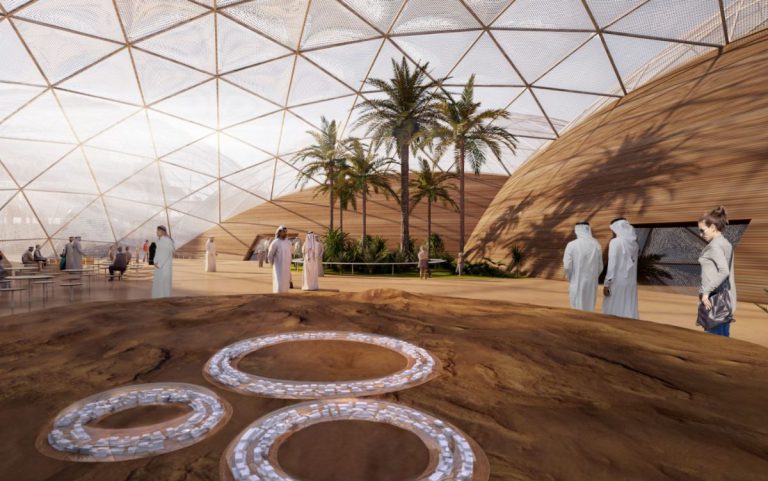
inside-mars-biodome
 Arabs also want a shot of living on Mars

The expedition is a science mission to study lunar soil, the petrography and geology of the Moon, along with dust movement, surface plasma, and the mon’s photoelectron sheath. The team isn’t sure, but sure hopes the rover can survive the lunar night when temperatures plunge to -297.4°F (-183°C).

The UAE is already planning its next mission, along with China. And China is one of the reasons that the US is going back to the moon after 50 years. With the Arab world growing close to China in many markets, electric cars are one of them, the US will want to sway the needle over to their direction. Politics is pushing us to the moon as China plans on sending astronauts to the moon in another 8 years.

Nature writes: The rise of powerful private companies such as Elon Musk’s SpaceX, based in Hawthorne, California, has brought new public enthusiasm for space exploration, as well as new ways of delivering it. NASA has contracted SpaceX to deliver Artemis astronauts to the lunar surface using the enormous Starship, with which Musk dreams of colonizing Mars.

The money is there. The interest is there. The politics are pushing.

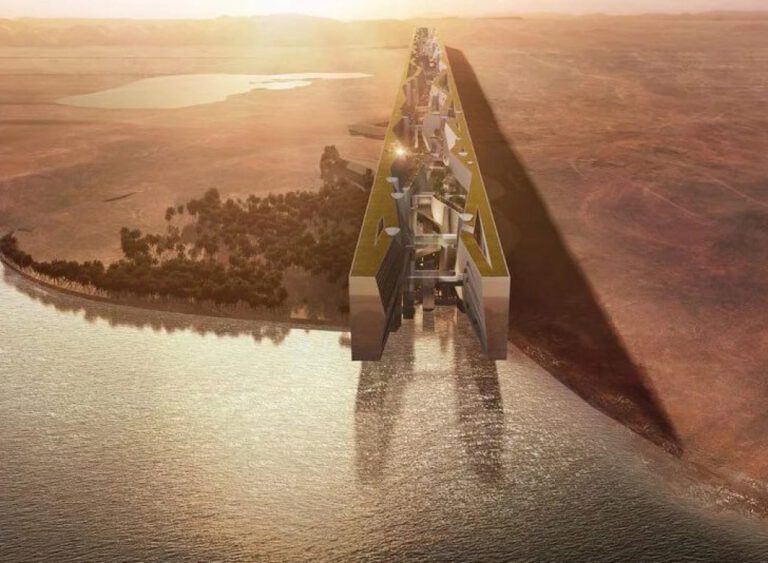
Saudi Arabia’s The Line construction seen by satellite

0
 

MIT The line, satellite imageNew hidden imagery not found on Google Earth, and hidden since March reveals construction progress on The Line in Saudi Arabia.
Architects are salivating over what money can do, while environmentalists fret over the idiocy of the scale: Saudi Arabia has decided to go ahead with a $500 billion project, a miles long linear city called The Line. The idea is a carless, all-in-one city in the middle of nowhere that extends through the desert into the sea. 

The plan was announced in 2021 by Saudi Arabia’s Crown Prince Mohammed bin Salman of Saudi Arabia. MIT Technology Review revealed that it has satellite imagery of the new vertical city with building in progress. The review paper also said that while high-res satellite data is often accessible, for The Line it is not and it is likely someone is paying for it to stay that way.

“The strange gap in imagery raises questions about who gets to access high-res satellite technology. And if the largest urban construction site on the planet doesn’t appear on Google Maps, what else can’t we see?”


Satellite imagery, MIT, The Line

Satellite imagery of The Line, under construction. The area of The Line, highlighted in yellow, shows numerous excavators in the area (red dots) moving earth to the areas in purple. Blue dots representing construction vehicles can be seen throughout the base for the construction workers. Arrays of solar panels have been shaded in green.

Soar Earth, an Australian company that aggregates satellite imagery into a digital atlas, suggests that 26 million cubic meters of earth and rock. They haven’t estimated how many people have been displaced for the construction and Saudi Arabia is hiding the murder of an activist Bedouin who refused to be transferred from his land. Members of his family are in prison, facing the death sentence

The Line will be about 150 miles long and less than half a mile high, with residents zooming around in space age electric taxis and underground shuttles. We suggest Saudi Arabia look to Dubai for a city of the future where the ruler of the UAE emirate announced plans for a 20-minute city

The Line however is more in line with pouring oil money, as part of the Saudi Vision 2030 project meant to update and modernize Saudi Arabia, bringing jobs to its people. Saudi Arabia claims The Line will create 460,000 jobs and add $48 billion to the country’s GD; that it will diversify its economy, and reduce its reliance on oil. 

This so called “zero carbon” megacity, built with oil money, is expected to house 9 million people, with homes to be powered with renewable energy. Expected completion date 2030. 

We think that this Iranian version of The Line is a much more practical and sustainable way to build a linear city. 

Infarm’s urban farm hydroponics lays of 50% of its team

0
Infarm team using hydroponics to grow food indoors
The Infarm team

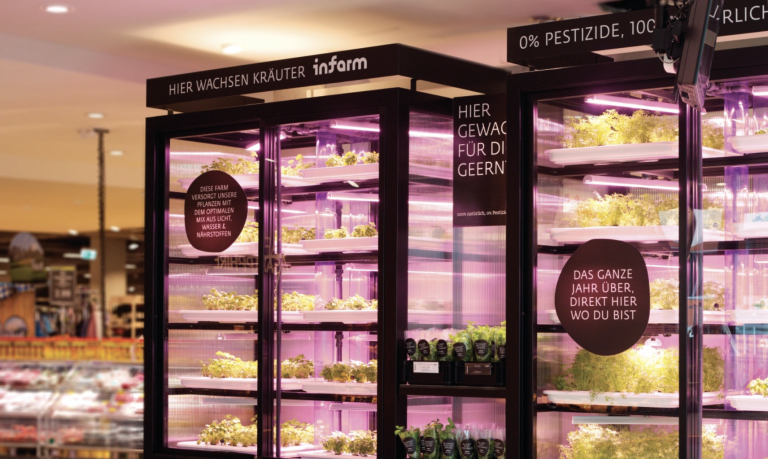
They were the darlings of Europe: an Israeli team planted in Berlin turning the city’s food source from unsustainable to super local. They were building grow chambers in supermarkets for fresh herbs and lettuce and the idea spread like wildfire. Like most and maybe all urban farming projects that rely on hydroponics – growing food in water, with nutrients added, unless you are selling cannabis products (medical marijuana), vertical farming is yet to make much sense beyond education and as a social project. 

I know because I had a venture in this space (using IoT and robotics) for about 5 years and time and time again I heard from urban farm owners how difficult it was to turn a profit. Some also told me that no urban farming container project would ever make money. The amount of labor and energy inputs, not to mention set-up costs were prohibiting profitable businesses. Unless, of course, you were using the grow containers to grow weed, making it VERY profitable. The cost of weed per ounce versus the cost of lettuce? You do the math.

Back to this story: in 2020 with Covid fears for food security abounding, InFarm raised millions ($170 million USD to add “farms” to cities). The startup had farms in about 1,800 retail stores in 11 countries. Well we know they aren’t really farms because real farms have dirt and hard manual labor and manure.

Infarm also raised about $604.5 million from the Qatar Investment AuthorityLightrock and others. Like Amazon, Twitter and Meta, Infarm grew faster than it could sustainably handle.

The penny dropped in a recent letter to employees called “Infarmers”. About 50% of the staff would be let go. Could it be that cash-strapped Europeans are now buying non-organic or less local produce as they look to save money on rising fuel costs? No doubt rising fuel costs in Europe amount to higher costs for a venture that relies on electricity for food.

Infarm hydroponic grow chamber
Infarm builds hydroponics chambers in city centers


Here’s part of the letter the team sent to their staff. It is abridged.

Infarmers: In our current setup, we recognise that Infarm cannot withstand the challenging market conditions, particularly with regards to escalating energy prices and tough financial markets. We have to adapt our ambitious growth targets and increase our efficiencies to make our business profitable, and continue the pursuit of our long-term mission.

The tough reality is that this shift and the reduction of our production sites will have a significant impact on people. Exact numbers are still to be determined, but current proposals mean that over half the workforce (around 500 employees) will leave the company.

Recently, some critical market factors have worsened, these directly affect our industry and our operations. Energy prices have escalated (doubled across Europe), which puts a lot of additional pressure on our business and seriously impacts our cost of production in affected markets. This is in addition to inflation, supply chain disruptions and rising material costs. Economically, this is a difficult period across the globe and many people and businesses are impacted.

What Infarms are working

  • Frankfurt (Germany), Copenhagen (Denmark), and Toronto (Canada) will stay. In these markets, we have established strong retailer relationships and secured contracts of significant volume and can therefore achieve profitability in 2023. In addition, we will open our Growing Centre in Baltimore (Maryland, US) to serve the tri-state area,” the letter states. 
  • We are proposing to downsize our operations in the UK, France and the Netherlands.
  • We will optimise our InStore farming network to key clusters.
  • Further, by prioritising our high-yield industrial scale farming units (ACREs) we will continue to reduce production costs and resource use resulting in better-priced and more sustainable produce for consumers. We have already achieved yields of more than 100 kg/ m2/year for herbs, 150 kg for lettuce and have record breaking harvest performance of more than 95%.
  • We will relocate our modular ACRE farming units to the newly defined core markets.
  • In Japan, we are reviewing our operations.

Urban farming downturn

Infarm is just one of a series of indoor farming companies to announce layoffs and/or shutdowns. Also in November, the Netherlands-based Glowfarms stopped all activities, and the US vertical farm Fifth Season closed shop. The indoor farm robot startup Iron Ox laid off 50% of its staff and Texas’ AppHarvest reported it’s running out of cash. 

Cannabis operations or the growing of high-value nutraceutical crops may save tech greenhouses made for food at least until we have free, sustainable energy. But the move needs to happen fast.

Let’s celebrate Dubai’s 20-minute city

0
Sheikh Mohammed bin Rashid visited Bustanica
Sheikh Mohammed bin Rashid visited Bustanica, an urban hydroponics farm in Dubai. He plans that 80% of his city will be available to everyone within a 20-minute sustainable bus, train, walk, or bike journey.

Dubai was built in a New York minute, so fast that things like sewers couldn’t be dug to truck out human waste from the Burj. Dubai and the United Arab Emirates, in general, has a scale problem. But this Arab Gulf grouping of territories is open-minded and willing to change. Emiratis build fast, bold, beautiful and tall. They want everything that Europe has (like the Louvre) and they get it. But unlike others in the Middle East (Saudi Arabia’s ruler has delusional ideas about a sustainable city looking like Neom or The Line built from oil money), Dubai’s petroleum and natural gas money is thinking a little about our planet. 

Dubai which built Masdar, a failed sustainable city where no one lives, has a new plan. And it’s practical. Sheikh Mohammed bin Rashid, Vice President and Ruler of Dubai has announced that Dubai will become a 20-minute city. 

Vertical Forest Dubai, Stefano Boeri Architetti
A Vertical Forest for Dubai? Stefano Boeri Architetti

It means he will build out bike lanes, walkways, and transportation so that 80% of what you will want or need from your city is a 20-minute something-sustainable away. In essence the idea is to re-plan Dubai so that it is walkable and bike-able. That’s a healthy city. Like Rotterdam

With celebrity chefs like Eyal Shani from Tel Aviv moving into Dubai, the city is getting more sustainable by the day. Eyal treats vegetables like minor gods, and insists on using only hyper-local, freshly grown food so Dubai will be stepping up to the plate. (Urban farming is part of the plan for Dubai.)

A peace agreement called the Abraham Accords between Israel and the UAE has turned into a love story. At least for the Israelis who have travelled to Dubai. There will be more cross-pollination in clean tech and startups, we expect.

Sheikh Mohammed Bin Rashid Al Maktoum during the launch of the new phase

But, do consider: climate change mixed with July and August in Dubai sounds pretty fatal for pedestrians or cyclists, so we hope for tree coverage and shade where pedestrians and people will roam. (Modern mashrabiya?) Some estimates suggest that parts of the Middle East will be so hot, even the shade, that they will be inhabitable. 

A vertical forest concept for the future of Dubai sounds nice. Along with the 20-minute plan, Dubai’s advisers are leading Sheikh Mohammed him to the right direction. 

Do not feed the wild boars. We repeat…

0
wild boar corssing, Israel via New York Times
Wild Boar Crossing, Haifa. NY Times

Wild boars are slowly taking over a city in Israel. Over the last 10 years it seems that the sightings of the hairy and strong wild animals have multiplied by double or more. They are found playing in kiddie swimming pools, playing with lawn chairs, eating out of garbage cans, but the boars are becoming more of a problem in recent years as residents have started actively feeding them.

No one really knows why there are so many wild boars running around the northern city of Haifa these days. Some say it was a 2016 wildfire in the nearby forest that destroyed their habitat. Others say it is the 2019 ban on hunting, instated by the mayor. It could also be the COVID pandemic which inadvertently helped cities around the world re-wild. The feeding seems to be the biggest factor.

Grandma feeding the wild boars
Grandma feeding the cats, I mean, wild boars. NY Times

“They are controlling the streets now. It’s crazy.” Said one local in a NY Times interview

When faced with a 300 pound female boar, it’s a dangerous situation. There have been reports of the wild boars attacking children and pets and it’s a matter of time that a tragedy will strike if people don’t stop feeding them.

A new study by the Israel Nature and Parks Authority has found that about 1,000 residents of Haifa are actively feeding the animals, undermining efforts to prevent them from roaming the city streets. (Maybe it’s because they are originally European?) Some of the residents think they are feeding the local street cats but the boars enjoy the cat kibbles just as much as any kitten.

The city has efforts underway to control the wild boars, by pinning down garbage cans so they can’t be overturned, and fencing has been put up to limit access to the city, but the continued feeding has dampened any success.

Feeding them by hand lessens the natural fear response the boars should have to humans. The boars who show signs of aggression are euthanised and the city says they have euthanised about 200 in the last years.

Imagine Canadians feeding wild bears? It basically wouldn’t happen. People who live in the wild know the dangers of the wild. The wild boar problem in Israel is not the problem of nature. It’s the problem of us. It’s a social problem. If we keep expanding, creating habitat loss, the animals will have no where to go. 

How to join the sea circus

Sea clown Sustainable Circus
Hey ma, I’ve run away and joined a sustainable sea circus.

Dreams evolve with the times: 50 or 100 years ago, running away to join the circus was a far-fetched dream for plenty of kids and some adults. But today circuses are no longer about freak shows or entraining lions and elephants to do tricks. A sustainable circus of today features humans and tricksters, acrobats, aerialists and artists. With “circus” a class at my kids’ Waldorf School in Tel Aviv, we better plan for a lot more of our kids running away to join the circus. 

But where will they go? Perhaps to the sustainable circus at sea, The Sea Clown Sailing Circus currently travelling around our part of the woods in the Mediterranean. 

Sea clown Sustainable Circus, New York Times
Clowning around. Via the NY Times.

What makes the Sea Clown Sailing Circus sustainable is that the crew of 8 and sometimes more, moves from Greek island to island by sailboat, using the motor as infrequently as possible. If you are a musician, an acrobat or a sailor you are welcome to apply to the circus. If you have all 3 skills even better. 

“Our nomadic band of merry musicians and acrobatic activists combine the playful and daring spirit of the traveling circus with an attention to low-emissions travel and environmental impact,” write members of the Sea Clown Sailing Circus. “We have been inspiring and motivating audiences with our shows and unconventional modes of transportation for over 20 years, evolving from bicycles to boats and hoping one day to fly.”

Maybe by a salt, crystal or solar-powered airplane, because by choosing fair and sustainable practices such as sailing, rowing, cycling and solar energy, the sea circus says, “we try to maintain a mindful relationship with the ecosystems we come in contact with.

“While living communally on our small fleet of restored boats, we embrace recycling, repairing and re-using as a way of living, striving to have a regenerative effect on the planet and leave no harm in our wake.”

Sea clown Sustainable Circus

Tips for joining a circus

If you want to join the sustainable sea circus which docks at various Greek islands, you can reach out here. Just ask. 

I had a friend who joined a circus crew in France, a land-based circus, and in practice they played and built ideas together and then the group busked for a living on the streets in major cities and tourist stops. If street performance and acrobats is where you headed just try where you are local. Look for street performers and ask them about groups, mentors or places you can go to start. 

Acrobatics courses are becoming mainstream. While you may not live near a place that offers a high-wire there are plenty of aerial acrobats and aerial calisthenics and yoga classes in most major cities around the world. 

Get good at an instrument. Pianos and the contrabass aren’t good travellers, but taking up the accordion, trumpet or clarinet could be a good start.

If you want to travel sustainably, you can always find and sail your own boat or outfit a floating home: I had another friend who built a raft from plastic bottles (way before David de Rothschild built Plastiki) and sailed around the North Sea out of Germany as a sort of art and environmental statement. 

Art and clowning around, if done sustainably could be a far more satisfying job than being a global nomad tied to your laptop and selling NFTs. While it may not be a calling that will last forever, the Sea Clown Sailing Circus, at least some members from the group, have been making a life of it for 15 years.

Green Tech Gadgets to Try for an Eco-friendlier Lifestyle

0
floating home
Floating homes with the latest eco gear

With the effects of climate change increasing each year, it is high time for a few critical decisions. Consumers can contribute to the cause, which sometimes means limiting their use of particular tech gadgets. Or choose better. 

Learn about the benefits of green tech gadgets and tech gear, alongside the viable options you can purchase for yourself or as a gift in the coming days.

How to Classify Green Tech?

With so much information about green technology, it can be challenging to distinguish genuinely green gadgets. Green tech not only helps you reduce your carbon footprint but also allows for responsible and environment-friendly employment of most people who are part of its supply chain. 

Green tech means devices designed to have a lower impact on the environment. Many companies proclaim or plan carbon neutrality, and it is wise to pay attention to how companies perform these tasks. 

Why Choose Green Tech Gadgets?

Utilizing green tech gadgets can bring forth several positive changes.

Eco-Friendly Lifestyle

You can reduce your carbon footprint by using green devices which are more energy efficient or which run using solar power. Furthermore, many donate to charities worldwide to support afforestation and other eco-initiatives.

Promoting Responsible Supply Chains

When buying a green gadget, you support a responsible supply chain that doesn’t harm the environment.

Low Energy Costs

As several green devices are powered by solar panels, you need to charge them less frequently than regular gadgets. It also translates to a less expensive energy bill for the user.

Microsoft Ocean Plastic Mouse

ocean plastic mouse
A mouse made from plastic collected at sea

About 20% of this mouse’s shell is made from plastic filtered from oceans and waterways. That plastic is ground into fine bits and mixed with materials to create a scroller that offers a comfortable user experience. Microsoft even ships the ocean plastic mouse with packaging material consisting of wood and sugarcane. So, you can throw it away in your local backyard without harming any plants in or around it.

Google Nest Smart Thermostat

nest labs google
The Nest smart thermostat, owned by Google

It can be tedious to manage the air conditioning and heating of your home efficiently. The Google Nest Smart Thermostat does the job for you by integrating all systems and lending you intelligent control via your phone. 

You can adjust the setting in real-time and calculate your electricity savings. The system can also adapt to maintain the perfect balance of comfort and efficiency by monitoring your daily energy consumption. Smart lights are also a great solution to save electricity and waste less energy. 

Casetify Biodegradable Phone Cases

Whether you broke your phone or are just looking for an aesthetic change, biodegradable phone cases can help you keep your device’s looks and the Earth cool. Such cases take only weeks to break down into safer components for the soil, even enriching it with nutrients. While you can browse through several manufacturers, Casetify is an excellent choice for both Apple and Android smartphones.

Fossil FB-01 Solar-Powered Watch

Made entirely from plastic waste recycled from the ocean, this rugged watch offers a tough look on any wrist. The primary highlight is its microscopic solar cells that continuously replenish its battery so long a bright enough light source is present. Theoretically, you can wear this watch for decades without the dials coming to a halt. Not to mention that the strap is quite comfortable as well.

Adidas RPT-02 SOL Headphones

You may use your headphones for jogging or gym sessions to listen to motivating tunes. But the Adidas SOL-series headphones take that one step further by charging themselves with solar energy. The batteries can power them for up to 80 hours (for the RPT-02) after dark. Additionally, 87% of the plastic in the headphones is recycled.

Conclusion

And that concludes our list of the top green gadgets and gear you can use in 2023. No matter which one you choose, or all of them, you’ll be supporting an economy that is more responsive to the environment and the people as part of their manufacturing. 

8 ideas to create a sustainable kitchen

0
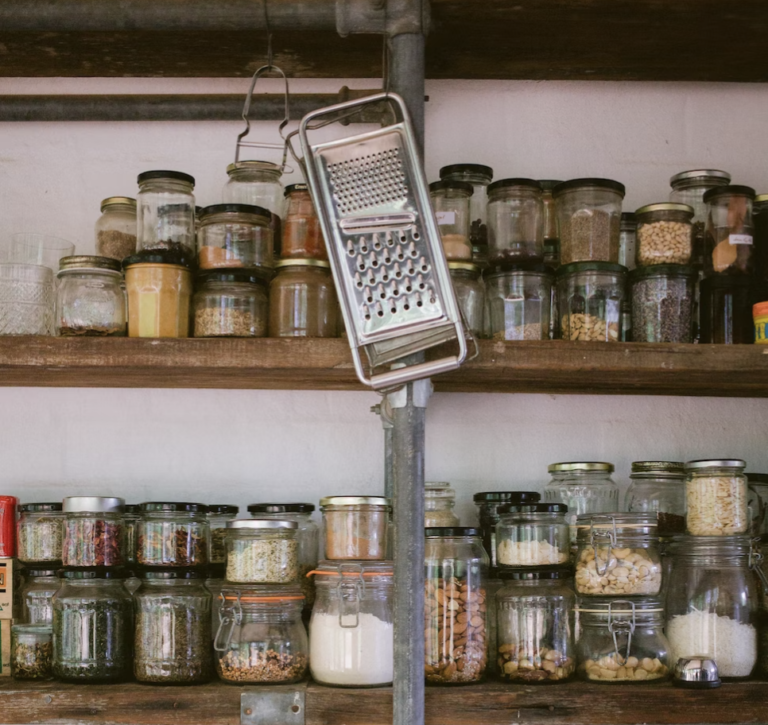
Sustainable kitchen, shelves, storage, open concept
A sustainable kitchen has loads of easily accessible shelves. So you know what you have and don’t buy twice.

Considering the impact of climate change, now more than ever, homeowners should choose an eco-friendly design for their kitchens. Fortunately, there are many ways to reduce the carbon footprint of your cooking space. It’s all about making conscious decisions that won’t harm the planet, such as using the right materials and construction methods.

There are many factors to consider in the design of a kitchen, and homeowners want to make the most of their cooking space so it can both look and feel good. Thus, they follow the kitchen triangle rule to achieve comfort and ensure there’s enough space for movement in the room. So, understandably, homeowners may wonder whether they can build a green kitchen without compromising its functionality and aesthetics. We’re here to tell you that’s definitely possible! Keep reading to learn more.

Consider cabinetry

Experts state that kitchen cabinets last up to 20 years until you have to replace them. Sadly, many homeowners opt for new cabinetry, even if the old one is still functional, only because they get bored of its aspect and want a different look in their kitchen. Unless your kitchen cabinets are highly damaged and don’t work properly anymore, there’s no point in replacing them. If you really want to breathe new life into your kitchen, you can do so by changing only the cabinet doors. Doing this is both cost-efficient and more convenient than buying new cabinetry. Alternatively, consider refacing your units instead of renovating them entirely.

Opt for eco-friendly flooring

The type of flooring you choose for your kitchen also plays a role in turning it into a sustainable space. The good news is that different green options are available, such as lino and cork. These two are genuinely sturdy, making them the perfect choice if you’re looking for durable, beautiful flooring obtained from renewable materials. Both are made from natural materials and can be a great addition to your kitchen, perfectly fitting the existing colour scheme. 

Linoleum and cork flooring both provide significant benefits, like underfoot warmth. However, the difference is that the latter requires less maintenance as it’s resistant to mould, water and scratches.

Add antique furniture  

vintage kitchen

Reducing waste is at the core of sustainable living. So, if you’re designing your kitchen with this in mind, you’ll likely succeed in making it as eco-friendly as possible. But don’t worry! You can still create the kitchen you’ve been dreaming of, as there’s no need to put up with those pieces you dislike. For instance, painting wood furniture is an excellent way to update your old pieces. 

Alternatively, you can opt for antique furniture that will add a sense of charm to your cooking space while also helping you contribute to a healthier planet. This type of furniture is timeless and an excellent way to incorporate quality craftsmanship into your home. It’s definitely a worthy investment that adds character to any modern home, making it look spectacular.

Be energy efficient

Lighting is a vital element of a kitchen’s design, and when it comes to sustainable spaces, you want to be as energy efficient as possible. Prioritising this aspect isn’t only beneficial for the planet but also for your finances. Make informed decisions when choosing lighting for your kitchen and ensure key areas get sufficient natural light. For instance, glass doors can maximise daylight in the area dedicated to cooking.

Consider replacing traditional bulbs with LEDs – they are cost-effective and have an increased lifespan of around 30,000 hours, which will help you save money in the long run. When selecting LEDs for your kitchen, make sure to check both their brightness level and the colour temperature. While warm whites create a cosy feel in your cooking space, cooler tones are suitable to work by.

Shop local

Buying from local kitchen suppliers is one of the best ways to reduce your kitchen’s harmful effects on the environment. That’s because it reduces the air miles of the materials and the final product, which translates into fewer vehicle emissions. If shopping locally isn’t possible for you, consider checking the eco policies of the company you want to purchase the materials from. That way, you’ll ensure whether they implement sustainable practices. You can also buy handmade products to showcase your kitchen’s uniqueness.

Use recycled materials

sustainable kitchen, dried legumes in jars,
Buy local and without plastic bags. Refill dried goods at co-ops or bulk shops.

Recycling is essential in creating a green kitchen. Luckily, many interior design brands have options for the eco-conscious homeowner, whether cabinetry, lighting, flooring or tiles. Opt for composite work surfaces and ensure the cabinet fronts are created with recycled materials. But most importantly, make sure they can be recycled at the end of their lifespan. For instance, most stainless-steel sinks are 100% recyclable and are aesthetically versatile, offering a modern vibe. Copper and bronze designs are also recyclable and durable.

Avoid toxic chemicals

Everyone wants to keep their space clean, but many people don’t know that cleaning products contain many toxic ingredients that harm the planet and individuals alike. Thus, make sure you purchase biodegradable detergents from reliable natural cleaning businesses. If you’re a DIY enthusiast, you can create the cleaning products yourself, as it is really easy – you only need everyday ingredients like baking soda and vinegar. This is a fun and budget-friendly way to create a sustainable kitchen.

Choose freestanding design instead of fitted

Freestanding kitchens are more than just a trend – they are a sustainable alternative to designing a cooking space. An unfitted kitchen is more flexible than a generic one, allowing you to make changes whenever needed and incorporate new pieces. It provides a unique feel due to the materials it is made of, turning your kitchen into a timeless and splendid room. You can reuse cupboards however you want, something you wouldn’t be able to do in a fitted kitchen. 

When designing a freestanding kitchen, you can choose among many designs. For instance, you may want to choose a farmhouse table that adds personality and interest to the room. Or, if you wish to exhibit a luxurious look, consider mixing different components. The options are truly endless – it’s all about choosing what best matches your preferences!

Last words

The kitchen is among the most wasteful rooms in your home, and it can have a detrimental effect on the planet. Following the tips above will help you create an eco-friendly cooking space; that way, you’ll play your part in protecting Planet Earth, which is your first home.


Hermès Dubai upcycles for falcons

0
Hermes falcon stand, Dubai, Petit h
Hermes pop-up shop Petit h creates a falcon stand for Dubai mall shop

Even though the idea started more than 10 years ago, Hermes shows it’s never to late to embrace upcycling and recycling. The French luxury design house established in 1837 which  specializes in leather goods, lifestyle accessories, home furnishings, watches and ready-to-wear brought its upcycled shop Petit h to Dubai last month. They called it Petit h Souk. Souk means market in Arabic.

Hermes, Petit h, Duabi Mall, luxury upcycing
Items in the “souk” at Petit h, Dubai
Hermes, Petit h, Duabi Mall, luxury upcycing
Scraps of luxury fabrics and leathers
Hermes, Petit h, Duabi Mall, luxury upcycing
A guitar and chair made from a horse saddle

Hermes, Petit h, Duabi Mall, luxury upcycing

The items on display are made from scraps and materials from the Hernes workshop while some products like the falcon stand (top image) appear to be made mainly out of new materials such as ceramic.

The idea of Petit h began as a sustainable solution to the waste problem at the workshop where the project’s founder, Pascale Mussard, frolicked as a young girl. 

Pascale Mussard
Pascale Mussard, Petit h, Hermes

The direct descendent of Hermès father, Thierry Hermès, Mussard grew up running around the atelier surrounded by the world of Hermès and the luxury products made by her family, but she also noticed the wasteful habit of throwing the leftover material away. Every scrap of leather and silver had potential for a new product or idea. She decided to launch a new atelier to create something beautiful out of what would have gone unused and unappreciated. 

The Petit h is a traveling pop-up collection that has travelled to main cities around the world with its assortment of products such as leather animals and chairs and guitars made from horse saddles, in a manner where, Mussard explained, “creation takes place in reverse, because work here does not start with a preconceived idea or grand design, but with materials such as leather, silk, crystal and porcelain for which the other métiers have no further use, and with which artisans, artists and designers improvise by combining, assembling and altering them in a thousand and one ways.” 

Hermes dubai mall

The resulting collections are full of one-off – or close to one-off – pieces that are whimsical and offer a touch of mischief. Like a guitar made with a horse saddle.

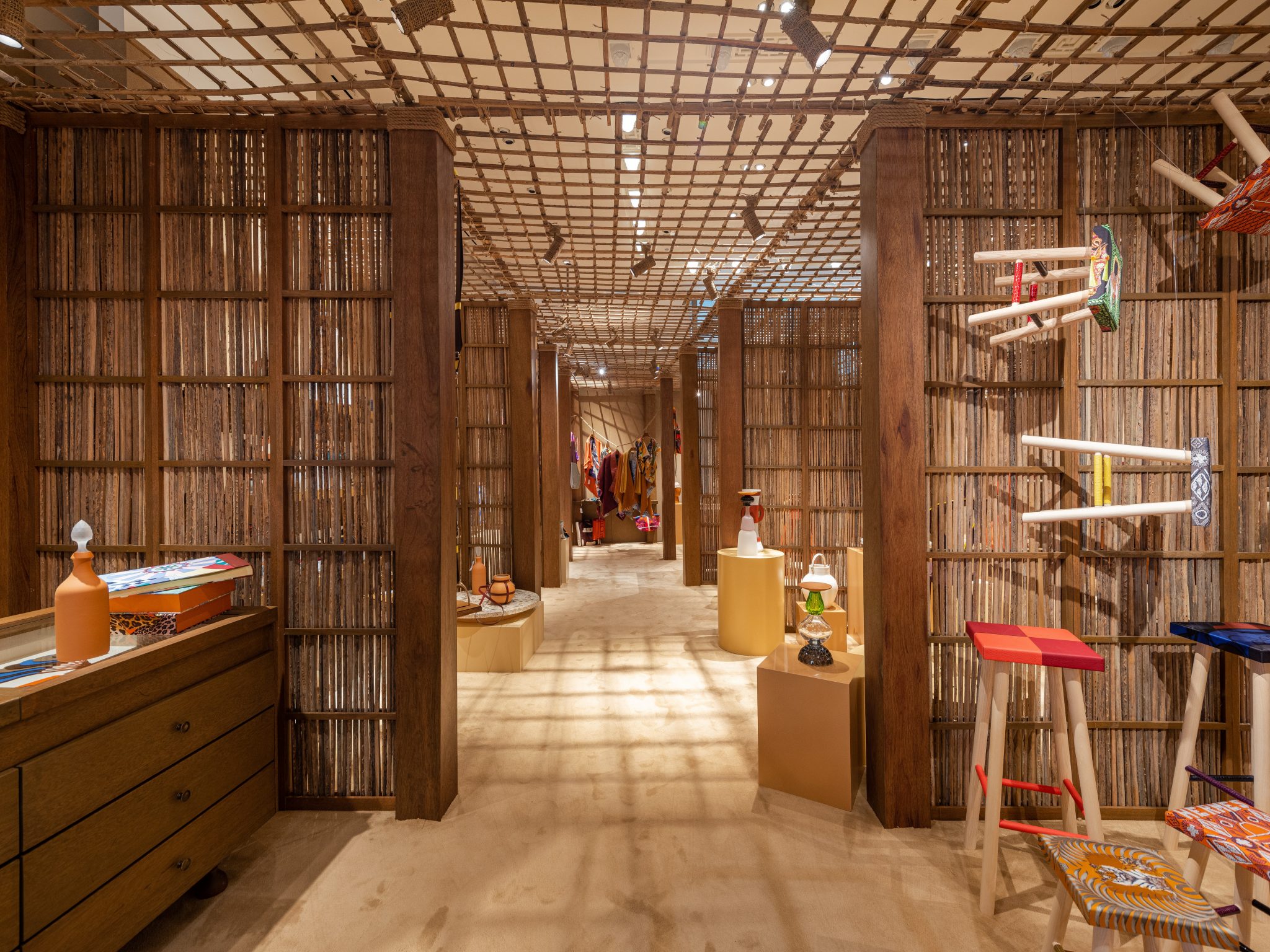
The Petit h collection was in Dubai in November bringing it with it a few pieces inspired by the region. The objects were staged in a space inside the brand’s The Dubai Mall store, custom designed by Emirati architect Abdalla Almulla. The area was reminiscent of a souk – all earthy tones, terracotta, clay, fabric and wood structures.

Objects created specifically for the tastes of Dubai include a falcon stand that brings together terracotta with leather.