

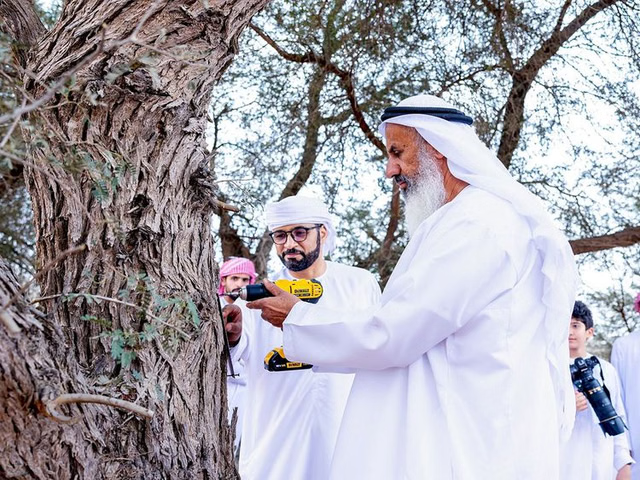
Imagine walking through the desert and finding a tree with its own ID card. That’s exactly what Abu Dhabi is doing. The Environment Agency – Abu Dhabi (EAD) has launched one of the world’s most ambitious tree-protection projects, tagging and digitally recording 100,000 native trees across the emirate. Eventually, officials hope to electronically catalog more than 20 million trees growing in forests, roadside belts, protected areas, farms, parks, and urban landscapes.
The idea is simple but powerful. If every tree has an identity, every tree can be monitored, protected, and counted. The idea isn’t new. Switzerland has tagged its native trees for decades. Wander through what looks like a wild forest in the mountains and don’t be surprised to see a tag and number on the tree.
The UAE project focuses on three iconic native species:
The Ghaf Tree
The UAE’s national tree (Prosopis cineraria), famous for surviving extreme heat and drought. Ghaf trees provide shade, stabilize desert soils, and support wildlife. Some are hundreds of years old.
The Samar Tree
(Acacia tortilis) is a desert workhorse. Its flowers feed bees, its branches shelter birds, and its deep roots help hold fragile ecosystems together.
The Sidr Tree
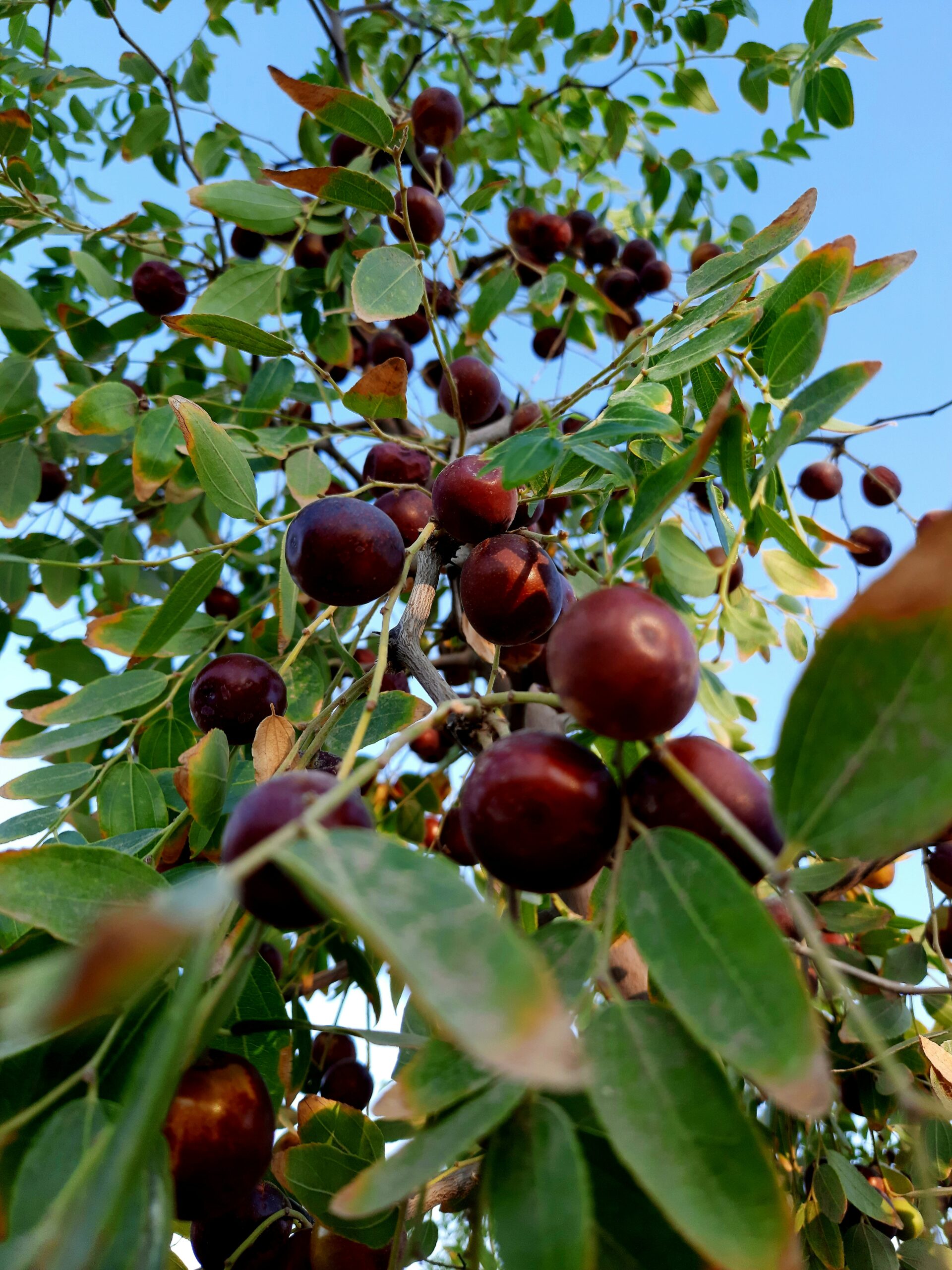
The Sidr Tree (Ziziphus spina-christi) also known as the jujube tree, may be the most culturally significant of them all. Mentioned in Islamic tradition and valued for its medicinal properties and prized honey, the Sidr has become a symbol of resilience across the Arabian Peninsula.

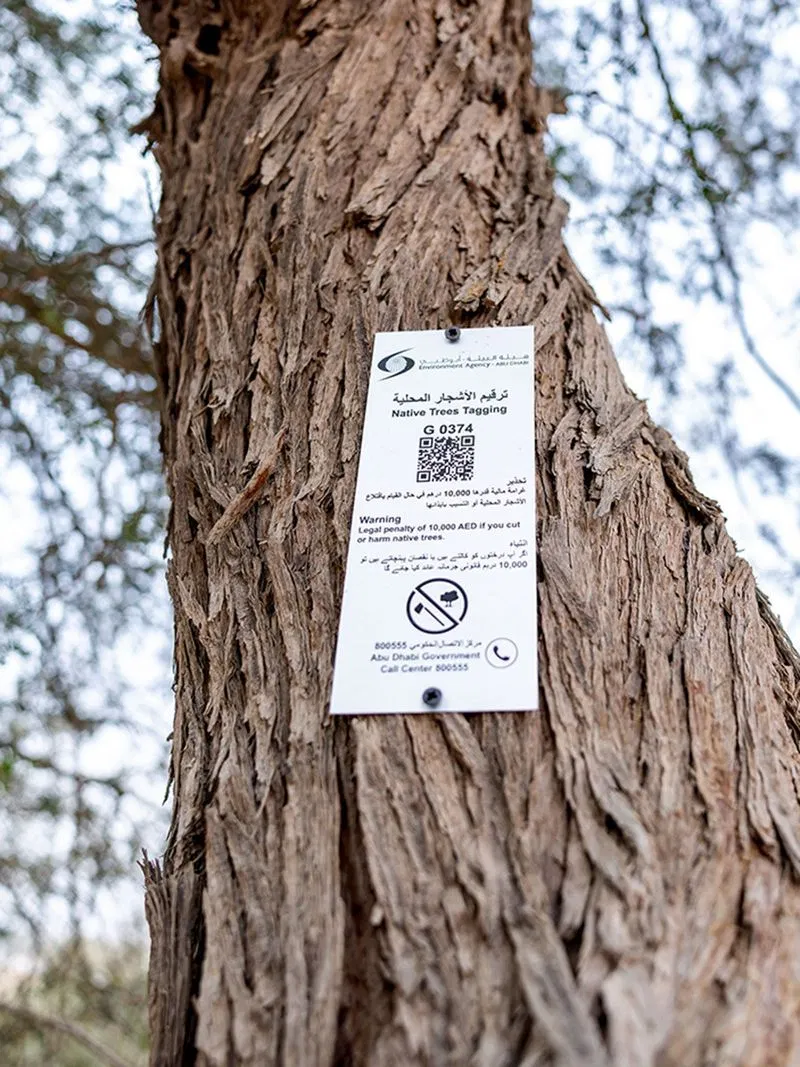
The tags don’t merely identify trees. They also carry a warning. Anyone caught cutting, damaging, or harming one of these protected native trees faces a fine of Dh10,000, approximately $2,725 USD. The warning appears directly on the tree markers in Arabic, English, and Urdu. Why such a strong penalty?
Officials say native trees face growing pressure from illegal firewood collection, overgrazing, urban expansion, and climate change. Rainfall is becoming less predictable, making natural regeneration increasingly difficult.
Within just three months of launching the program in 2024, Abu Dhabi had already tagged more than 17,000 trees. The information collected is being linked to geographic databases, creating a living inventory of the emirate’s natural heritage. (The region also has a soil museum!)
It’s a fascinating idea.
For years, governments have tagged cars, buildings, utility poles, and livestock. Abu Dhabi is asking a different question: what if trees were treated as infrastructure too?
As cities race to plant millions of new trees in response to climate change, Abu Dhabi’s approach recognizes something often overlooked. Protecting the trees you already have may be just as important as planting new ones.

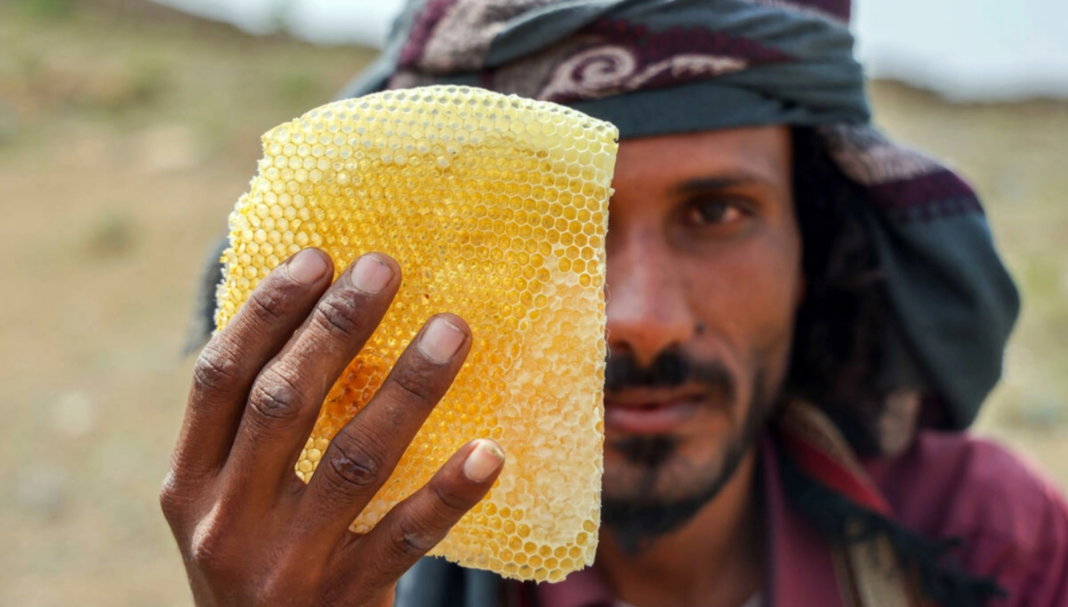
 also known as the jujube tree, may be the most culturally significant of them all. Mentioned in Islamic tradition and valued for its medicinal properties and prized honey, the Sidr has become a symbol of resilience across the Arabian Peninsula.)