
Is artificial turf bad for your health? Artificial turf, the green plastic surface designed to look like grass, has been sold to homeowners as a clever compromise: a green-looking yard without mowing. It survives heavy use and, in dry places like the Middle East, California, or Texas, it can replace thirsty lawns. Yeah it paints a nice verdant green cover in dry places or under trees where the grass won’t grow, but if you start using it, it’s function is just tricking your eyes.
Related: how to safely remove artificial turf from your backyard
But the evidence points to a more inconvenient truth we’ve known all along. Synthetic grass can bring real health and environmental trade-offs.
Some risks are immediate and obvious. Artificial turf can run dramatically hotter than natural grass in full sun, increasing the risk of heat stress, dehydration, blistering, and burns to your skin. Real grass respires and releases moisture throughout the day. Plastic grass does not. Field measurements and reviews have repeatedly found synthetic surfaces can become dangerously hot, especially in direct sunlight. A 2024 study in Frontiers in Sustainable Cities noted that artificial turf can reach very high surface temperatures and worsen urban heat island effects. They’ve even proposed ways for cooling it down in cities using water, the very thing that astroturf was designed to solve.
A 2025 evidence summary from Canada’s National Collaborating Centre for Environmental Health reached similar conclusions, highlighting heat, skin abrasions, and exposure concerns. “Human exposure to chemicals from artificial turf playing fields can be reduced by washing hands and avoiding infill and fibre ingestion by infants and children,” they write. Is that something we want kids playing on?
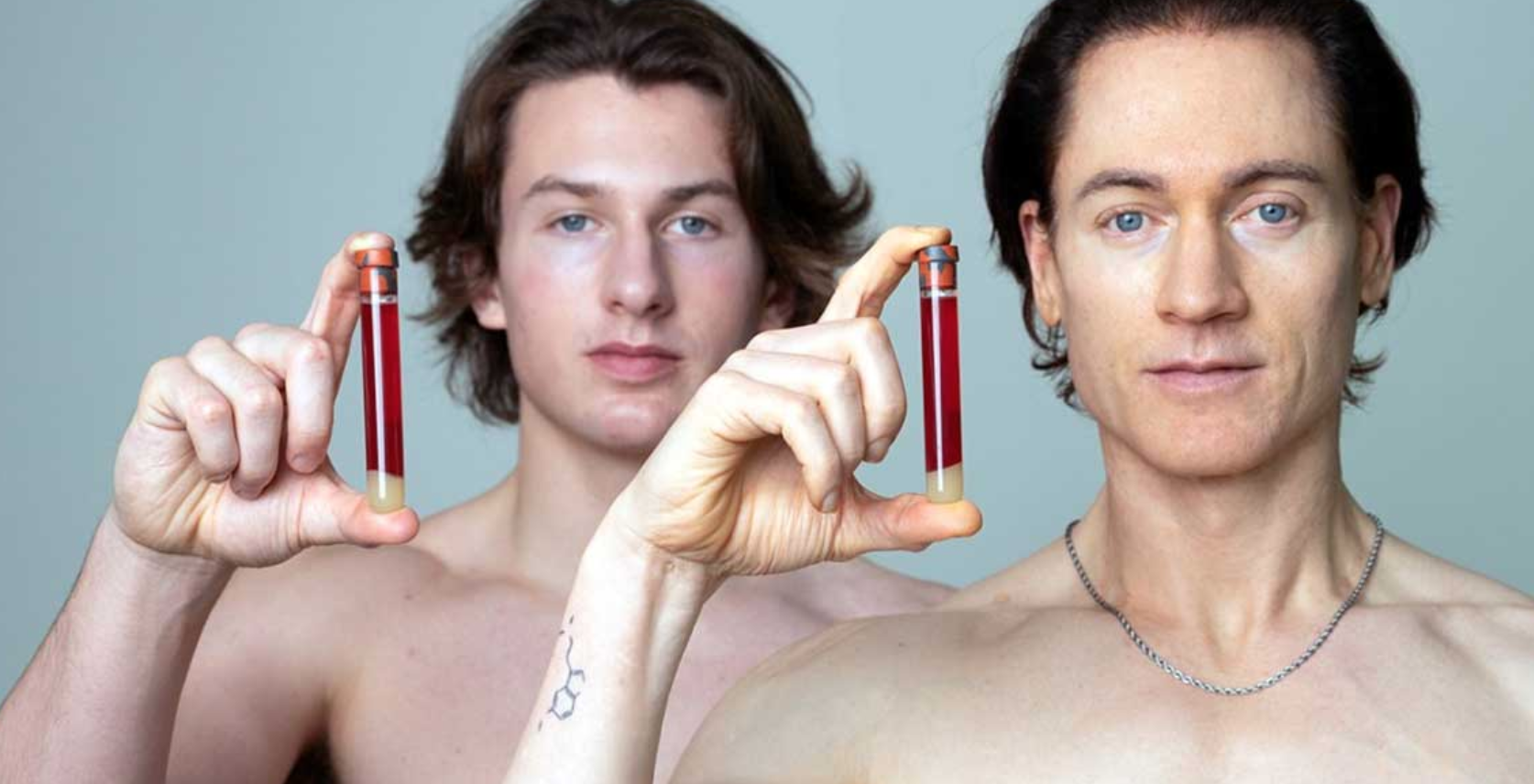
Even Bryan Johnson, the longevity entrepreneur known for trying to optimize every aspect of his life so he can live forever, recently posted on X: “Guys, I’m an idiot. All this time I’ve spent trying not to die, I had toxic turf in my backyard.” He added that artificial turf contains crumb rubber infill made from recycled tires. His phrasing was dramatic, but the underlying point stands: you can spend heavily on health while surrounding yourself with industrial plastics.
He wrote:
“Artificial turf contains crumb rubber infill made from recycled tires, which leaches chemicals including PFAS, heavy metals, and polycyclic aromatic hydrocarbons. These compounds are linked to hormone disruption, carcinogenicity, and systemic inflammation. I don’t know how I missed it. It makes me question my basic competence in life. What gets me is that I try so hard to survey the world of potential idiocy. Then I find out there’s a monument to idiocy sitting right in front of my face that I was blind to. I’m removing the turf, yet I’m still stuck with this seemingly unsolvable problem of how to not be an idiot.”
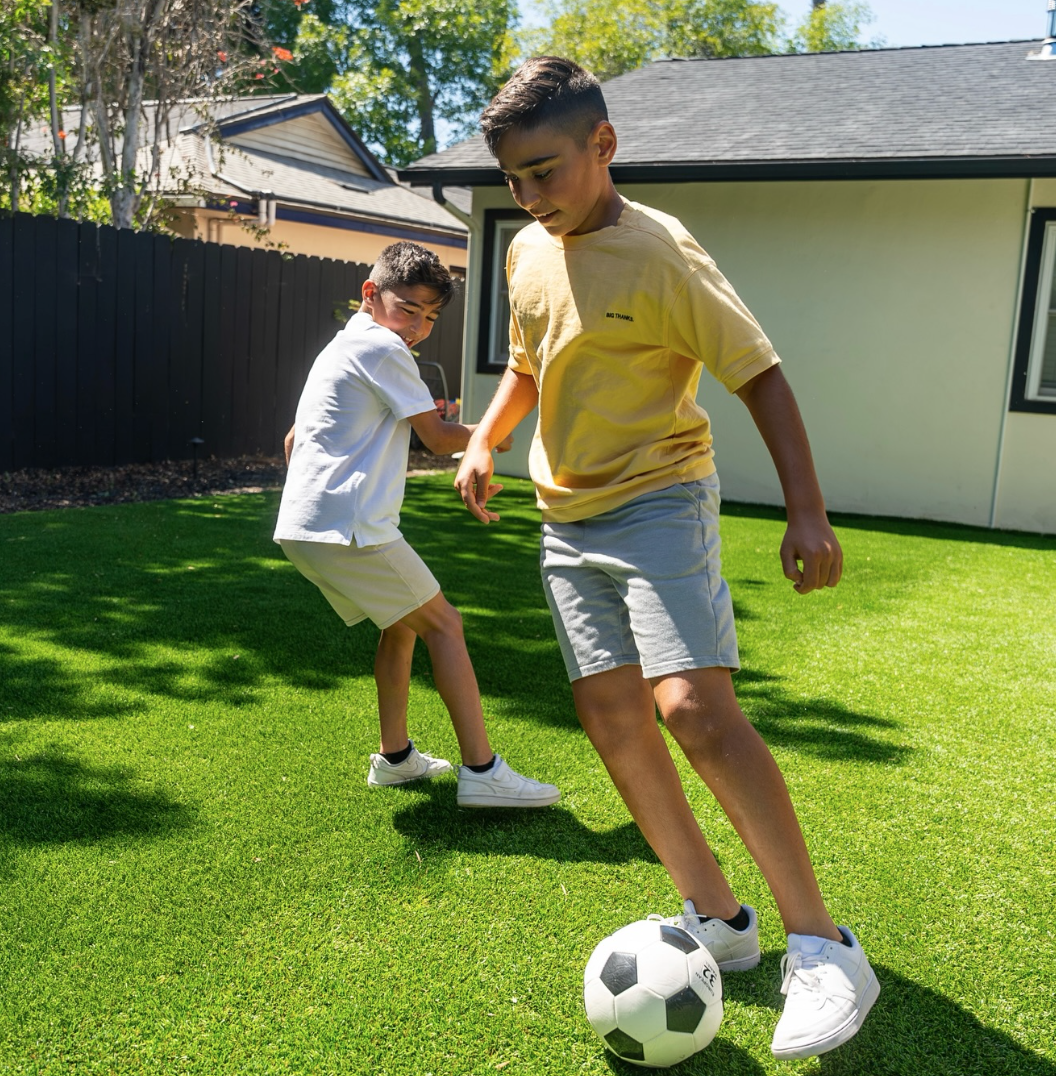
Then there are injury patterns. Several reviews have found that some lower-extremity injuries, especially certain non-contact injuries, may be more common on artificial turf than on well-maintained natural grass, though results vary by sport, footwear, and field condition. Sliding on astroturf can cause turf burns, which are not only painful but can become infected if not treated properly. Children and athletes are particularly exposed, as they fall, slide, and breathe close to these surfaces.
The harder question is chemical exposure. Many synthetic fields use crumb rubber infill made from recycled tires. A growing body of research shows these materials can contain metals, volatile organic compounds, polycyclic aromatic hydrocarbons (PAHs), phthalates, PFAS, and other chemicals of concern. A 2024 systematic review in Environmental Health Insights and a study by the NIH found potentially hazardous concentrations of chemicals in turf infill and fibres, with exposure pathways raising concern, especially for children.
The NIH writes, “Cancer risks were identified for ingestion exposure to PAH in children with pica and heavy metal exposure via dermal, inhalation and ingestion pathways. Non-carcinogenic risks were identified for the ingestion of cobalt in a child spectator and the ingestion of arsenic, cobalt, thallium and zinc. Potentially hazardous concentrations of chemicals were found across both artificial turf infill and artificial turf fibre samples; bioaccessibility of these chemicals varied.”
A 2022 review in Environmental Pollution was more direct, concluding that chemicals identified in artificial turf include known carcinogens, mutagens, and endocrine disruptors, while noting that human evidence remains limited and under-studied.
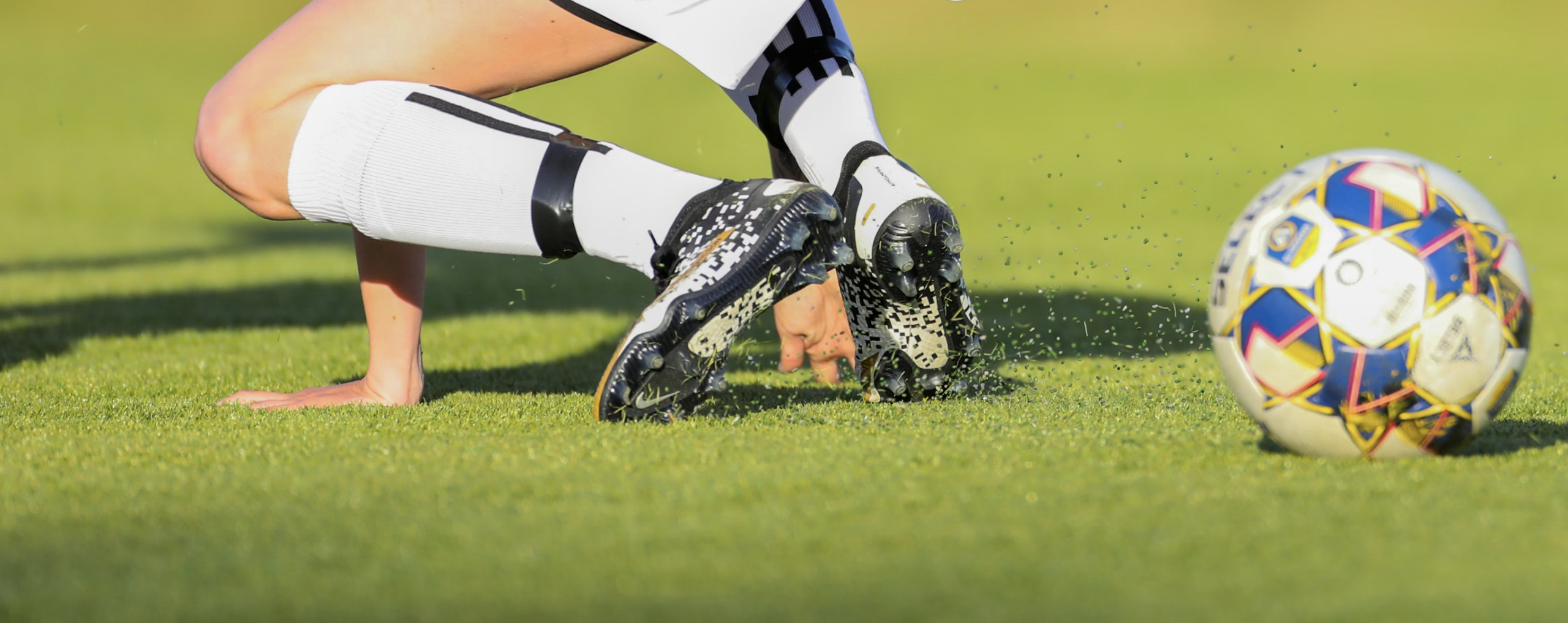
It would be false to say science has definitively proven that artificial turf causes cancer in everyday users. It has not. Science is methodical and slow, and long-term effects take years to measure. But it would also be false to say the issue is settled or harmless. Even the US EPA’s crumb rubber research effort, updated in 2024, did not conclude there was no risk; it characterized exposures and acknowledged that a full risk assessment is still incomplete. In plain terms: chemicals are present, exposure happens, and long-term health impacts are not fully understood.
The ecological problem of astroturf
Artificial turf is essentially a plastic carpet. It sheds fibers and dust that can enter drains, soils, and waterways, contributing to microplastic pollution. It also seals the ground. Natural grass supports soil life, cools the air, and participates in ecological cycles. Plastic turf does not. It does not cool like vegetation, does not support biodiversity, and does not age well. When it wears out, disposal becomes another environmental problem.
In arid cities, synthetic turf is often marketed as a “green” alternative to water-hungry lawns. But replacing one ecological problem with a heat-trapping plastic surface is not real progress.
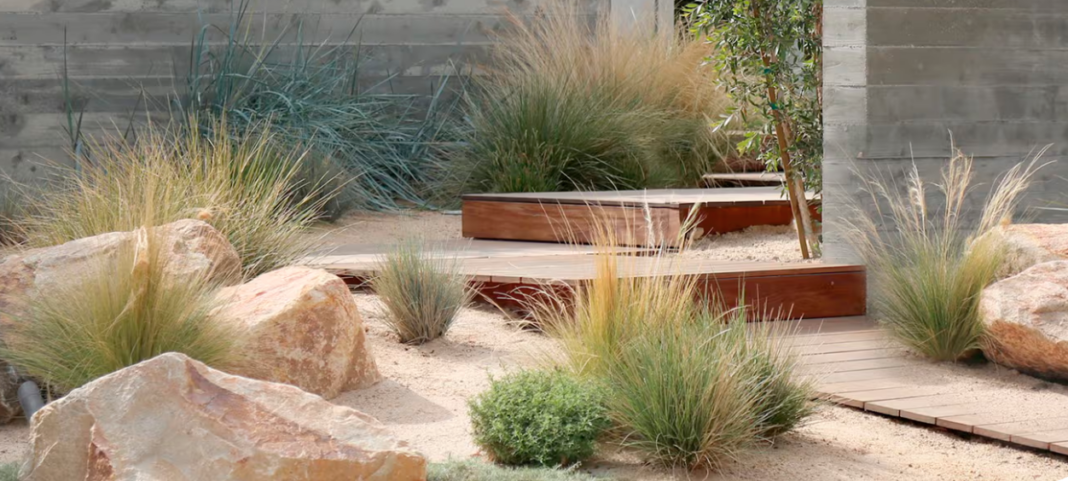
Alternatives include native planting, shaded courtyards, permeable surfaces, gravel, regional groundcovers, and climate-appropriate design.
Artificial turf is not automatically poisoning everyone who touches it, but it is not a neutral surface either. Plant local species, use permeable materials, and design for life—not plastic.
Related Green Prophet reading:
Microplastics in plastic aligners
Qatar’s World Cup groundwork and the logic of synthetic surfaces
More Green Prophet coverage on microplastics