
Wild Edibles of the Mediterranean Winter: Wild Beet Greens

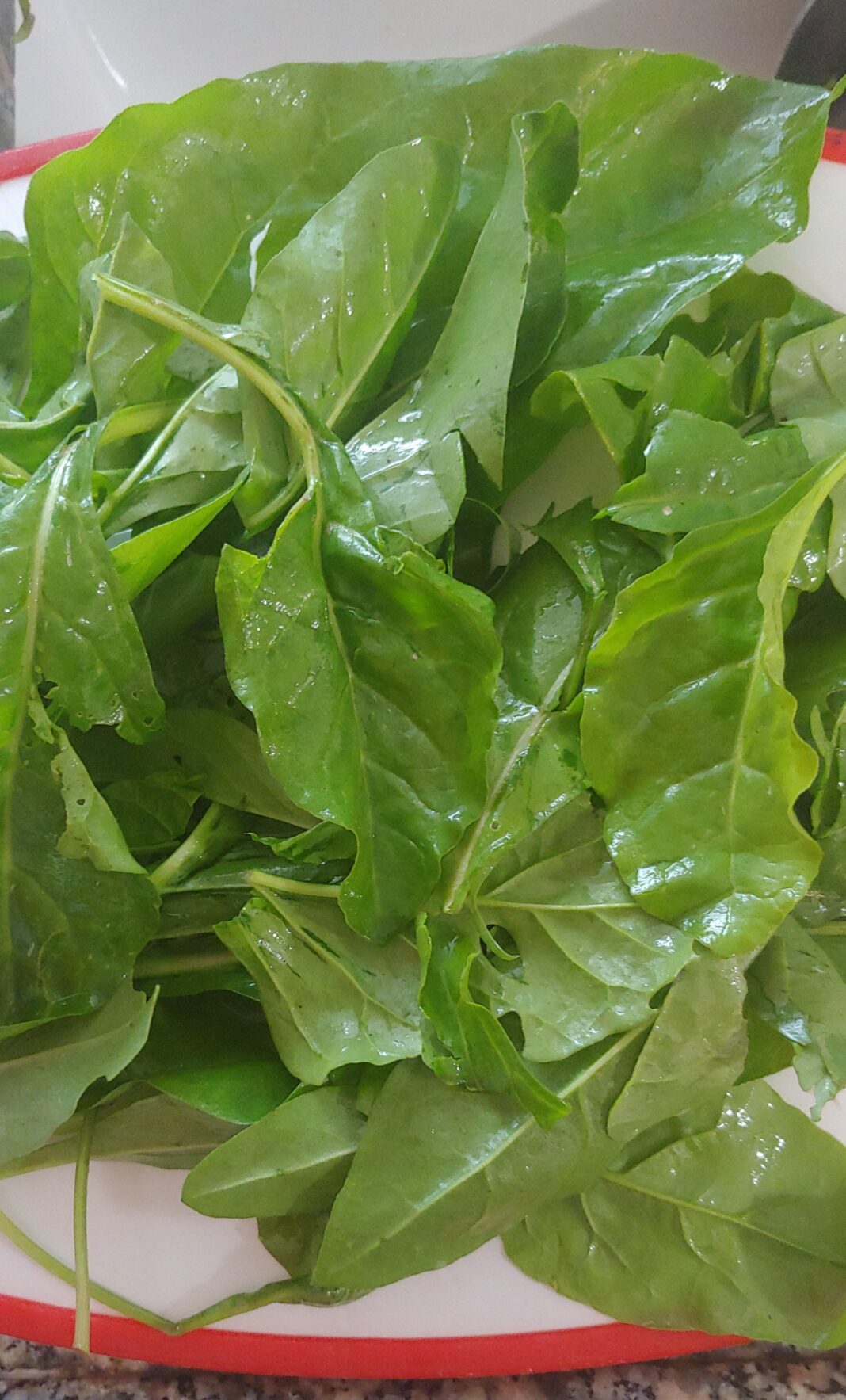
wild beet leaves

In my small yard, in central Israel, I count at least seven edible wild species: mustard; nettles; chickweed; sow thistle; goosefoot; mallows, and wild beets. These, and other wild edibles, are native to the Mediterranean. We’ve written about nettles and mallows, and about growing chickweed at home. Today I’m focusing on wild beet greens.

Right now, late winter in the Levant, is prime time to forage beet leaves. I’ll keep harvesting them until mid- or late March. In North America and Europe, wild beets (and many other wild edibles) become available months later, in springtime through summer.

I love popping out of the house in the morning, still in pajamas, making my way to the tangled plot where the wild beets raise their leaves. Quickly, I cut enough young greens to fill a quiche, enhance a soup, or make a simple stir-fry. I leave the root alone as hardly being worthwhile harvesting: it’s a spindly white thing, best left in the soil to push up a a new cluster again next year.

If I get worried that I’m over-harvesting my yard, all I have to do is take a walk around my neighborhood, and I’ll find plenty of wild beets. The soil here is heavy, a mix of clay and sand, which beets love. I find them in abandoned lots and on the side of roads, some already quite mature.

These wild beets are the foremothers of Swiss Chard, known here as Mangold. They grow from a single point in the ground, and their leaves vary in size, the young ones being smaller and lower down on the stalk. They’re triangular to oval, with scalloped edges, very glossy and dark green, with deep, lighter-colored veins running through them. As the plant matures, the stalks take on the familiar red color.

wild beets

And no, beet greens aren’t related to spinach, nor do they taste like spinach. Their taste is similar to Swiss chard, naturally. Still, you can swap beet greens for spinach in any recipe: soup, quiche, omelets and fritattas – you name it.

Nutrition? Beet greens have plenty of vitamins K, C, and A. Minerals in them worth mentioning are magnesium, some iron, and calcium. Lots of fresh green fiber, too.

I’m already thinking of summer, when the landscape here will be sere and brown, and the late-winter greens will have died away. To preserve some for the summer, I cut more greens than I need, rinse them in cool water and examine them for any little freeloaders like snails, which also love the warm, damp conditions of the Mediterranean late winter.

Then I chop the greens, sauté them with onions and garlic in olive oil, and freeze them. Now they’re ready to use in just about any dish. Alternatively, I set the leaves out in a dry, shady place and let them dry thoroughly. I crumble the dried leaves into soups and stews.

There’s only one safety warning with wild beet greens themselves: the large, mature leaves are are best avoided by people with kidney stone issues, as they have a relatively high oxalic acid content. The small, younger leaves growing farther down the stalks are fine. I eat the young leaves as often as I like, with no harm done.

However, it’s important to keep in mind that at first glance, some very toxic wild plants resemble wild beets. For example, lords and ladies, known here as loof. I’ve read reports of people gathering wild mandrake leaves too, mistaking them for wild beets. Look for dark-green, very glossy leaves. Other plants are not so glossy.

Always make 100% sure that you’ve identified your foraged greens correctly.

morocco chick pea soup slow food sustainable
Moroccan chickpea soup. Hearty and comforting.

I love the Moroccan-based chickpea and spinach soup, in which I swap wild beet greens for the spinach. Find the recipe here.

Miriam Kresh
Miriam Kreshhttps://www.greenprophet.com/
Miriam Kresh is an American ex-pat living in Israel. Her love of Middle Eastern food evolved from close friendships with enthusiastic Moroccan, Tunisian and Turkish home cooks. She owns too many cookbooks and is always planning the next meal. Miriam can be reached at miriam (at) greenprophet (dot) com.

Read More

TRENDING

What’s in season in June – plus recipes and forager’s notes

Middle Eastern markets are bursting with the color and aromas of summer's soft fruits. This is the guide to getting the most out of June. 

Make nettle dumplings, also known as nettles malfatti

Springtime foraging yields a harvest of wild greens to cook at home, like nettles. Make delicious nettles malfatti dumplings with this recipe.

How to make mushroom paper

Learn how to make sustainable paper from mushrooms using tough, fibrous fungi like artist’s conk, turkey tail, and birch polypore. This eco-friendly craft transforms woody polypores into strong, chitin-based sheets perfect for art projects, greeting cards, or handmade journals. Our step-by-step guide to mushroom papermaking covers soaking, pulping, forming sheets with a mould and deckle, and drying methods—showing how fungi can replace traditional wood pulp for unique, natural paper.

Make Verdurette, Natural Vegetable Bouillon

It’s easy to make this natural broth base yourself. Most or all of the ingredients are probably already lurking in your fridge and pantry. A food processor is the kitchen tool I recommend for making it; otherwise, be prepared to do some very fine chopping. I myself just feed everything into the food processor and let it whizz.

Wild About Wild Asparagus

I’m wild about asparagus. But I never expected to find wild asparagus growing close to - and even in - urban areas near home. But it does, and I’ve found it growing freely in parks and hillsides in the cooler hilly areas of Israel. Some have reported foraging wild asparagus even around Tel Aviv.

Yerukim Forms a New Green Economy Where the Money is Really Green

The Yerukim members who pick up the recyclables get to keep the monetary reward, the public earns "green" bills that can be used in shops, and business owners get to be associated with environmentalism.

Choosing Riyadh over Dubai? What Investors Should Know

Saudi Arabia is deploying capital at unmatched scale to catalyze tourism and advanced industry while rewiring its power-and-water backbone. The investable frontier is widening—especially in renewables, grid storage, water efficiency/desal retrofits, and hospitality operating platforms. Prudent investors will insist on phased delivery, enforceable KPIs (energy, water, biodiversity), and RHQ/zone compliance—while pricing political-economy and reputational risks alongside growth upside.

Sell your cooking oil for biodiesel money

Want to make money on old french fry oil? Sell it.

Qatar Alternative Energy Summit Pairs Investors And Innovators

Alternative energy investors and innovators can meet n' greet in Doha, Qatar March 16 and 17.

Here’s How To Implement The Four Pillars Of Employee Engagement

If you throw a party for your work team and they are vegans, don't make it a barbecue. Know the sustainability values of your team to boost moral and retain good people.

Locals From Rishon Fight IKEA

Big Box stores are a pretty new concept in Israel, and thank God that not every Israeli city wants them in their backyard. A word from someone who has see the beautiful farmland around her hometown Newmarket, Ontario stripped and converted into vulgar strip malls of big box shops: they have no place in a healthy and sustainable town or city.

The Jewish National Fund Meets An Inconvenient Truth

According to the JNF, it has transformed thousands of acres of barren land into green forests in Israel. They state that each person emits about 23 tons of carbon per year, estimating that each tree planted can absorb one ton of carbon in its lifetime. That's a whole lot of trees you'd need to be planting. Could so many fit in Israel?

How to quiet noise from construction in your office

Streets need to be resurfaced in New York but the humming and grinding noise is unsettling. Noise is environmental pollution. 

Popular Categories