
Financial tech startup for agriculture gets $3 million in funding

Maalexi, the UAE-based dynamic risk management platform for SME agri-businesses, announces its completion of a $3 million pre-Series A fund raise. The funding round was led exclusively by Global Ventures – MENA’s leading venture capital firm – which joins existing venture capital investors Rockstart (Amsterdam) and Ankurit Capital (New Delhi).  

The proceeds will be deployed by Maalexi for tech development – to enhance its full-stack platform to help SME agri-buyers procure faster, cheaper, and safer from globally placed SME sellers; and to drive customer acquisition – specifically more buyers in the UAE and Saudi Arabia and to add sellers from 50+ origin countries.  

RedSea farms tomatoes growing
Tomatoes growing at RedSea farms, Saudi Arabia

Maalexi’s platform helps the millions of small agri-businesses active in the $3 trillion USD global, cross-border food trading market. Despite the market growing at 6% CAGR in the last five years – such businesses often suffer from an inability to manage trade risks, and get access to finance.   

Maalexi’s technology has embedded risk management tools such as digital contracts,  AI enhanced inspections, and blockchain-authenticated documentation – all on a user-friendly web platform. Maalexi’s solution increases participation and automates trade – leading to higher customer revenues, more bankability, and more sustainable enterprises. 

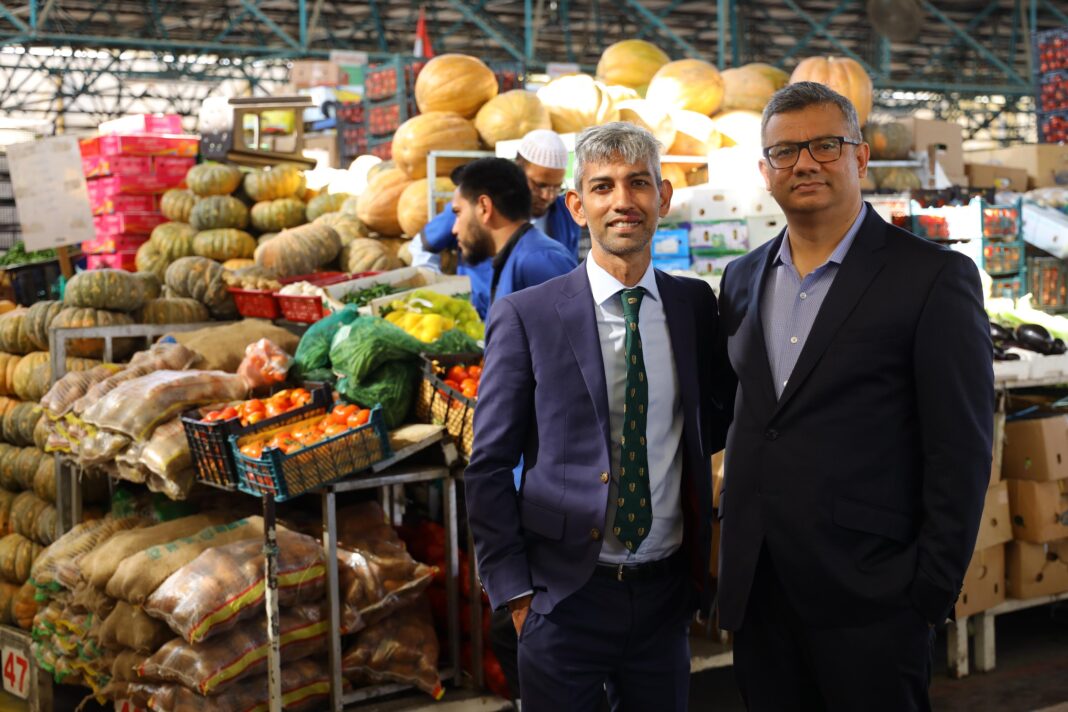
Maalexi founders
Maalexi founders Rohit Majhi (left) and Azam Pasha

Maalexi has grown significantly in 2023 recording a Cumulative Monthly Growth Rate of 60%, adding hundreds of users, and helping SME buyers procure millions of kilograms of food supplies – across 70 products, from 27 countries. 

Simple yet innovative farming technologies and techniques save natural resources while increasing incomes

Maalexi’s management team includes two co-founders with stellar backgrounds in supply chain management, technologies, and finance. Azam Pasha, the CEO, has over two decades as a head and senior advisor on food and agricultural supply-chain management and trade finance, and has worked with world-renowned conglomerates in this space. Rohit Majhi, the CTO, has a background in Management Consulting at Deloitte and led the technology function at US-based supply chain startups during his career. 

::Maalexi

Read More

TRENDING

Etihad crew denies female doctor from helping passenger in medical distress

A female physician says she and another woman doctor were prevented from helping a passenger during a medical emergency aboard Etihad flight EY16. Was it airline protocol, poor judgment or sexism? Etihad has been asked to explain.

How to Read Your PG&E Bill After Installing a Heat Pump — and What to Expect the First Year

Electricity bill went up after your heat pump installation? Before you call the contractor, read this. A wrong rate plan, unadjusted thermostat schedule, and a missed baseline allowance are usually the culprit — not the system.

The Best of Hobart: Experiences to Have, Places to Visit, and Flavours to Try

Hobart, Tasmania’s capital, is the kind of city that makes you regret not having come sooner. Mount Wellington/kunanyi that shapes the skyline, Bruny Island's dolphins, Port Arthur's convict ruins and Salamanca's Saturday market are all close enough to fit into the same week.

How Responsible Tourism Could Help Protect the World’s Last Wild Places

From Antarctica and South Georgia to the Galápagos and Thailand, fragile destinations are finding ways to manage tourism without shutting visitors out. Visitor caps, conservation fees, biosecurity rules and controlled access can reduce environmental damage while helping fund the protection of wild places.

How Slow Travel Is Changing the Way We Explore

From trekking fees in Nepal and wildlife conservancies in Kenya to visitor limits in Patagonia and strict Arctic rules in Svalbard, responsible adventure travel can help fund conservation, protect habitats, and create sustainable income for local communities.

The Essential Guide To Sustainability in Project Management

Sustainability is an approach where businesses and individuals balance the environmental, social, and economic aspects of a project such that current and future stakeholders are not overburdened with the impacts of the project in future.

Yerukim Forms a New Green Economy Where the Money is Really Green

The Yerukim members who pick up the recyclables get to keep the monetary reward, the public earns "green" bills that can be used in shops, and business owners get to be associated with environmentalism.

Choosing Riyadh over Dubai? What Investors Should Know

Saudi Arabia is deploying capital at unmatched scale to catalyze tourism and advanced industry while rewiring its power-and-water backbone. The investable frontier is widening—especially in renewables, grid storage, water efficiency/desal retrofits, and hospitality operating platforms. Prudent investors will insist on phased delivery, enforceable KPIs (energy, water, biodiversity), and RHQ/zone compliance—while pricing political-economy and reputational risks alongside growth upside.

Sell your cooking oil for biodiesel money

Want to make money on old french fry oil? Sell it.

Qatar Alternative Energy Summit Pairs Investors And Innovators

Alternative energy investors and innovators can meet n' greet in Doha, Qatar March 16 and 17.

Here’s How To Implement The Four Pillars Of Employee Engagement

If you throw a party for your work team and they are vegans, don't make it a barbecue. Know the sustainability values of your team to boost moral and retain good people.

Locals From Rishon Fight IKEA

Big Box stores are a pretty new concept in Israel, and thank God that not every Israeli city wants them in their backyard. A word from someone who has see the beautiful farmland around her hometown Newmarket, Ontario stripped and converted into vulgar strip malls of big box shops: they have no place in a healthy and sustainable town or city.

The Jewish National Fund Meets An Inconvenient Truth

According to the JNF, it has transformed thousands of acres of barren land into green forests in Israel. They state that each person emits about 23 tons of carbon per year, estimating that each tree planted can absorb one ton of carbon in its lifetime. That's a whole lot of trees you'd need to be planting. Could so many fit in Israel?

Popular Categories