Developing nations want the rich to pay for climate change

floods children, climate change
 
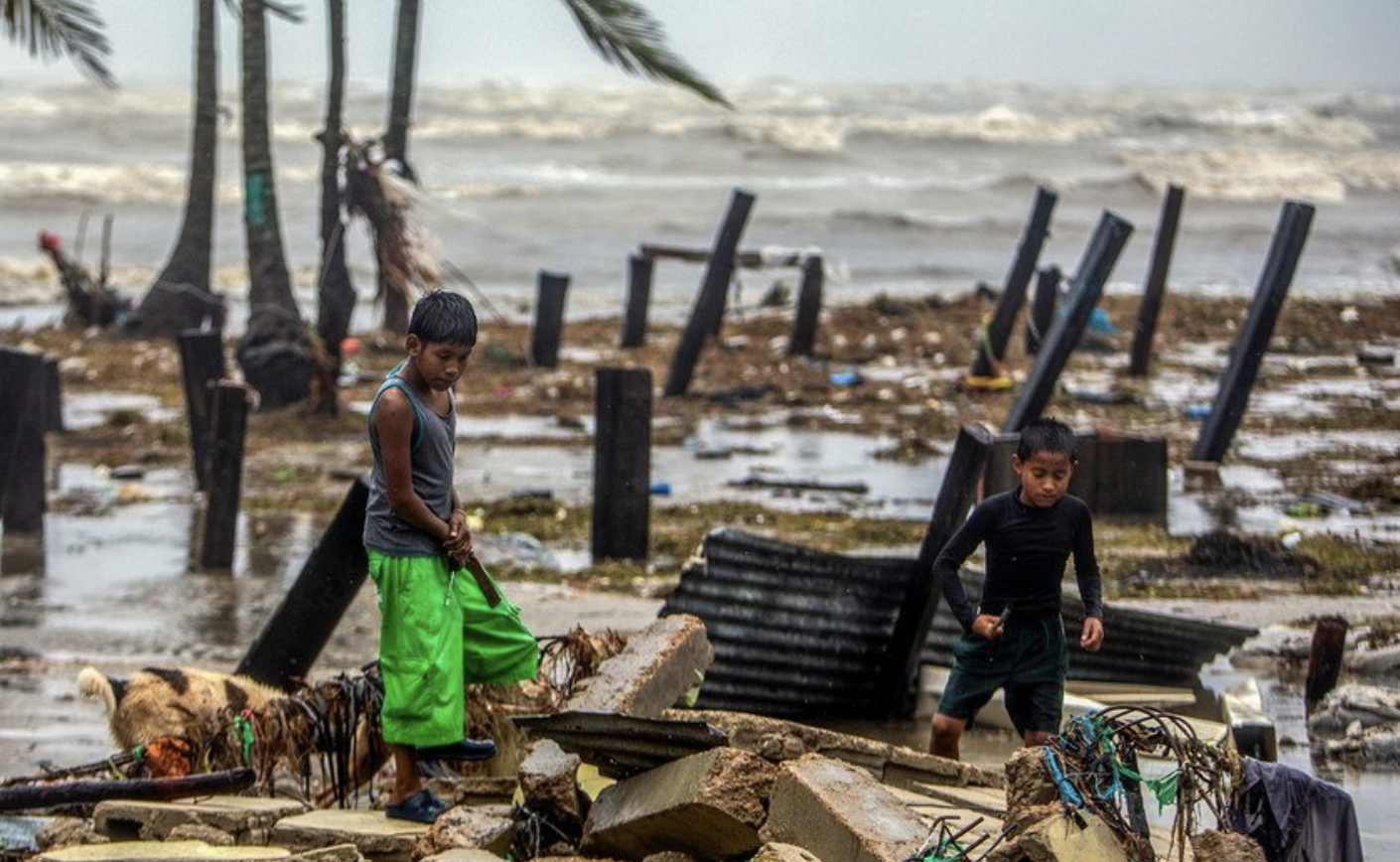
Children search for scraps of wood to help their parents rebuild their house after it was destroyed by the strong winds of Hurricane Iota in Nicaragua. UNICEF

So the world’s largest climate event, COP27, now happening in Egypt meets the usual challenges. But a few key points stick out over all the media covered and dozens of press releases I’ve received: 

  • Policies and promises for carbon targets are not lining up. Not enough action towards climate change is happening fast enough. This is old news. We hear it every year.
  • Egypt is criticised for its double-faced stance as “wanting” to be progressive yet it holds free-media activists in prison. This news is rising above the smog. Free media means that people can start reporting factually and accurately against the world’s leading greenwashers like Saudi Aramco. Saudi Aramco is responsible for 4% of all global carbon emissions. If you don’t care about climate change, just go skiing on one of their fake ski hills. Or go live on The Line
  • Egypt, and dozens of other poorer nations, in development, meanwhile, are asking the richer carbon hungry nations to pony up and pay for the effects of climate change. Also old news. But it’s fair.
  • Greta Thunberg is not bothering to go to the event this year which once crowned her as the unlikely princess against climate change (that was COP24). This year? COP27? It’s “greenwashing” she told the media. 
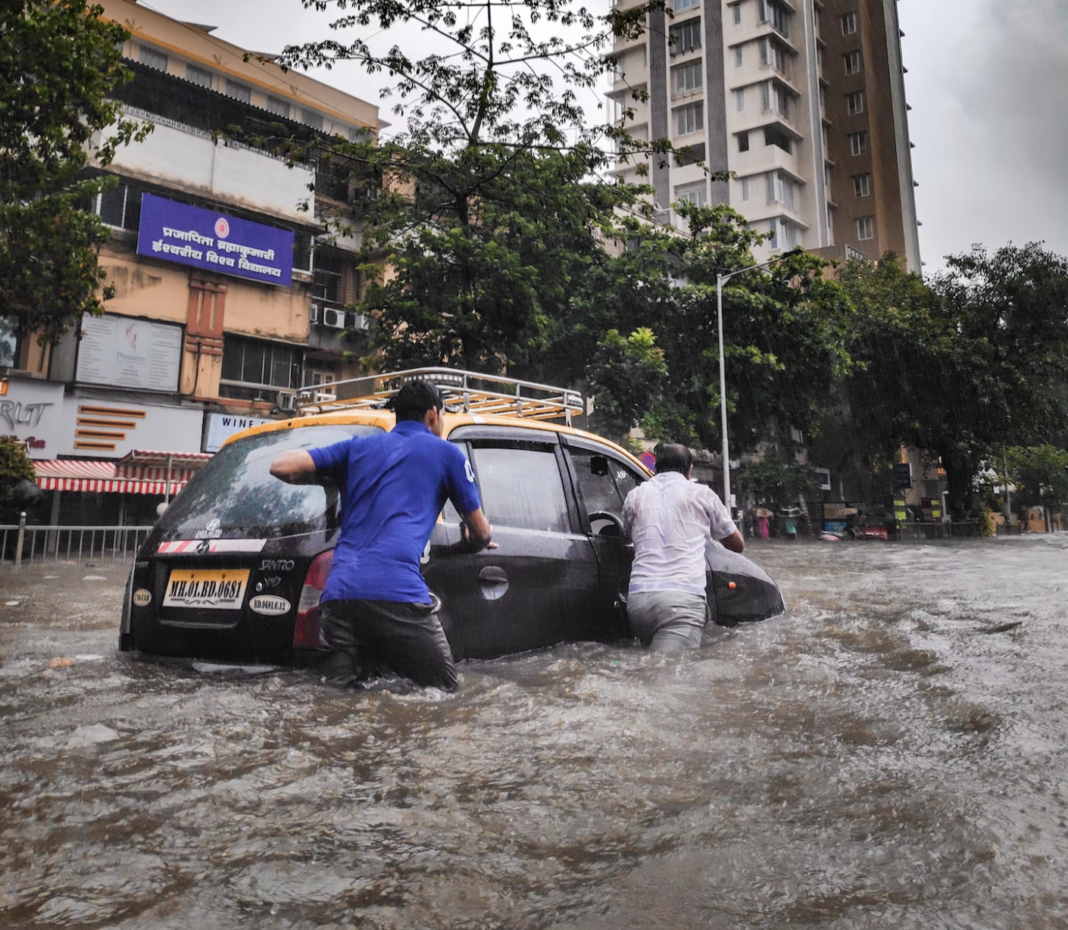
  • The tomato soup can incident, sadly, seemed to be the year’s biggest media stunt against climate change. Kids being washed away in floods? These images no longer affect us. We need soup streaming down things we care about, and find holy.

So what’s COP27, if you are asking?

Some 200 nations from around the world are meeting this week in Sharm el-Sheikh, a beach and diving town in Sinai, Egypt, to discuss climate change problems and solutions. The United Nation’s climate event, COP takes place every year. Every time a new one is held, since the first, they add a number. So this year we are at COP27. And this year businesses, governments, activists and companies are meeting from November 6 to 18 to discuss, solve and deal with the pressing problem of our generation.

Also every year the messages become more urgent, yet key activists known for making statements at the annual UN event, like Greta Thunberg, aren’t even attending this year.

She’s skipping the “greenwashing” event, as she calls it, because  the UN’s climate conference will be “used as an opportunity for leaders and people in power to get attention”.

At last years’ COP26, the wealthier nations of the world agreed to pay $40 billion per year by 2025 to help developing nations build defenses against floods. An UN report says that this sum is about 1/5 of what these countries need to hold back the effects of extreme weather effects.
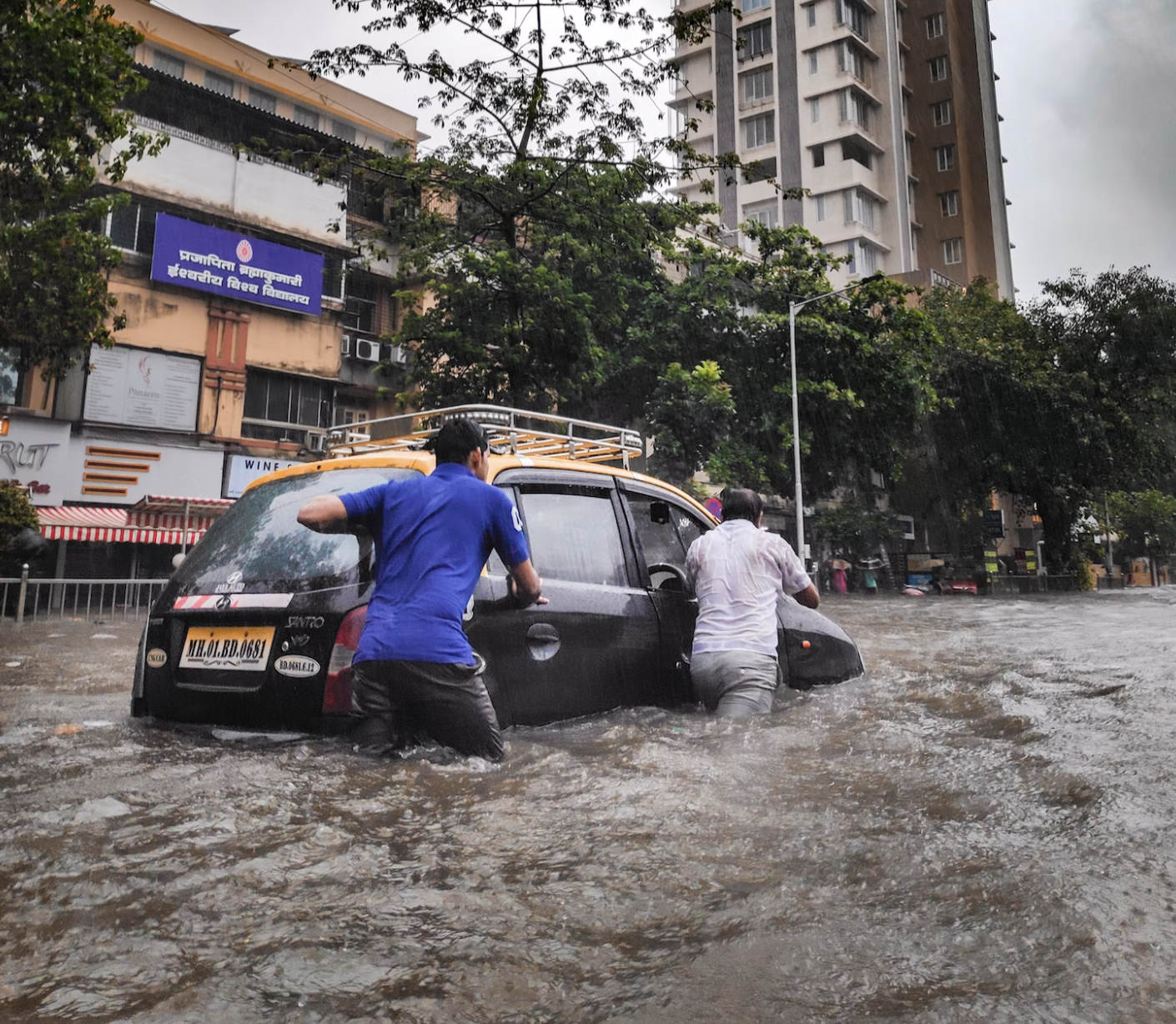
flood climate change, UN COP27
The effects on poor nations, is a dominant theme in this year’s UN COP27 event

Estimated annual adaptation needs are between $160 billion to $340 billion by the end of the decade, and up to $565 billion by 2050, a new UN report reveals. You can get the Adaptation Gap Report here.

“Countries must urgently ramp up action to adapt to the current and future impacts of climate change, as efforts now are too little and too slow,” the UN Environment Programme (UNEP) said in its latest report, published on Thursday.  

Climate data from UN reports

UNEP also publishes an annual data report. This might be helpful for students, businesses and governments lobbying and pressing for change. Climate change is a global problem and we must act locally with our own actions, but also we must influence stakeholders. 

A recap from UNEP: “To limit global temperature rise to below 2°C aiming for 1.5°C, as promised in the Paris Agreement, countries must cut 30 gigatonnes of GHG emissions annually by 2030. The necessary solutions exist yet currently more emissions are entering the atmosphere making it harder to keep the planet safe.”

UNEP adds: The world’s wealthiest 1 per cent emit more than twice the emissions of the poorest half combined. That is why developed nations must step up to make rapid and large-scale emission reduction and support developing countries as they build low-carbon economies and make adequate climate adaptation.”

vernacular buiding, hassan fathy,green building, hassan fathy, nader khalili, earth architecture, green building, eco-building, sustainable building, eco design, akil sami house, egypt, earth architecture, sustainable architecture
Hassan Fathy’s off-grid living and architecture inspired generations of architects in the Middle East and beyond. This is the Akil Sami House in Dahshur, Egypt 

To end this climate brief in a way that makes sense for today and Egypt, read a little more about Hassan Fathy. He had a dream for the people of Egypt, and an appreciation for vernacular architecture. Living, building and thriving closer to the land and our planet may cut out the need for capitalism that makes us ever so hungry for more.



Karin Kloosterman
Karin Kloostermanhttp://www.greenprophet.com
Karin Kloosterman is an award-winning journalist, innovation strategist, and founder of Green Prophet, one of the Middle East’s pioneering sustainability platforms. She has ranked in the Top 10 of Verizon innovation competitions, participated in NASA-linked challenges, and spoken worldwide on climate, food security, and future resilience. With an IoT technology patent, features in Canada’s National Post, and leadership inside teams building next-generation agricultural and planetary systems — including Mars-farming concepts — Karin operates at the intersection of storytelling, science, and systems change. She doesn’t report on the future – she helps design it. Reach out directly to [email protected]

Read More

TRENDING

Understanding Food Production: Karl Studer on the Urban-Rural Knowledge Gap

Karl Studer occupies an unusual position in American business. As President of Quanta Services, he oversees electrical infrastructure operations across the United States, Canada, and Australia, managing thousands of employees and multibillion-dollar projects.

Tigris River oil spill highlights Iraq’s environmental oversight and our addiction to oil

A fresh oil spill in the Tigris River, filmed by an Iraqi university student, has reignited concern over Iraq's polluted waterways. From ancient Mesopotamia to modern Basra, the country's dependence on oil has come at a steep environmental and human cost, with activists warning that unchecked contamination is putting ecosystems and public health at risk.

Doctor-Led Direct Hair Transplant: What Surgeon Involvement Means for Outcomes

Hair restoration technology continues to evolve, but the surgeon behind the procedure remains the most important factor. Doctor-led hair transplants emphasize careful diagnosis, conservative donor management, natural hairline design, and long-term planning rather than simply maximizing graft counts. By treating donor hair as a limited resource and tailoring each procedure to the patient's future hair loss, experienced surgeons can reduce the need for corrective surgery while delivering more natural, sustainable results.

Data centers in Space? Sophia Space and Apex plan on busing them in

Can data centers really be built in space? Pasadena-based Sophia Space is partnering with Apex to test the idea by launching modular AI computing systems into low Earth orbit in 2027. Using radiation-hardened compute TILEs cooled by passive radiative systems and mounted on scalable satellite buses, the companies aim to prove that edge computing can operate reliably in space. While challenges remain, the project represents an important step toward distributed orbital computing networks that could support everything from climate monitoring and pollution tracking to autonomous spacecraft navigation in an increasingly crowded orbital environment.

Mona Khalil, Orange House Project founder, sea turtle protector killed in Lebanon

Mona Khalil spent decades protecting Lebanon's sea turtles and coastal ecosystems. Her death in the ongoing conflict between Israel and Hezbollah shines a light on a broader environmental tragedy unfolding across northern Israel and southern Lebanon. From damaged wetlands and disrupted bird migrations to threatened seed banks and endangered wildlife, the region's ecosystems are becoming casualties of a war with no clear end in sight.

Yerukim Forms a New Green Economy Where the Money is Really Green

The Yerukim members who pick up the recyclables get to keep the monetary reward, the public earns "green" bills that can be used in shops, and business owners get to be associated with environmentalism.

Choosing Riyadh over Dubai? What Investors Should Know

Saudi Arabia is deploying capital at unmatched scale to catalyze tourism and advanced industry while rewiring its power-and-water backbone. The investable frontier is widening—especially in renewables, grid storage, water efficiency/desal retrofits, and hospitality operating platforms. Prudent investors will insist on phased delivery, enforceable KPIs (energy, water, biodiversity), and RHQ/zone compliance—while pricing political-economy and reputational risks alongside growth upside.

Sell your cooking oil for biodiesel money

Want to make money on old french fry oil? Sell it.

Qatar Alternative Energy Summit Pairs Investors And Innovators

Alternative energy investors and innovators can meet n' greet in Doha, Qatar March 16 and 17.

Here’s How To Implement The Four Pillars Of Employee Engagement

If you throw a party for your work team and they are vegans, don't make it a barbecue. Know the sustainability values of your team to boost moral and retain good people.

Locals From Rishon Fight IKEA

Big Box stores are a pretty new concept in Israel, and thank God that not every Israeli city wants them in their backyard. A word from someone who has see the beautiful farmland around her hometown Newmarket, Ontario stripped and converted into vulgar strip malls of big box shops: they have no place in a healthy and sustainable town or city.

The Jewish National Fund Meets An Inconvenient Truth

According to the JNF, it has transformed thousands of acres of barren land into green forests in Israel. They state that each person emits about 23 tons of carbon per year, estimating that each tree planted can absorb one ton of carbon in its lifetime. That's a whole lot of trees you'd need to be planting. Could so many fit in Israel?

How to quiet noise from construction in your office

Streets need to be resurfaced in New York but the humming and grinding noise is unsettling. Noise is environmental pollution. 

Popular Categories