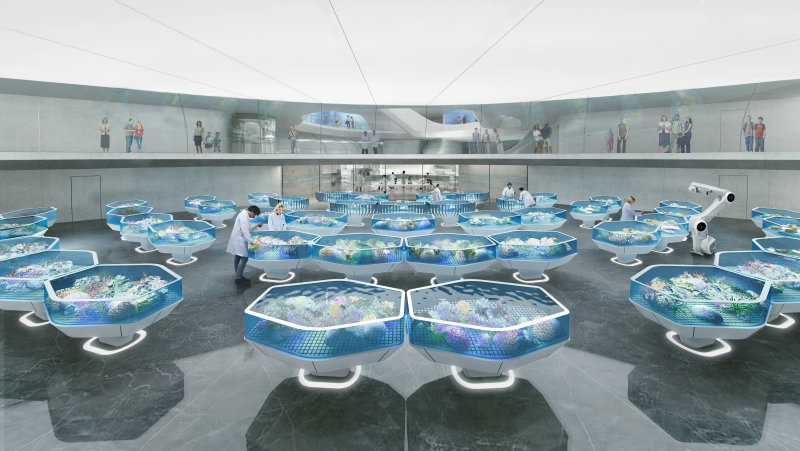
If Noah would have had the challenge, this is what his living ark might look like to save the coral reefs.
The thought is frightening that we need “live arks” and seed banks to secure species’ and our survival for the future. In 2008 with the starting effects of global climate change the Svalbard Global seed bank was established to ensure future generations that seeds and seed diversity would be available when and if needed. The bank, built into permafrost, now contains seeds from far and wide — even from Syria where locals feared seed diversity might die out during their civil war.

Now the same is true for wild grains being threatened by our regular daily bread and most urgently coral reef bleaching and die-out has caused science to invest in a coral reef biobank in Australia. An estimated 50% of the world’s coral reefs have died out and we are expected to lose up to 90% if interventions are not taken.
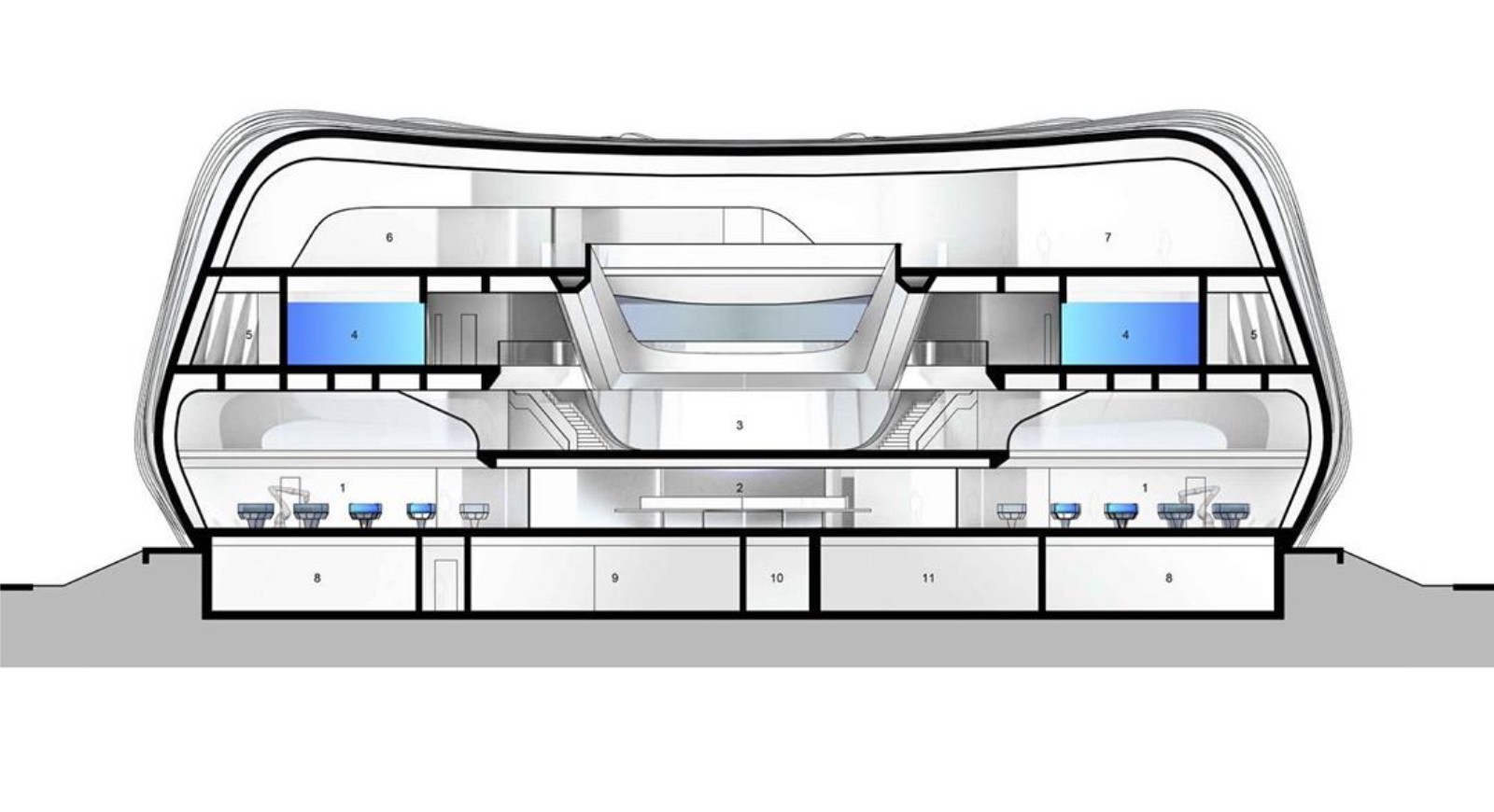
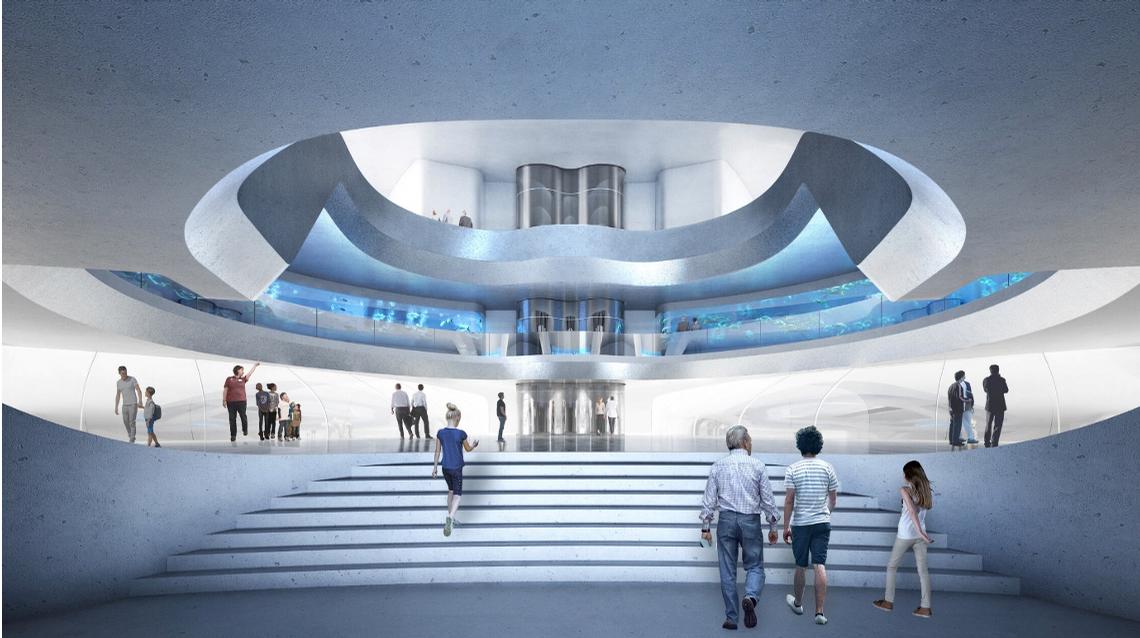
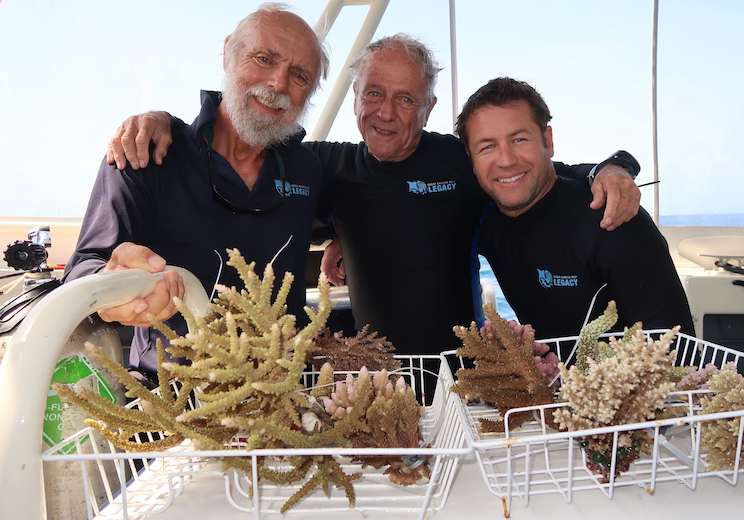
A nonprofit organization called the Great Barrier Reef Legacy has revealed design plans for the Living Coral Biobank, to conserve a coral ark of 800 at risk coral scleractinia or hard corals species. The species will be from around the world and the center will also offer a landmark to another otherwise unheard of town called Port Douglas, a small coastal community in far northern Queensland, Australia famous for its coral reef research.
A Sydney-based practice Contreras Earl Architecture designed the building along with London-based Arup. They plan for the building to become a world leader in next-generation sustainable design, creating optimal conditions for coral storage while minimising energy consumption. Solar power and special insulation are some of the green features of the building.

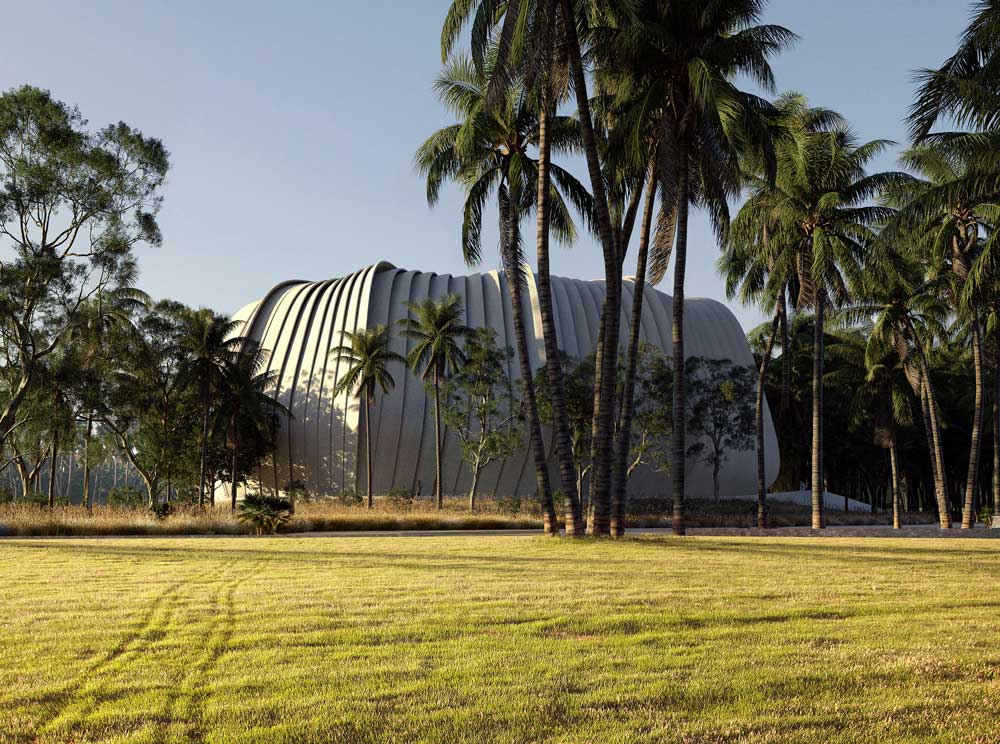
“To ensure this priceless living collection is held in perpetuity for generations to come, we need the world’s most advanced facility that also promises to use only renewable energy sources and function with optimum efficiency, while also creating an unforgettable visitor experience—and that’s exactly what this design delivers,” said Dr. Dean Miller, project director of the Living Coral Biobank and managing director of Great Barrier Reef Legacy, in a statement shared by Arup in a press release.
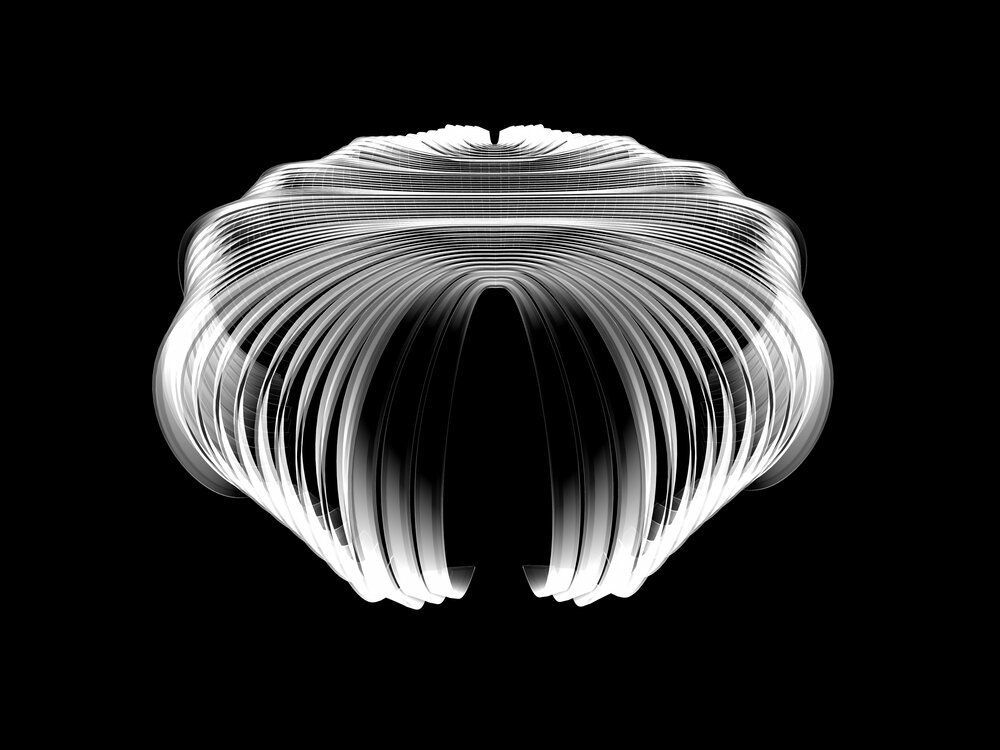
The aim is to have the building up and running by 2025 but the group will need to secure funding from an Elon Musk or Richard Branson in order to complete the vision.
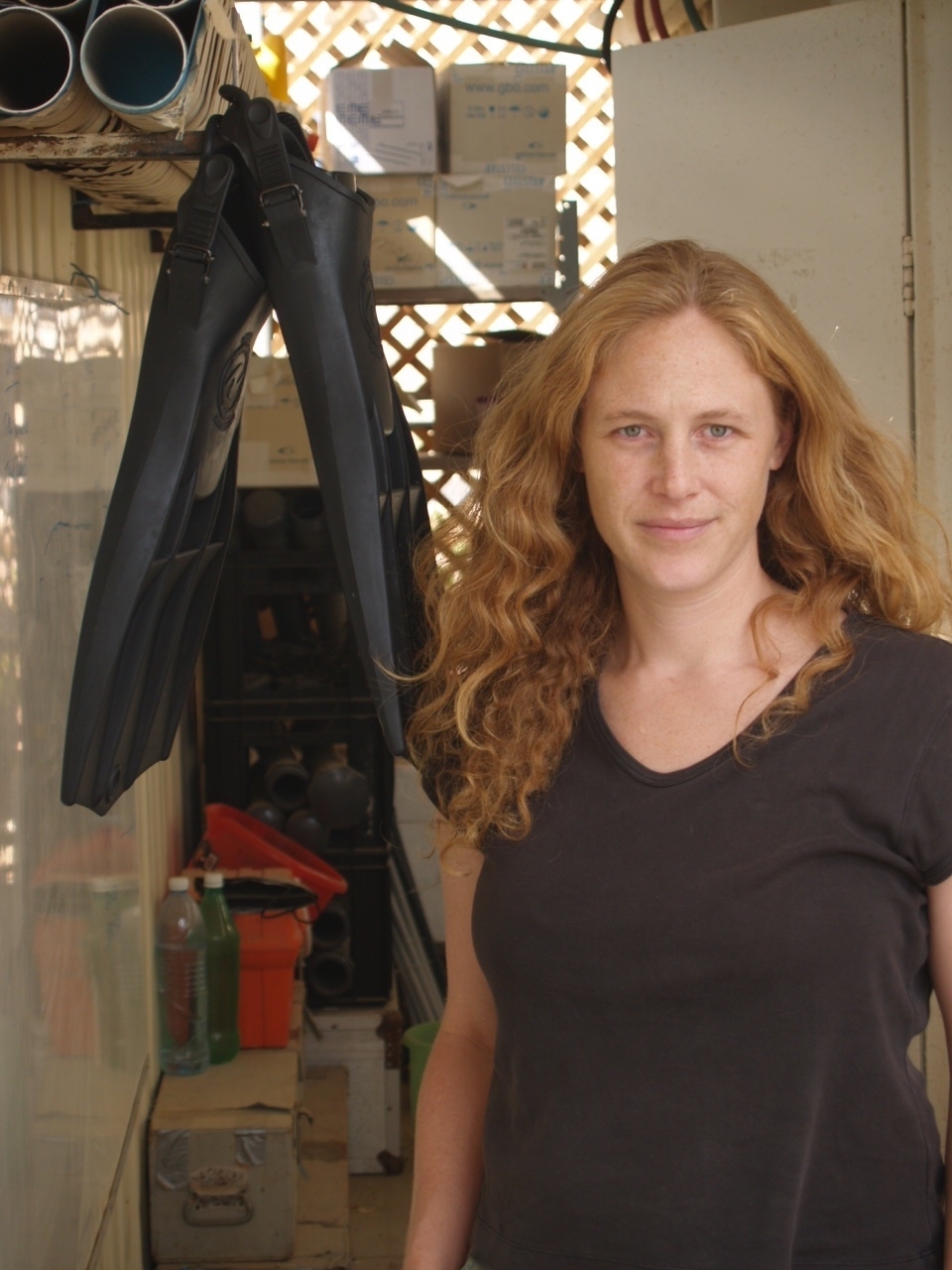
Coral reef and marine researcher expert Beverly Goodman from Canada and Israel isn’t thrilled at the prospect of a Noah’s Coral Ark. Goodman works in the Mediterranean and Red Sea mainly and thinks putting focus on a biobank or showcase distracts from the work needed in coral reef conservation.
She drives home the message that conservation is key, telling Green Prophet: “The basic answer is yes: just like seed banks, having archives of species is important. Whether it is a ‘solution’ to anything is certainly a deeper question and issue. Some fear that such efforts will make conservation efforts seem less important and divert focus,” she explains.
So what can we do today to save the coral reefs? “It sounds like a dodgy answer,” Goodman says, “but ‘everything’. This effort is really important, and will be successful if it is not needed. Marine sanctuaries and protections are probably one of the greatest directly impactful ways to slow the bleed. Education is everyone’s favourite, but in truth good policy and enforcement must exist for education to be impactful.
“It will be successful if it is not needed – is sort of like the issue of good Covid-prevention. If done right, then it will seem like a big waste in the end. I mean no species genetic bank will have to be put into use later.”
Coral reefs in the Middle East
Coral reef die-out is witnessed in Middle East regions that border on seas and oceans. The Red Sea reefs in Eilat, Aqaba and Sinai are a shadow of what they once were, while Red Sea areas off the coast of Saudi Arabia, not popular for beach tourism because of strict conservative social codes, have led to a by-the-way protection of coral reefs.
Saudi Arabian reefs include the Tiran Islands, the Al Wajh Bank, the reefs north of Yanbu, between Obhur and Thuwal north of Jeddah, and the outer Farasan Bank. This could change after the Saudi vision comes to light, along with the creation of the mega eco-disaster city Neom billed as a city of the future.
If conversation is the key to saving the reefs then conservation laws must be put into effect and practiced. It’s highly unlikely to get fined for stepping on or damaging a coral reef in the Red Sea, and if global warming is to blame, companies that are big polluters must face rapid changes and understand that business is no longer as usual. Greta sounded the alarm loudly, now what?