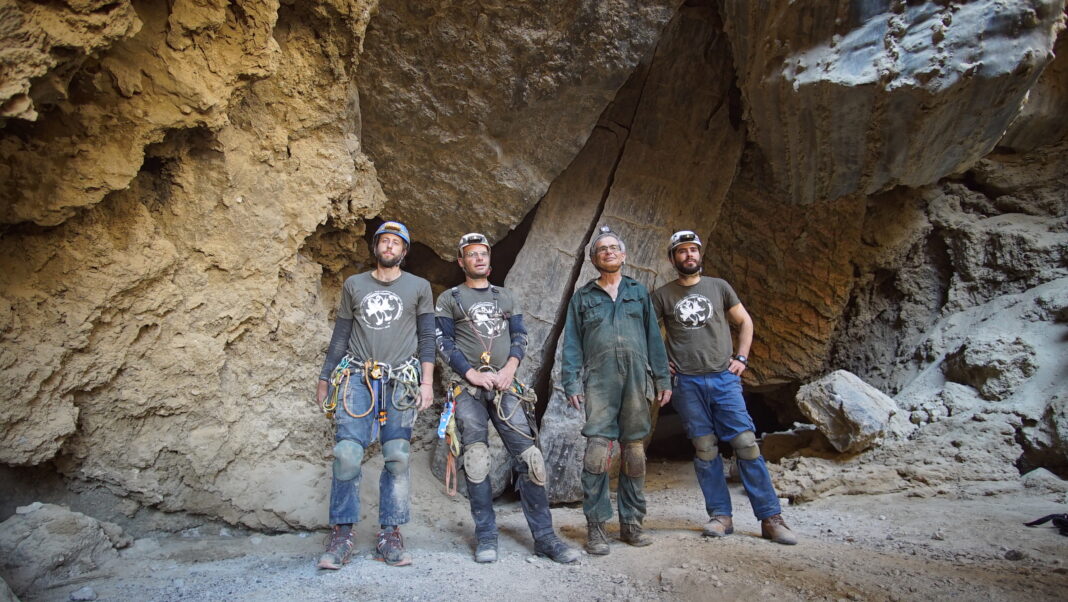

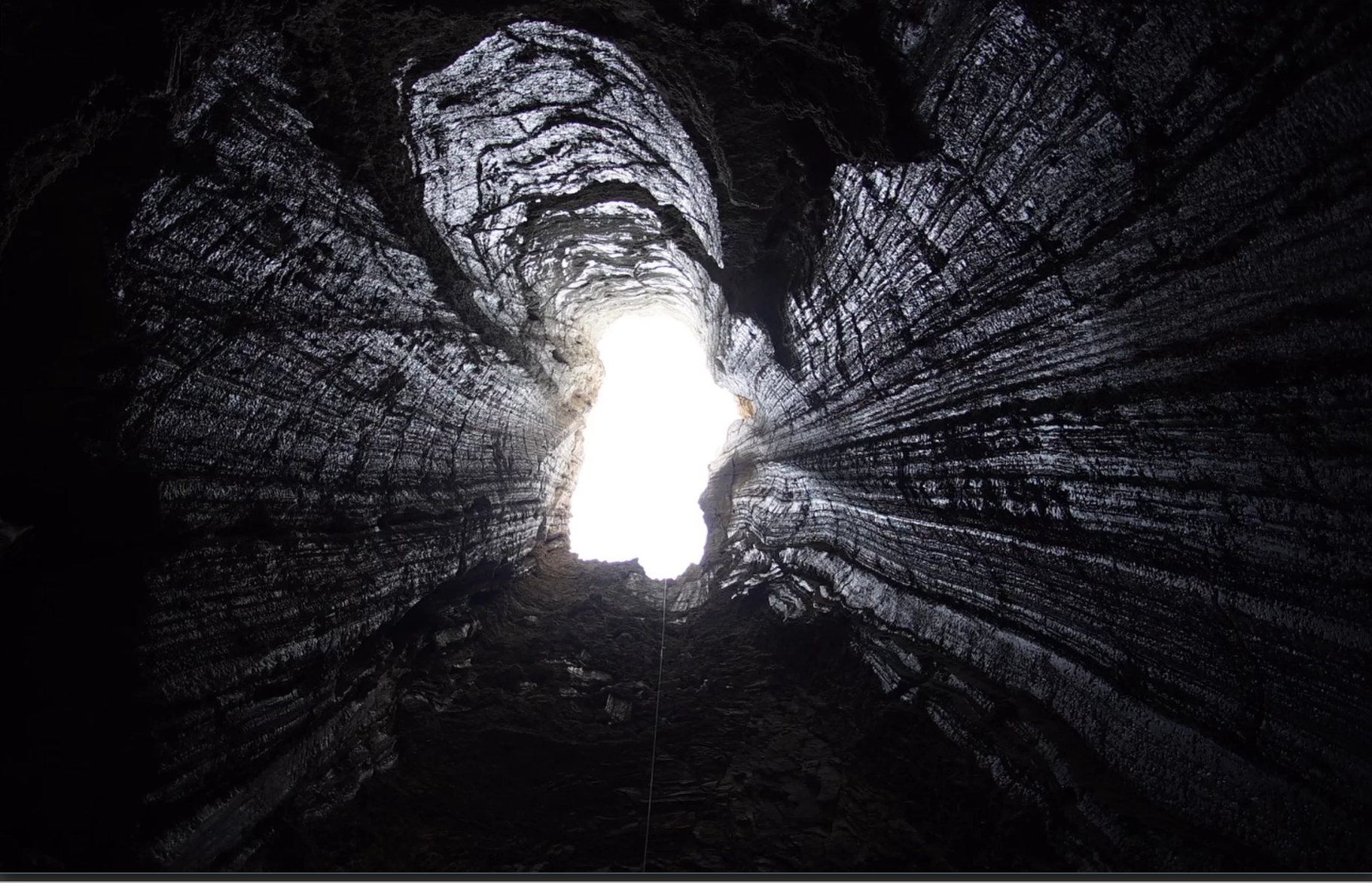
Following the biblical recounting of Lot’s Wife who was turned into a pillar of salt, Israel’s Dead Sea region is now famous for another salt phenomenon: Malham Cave, the world’s longest salt cave. Get spelunking!
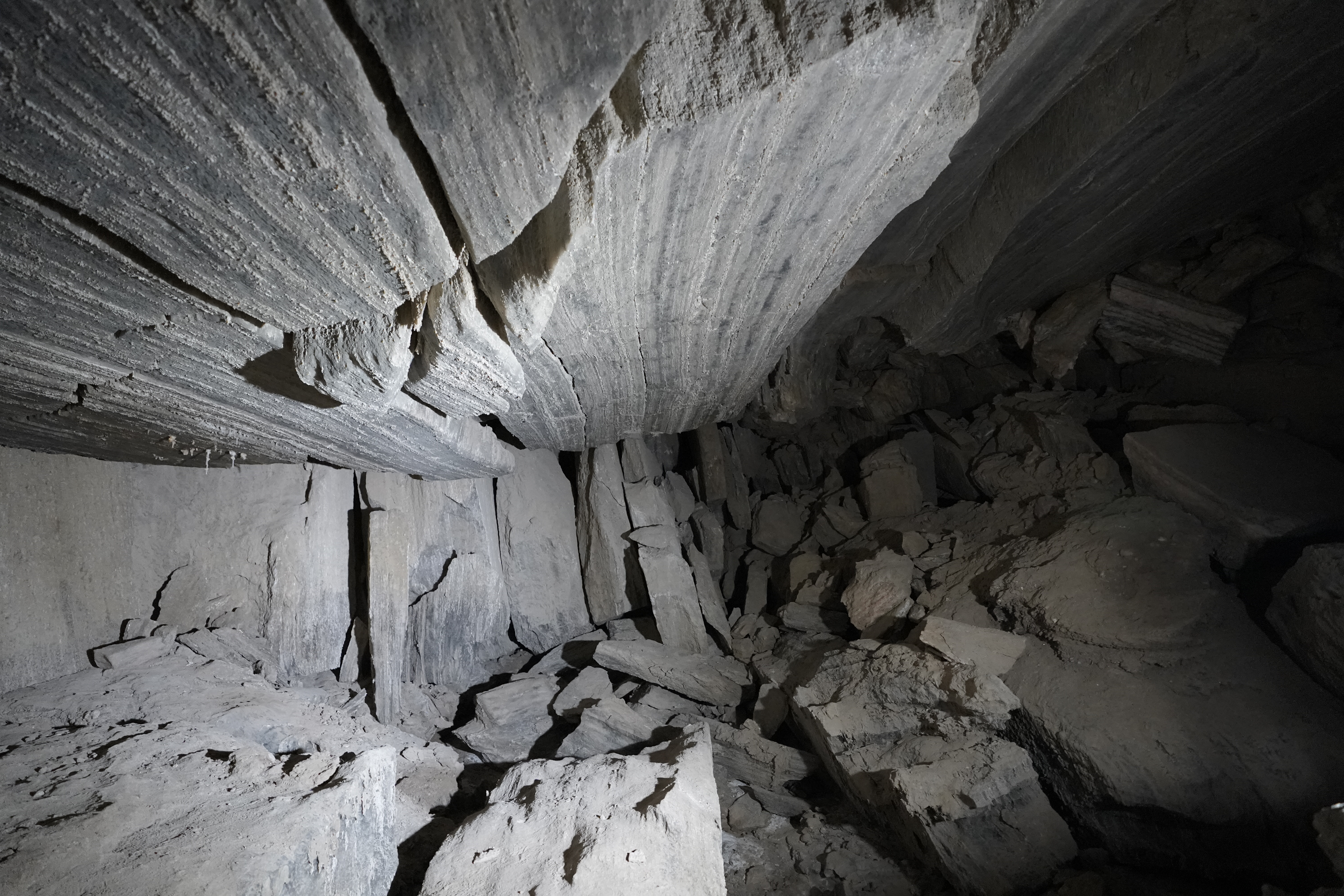
For thirteen years, this title was held by Iran’s Cave of the Three Nudes (3N) on Qeshm Island. Now, an international expedition led by the Hebrew University of Jerusalem (HU)’s Cave Research Center (CRC), Israel Cave Explorers Club, and Bulgaria’s Sofia Speleo Club, along with 80 cavers from nine countries, has successfully mapped the Malham salt cave in the Dead Sea’s Mount Sedom which, at 10 kilometers long, now bears the title of world’s longest salt cave.
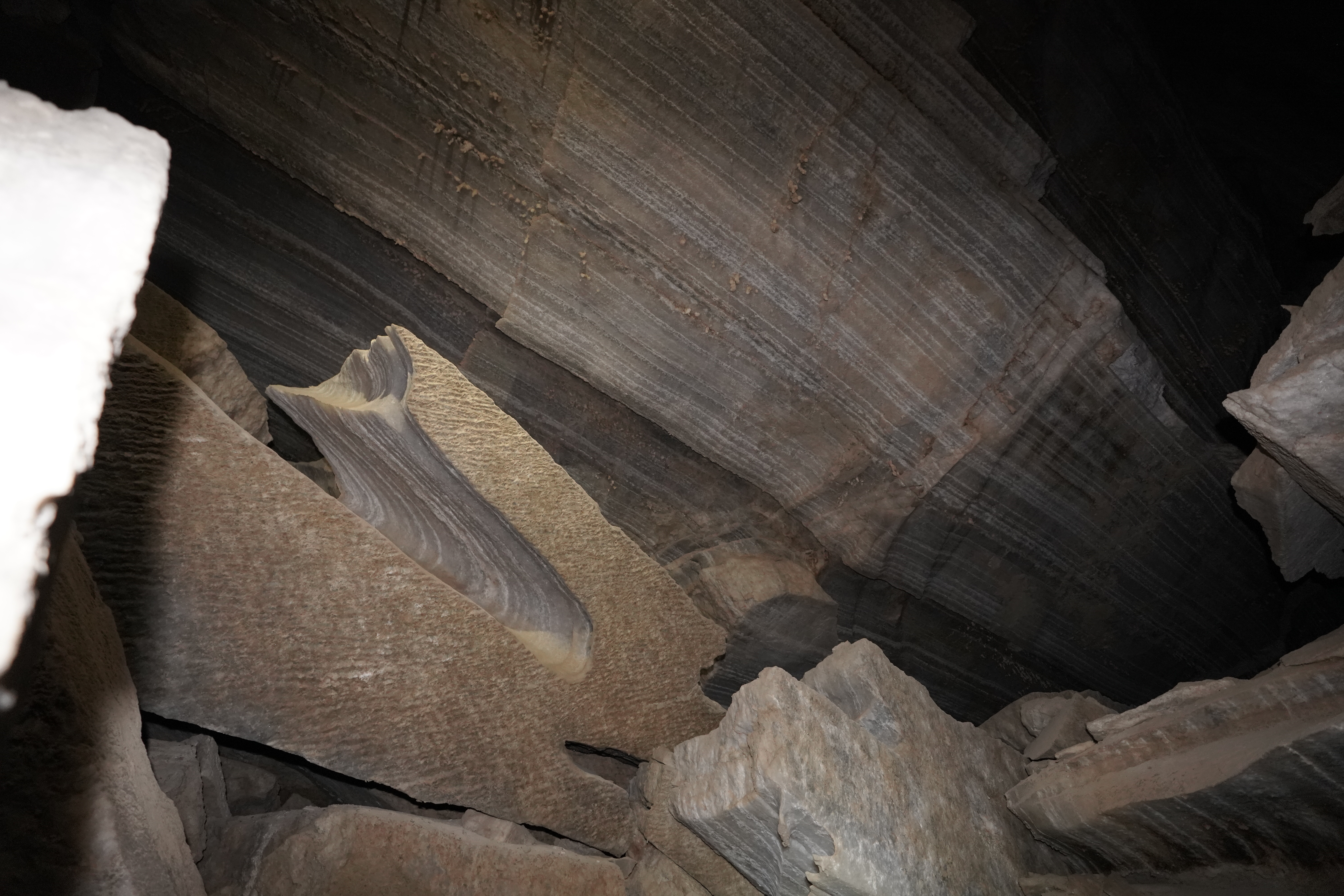
Salt caves are living things, geologically speaking. They form mostly in desert regions with salt outcrops, such as Chile’s Atacama Desert, Iran’s Qeshm Island and Israel’s Dead Sea. What helps them form is water—even arid climates see the occasional rainstorm. When it does rain, water rushes down cracks in the surface, dissolving salt and creating semi-horizontal channels along the way. After all the rainwater drains out, these dried out “river beds” remain and salt caves are formed.
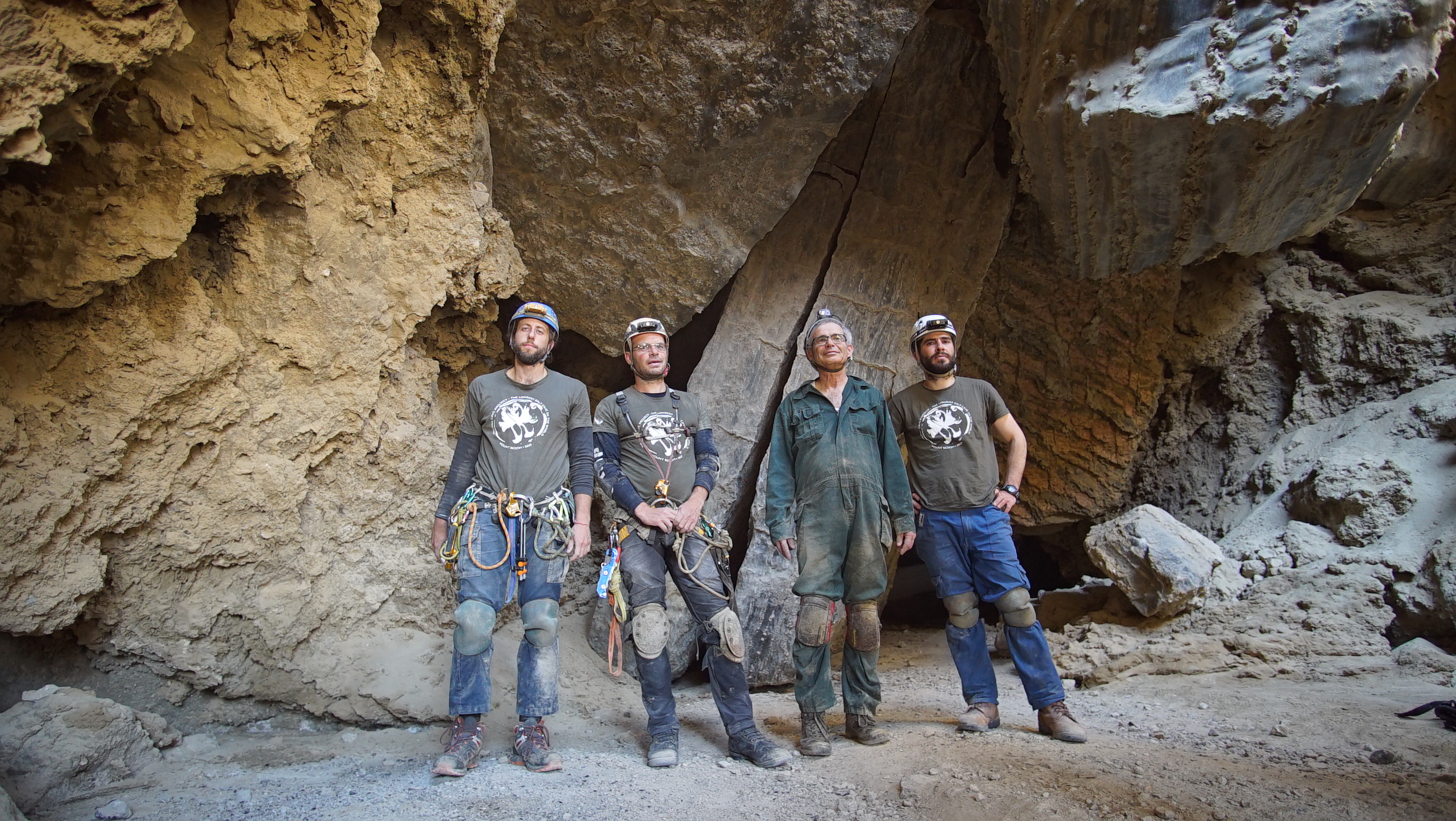
Fitting this description is Israel’s Mount Sedom, an 11km long mountain that sits 170 meters below sea level at the southwestern tip of the Dead Sea. Underneath a thin layer of cap rock, this mountain is made entirely of salt (just like the kind we season our food with). Two factors protect this mountain from dissolving away: the sturdy cap rock that covers its salt, and the arid climate of the Negev Desert. Mount Sedom gets roughly 50mm of rain a year, mostly in short but dramatic rain bursts. As Professor Amos Frumkin, director of the CRC at HU’s Institute of Earth Sciences, explained, “The Malham Salt Cave is a river cave. Water from a surface stream flowed underground and dissolved the salt, creating caves – a process that is still going on when there is strong rain over Mount Sedom about once a year.” In this way, the Malham Salt Cave is “alive” and continues to grow.

Malham was initially discovered by the CRC back in the 1980’s. Later, tens of CRC expeditions surveyed Mount Sedom and found more than 100 salt different caves inside, the longest of which measured 5,685 meters. Subsequent carbon-14 tests dated the cave as 7,000 years old, give or take, and successive rainstorms created new passages for the cavers to explore. When the international expeditions returned to Malham in 2018 and 2019, their surveys discovered the cave’s record-breaking, double-digit length. “Thirty years ago, when we surveyed Malham, we used tape measures and compasses. Now we have laser technology that beams measurements right to our iPhones,” Frumkin recalled.
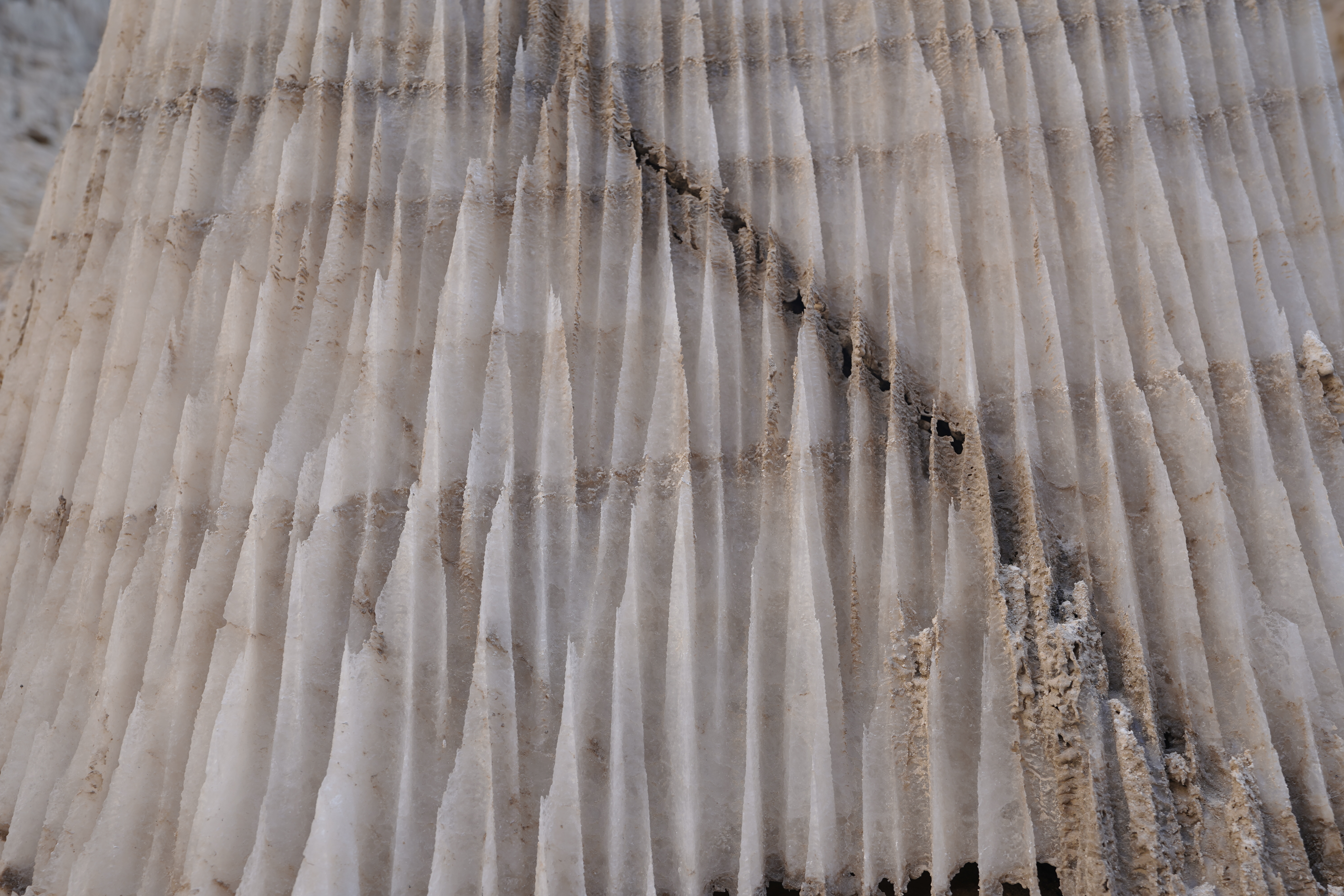
Notably, Malham is the world’s first salt cave to reach a length in the double-digits. By comparison, Iran’s Qeshm Island salt cave, now the world’ssecond largest salt cave, measures only 6,580 meters. In addition to its length, the Malham Cave contains a stunning array of salt stalactites and saltcrystals within its chambers. These salt icicles hang from the cave’s ceiling and grow longer and fatter as each drop of water rolls down before evaporating into the salty air.
Currently, the survey team is processing final data from the new Malham Cave surveys to create an electronic map of the cave and to publish its findings.
The international cave expeditions that worked together to map Malham Cave include Israel’s Cave Explorers Club, HU’s Cave Research Center, and Bulgaria’s Sofia Caving Club & Speleo School. The survey team included cavers from Israel, Bulgaria, France, United Kingdom, Croatia, Romania, Germany and the Czech Republic.
Boaz Langford, Member of HU’s Cave Research Center and head of the 2019 Malham Cave Mapping Expedition: “Israel’s salt caves are a global phenomenon. My colleagues around the world are always amazed at what we find here. Returning to survey Malham Cave allowed us to reveal its full dimensions and rank Israel as first among the world’s longest salt caves.”

Yoav Negev, Chairman, Israel Cave Explorers Club and project leader of the Malham Cave Mapping Expedition: “This entire project began with a call to Antoniya Vlaykova at Bulgaria’s Sofia Caving Club & Speleo School. From the very beginning they showed real interest in collaborating with us and in taking on a central role in the project. Soon we had a 50-member delegation—half international, half Israeli. The Malham Cave is a one of kind expedition that demonstrated the power of international caving delegations coming together to achieve something remarkable. The fact that we came away with a new world record is icing on the cake.”
Efraim Cohen, Member of HU’s Cave Research Center: “Mapping Malham Cave took hard work. We cavers worked 10-hour days underground, crawling through icy salt channels, narrowly avoiding salt stalactites and draw-dropping salt crystals. Down there it felt like another planet. Our next and final step is to map the tightest spots and the most difficult ones to reach. When we’re all done, it’s likely we’ll add a few hundred meters to Malham’s impressive 10 kilometer length.”
The 2018 and 2019 Malham Cave expeditions were supported by the Bulgarian Federation of Speleology, the Ministry of Youth and Sports in Bulgaria, the European Federation of Speleology (FSE) and its sponsors Aventure Verticale, Korda’s, Scurion, and Bulgaria Air.