20 Goofy Ingredients You Can Actually Compost

 20 Items that can be compostedGreen Prophet loves composting, the DIY alchemy of diverting waste from landfills and converting it to nutrient-rich soil. But what if your kitchen doesn’t generate enough scraps to feed the process? Turns out there are loads of non-food ingredients to add to the mix.

A new school year starts this week and, in the annual house-scan for fresh notebooks and pens, I unearth more mysterious clutter, stuff that grows like Chia Pets in underused drawers and cupboards.  You probably have the same problem: business cards from ages-ago jobs, dusty bottles of antique spices, a stack of Teletubbies paper plates (that little birthday girl is now pushing 16).

My greenest friend observed the clean-out and told me to chuck it all in the compost heap. A few minutes spent Googling, and it seems her tip is legit. These odd items might make your garden thrive:

  1. Old paper business cards
  2. Outdated herbs and spices
  3. Bamboo skewers
  4. Dryer lint
  5. The contents of your vacuum cleaner bag
  6. Wine corks
  7. Paper egg cartons
  8. Toothpicks
  9. Pet hair
  10. Human hair
  11. Matches
  12. Pencil shavings
  13. Paper napkins
  14. Crepe paper streamers
  15. Old potpourri
  16. Latex condoms
  17. Nail clippings
  18. Feathers
  19. Dog food
  20. Cardboard rolls from toilet paper and paper towels

Author disclosure: I mostly trust my friends, and my friends are mostly comedians. Have you dropped these ingredients in your own fertilizer factories with good results, or am I about to become another cautionary tale?

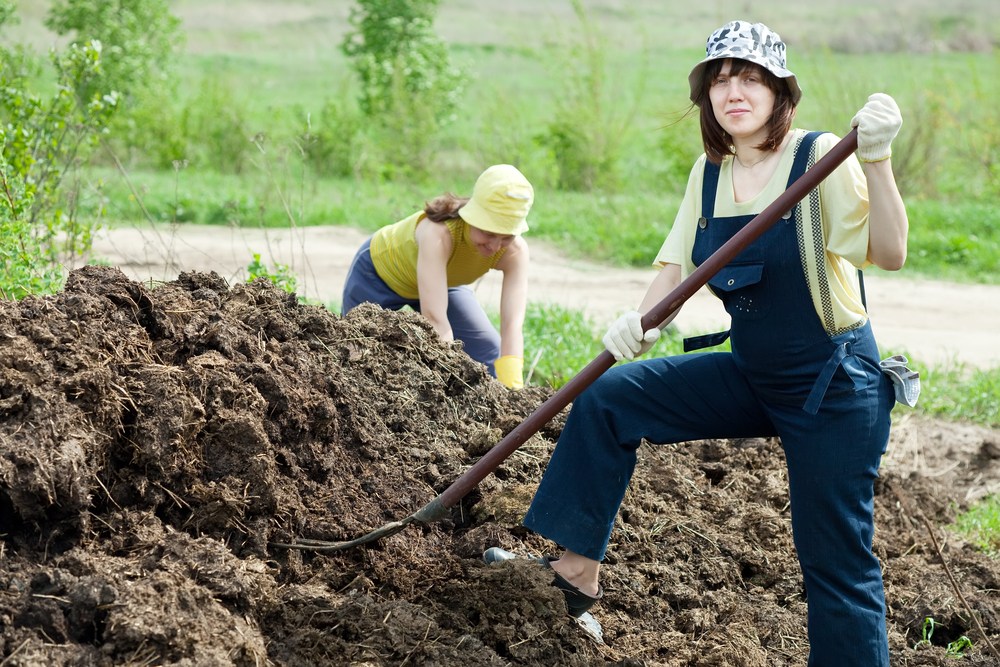
Image of women farmers from Shutterstock

Read More

2 COMMENTS
  1. All that makes sense, so I think you are on the right track. The formula must still include green stuff and these ingredients might have to be mixed in somewhat judiciously. If you are in an area with an active recycling program, some of this stuff would still be better for the environment to put into the recycling container.

    • Thanks Michael – I decided to go slow on these “new” ingredients until I read more on the chemical balance needed for optimal composting in this arid climate. If it works, it’ll have a double benefit – as municipal recycling is near-nonexistent here in Jordan.

TRENDING

Self-repairing contact lenses and desalination membranes that fix themselves?

Could the humble contact lens become a sustainability breakthrough? Researchers in Korea have developed a self-healing hydrogel lens that repairs scratches with just one hour of UV light exposure. Beyond reducing waste from disposable contacts, the technology could one day help extend the life of solar panels, water filtration systems, and other plastic-based products.

From Pilot Plant to Global Stage: How Aduro Clean Technologies’ 2026 Expansion Signals a Turning Point for Chemical Recycling Investors Like Yazan Al Homsi

The company's Next Generation Process (NGP) Pilot Plant in London, Ontario, has officially moved into initial operating campaigns, generating the kind of structured, repeatable data that separates laboratory promise from commercial viability.

Urban miner Sortera raises $45 million USD to pull aluminum from the scrap pile

Sortera Technologies, founded in 2020 by Nalin Kumar and Manuel Garcia, is emerging as a major U.S. circular-industry player. Led by CEO Michael Siemer, the company uses AI and advanced sensors to turn scrap metal into high-value aluminum alloys. Its new ~$45 million funding round signals investor appetite for industrial decarbonisation—where emissions cuts come not from PR-friendly solar installs, but from upgrading the materials that power EVs, solar frames, and construction.

Waste Reform from the Ground Up: How Trash Balers Are Helping Cities Rethink Sustainability

If you’ve ever watched a recycling truck weaving through city streets, you’ve seen the problem firsthand. Most of what we call “recycling” still depends on long-distance transportation and centralized sorting facilities. Those systems are energy-intensive and prone to contamination — the dreaded mix of wet food, plastic wrap, and paper that renders recyclables useless.

Soil has hidden antibiotics ready to be found –– and the new race to find them

Most bacteria in soil cannot be cultured in the...

Yerukim Forms a New Green Economy Where the Money is Really Green

The Yerukim members who pick up the recyclables get to keep the monetary reward, the public earns "green" bills that can be used in shops, and business owners get to be associated with environmentalism.

Choosing Riyadh over Dubai? What Investors Should Know

Saudi Arabia is deploying capital at unmatched scale to catalyze tourism and advanced industry while rewiring its power-and-water backbone. The investable frontier is widening—especially in renewables, grid storage, water efficiency/desal retrofits, and hospitality operating platforms. Prudent investors will insist on phased delivery, enforceable KPIs (energy, water, biodiversity), and RHQ/zone compliance—while pricing political-economy and reputational risks alongside growth upside.

Sell your cooking oil for biodiesel money

Want to make money on old french fry oil? Sell it.

Qatar Alternative Energy Summit Pairs Investors And Innovators

Alternative energy investors and innovators can meet n' greet in Doha, Qatar March 16 and 17.

Here’s How To Implement The Four Pillars Of Employee Engagement

If you throw a party for your work team and they are vegans, don't make it a barbecue. Know the sustainability values of your team to boost moral and retain good people.

Locals From Rishon Fight IKEA

Big Box stores are a pretty new concept in Israel, and thank God that not every Israeli city wants them in their backyard. A word from someone who has see the beautiful farmland around her hometown Newmarket, Ontario stripped and converted into vulgar strip malls of big box shops: they have no place in a healthy and sustainable town or city.

The Jewish National Fund Meets An Inconvenient Truth

According to the JNF, it has transformed thousands of acres of barren land into green forests in Israel. They state that each person emits about 23 tons of carbon per year, estimating that each tree planted can absorb one ton of carbon in its lifetime. That's a whole lot of trees you'd need to be planting. Could so many fit in Israel?

How to quiet noise from construction in your office

Streets need to be resurfaced in New York but the humming and grinding noise is unsettling. Noise is environmental pollution. 

Popular Categories