


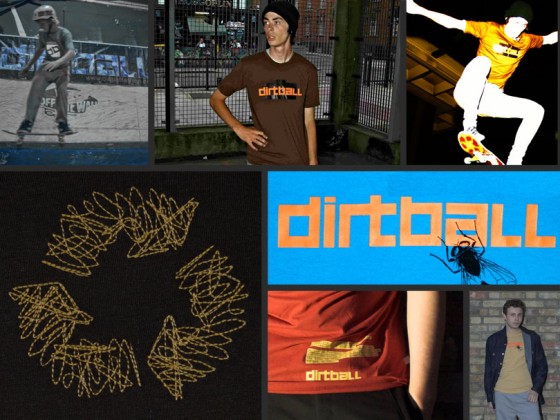
 Determined to make a positive environmental contribution, the UK-based clothing manufacturer DGrade perfected a method that converts recycled plastic into yarn. They use 20% less water, 50% less energy, and produce 55% less carbon emissions than the cotton manufacturing process requires, and they have recently opened a branch in the Dubai mall.
(As of 2022 it looks like the brand has shut down)
Their cost-competitive brand Dirtball targets young, sporty types, and they are also under license to sell Spiked clothing designed for the hipsters among us. Which was all very exciting, until we learned that their clothes are made in China.

How to make clothes from plastic
DGrade’s Managing Director Kris Barber described the process by which their plastic clothing is manufactured to Gulf News correspondent Anupama Varma Chand.
Our factories buy post-consumer plastic bottles recovered by recycling companies, says Kris. These are then shredded into flakes and heated and extruded through a spinarrette (something like a showerhead). When cooled the strands of plastic (polyester) are then crimped and re-shredded into fibre. In some cases this fibre is then blended with cotton and spun into yarn, then knitted and dyed to produce blended polyester/cotton or 100 per cent recycled polyester.
Approximately three 500ml plastic bottles are used to make a t-shirt, 30 bottles go into a pair of shorts, while 40-60 bottles might be diverted from the waste stream in order to make a jacket. These are admirable numbers, and Barber told the paper that they are heavily audited by SEDEX, the supplier ethical data exchange, a non-profit organization that ensures ethical practice in global supply chains.
While DGrade sites altruistic reasons for switching to post consumer recycled plastic, many other clothing manufacturers have been moving away from cotton as prices in the last two years have risen in some cases by as much as 80% as a result of flooding, cold weather snaps and other factors that have decimated global crops.
Climate and cotton production
In a report called Cotton and Climate Change: Impacts and Options to Mitigate and Adapt released by the International Trade Centre (ITC), researchers demonstrate how the effects of climate change are changing the industry. Rising temperatures and carbon dioxide levels adversely affect cotton crops, water is less widely available, and more pest infestations are occurring.
Cotton also contributes up to 1% of the global greenhouse gas emissions.
Because of the high price of cotton, more environmentally-friendly fabrics are becoming more cost-competitive. But we have to question how much of this results from cheap labor in China. A truly sustainable clothing manufacturer uses local labor, even if it means the prices are somewhat higher. Not to mention the embodied carbon emissions associated with shipping half way across the globe.
Creating plastic awareness in the Gulf
According to Gulf News, producing the yarn, made for the UK company Greenspun in China, “requires between 60 to 90 days, which includes the time taken to ship the consignment of plastic waste to China where it is converted into yarn, woven into fabric and fashioned into clothes by the manufacturing unit in China, before they are shipped back to the UAE.”
Still, this is an admirable initiative and the company is also engaged in plastic-awareness programs in the Gulf, which is quickly becoming a leading promoter of earth-friendlier packaging. They were the first in the region to completely ban regular plastic bags, even though biodegradable alternatives have a long way to go before they are completely viable.
DGrade’s clothing is perfectly safe to wear, according to the company, since no chemicals are used in the manufacturing process, and they have the same texture and feel as cotton. Best of all, once you tire of your item, you can return it to the company for a 20% discount and they will recycle it.
More on Recycled Couture
Lebanese Eco-Designer Ziad Ghanem Creates Recycled Couture


the man in the people is very handsome .haha
sadfp;]i0-
That’s really great news Kris… thanks for letting us know, and we think you’re doing great work.
Actually you will be pleased to know that as part of our strategy to reduce our carbon footprint, we are now sourcing all our production in Pakistan and soon to be bringing our supply chain even closer to home by establishing our fully vertical plant right here in the Middle East.
Our yarns are made from recycled plastic bottles which in itself is a Polyester Polymer. What we do is recycle this material to make great clothes rather then developing Poyester from a finite source – Oil.